
Resource
- Comprehensive Guide to Fume Cupboard Installation and Testing in Laboratories
- 1. What is the primary function of a fume cupboard in a laboratory?
- 2. What are the key installation requirements for a fume cupboard?
- 3. What testing is required after fume cupboard installation?
- 4. How often should fume cupboards be tested and maintained?
- 5. What are common issues encountered after fume cupboard installation?
- 6. How can I ensure compliance with safety standards for fume cupboards?
- 7. What are the benefits of using a certified fume cupboard?
- 8. How can I address issues with fume cupboard performance?
- Conclusion: Why Choose MAXLAB for Your Laboratory Furniture Needs
What testing is required after fume cupboard installation?
Comprehensive Guide to Fume Cupboard Installation and Testing in Laboratories
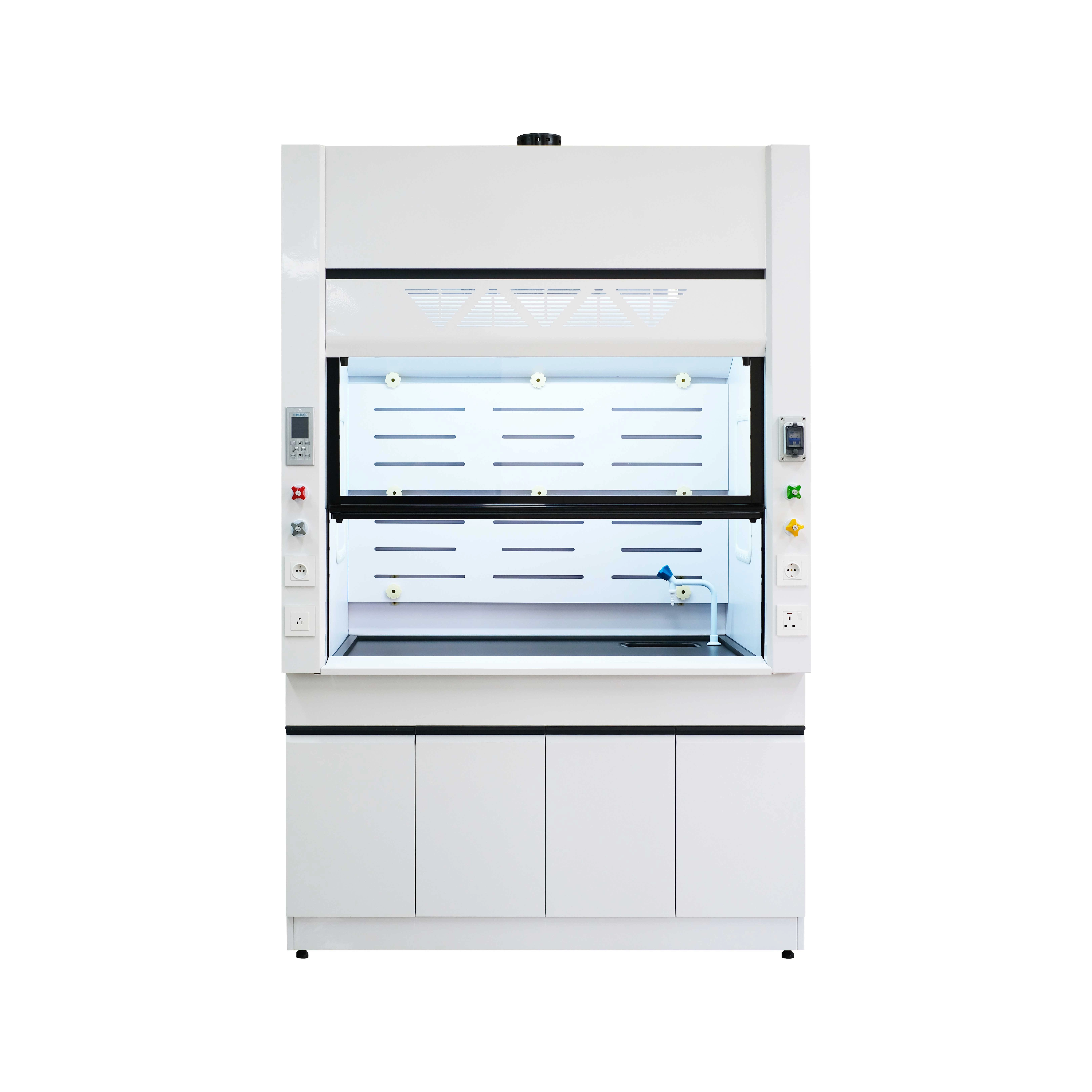
Fume cupboards, also known as fume hoods, are vital components in laboratory settings, designed to protect users from hazardous fumes, vapors, and particulates. Proper installation, testing, and maintenance are crucial to ensure their effectiveness and compliance with safety standards. Below are some common questions and answers to guide you through the process.
1. What is the primary function of a fume cupboard in a laboratory?
A fume cupboard serves as a local exhaust ventilation system, capturing and containing hazardous substances generated during laboratory experiments. It ensures that harmful fumes, vapors, and particulates are safely removed from the laboratory environment, protecting personnel and maintaining air quality.
2. What are the key installation requirements for a fume cupboard?
Proper installation is essential for the effective operation of a fume cupboard. Key requirements include:
Location: Position the fume cupboard away from air drafts, such as those from HVAC systems or open windows, to maintain consistent airflow.
Ductwork: Ensure that the exhaust ductwork is properly installed and balanced to facilitate efficient airflow.
Make-up Air: Provide an adequate supply of make-up air to replace the air exhausted by the fume cupboard, maintaining room pressure balance.
Materials: Use corrosion-resistant, non-porous, and non-combustible materials for the fume cupboard's construction to enhance durability and safety.
3. What testing is required after fume cupboard installation?
After installation, several tests are necessary to verify the fume cupboard's performance:
Face Velocity Measurement: Measure the average face velocity to ensure it meets the required standards, typically between 60 and 110 feet per minute (fpm).
Smoke Pattern Test: Conduct a smoke test to visualize airflow patterns and confirm that contaminants are effectively contained within the fume cupboard.
Operational Testing: Verify the functionality of alarms, sash stops, and control systems to ensure they operate correctly.
Documentation: Provide comprehensive documentation, including installation checklists, test reports, user manuals, and maintenance schedules.
4. How often should fume cupboards be tested and maintained?
Regular testing and maintenance are crucial for ongoing safety and compliance:
Initial Testing: Perform thorough testing immediately after installation to confirm proper operation.
Periodic Testing: Conduct performance evaluations at least every three months, or more frequently if laboratory conditions change.
Maintenance: Regularly inspect and maintain the fume cupboard to address any issues promptly and ensure continuous safe operation.
5. What are common issues encountered after fume cupboard installation?
Common issues include:
Improper Airflow: Caused by incorrect installation, obstructions, or inadequate ductwork, leading to reduced containment efficiency.
Material Degradation: Exposure to corrosive substances can damage the fume cupboard's interior surfaces if not constructed with appropriate materials.
Control System Failures: Malfunctions in alarms, sash stops, or control systems can compromise safety if not regularly tested and maintained.
6. How can I ensure compliance with safety standards for fume cupboards?
To ensure compliance:
Adhere to Standards: Follow guidelines set by organizations such as OSHA, NSF, and ANSI for fume cupboard design, installation, and testing.
Regular Training: Provide ongoing training for laboratory personnel on proper fume cupboard use and maintenance.
Documentation: Maintain detailed records of installation, testing, and maintenance activities for accountability and future reference.
7. What are the benefits of using a certified fume cupboard?
Certified fume cupboards offer several advantages:
Enhanced Safety: Meet established safety standards, reducing the risk of exposure to hazardous substances.
Regulatory Compliance: Ensure adherence to legal requirements, avoiding potential penalties.
Reliability: Demonstrate consistent performance and durability, leading to long-term cost savings.
8. How can I address issues with fume cupboard performance?
To address performance issues:
Consult Professionals: Engage qualified technicians to diagnose and resolve problems.
Review Installation: Ensure that the fume cupboard was installed according to manufacturer specifications and safety standards.
Regular Maintenance: Implement a routine maintenance schedule to identify and address issues proactively.
Conclusion: Why Choose MAXLAB for Your Laboratory Furniture Needs
MAXLAB offers a comprehensive range of laboratory furniture solutions, including high-quality fume cupboards designed to meet stringent safety standards. Our products are constructed with durable, corrosion-resistant materials and are backed by thorough testing and certification processes. By choosing MAXLAB, you ensure a safe and efficient laboratory environment, supported by our commitment to quality and customer satisfaction.
Sources:
(https://www.labdepotinc.com/articles/laboratory-standards-for-fume-hoods-and-biosafety-cabinets.html)
(https://totalcleanair.com/fume-cabinets-testing-and-validation/)
(https://www.trox-northamerica.com/fume-cupboards-and-safety-cabinets/fume-cupboards-dcc749f6351c7c52)
(https://www.maxlabfurniture.com/article/fume-hood-selection-safety-compliance/)
(https://www.maxlabfurniture.com/guides/fume-cupboards-essential-guide/)
(https://fumecupboardservicing.co.uk/about-hts/fume-cupboard-faqs/)
(https://www.newtechtm.com/hoodhtml/customhoodspecifications.html)
Why We Choose to Be Your Lab Furniture Solution Provider, Not Just a Manufacturer
Max Lab Introduction
Electronics Lab Bench vs Chemistry Lab Bench: What You Need to Know
What Is an Air Shower for Cleanroom?
For After-Sales Support
Can you help with product troubleshooting?
Yes, our customer support team is available to help with any issues or troubleshooting you may need for your laboratory equipment.
About Solution
What is the warranty policy of the product?
We provide 1-3 years warranty service, depending on the product type. Meanwhile, comprehensive after-sales support is provided, including repair and replacement services.
Customization
How to calculate the cost of customized services?
Customization services incur additional costs depending on the complexity of the design, material selection and production requirements. We will clearly list all costs at the quote stage to ensure that the client understands all costs.
For Customization
Do you offer custom branding for laboratory furniture?
Yes, we can incorporate custom logos, colors, and branding into your lab furniture to make it unique to your organization.
FAQS
Do you offer custom design services?
Yes, we provide full design support tailored to your lab’s specific needs, including layout planning and furniture customization.

Get in touch with us
If you have any comments or good suggestions, please leave us a message; later our professional staff will contact you as soon as possible.

 Scan QR Code
MaxLabFurniture
MaxLab Furniture
daihongada
Max Laboratory