
Resource
- Comprehensive Guide to Fume Cupboard Procurement and Containment Testing
- 1. What Are Fume Cupboards and Their Purpose?
- 2. What Are the Different Types of Fume Cupboards?
- 3. What Are the Key Considerations When Procuring a Fume Cupboard?
- 4. What Are Commissioning Tests for Fume Cupboards?
- 5. How Are Containment Levels Measured and What Standards Apply?
- 6. How Often Should Fume Cupboards Be Tested?
- 7. What Are the Benefits of Regular Testing and Maintenance?
- 8. How Does MAXLAB Ensure the Quality and Safety of Its Fume Cupboards?
What commissioning tests verify fume cupboard containment?
Comprehensive Guide to Fume Cupboard Procurement and Containment Testing
Laboratories handling hazardous substances require fume cupboards to ensure the safety of personnel and the environment. This guide addresses key considerations for procuring fume cupboards and understanding commissioning tests that verify their containment capabilities.
1. What Are Fume Cupboards and Their Purpose?
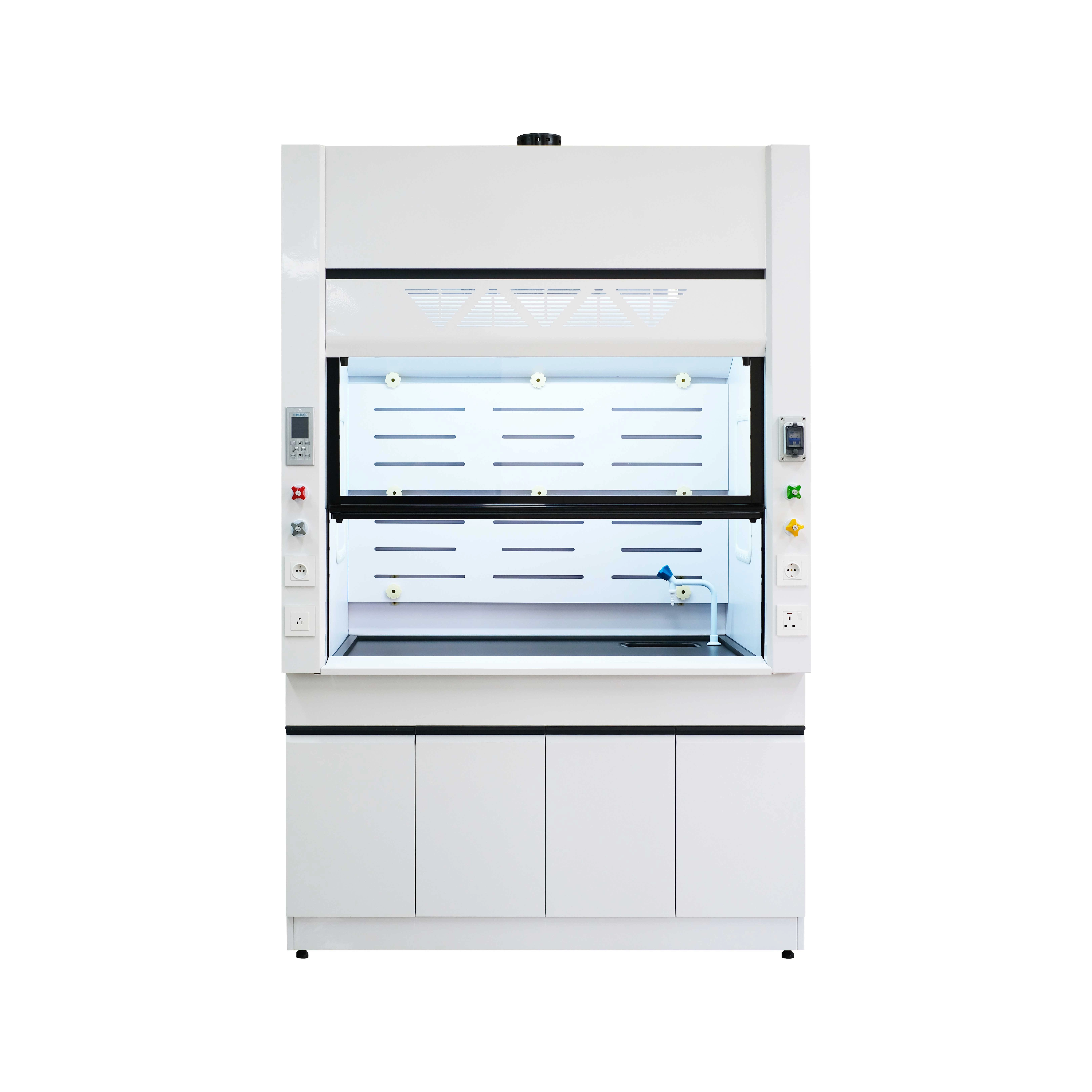
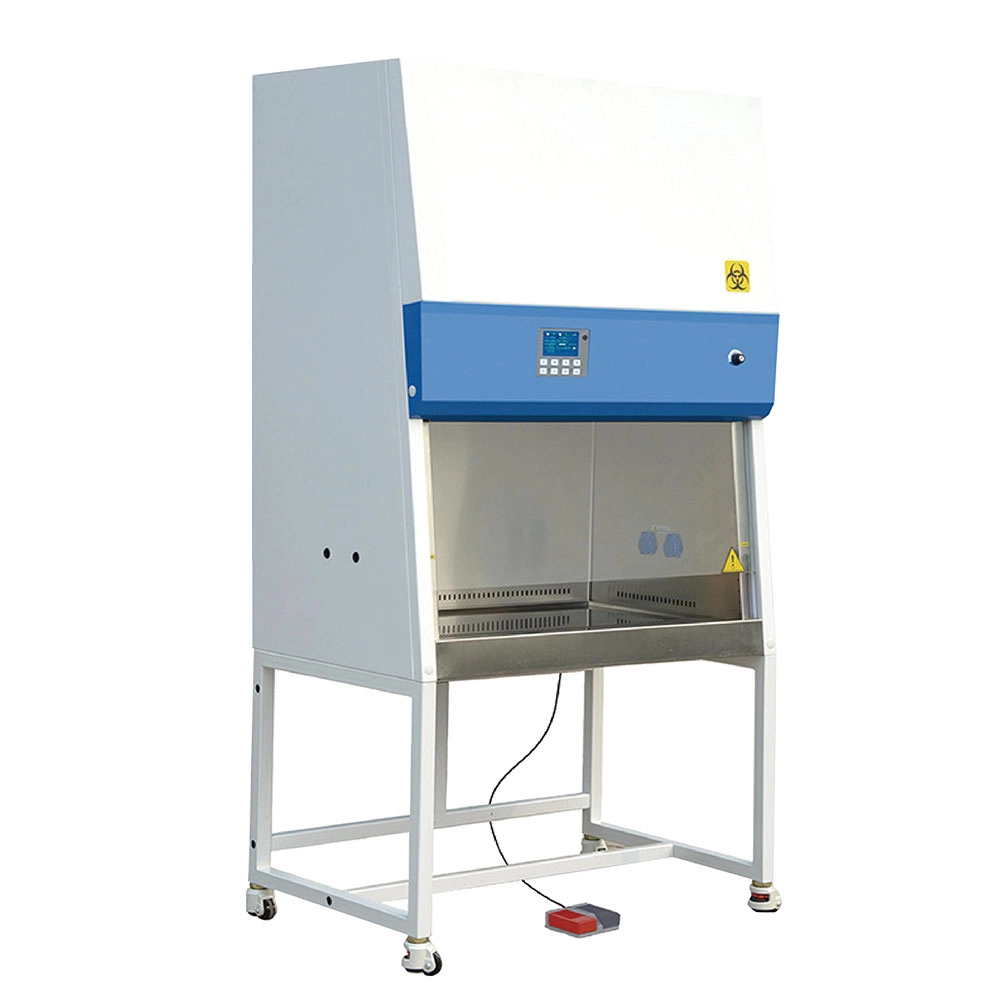
Fume cupboards, also known as fume hoods, are ventilated enclosures designed to contain hazardous fumes, vapors, and aerosols, protecting laboratory personnel from exposure. They function by drawing contaminated air into the hood, filtering it, and then exhausting it safely, either externally or recirculating it after filtration.
2. What Are the Different Types of Fume Cupboards?
Fume cupboards are primarily categorized into:
Ducted Fume Cupboards: These units expel contaminated air directly to the outside environment, ensuring that hazardous substances are not released into the laboratory.
Ductless Fume Cupboards: Equipped with filters, these units recirculate air back into the laboratory after removing contaminants. They are suitable for environments where external venting is impractical.
3. What Are the Key Considerations When Procuring a Fume Cupboard?
When selecting a fume cupboard, consider the following factors:
Compliance with Standards: Ensure the unit meets relevant standards such as BS EN 14175-3:2019, which specifies performance requirements for fume cupboards.
Containment Performance: Verify that the fume cupboard provides adequate containment to prevent hazardous substances from escaping into the laboratory environment.
Airflow and Face Velocity: Assess the airflow rates and face velocity to ensure they align with safety requirements and the specific applications of the laboratory.
Filter Compatibility: For ductless units, confirm that the filters are compatible with the chemicals used in the laboratory and are capable of effectively removing contaminants.
Maintenance and Serviceability: Consider the ease of maintenance, availability of replacement parts, and the manufacturer's support services.
4. What Are Commissioning Tests for Fume Cupboards?
Commissioning tests are conducted to verify that a fume cupboard operates correctly and safely. These tests typically include:
Face Velocity Measurement: Ensuring the average inward airflow velocity meets the specified standards, typically ≥0.5 m/s at a sash opening of 500 mm.
Containment Testing: Using tracer gases to assess the fume cupboard's ability to contain hazardous substances and prevent their escape into the laboratory.
Filter Efficiency Testing: For ductless units, evaluating the effectiveness of filters in removing contaminants from the air.
Smoke Testing: Visualizing airflow patterns to identify any turbulence or areas of inadequate containment.
5. How Are Containment Levels Measured and What Standards Apply?
Containment levels are measured by introducing a tracer gas into the fume cupboard and analyzing its concentration outside the hood. Standards such as BS EN 14175 and ANSI/ASHRAE 110 provide guidelines for these tests. For instance, BS EN 14175 specifies that the containment value should have a mean value of <0.005 ppm for both the Inner and Outer Plane Containment Tests.
6. How Often Should Fume Cupboards Be Tested?
Regular testing is essential to maintain safety standards. It is recommended that fume cupboards undergo testing at least every 14 months, as per regulations. However, more frequent testing may be necessary depending on the laboratory's specific requirements and the substances handled.
7. What Are the Benefits of Regular Testing and Maintenance?
Regular testing and maintenance ensure that fume cupboards continue to operate effectively, providing a safe working environment. Benefits include:
Compliance with Safety Regulations: Meeting legal and industry standards to avoid penalties.
Protection of Personnel: Ensuring that laboratory staff are not exposed to hazardous substances.
Operational Efficiency: Maintaining optimal performance and extending the lifespan of the equipment.
Early Detection of Issues: Identifying and addressing potential problems before they lead to equipment failure or safety incidents.
8. How Does MAXLAB Ensure the Quality and Safety of Its Fume Cupboards?
MAXLAB is committed to providing high-quality fume cupboards that meet international standards. Our products undergo rigorous testing, including face velocity measurements, containment testing, and filter efficiency evaluations. We offer comprehensive maintenance services to ensure the continued safety and performance of our equipment.
In conclusion, selecting the right fume cupboard and ensuring its proper commissioning and maintenance are crucial steps in safeguarding laboratory personnel and maintaining a safe working environment. By adhering to established standards and conducting regular tests, laboratories can achieve optimal containment and operational efficiency.
References:
Fume Cupboard Commissioning, Containment and LEV Testing. R&B Industrial Ltd.
Fume Cupboard Testing. RJ Urmson Commissioning Engineers Limited.
Fume Cabinets Testing and Validation. Total Clean Air.
Five Tests for Containment. Flow Sciences, Inc.
FUME CUPBOARDS TO COMPLY WITH VARIOUS SAFETY OBJECTIVES. TROX GROUP US.
Emergency Fume Hood and Biological Cabinets Testing and Repair. Highergov.
Always Audit-Ready. Erlab.
Note: The information provided in this article is based on current industry standards and practices as of January 2026. For the most up-to-date information, consult relevant standards and professional guidelines.
Why We Choose to Be Your Lab Furniture Solution Provider, Not Just a Manufacturer

2026 HAPPY NEW YEAR
Electronics Lab Bench vs Chemistry Lab Bench: What You Need to Know

Merry Christmas!
For Customization
Do you offer custom branding for laboratory furniture?
Yes, we can incorporate custom logos, colors, and branding into your lab furniture to make it unique to your organization.
For After-Sales Support
How can I get technical support for my equipment?
You can contact our technical support team via email or phone for assistance with installation, troubleshooting, or any issues you encounter with your laboratory equipment.
Customization
Do you offer free design consultation?
Yes, we provide our clients with free preliminary design consulting services. Our design team will provide advice based on your needs and budget, and help you develop a laboratory layout and equipment plan that meets your requirements.
For Products
May I have my own design?
Yes, welcome. If you have your own design, please kindly send the Layout or plan to us. The designer team will make 3D drawings and Rendering drawings.
About Solution
How about your after sale service?
We will reply to you within 24 hours by email or phone.
If we have a local agent, we will arrange for him to be at your site within 24 hours to assist you in shooting the problem.

Get in touch with us
If you have any comments or good suggestions, please leave us a message; later our professional staff will contact you as soon as possible.

 Scan QR Code
MaxLabFurniture
MaxLab Furniture
daihongada
Max Laboratory