
Resource
- Essential Guide to Purchasing Chemical-Resistant Lab Furniture
- 1. What Materials Are Best for Chemical-Resistant Lab Furniture?
- 2. How Do Lab Furniture Manufacturers Ensure Chemical Resistance?
- 3. What Testing Standards Should Lab Furniture Meet?
- 4. How Can I Verify the Chemical Resistance of Lab Furniture?
- 5. What Are the Maintenance Requirements for Chemical-Resistant Lab Furniture?
- 6. How Do I Choose Between Modular and Custom Lab Furniture?
- 7. What Certifications Should I Look for in Lab Furniture?
- 8. How Do I Ensure Fume Hood Performance?
- MAXLAB: Your Partner in Chemical-Resistant Lab Furniture
How do lab furniture manufacturers ensure chemical resistance?
Essential Guide to Purchasing Chemical-Resistant Lab Furniture
When outfitting a laboratory, selecting furniture that offers chemical resistance is paramount to ensure safety, durability, and compliance with industry standards. Below are key considerations to guide your purchasing decisions:
1. What Materials Are Best for Chemical-Resistant Lab Furniture?
Choosing the right materials is crucial for ensuring chemical resistance in lab furniture. Common materials include:
Epoxy Resin: Known for its excellent resistance to acids, alkalis, and solvents, epoxy resin is a popular choice for lab countertops.
Phenolic Resin: Offers high durability and resistance to chemicals, making it suitable for moderate chemical work environments.
Stainless Steel: Provides resistance to corrosion and is easy to disinfect, ideal for sterile or highly corrosive environments.
Ceramic: Features strong corrosion resistance and high-temperature tolerance, suitable for various special experimental conditions.
2. How Do Lab Furniture Manufacturers Ensure Chemical Resistance?
Manufacturers employ several methods to ensure chemical resistance in lab furniture:
Material Selection: Choosing materials inherently resistant to chemicals, such as epoxy or phenolic resins.
Adherence to Standards: Complying with industry standards like SEFA-3, which tests resistance to various chemicals.
Surface Treatments: Applying coatings or finishes that enhance chemical resistance.
Quality Control: Conducting rigorous testing to verify material performance under chemical exposure.
3. What Testing Standards Should Lab Furniture Meet?
Lab furniture should comply with recognized testing standards to ensure safety and performance:
SEFA-3: A standard by the Scientific Equipment and Furniture Association that evaluates chemical resistance.
ISO 14655: International standard for chemical analysis in furniture materials.
ASTM E1891: Standard guide for chemical analysis of materials.
4. How Can I Verify the Chemical Resistance of Lab Furniture?
To verify chemical resistance:
Request Test Reports: Obtain documentation of compliance with relevant standards.
Consult Manufacturers: Engage with manufacturers to understand their testing procedures and results.
Third-Party Testing: Consider independent testing for additional assurance.
5. What Are the Maintenance Requirements for Chemical-Resistant Lab Furniture?
Proper maintenance extends the lifespan of chemical-resistant lab furniture:
Regular Cleaning: Use appropriate cleaning agents to remove chemical residues.
Routine Inspections: Check for signs of wear or damage, especially in high-use areas.
Prompt Repairs: Address any issues immediately to maintain safety and functionality.
6. How Do I Choose Between Modular and Custom Lab Furniture?
Deciding between modular and custom lab furniture depends on your specific needs:
Modular Furniture: Offers flexibility and ease of reconfiguration, suitable for evolving lab requirements. ((https://www.maxlabfurniture.com/select-right-lab-furniture-6-tips/))
Custom Furniture: Tailored to unique specifications, ideal for specialized applications but may involve higher costs and longer lead times. ((https://www.maxlabfurniture.com/select-right-lab-furniture-6-tips/))
7. What Certifications Should I Look for in Lab Furniture?
Certifications indicate compliance with quality and safety standards:
ISO 9001: Quality management systems.
ISO 14001: Environmental management systems.
Product Test Reports: Documentation of compliance with relevant standards. ((https://www.maxlabfurniture.com/select-right-lab-furniture-6-tips/))
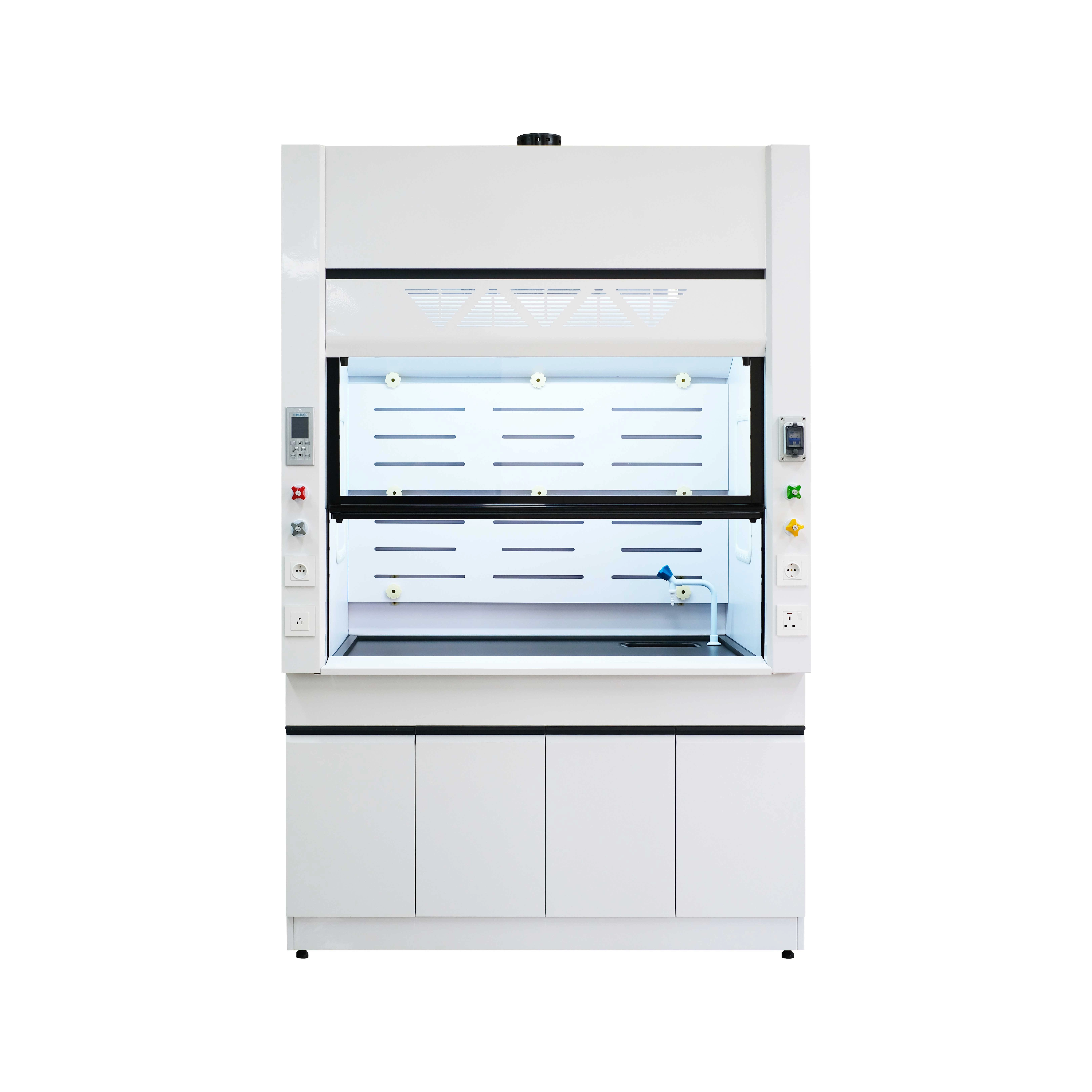
8. How Do I Ensure Fume Hood Performance?
To ensure fume hood performance:
Performance Testing: Verify face velocity and containment through testing.
Collaboration: Work with HVAC engineers to integrate fume hoods effectively.
Regular Maintenance: Schedule periodic certifications and maintenance to sustain performance. ((https://www.maxlabfurniture.com/select-right-lab-furniture-6-tips/))
MAXLAB: Your Partner in Chemical-Resistant Lab Furniture
MAXLAB specializes in providing high-quality, chemical-resistant lab furniture tailored to your specific needs. Our products are designed to meet international standards, ensuring safety, durability, and compliance. With a focus on quality materials and expert craftsmanship, MAXLAB is your trusted partner in creating a safe and efficient laboratory environment.
Why We Choose to Be Your Lab Furniture Solution Provider, Not Just a Manufacturer
Max Lab Introduction
Electronics Lab Bench vs Chemistry Lab Bench: What You Need to Know
What Is a Pass Box? Types, Features, and How to Choose the Right Transfer Hatch
For Products
Do you provide laboratory tables with built-in power outlets?
Yes, we offer lab tables with integrated electrical outlets, power strips, and other features to support your laboratory's equipment needs.
FAQS
Do you export internationally?
Yes, we have over 15 years of export experience and have served clients in more than 60 countries and regions.
Customization
Can equipment be customized to specific experimental safety standards?
Yes. We offer customized equipment to specific safety standards, such as ANSI/ASHRAE standards, UL certification and ISO safety standards.
For Company
What types of companies do you work with?
We have worked with a wide range of companies, from small startups to large, multinational corporations. Our expertise in the laboratory furniture industry enables us to meet the needs of various sectors, including healthcare, research, education, pharmaceuticals, and industrial labs.
Do you offer services internationally?
Yes, we serve clients around the world, including Europe, North America, and Asia. Our international experience enables us to provide solutions that meet local regulations and standards.



Get in touch with us
If you have any comments or good suggestions, please leave us a message; later our professional staff will contact you as soon as possible.

 Scan QR Code
MaxLabFurniture
MaxLab Furniture
daihongada
Max Laboratory