
Resource
- Maximizing Energy Efficiency in Laboratory Fume Cupboards
- 1. What are the primary factors affecting the energy efficiency of laboratory fume cupboards?
- 2. How can fume cupboard design contribute to energy efficiency?
- 3. What operational practices can improve the energy efficiency of fume cupboards?
- 4. How do advanced technologies enhance the energy efficiency of fume cupboards?
- 5. What standards and guidelines should be considered when selecting energy-efficient fume cupboards?
- 6. How can laboratory managers assess the energy efficiency of their existing fume cupboards?
- 7. What are the potential cost savings from implementing energy-efficient fume cupboards?
- 8. How does the choice of fume cupboard impact laboratory sustainability goals?
- Conclusion: Why Choose MAXLAB for Your Laboratory Furniture Needs?
How to assess energy efficiency of a laboratory fume cupboard?
Maximizing Energy Efficiency in Laboratory Fume Cupboards
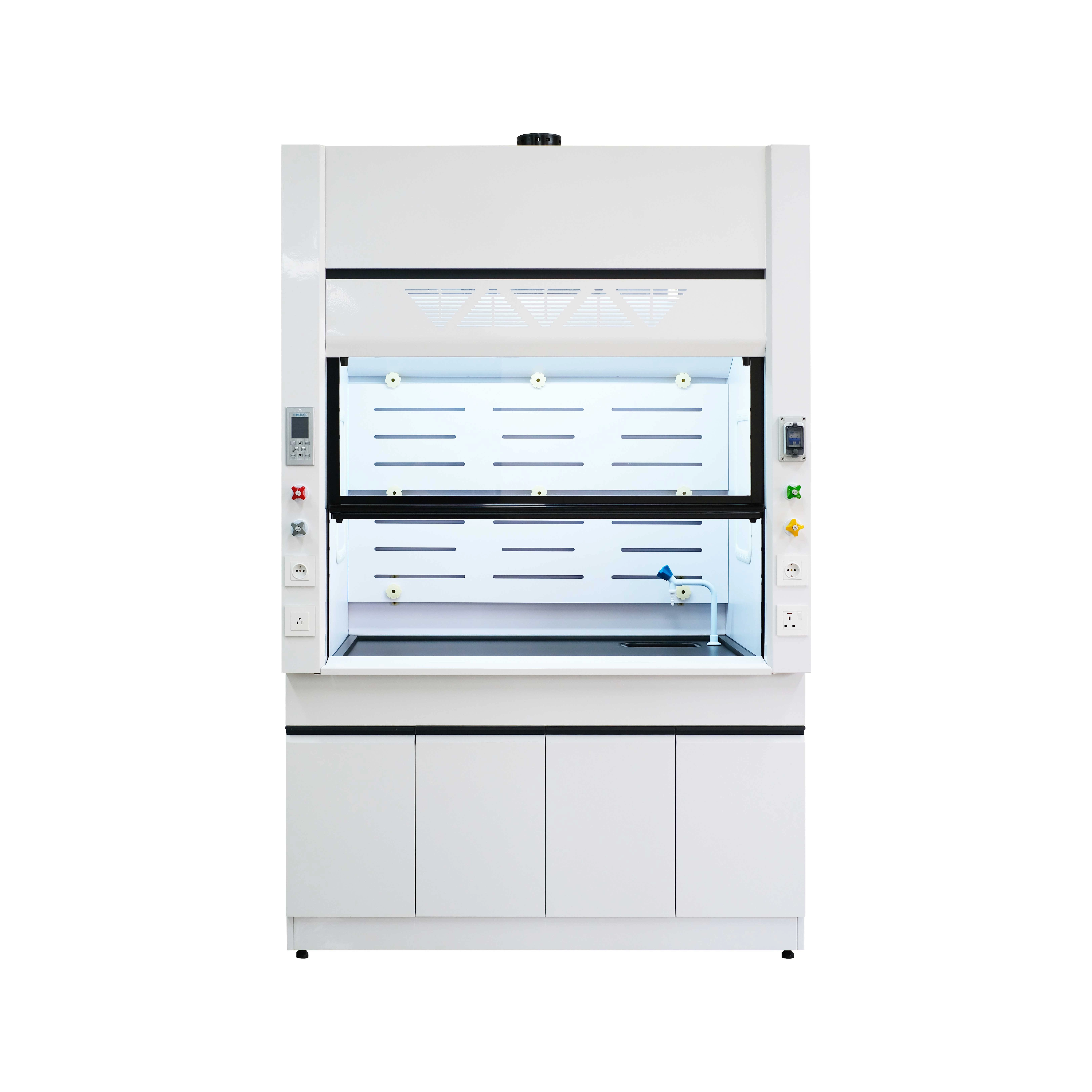
Laboratory fume cupboards, also known as fume hoods, are essential for ensuring safety by ventilating hazardous fumes. However, they are also significant consumers of energy. Optimizing their energy efficiency not only reduces operational costs but also contributes to environmental sustainability. Below are key considerations for enhancing the energy efficiency of laboratory fume cupboards:
1. What are the primary factors affecting the energy efficiency of laboratory fume cupboards?
Several factors influence the energy efficiency of fume cupboards:
Face Velocity: The speed at which air enters the fume cupboard. Lowering face velocity can reduce energy consumption while maintaining safety. For instance, reducing face velocity from 0.5 to 0.4 m/s can decrease exhaust volume from 2,107 to 1,685 m³/h.
Sash Management: The position of the sash (the movable barrier) affects airflow. Keeping the sash closed when not in use minimizes energy waste.
Airflow Volume: Adjusting the volume of air exhausted can lead to energy savings. Implementing variable air volume (VAV) systems allows for dynamic adjustment based on usage.
2. How can fume cupboard design contribute to energy efficiency?
Design features that enhance energy efficiency include:
Low-Flow Hoods: These hoods operate at reduced exhaust volumes, maintaining safety while conserving energy.
Combination Sashes: Offering both vertical and horizontal sash options allows for ergonomic use while optimizing energy consumption.
Auxiliary Air Supply: Incorporating unconditioned or partially conditioned outside air can reduce the energy required to heat or cool the exhaust air.
3. What operational practices can improve the energy efficiency of fume cupboards?
Effective practices include:
Regular Maintenance: Ensuring that sashes and airflow controls are functioning correctly.
User Training: Educating laboratory personnel on the importance of keeping sashes closed when not in use.
Proper Storage: Avoiding the use of fume cupboards as storage spaces to prevent unnecessary energy consumption.
4. How do advanced technologies enhance the energy efficiency of fume cupboards?
Technological advancements that improve efficiency include:
Electronically Commutated Motors (ECMs): These motors offer energy savings and acceptable noise levels while maintaining adequate airflow.
LED Lighting: Replacing traditional lighting with LEDs reduces energy consumption.
Variable Flow Control (VFC): Adjusting airflow based on real-time needs conserves energy.
5. What standards and guidelines should be considered when selecting energy-efficient fume cupboards?
Key standards include:
ASHRAE 110-2016: This standard outlines methods for testing the performance of laboratory fume hoods, ensuring they meet safety and efficiency criteria. ((https://www.maxlabfurniture.com/article/fume-hood-selection-safety-compliance/))
SEFA Criteria: The Scientific Equipment and Furniture Association provides guidelines for high-efficiency fume hoods, emphasizing reduced exhaust volumes and maintained containment levels.
6. How can laboratory managers assess the energy efficiency of their existing fume cupboards?
Assessment methods include:
Energy Audits: Conducting comprehensive evaluations to identify energy-saving opportunities.
Performance Testing: Utilizing standards like ASHRAE 110-2016 to measure containment and airflow efficiency. ((https://www.maxlabfurniture.com/article/fume-hood-selection-safety-compliance/))
Comparative Analysis: Benchmarking current systems against industry standards and best practices.
7. What are the potential cost savings from implementing energy-efficient fume cupboards?
Implementing energy-efficient fume cupboards can lead to significant savings. For example, closing sashes on unattended fume hoods in a VAV system can save approximately $3,200 per year in a laboratory with 48 hoods.
8. How does the choice of fume cupboard impact laboratory sustainability goals?
Selecting energy-efficient fume cupboards aligns with sustainability objectives by:
Reducing Energy Consumption: Lowering the overall energy usage of the laboratory.
Decreasing Operational Costs: Minimizing utility expenses associated with ventilation.
Enhancing Environmental Responsibility: Contributing to a laboratory's green initiatives and reducing its carbon footprint.
Conclusion: Why Choose MAXLAB for Your Laboratory Furniture Needs?
When selecting laboratory furniture, including fume cupboards, it's essential to consider both safety and energy efficiency. MAXLAB offers a range of high-performance fume cupboards designed to meet stringent safety standards while optimizing energy consumption. Our products incorporate advanced features such as variable airflow controls, energy-efficient motors, and ergonomic designs to ensure both functionality and sustainability. By choosing MAXLAB, you invest in equipment that supports a safe, efficient, and environmentally responsible laboratory environment.
((https://www.maxlabfurniture.com/article/fume-hood-selection-safety-compliance/))
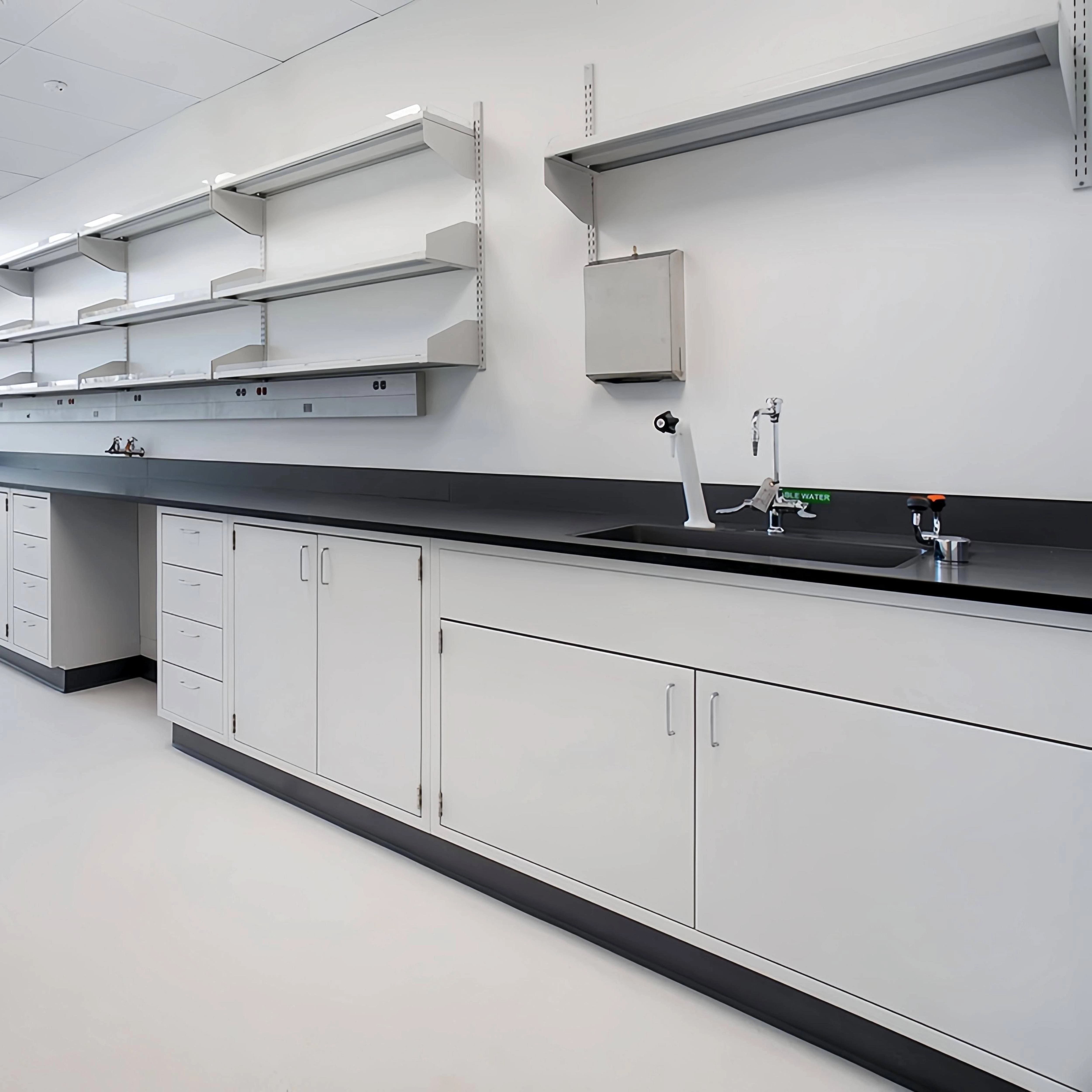
Why We Choose to Be Your Lab Furniture Solution Provider, Not Just a Manufacturer
Max Lab Introduction
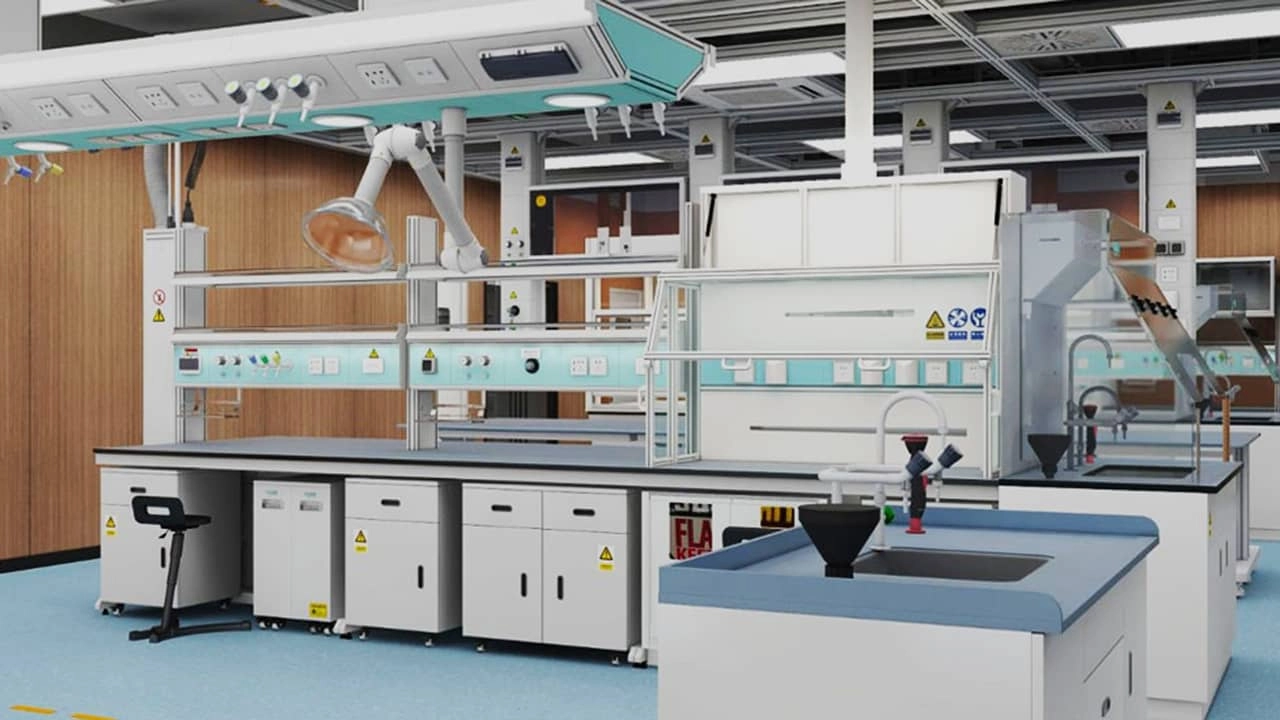
Electronics Lab Bench vs Chemistry Lab Bench: What You Need to Know
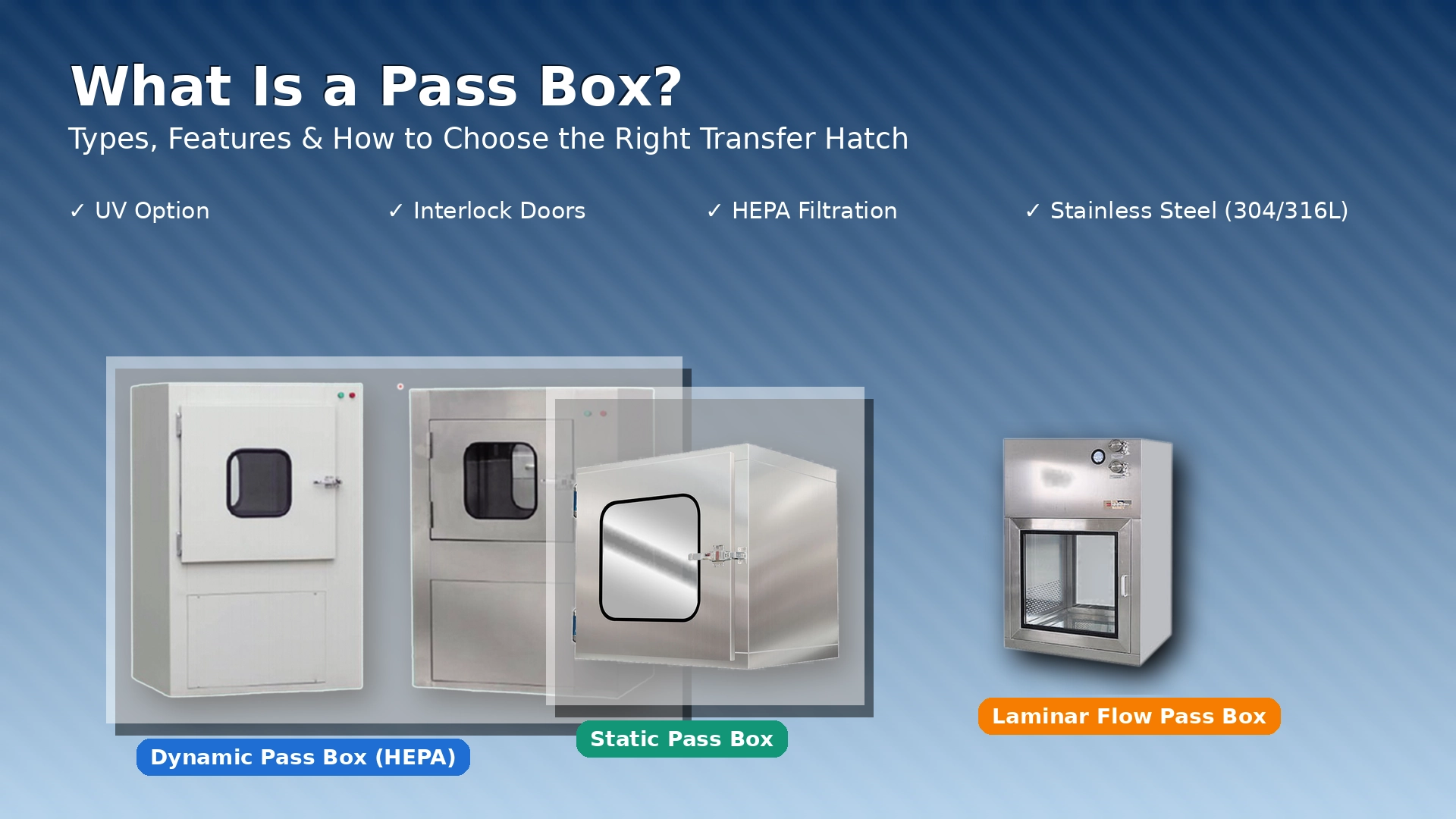
What Is a Pass Box? Types, Features, and How to Choose the Right Transfer Hatch
About Solution
Do you provide laboratory layout design service?
Yes, we provide professional laboratory layout design service to optimize space utilization and workflow according to customer's site and usage requirements.
For Logistics
How do you ensure the safety of items during shipping?
We have 15 years of experience in loading, fragile goods are packed in plywood boxes to ensure that they will not be damaged during transportation.
Customization
Do you offer free design consultation?
Yes, we provide our clients with free preliminary design consulting services. Our design team will provide advice based on your needs and budget, and help you develop a laboratory layout and equipment plan that meets your requirements.
How long does it take to customize the product?
The delivery time of the custom equipment depends on the specific customization program and production cycle, which generally takes 4 to 8 weeks. We will keep you updated during the production process.
For Products
Do you have certifications for your products?
Yes, We have CE, ISO9001, ISO14001, OHSASI18001 and so on.

Get in touch with us
If you have any comments or good suggestions, please leave us a message; later our professional staff will contact you as soon as possible.

 Scan QR Code
MaxLabFurniture
MaxLab Furniture
daihongada
Max Laboratory