
Resource
- 1. Why is Cable Management Important in Laboratories?
- 2. What Are the Best Practices for Cable Management in Laboratories?
- 3. How Can Laboratories Comply with Industry Standards for Cable Management?
- 4. What Are the Challenges in Implementing Effective Cable Management in Laboratories?
- 5. How Can Laboratories Choose the Right Cable Management Solutions?
- 6. What Are the Benefits of Proper Cable Management in Laboratories?
- Conclusion
- About MAXLAB
How to plan cable management for laboratory tables?
Effective cable management in laboratory settings is crucial for maintaining a safe, organized, and efficient workspace. Properly managing cables not only reduces tripping hazards but also extends the lifespan of equipment and improves overall productivity. Below are key considerations and best practices for planning cable management for laboratory tables.
1. Why is Cable Management Important in Laboratories?
In laboratory environments, numerous devices require power and data connections, leading to a complex web of cables. Without proper management, this can result in:
Safety Hazards: Loose or tangled cables can cause tripping accidents or electrical hazards.
Equipment Damage: Unorganized cables may lead to wear and tear, affecting equipment performance.
Operational Inefficiencies: Difficulty in identifying and accessing cables can slow down maintenance and troubleshooting processes.
2. What Are the Best Practices for Cable Management in Laboratories?
a. Plan the Layout Strategically
Design the laboratory layout with cable management in mind. Ensure that power outlets and data ports are conveniently located to minimize cable lengths and reduce clutter. Incorporate cable trays or raceways into the furniture design to conceal and organize cables effectively.
b. Use Quality Cable Management Tools
Invest in durable cable management solutions such as:
Cable Trays and Raceways: Ideal for running cables along walls or ceilings, keeping them organized and protected.
Cable Sleeves and Looms: Useful for bundling multiple cables into a single, neat package, reducing clutter.
Cable Ties and Velcro Straps: Effective for grouping cables along racks or shelves; Velcro straps are reusable and adjustable, making them suitable for environments with frequent equipment changes.
c. Implement Color-Coding and Labeling
Assign different colors to cables based on their function (e.g., red for power, blue for data) to facilitate easy identification. Label both ends of each cable to simplify maintenance and troubleshooting.
d. Ensure Accessibility and Flexibility
While concealing cables is important for aesthetics and safety, ensure that cables remain accessible for maintenance and future upgrades. Use modular cable management systems that allow for easy adjustments as laboratory needs evolve.
e. Regular Maintenance and Audits
Schedule periodic inspections to check for cable wear, ensure labels are legible, and verify that cable management systems are functioning correctly. This proactive approach helps in identifying potential issues before they become significant problems.
3. How Can Laboratories Comply with Industry Standards for Cable Management?
Laboratories, especially those in regulated industries like pharmaceuticals, must adhere to Good Manufacturing Practice (GMP) standards, which include specific requirements for cable management:
Concealment and Protection: Cables should be routed in a manner that protects them from physical damage and contamination.
Documentation: Maintain detailed records of cable layouts and configurations to ensure traceability and facilitate audits.
Regular Audits: Conduct routine checks to ensure compliance with GMP standards and to identify areas for improvement.
4. What Are the Challenges in Implementing Effective Cable Management in Laboratories?
Common challenges include:
Space Constraints: Limited space can make it difficult to implement comprehensive cable management solutions.
Frequent Equipment Changes: Regular updates or additions to laboratory equipment require flexible cable management systems that can adapt to new configurations.
Compliance Requirements: Adhering to industry standards and regulations can add complexity to cable management planning and implementation.
5. How Can Laboratories Choose the Right Cable Management Solutions?
When selecting cable management solutions, consider:
Compatibility: Ensure that the chosen solutions are compatible with existing laboratory furniture and equipment.
Scalability: Opt for systems that can accommodate future expansions or changes in laboratory setup.
Compliance: Verify that the solutions meet relevant industry standards and regulations.
Budget: Balance the cost of implementation with the long-term benefits of improved safety and efficiency.
6. What Are the Benefits of Proper Cable Management in Laboratories?
Implementing effective cable management offers several advantages:
Enhanced Safety: Reduces tripping hazards and minimizes the risk of electrical accidents.
Improved Equipment Longevity: Protects cables and equipment from damage, extending their operational life.
Increased Productivity: Streamlines maintenance and troubleshooting processes, reducing downtime.
Regulatory Compliance: Ensures adherence to industry standards and regulations, avoiding potential penalties.
Conclusion
Effective cable management is essential for maintaining a safe, organized, and efficient laboratory environment. By implementing strategic planning, utilizing appropriate tools, and adhering to industry standards, laboratories can enhance operational efficiency and ensure compliance with regulatory requirements.
About MAXLAB
MAXLAB specializes in providing high-quality laboratory furniture solutions designed with integrated cable management systems. Our products are crafted to meet industry standards, ensuring safety, functionality, and compliance. With a focus on innovation and customer satisfaction, MAXLAB offers customizable options to suit diverse laboratory needs.
For more information on our products and services, visit our website or contact our sales team.
By choosing MAXLAB, you invest in durable, efficient, and compliant laboratory furniture solutions tailored to your specific requirements.
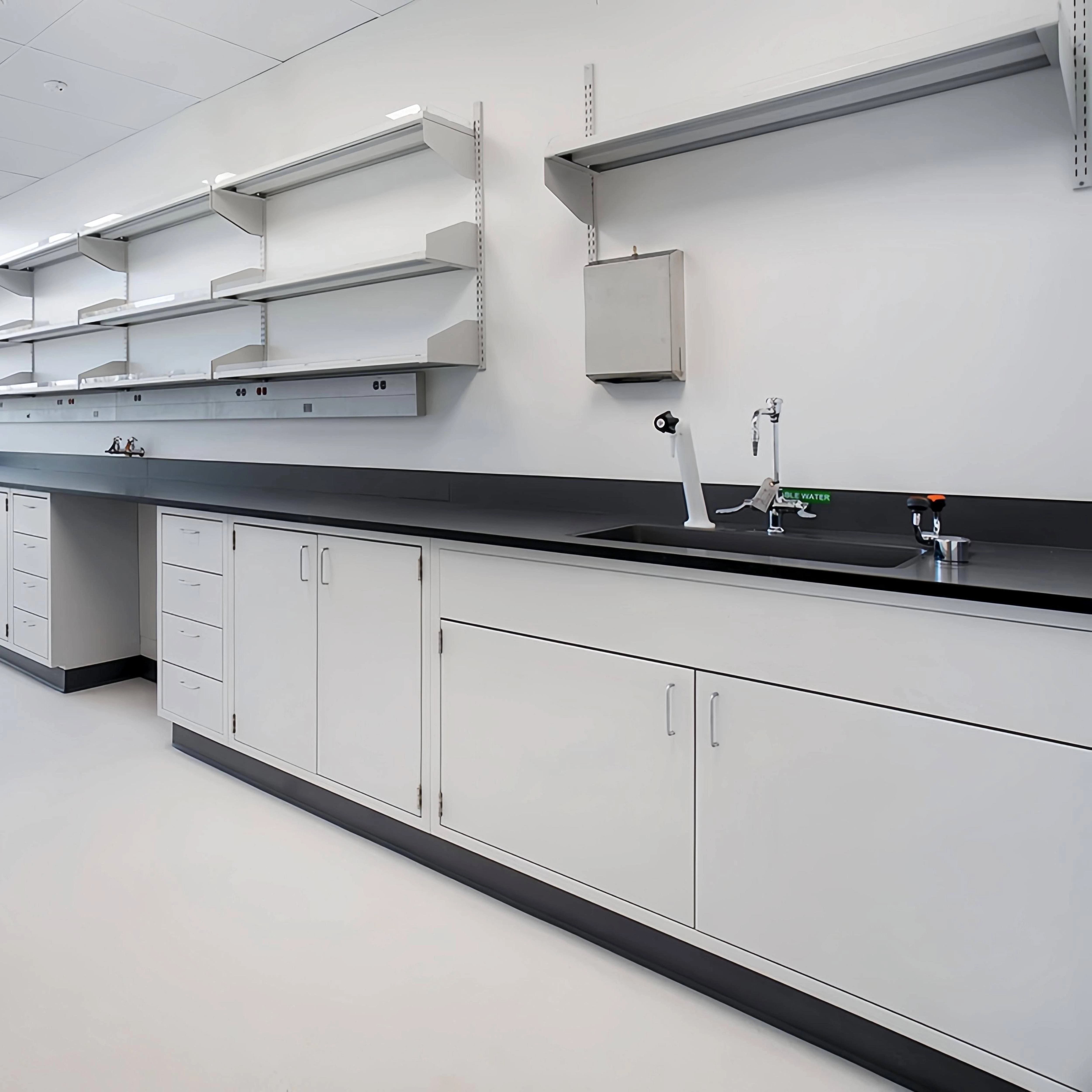
Why We Choose to Be Your Lab Furniture Solution Provider, Not Just a Manufacturer
Max Lab Introduction
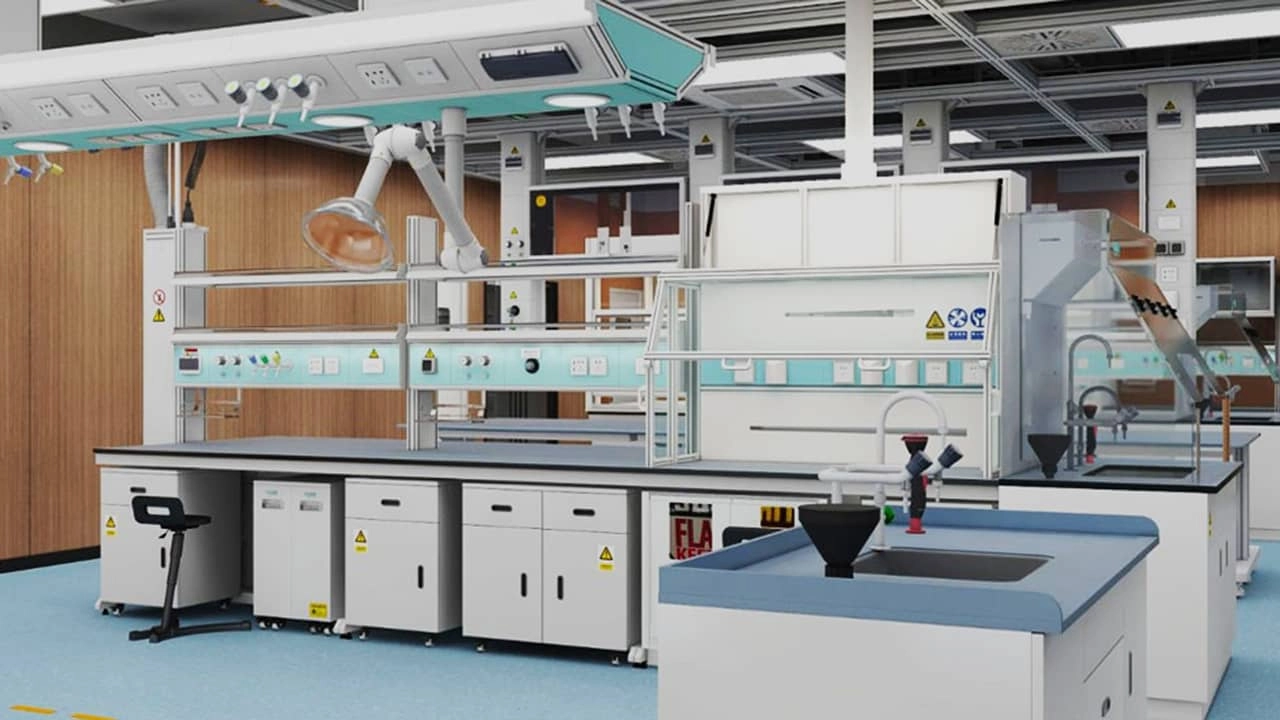
Electronics Lab Bench vs Chemistry Lab Bench: What You Need to Know

What Is a Pass Box? Types, Features, and How to Choose the Right Transfer Hatch
For Logistics
How can I track my shipment?
Once your order has been shipped, we will provide tracking information so you can monitor the status of your delivery.
For After-Sales Support
Why choose your company?
We have been engaged in the manufacturing of various packing machines professionally over 15 years, and we can provide better after-sales service.
Can you help with product troubleshooting?
Yes, our customer support team is available to help with any issues or troubleshooting you may need for your laboratory equipment.
Customization
What is the after-sales support for customized services?
We provide a full range of after-sales service, including equipment installation guidance, regular maintenance, troubleshooting, operation training, etc., to ensure the safe and efficient operation of equipment.
For Products
Is available to buy your original design?
Yes, all the products are designed professionally by our designers. Please feel free to inform us which item you are interested in.




Get in touch with us
If you have any comments or good suggestions, please leave us a message; later our professional staff will contact you as soon as possible.

 Scan QR Code
MaxLabFurniture
MaxLab Furniture
daihongada
Max Laboratory