
Resource
- Understanding Class II Biosafety Cabinets: Airflow Performance and Evaluation
- 1. What Are Class II Biosafety Cabinets?
- 2. How Do Class II Biosafety Cabinets Operate?
- 3. Why Is Airflow Performance Crucial in Class II Biosafety Cabinets?
- 4. How Is Airflow Performance Evaluated in Class II Biosafety Cabinets?
- 5. How Often Should Airflow Performance Be Tested?
- 6. What Are Common Issues Affecting Airflow Performance?
- 7. How Can Airflow Performance Be Maintained?
- 8. What Should Be Considered When Purchasing a Class II Biosafety Cabinet?
- Conclusion: Why Choose MAXLAB?
- References:
How to evaluate airflow performance in Class II biosafety cabinets?
Understanding Class II Biosafety Cabinets: Airflow Performance and Evaluation
Class II biosafety cabinets (BSCs) are essential equipment in laboratories, providing protection for personnel, products, and the environment. These cabinets operate through meticulously designed airflow patterns to maintain a sterile and safe working environment.
1. What Are Class II Biosafety Cabinets?
Class II BSCs are ventilated enclosures that protect laboratory personnel, products, and the environment by drawing air in at 100 feet per minute, recirculating about 70% through HEPA filters as laminar downflow, and exhausting 30% through HEPA filters.
2. How Do Class II Biosafety Cabinets Operate?
These cabinets draw room air through the front grille, creating a protective air curtain to prevent hazardous aerosols from escaping. The air is then channeled under the work surface and up through a rear plenum powered by an internal blower. Approximately 70% of this air is recirculated through a HEPA filter back into the cabinet as laminar downflow over the work area, while the remaining 30% is exhausted through a HEPA filter.
3. Why Is Airflow Performance Crucial in Class II Biosafety Cabinets?
Proper airflow is vital for maintaining the safety and efficacy of BSCs. Inadequate airflow can compromise containment, leading to potential exposure to hazardous agents. Regular evaluation ensures that the cabinet operates within the required parameters, safeguarding both personnel and the environment.
4. How Is Airflow Performance Evaluated in Class II Biosafety Cabinets?
Airflow performance is assessed through several key tests:
-
Downflow Velocity Test: Measures the average air descent speed to verify laminar flow within the work area.
-
Inflow Velocity Test: Calculates the average inflow air speed entering the cabinet, ensuring adequate protection for the user.
-
HEPA Filter Integrity Leak Testing: Ensures that HEPA filters are functioning correctly and not allowing contaminants to pass through.
5. How Often Should Airflow Performance Be Tested?
It is recommended to perform airflow performance tests at least annually. However, certain standards, such as the 2020 draft EU Annex 1, suggest that unidirectional airflow systems should provide a homogeneous air speed in a range of 0.36 – 0.54 m/s at the working position, unless otherwise scientifically justified.
6. What Are Common Issues Affecting Airflow Performance?
Several factors can impact airflow performance, including:
-
Filter Loading: Accumulation of particles can reduce airflow efficiency.
-
External Interferences: Laboratory activities, such as movement or equipment operation, can disrupt airflow patterns.
-
Improper Installation: Incorrect placement of the cabinet can lead to airflow disturbances.
7. How Can Airflow Performance Be Maintained?
To ensure optimal airflow performance:
-
Regular Maintenance: Schedule routine inspections and maintenance to address potential issues promptly.
-
Proper Installation: Ensure the cabinet is installed in an area free from drafts and disturbances.
-
Monitor Performance: Utilize sensors and alarms to continuously monitor airflow and detect deviations.
8. What Should Be Considered When Purchasing a Class II Biosafety Cabinet?
When selecting a BSC, consider the following:
-
Compliance with Standards: Ensure the cabinet meets relevant standards, such as NSF/ANSI 49.
-
Type of Work: Choose a cabinet suitable for the specific laboratory procedures and materials.
-
Maintenance Requirements: Consider the ease of maintenance and availability of service support.
Conclusion: Why Choose MAXLAB?
MAXLAB offers a range of Class II biosafety cabinets designed to meet the highest standards of safety and performance. With a focus on quality, reliability, and user-friendly features, MAXLAB ensures that laboratory environments remain secure and compliant with industry regulations.
By understanding the critical aspects of airflow performance and evaluation in Class II biosafety cabinets, laboratories can make informed decisions, ensuring the safety of personnel and the integrity of their work.
Note: The information provided is based on current industry standards and practices. For specific guidance, consult with a certified biosafety cabinet professional.
References:
-
Total Clean Air. (n.d.). Biosafety Cabinet Ventilation Testing, Servicing & Validation. Retrieved from
-
Pharmaguideline Forum. (2016). Laminar air flow & biosafety cabinet validation. Retrieved from
-
Nuaire. (2024). How a Class II Type A2 Biosafety Cabinet Works | Airflow, HEPA, Protection. Retrieved from
-
PMC. (2023). The Impact of Air Inflow and Interfering Factors on the Performance of Microbiological Safety Cabinets. Retrieved from
-
Unicorn Lifescience. (2024). Is Your Biosafety Cabinet Airflow Failing You? Key Signs & How to Ensure Safety. Retrieved from
-
Cleanroom Technology. (2024). Using Class II biosafety cabinets in aseptic processing. Retrieved from
-
BioSafe Tech by QUALIA. (2024). Biological Safety Cabinet Selection for BSL 2/3/4 Labs: Class I, II, III Comparison & NSF/ANSI 49 Compliance Requirements. Retrieved from
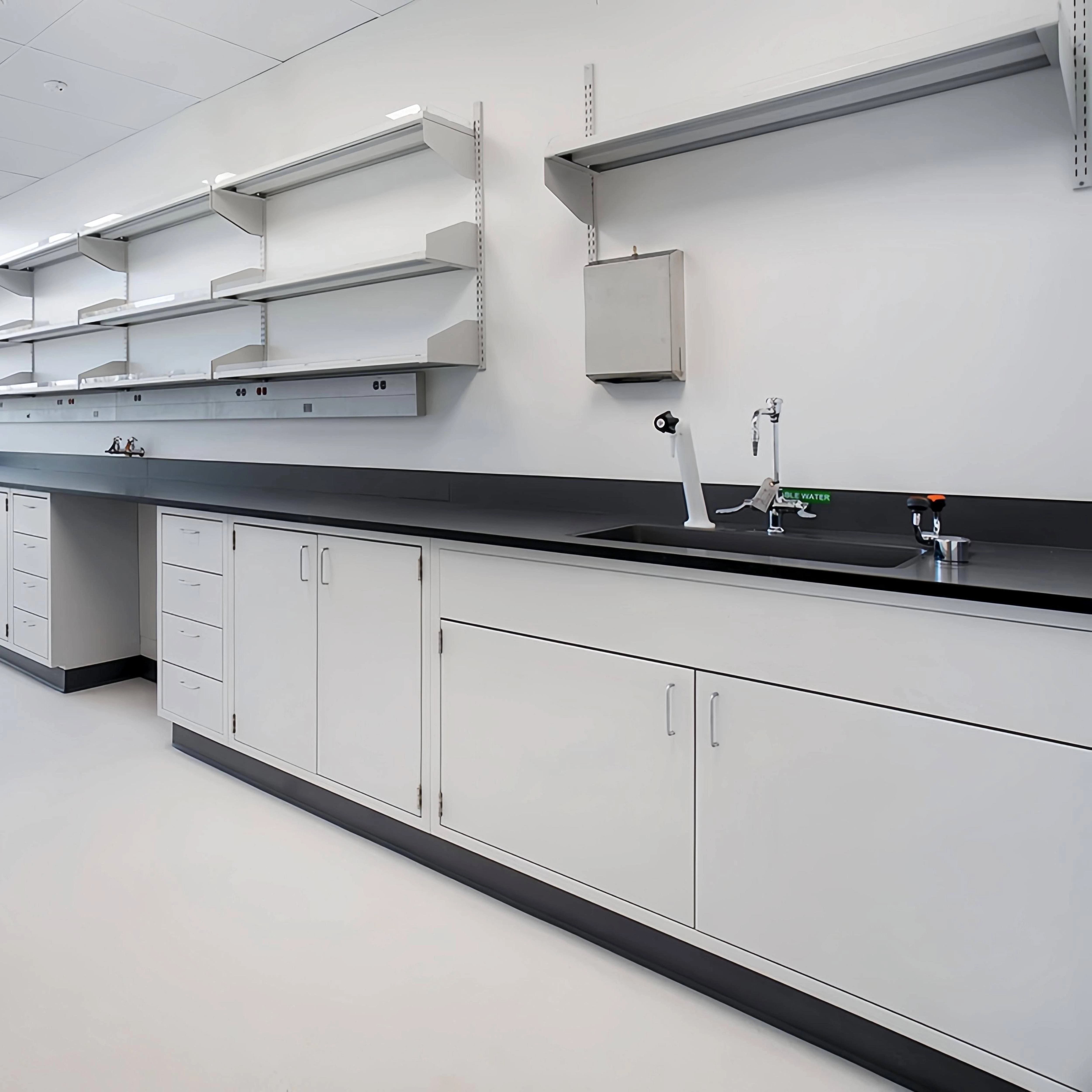
Why We Choose to Be Your Lab Furniture Solution Provider, Not Just a Manufacturer

Max Lab Introduction
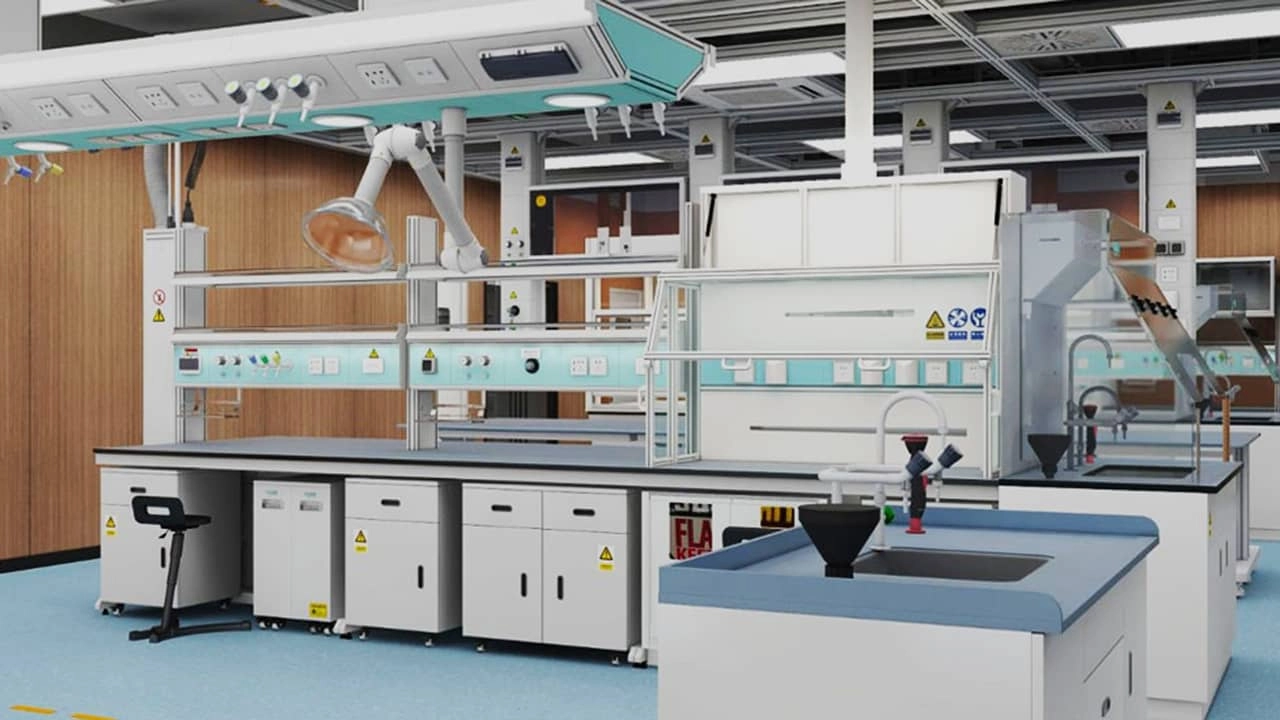
Electronics Lab Bench vs Chemistry Lab Bench: What You Need to Know
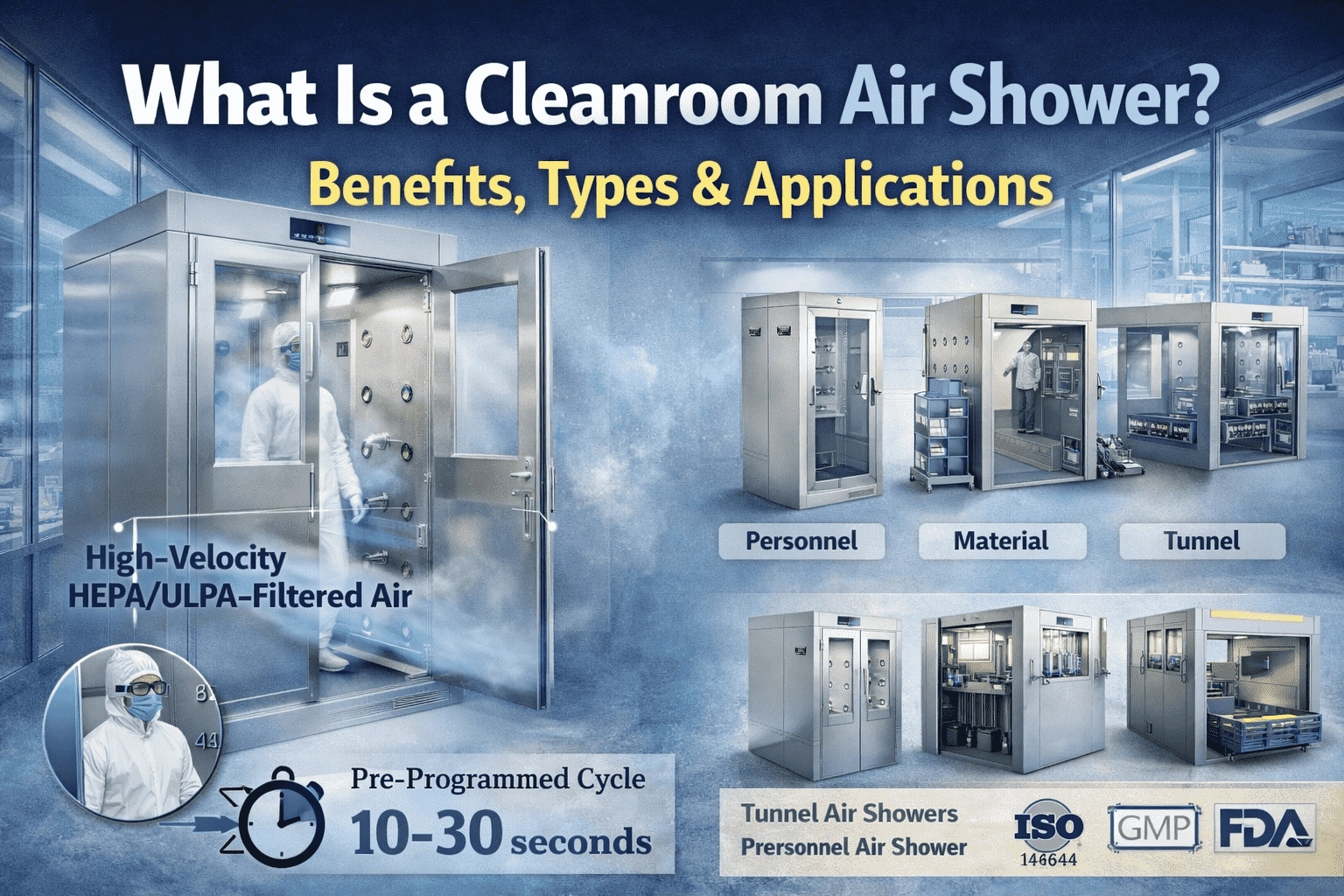
What Is an Air Shower for Cleanroom?
For Company
Can I visit your factory or showroom?
Yes, we welcome visits to our showroom and production facility. Please contact us in advance to schedule an appointment.
For Products
Do you provide laboratory tables with built-in power outlets?
Yes, we offer lab tables with integrated electrical outlets, power strips, and other features to support your laboratory's equipment needs.
Is available to buy your original design?
Yes, all the products are designed professionally by our designers. Please feel free to inform us which item you are interested in.
Customization
Does the customized equipment have a warranty?
Yes, all custom equipment comes with a warranty. Specific warranty terms are determined according to the type of equipment and customized content.
For Logistics
Do you offer express shipping options?
Yes, we offer express shipping for urgent orders. Please contact our sales team to inquire about availability and additional costs.
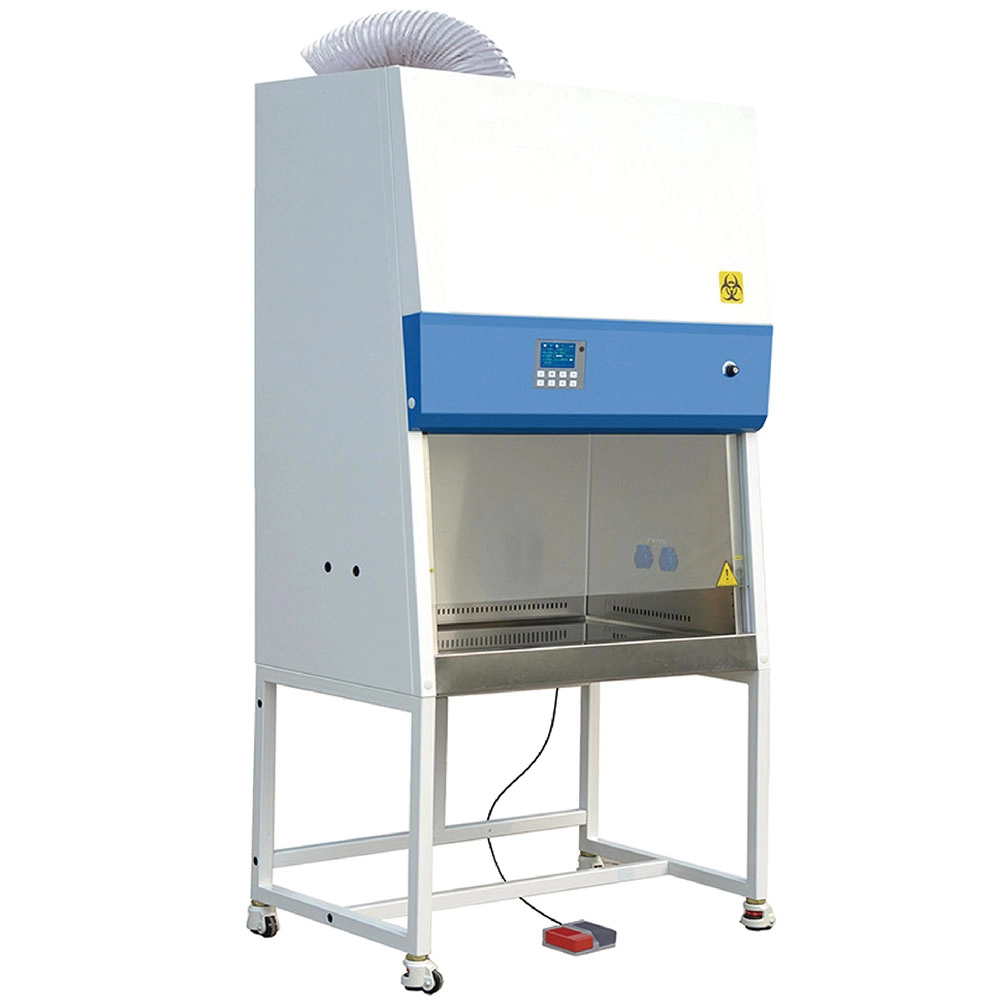

Get in touch with us
If you have any comments or good suggestions, please leave us a message; later our professional staff will contact you as soon as possible.

 Scan QR Code
MaxLabFurniture
MaxLab Furniture
daihongada
Max Laboratory