
Resource
- Comprehensive Guide to Choosing Anti-Vibration Laboratory Tables
- 1. What are Anti-Vibration Laboratory Tables?
- 2. How Do Anti-Vibration Tables Work?
- 3. What Factors Should Be Considered When Selecting an Anti-Vibration Table?
- 4. What Are the Different Types of Anti-Vibration Tables?
- 5. How Should Anti-Vibration Tables Be Installed and Maintained?
- 6. What Are the Costs Associated with Anti-Vibration Tables?
- 7. How Do Anti-Vibration Tables Enhance Laboratory Performance?
- 8. What Are the Maintenance Requirements for Anti-Vibration Tables?
- Conclusion: Why Choose MAXLAB Anti-Vibration Tables?
How to choose anti-vibration features in lab tables?
Comprehensive Guide to Choosing Anti-Vibration Laboratory Tables
Laboratories handling sensitive instruments require stable environments to ensure accurate results. Anti-vibration laboratory tables are designed to minimize disturbances, providing a steady platform for precision equipment. This guide addresses common questions to assist in selecting the appropriate table for your needs.
1. What are Anti-Vibration Laboratory Tables?
Anti-vibration laboratory tables are specialized furniture designed to isolate sensitive instruments from external vibrations, ensuring precise measurements and protecting equipment from potential damage. They are essential in environments where even minor disturbances can lead to inaccuracies.
2. How Do Anti-Vibration Tables Work?
These tables employ various mechanisms to dampen vibrations:
Passive Isolation: Utilizes materials like rubber or air springs to absorb and dissipate energy from external sources.
Active Isolation: Incorporates sensors and actuators to detect and counteract vibrations in real-time, providing superior isolation.
The choice between passive and active systems depends on the specific requirements of the laboratory and the sensitivity of the instruments involved.
3. What Factors Should Be Considered When Selecting an Anti-Vibration Table?
When choosing an anti-vibration table, consider the following:
Instrument Sensitivity: Highly sensitive equipment, such as atomic force microscopes, may require active isolation systems, while less sensitive instruments can benefit from passive systems.
Vibration Sources: Identify whether vibrations are internal (e.g., HVAC systems, foot traffic) or external (e.g., nearby machinery, road traffic) to select an appropriate isolation method.
Load Capacity: Ensure the table can support the combined weight of all instruments and accessories, with an added safety margin of 20–30%.
Table Size and Workspace Requirements: The table should accommodate the instruments comfortably, with sufficient space for operators to work without generating additional vibrations.
Environmental Conditions: Consider factors like temperature, humidity, and airflow, as they can affect the performance of the anti-vibration system.
4. What Are the Different Types of Anti-Vibration Tables?
Anti-vibration tables come in various designs:
Passive Isolation Tables: Use materials like rubber or air springs to absorb vibrations. Suitable for environments with moderate vibration levels.
Active Isolation Tables: Employ sensors and actuators to detect and counteract vibrations in real-time, offering superior isolation for highly sensitive instruments.
Balance Tables: Designed specifically for weighing applications, these tables provide a stable surface to prevent imbalances during measurements.
5. How Should Anti-Vibration Tables Be Installed and Maintained?
Proper installation and maintenance are crucial:
Installation:
Place the table away from heavy foot traffic, mechanical rooms, and windows that transmit external vibrations.
Use leveling feet to ensure uniform support and avoid point loading that can compromise isolation.
Mount sensitive equipment at the center of the table to minimize edge effects.
Maintenance:
Inspect isolation elements annually for wear or settling.
Re-level the table after relocation or significant equipment changes.
Keep the tabletop clean and free from corrosive agents.
Maintain a regular calibration schedule for instruments to ensure consistent performance.
6. What Are the Costs Associated with Anti-Vibration Tables?
Costs vary based on features and specifications:
Passive Isolation Tables: Generally more affordable, suitable for labs with moderate vibration control needs.
Active Isolation Tables: Higher in cost but necessary for labs dealing with ultra-sensitive equipment or environments with significant vibration disturbances.
Investing in the appropriate table can prevent costly equipment damage and ensure accurate results.
7. How Do Anti-Vibration Tables Enhance Laboratory Performance?
By providing a stable environment, anti-vibration tables:
Improve measurement accuracy by reducing external disturbances.
Protect sensitive instruments from potential damage due to vibrations.
Enhance the longevity of equipment by minimizing wear caused by constant vibrations.
8. What Are the Maintenance Requirements for Anti-Vibration Tables?
Regular maintenance includes:
Inspection: Check isolation components for signs of wear or degradation.
Re-leveling: Adjust the table after moving or changing equipment to maintain optimal performance.
Cleaning: Use recommended cleaning agents to keep the table free from contaminants that could affect its function.
Calibration: Regularly calibrate instruments to ensure consistent and accurate measurements.
Conclusion: Why Choose MAXLAB Anti-Vibration Tables?
MAXLAB offers a range of high-quality anti-vibration laboratory tables designed to meet diverse laboratory needs. Our tables are engineered for precision, durability, and ease of maintenance, ensuring optimal performance for your sensitive instruments. With a commitment to quality and customer satisfaction, MAXLAB is your trusted partner in creating a stable and efficient laboratory environment.
{"seo_title":"Comprehensive Guide to Choosing Anti-Vibration Laboratory Tables","seo_description":"Learn essential considerations for selecting anti-vibration laboratory tables, including types, installation, maintenance, and how MAXLAB can enhance your lab's performance.","keywords":"anti-vibration laboratory tables, laboratory furniture, vibration isolation, lab equipment stability, MAXLAB","url_alias":"anti-vibration-laboratory-tables-guide"}
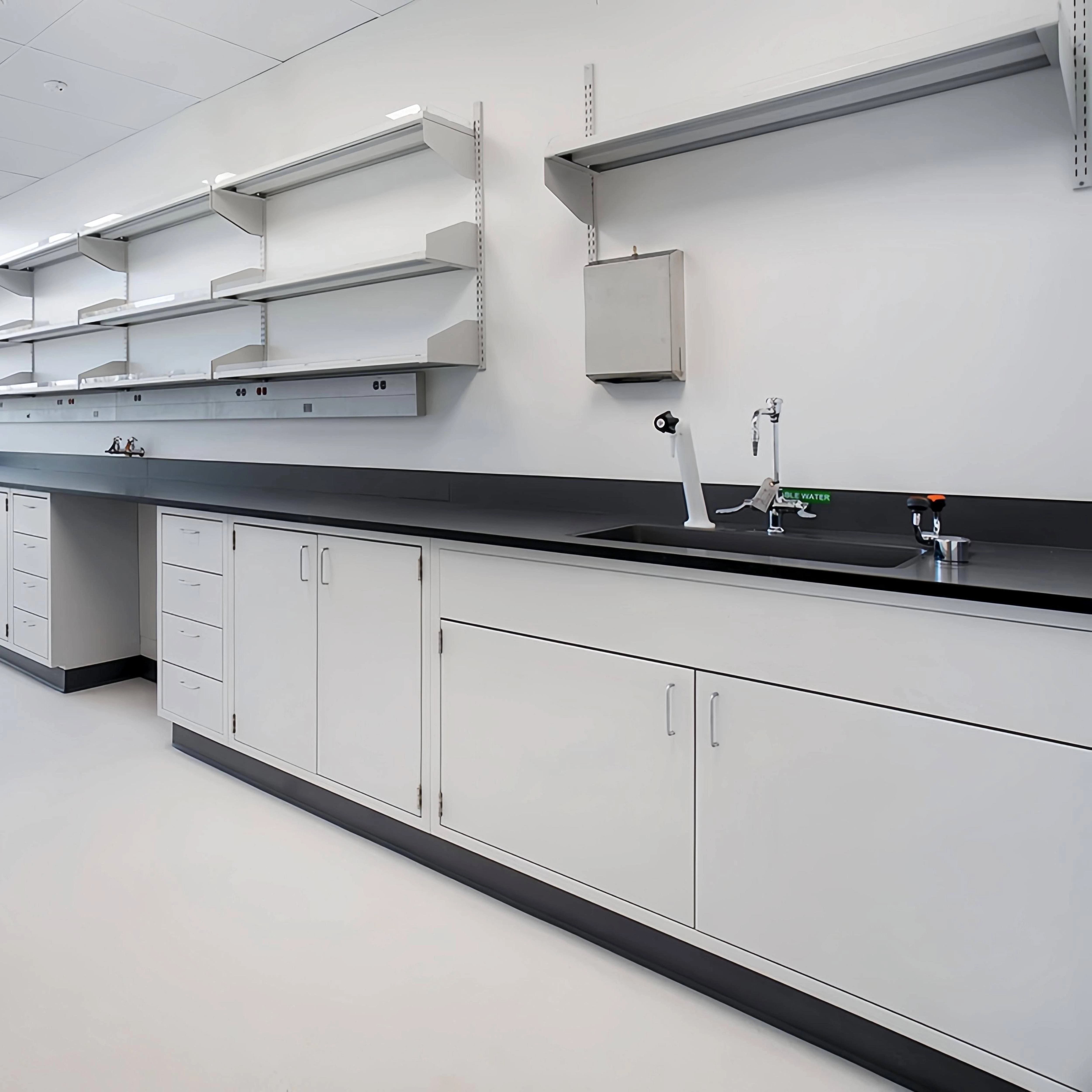
Why We Choose to Be Your Lab Furniture Solution Provider, Not Just a Manufacturer
Max Lab Introduction
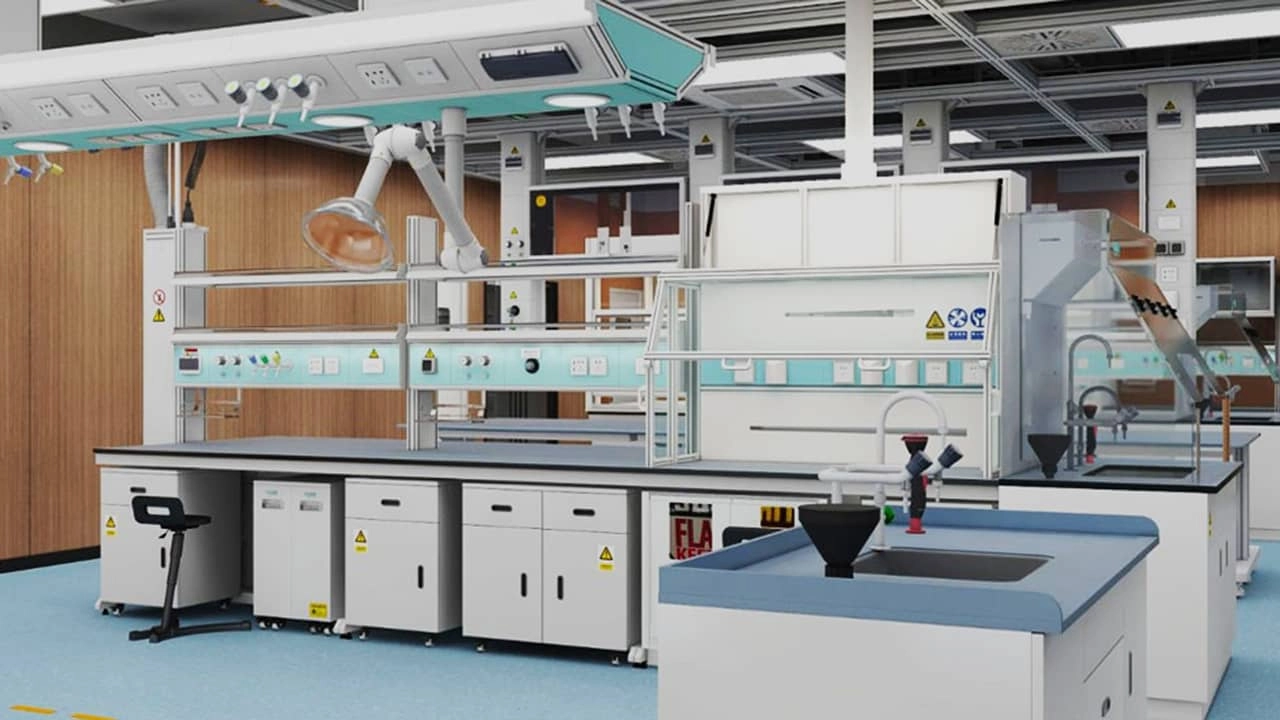
Electronics Lab Bench vs Chemistry Lab Bench: What You Need to Know
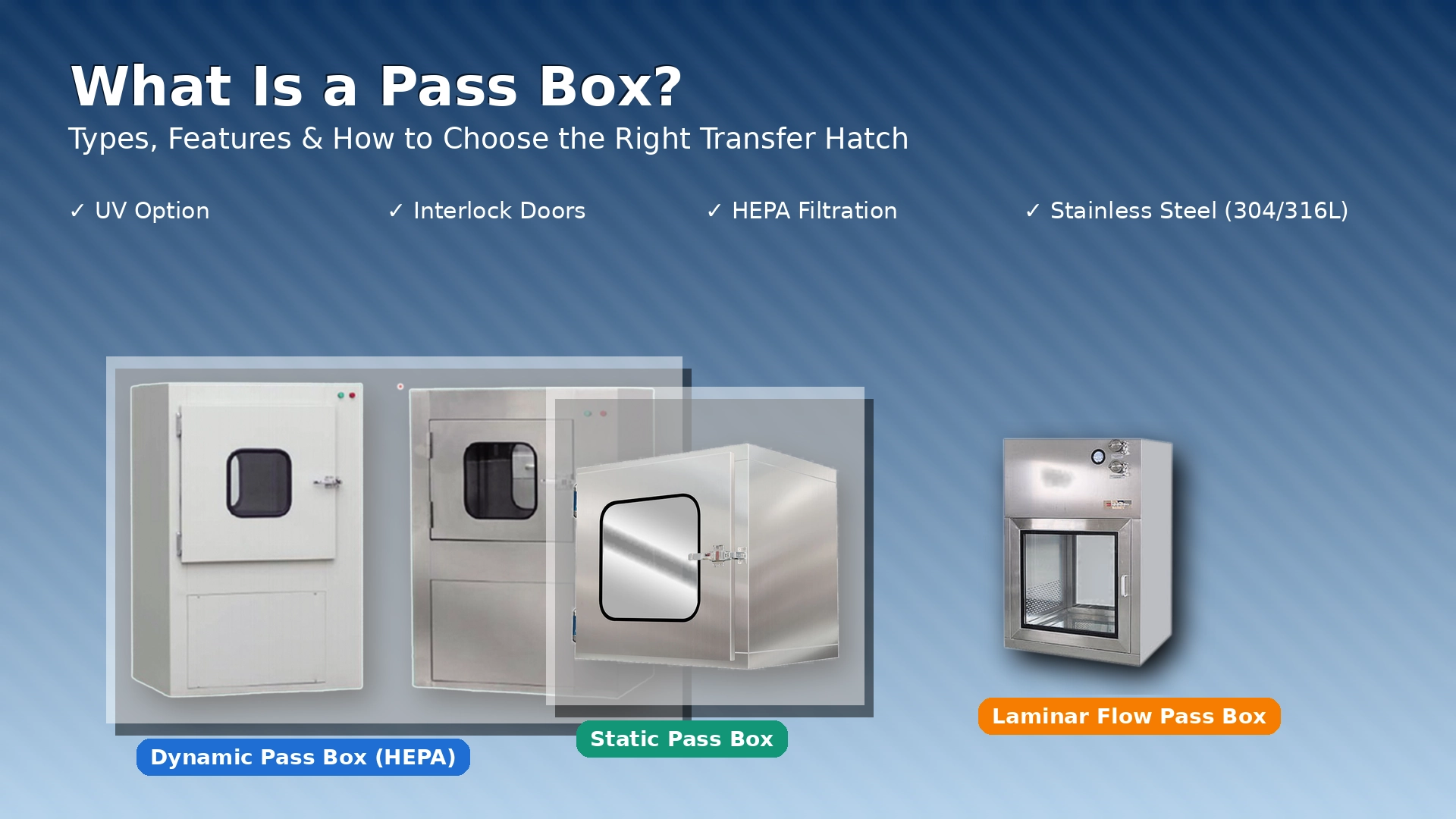
What Is a Pass Box? Types, Features, and How to Choose the Right Transfer Hatch
For After-Sales Support
How can I get technical support for my equipment?
You can contact our technical support team via email or phone for assistance with installation, troubleshooting, or any issues you encounter with your laboratory equipment.
What happens if my product is damaged during delivery?
If your product is damaged during shipping, please contact our customer service team immediately. We will arrange for a replacement or repair at no additional cost.
About Solution
Does your laboratory furniture support customization?
Yes, we provide fully customized services including size, material, color and functional design to meet customers' specific needs.
For Customization
Can you create furniture for labs with special requirements?
Yes, we specialize in designing and manufacturing lab furniture for specialized environments, including clean rooms, bio labs, and industrial labs.
Customization
How long does it take to customize the product?
The delivery time of the custom equipment depends on the specific customization program and production cycle, which generally takes 4 to 8 weeks. We will keep you updated during the production process.

Get in touch with us
If you have any comments or good suggestions, please leave us a message; later our professional staff will contact you as soon as possible.

 Scan QR Code
MaxLabFurniture
MaxLab Furniture
daihongada
Max Laboratory