
Resource
- Comprehensive Guide to Laboratory Tables: Key Considerations and Benefits
- 1. What are the most common materials used for laboratory table surfaces?
- 2. What are the benefits of integrated power in laboratory tables?
- 3. How do I determine the appropriate size and configuration for my laboratory table?
- 4. What additional features should I consider when purchasing a laboratory table?
- 5. How do I ensure the durability and longevity of my laboratory table?
- 6. What are the typical costs associated with laboratory tables?
- 7. How can I customize my laboratory table to meet specific needs?
- 8. What are the safety considerations when selecting a laboratory table?
What are the benefits of integrated power in lab tables?
Comprehensive Guide to Laboratory Tables: Key Considerations and Benefits
Selecting the right laboratory table is crucial for ensuring a safe, efficient, and productive workspace. This guide addresses common questions and provides insights into making informed decisions when purchasing lab furniture.
1. What are the most common materials used for laboratory table surfaces?
Laboratory table surfaces are crafted from various materials, each offering distinct advantages:
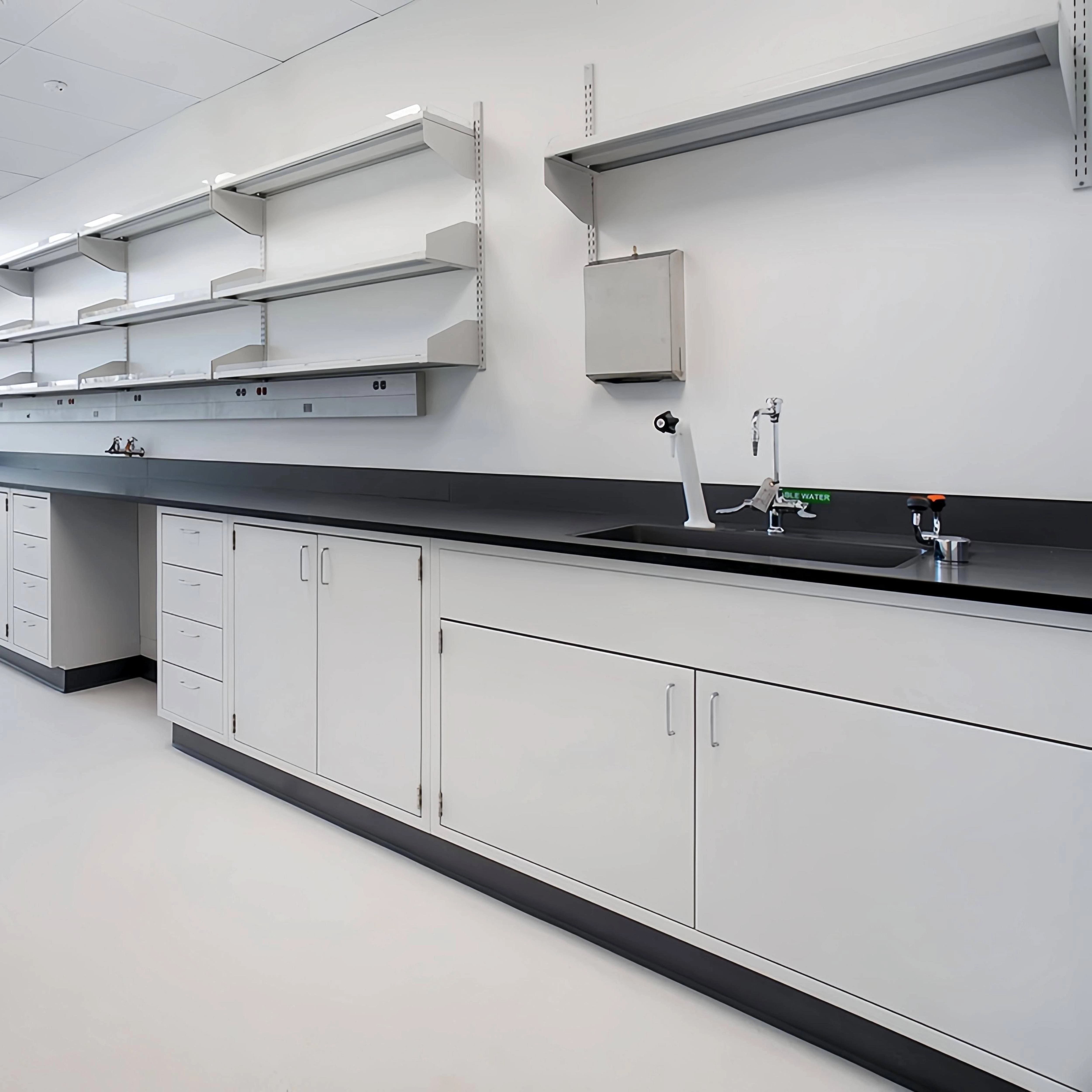
High-Pressure Laminate (HPL): Cost-effective and easy to clean, suitable for dry labs and light chemical exposure.
Chemical-Resistant Laminate: Enhanced laminate designed to withstand common reagents, ideal for regular wet labs.
Phenolic Resin: Dense, moisture-proof, and highly chemical-resistant; handles frequent cleaning and incidental heat better than laminates.
Solid Epoxy Resin: Offers excellent chemical, heat, and impact resistance; ideal for harsh environments near sinks, burners, and heavy apparatus.
2. What are the benefits of integrated power in laboratory tables?
Integrated power outlets in laboratory tables provide several advantages:
Convenience: Eliminates the need for extension cords, reducing clutter and potential tripping hazards.
Safety: Centralized power sources minimize the risk of electrical accidents and ensure compliance with safety standards.
Efficiency: Facilitates easy access to power for various equipment, enhancing workflow and productivity.
When selecting a lab table, consider models with built-in power outlets to streamline operations and maintain a safe working environment.
3. How do I determine the appropriate size and configuration for my laboratory table?
Choosing the right size and configuration depends on several factors:
Available Space: Measure your lab area to ensure the table fits comfortably, allowing for adequate movement and accessibility.
Intended Use: Consider the type of experiments or tasks to be performed. For instance, wet labs may require larger tables with integrated sinks, while dry labs might benefit from compact, mobile units.
Number of Users: Determine how many individuals will use the table simultaneously to select an appropriate size and seating arrangement.
Consulting with a lab furniture specialist can provide personalized recommendations based on your specific needs.
4. What additional features should I consider when purchasing a laboratory table?
Beyond the basic structure, consider the following features:
Storage Options: Drawers, cabinets, and shelves help organize equipment and materials, reducing clutter.
Mobility: Tables with locking casters offer flexibility to reconfigure the lab layout as needed.
Ergonomics: Adjustable height tables accommodate both sitting and standing positions, promoting comfort and reducing fatigue.
Integrated Utilities: Built-in sinks, gas lines, and power outlets enhance functionality and safety.
Assess your lab's specific requirements to select features that align with your operational needs.
5. How do I ensure the durability and longevity of my laboratory table?
To maximize the lifespan of your lab table:
Material Selection: Choose materials known for their durability and resistance to chemicals and heat, such as epoxy resin or stainless steel. ((https://www.maxlabfurniture.com/select-right-lab-furniture-6-tips/))
Maintenance: Follow the manufacturer's care guidelines, including regular cleaning and prompt repair of any damage.
Quality Assurance: Purchase from reputable manufacturers who adhere to industry standards and offer warranties.
Regular maintenance and proper care will ensure your lab table remains functional and safe over time.
6. What are the typical costs associated with laboratory tables?
Laboratory table costs vary based on factors such as material, size, features, and customization:
Basic Models: Entry-level tables with standard features may start at a few hundred dollars.
Mid-Range Options: Tables with additional features like integrated power outlets or specialized materials can range from $500 to $1,500.
High-End Custom Tables: Custom-designed tables with premium materials and features may cost $2,000 or more.
It's essential to balance cost with quality and functionality to ensure a worthwhile investment.
7. How can I customize my laboratory table to meet specific needs?
Customization options include:
Surface Materials: Select materials that align with your lab's chemical and heat exposure requirements.
Size and Configuration: Opt for tables with adjustable heights, modular designs, or mobile units to suit your workflow.
Integrated Features: Incorporate sinks, power outlets, or storage solutions tailored to your lab's operations.
Collaborating with a lab furniture supplier can help design a table that fits your specific needs.
8. What are the safety considerations when selecting a laboratory table?
Safety considerations include:
Stability: Ensure the table is sturdy and can support the weight of equipment and materials.
Electrical Safety: Verify that integrated power outlets meet safety standards and are properly grounded.
Chemical Resistance: Choose materials that can withstand spills and exposure to hazardous substances.
Ergonomics: Select tables with adjustable heights and configurations to promote safe and comfortable working postures.
Prioritizing these factors will create a safer laboratory environment.
In conclusion, selecting the right laboratory table involves careful consideration of materials, features, and customization options to meet your lab's specific needs. By focusing on durability, functionality, and safety, you can enhance your laboratory's efficiency and effectiveness.
MAXLAB offers a range of high-quality laboratory tables designed to meet diverse requirements, ensuring durability and functionality for various laboratory settings.
References:- ((https://www.maxlabfurniture.com/select-right-lab-furniture-6-tips/))
Why We Choose to Be Your Lab Furniture Solution Provider, Not Just a Manufacturer
Max Lab Introduction
Electronics Lab Bench vs Chemistry Lab Bench: What You Need to Know
What Is a Pass Box? Types, Features, and How to Choose the Right Transfer Hatch
Customization
How long does it take to customize the product?
The delivery time of the custom equipment depends on the specific customization program and production cycle, which generally takes 4 to 8 weeks. We will keep you updated during the production process.
What is the after-sales support for customized services?
We provide a full range of after-sales service, including equipment installation guidance, regular maintenance, troubleshooting, operation training, etc., to ensure the safe and efficient operation of equipment.
Can equipment be customized to specific experimental safety standards?
Yes. We offer customized equipment to specific safety standards, such as ANSI/ASHRAE standards, UL certification and ISO safety standards.
For Products
What kind of fume hoods do you offer?
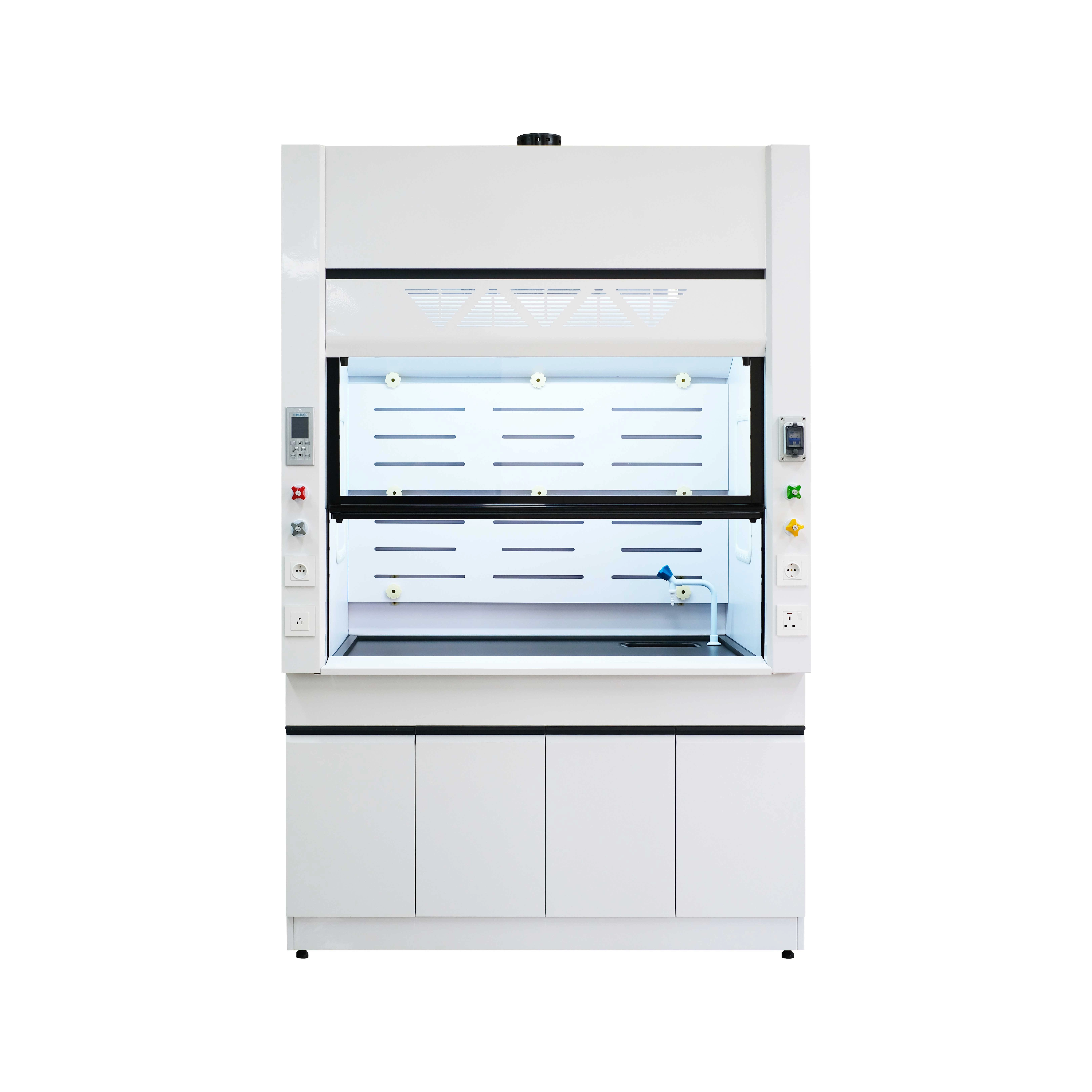
We offer all steel fume hood, benchtop fume hood, multi-sided fume hood, walk-in fume hood, PP fume hood, ductless fume hood, stainless steel fume hood and perchloric acid fume hood to suit various laboratory needs and ensure safety.
About Solution
What is the corrosion resistance of the laboratory furniture?
Our products are made of high quality corrosion-resistant materials, such as epoxy resin, PP board and stainless steel, which can resist the erosion of various chemicals and prolong the service life of the products.

Get in touch with us
If you have any comments or good suggestions, please leave us a message; later our professional staff will contact you as soon as possible.

 Scan QR Code
MaxLabFurniture
MaxLab Furniture
daihongada
Max Laboratory