
Resource
- Understanding Class II Biosafety Cabinets: Essential Features and Ergonomic Considerations
- 1. What are the primary functions of a Class II Biosafety Cabinet?
- 2. What are the different types of Class II Biosafety Cabinets?
- 3. How do ergonomic features enhance safety in Class II Biosafety Cabinets?
- 4. What safety features are incorporated into Class II Biosafety Cabinets?
- 5. How do Class II Biosafety Cabinets ensure product protection?
- 6. What maintenance is required for Class II Biosafety Cabinets?
- 7. How do Class II Biosafety Cabinets contribute to environmental protection?
- 8. What are the key considerations when selecting a Class II Biosafety Cabinet?
- Conclusion: Why Choose MAXLAB for Your Biosafety Cabinet Needs?
What ergonomic features improve safety in Class II cabinets?
Understanding Class II Biosafety Cabinets: Essential Features and Ergonomic Considerations
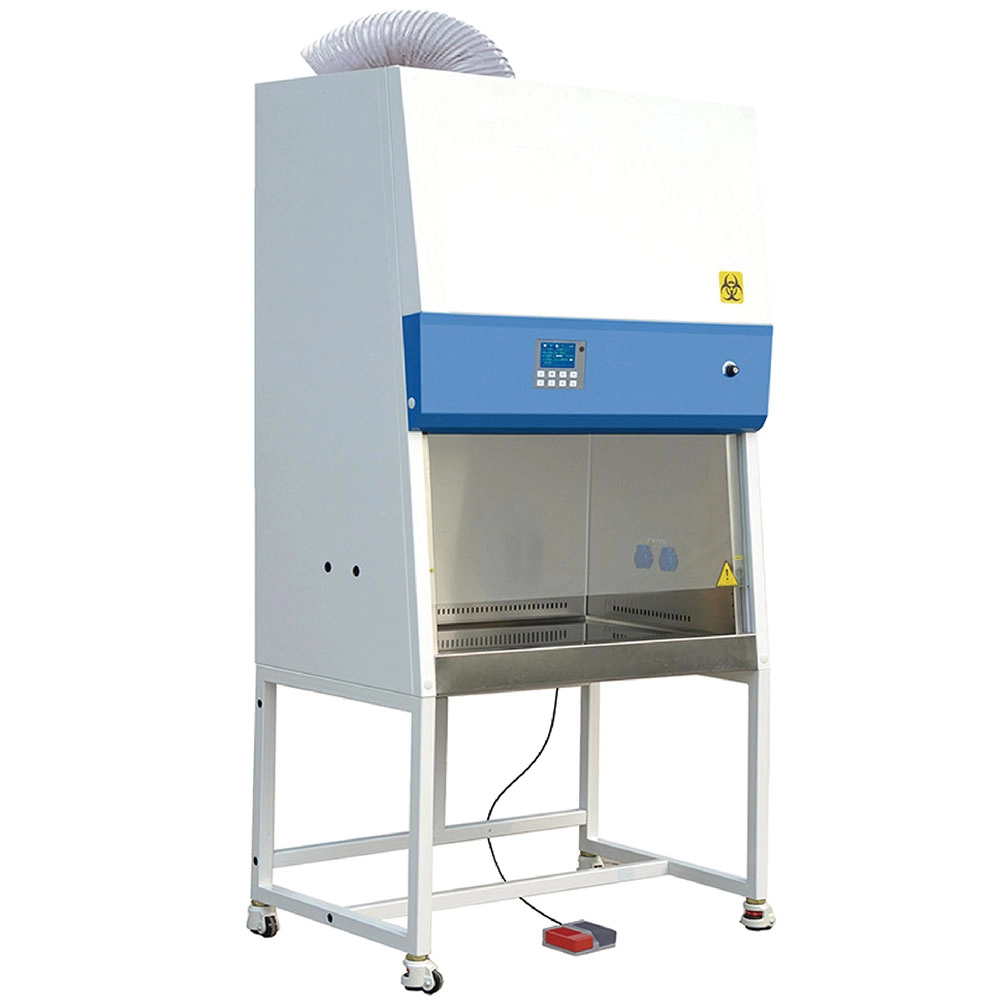
Class II Biosafety Cabinets (BSCs) are critical components in laboratory settings, providing essential protection for personnel, products, and the environment. These cabinets are designed to handle biological materials safely, ensuring that hazardous agents are contained and do not pose a risk to laboratory workers or the surrounding environment. In this guide, we will address common questions regarding Class II BSCs, focusing on their features, safety mechanisms, and ergonomic designs.
1. What are the primary functions of a Class II Biosafety Cabinet?
Class II BSCs serve three main protective functions:
Personnel Protection: They prevent exposure to harmful aerosols and particulates by maintaining a negative air pressure within the cabinet, ensuring that any potential leaks are contained.
Product Protection: They provide a sterile environment for sensitive biological materials by utilizing HEPA filters that capture airborne contaminants.
Environmental Protection: They prevent the release of hazardous agents into the laboratory environment by exhausting filtered air, thereby safeguarding the surroundings.
2. What are the different types of Class II Biosafety Cabinets?
Class II BSCs are categorized into four types, each with specific airflow and exhaust characteristics:
Type A1: Recirculates approximately 70% of its air and exhausts 30% into the room or through a canopy. Suitable for work with low to moderate risk agents.
Type A2: Similar to Type A1 but with a higher inflow velocity, providing enhanced protection.
Type B1: Recirculates 30% of its air and exhausts 70% to the outside through a duct system. Suitable for work with volatile toxic chemicals and trace amounts of radionuclides.
Type B2: Exhausts 100% of its air to the outside, making it suitable for work with toxic chemicals and radionuclides.
3. How do ergonomic features enhance safety in Class II Biosafety Cabinets?
Ergonomic designs in Class II BSCs contribute to both user comfort and safety:
Sloped Front Sashes: These provide a comfortable viewing angle, reducing neck strain during prolonged use.
Adjustable Stands: Allow users to set the work surface at an appropriate height, promoting proper posture and reducing physical strain.
Ample Knee Clearance: Ensures that users can work comfortably without obstruction, facilitating better access to the work area.
Armrests: Integrated armrests support the user's arms, reducing fatigue and enhancing comfort during extended periods of use.
4. What safety features are incorporated into Class II Biosafety Cabinets?
Class II BSCs are equipped with several safety mechanisms to ensure secure operation:
Negative Air Pressure: Maintains a constant inward airflow, preventing contaminants from escaping into the laboratory environment.
HEPA Filters: Capture airborne particles and microorganisms, ensuring that the air within the cabinet is sterile.
Interlock Systems: Prevent the operation of certain functions (e.g., UV light, blower, front window) unless specific conditions are met, reducing the risk of accidental exposure.
Alarm Systems: Provide audio and visual alerts for issues such as abnormal airflow velocity, filter replacement needs, and unsafe front window heights.
5. How do Class II Biosafety Cabinets ensure product protection?
Product protection is achieved through:
Unidirectional Airflow: Vertical laminar flow creates a sterile environment by directing contaminants away from the work surface.
HEPA Filters: Ensure that the air entering the cabinet is free from contaminants, maintaining a clean environment for sensitive materials.
6. What maintenance is required for Class II Biosafety Cabinets?
Regular maintenance includes:
Filter Replacement: HEPA filters should be replaced according to the manufacturer's guidelines to maintain optimal performance.
Cleaning: The interior and exterior should be cleaned regularly to prevent contamination and ensure proper airflow.
Performance Testing: Periodic testing ensures that the cabinet is operating within specified parameters, maintaining safety standards.
7. How do Class II Biosafety Cabinets contribute to environmental protection?
Environmental protection is achieved through:
Exhaust Systems: Properly designed exhaust systems ensure that contaminated air is safely removed from the laboratory, preventing environmental contamination.
Negative Pressure Zones: Containment of potential leaks within the cabinet prevents contaminants from being released into the laboratory environment.
8. What are the key considerations when selecting a Class II Biosafety Cabinet?
When selecting a Class II BSC, consider:
Type of Work: Choose a cabinet type (A1, A2, B1, B2) based on the specific requirements of your laboratory activities.
Ergonomic Design: Ensure the cabinet includes features that promote user comfort and safety.
Maintenance Requirements: Consider the ease of maintenance and availability of replacement parts.
Compliance with Standards: Verify that the cabinet meets relevant safety and performance standards.
Conclusion: Why Choose MAXLAB for Your Biosafety Cabinet Needs?
When selecting a Class II Biosafety Cabinet, it's essential to choose a manufacturer that prioritizes safety, quality, and user comfort. MAXLAB offers a range of biosafety cabinets designed with advanced ergonomic features, robust safety mechanisms, and compliance with international standards. Their commitment to innovation and user-centric design ensures that laboratory personnel can work efficiently and safely, maintaining the highest standards of biosafety.
Why We Choose to Be Your Lab Furniture Solution Provider, Not Just a Manufacturer

Max Lab Introduction
Electronics Lab Bench vs Chemistry Lab Bench: What You Need to Know
What Is an Air Shower for Cleanroom?
For Products
Can your furniture withstand heavy-duty use?
Yes, all of our laboratory furniture focuses on durability, with a load-bearing capacity of up to 500KG/m², and is made of high-quality materials that can meet the requirements for large-scale precision instruments and equipment and exposure to chemicals in the laboratory.
Do you offer ergonomic solutions for lab furniture?
Yes, our laboratory furniture includes ergonomic designs such as height-adjustable lab benches and chairs that reduce strain during long hours of work.
Are your products customizable?
Absolutely! We offer customized solutions for laboratory benches, lab tables, and furniture systems to meet the specific requirements of your workspace.
For Logistics
Do you offer express shipping options?
Yes, we offer express shipping for urgent orders. Please contact our sales team to inquire about availability and additional costs.
About Solution
Do you provide laboratory layout design service?
Yes, we provide professional laboratory layout design service to optimize space utilization and workflow according to customer's site and usage requirements.

Get in touch with us
If you have any comments or good suggestions, please leave us a message; later our professional staff will contact you as soon as possible.

 Scan QR Code
MaxLabFurniture
MaxLab Furniture
daihongada
Max Laboratory