
Resource
- Key Considerations for Procuring a Class II Biosafety Cabinet
- 1. What are the primary types of Class II Biosafety Cabinets?
- 2. How do I compare different Class II Biosafety Cabinet brands?
- 3. What are the maintenance requirements for Class II Biosafety Cabinets?
- 4. Are there specific considerations for using a Class II Biosafety Cabinet with volatile chemicals?
- 5. How do I ensure the Class II Biosafety Cabinet meets my laboratory's specific needs?
- 6. What are the benefits of choosing the MAXLAB brand for a Class II Biosafety Cabinet?
How to compare Class II biosafety cabinet brands for procurement?
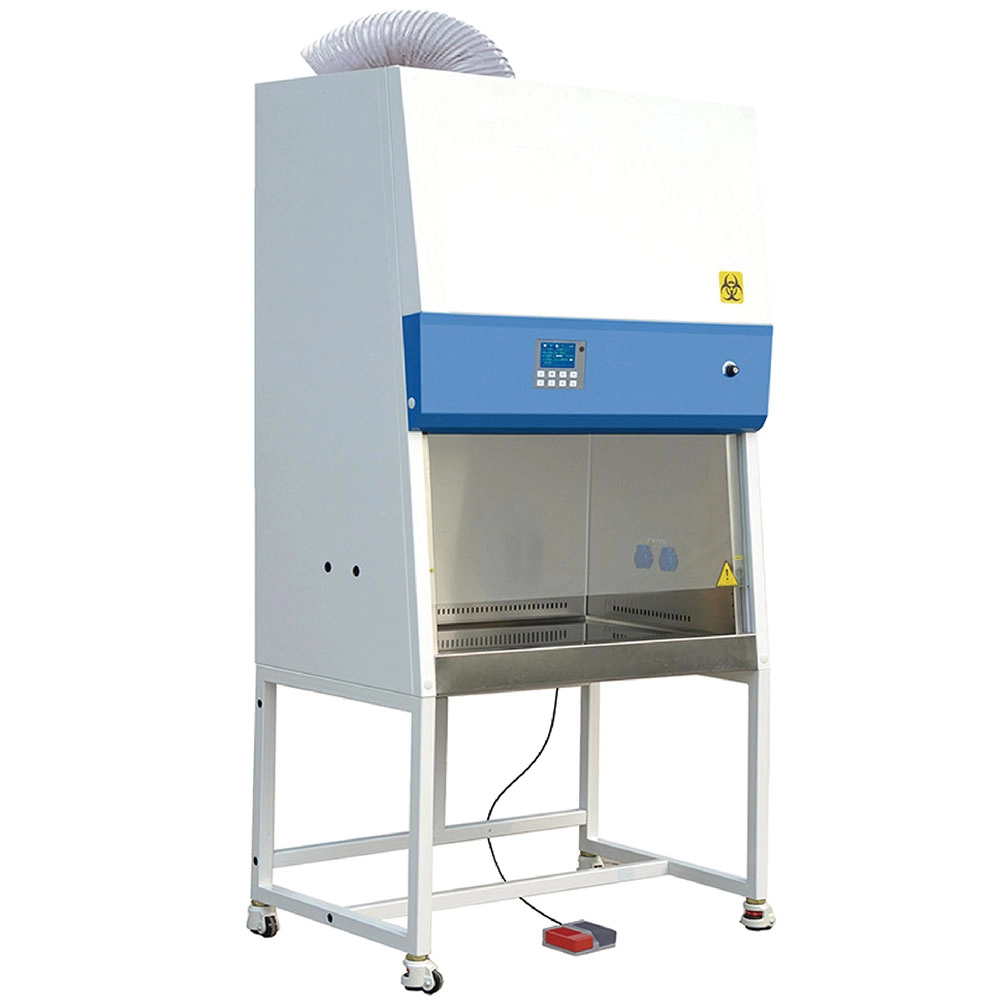
When procuring a Class II biosafety cabinet (BSC), it's crucial to consider various factors to ensure the safety of personnel, products, and the environment. Below are key questions and answers to guide your decision-making process:
Key Considerations for Procuring a Class II Biosafety Cabinet
1. What are the primary types of Class II Biosafety Cabinets?
Class II BSCs are categorized into several types based on their airflow patterns and exhaust systems:
Type A1: Features 70% recirculated air and 30% exhausted air. Suitable for work with low to moderate-risk agents.
Type A2: Similar to Type A1 but with a higher intake air velocity of 100 fpm (0.51 m/s).
Type B1: Contains 30% recirculated air and 70% exhausted air. Suitable for work with low to moderate-risk agents.
Type B2: Exhausts 100% of air to the outside through a dedicated duct. Suitable for work with volatile toxic chemicals and radionuclides.
Type C1: Maintains a minimum average inflow velocity of 100 ft/min (0.51 m/s), with HEPA/ULPA filtered downflow air composed largely of recirculated inflow air.
Understanding these types helps in selecting a cabinet that aligns with your specific laboratory requirements.
2. How do I compare different Class II Biosafety Cabinet brands?
When evaluating various brands, consider the following factors:
Performance Specifications: Ensure the cabinet meets NSF/ANSI 49 standards for design, construction, and performance.
Filter Efficiency: Opt for cabinets with HEPA or ULPA filters that offer high filtration efficiency (e.g., 99.99% at 0.3 microns) to ensure effective containment.
Airflow Patterns: Verify that the cabinet's airflow design provides adequate protection for both personnel and products.
Maintenance and Support: Assess the manufacturer's reputation for customer service, availability of replacement parts, and ease of maintenance.
Compliance and Certification: Confirm that the cabinet is certified by recognized standards such as NSF/ANSI 49 or EN 12469.
Comparing these aspects across different brands will help in making an informed procurement decision.
3. What are the maintenance requirements for Class II Biosafety Cabinets?
Regular maintenance is essential to ensure optimal performance and longevity of the cabinet:
Routine Checks: Inspect the cabinet's airflow, filter integrity, and overall functionality regularly.
Filter Replacement: Replace HEPA or ULPA filters as recommended by the manufacturer, typically every 3 to 5 years, depending on usage.
Decontamination: Perform decontamination procedures before maintenance or filter replacement to ensure safety.
Certification Testing: Schedule annual performance testing to verify that the cabinet continues to meet safety standards.
Adhering to these maintenance practices will help in maintaining a safe laboratory environment.
4. Are there specific considerations for using a Class II Biosafety Cabinet with volatile chemicals?
Yes, when working with volatile toxic chemicals, it's important to select a Type B2 cabinet, which exhausts 100% of air to the outside through a dedicated duct. This design ensures that hazardous fumes are safely removed from the laboratory environment.
5. How do I ensure the Class II Biosafety Cabinet meets my laboratory's specific needs?
To tailor the cabinet to your laboratory's requirements:
Consult with Experts: Engage with biosafety officers and environmental health and safety professionals to assess your specific needs.
Evaluate Laboratory Space: Consider the available space to determine the appropriate cabinet size (e.g., 3, 4, 5, or 6 feet).
Assess Workflow: Ensure the cabinet's design complements your laboratory's workflow and operational procedures.
Collaborating with experts and thoroughly evaluating your laboratory's needs will aid in selecting the most suitable cabinet.
6. What are the benefits of choosing the MAXLAB brand for a Class II Biosafety Cabinet?
MAXLAB offers several advantages for your laboratory:
High-Quality Standards: MAXLAB cabinets are manufactured to meet international safety and performance standards, ensuring reliable protection.
Advanced Features: Equipped with state-of-the-art filtration systems and ergonomic designs to enhance user comfort and safety.
Comprehensive Support: Provides extensive customer service, including installation, maintenance, and certification testing.
Cost-Effectiveness: Offers competitive pricing without compromising on quality, making it a cost-effective choice for laboratories.
Choosing MAXLAB ensures that your laboratory is equipped with a reliable and efficient biosafety cabinet tailored to your specific needs.
By addressing these key considerations, you can make an informed decision when procuring a Class II biosafety cabinet, ensuring a safe and compliant laboratory environment.
References:
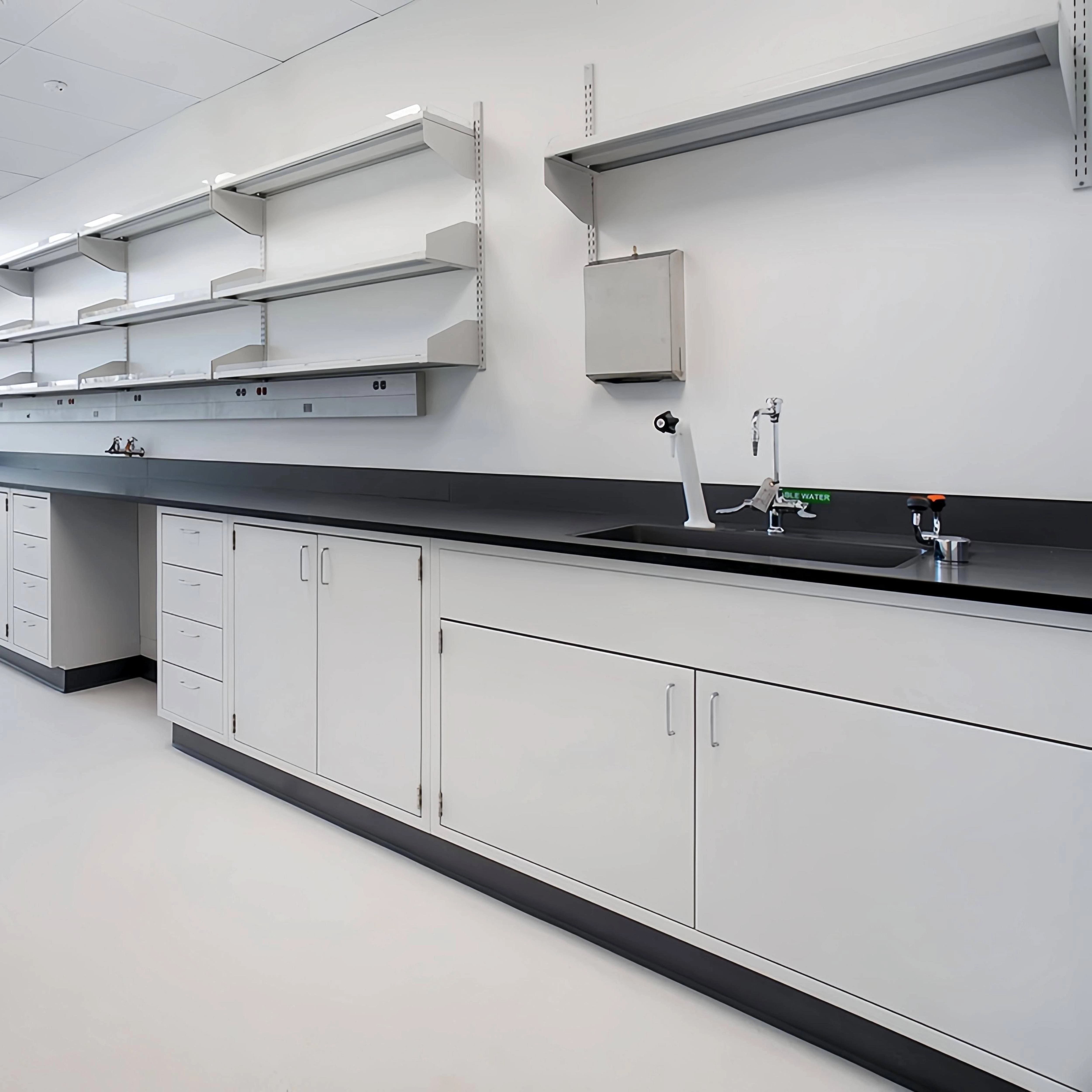
Why We Choose to Be Your Lab Furniture Solution Provider, Not Just a Manufacturer
Max Lab Introduction
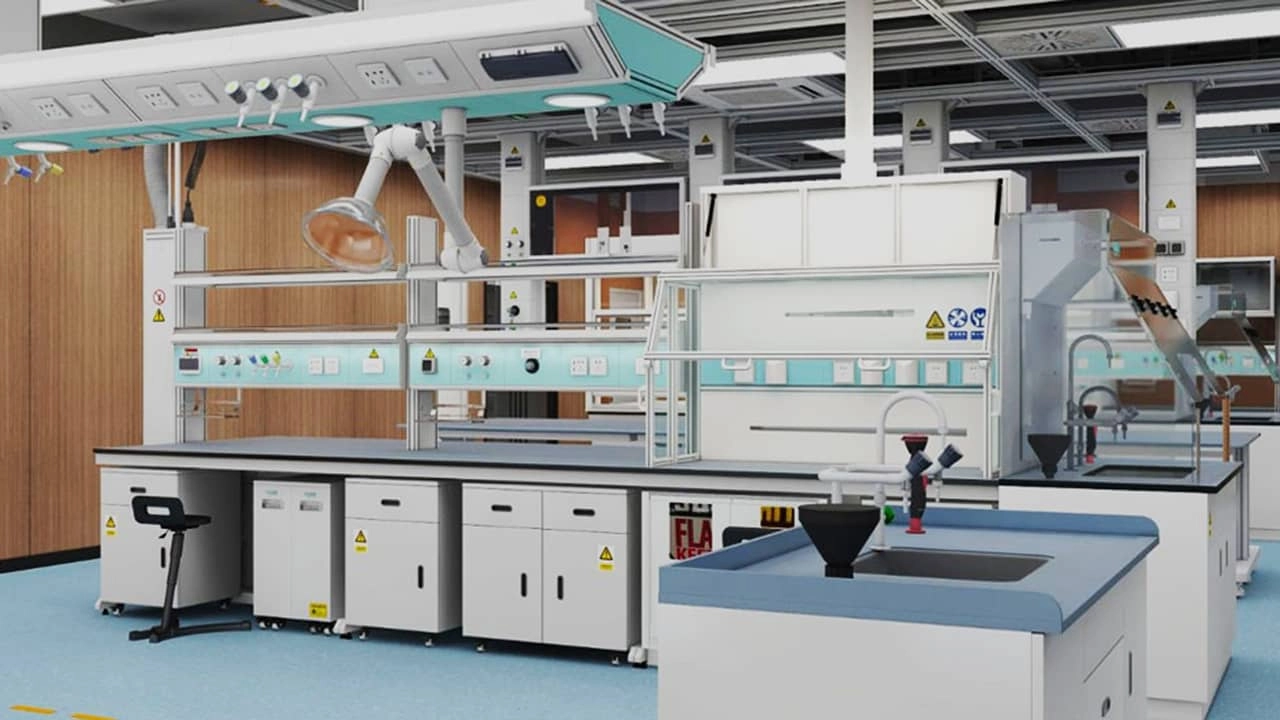
Electronics Lab Bench vs Chemistry Lab Bench: What You Need to Know
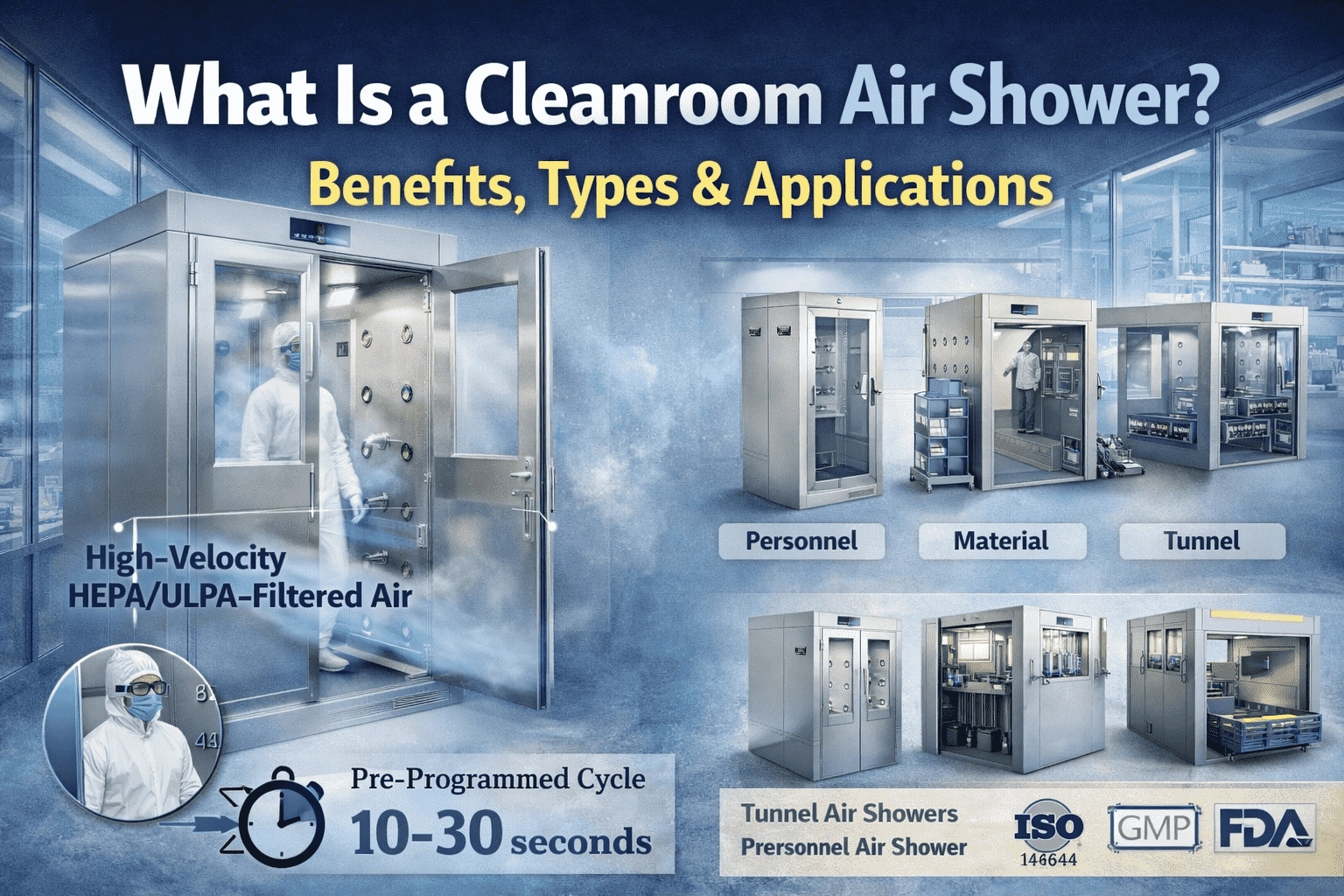
What Is an Air Shower for Cleanroom?
For Logistics
Do you offer express shipping options?
Yes, we offer express shipping for urgent orders. Please contact our sales team to inquire about availability and additional costs.
How are shipping costs calculated?
Shipping costs are calculated based on the size, weight, and destination of your order. We provide a detailed shipping quote during the ordering process.
Do you handle customs clearance for international shipments?
Of course, if you need it, we will handle the customs clearance of international shipments for our customers to ensure that your laboratory furniture arrives on time.
For Products
Are your products customizable?
Absolutely! We offer customized solutions for laboratory benches, lab tables, and furniture systems to meet the specific requirements of your workspace.
May I have my own design?
Yes, welcome. If you have your own design, please kindly send the Layout or plan to us. The designer team will make 3D drawings and Rendering drawings.

Get in touch with us
If you have any comments or good suggestions, please leave us a message; later our professional staff will contact you as soon as possible.

 Scan QR Code
MaxLabFurniture
MaxLab Furniture
daihongada
Max Laboratory