
Resource
- Choosing the Right Laboratory Table for Microbiology Workflows
- 1. What are the essential features of a laboratory table for microbiology?
- 2. How does laboratory automation impact table selection?
- 3. What role does laboratory layout play in table selection?
- 4. How do regulatory standards influence table design?
- 5. What are the benefits of modular laboratory tables?
- 6. How does ergonomics affect laboratory table selection?
- 7. What are the cost considerations when selecting laboratory tables?
- 8. How do laboratory tables contribute to overall laboratory efficiency?
- Conclusion: Why Choose MAXLAB Laboratory Tables?
How to choose lab tables for microbiology workflows?
Choosing the Right Laboratory Table for Microbiology Workflows
Selecting the appropriate laboratory table is essential for optimizing microbiology workflows. A well-designed table enhances efficiency, ensures safety, and supports compliance with industry standards. Below are key considerations to guide your decision-making process:
1. What are the essential features of a laboratory table for microbiology?
A suitable laboratory table for microbiology should include:
Chemical Resistance: The surface should withstand exposure to various chemicals used in microbiological procedures.
Durability: Materials like stainless steel offer longevity and resistance to wear and tear.
Easy Maintenance: Smooth, non-porous surfaces facilitate cleaning and decontamination.
Ergonomic Design: Adjustable height and sufficient workspace reduce strain during prolonged use.
Integrated Utilities: Built-in sinks, gas lines, and electrical outlets streamline workflow and minimize clutter.
2. How does laboratory automation impact table selection?
Laboratory automation has significantly transformed microbiology workflows by reducing manual intervention and increasing throughput. Automated systems require tables that can accommodate specialized equipment, such as automated specimen processors and incubators. Therefore, selecting tables with sufficient load-bearing capacity and appropriate dimensions is crucial to support these technologies effectively.
3. What role does laboratory layout play in table selection?
An efficient laboratory layout minimizes cross-contamination and optimizes workflow. Tables should be positioned to facilitate a logical sequence of operations, from sample receipt to analysis and reporting. For instance, placing tables near sinks and waste disposal areas can streamline sample processing and decontamination procedures.
4. How do regulatory standards influence table design?
Compliance with regulatory standards, such as Good Manufacturing Practice (GMP), is mandatory in microbiology laboratories. Laboratory tables must meet specific criteria, including material specifications, surface finishes, and design features that prevent contamination and facilitate cleaning. Adhering to these standards ensures safety and reliability in laboratory operations.
5. What are the benefits of modular laboratory tables?
Modular laboratory tables offer flexibility and scalability, allowing laboratories to adapt to changing needs. They can be reconfigured to accommodate new equipment or workflow changes without significant additional investment. This adaptability is particularly beneficial in dynamic research environments where requirements evolve over time.
6. How does ergonomics affect laboratory table selection?
Ergonomic design is vital to prevent strain and injury during prolonged laboratory work. Tables with adjustable heights, sufficient legroom, and appropriate surface angles promote comfort and efficiency. Investing in ergonomic furniture can enhance productivity and reduce the risk of musculoskeletal disorders among laboratory personnel.
7. What are the cost considerations when selecting laboratory tables?
While high-quality laboratory tables may require a higher initial investment, they offer long-term durability and reduced maintenance costs. Balancing upfront costs with the anticipated lifespan and functionality of the tables is essential for making a cost-effective decision.
8. How do laboratory tables contribute to overall laboratory efficiency?
Well-designed laboratory tables enhance workflow efficiency by providing organized and accessible workspaces. They support the integration of equipment and utilities, reduce the time spent searching for tools or reagents, and minimize the risk of errors. An optimized workspace contributes to faster turnaround times and improved quality of results.
Conclusion: Why Choose MAXLAB Laboratory Tables?
MAXLAB offers laboratory tables that embody all the essential features discussed above. Our tables are constructed with high-quality, chemical-resistant materials, ensuring durability and easy maintenance. Designed with ergonomics in mind, they provide adjustable heights and ample workspace to accommodate various laboratory activities. Additionally, MAXLAB tables support laboratory automation by offering configurations that integrate seamlessly with automated equipment. Choosing MAXLAB means investing in laboratory furniture that enhances efficiency, safety, and compliance in your microbiology laboratory.
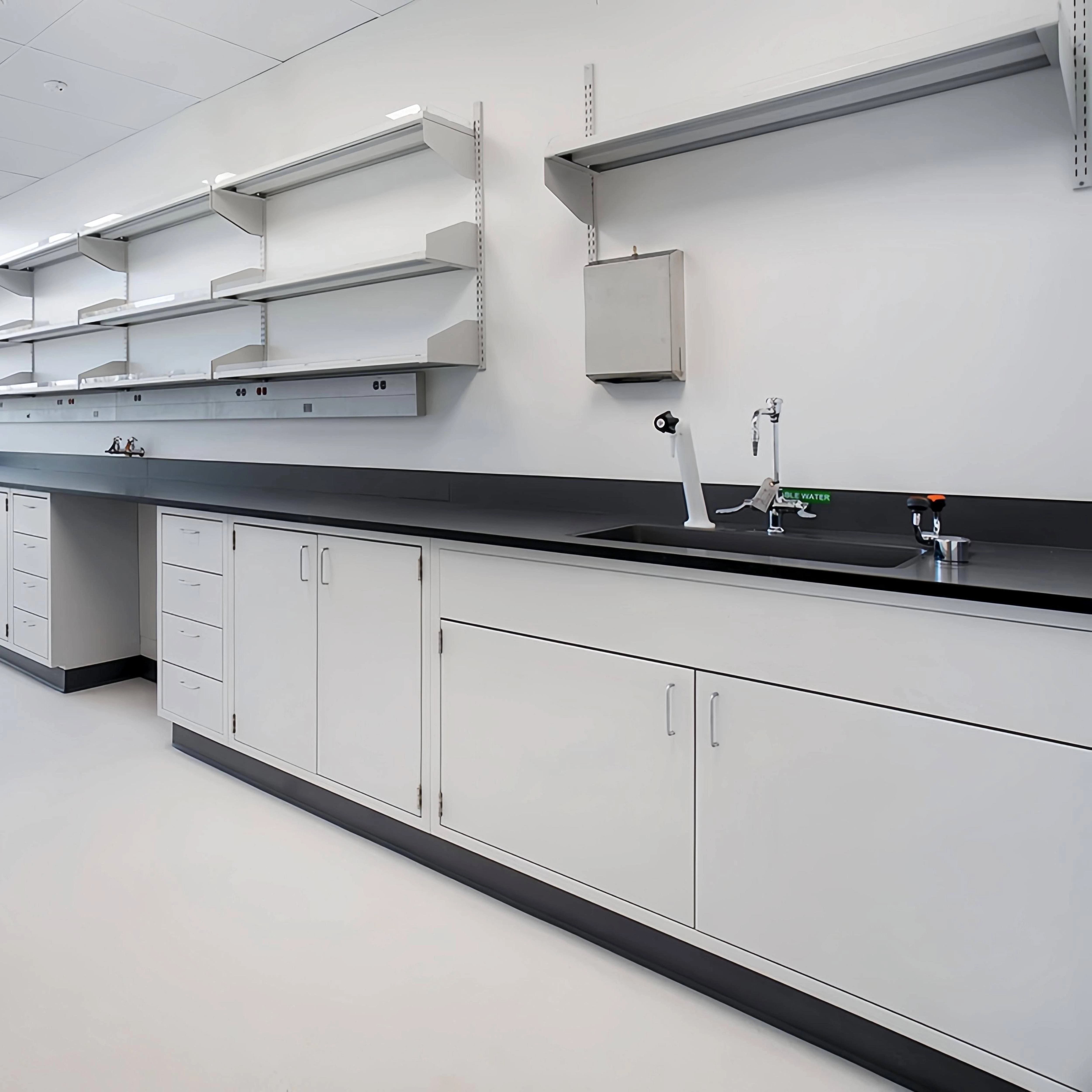
Why We Choose to Be Your Lab Furniture Solution Provider, Not Just a Manufacturer

Max Lab Introduction
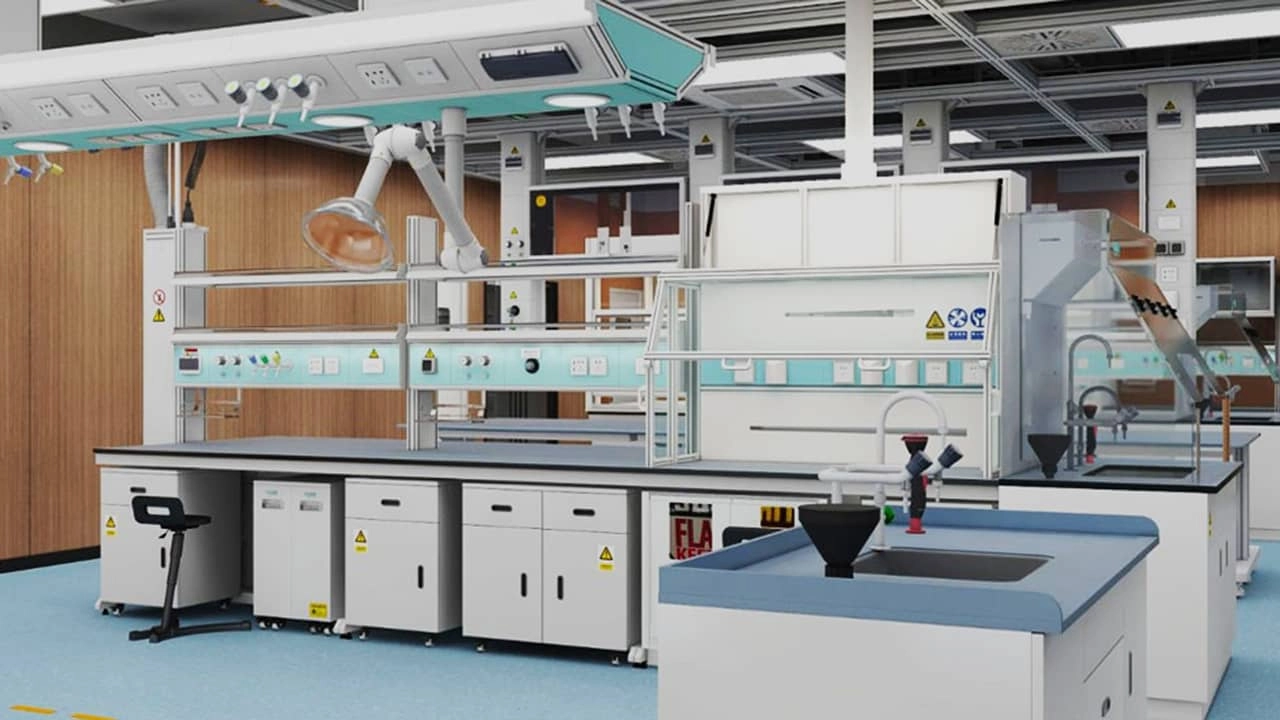
Electronics Lab Bench vs Chemistry Lab Bench: What You Need to Know
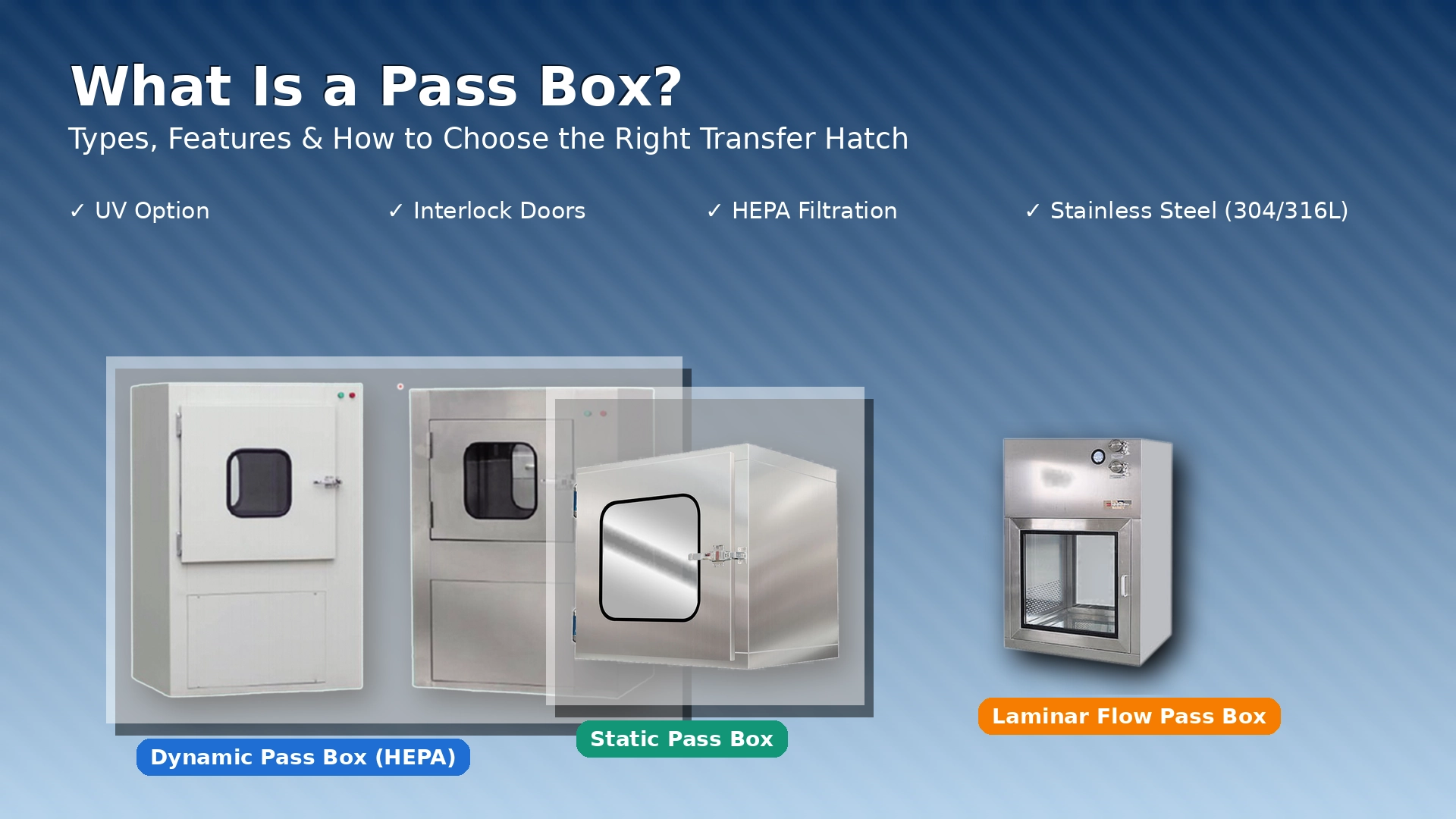
What Is a Pass Box? Types, Features, and How to Choose the Right Transfer Hatch
For Company
Do you offer services internationally?
Yes, we serve clients around the world, including Europe, North America, and Asia. Our international experience enables us to provide solutions that meet local regulations and standards.
For After-Sales Support
Do you offer training for using your products?
Yes, we offer training for your staff on how to properly use and maintain the laboratory equipment we provide. Contact us to schedule a training session.
How about your after sale service?
We will reply you within 24 hours by email or phone.
If we have local agent,we will arrange him to your site within 24 hours to assist you to shoot the problem.
For Logistics
How can I track my shipment?
Once your order has been shipped, we will provide tracking information so you can monitor the status of your delivery.
Customization
Are customized services suitable for small laboratories?
Yes, our customized services are suitable for all types of laboratories, including small ones. We are able to provide customized solutions according to the actual needs of the laboratory.

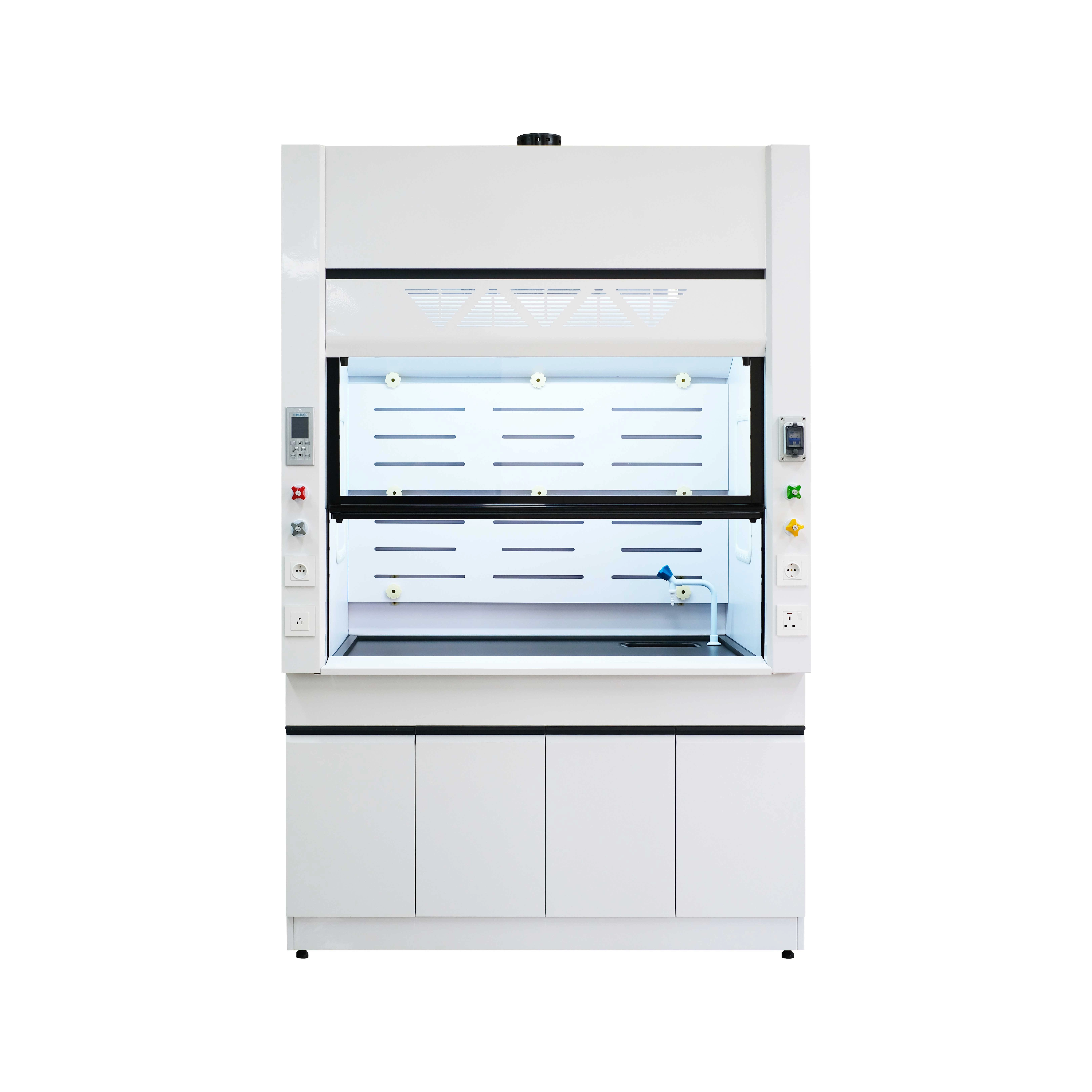

Get in touch with us
If you have any comments or good suggestions, please leave us a message; later our professional staff will contact you as soon as possible.

 Scan QR Code
MaxLabFurniture
MaxLab Furniture
daihongada
Max Laboratory