
Resource
- Best Practices for Laboratory Table Chemical Storage
- 1. How should chemicals be segregated in laboratory storage?
- 2. What labeling practices are essential for chemical containers?
- 3. What are the storage requirements for flammable liquids?
- 4. How should corrosive substances be stored?
- 5. What are the guidelines for storing chemicals in laboratory tables?
- 6. How should chemical containers be maintained?
- 7. What are the considerations for storing chemicals in refrigerators or freezers?
- 8. How can chemical storage safety be enhanced in laboratories?
What are best practices for lab table chemical storage?
Best Practices for Laboratory Table Chemical Storage
Proper chemical storage in laboratory settings is crucial for ensuring safety and compliance with regulations. Below are key considerations and best practices for storing chemicals in laboratory tables:
1. How should chemicals be segregated in laboratory storage?
Chemicals should be segregated based on their hazard classes to prevent unintended reactions. For example, flammable liquids should be stored separately from corrosive substances.
2. What labeling practices are essential for chemical containers?
All chemical containers must be clearly labeled with the chemical's identity and appropriate hazard warnings. Labels should be legible and accurate to ensure proper handling and emergency response.
3. What are the storage requirements for flammable liquids?
Flammable liquids should be stored in approved, dedicated flammable materials storage cabinets or rooms, especially when the volume exceeds ten gallons. These cabinets should be kept closed to maintain safety.
4. How should corrosive substances be stored?
Corrosive substances, such as acids and bases, should be stored in separate, corrosion-resistant cabinets. It's important to keep acids away from bases and other incompatible chemicals to prevent hazardous reactions.
5. What are the guidelines for storing chemicals in laboratory tables?
Chemicals should not be stored on laboratory tables unless they are in use. Storage on tables can lead to spills and clutter. Instead, use designated storage cabinets or shelves that are sturdy and secure.
6. How should chemical containers be maintained?
Chemical containers must be in good condition, free from cracks or corrosion, and equipped with tight-fitting lids to prevent evaporation and leakage. Regular inspections are necessary to ensure container integrity.
7. What are the considerations for storing chemicals in refrigerators or freezers?
Only store chemicals in refrigerators or freezers that are specifically rated for chemical storage. Standard refrigerators can pose explosion hazards when storing flammable materials. Additionally, label these appliances to indicate that they contain chemicals and not food.
8. How can chemical storage safety be enhanced in laboratories?
Implementing a comprehensive chemical storage plan minimizes risks, prevents accidents, and ensures compliance with safety regulations. Regular training and adherence to established guidelines are essential for maintaining a safe laboratory environment.
Conclusion
Adhering to these best practices for chemical storage in laboratory tables is vital for maintaining a safe and efficient laboratory environment. Proper segregation, labeling, and storage equipment are key components of a comprehensive chemical safety plan.
About MAXLAB
MAXLAB is a leading provider of laboratory furniture, offering high-quality, durable, and customizable solutions to meet the diverse needs of laboratory environments. Our products are designed with safety and functionality in mind, ensuring optimal performance and compliance with industry standards.
References
- Chemical Storage – Environment, Health & Safety – UW–Madison.
- Chemical Storage Guidelines | Office of Research Environmental Health and Safety | USU.
- Chemical Storage Guidelines | Faculty of Engineering and Natural Sciences | Sabancı University.
- Chemical Storage Safety: 8 Fundamental Principles for Laboratories | Lab Manager.
- Chemical Storage | Environmental Health and Safety | Dartmouth College.
- Chemical Storage Guidelines | Environmental Health and Safety | Washington University in St. Louis.
- Chemical Storage Guidelines | Division of Research Safety | University of Illinois.
- Chemical Storage Guidelines | Office of Research Environmental Health and Safety | USU.
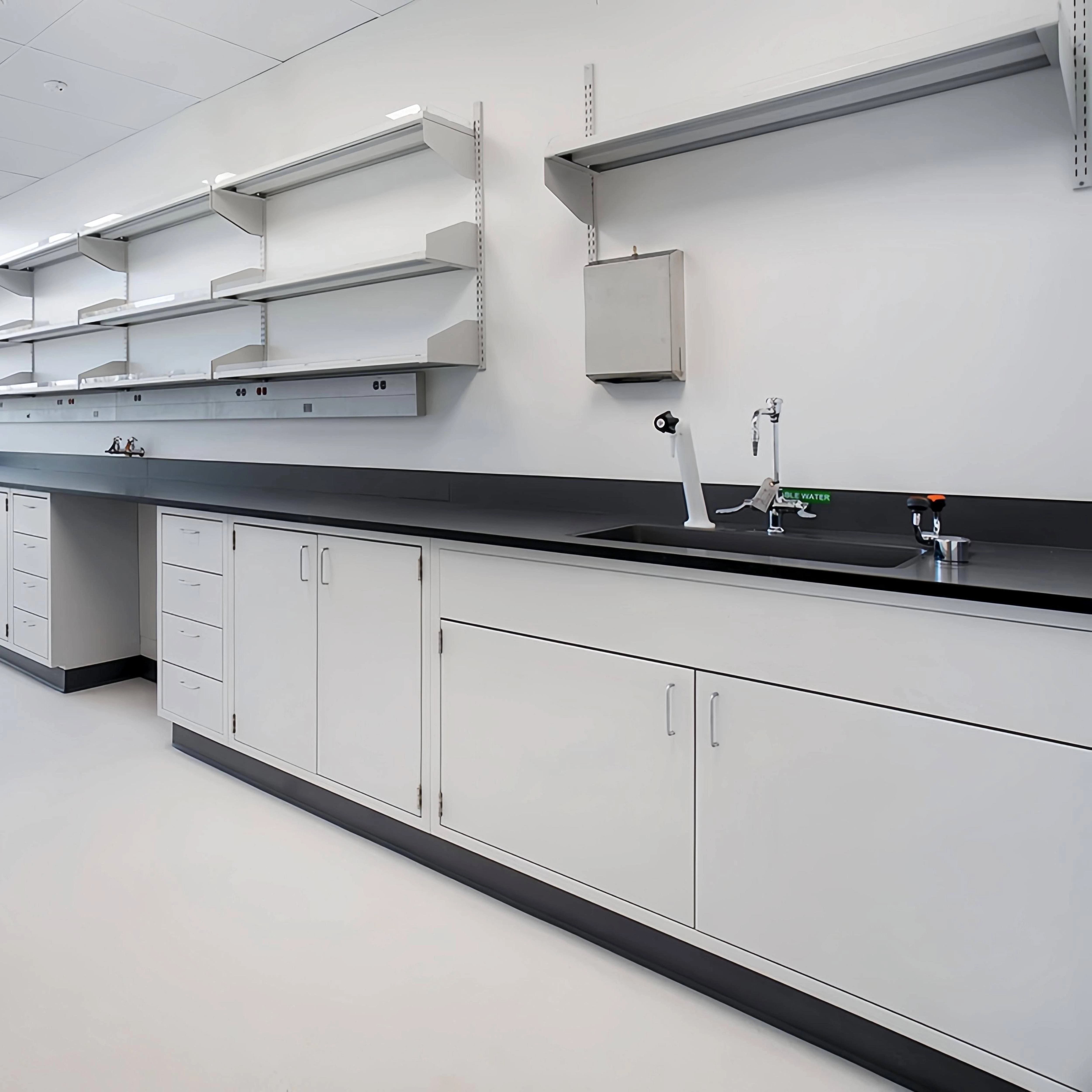
Why We Choose to Be Your Lab Furniture Solution Provider, Not Just a Manufacturer

Max Lab Introduction
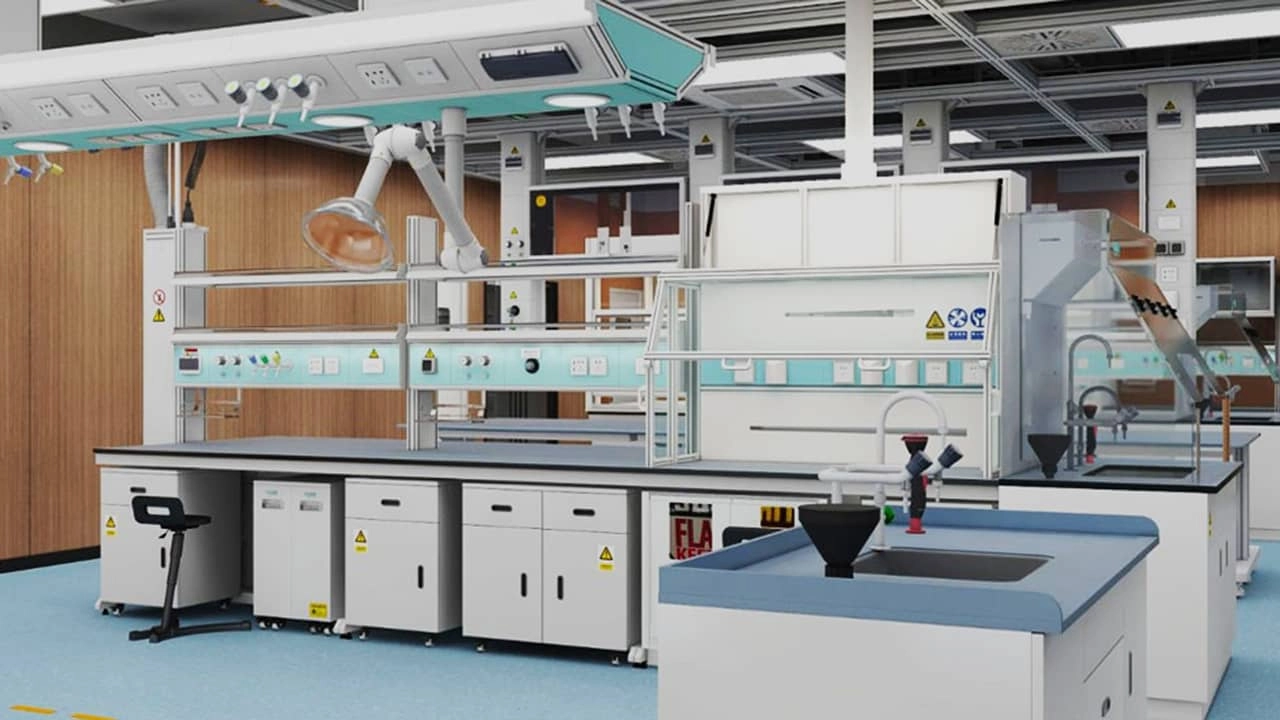
Electronics Lab Bench vs Chemistry Lab Bench: What You Need to Know
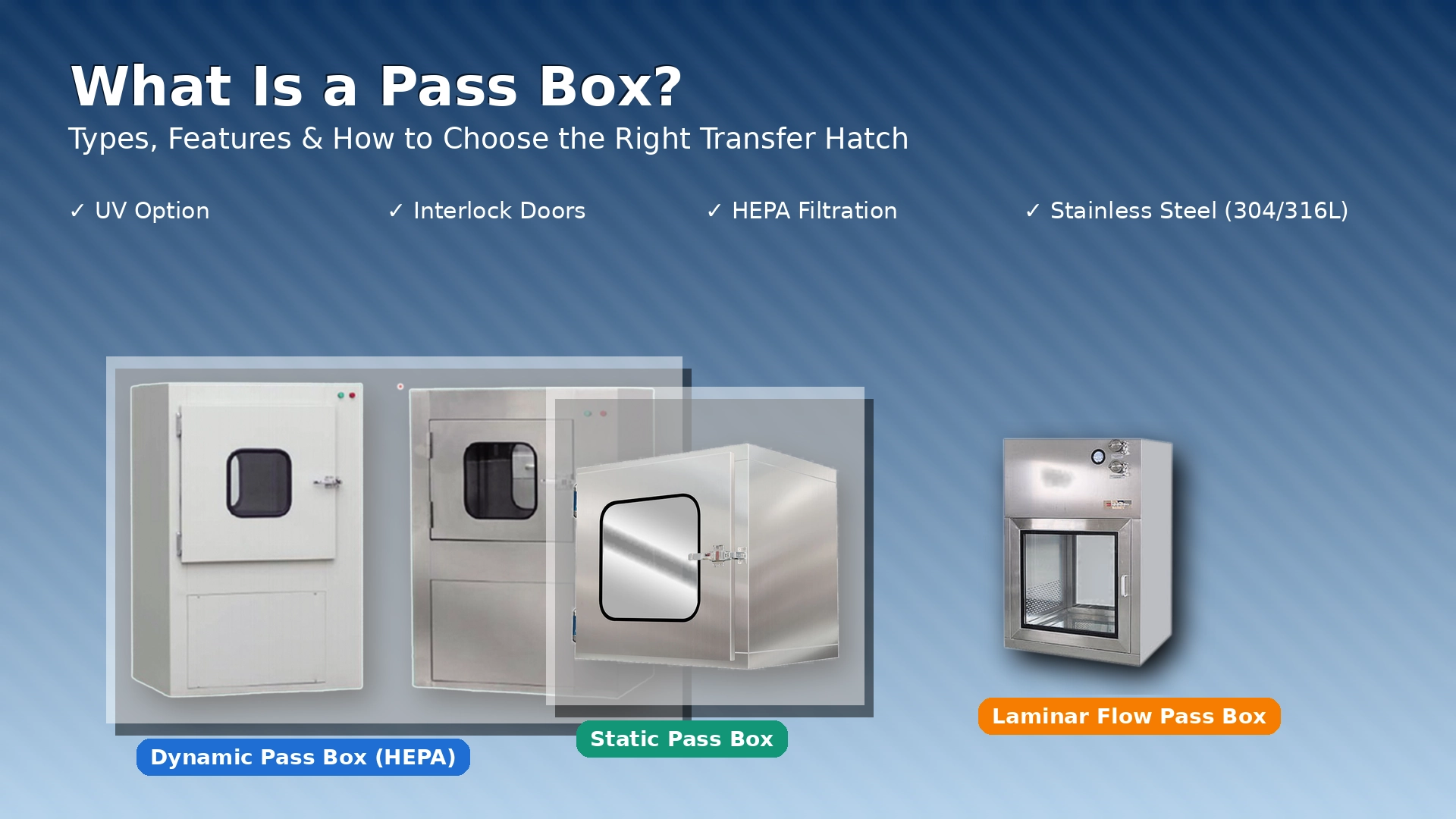
What Is a Pass Box? Types, Features, and How to Choose the Right Transfer Hatch
About Solution
Do you provide laboratory layout design service?
Yes, we provide professional laboratory layout design service to optimize space utilization and workflow according to customer's site and usage requirements.
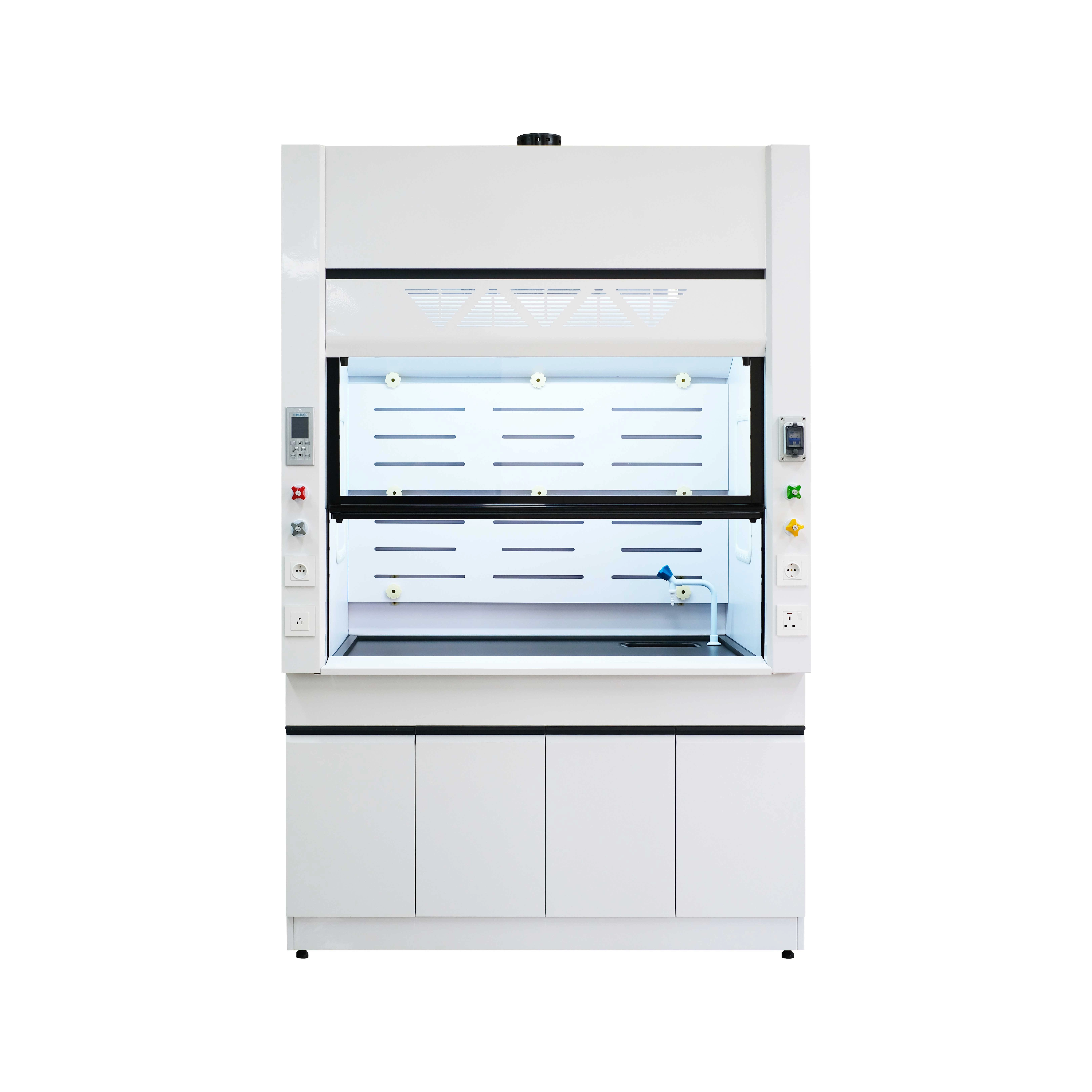
How to ensure the safety performance of the fume hood?
Our fume hoods adopt high-efficiency filtration system and intelligent air speed control technology to ensure that harmful gases are effectively eliminated during experiments and protect users' health.
For Company
Do you offer services internationally?
Yes, we serve clients around the world, including Europe, North America, and Asia. Our international experience enables us to provide solutions that meet local regulations and standards.
For Logistics
How can I track my shipment?
Once your order has been shipped, we will provide tracking information so you can monitor the status of your delivery.
For Products
Do you provide laboratory tables with built-in power outlets?
Yes, we offer lab tables with integrated electrical outlets, power strips, and other features to support your laboratory's equipment needs.



Get in touch with us
If you have any comments or good suggestions, please leave us a message; later our professional staff will contact you as soon as possible.

 Scan QR Code
MaxLabFurniture
MaxLab Furniture
daihongada
Max Laboratory