
Resource
- Comprehensive Guide to Selecting Adjustable-Height Laboratory Tables
- 1. What Are Adjustable-Height Laboratory Tables?
- 2. Why Should I Choose Adjustable-Height Laboratory Tables?
- 3. What Materials Are Commonly Used for Laboratory Table Surfaces?
- 4. What Features Should I Look for in Adjustable-Height Laboratory Tables?
- 5. How Do Adjustable-Height Laboratory Tables Enhance Laboratory Ergonomics?
- 6. What Are the Cost Considerations When Purchasing Adjustable-Height Laboratory Tables?
- 7. How Do I Ensure Compliance with Laboratory Safety Standards When Selecting Laboratory Tables?
- 8. What Are the Top Recommendations for Adjustable-Height Laboratory Tables?
Why choose adjustable-height laboratory tables?
Comprehensive Guide to Selecting Adjustable-Height Laboratory Tables
Laboratory tables are fundamental to the efficiency and safety of any lab environment. Adjustable-height laboratory tables, in particular, offer enhanced ergonomics and adaptability, catering to diverse research needs. This guide delves into key considerations for selecting the ideal adjustable-height laboratory table, ensuring it aligns with your lab's specific requirements.
1. What Are Adjustable-Height Laboratory Tables?
Adjustable-height laboratory tables are workstations designed with mechanisms that allow users to modify the table's height. This adjustability accommodates both sitting and standing positions, promoting ergonomic posture and reducing the risk of musculoskeletal issues. Such tables are particularly beneficial in labs where tasks vary in duration and intensity, necessitating flexibility in workstation setup.
2. Why Should I Choose Adjustable-Height Laboratory Tables?
Ergonomic Benefits: Alternating between sitting and standing positions can alleviate back and neck strain, enhancing overall comfort during prolonged lab sessions.
Increased Productivity: A comfortable working posture can lead to improved focus and efficiency, positively impacting research outcomes.
Accommodating Diverse Users: Adjustable-height tables cater to individuals of varying statures and preferences, promoting inclusivity in the lab environment.
Compliance with Standards: Incorporating adjustable-height furniture can assist in meeting ergonomic standards and regulations, ensuring a safe working environment.
3. What Materials Are Commonly Used for Laboratory Table Surfaces?
Selecting the appropriate material for your laboratory table surface is crucial for durability and functionality. Common materials include:
High-Pressure Laminate (HPL): Cost-effective and easy to clean, suitable for general science and STEM applications. However, it is not resistant to chemicals and should be avoided in labs with strong acids or solvents.
Chemical-Resistant Laminate: An upgraded laminate engineered to withstand common reagents found in middle and high school labs, offering a balance between value and protection for regular wet labs.
Phenolic Resin: Dense, moisture-proof, and highly chemical-resistant; handles frequent cleaning and incidental heat better than laminates. A strong choice for biology and chemistry labs and shared STEM spaces.
Solid Epoxy Resin: The gold standard for harsh environments—excellent chemical, heat, and impact resistance. Ideal near sinks, burners, and heavy apparatus; highest upfront cost but long service life.
Choosing the right material ensures the table meets the specific demands of your laboratory activities.
4. What Features Should I Look for in Adjustable-Height Laboratory Tables?
When evaluating adjustable-height laboratory tables, consider the following features:
Height Adjustment Mechanism: Opt for tables with smooth and reliable adjustment systems, such as electric or manual lifts, to facilitate easy transition between sitting and standing positions.
Stability and Load Capacity: Ensure the table maintains stability at all height settings and can support the weight of your equipment and materials.
Surface Material: Select a surface material that aligns with your lab's requirements, considering factors like chemical resistance, durability, and ease of maintenance.
Mobility: Tables with lockable casters offer flexibility in rearranging the lab layout while maintaining stability during use.
Integrated Utilities: Features such as built-in sinks, power outlets, and data ports can enhance functionality and reduce the need for additional installations.
5. How Do Adjustable-Height Laboratory Tables Enhance Laboratory Ergonomics?
Adjustable-height laboratory tables significantly improve ergonomics by allowing users to alternate between sitting and standing positions, reducing the risk of repetitive strain injuries. This adaptability accommodates various tasks and user preferences, promoting a healthier and more comfortable working environment.
6. What Are the Cost Considerations When Purchasing Adjustable-Height Laboratory Tables?
The cost of adjustable-height laboratory tables varies based on materials, features, and customization options. While they may require a higher initial investment compared to standard tables, the long-term benefits, including enhanced productivity and user well-being, often justify the expense. It's advisable to assess the total cost of ownership, considering factors like durability, maintenance, and potential health benefits.
7. How Do I Ensure Compliance with Laboratory Safety Standards When Selecting Laboratory Tables?
To ensure compliance with laboratory safety standards:
Material Certification: Verify that the table's materials meet relevant safety and chemical resistance standards.
Structural Integrity: Confirm that the table's frame and components are robust and capable of supporting the intended load without compromising safety.
Ergonomic Design: Ensure the table's design promotes safe and comfortable working postures, reducing the risk of injury.
Supplier Reputation: Choose suppliers with a proven track record in providing compliant and high-quality laboratory furniture.
8. What Are the Top Recommendations for Adjustable-Height Laboratory Tables?
When selecting adjustable-height laboratory tables, consider reputable manufacturers known for quality and innovation. Brands like MAXLAB offer a range of customizable options tailored to various laboratory needs, ensuring durability, functionality, and ergonomic design.
In conclusion, selecting the right adjustable-height laboratory table involves careful consideration of materials, features, ergonomics, and compliance with safety standards. By prioritizing these factors, you can enhance your laboratory's functionality, safety, and overall user satisfaction.
MAXLAB stands out as a leading provider of high-quality laboratory furniture, offering durable and customizable adjustable-height tables designed to meet diverse laboratory requirements. Their commitment to quality and innovation ensures that your laboratory is equipped with furniture that supports both functionality and user well-being.
References:
Cleatech, LLC. (2022). What to Consider When Buying a Laboratory Table.
Labkafe. (2021). Lab Furniture Buying Guide.
Worthington Direct. (2025). Science Tables Buying Guide.
Lab Manager. (2025). Purchasing Guide: Lab Furniture.
Lab Tech Supply Co. (2023). Buyer’s Guide for Lab Tables and Material Selection.
Accio. (2025). Laboratory Tables: Best Materials & Uses for Labs.
MAX LAB. (2025). 6 Tips to Select the Right Laboratory Furniture. ((https://www.maxlabfurniture.com/select-right-lab-furniture-6-tips/))
Alibaba. (2025). Laboratory Furniture Buying Guide: Key Selection Criteria & Safety Tips.
Lab Tech Supply Co. (2025). Factors to Consider When Buying Science Lab Tables.
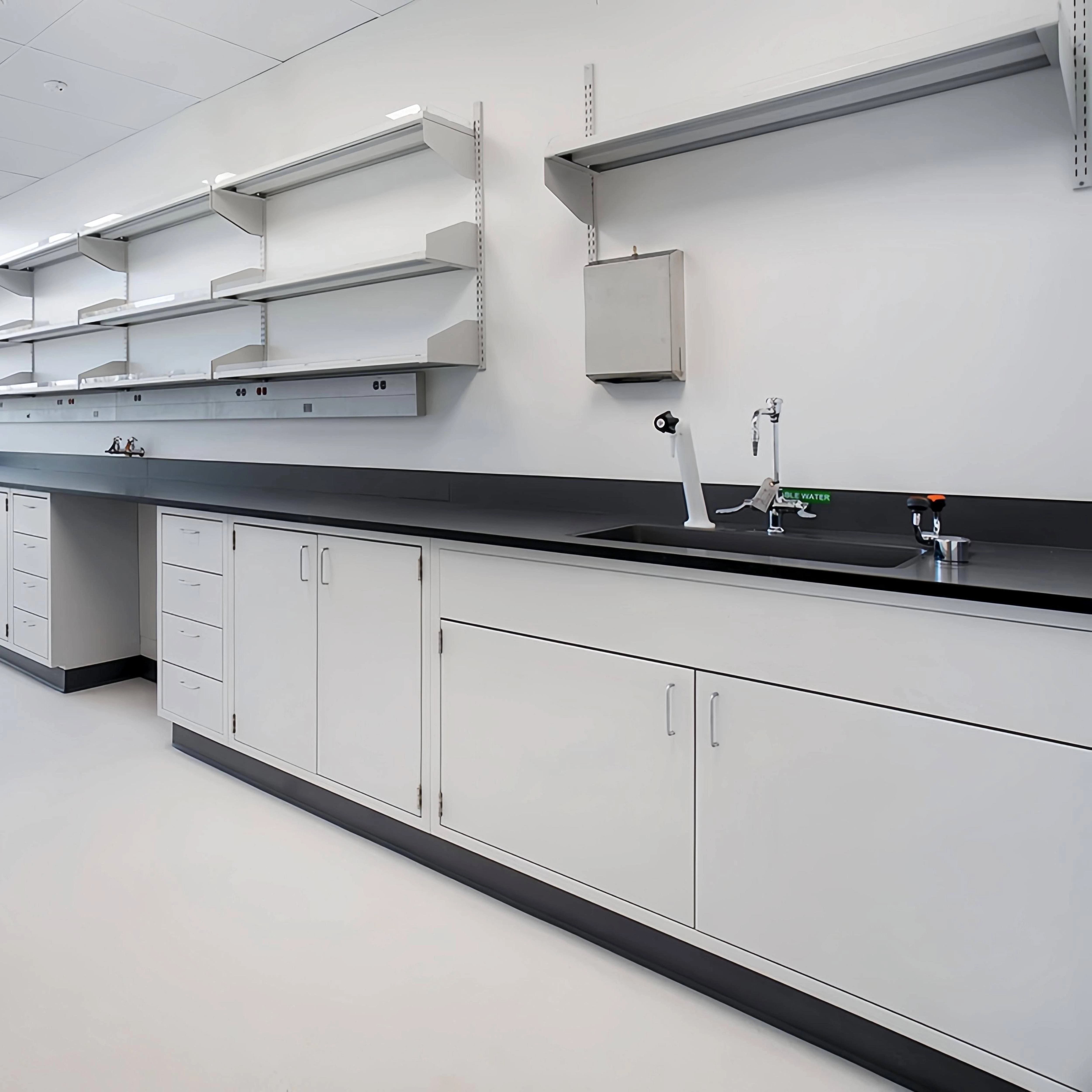
Why We Choose to Be Your Lab Furniture Solution Provider, Not Just a Manufacturer
Max Lab Introduction
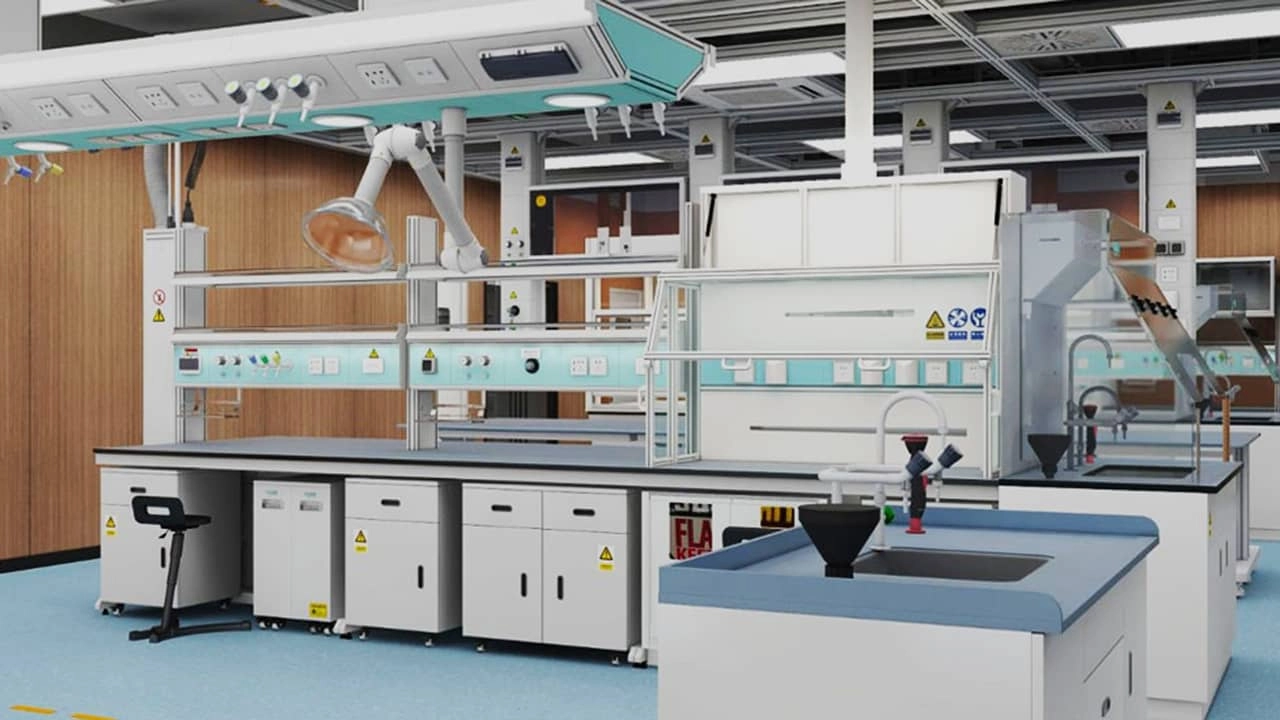
Electronics Lab Bench vs Chemistry Lab Bench: What You Need to Know
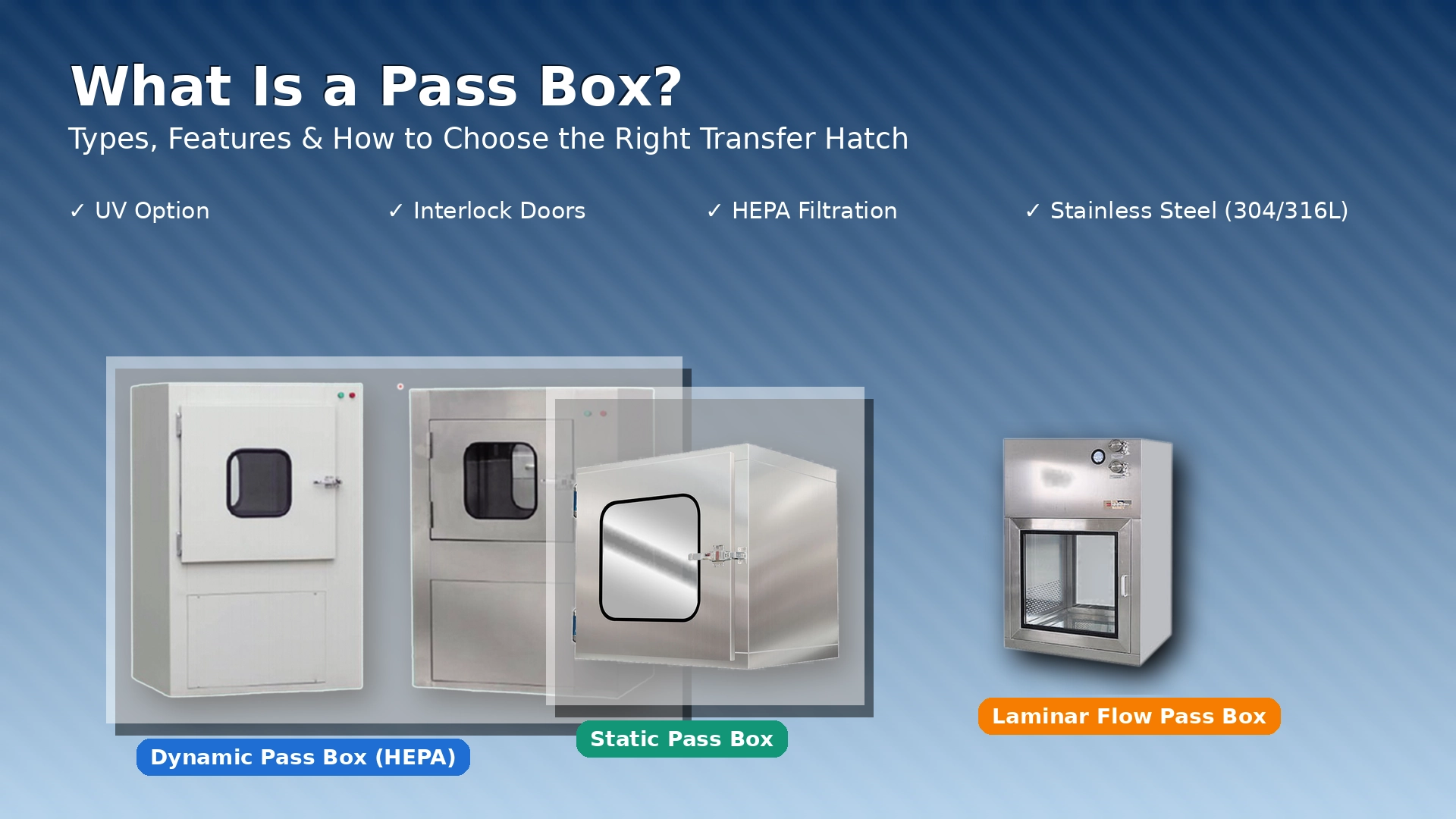
What Is a Pass Box? Types, Features, and How to Choose the Right Transfer Hatch
For Products
Do you have certifications for your products?
Yes, We have CE, ISO9001, ISO14001, OHSASI18001 and so on.
Is available to buy your original design?
Yes, all the products are designed professionally by our designers. Please feel free to inform us which item you are interested in.
For After-Sales Support
How about your after sale service?
We will reply you within 24 hours by email or phone.
If we have local agent,we will arrange him to your site within 24 hours to assist you to shoot the problem.
For Customization
Can you create furniture for labs with special requirements?
Yes, we specialize in designing and manufacturing lab furniture for specialized environments, including clean rooms, bio labs, and industrial labs.
Can I make changes to my order once it has been placed?
We offer limited flexibility to make changes to your order after it has been placed. Contact our sales team as soon as possible if you need to make modifications.


Get in touch with us
If you have any comments or good suggestions, please leave us a message; later our professional staff will contact you as soon as possible.

 Scan QR Code
MaxLabFurniture
MaxLab Furniture
daihongada
Max Laboratory