
Ergonomic Principles in Lab Furniture Design
- Why Ergonomics Matter in Laboratories
- Anthropometry and Human-Centered Dimensions in Lab Furniture Design
- Adjustability: The Core of Modern Lab Furniture Design
- Reach Zones, Workflow, and Lab Furniture Layout
- Seating and Sit–Stand Integration in Lab Furniture Design
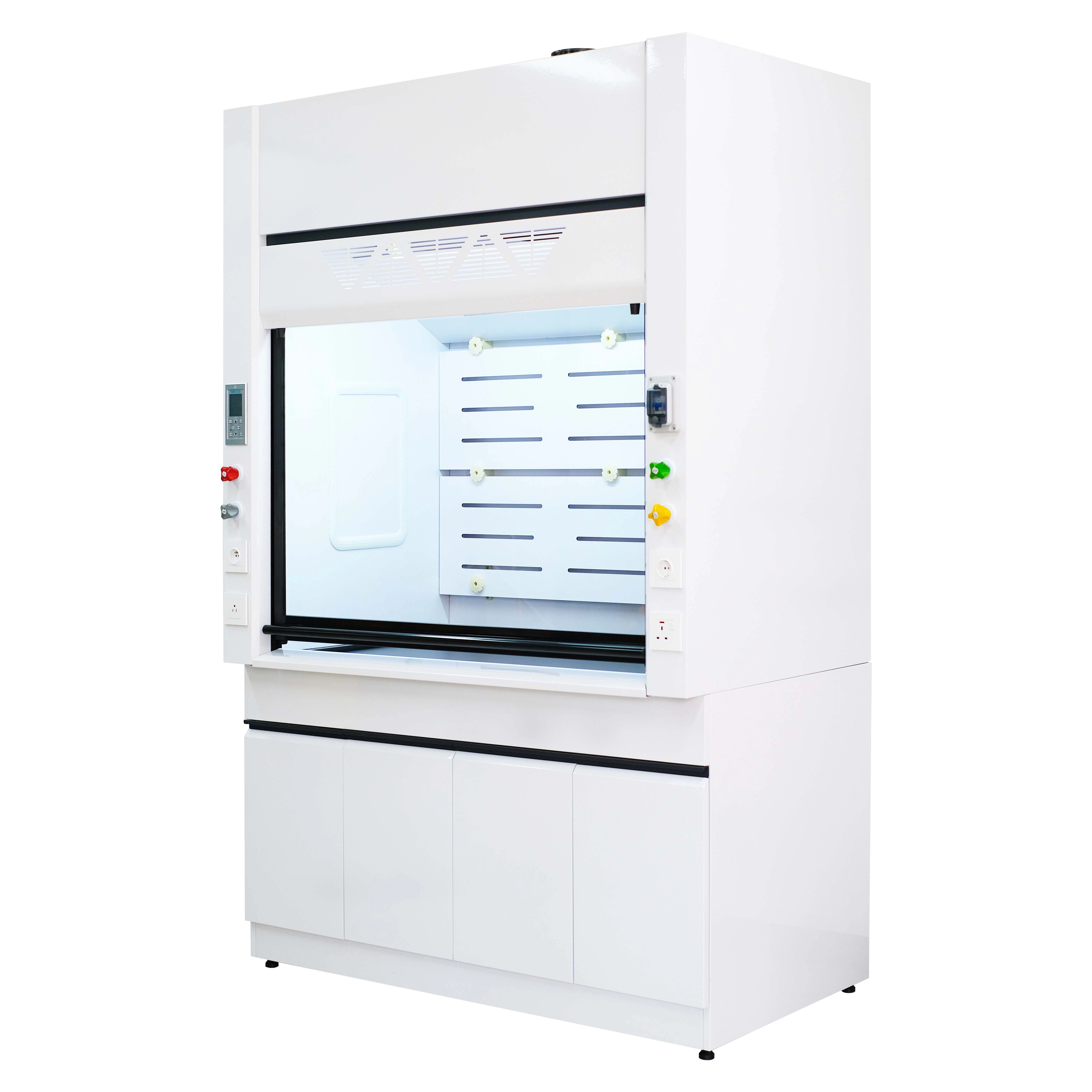
- Fume Hood Ergonomics and Integration with Lab Furniture Design
- Anti-Vibration and Sensitive Equipment: Special Considerations
- Materials, Cleanability, and Safety in Lab Furniture Design
- Quantifying Benefits: Ergonomic Features vs. Outcomes (Comparison Table)
- Design Checklist for Procurement — Apply Ergonomics to Purchasing Lab Furniture
- Cost-Benefit: Why Investing in Ergonomic Lab Furniture Pays Off
- MAX LAB: Ergonomic Lab Furniture Solutions and Capabilities
- Implementation Roadmap: From Assessment to Commissioning
- FAQ — Ergonomic Principles in Lab Furniture Design
- 1. What bench height is best for a laboratory?
- 2. Are adjustable-height benches necessary in all labs?
- 3. How should I arrange tools and consumables to reduce strain?
- 4. What materials are best for lab countertops?
- 5. How do I specify anti-vibration tables for sensitive equipment?
- 6. How can ergonomic lab furniture reduce long-term costs?
- References
Why Ergonomics Matter in Laboratories
Laboratory work combines precision, repetitive tasks, variable postures, and exposure risks. Effective lab furniture design that follows ergonomic principles reduces musculoskeletal disorder (MSD) risk, improves accuracy, shortens task time, and supports regulatory compliance. This article translates ergonomics science into actionable guidance for designers, facility managers, and procurement teams selecting or specifying laboratory furniture.
Anthropometry and Human-Centered Dimensions in Lab Furniture Design
Design must begin with anthropometry—the study of human body dimensions. Bench height, reach distances, drawer pulls, and sit/stand clearances should accommodate the intended user population. Key principles:
- Design for percentile ranges: use adjustable solutions to serve 5th percentile female to 95th percentile male where practical rather than optimizing for a single body size.
- Prioritize neutral postures: work surfaces should allow forearms to be approximately horizontal and wrists straight during routine tasks to reduce strain—this usually requires adjustable heights or task-specific platforms.
- Consider task duration and frequency: prolonged precision work demands closer control of eye-to-task distances and seating support, while intermittent standing tasks benefit from variable-height benches.
Sources such as NIOSH and ergonomics guidance recommend designing workstations that minimize awkward postures and repetitive reach; further references are listed at the end.
Adjustability: The Core of Modern Lab Furniture Design
Adjustability is the single most important ergonomic feature in lab furniture design. Adjustable-height benches, flexible storage, and task lighting allow one workspace to serve multiple users and activities. Practical recommendations:
- Use electrically or gas-spring adjustable benches where workflows change or multiple users share workstations.
- Provide adjustable lab seating with lumbar support, seat pan depth adjustment, and footrests for seated lab work.
- Include modular storage and movable shelves to keep frequently used items within the primary reach zone (15–40 cm from the user) and less-used items in secondary zones.
Adjustability improves ergonomics and ROI: fewer workstation-related injuries, lower absenteeism, and longer equipment utility.
Reach Zones, Workflow, and Lab Furniture Layout
Effective lab furniture design organizes tools and materials by reach zone to reduce unnecessary movement and interruptions. Typical zones:
- Primary zone (0–50 cm): items used continuously—pipettes, frequently used reagents, computer keyboard.
- Secondary zone (50–100 cm): items used occasionally—bottles, reference materials.
- Tertiary zone (>100 cm): storage for seldom-used items.
Layout should also follow process flow—sample receipt → prep → analysis → disposal—minimizing cross-traffic and contamination risk. Benches, fume hoods, and equipment should be arranged to support linear or cellular workflows depending on lab type.
Seating and Sit–Stand Integration in Lab Furniture Design
Seating in labs needs to balance mobility, support, and chemical/biological safety (e.g., cleanable, resistant materials). For tasks demanding precision, seating with stable posture support (adjustable backrest, arm rests, and seat height) is critical. Sit–stand benches provide versatility: they reduce static postures and allow users to change posture frequently.
Specification notes:
- Laboratory stools/chairs should have casters rated for laboratory floor finishes and a cleanable upholstery surface (e.g., vinyl or coated fabrics meeting chemical resistance standards).
- Sit–stand benches should offer smooth, quiet electric adjustment with 80–150 mm per second speed typical for small lab lifts; integrate cable management for attached instruments.
Fume Hood Ergonomics and Integration with Lab Furniture Design
Fume hoods are high-priority ergonomic components because sash height, control placement, and work surface depth influence posture and exposure. Ergonomic considerations:
- Sash design: vertical rising sashes with clear height indicators support correct sash positioning; horizontal sashes should have easy-to-operate controls within hand reach.
- Work height: inside work surface should allow operators to maintain forearms near horizontal—this may require adjustable bench platforms or step-stools for taller hoods.
- Equipment placement: frequently used tools should be placed near the sash opening to minimize reach; heavy equipment should be integrated into bench cabinetry to prevent lifting risks.
Anti-Vibration and Sensitive Equipment: Special Considerations
Certain instruments (e.g., balances, microscopes) demand anti-vibration tables. Ergonomic design here is twofold: the table isolates vibrations while providing appropriate working height and comfortable operator access.
- Isolate vibration sources by locating compressors and HVAC off the same bench or using remote mounting.
- Match table mass and damping characteristics to instrument sensitivity—specifications are typically in manufacturer datasheets and should be verified during procurement.
Materials, Cleanability, and Safety in Lab Furniture Design
Material selection affects durability, chemical resistance, and hygiene. Common choices:
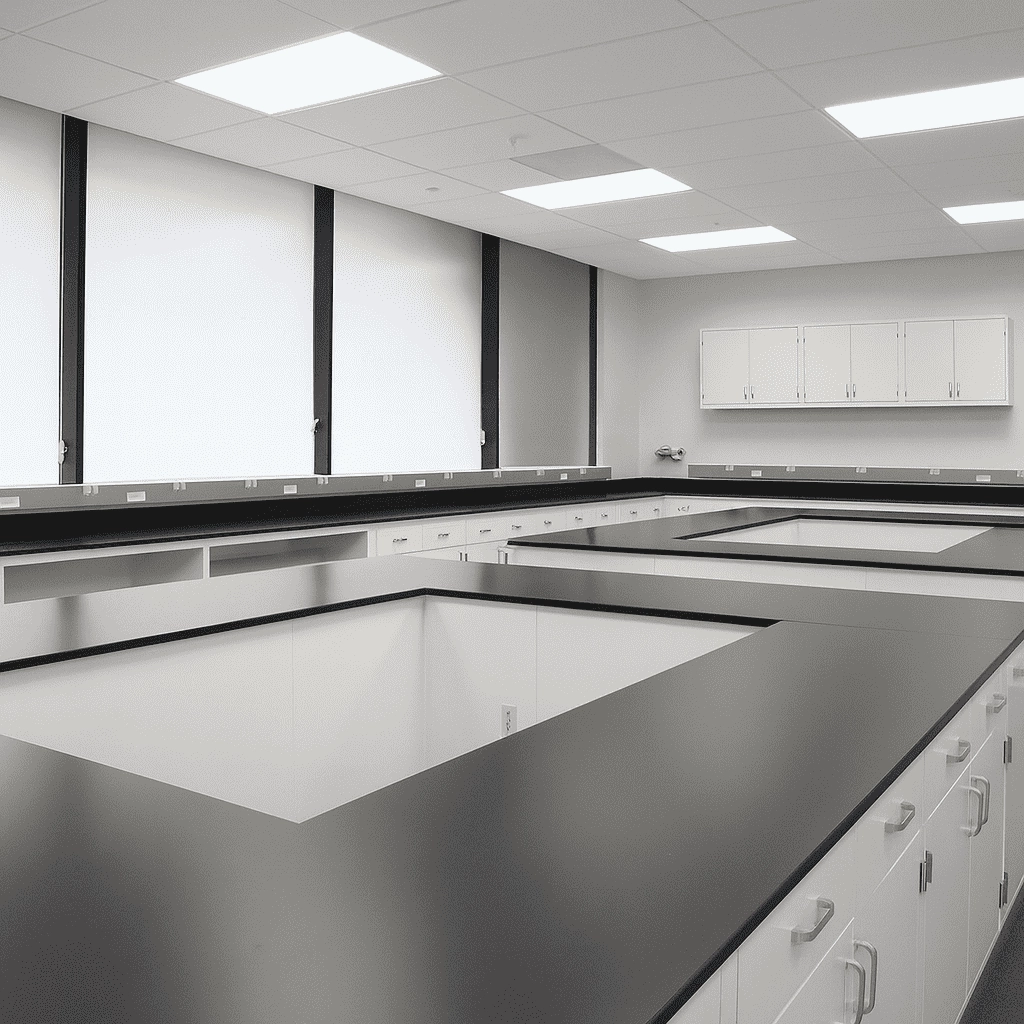
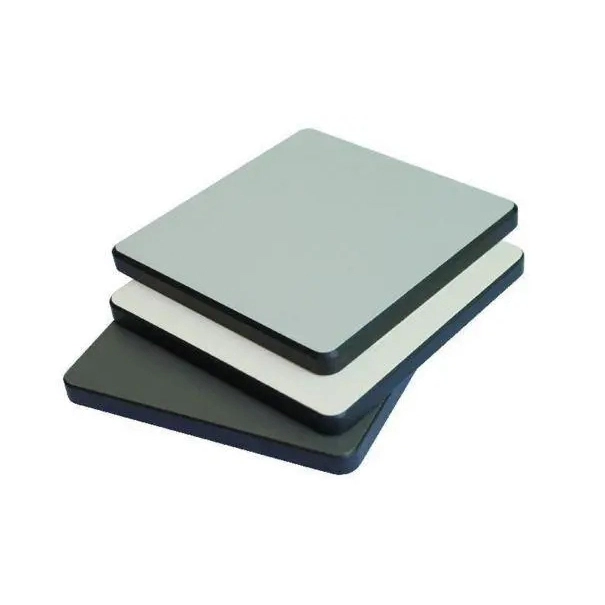
- Worktops: epoxy resin for chemical resistance; phenolic for water resistance and sterilizability; stainless steel for high-humidity or sterile environments.
- Cabinetry: powder-coated steel or chemical-resistant laminates; avoid porous materials in wet or biological labs.
- Edge and joint design: rounded edges and sealed joints simplify cleaning and reduce contamination traps.
Always verify material chemical compatibility with the lab’s typical solvents and reagents; supplier chemical resistance charts are essential for validation.
Quantifying Benefits: Ergonomic Features vs. Outcomes (Comparison Table)
| Ergonomic Feature | Typical Design Specification | Expected Outcome | Reference |
|---|---|---|---|
| Adjustable bench height | Electric adjustment range ~650–1100 mm (typical ranges vary by task) | Reduces awkward postures and MSD risk; accommodates multi-user labs | NIOSH / industry guidance |
| Ergonomic lab seating | Seat height 420–560 mm, adjustable lumbar, cleanable upholstery | Improves posture during precision tasks; reduces fatigue | OSHA ergonomics guidance |
| Fume hood sash indicators | Visible sash height markings; ergonomic handle at 900–1100 mm | Encourages proper sash position; improves safety and airflow | Fume hood manufacturer standards |
| Anti-vibration tables | Isolated support, tuned mass and damping to instrument specs | Ensures measurement accuracy; protects sensitive instruments | Instrument manufacturer datasheets |
Note: Numerical ranges above are typical industry values. Always confirm ranges with project stakeholders and instrument manufacturers; some tasks require narrower tolerances.
Design Checklist for Procurement — Apply Ergonomics to Purchasing Lab Furniture
- Specify user population anthropometry and expected tasks per workstation.
- Require adjustable-height benches for shared or variable workflows.
- Demand materials with verified chemical resistance and cleanability data sheets.
- Include anti-vibration solutions for sensitive equipment, with performance tests included in acceptance criteria.
- Ensure fume hoods meet airflow and ergonomic sash control standards; include commissioning tests (face velocity, sash response).
- Ask for third-party certifications or test reports (e.g., ISO, CE) and warranty/after-sales support.
Cost-Benefit: Why Investing in Ergonomic Lab Furniture Pays Off
Upfront costs for adjustable, durable lab furniture are typically higher than basic units, but lifecycle benefits include reduced injury-related costs, fewer workstation retrofits, higher productivity, and longer service life. For high-use labs, payback on ergonomic investments often comes from lower absenteeism and reduced equipment replacement due to better integration and protection.
MAX LAB: Ergonomic Lab Furniture Solutions and Capabilities
Founded in 2000, Guangzhou Max Laboratory Equipment Co., Ltd. (MAX LAB) is a leading manufacturer that integrates the design, production, and sales of laboratory furniture and equipment. With over 15 years of export experience, our founder has led the company to serve clients in more than 60 countries and regions, earning a reputation for reliability and excellence. Guided by our core values—Quality First, Delivery First, Price First, and Service First—we are committed to delivering superior laboratory solutions that meet the highest global standards.
Our 5,000 m² factory in Guangzhou is equipped with advanced German-imported machinery and operates under modern management systems to ensure precision and consistency. With three standardized production lines and a well-stocked modular inventory, we achieve production efficiency and delivery times up to 30% faster than industry peers.
At MAX LAB, we insist on stringent quality control for every product before it leaves the factory. Using materials from leading global suppliers, we ensure that every item—from lab furniture and storage cabinets to fume hoods and countertops—meets international quality and environmental standards. Our dedication to innovation, efficiency, and customer satisfaction has made MAX LAB a trusted partner in laboratory projects worldwide.
MAX LAB core products and advantages:
- Lab storage cabinets — modular, lockable, and chemical-resistant.
- Fume hoods — ergonomic sash controls, tested airflow, and durable finishes.
- Lab countertops — epoxy, phenolic, and stainless options chosen to match chemical and cleaning regimes.
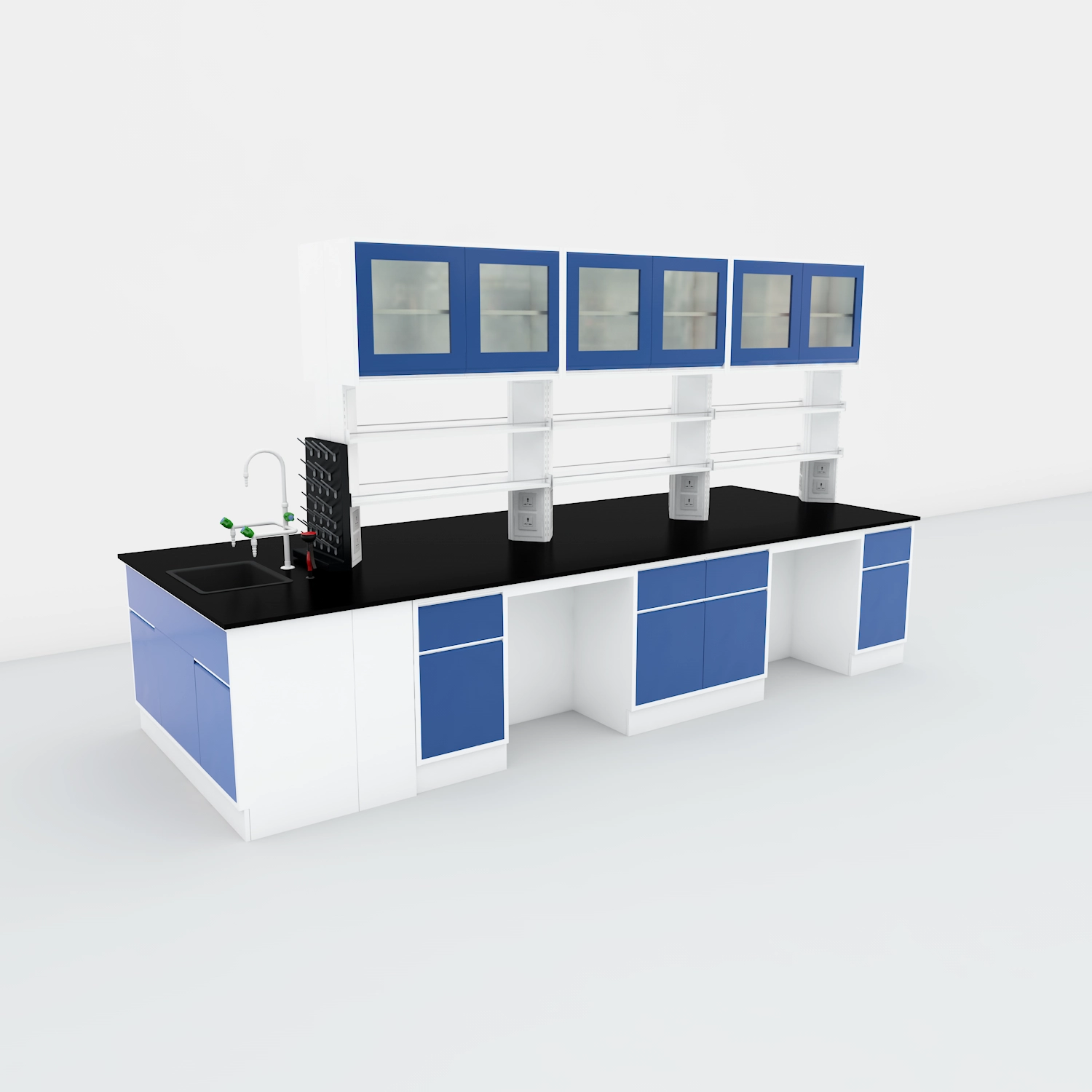
- Lab benches — sit–stand electric options, integrated services, and cable management.
- Purifying equipment — tailored to cleanroom and controlled environments.
- Anti-vibration tables — designed to instrument specifications for stability and accuracy.
MAX LAB differentiators: in-house design and manufacturing, export experience to 60+ countries, German-imported machinery for precision, modular inventory for faster delivery, and stringent quality control ensuring products meet international standards.
Implementation Roadmap: From Assessment to Commissioning
- Perform an ergonomic audit: observe tasks, measure reach zones, collect anthropometric data for actual users.
- Define functional zones and assign bench types (fixed vs adjustable, fume hood integration, clean benches).
- Select materials and suppliers: require chemical resistance datasheets and durability testing.
- Prototype or mock-up critical stations (e.g., fume hood + bench + seating) and gather user feedback.
- Commission equipment: verify mechanical ranges, sash airflow tests, anti-vibration performance, and ergonomics acceptance tests.
- Provide user training on adjustable features, safe operation, and maintenance procedures.
FAQ — Ergonomic Principles in Lab Furniture Design
1. What bench height is best for a laboratory?
There is no single “best” height. For seated bench work, typical seat-to-surface heights are in the 700–800 mm range; standing benches often target ~900 mm or higher. The optimal approach is adjustable benches that cover the expected user height range. Always verify with user testing and manufacturer specifications.
2. Are adjustable-height benches necessary in all labs?
Not always. Fixed benches can be appropriate for dedicated single-user tasks. However, in shared labs, teaching labs, or facilities with variable workflows, adjustable-height benches significantly improve ergonomics and flexibility.
3. How should I arrange tools and consumables to reduce strain?
Organize by reach zones: keep frequently used items in the primary zone (within 15–40 cm), occasionally used items in the secondary zone (40–100 cm), and rarely used items stored further away. Place heavy items at waist level to avoid lifting injuries.
4. What materials are best for lab countertops?
Choose based on chemical exposure and cleaning methods: epoxy resin for broad chemical resistance, phenolic for water and heat resistance, and stainless steel for wet or sterile environments. Consult chemical compatibility charts for specific reagents.
5. How do I specify anti-vibration tables for sensitive equipment?
Start with the instrument manufacturer’s vibration tolerance specification, then select a table with matching modal mass, damping, and isolation characteristics. Include performance testing as part of factory acceptance or site commissioning.
6. How can ergonomic lab furniture reduce long-term costs?
By lowering MSD risk, reducing workstation retrofits, improving productivity, and extending equipment life, ergonomic investments often produce measurable lifecycle savings. They also improve staff retention and reduce downtime.
For tailored recommendations, product details, or a consultation on ergonomic lab layout and furniture procurement, contact MAX LAB or view our product catalog to match solutions to your project needs.
Contact / View Products: To discuss ergonomic specifications, request drawings, or obtain a quotation for lab benches, fume hoods, countertops, storage cabinets, purifying equipment, or anti-vibration tables, contact MAX LAB’s sales team through our website or authorized distributors.
References
- National Institute for Occupational Safety and Health (NIOSH) — Ergonomics and Musculoskeletal Disorders. https://www.cdc.gov/niosh/topics/ergonomics/ (accessed 2025-11-24)
- Occupational Safety and Health Administration (OSHA) — Ergonomics. https://www.osha.gov/ergonomics (accessed 2025-11-24)
- UK Health and Safety Executive (HSE) — Laboratory Safety. https://www.hse.gov.uk/laboratories/ (accessed 2025-11-24)
- ISO — Human-centred design standards (overview). https://www.iso.org/ics/13.180/x/ (accessed 2025-11-24)
- Instrument manufacturer and anti-vibration table technical datasheets — consult suppliers for specific performance requirements (example: product technical manuals and validation reports) (accessed 2025-11-24).
Custom Fume Hood Configurations for Specialized Laboratory Needs
Comparing Chemical Resistance: Phenolic vs Epoxy vs Stainless
Custom Fabrication Options for Lab Countertops and Specs
Lab Bench Design Ideas for Maximizing Work Surface Efficiency
Customization
Can equipment be customized to specific experimental safety standards?
Yes. We offer customized equipment to specific safety standards, such as ANSI/ASHRAE standards, UL certification and ISO safety standards.
For Logistics
What is the lead time?
We usually will start to work after receiving 50% deposit, and as for the exact lead time, it depends on quantity and detailed requirement. We can promise it will be shipped on time as we negotiated.
Do you offer express shipping options?
Yes, we offer express shipping for urgent orders. Please contact our sales team to inquire about availability and additional costs.
For Products
What are the payment terms?
T/T by our bank account directly, or by the West Union.
For Customization
Can I make changes to my order once it has been placed?
We offer limited flexibility to make changes to your order after it has been placed. Contact our sales team as soon as possible if you need to make modifications.

Floor Mounted Lab Bench
Our Floor Mounted Lab Bench is an essential, high-efficiency workspace for laboratories, made from high-quality steel-wood or corrosion-resistant stainless steel materials to ensure exceptional durability and stability. The unique floor-mounted design effectively reduces vibration, optimizes space usage, and provides a safe and tidy laboratory environment.
Customizable storage solutions help organize lab equipment efficiently, while the easy-to-clean surface maintains laboratory hygiene. It is widely suitable for research institutions, educational laboratories, and the chemical and pharmaceutical industries.
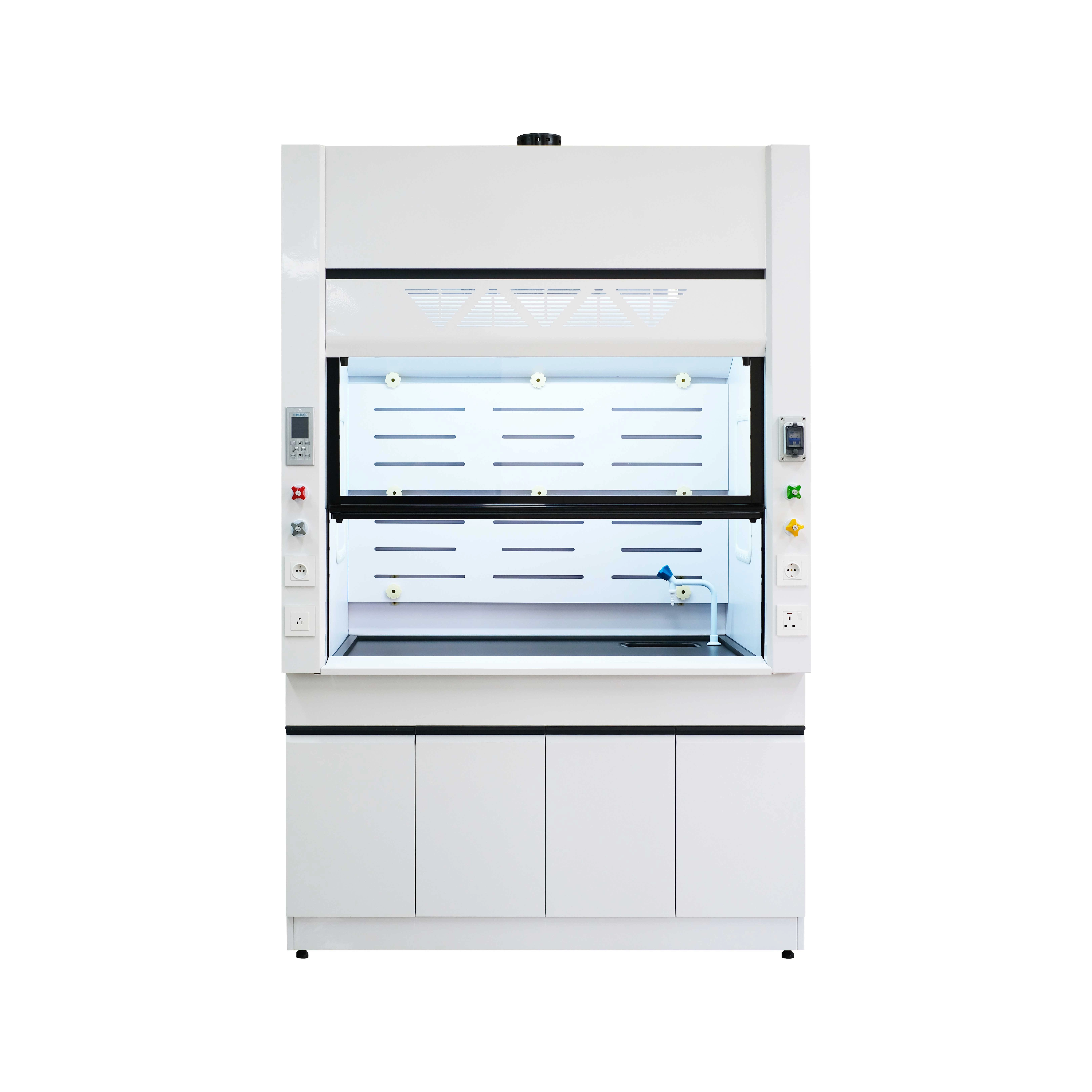
Fume Hood
The fume hood provides safe ventilation to protect against exposure to hazardous or toxic fumes, vapors, or airborne particulate. It is primarily used in laboratory and manufacturing applications to protect the user or environment outside the hood, but can also be used to protect the materials or experiment under the hood.
APPLICATION
Chemistry Lab, physics Lab, biological analysis, pharmaceutical medicine analysis, biological pharmaceutical, plant culture, environmental testing and electronic instrumentation scientific research and so on.
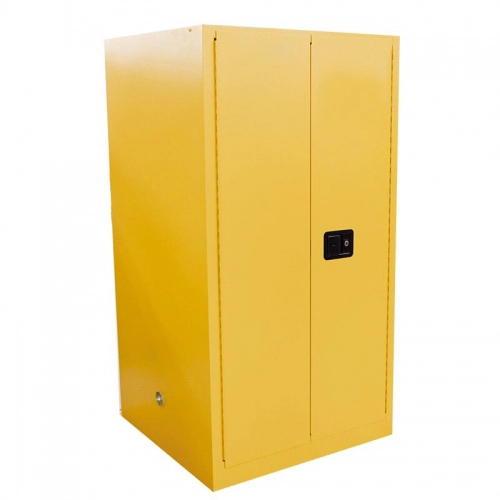
Flammable Storage Cabinet
Safety Cabinets store flammable liquids, corrosives, pesticides and other hazardous materials. All fire-resistant safety cabinets by meet fire codes and regulations for safety storage.
To help protect your people and facility from a potential fire, safety cabinets are engineered to safely contain flammable fuels, solvents, and chemicals. Safety cabinets can not only help everyone store chemicals reasonably, save chemical supplies, but also save human resources, and avoid fires caused by chemicals with the greatest strength.
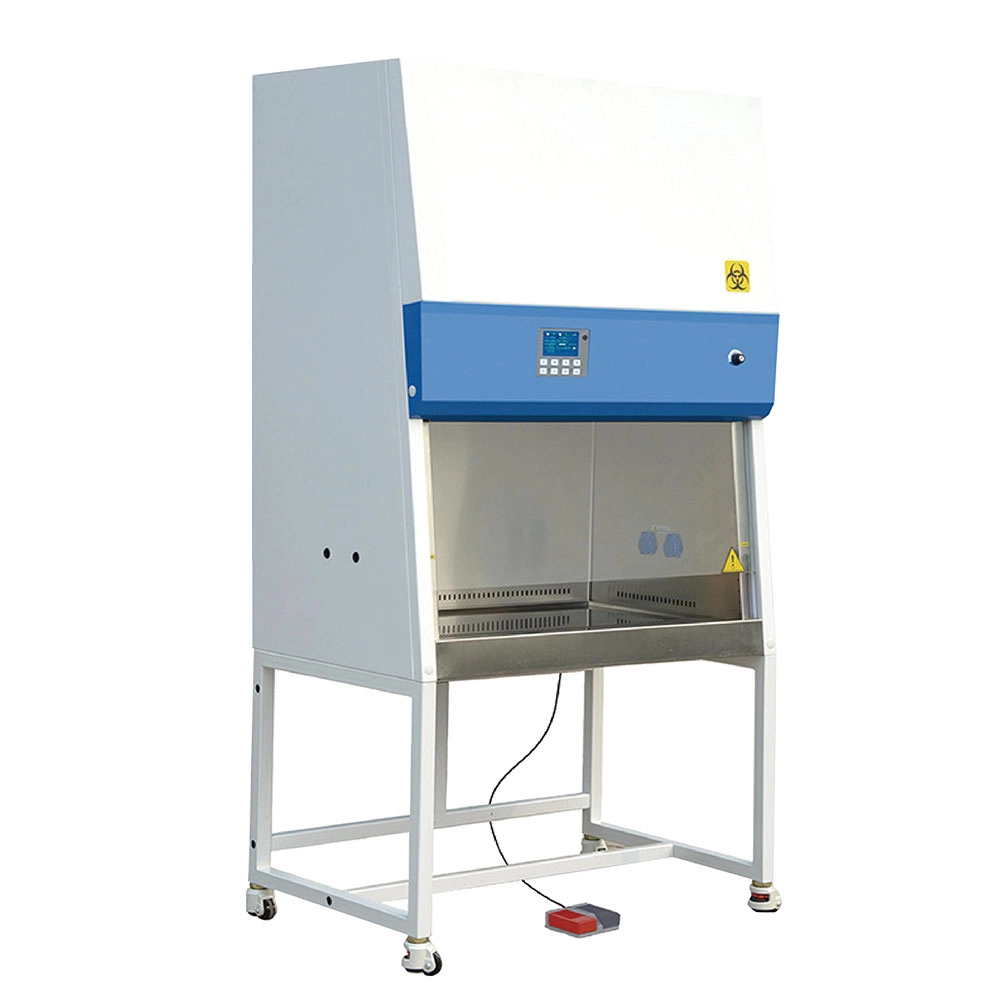
Class II Type A2 Biological Safety Cabinet for Laboratory
The Class II A2 Biological Safety Cabinet is designed to provide superior biosafety and contamination control for laboratories, research facilities, and clinical settings. With 70% air recirculation and 30% air exhaust, this cabinet ensures a safe and efficient work environment while protecting both the user and the samples.
Equipped with advanced features like a HEPA filtration system, motorized front window, and ergonomic design, this cabinet is a must-have for safe and reliable biological research.

 Scan QR Code
MaxLabFurniture
MaxLab Furniture
daihongada
Max Laboratory