
Choosing Materials for Durable Lab Furniture
- Material Choices: The Foundation of Safe Laboratory Spaces
- Material selection criteria for effective lab furniture design
- Common materials used in lab furniture design: properties and typical uses
- How to interpret chemical resistance data in lab furniture design
- Choosing materials by lab type in practical lab furniture design
- Comparative life-cycle cost analysis for lab furniture design
- Sources and assumptions
- Design details and installation best practices that extend material life in lab furniture design
- Quality control, testing and documentation for reliable lab furniture design
- How MAX LAB supports durable material choices and lab furniture design (company profile & capabilities)
- Procurement checklist for specifying materials in lab furniture design
- Maintenance and cleaning guidance to extend material life in lab furniture design
- FAQ — Frequently asked questions about materials and lab furniture design
- 1. What is the most chemical-resistant lab bench material for research chemistry?
- 2. Are phenolic resin tops suitable for biology labs that use bleach and ethanol?
- 3. How long should I expect lab countertops to last?
- 4. Can I mix materials in one lab design?
- 5. What are the key documents I should request from a lab furniture supplier?
- 6. How should I decide between engineered quartz and epoxy for instrument benches?
- Contact & next steps
- References
Material Choices: The Foundation of Safe Laboratory Spaces
When planning lab furniture design, one decision determines longevity, safety and lifecycle cost: material selection. The best material choices balance chemical resistance, mechanical strength, heat tolerance, cleanability and cost. This article distills technical evidence and industry practice into actionable guidance for choosing materials that keep labs functional, compliant and cost-effective over years of use.
Material selection criteria for effective lab furniture design
Before comparing materials, define the functional and regulatory requirements your lab furniture design must meet. Key criteria include:
- Chemical compatibility: resistance to acids, bases, solvents and frequent spill scenarios.
- Mechanical durability: load-bearing capacity, impact resistance and wear resistance for bench tops and storage.
- Thermal resistance: tolerance to hot glassware, heaters and autoclave proximity.
- Cleanability & contamination control: seamless surfaces, non-porosity, and compatibility with disinfectants.
- Fire and electrical safety: flame spread, off-gassing, and insulative properties for electrical equipment.
- Cost, lead time and maintainability: procurement budget, expected service life and ease of repair or replacement.
Integrating these criteria into your lab furniture design process reduces surprises after installation and improves total cost of ownership. For regulated facilities, also verify relevant local and international standards for fume hoods, biosafety cabinets and storage.
Common materials used in lab furniture design: properties and typical uses
Below are the most commonly specified materials for lab furniture design, summarized to help match material properties to lab use-cases.
| Material | Chemical Resistance | Heat Resistance | Durability & Maintenance | Typical Applications |
|---|---|---|---|---|
| Stainless Steel (304 / 316) | Excellent vs many solvents; 316 offers superior chloride resistance | High; withstands hot glassware and autoclave proximity | Very durable, easy to clean; susceptible to surface scratches and chemical attack if concentrated halides present | Wet labs, cleanrooms, sinks, corrosive environments (316 preferred) |
| Epoxy Resin Countertops | Very good to excellent for fuels, many acids and solvents; some solvents swell or discolor | Good to high; localized burning can occur above certain temps | Seamless when coved; reparable; moderate to high cost | Chemistry benches, general-purpose lab benches, fume hood interiors |
| Phenolic Resin (high-pressure compact laminate) | Good chemical resistance to many acids and bases; check for specific solvents | Good; better than HPL laminate in moisture/heat | Very durable, impact resistant, non-porous; cost-effective | Educational labs, general wet labs, cabinetry and shelving |
| High-Pressure Laminate (HPL) on substrate | Moderate; susceptible to strong solvents and prolonged spills | Moderate; delamination risk with heat and moisture | Economical; surface can chip, edges vulnerable | Teaching labs, low-chemical benches, office-adjacent lab furniture |
| Solid Surface (e.g., Corian) | Good to moderate; many solvents cause staining or crazing if prolonged | Moderate; can scorch at high heat | Seamless joins, repairable; aesthetic finish | Biology labs, specimen prep areas, cleanroom pass-throughs |
| Natural Stone / Engineered Quartz | Variable: quartz resists chemicals well; some natural stones (marble) are acid-sensitive | High; resists hotware but thermal shock may occur | Durable; grout and seams need attention; heavier structure required | Analytical labs, instrument benches where vibration isolation is managed |
How to interpret chemical resistance data in lab furniture design
Chemical resistance is never absolute. Manufacturer chemical compatibility charts classify interactions by severity (no effect, slight, moderate, severe). Best practice in lab furniture design:
- Consult supplier chemical resistance charts for the exact formulation (e.g., epoxy resin cured formulation vs generic “epoxy”).
- Consider concentration, temperature and exposure duration — concentrated acids and hot solvents accelerate degradation.
- Design to contain spills: raised lips, integrated drainage, and compatible secondary containment.
- For critical applications, run a small compatibility test or request manufacturer-backed test reports.
Resources like the Cole-Parmer chemical resistance database and manufacturer technical data sheets are valuable references when validating material choices.
Choosing materials by lab type in practical lab furniture design
Match materials to the expected hazards and workflows of the specific lab:
- Chemistry research labs: epoxy resin or 316 stainless steel countertops for broad chemical resistance; epoxy for continuous bench surfaces and fume hood interiors.
- Biology / microbiology labs: phenolic resin or solid surface for excellent cleanability and resistance to disinfectants; stainless steel for sinks and utility areas.
- Teaching labs: phenolic resin or HPL (cost-sensitive) with epoxy tops in high-chemical areas; build-in sacrificial or replaceable sections where students work with hazardous reagents.
- Analytical & instrument labs: engineered quartz or epoxy tops for stiffness and vibration tolerance; isolated instrument benches sometimes use heavy stone surfaces combined with anti-vibration mounts.
- Cleanrooms: stainless steel or specially certified laminates with low particle shedding; modular, sealed cabinetry to ease cleaning.
Comparative life-cycle cost analysis for lab furniture design
Initial purchase price is only one part of total cost of ownership. Consider these cost drivers in lab furniture design: installation labor, downtime during replacement, repairability, cleaning/disinfectant compatibility, and disposal. The table below offers a simplified life-cycle lens (typical trends; values vary by market and specification):
| Material | Typical Initial Cost | Expected Service Life | Maintenance Intensity | Overall Lifecycle Value |
|---|---|---|---|---|
| Stainless Steel | High | 20+ years (with proper environment) | Low to moderate (polishing, avoiding halide exposure) | High value in corrosive/clean environments |
| Epoxy Resin | High | 15–25 years | Moderate (repairs possible) | Excellent for chemistry labs |
| Phenolic Resin | Moderate | 10–20 years | Low | High value for general wet labs and education |
| HPL | Low | 5–15 years | Moderate (edge repairs, delamination risk) | Good for low-chemical areas |
Sources and assumptions
Cost/service life estimates are industry-typical ranges drawn from manufacturer guidance and university procurement experience; always obtain supplier-specific warranties and expected lifespans for a precise life-cycle calculation.
Design details and installation best practices that extend material life in lab furniture design
Even the best materials will fail prematurely without correct detailing. Attention to these aspects in lab furniture design extends life and improves safety:
- Seam design: prefer coved joints and continuous tops in wet areas to minimize seepage and microbial harborage.
- Edge protection: use welded or wrapped edges in HPL/phenolic installations to prevent moisture ingress.
- Support and substrate: heavy stone or quartz requires reinforced cabinetry and floors; mismatched expansion coefficients can cause delamination.
- Fastening and grounding: stainless steel benches should be properly grounded when used near sensitive electronics.
- Ventilation integration: coordinate fume hood lip heights and sash geometry with countertop materials and sink placement to prevent splash into cabinetry.
- Maintenance access: design for removable tops or modular sections that can be repaired or replaced with minimal downtime.
Quality control, testing and documentation for reliable lab furniture design
Insist on supplier documentation when specifying materials in lab furniture design:
- Material Safety Data Sheets (MSDS) and technical data sheets describing composition and curing for resin products.
- Chemical resistance tables with tested exposure conditions; independent test reports when required.
- Certificates of conformity to relevant standards (fire rating, formaldehyde emission for wood substrates, ISO or EN product standards where applicable).
- Factory quality control records and pre-shipment inspections; ideally photos and dimensional certificates prior to shipment.
These documents reduce risk and provide a baseline for warranty claims or in-field failure analysis.
How MAX LAB supports durable material choices and lab furniture design (company profile & capabilities)
Founded in 2000, Guangzhou Max Laboratory Equipment Co., Ltd. (MAX LAB) is a leading manufacturer that integrates the design, production, and sales of laboratory furniture and equipment. With over 15 years of export experience, our founder has led the company to serve clients in more than 60 countries and regions, earning a reputation for reliability and excellence. Guided by our core values—Quality First, Delivery First, Price First, and Service First—we are committed to delivering superior laboratory solutions that meet the highest global standards.
Our 5,000 m² factory in Guangzhou is equipped with advanced German-imported machinery and operates under modern management systems to ensure precision and consistency. With three standardized production lines and a well-stocked modular inventory, we achieve production efficiency and delivery times up to 30% faster than industry peers.
At MAX LAB, we insist on stringent quality control for every product before it leaves the factory. Using materials from leading global suppliers, we ensure that every item—from lab furniture and storage cabinets to fume hoods and countertops—meets international quality and environmental standards. Our dedication to innovation, efficiency, and customer satisfaction has made MAX LAB a trusted partner in laboratory projects worldwide.
MAX LAB’s key products include lab storage cabinets, fume hoods, lab countertops, lab benches, purifying equipment and anti-vibration tables. Combining material expertise (stainless steel, epoxy, phenolic resin, engineered stone) with modular production lines, MAX LAB provides tailored lab furniture design solutions for teaching, research, clinical and industrial laboratories across diverse environmental requirements.
Procurement checklist for specifying materials in lab furniture design
Use this checklist when requesting proposals or reviewing bids for lab furniture design:
- Define the lab type and list anticipated chemicals, concentrations and temperatures.
- Specify required standards, certifications and minimum service life.
- Request manufacturer chemical resistance test data for the exact product formulation.
- Require dimensional drawings, seam details and installation instructions.
- Clarify warranty terms, repair/replacement response times and spare part availability.
- Verify the manufacturer’s production capacity, lead times and factory QC procedures.
- Ask for references of similar projects and site photos of completed installations.
Maintenance and cleaning guidance to extend material life in lab furniture design
Routine maintenance prevents premature failure and keeps the furniture safe for lab work:
- Daily: wipe benches with manufacturer-approved cleaners; remove spills immediately.
- Weekly: inspect seams, edges and hardware for damage; tighten fasteners.
- Monthly: check for discoloration, crazing or corrosion; document and address early signs.
- Annual: schedule professional inspection for fume hoods and fixed utilities; verify warranties.
Use manufacturer-recommended disinfectants to avoid weakening finishes or causing crazing. For example, some strong solvents that clean one surface may degrade another; always cross-check with chemical compatibility resources.
FAQ — Frequently asked questions about materials and lab furniture design
1. What is the most chemical-resistant lab bench material for research chemistry?
Epoxy resin and 316 stainless steel are both excellent choices. Epoxy provides seamless surfaces best for spill-prone benches and fume hood interiors. For chlorinated solvents or highly corrosive chloride environments, 316 stainless steel is preferable. Always verify compatibility for the specific reagents used.
2. Are phenolic resin tops suitable for biology labs that use bleach and ethanol?
Yes. Phenolic resin offers good resistance to common disinfectants like bleach (sodium hypochlorite) and ethanol when used at typical concentrations. Confirm with manufacturer chemical resistance tables for concentrated or prolonged exposures.
3. How long should I expect lab countertops to last?
Service life varies: stainless steel (20+ years), epoxy resin (15–25 years), phenolic (10–20 years), HPL (5–15 years). Actual lifespan depends on use intensity, maintenance, and exposure to aggressive chemicals.
4. Can I mix materials in one lab design?
Yes — mixing materials is common and recommended. For example, use epoxy tops where aggressive chemistry occurs, phenolic in general wet areas, and stainless steel for sinks and utility zones. Ensure transitions are detailed to prevent cross-contamination and moisture ingress.
5. What are the key documents I should request from a lab furniture supplier?
Request technical data sheets, chemical resistance charts for the exact product formulation, certificates of conformity, factory QC reports, warranty terms, and examples of past project installations.
6. How should I decide between engineered quartz and epoxy for instrument benches?
Engineered quartz offers high stiffness and scratch resistance, making it suitable for instrument stability. Epoxy provides better chemical resistance and seamless installation. Choose quartz when vibration control and dimensional stability are priorities; choose epoxy for chemical resilience.
Contact & next steps
If you are planning a lab renovation or specifying new lab furniture design, contact MAX LAB for a consultation, sample materials and project quotes. Our engineering team can produce specification-grade drawings, material test reports and a tailored procurement plan that balances durability, safety and cost. View our product range and request a quote for lab storage cabinets, fume hoods, lab countertops, lab benches, purifying equipment and anti-vibration tables.
References
- Cole-Parmer Chemical Resistance Database — https://www.coleparmer.com/ (accessed 2025-11-20)
- MatWeb Material Property Data — https://www.matweb.com (accessed 2025-11-20)
- OSHA Laboratory Safety Guidance — https://www.osha.gov/SLTC/laboratory/ (accessed 2025-11-20)
- CDC Biosafety in Microbiological and Biomedical Laboratories (BMBL) — https://www.cdc.gov/labs/BMBL. (accessed 2025-11-20)
- Outokumpu — Technical articles on stainless steel grades and properties — https://www.outokumpu.com/ (accessed 2025-11-20)
- Wilsonart Phenolic Resin Overview — https://www.wilsonart.com (accessed 2025-11-20)
- Formica High-Pressure Laminate product information — https://www.formica.com (accessed 2025-11-20)
For tailored lab furniture design solutions or to request technical datasheets and sample swatches, contact MAX LAB through our website or reach out to our sales engineering team for a project consultation.
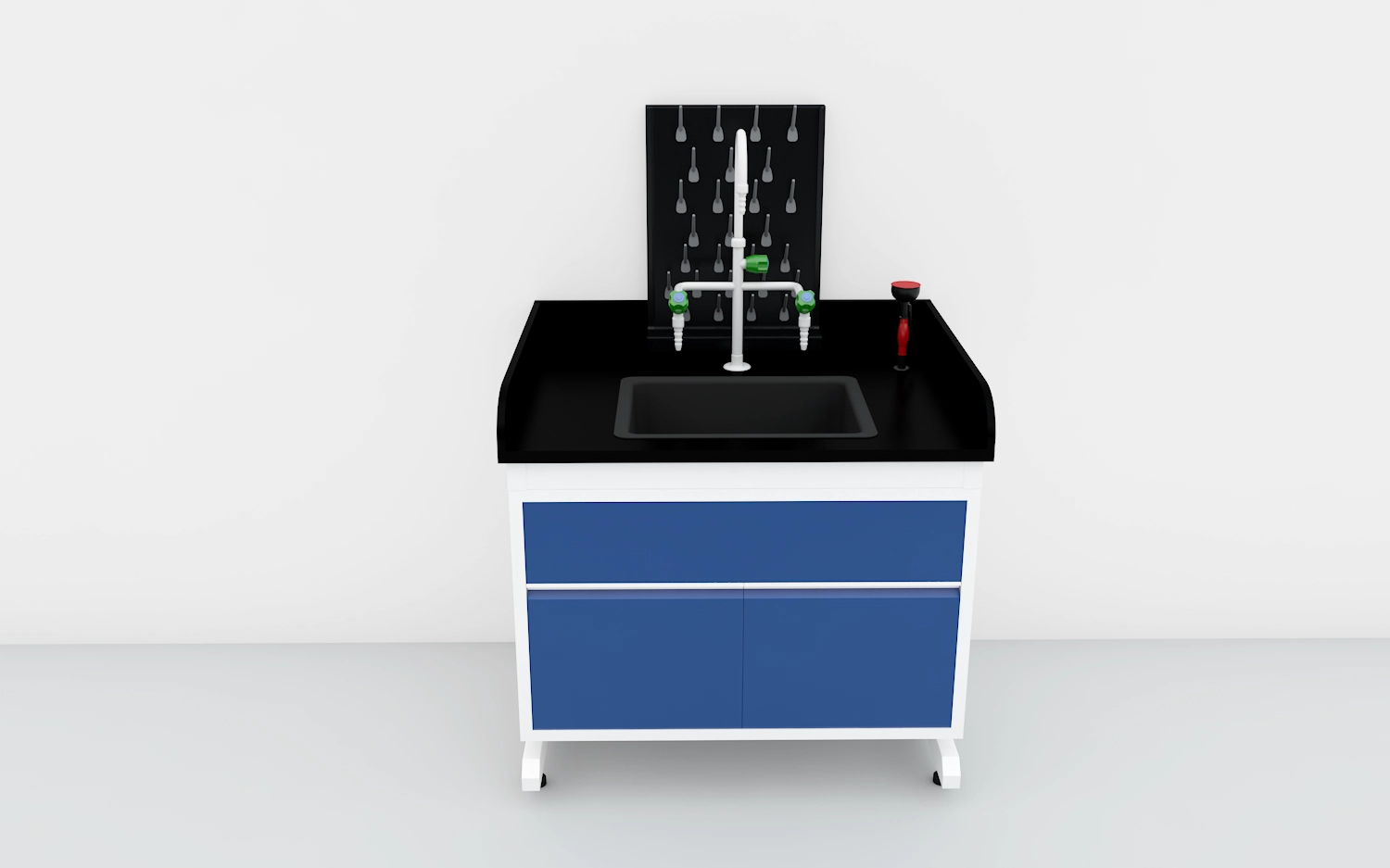
Corrosion-Resistant Coatings for Lab Sink Cabinets
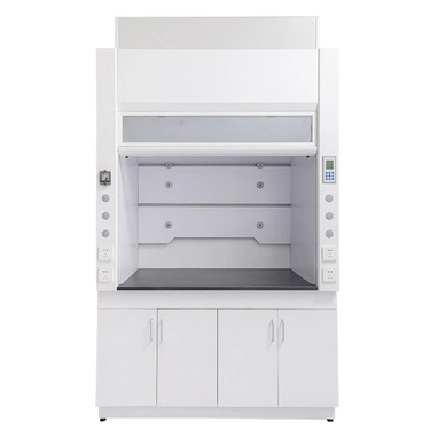
Fume Hood Installation Checklist for Procurement Teams
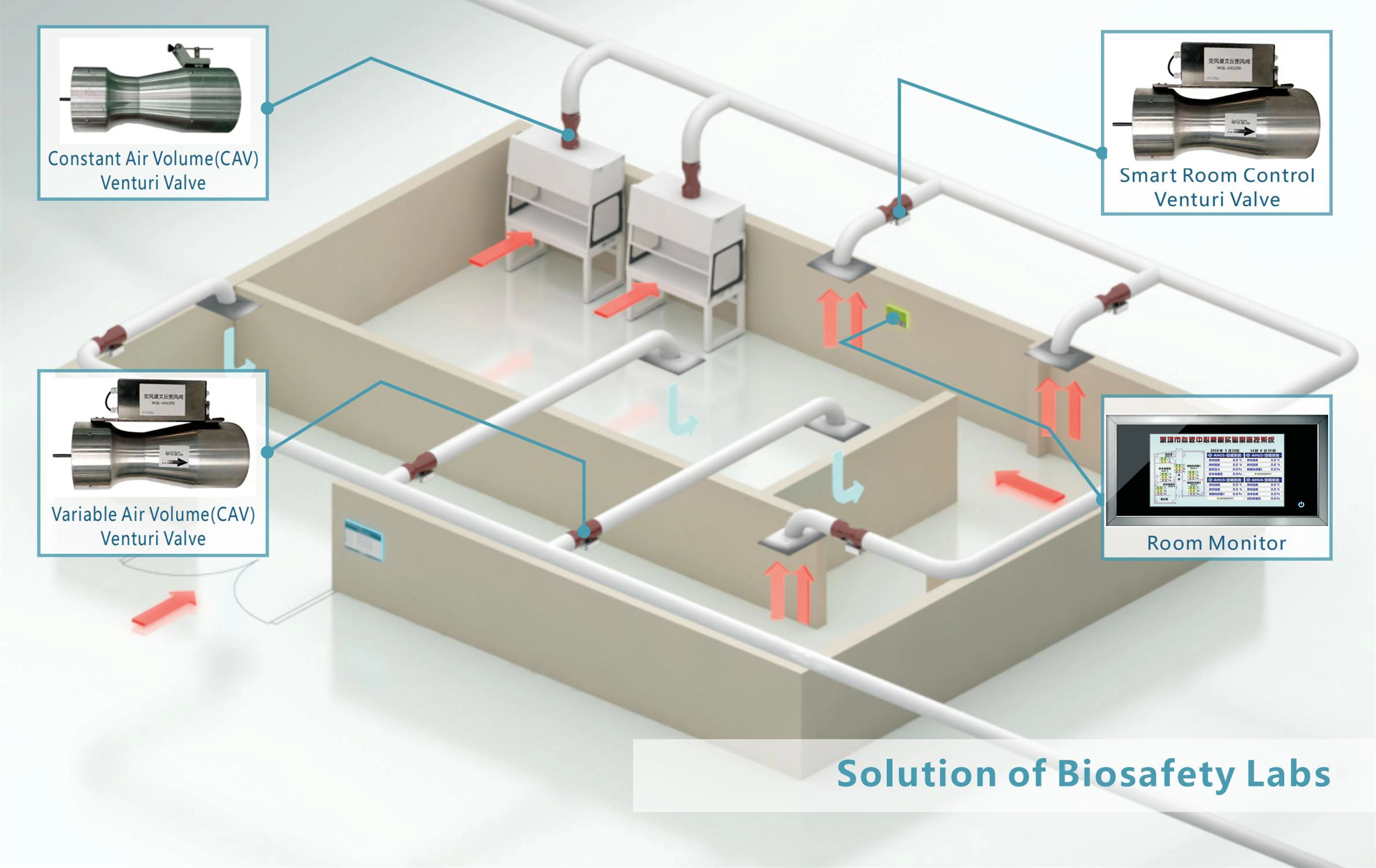
Spare Parts to Request with a Variable Air Volume Fume Hood
Safety and Compliance in Lab Furniture Design
Customization
What kind of laboratory equipment is suitable for customization?
All types of laboratory equipment can be customized, including test benches, fume hoods, hoods, chemical cabinets, exhaust units, etc.
FAQS
Do you offer custom design services?
Yes, we provide full design support tailored to your lab’s specific needs, including layout planning and furniture customization.
For Logistics
How can I track my shipment?
Once your order has been shipped, we will provide tracking information so you can monitor the status of your delivery.
For After-Sales Support
How can I get technical support for my equipment?
You can contact our technical support team via email or phone for assistance with installation, troubleshooting, or any issues you encounter with your laboratory equipment.
About Solution
Does your laboratory furniture support customization?
Yes, we provide fully customized services including size, material, color and functional design to meet customers' specific needs.

Floor Mounted Lab Bench
Our Floor Mounted Lab Bench is an essential, high-efficiency workspace for laboratories, made from high-quality steel-wood or corrosion-resistant stainless steel materials to ensure exceptional durability and stability. The unique floor-mounted design effectively reduces vibration, optimizes space usage, and provides a safe and tidy laboratory environment.
Customizable storage solutions help organize lab equipment efficiently, while the easy-to-clean surface maintains laboratory hygiene. It is widely suitable for research institutions, educational laboratories, and the chemical and pharmaceutical industries.
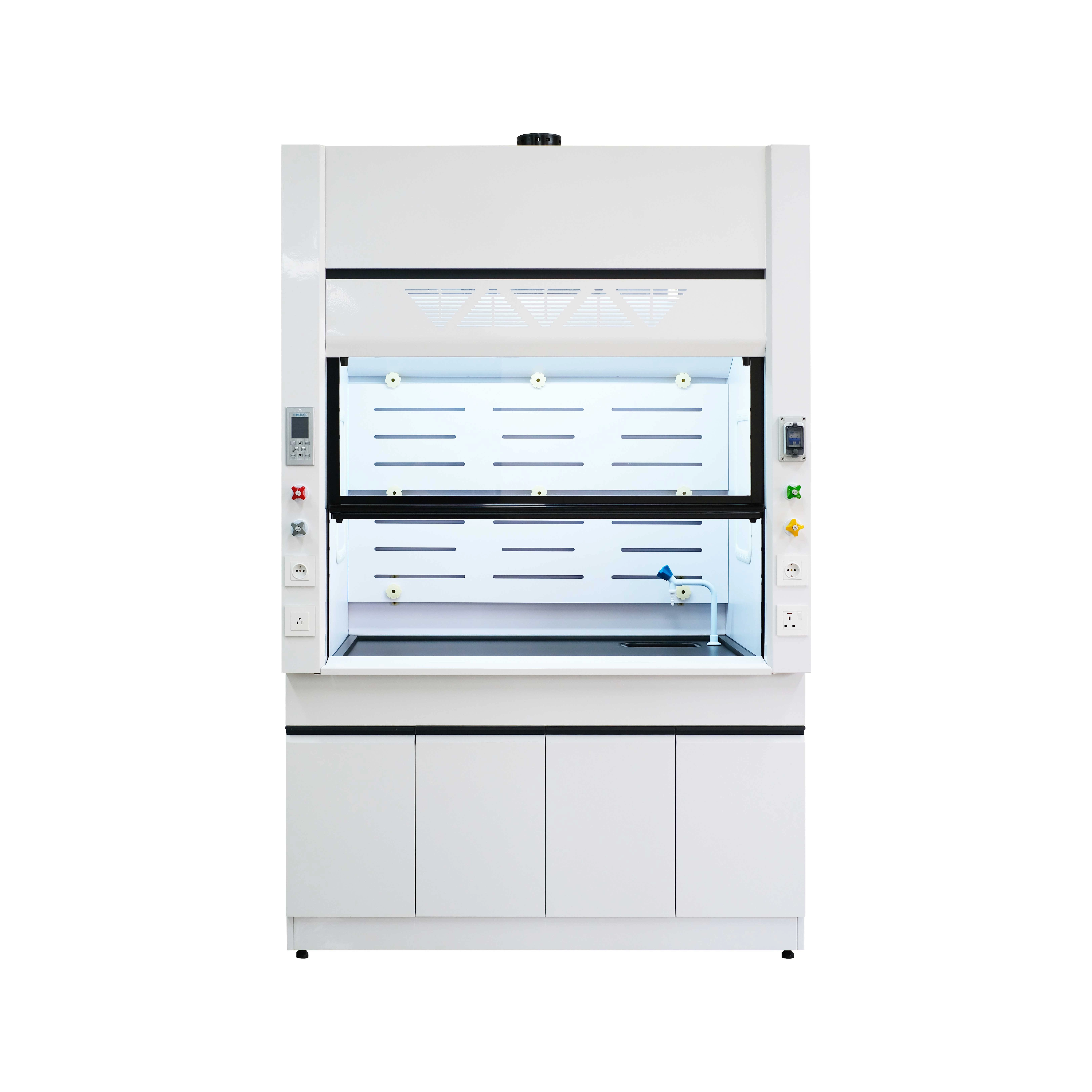
Fume Hood
The fume hood provides safe ventilation to protect against exposure to hazardous or toxic fumes, vapors, or airborne particulate. It is primarily used in laboratory and manufacturing applications to protect the user or environment outside the hood, but can also be used to protect the materials or experiment under the hood.
APPLICATION
Chemistry Lab, physics Lab, biological analysis, pharmaceutical medicine analysis, biological pharmaceutical, plant culture, environmental testing and electronic instrumentation scientific research and so on.
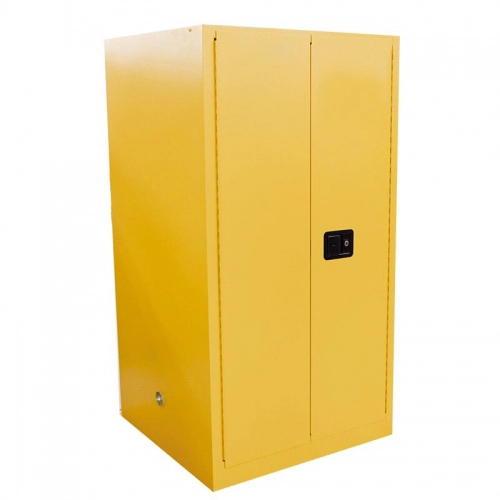
Flammable Storage Cabinet
Safety Cabinets store flammable liquids, corrosives, pesticides and other hazardous materials. All fire-resistant safety cabinets by meet fire codes and regulations for safety storage.
To help protect your people and facility from a potential fire, safety cabinets are engineered to safely contain flammable fuels, solvents, and chemicals. Safety cabinets can not only help everyone store chemicals reasonably, save chemical supplies, but also save human resources, and avoid fires caused by chemicals with the greatest strength.
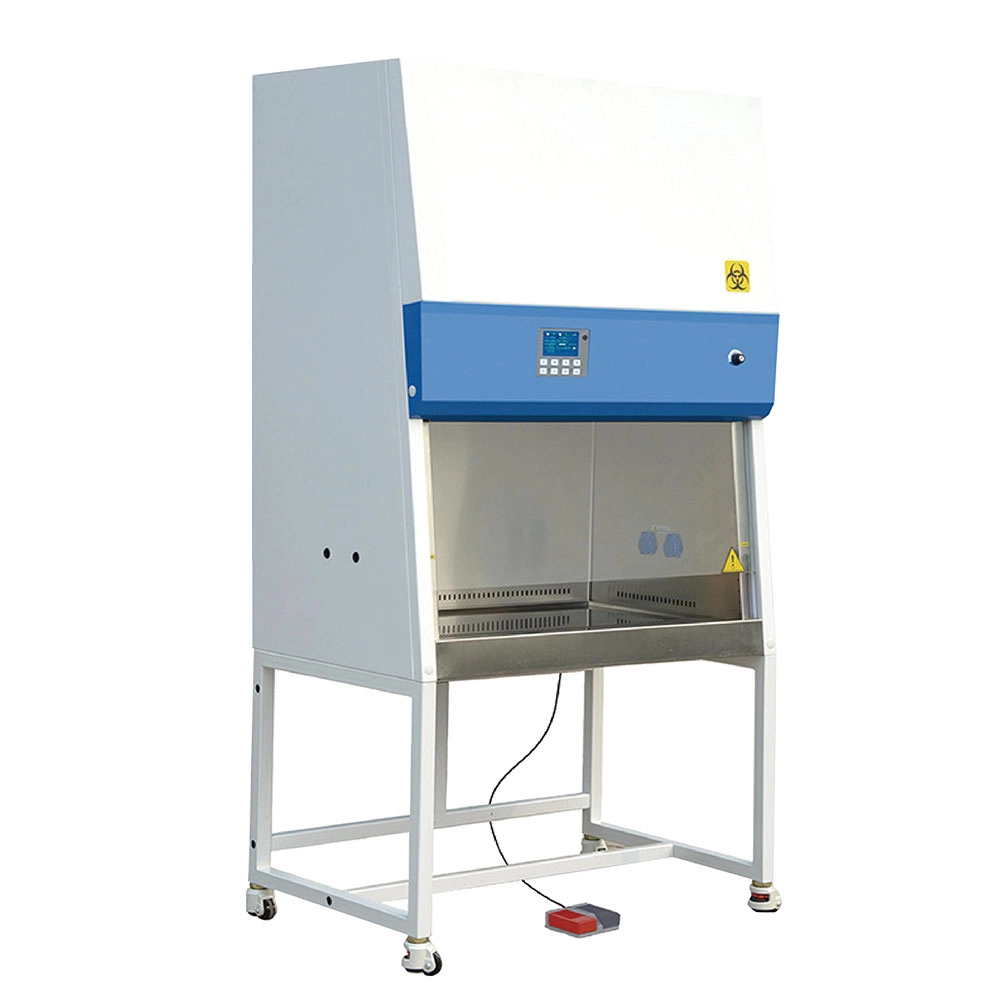
Class II Type A2 Biological Safety Cabinet for Laboratory
The Class II A2 Biological Safety Cabinet is designed to provide superior biosafety and contamination control for laboratories, research facilities, and clinical settings. With 70% air recirculation and 30% air exhaust, this cabinet ensures a safe and efficient work environment while protecting both the user and the samples.
Equipped with advanced features like a HEPA filtration system, motorized front window, and ergonomic design, this cabinet is a must-have for safe and reliable biological research.

 Scan QR Code
MaxLabFurniture
MaxLab Furniture
daihongada
Max Laboratory