
Resource
- Introduction: The Unsung Hero of Every Lab
- Understanding the Core: Types of Laboratory Tables
- Fixed Workbenches and Tables
- Mobile Laboratory Tables
- Specialized Laboratory Tables
- Critical Considerations: Features and Materials of Laboratory Tables
- Work Surface Materials
- Frame and Construction
- Adjustability and Ergonomics
- Storage and Integration
- Choosing the Right Laboratory Table for Your Specific Needs
- 1. Assess Your Lab's Function
- 2. Evaluate Space & Layout
- 3. Consider Budget & Longevity
- 4. Safety and Compliance
- Installation and Maintenance of Laboratory Tables
- Frequently Asked Questions (FAQ)
- What are the most common types of laboratory tables?
- How do I choose the right work surface material for my lab table?
- What are the benefits of adjustable height laboratory tables?
- Are mobile laboratory tables suitable for all lab environments?
- What features should I look for in a chemical-resistant lab table?
- How important is ergonomics when selecting lab furniture?
- What is the difference between an island table and a wall-mounted table?
- How often should laboratory tables be maintained or inspected?
- Conclusion: Investing in the Foundation of Scientific Discovery
Ultimate Guide to Laboratory Table 2026: Choose for Your Lab
Choose the best laboratory tables for your lab with MAXLAB’s 2026 guide. Quality and reliable solutions worldwide.
Introduction: The Unsung Hero of Every Lab
When we think of scientific breakthroughs, we often picture stuff like beakers, microscopes, and complex data analysis. But every successful experiment also has a quiet, supportive partner: the laboratory table. These surfaces are the foundation of scientific discovery, whether they're called lab workbenches, stations, or just counters.
In any kind of science setting—from high school classrooms to high-containment pharmaceutical research facilities—the quality and configuration of lab bench furniture dictate not only the workflow but also the safety and accuracy of the work being performed. A wobbly table can mess up a delicate weighing operation, and a surface that doesn't work with certain chemicals can lead to dangerous spills or contamination.
This guide will help you understand the different types of laboratory tables. We'll look at the various types available, ranging from mobile lab tables to specialized computer lab table setups, as well as critical materials such as epoxy and stainless steel lab tables. We'll also give you a roadmap for picking the perfect infrastructure for your specific needs.
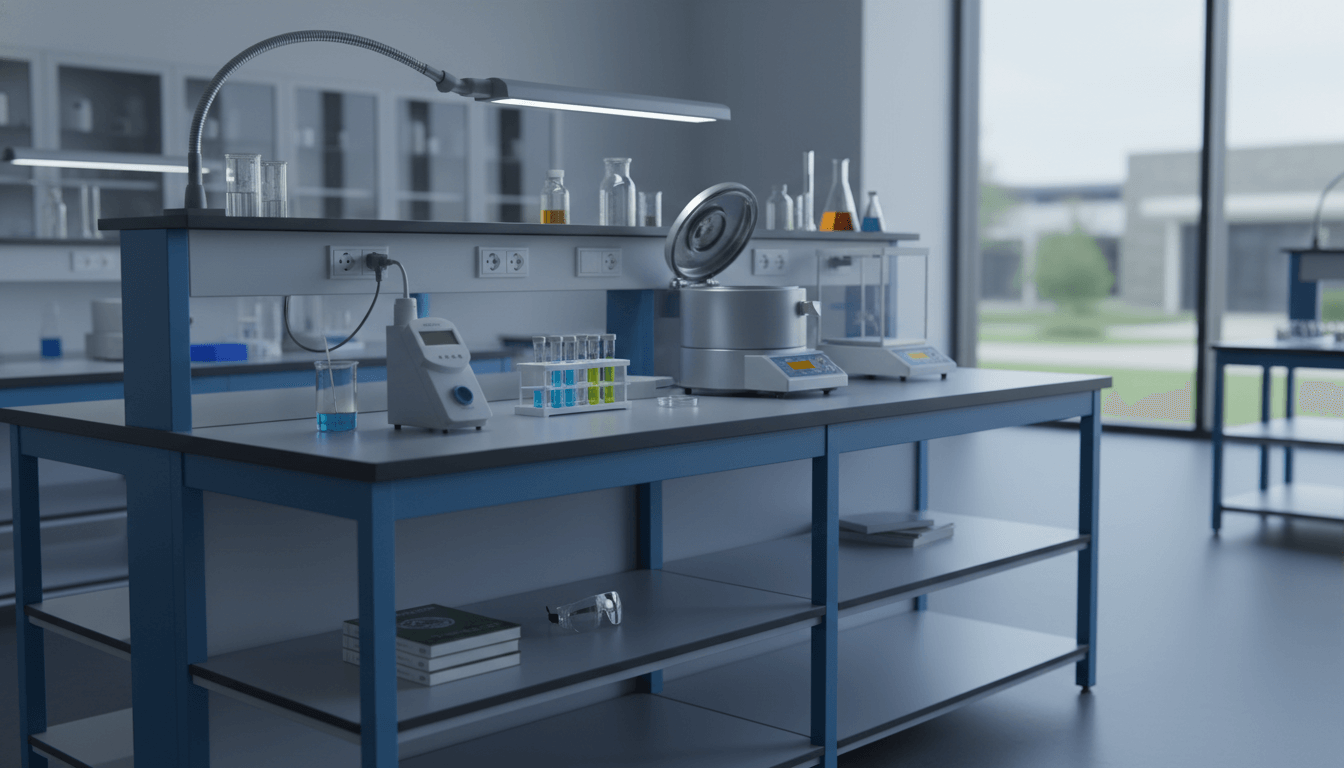
Understanding the Core: Types of Laboratory Tables
Not every lab is the same, and the tables in them aren't either. Modern science lab furniture is divided into categories based on mobility, configuration, and specific utility.
Fixed Workbenches and Tables
Fixed workbenches are the best option if you need something extremely stable and capable of supporting a large amount of weight. These are permanent installations, often plumbed with gas, water, and data lines.
· Island Benches: These are often put in the center of the room so that people can get to them from all sides, which encourages collaboration and makes the most of the space. Configurations often include L-shaped, U-shaped, or C-shaped designs to make the workflow as efficient as possible.
· Wall-Mounted Tables: These use the whole room, often as the main spot for computer lab furniture and microscopy stations, where back-wall utilities are easily accessible.
Mobile Laboratory Tables
Flexibility is becoming more and more common in modern research. Mobile lab tables have industrial-grade casters, so researchers can change up the lab layout whenever they want. These are perfect for shared equipment environments, temporary setups, or classrooms where things are always changing. These tables are sturdy and have strong locking mechanisms to keep them from moving once they're set up.
Specialized Laboratory Tables
Standard benches just can't handle every task. Some scientific protocols need special furniture.
· Adjustable height tables: These are key for ergonomics and accessibility (ADA compliance). They make it easy to switch between sitting and standing, and they work with different equipment heights too.
· Anti-Vibration Tables: It's a must for metrology. These tables use heavy materials like granite and have frames that absorb shocks to protect sensitive equipment like analytical balances and microscopes from vibrations in the building.
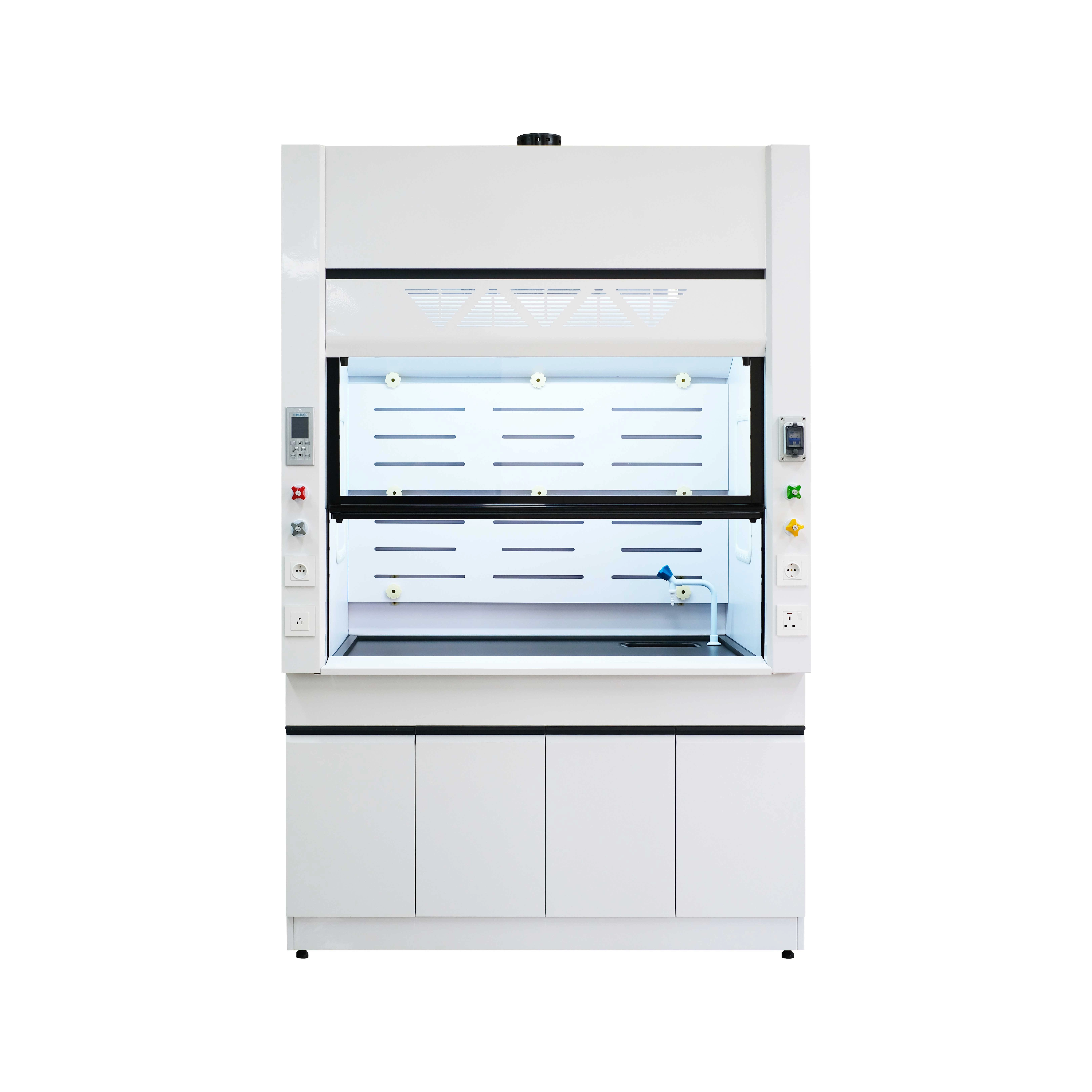
· Fume Hood Base Tables: These provide the structural support needed for heavy fume hoods and are often vented for chemical storage underneath.
· ESD (Electrostatic Discharge) Tables: This is a must-have for electronics labs. These tables have conductive surfaces and grounding points to protect sensitive microchips and circuit boards from static damage.
· Student/Classroom Tables: You'll often see this lab furniture in schools and other places where science is taught. It's made to be really strong, able to handle a lot of use, and simple to clean.
· Balance Tables: It's similar to anti-vibration tables, but it's specifically made for precision weighing tasks.
· Wet Lab Tables: These feature sinks, drying racks, and surfaces that can handle water and chemical spills.
· Dry Lab Tables: These computer lab tables are mostly used for computational work, and they focus on cable management and weight capacity for servers or multiple monitors. Chemical resistance isn't a big deal for these tables.
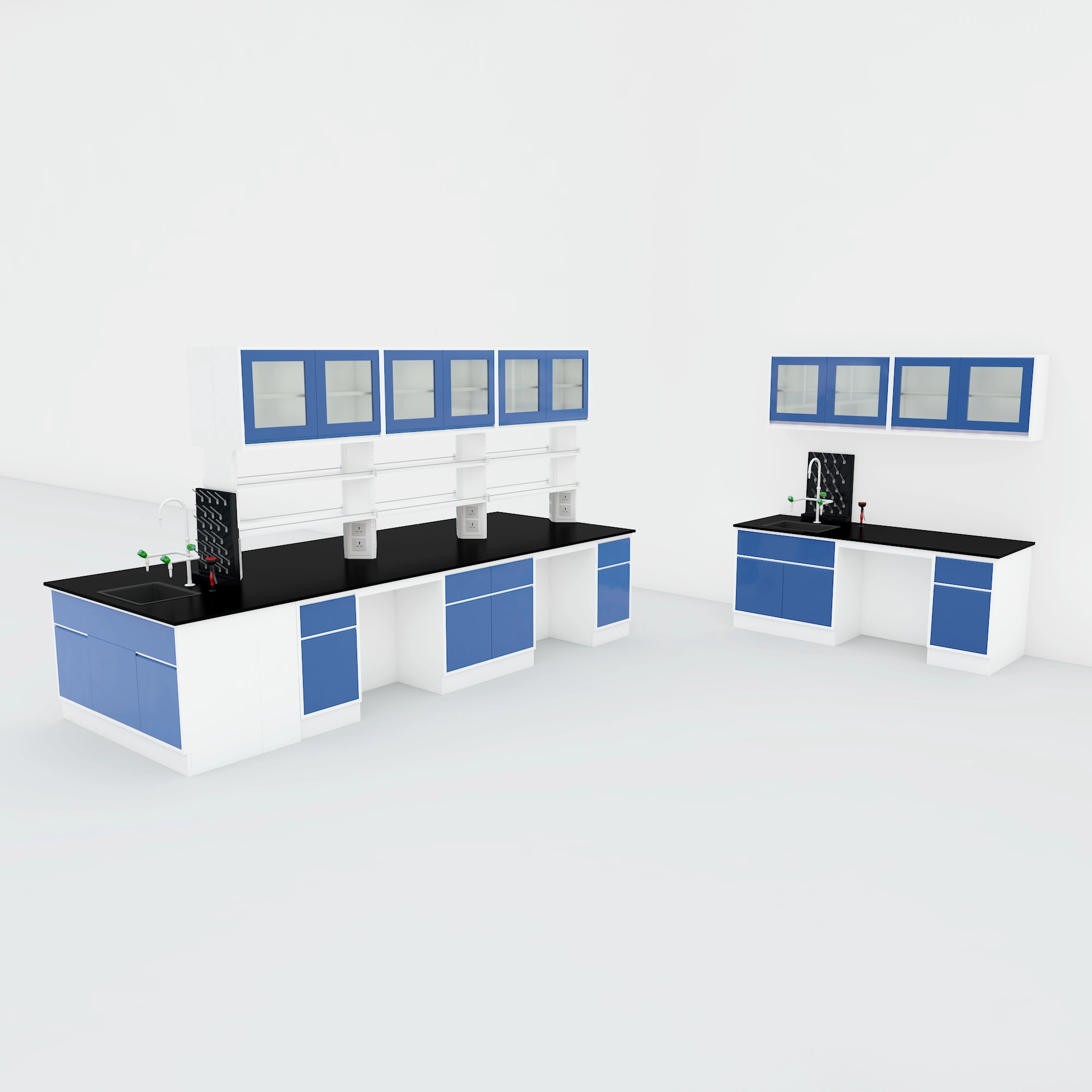
Critical Considerations: Features and Materials of Laboratory Tables
When picking a lab workbench, size is important, but the material of the work surface is arguably the most critical decision you'll make.
Work Surface Materials
1. Epoxy Resin: It's the gold standard for a lot of labs. It's poured as a solid piece, so it has uniform chemical resistance. It doesn't absorb moisture, can handle high heat, and resists fungal and bacterial growth.
2. Phenolic Resin: It's a popular alternative to epoxy. It's made by layering craft papers soaked in resin using high heat and pressure. It is excellent for chemical resistance, lighter, and typically less expensive than epoxy, but it is not as heat-resistant.
3. Stainless Steel: Stainless steel lab tables are the best for hygiene. They're non-porous and easy to sterilize, so they're the go-to for cleanrooms, biological labs, and food science areas. They also have excellent heat resistance.
4. TRESPA / Compact Laminate: It's known for being super durable and scratch-resistant. It's durable, and you can use it with a bunch of different lab chemicals.
5. High-Pressure Laminate (HPL): It's perfect for general computer lab furniture or dry labs. It's affordable, but it can't handle the chemicals or heat needed for some serious wet lab work.
6. Granite: It's mostly used for balance tables and anti-vibration surfaces because of its density and stability.
Frame and Construction
How long a laboratory table will last depends on its frame. Heavy-gauge steel or stainless steel frames are best for their load-bearing capacity.
· Welded Frames: They're super stable, but shipping and moving them is a pain.
· Modular Frames: It's great for on-site assembly and future reconfiguration, which is a key feature in modern computer furniture lab designs.
Adjustability and Ergonomics
Ergonomics is no longer an afterthought. Repetitive strain injuries are pretty common in labs. Tables with electric or manual height adjustment help researchers stay comfortable. Also, when you're designing computer lab furniture, it's important to include monitor arms and keyboard trays to prevent user fatigue.
Storage and Integration
A table is rarely just a table. Modern lab bench furniture usually includes:
· Suspended or Mobile Cabinetry: It's perfect for storing tools and glassware.
· Utility Spines: It carries electrical, data, and gas lines directly to the work surface.
· Reagent Shelving: Upper shelves provide convenient access to commonly used chemicals.
Choosing the Right Laboratory Table for Your Specific Needs
To ensure your investment pays off, follow this selection framework:
1. Assess Your Lab's Function
Hey, just wondering if you're running a wet chemistry lab or a physics computation lab?
· Chemical labs need epoxy or phenolic resin.
· Bio-Labs needs stainless steel laboratory tables.
· Tech Labs needs computer lab furniture with ESD protection.
2. Evaluate Space & Layout
First, map out your traffic flow. If your lab's setup is always changing, go for mobile lab tables. If you need to maximize density for students, fixed island benches are often more efficient—various sizes are available for lab workstations and tables to fit your space perfectly.
3. Consider Budget & Longevity
While HPL is cheaper at first, it'll degrade quickly in a chemical environment, which leads to higher replacement costs. Investing in epoxy or stainless steel for harsh environments is a better long-term financial decision.
4. Safety and Compliance
Just ensure that your tables meet SEFA standards. Make sure you understand the load capacities of the heavy centrifuges and that the materials meet fire safety standards.
Installation and Maintenance of Laboratory Tables
Even the best lab table can fail if it's not installed properly or if it's neglected.
· Proper Installation: Make sure your tables are level and accurate. Make sure to hire certified pros to handle utility connections (gas, water, and electric) to avoid leaks and other hazards.
· Cleaning and Disinfection:
One epoxy/phenolic: Just clean it with soap and water, and don't use abrasive pads.
Here's a list of the different types of stainless steel: Use stainless steel cleaners that are made for the job to keep your steel looking good and prevent rust.
· Routine Checks: Make sure you check the casters on mobile lab tables and the locking mechanisms on adjustable height tables on the regular. Make sure the undermount sinks are sealed properly.
Frequently Asked Questions (FAQ)
What are the most common types of laboratory tables?
The most common types include fixed workbenches (island and wall-mounted), mobile tables, and specialized tables like adjustable-height, anti-vibration, fume hood bases, and ESD tables.
How do I choose the right work surface material for my lab table?
The choice depends on your lab's specific needs, like chemical resistance (epoxy, phenolic resin), heat resistance, hygiene (stainless steel), durability (TRESPA), and budget (HPL). Figure out the types of chemicals, heat exposure, and cleaning protocols your lab needs.
What are the benefits of adjustable height laboratory tables?
Adjustable height tables are excellent for promoting ergonomics because they allow users to work comfortably from both seated and standing positions. They simplify things for different users and can be applied in a variety of ways.
Are mobile laboratory tables suitable for all lab environments?
Mobile tables are great for changing up lab layouts and moving equipment around, so they're perfect for spaces that need to be flexible or used for different things. But for jobs that need total stability or really heavy equipment, fixed workbenches are usually the go-to.
What features should I look for in a chemical-resistant lab table?
Keep an eye out for work surfaces made of epoxy resin, phenolic resin, or specific chemical-resistant laminates. Make sure the whole table, including the frame and edges, is made to handle chemicals without breaking down.
How important is ergonomics when selecting lab furniture?
Ergonomics is key to making sure users are comfortable, reducing the risk of injuries to the muscles and skeleton, and improving productivity during long work sessions in the lab. Think about adjustable features and the right seating to support good posture and workflow.
What is the difference between an island table and a wall-mounted table?
An island table is freestanding and typically placed in the center of a lab, providing access from all sides and encouraging collaboration. A wall-mounted table is affixed to a wall, utilizing wall space efficiently and often serving as a dedicated workstation.
How often should laboratory tables be maintained or inspected?
It's best to clean them daily or after each use, depending on the activity. We should do a thorough inspection for structural integrity, surface damage, and functionality of components (like casters or adjustable mechanisms) every three months or six months.
Conclusion: Investing in the Foundation of Scientific Discovery
Whether you're furnishing a cutting-edge genomics facility with high-quality stainless steel lab tables or designing a university data center with comfortable computer lab tables, your furniture selection is critical.The right lab tables and workbenches do more than just hold equipment; they make things safer, improve researcher morale through ergonomics, and ensure the long-term efficiency of the lab. If you balance material properties, functionality, and budget, you can build a lab environment that supports scientific research instead of getting in the way.Contact Maxlab today to find the perfect lab tables and workbenches for your facility. We'll make sure to get you the perfect fit.
Why We Choose to Be Your Lab Furniture Solution Provider, Not Just a Manufacturer

Max Lab Introduction
Electronics Lab Bench vs Chemistry Lab Bench: What You Need to Know

What Is an Air Shower for Cleanroom?
For Company
Are you a factory or trade company?
Direct factory. We also have our sales and design team to offer better service to our valued customers.
Customization
What information do I need to provide to start a custom project?
In order to start a custom project, you need to provide information about the spatial layout of the laboratory, functional requirements, equipment quantity and specifications, budget, etc. If possible, you can also provide reference drawings or patterns so that we can better understand your needs.
About Solution
Does your laboratory furniture support customization?
Yes, we provide fully customized services including size, material, color and functional design to meet customers' specific needs.
For Logistics
How are shipping costs calculated?
Shipping costs are calculated based on the size, weight, and destination of your order. We provide a detailed shipping quote during the ordering process.
For Products
Can your furniture withstand heavy-duty use?
Yes, all of our laboratory furniture focuses on durability, with a load-bearing capacity of up to 500KG/m², and is made of high-quality materials that can meet the requirements for large-scale precision instruments and equipment and exposure to chemicals in the laboratory.


Get in touch with us
If you have any comments or good suggestions, please leave us a message; later our professional staff will contact you as soon as possible.

 Scan QR Code
MaxLabFurniture
MaxLab Furniture
daihongada
Max Laboratory