
Resource
- What is a Fume Hood?
- How It Protects You
- Key Takeaways: Your Fume Hood Essential Guide
- How Do Fume Hoods Work? The Science of Safety
- Core Mechanisms
- Types of Fume Hoods: Choosing the Right Protection
- 1. Ducted Fume Hoods
- 2. Ductless Fume Hoods
- 3. Specialized Fume Hoods
- Biosafety Cabinet vs Fume Hood: What’s the Difference?
- What Are Fume Hoods Used For? Essential Lab Applications
- Fume Hood Safety Best Practices: Protecting Yourself and Your Lab
- The Golden Rules of Operation
- Fume Hood Installation & Setup: Critical Considerations
- Maintenance & Certification: Ensuring Long-Term Performance
- Inspection Standards (ASHRAE 110-2016)
- Routine Maintenance Tasks
- Cost of Fume Hoods: Purchase, Installation, and Operational Expenses
- Purchase Price Ranges (2025 Estimates)
- Installation Costs
- Operational Costs (The Hidden Expense)
- The Future of Fume Hood Technology: Innovations for 2026 & Beyond
- Conclusion
- Frequently Asked Questions (FAQ)
- 1. What is the primary purpose of a fume hood?
- 2. How often must a fume hood be certified?
- 3. Can I use a fume hood for biological safety?
- 4. What is the difference between ducted and ductless hoods?
- 5. Why shouldn't I store chemicals in the fume hood?
- References
The Ultimate Guide to Fume Hoods 2026: Types & Future Innovations
A definitive guide to laboratory fume hoods for 2026. This article covers everything from working principles and safety standards (ASHRAE 110) to a detailed cost analysis of ducted vs. ductless systems and future smart technologies.
What is a Fume Hood?
A laboratory fume hood is a primary engineering control device designed to contain and exhaust hazardous fumes, vapors, and particulate matter, thereby protecting users and the laboratory environment from exposure. It functions by drawing air from the room into an enclosed chamber, capturing contaminants, and either venting them outside or filtering them for recirculation.
How It Protects You
The fundamental role of a chemical fume hood is to act as a physical and airflow barrier. When a user works with volatile chemicals, the hood creates an inward stream of air—known as "face velocity"—that prevents toxic vapors from drifting back into the breathing zone. This simple yet critical mechanism ensures that hazardous substances, such as strong acids or volatile organic compounds (VOCs), are safely removed from the workspace.

Key Takeaways: Your Fume Hood Essential Guide
· Critical Safety: Fume hoods are the first line of defense against inhalation hazards in the lab.
· Selection Matters: Choosing between ducted and ductless laboratory fume hoods depends on your specific chemical applications and facility infrastructure.
· Operational Cost: Energy consumption is a major factor; variable air volume (VAV) systems can significantly reduce costs compared to constant volume (CAV) models.
· Compliance: Regular inspection and fume hood certification (ASHRAE 110-2016) are mandatory for safety and legal compliance.
How Do Fume Hoods Work? The Science of Safety
A Fume Hood operates on the principle of negative pressure containment, drawing room air through a sash opening to capture contaminants before they can escape. This directional airflow is maintained by an external exhaust fan (for ducted models) or an internal blower (for ductless models).
Core Mechanisms
To understand the mechanics, consider these critical components:
· Face Velocity: The speed at which air enters the hood face, typically maintained between 80–100 feet per minute (fpm) to ensure containment without creating turbulence.
· The Sash: The movable glass panel (vertical or horizontal) that acts as a physical shield. Keeping the sash at the correct working height is vital for maintaining proper airflow.
· Baffles: Panels located at the back of the hood that direct air to the exhaust slots, ensuring uniform flow across the entire opening and preventing dead spots where fumes could accumulate.
· Airfoils: Aerodynamic sills at the bottom and sides that reduce turbulence as air enters the hood, preventing vapors from rolling out near the user's chest.
Types of Fume Hoods: Choosing the Right Protection
There are two primary categories of laboratory fume hoods: ducted and ductless. Each serves distinct needs based on the laboratory's infrastructure and the chemicals being handled.
1. Ducted Fume Hoods
These are the traditional standard for most heavy-duty applications. They connect directly to the building's HVAC system and expel air outside.
· Constant Air Volume (CAV): Exhausts the same amount of air regardless of sash position. Simple and reliable but energy-intensive.
· Variable Air Volume (VAV): Automatically adjusts the exhaust rate based on the sash height. While more expensive to install, VAV systems are highly energy-efficient.
2. Ductless Fume Hoods
A ductless fume hood operates independently of the building's exhaust system. It pulls air through high-efficiency filters (Activated Carbon for chemicals, HEPA for particulates) and recirculates clean air back into the room.
· Pros: Easy installation, lower initial infrastructure costs, and portability.
· Cons: Requires strict filter management; not suitable for all chemical types.
· Note: For more insights, we specifically recommend this guide for laboratory managers and safety officers on ductless fume hoods regarding selection criteria.
3. Specialized Fume Hoods
· Perchloric Acid Hoods: Feature wash-down systems to prevent explosive salt buildup.
· Radioisotope Hoods: Constructed from stainless steel with reinforced structures for heavy lead shielding.
· Walk-In Hoods: Large floor-mounted units designed to accommodate tall apparatus or large equipment.
Biosafety Cabinet vs Fume Hood: What’s the Difference?
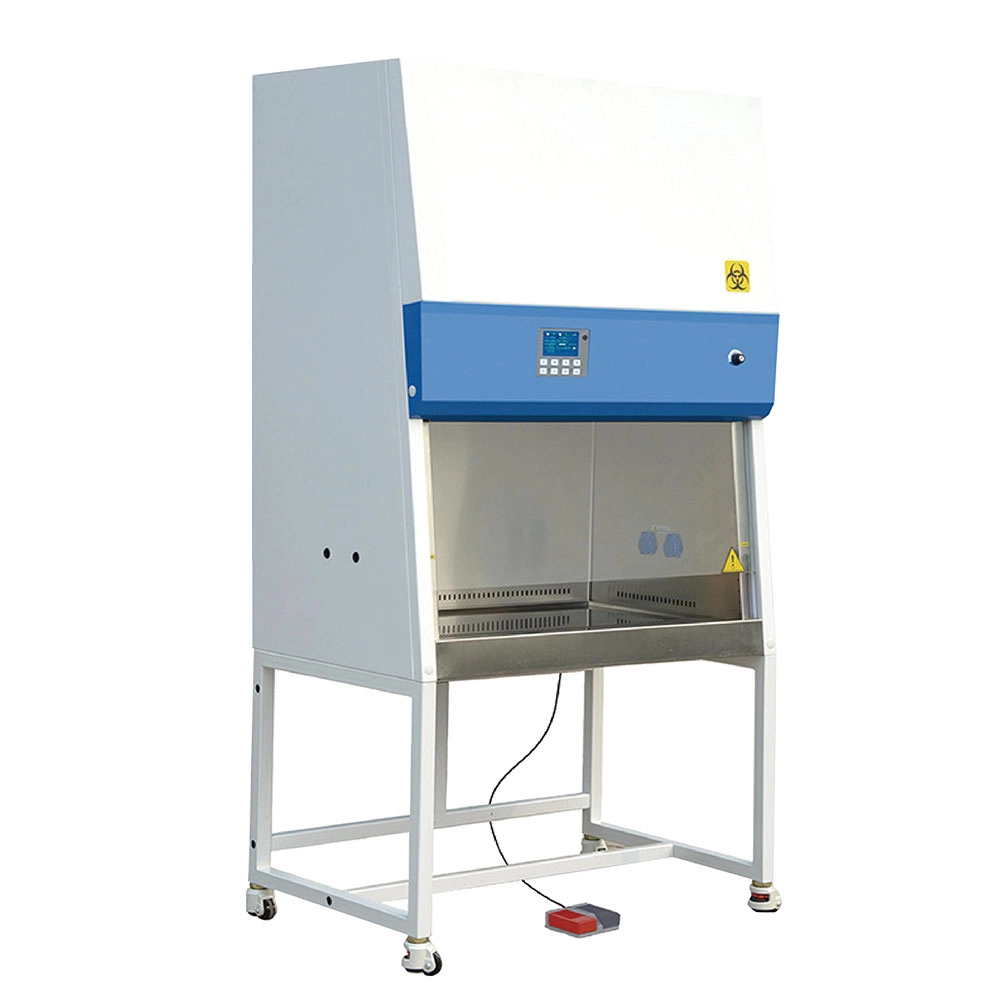
The main difference is that a lab fume hood protects the user from chemical vapors, whereas a biosafety cabinet (BSC) is designed to protect the user, the environment, and the biological sample (product) from contamination.
· Fume Hood: Draws air away from the user and vents it out. It offers no protection for the sample against contamination and does not filter biological agents (unless specifically equipped).
· Biosafety Cabinet: Uses HEPA filters to create a sterile work environment. It is essential for handling infectious agents (bacteria, viruses). Never use a standard fume hood for biohazards, and never use a BSC for volatile toxic chemicals unless it is a specific Class II Type B2 cabinet hard-ducted to the outside.
What Are Fume Hoods Used For? Essential Lab Applications
A fume hood for laboratory use is versatile, but it is strictly an engineering control for airborne hazards, not a storage cabinet. Common applications include:
· Volatile Organic Compounds (VOCs): Handling solvents like chloroform or ether that evaporate quickly and pose inhalation risks.
· Corrosive Procedures: Working with strong acids (Hydrochloric, Sulfuric) or bases (Ammonium Hydroxide) that can damage lung tissue.
· Odorous Chemicals: Containing substances with strong, offensive smells (e.g., mercaptans) to keep the general lab environment comfortable.
· Reaction Control: providing a ventilated space for reactions that may run out of control or generate heat.
Fume Hood Safety Best Practices: Protecting Yourself and Your Lab
Even the most advanced laboratory fume hoods cannot protect you if used incorrectly. Adhering to strict operational protocols is non-negotiable.
The Golden Rules of Operation
1. Sash Management: Keep the sash as low as possible while working. Ideally, position it between your body and your work. When not in use, close the sash completely to save energy and increase safety.
2. The Six-Inch Rule: Always work at least 6 inches back from the face of the hood. This buffer zone prevents turbulence from the room (caused by people walking by) from pulling vapors out of the hood.
3. Minimize Clutter: excessive equipment blocks the bottom baffles, disrupting airflow. Place large equipment on blocks to allow air to flow underneath.
4. No Storage: Do not use the hood to store chemical bottles. This creates eddy currents and increases the risk of spills during experiments.
5. Emergency Response: If the airflow alarm sounds, stop working immediately, close the sash, and notify safety personnel. Do not mute the alarm and continue working.
Fume Hood Installation & Setup: Critical Considerations
Proper installation ensures that your lab fume hood performs to its safety specifications. Poor placement can render a high-quality hood ineffective.
· Location Strategy: Avoid placing hoods near doorways, high-traffic aisles, or air supply diffusers. Cross-drafts from these sources can disrupt the capture velocity.
· Ductwork (for Ducted): Requires corrosion-resistant materials (often stainless steel or PVC) and should be as straight as possible to minimize static pressure loss.
· Electrical & Gas: Ensure utilities are professionally plumbed. Gas valves should be located outside the hood or have remote shut-off capabilities.
· Commissioning: No hood should be used until it has passed an "As-Installed" (AI) test to verify it meets containment standards in its specific location.
Maintenance & Certification: Ensuring Long-Term Performance
Fume hood certification is not just a suggestion; it is a regulatory requirement (typically annual) to comply with OSHA and SEFA standards.
Inspection Standards (ASHRAE 110-2016)
The industry benchmark for performance is the ASHRAE 110-2016 standard. A comprehensive test includes:
· Flow Visualization: Using smoke tubes to visualize airflow patterns and check for reverse flow or dead spots.
· Face Velocity Measurement: Using a thermal anemometer to ensure average velocity is within safe limits (usually 80–120 fpm).
· Tracer Gas Testing: Releasing sulfur hexafluoride (SF6) inside the hood and measuring leakage in the breathing zone to detect containment failures (measurements should be <0.05 ppm).
Routine Maintenance Tasks
· Daily: Check the airflow monitor reading before beginning work.
· Monthly: visually inspect the sash mechanism (pulleys and cables) and clean the sash glass.
· Quarterly: For ductless fume hoods, check filter saturation levels using the built-in sensors or manual sampling methods.
Cost of Fume Hoods: Purchase, Installation, and Operational Expenses
Understanding the financial investment requires looking at both CapEx (purchase/install) and OpEx (energy/maintenance). According to market data from 2024-2025, here is what you can expect.
Purchase Price Ranges (2025 Estimates)
· Benchtop Ductless Hoods: $2,500 – $6,000. (Ideal for light duty/schools).
· Standard Ducted Hoods (6ft): $7,000 – $15,000. (The industry workhorse).
· Walk-In / Floor Mounted: $15,000 – $25,000+. (For pilot plants/large equipment).
Installation Costs
· Ducted: Installation is significant, ranging from $2,000 to over $10,000 depending on the complexity of the ductwork and roof exhaust fans needed.
· Ductless: Minimal installation cost ($500 – $1,500), mostly involving electrical setup and filter calibration.
Operational Costs (The Hidden Expense)
Energy consumption is the biggest cost driver. A standard CAV fume hood running 24/7 can cost $5,000 to $9,000 per year in energy (heating/cooling conditioned air that is then vented outside).
· Expert Tip: Upgrading to VAV systems or High-Performance Low-Flow hoods can reduce this energy bill by 40–60%.
The Future of Fume Hood Technology: Innovations for 2026 & Beyond
The laboratory fume hood market is evolving rapidly, with a projected CAGR of over 8% through 2030. Future innovations focus on sustainability and intelligence.
· Smart Fume Hoods: Integration of IoT sensors that provide real-time data on sash position, chemical presence, and filter life directly to lab managers' smartphones. Brands like Erlab are pioneering "halo" light signatures that visually indicate safety status from across the room.
· Green Labs: A massive shift toward "Net Zero" labs is pushing the adoption of ductless filtration technology for a wider range of chemicals, reducing the carbon footprint of HVAC systems.
· Auto-Sash Technology: Sensors that detect user presence and automatically close the sash when the operator walks away, ensuring maximum safety and energy savings without human intervention.
Conclusion
Selecting the right fume hood is a balance of safety, compliance, and cost. Whether you opt for a robust ducted system for high-volume chemical handling or a flexible ductless fume hood for a modern, modular lab, the priority remains the same: protecting the user. By adhering to ASHRAE 110-2016 standards and maintaining rigorous safety protocols, you ensure that your laboratory remains a center of innovation rather than a source of hazard.
Frequently Asked Questions (FAQ)
1. What is the primary purpose of a fume hood?
The primary purpose is to protect laboratory personnel by containing hazardous fumes, vapors, and dusts and exhausting them away from the user's breathing zone.
2. How often must a fume hood be certified?
Fume hoods generally require certification annually, or whenever the unit is moved or the HVAC system is modified. This ensures compliance with OSHA and ASHRAE 110 standards.
3. Can I use a fume hood for biological safety?
No. Standard fume hoods do not protect the biological sample from contamination. You must use a Biosafety Cabinet (BSC) for cell culture or handling infectious agents.
4. What is the difference between ducted and ductless hoods?
Ducted hoods vent air outside the building, making them suitable for almost all chemicals. Ductless hoods filter and recirculate air, making them energy-efficient and easier to install, but they are limited by filter compatibility.
5. Why shouldn't I store chemicals in the fume hood?
Storing chemicals blocks the baffles and disrupts airflow, which can cause fumes to roll out of the hood. It also increases the risk of a reaction if a fire occurs inside the hood.
References
· Laboratory Fume Hoods Market Analysis 2025 - Cognitive Market Research
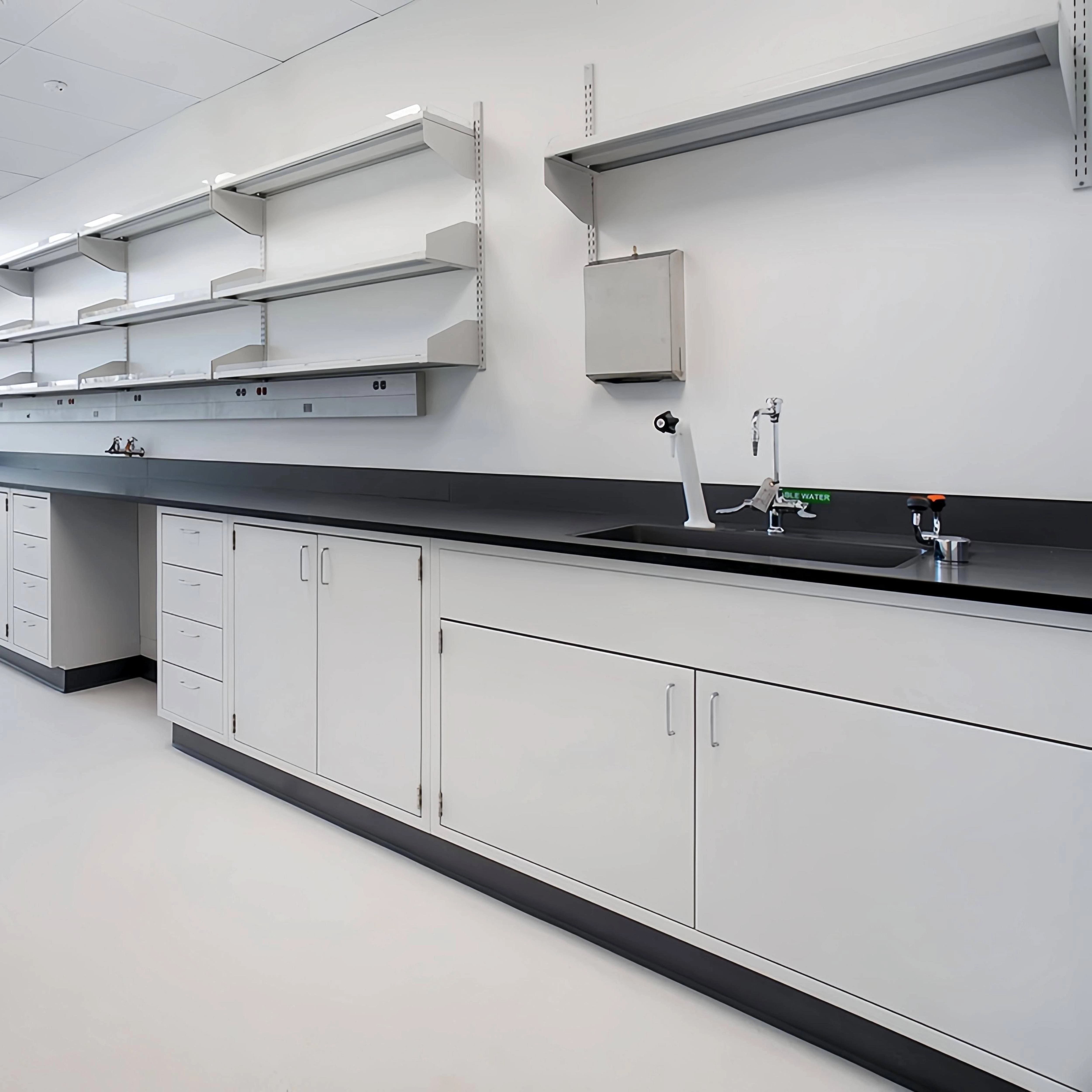
Why We Choose to Be Your Lab Furniture Solution Provider, Not Just a Manufacturer

Max Lab Introduction
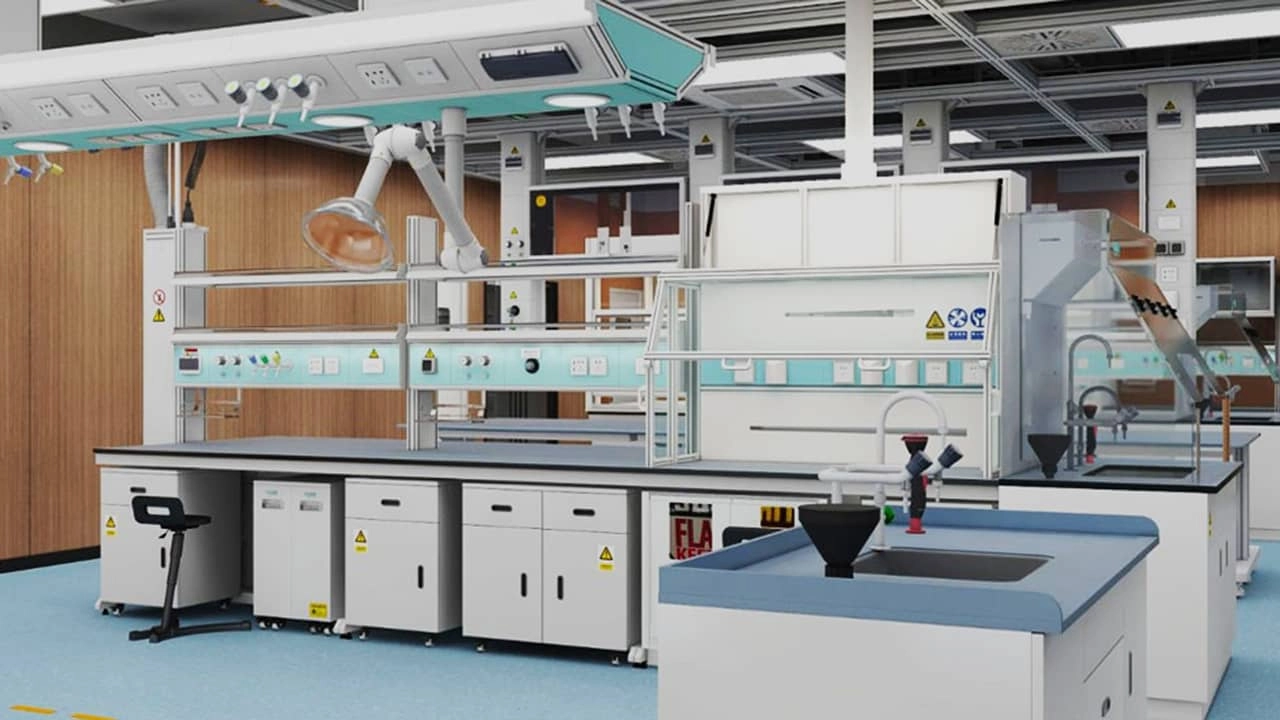
Electronics Lab Bench vs Chemistry Lab Bench: What You Need to Know
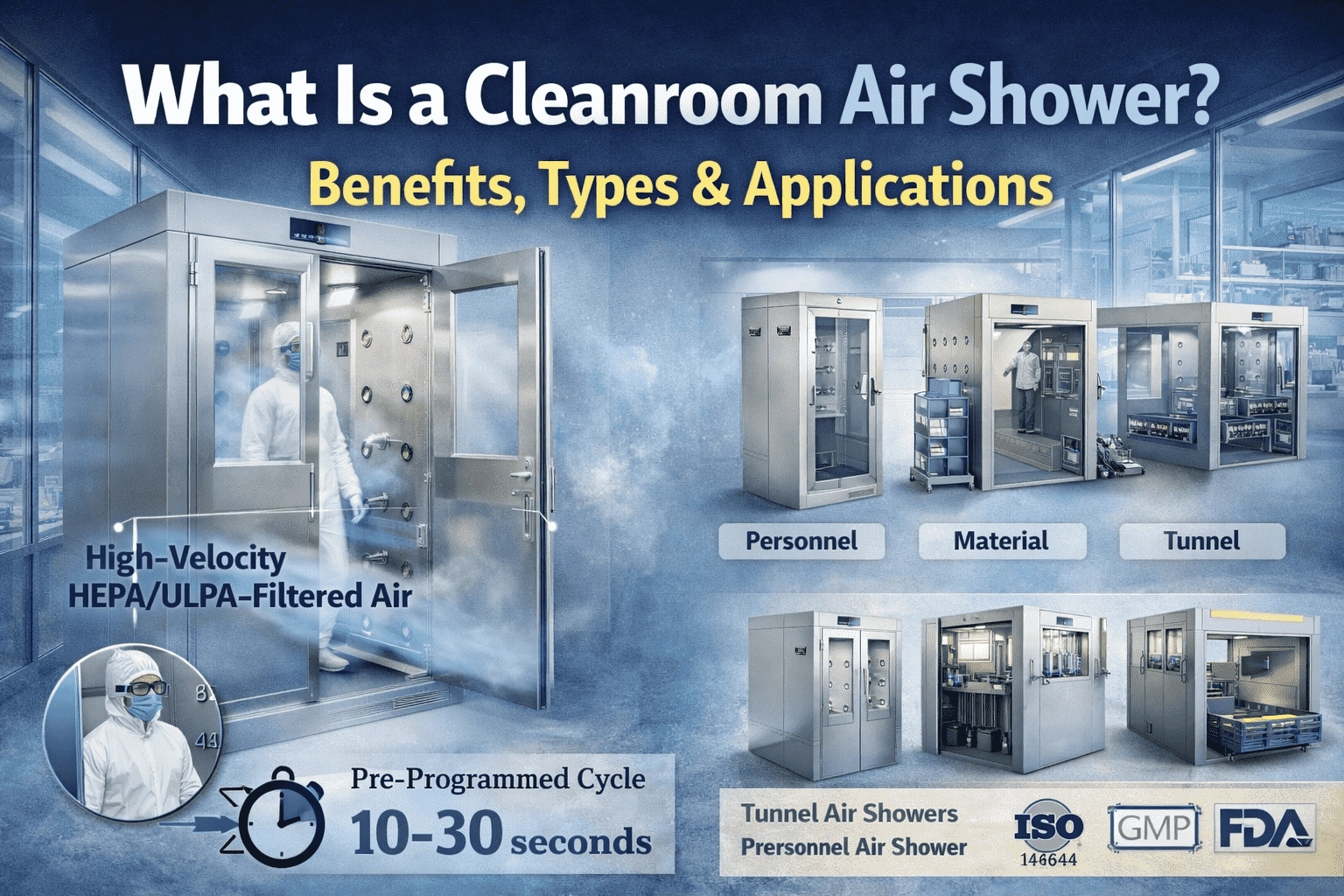
What Is an Air Shower for Cleanroom?
For Products
Do you have certifications for your products?
Yes, We have CE, ISO9001, ISO14001, OHSASI18001 and so on.
For Customization
Do you offer custom branding for laboratory furniture?
Yes, we can incorporate custom logos, colors, and branding into your lab furniture to make it unique to your organization.
About Solution
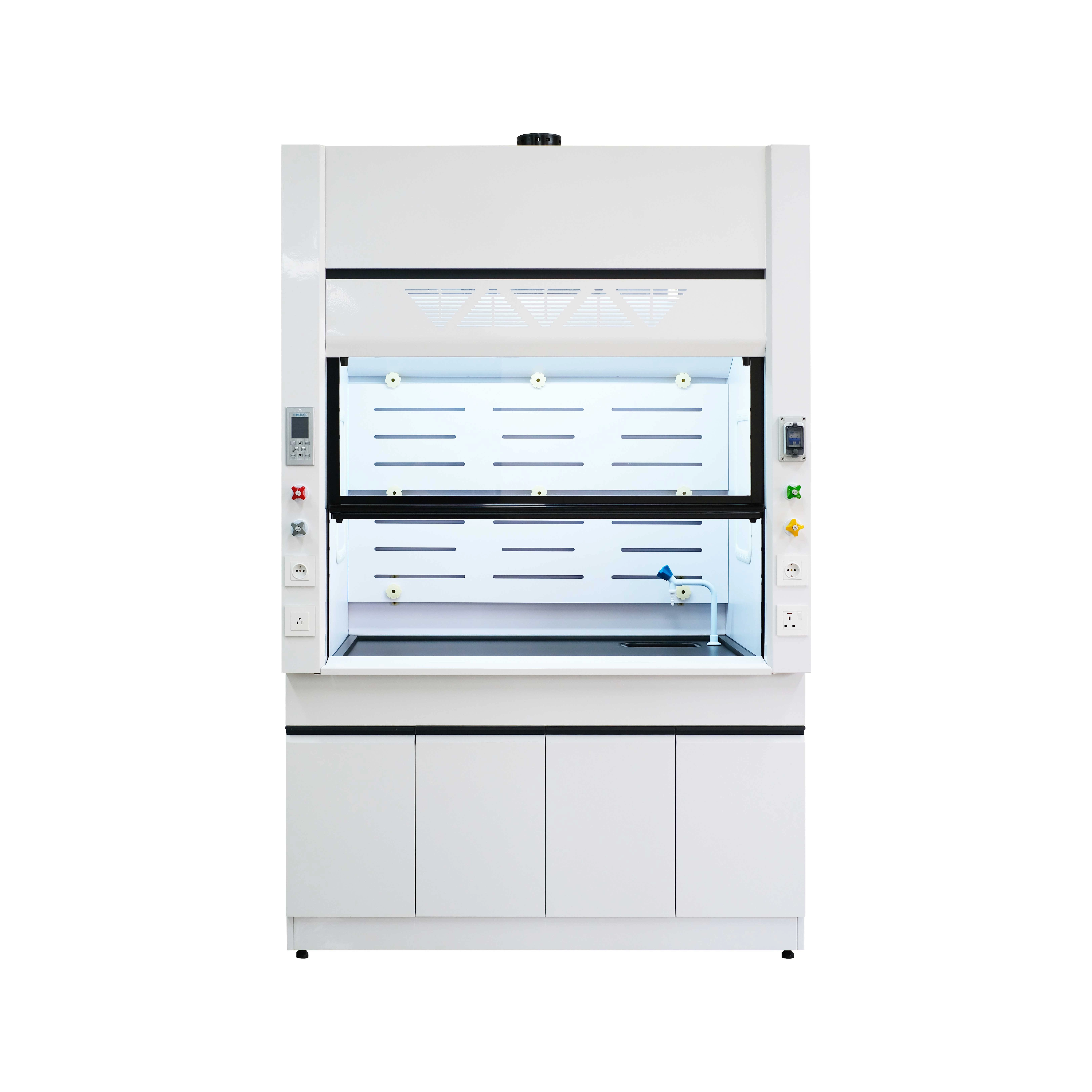
How to ensure the safety performance of the fume hood?
Our fume hoods adopt high-efficiency filtration system and intelligent air speed control technology to ensure that harmful gases are effectively eliminated during experiments and protect users' health.
FAQS
How can I request a quote?
Simply contact us or fill out our online form with your project details. Our team will respond promptly with a free quote.
For Logistics
What is the lead time?
We usually will start to work after receiving 50% deposit, and as for the exact lead time, it depends on quantity and detailed requirement. We can promise it will be shipped on time as we negotiated.

Get in touch with us
If you have any comments or good suggestions, please leave us a message; later our professional staff will contact you as soon as possible.

 Scan QR Code
MaxLabFurniture
MaxLab Furniture
daihongada
Max Laboratory