
Resource
- What is Laminar flow hood?
- Key Considerations When Selecting a Laminar Flow Hood
- Advanced Features for Modern Laboratories
- Specialized Applications
- Why Choose MAX LAB Laminar Flow Solutions?
- Maintenance and Care
- Featured Product:
- FAQ
- 1: Do I need a laminar flow hood or a biosafety cabinet (BSC)?
- 2: What ISO cleanliness class should a laminar flow hood be?
- 3: What’s better—horizontal or vertical laminar flow hood?
- 4: What HEPA filter should I choose for a laminar flow hood (H13 vs H14)?
- 5: How do I choose the right size laminar flow hood (4 ft, 5 ft, or 6 ft)?
The Complete Guide to Choosing the Perfect Laminar Flow Hood for Your Laboratory
What is Laminar flow hood?
Laminar flow hoods (also called clean benches or laminar flow cabinets) are essential for creating particle-free work environments in laboratories. Whether you're working with plant tissue culture, pharmaceutical preparations, or microbiological research, these systems provide ISO Class 5 (Class 100) or better air purity through advanced HEPA/ULPA filtration systems.
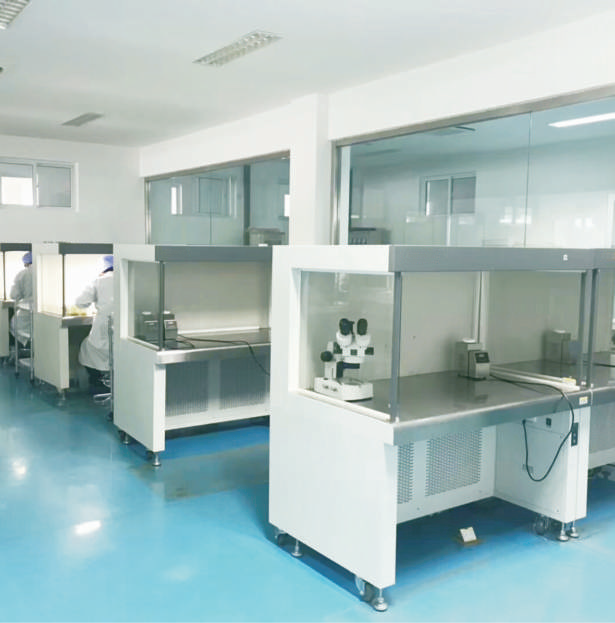
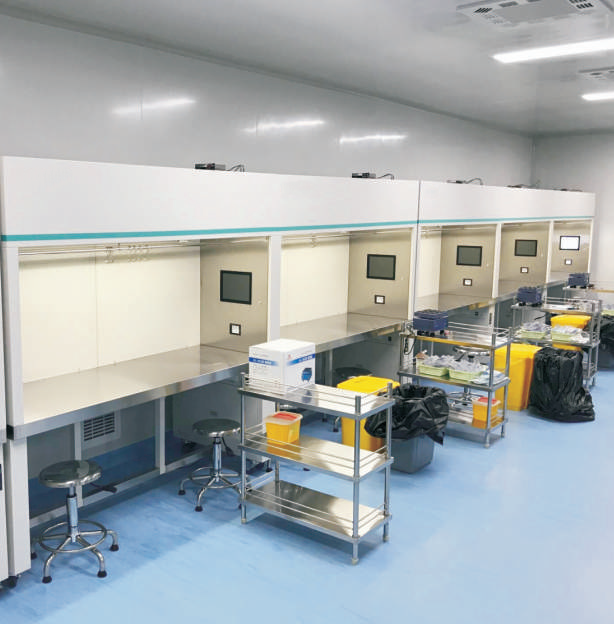
Key Considerations When Selecting a Laminar Flow Hood
1. Vertical vs. Horizontal Airflow
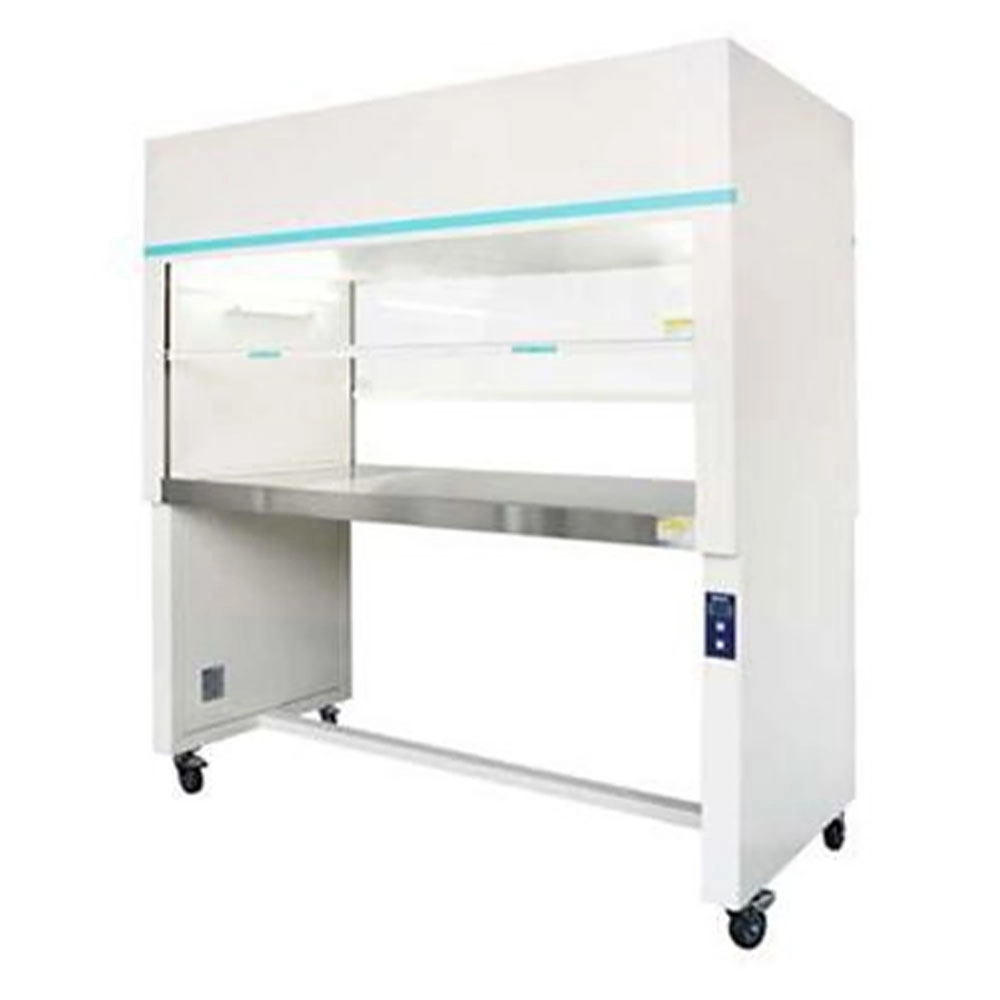
Vertical ventilation models (like MAX LAB New Design Laboratory Vertical Ventilation Clean Bench) protect both samples and users, ideal for pharmaceutical medicine analysis
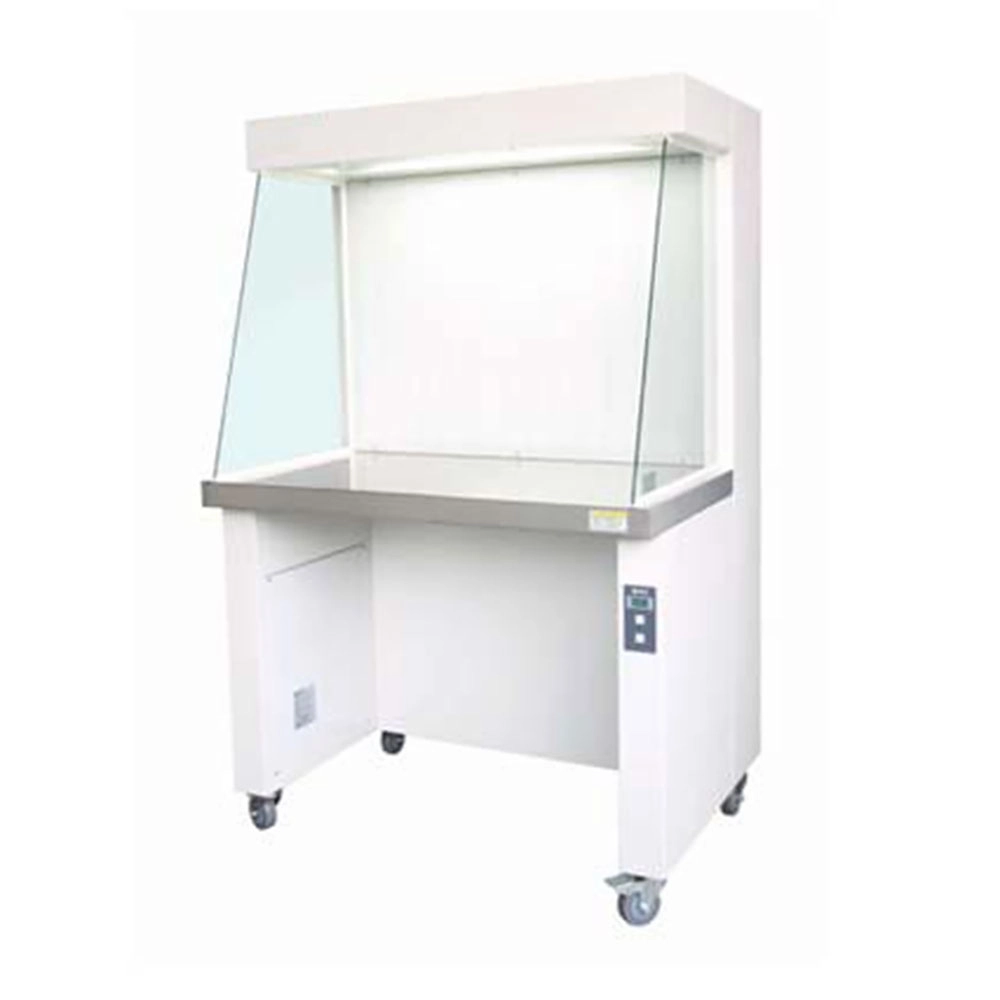
Horizontal ventilation units (such as MAX LAB Laboratory Horizontal Ventilation Clean Bench) offer better protection for sensitive samples in plant tissue culture applications
2. Filtration System Performance
MAX LAB hoods feature:
HEPA filters with ≥99.995% efficiency @0.3μm
ULPA filters with ≥99.999% efficiency @0.12μm
Optional SFGL series filters for specialized applications:
OG: Organic compound removal
AG: Inorganic filtration
FO: Formaldehyde-specific
3. Construction Materials
Choose between:
304/316 Stainless Steel for corrosive environments (acid/alkali resistant)
Epoxy resin electrostatic powder coated steel for durability
MDF/melamine board options for budget-conscious labs
Advanced Features for Modern Laboratories
MAX LAB High Grade Laboratory Clean Benches include innovative options:
Filter saturation alarm systems for maintenance tracking
Seven-inch LCD touch screen controls
Temperature and humidity monitoring
Built-in anemometers verifying air velocity >0.55m/s
Optional water/gas taps and waterproof sockets
Specialized Applications
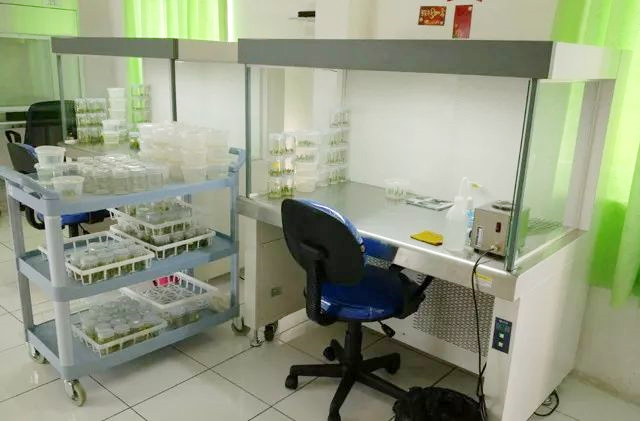
MAX LAB Laminar Air Flow Hood for Mushroom and plant tissue culture features:
Removable work surfaces for easy cleaning
Mushroom laminar flow hood specific designs
Tissue culture laminar flow machine configurations
For Pharmaceutical Use
The Pharmaceutical Medicine Analysis Clean Bench offers:
Anti-microbial surfaces
Corrosion resistant 316 stainless steel construction
GMP standard compliance
Why Choose MAX LAB Laminar Flow Solutions?
CE certification (European Union CE International Standard)
ISO 14644-1 Class 5 compliant
Customizable Options
Sizes from 3ft to 6ft (0.9m to 1.8m)
Modular designs for flexible lab layouts
Mobile cabinet versions available
User-Friendly Features
Easy to install, dismantle, and clean
Ergonomic design reduces user fatigue
Low noise operation (<65dB)
Maintenance and Care
Proper maintenance ensures long service life:
Regular HEPA filter replacement (indicated by filter alarm)
Surface cleaning with non-corrosive cleaners
Annual air velocity verification
For clean room applications, consider MAX LAB Laminar Flow Clean Bench with ULPA Filter for ISO Class 4 (Class 10) conditions.
Upgrade your lab today with MAX LAB High Quality Laboratory Clean Benches - available in vertical and horizontal configurations with custom size options. Contact us for best price quotes on CE certificated laminar flow hoods perfect for plant tissue culture, pharmaceutical, and microbiological applications!
Featured Product:
304 Stainless Steel Laminar Flow Hood Cabinet
Seven-inch touch controls
FAQ
1: Do I need a laminar flow hood or a biosafety cabinet (BSC)?
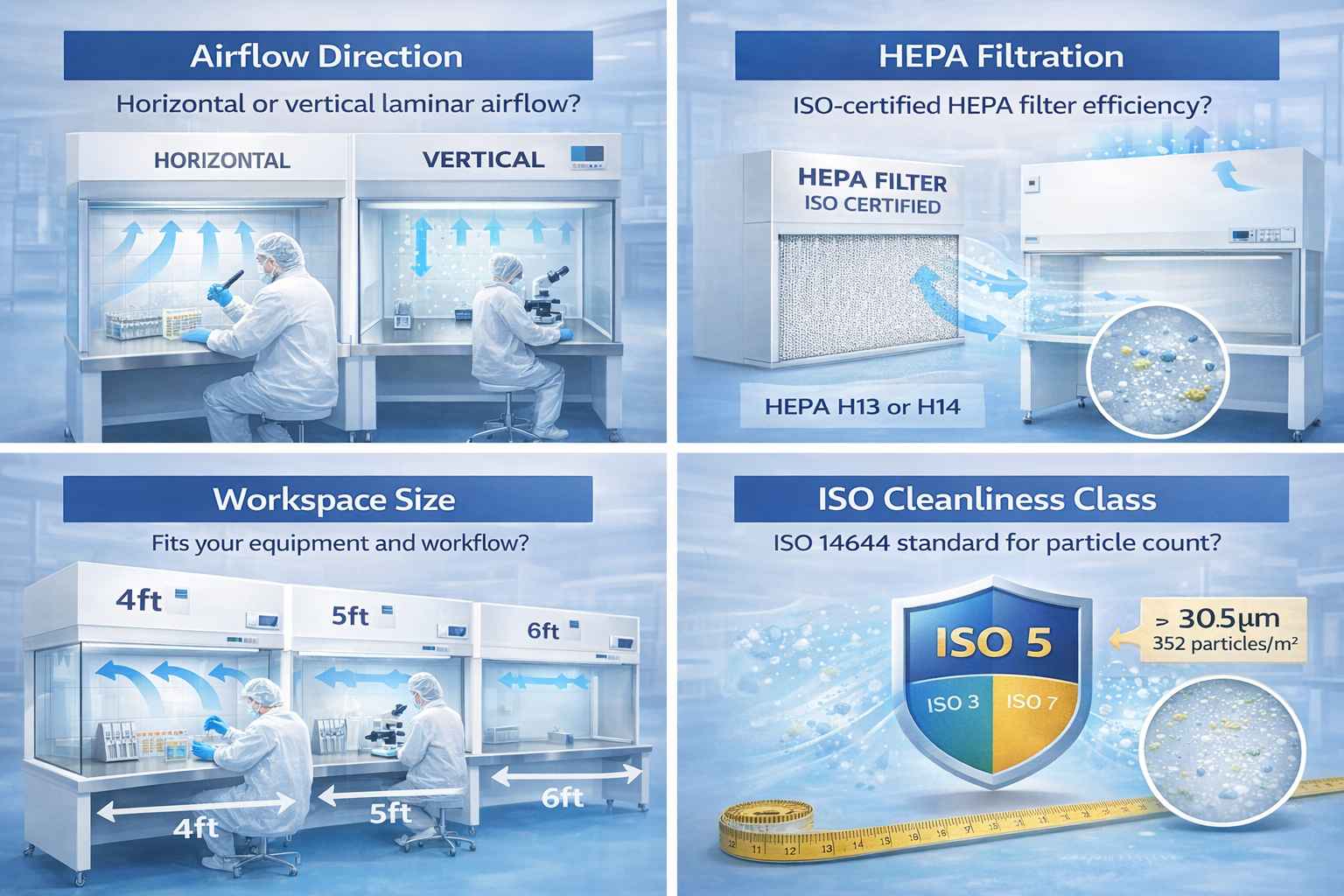
If you only need to protect your sample/product from contamination, choose a laminar flow hood. If you handle biohazards and need to protect the user + environment, you need a biosafety cabinet (BSC).
2: What ISO cleanliness class should a laminar flow hood be?
Most laminar flow hoods are designed to achieve ISO Class 5 at the work zone when properly installed and maintained. Always verify the unit’s test report or certification method and confirm it meets your application requirements.
3: What’s better—horizontal or vertical laminar flow hood?
Vertical laminar flow is often preferred for general sterile workflows because air moves downward and can reduce airflow disruption. Horizontal laminar flow offers an unobstructed work area but blows air toward the operator, so it’s best when user protection is not required and workflow suits that direction.
4: What HEPA filter should I choose for a laminar flow hood (H13 vs H14)?
For stricter cleanliness needs, H14 HEPA is typically chosen because it offers higher filtration efficiency than H13. For many standard clean bench applications, H13 can be sufficient. The right choice depends on your contamination risk and cleanliness target.
5: How do I choose the right size laminar flow hood (4 ft, 5 ft, or 6 ft)?
Choose the size based on: (1) your largest equipment footprint, (2) required working space, and (3) future expansion. A hood that’s too small reduces usability and may compromise clean airflow patterns due to overcrowding.
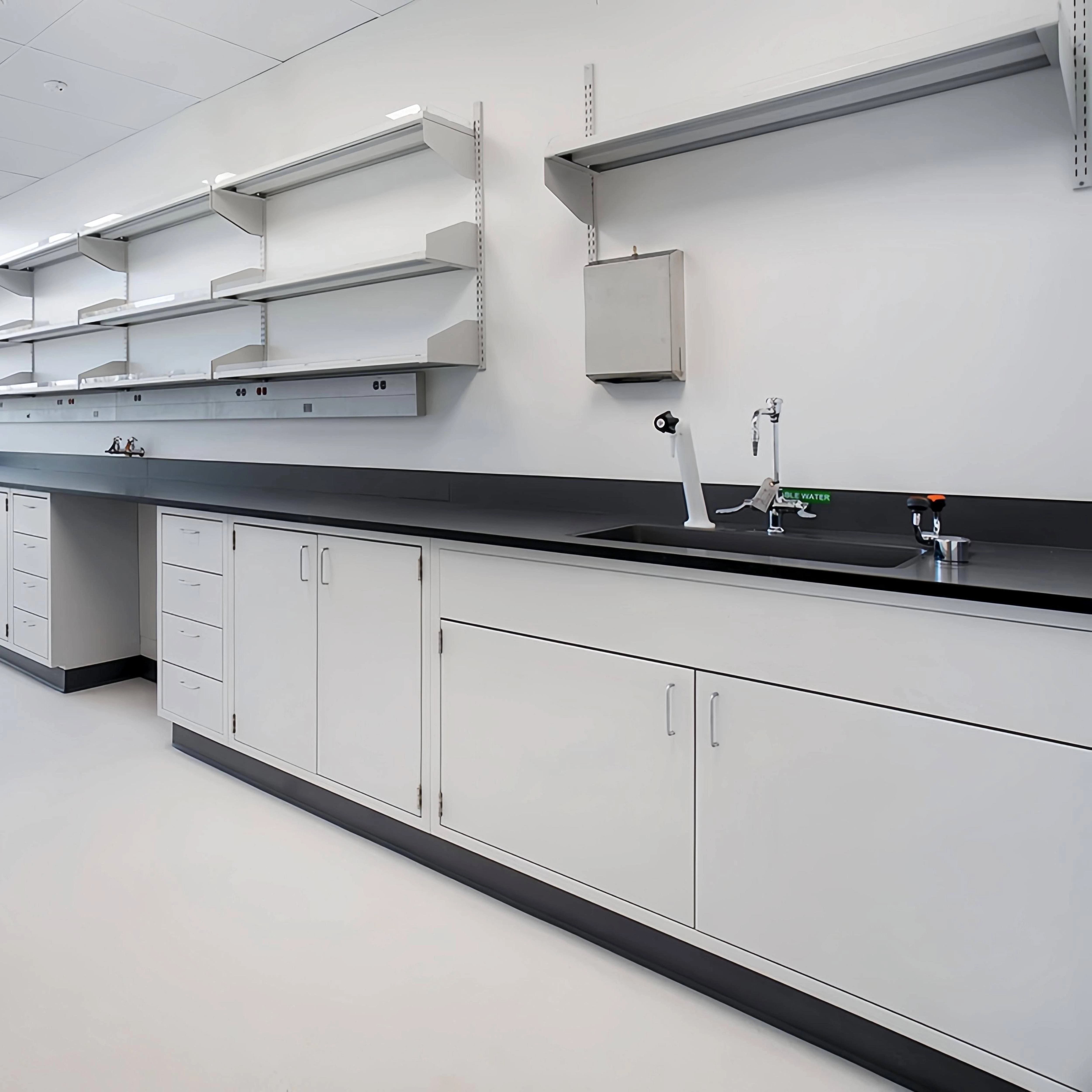
Why We Choose to Be Your Lab Furniture Solution Provider, Not Just a Manufacturer
Max Lab Introduction
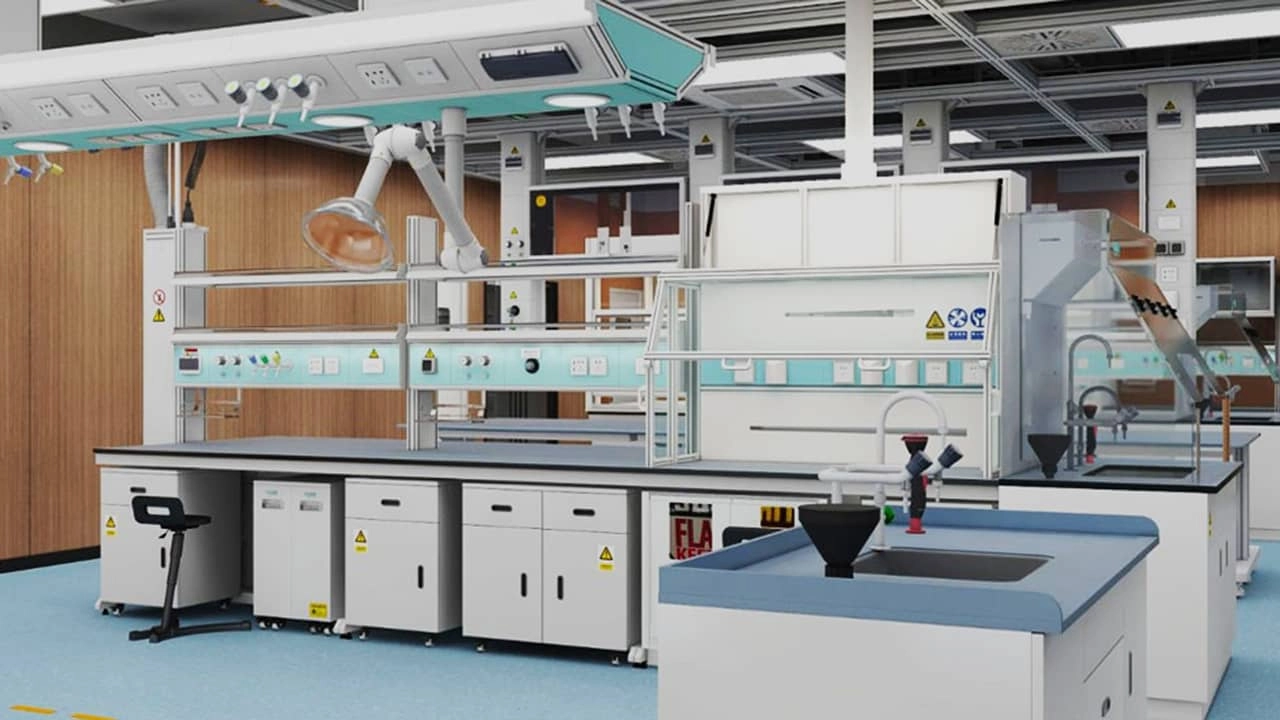
Electronics Lab Bench vs Chemistry Lab Bench: What You Need to Know
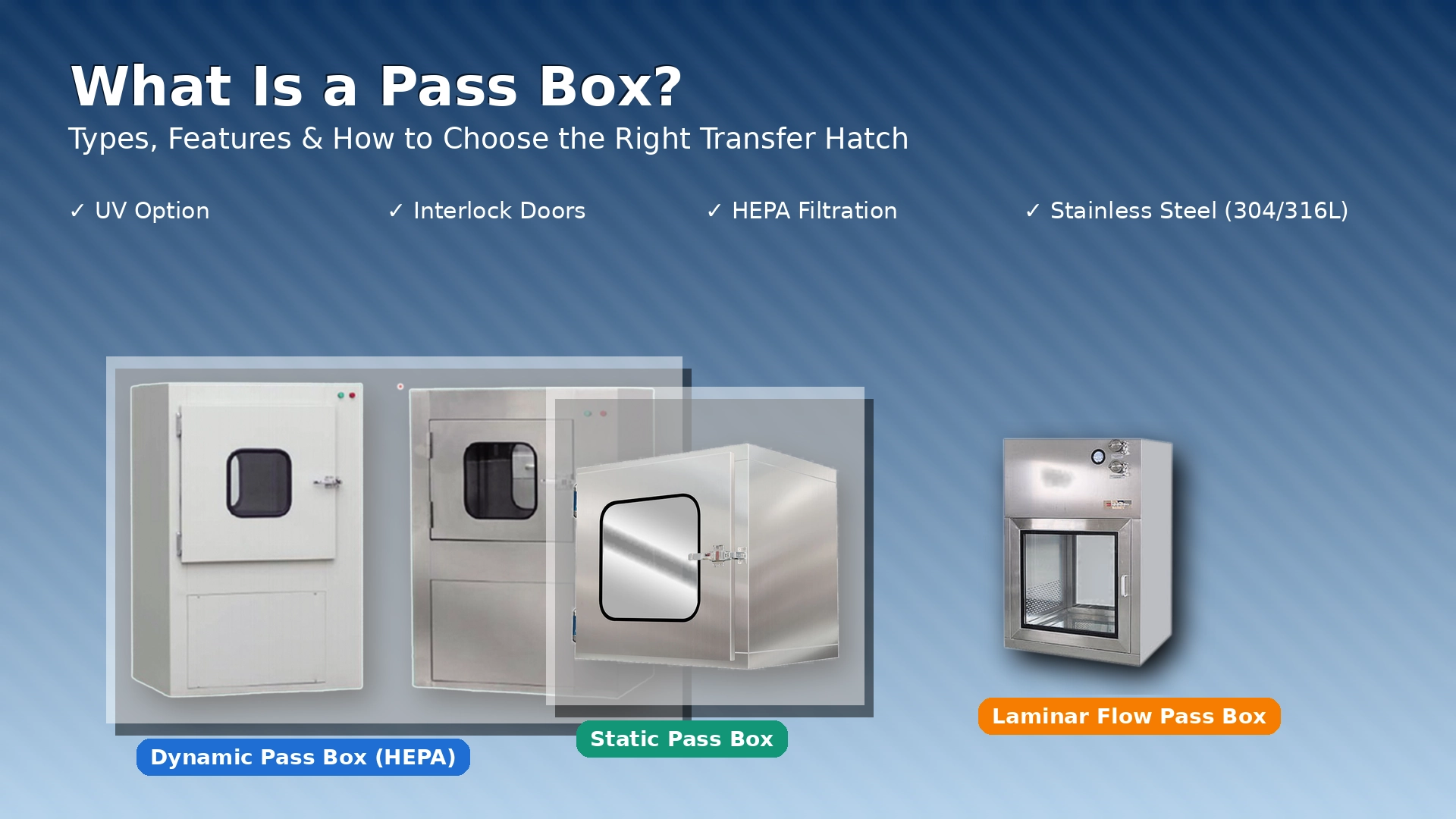
What Is a Pass Box? Types, Features, and How to Choose the Right Transfer Hatch
About Solution
What is the corrosion resistance of the laboratory furniture?
Our products are made of high quality corrosion-resistant materials, such as epoxy resin, PP board and stainless steel, which can resist the erosion of various chemicals and prolong the service life of the products.
Does your laboratory furniture support customization?
Yes, we provide fully customized services including size, material, color and functional design to meet customers' specific needs.
For After-Sales Support
Why choose your company?
We have been engaged in the manufacturing of various packing machines professionally over 15 years, and we can provide better after-sales service.
For Company
What types of companies do you work with?
We have worked with a wide range of companies, from small startups to large, multinational corporations. Our expertise in the laboratory furniture industry enables us to meet the needs of various sectors, including healthcare, research, education, pharmaceuticals, and industrial labs.
For Products
Do you offer ergonomic solutions for lab furniture?
Yes, our laboratory furniture includes ergonomic designs such as height-adjustable lab benches and chairs that reduce strain during long hours of work.
Get in touch with us
If you have any comments or good suggestions, please leave us a message; later our professional staff will contact you as soon as possible.

 Scan QR Code
MaxLabFurniture
MaxLab Furniture
daihongada
Max Laboratory