
Resource
- Understanding the Importance of Chemical Reagent Storage
- Types of Chemical Storage Cabinets
- Key Features to Look for in a Chemical Reagent Storage Cabinet
- Compliance with Regulatory Standards
- Proper Organization and Maintenance
- Conclusion: Choose the Best Storage Solution for Your Chemical Reagents
- FAQ 1: How should chemical reagents be stored in a laboratory?
- FAQ 2: What chemicals must be stored in a flammable storage cabinet?
- FAQ 3: What is the difference between a flammable cabinet and a corrosive cabinet?
- FAQ 4: Can acids and bases be stored together in the same cabinet?
- FAQ 5: How should nitric acid be stored?
- FAQ 6: Should chemical storage cabinets be vented?
- FAQ 7: What is chemical compatibility and why does it matter?
- FAQ 8: What are the most important features in a chemical storage cabinet?
- FAQ 9: How do I organize chemicals inside a storage cabinet?
- FAQ 10: How often should chemical storage cabinets be inspected?
- FAQ 11: What is secondary containment and when is it required?
- FAQ 12: How should toxic or controlled chemicals be stored?
Lab Safety 101 Best Practices for Storing Chemical Reagents
When chemical reagents are stored properly, it not only reduces the risks of leaks, incompatible chemical reactions, and personnel exposure, but also extends shelf life, improves lab management efficiency, and helps your facility comply with safety standards such as OSHA and NFPA.
This article explains the key principles of safe chemical reagent storage, introduces common types of chemical storage cabinets (flammable, corrosive, acid & alkali, and toxic/hazardous material cabinets), and highlights the must-have features to consider when selecting the right solution—ventilation, locking mechanisms, spill containment, corrosion-resistant materials, and adjustable shelving. It also provides practical tips for organization and routine maintenance to help your lab build a safer, more compliant, and more efficient chemical storage system.
When working with chemical reagents in any laboratory or industrial setting, ensuring the correct storage of these materials is crucial for safety, compliance, and efficiency. Proper storage minimizes risk, prevents accidents, and extends the shelf life of chemicals. In this article, we’ll provide a detailed guide on the best practices for choosing and using chemical reagent storage cabinets, along with recommendations for products that offer optimal safety and performance.
Understanding the Importance of Chemical Reagent Storage
Chemicals used in laboratories can range from highly volatile solvents to more stable compounds, but regardless of the substance, they all require safe and organized storage. Incorrect handling or improper storage can lead to contamination, spills, or dangerous chemical reactions. Additionally, proper storage is essential for compliance with local, national, and international safety standards, such as OSHA (Occupational Safety and Health Administration) or NFPA (National Fire Protection Association) guidelines.
Types of Chemical Storage Cabinets
There are various types of storage cabinets designed to meet the needs of different types of chemicals. The following are some of the most common types:
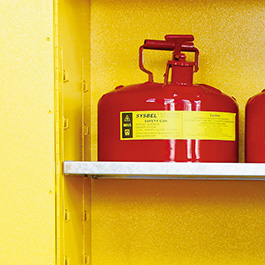
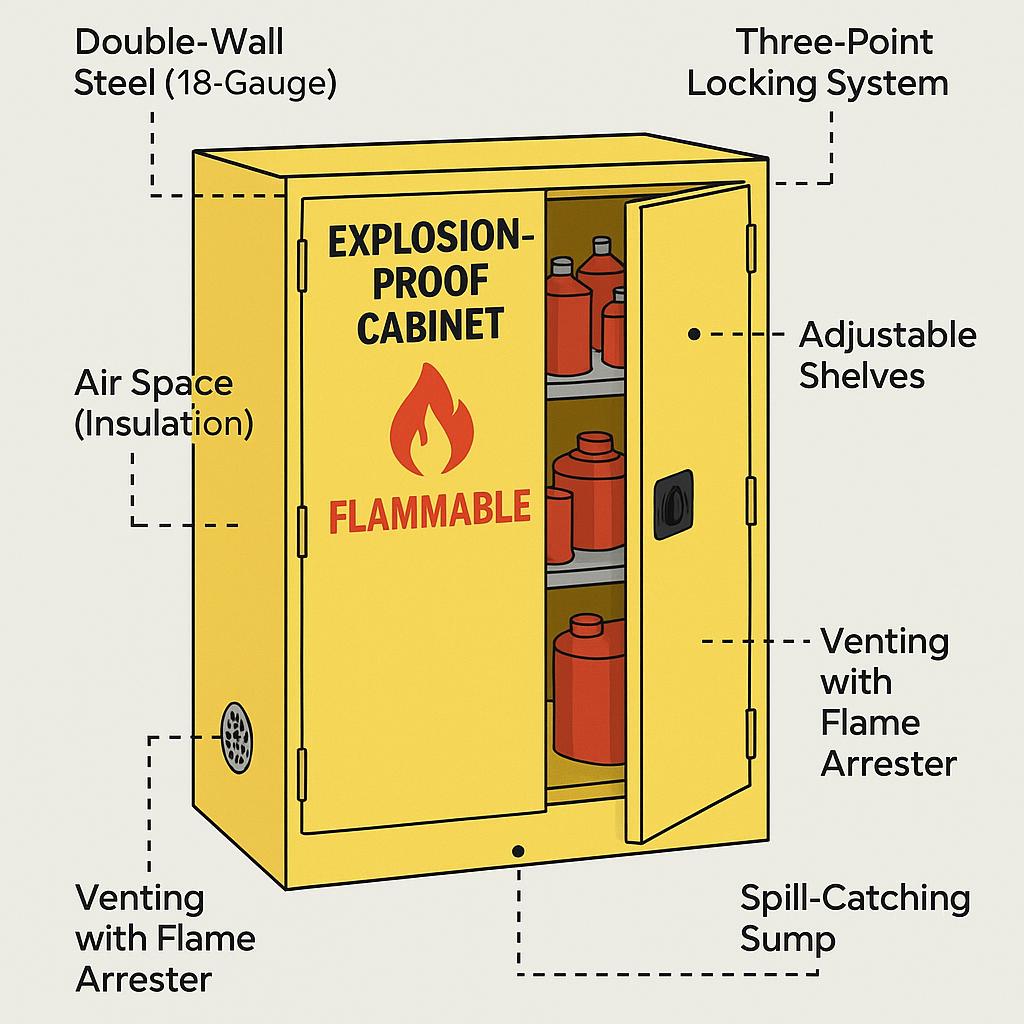
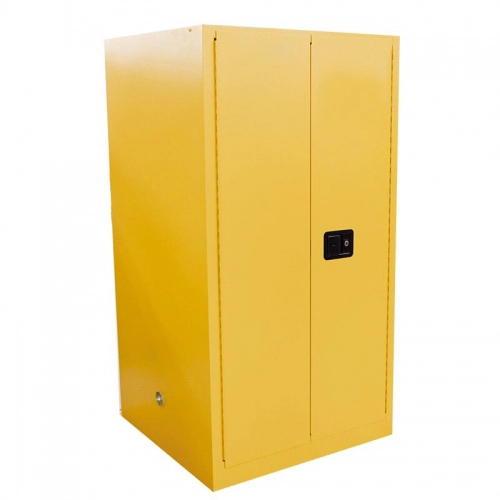
Flammable Storage Cabinets: These cabinets are designed to store flammable liquids safely. They typically feature double-walled construction with fire-resistant materials, self-closing doors, and vents to prevent the buildup of dangerous vapors.
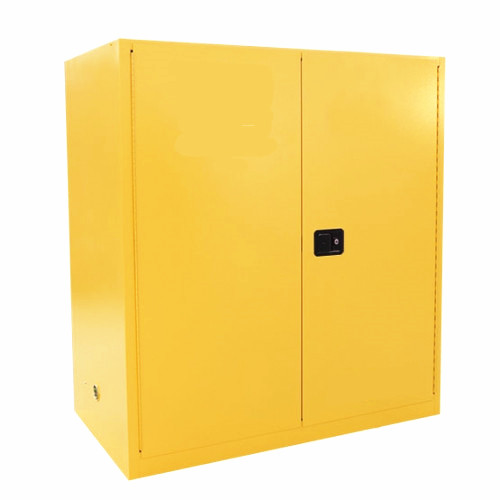
Corrosive Storage Cabinets: Used for storing chemicals that may damage other materials or cause harm to personnel. These cabinets are often constructed from materials like polyethylene or fiberglass that are resistant to acid and alkali substances.
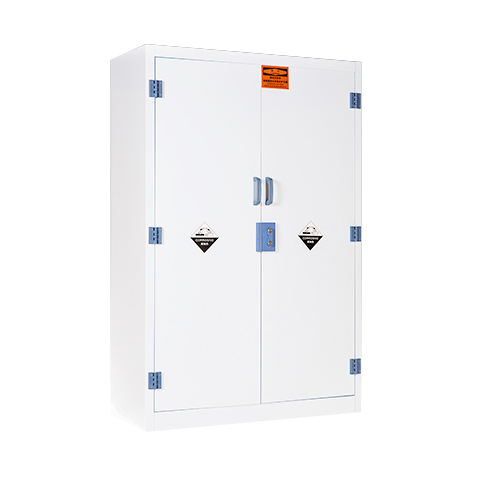
Acid & Alkali Storage Cabinets: A specialized subcategory of corrosive storage, these cabinets are designed to contain acids and bases safely. They typically include spill containment features and corrosion-resistant shelving.
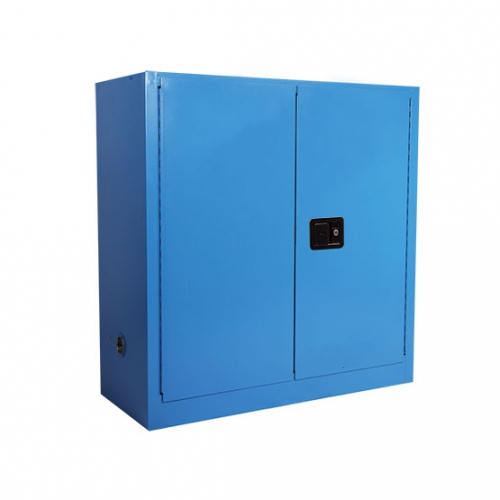
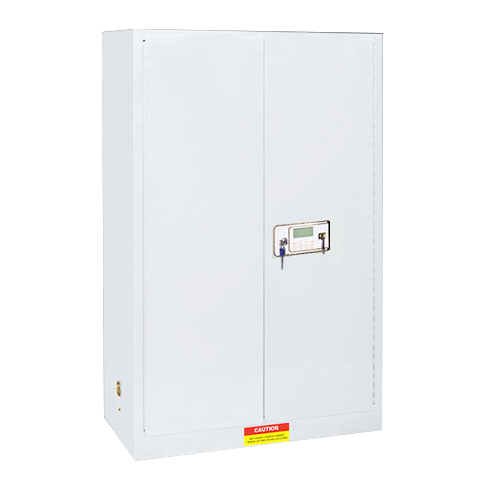
Hazardous Material Cabinets: For storing chemicals that pose other types of hazards, such as toxic substances, poisons, or reactive materials. These cabinets are often equipped with secure locks and ventilated spaces to manage fumes.
Key Features to Look for in a Chemical Reagent Storage Cabinet
When selecting the ideal chemical reagent storage cabinet for your needs, it's essential to prioritize both safety and functionality. Here are some of the key features to look for:
Ventilation Systems: Proper ventilation is critical for preventing the accumulation of toxic fumes. Many cabinets are equipped with vents or fan systems that allow air to circulate, reducing the risk of chemical inhalation.
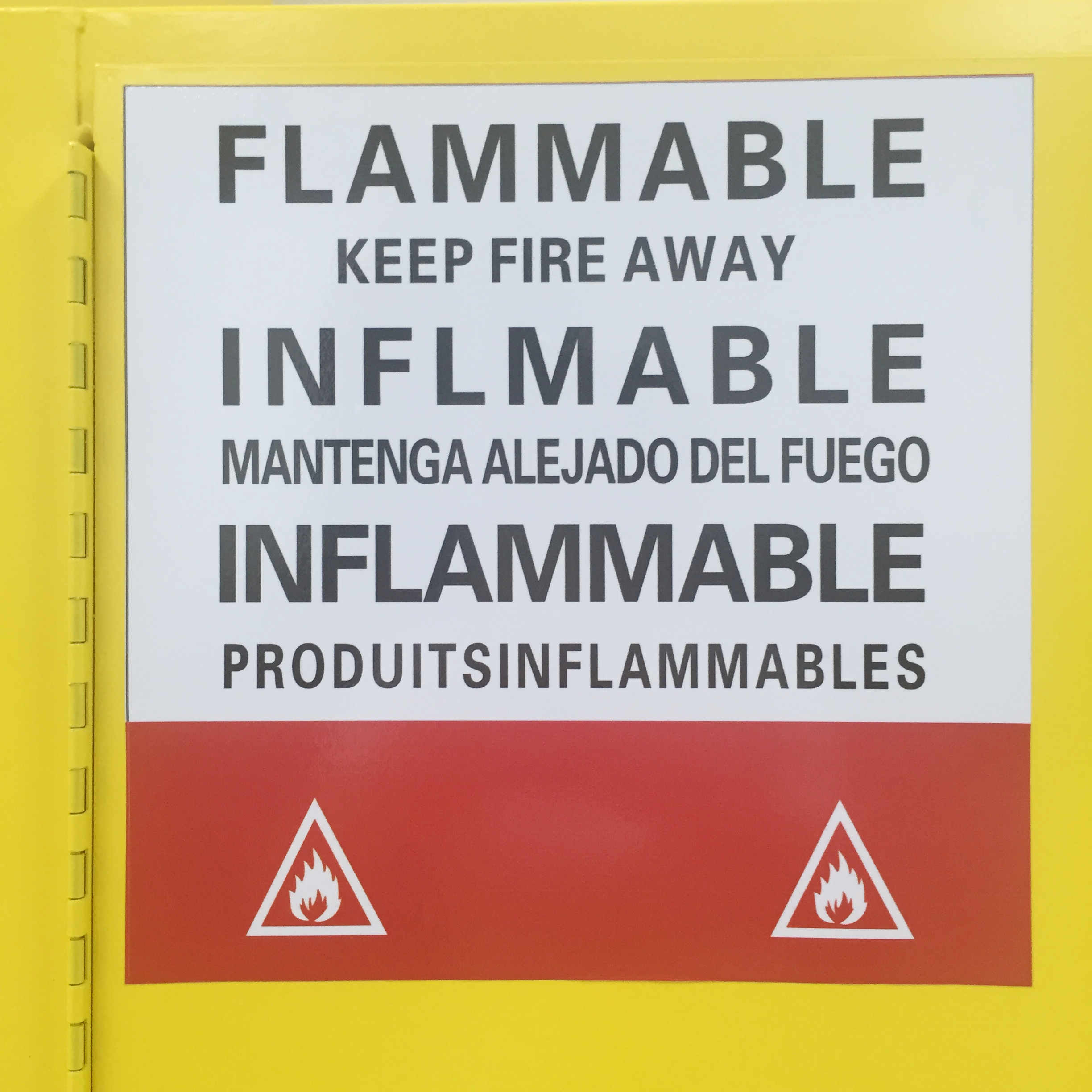
Safety Signage: Clearly labeled warning signs and hazard symbols should be displayed on the cabinet. This helps to ensure that all personnel are aware of the risks associated with the chemicals stored inside.
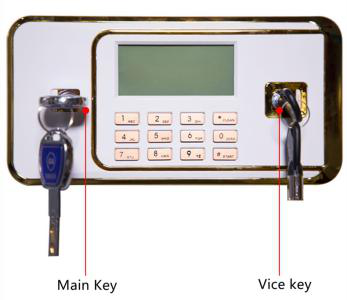
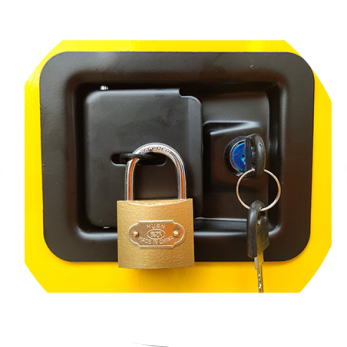
Locking Mechanisms: For hazardous chemicals, especially those considered controlled substances, security is vital. Look for cabinets with built-in locks to prevent unauthorized access.
Spill Containment: In the event of a leak or spill, cabinets should feature a spill containment system, such as trays or secondary containment basins, to prevent chemical leakage and minimize exposure.
Adjustable Shelving: Chemical reagents come in different sizes and packaging. Adjustable shelves allow for customization based on the size of containers, improving both organization and space efficiency.
Durability and Construction Materials: Depending on the type of chemicals stored, cabinets must be made from materials resistant to corrosion, heat, or impact. Choose cabinets that are designed to withstand the harsh conditions of chemical environments.

Compliance with Regulatory Standards
Regulations such as OSHA, EPA (Environmental Protection Agency), and NFPA set forth guidelines for the safe storage of chemicals. When selecting a storage cabinet, ensure that it complies with relevant safety standards. This helps to avoid legal issues and ensures that your workplace maintains high safety standards.
Additionally, certain chemicals may require specific storage conditions, such as temperature control or special containment features. Familiarize yourself with these requirements and select a storage solution that is tailored to meet them.
Proper Organization and Maintenance
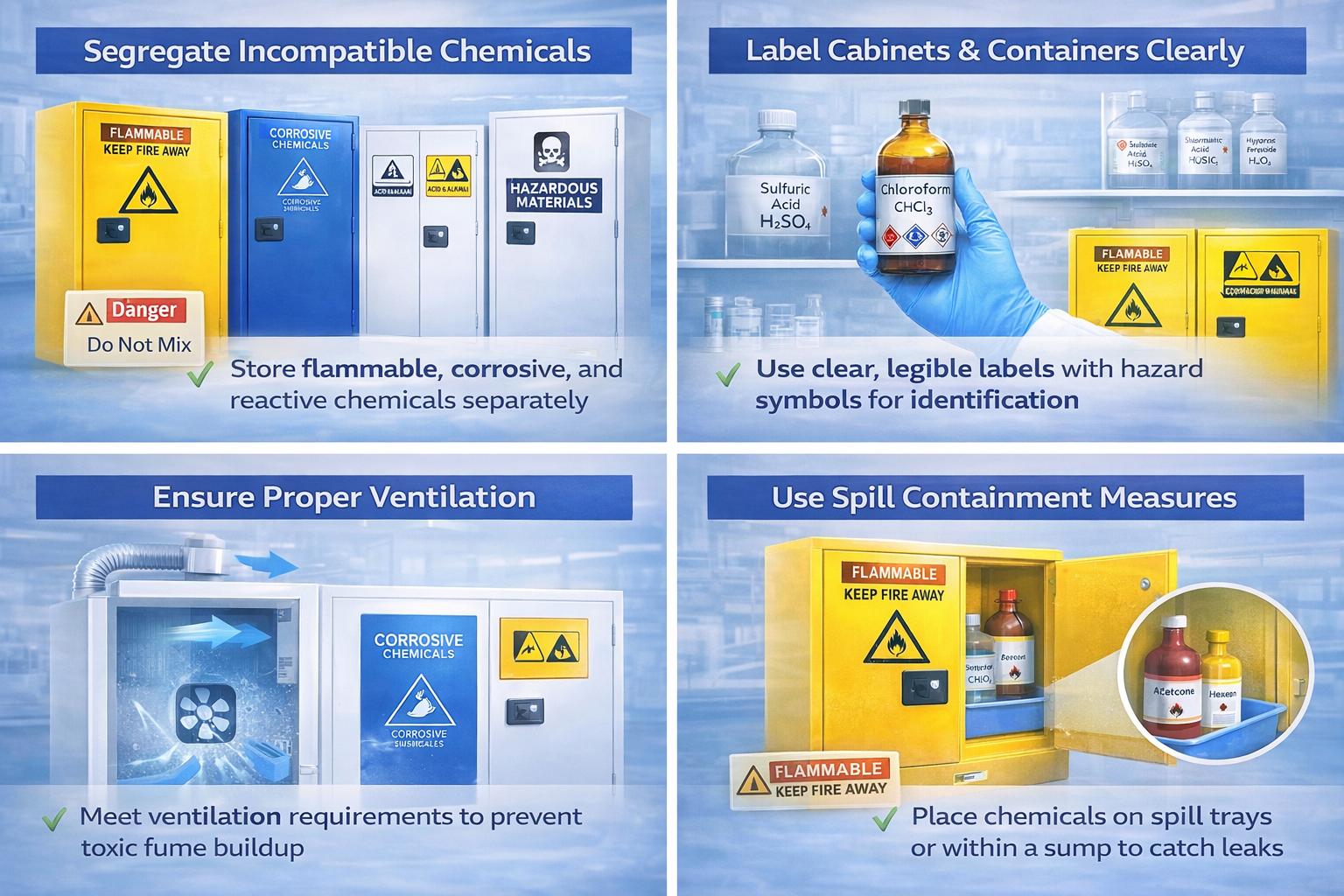
Organizing chemical reagents properly within a storage cabinet is just as important as choosing the right cabinet. Label all containers clearly with the chemical name, concentration, and hazard warnings. Group chemicals according to their properties, such as flammability or reactivity, to reduce the risk of accidents.
Maintenance is also vital for prolonging the lifespan of your storage cabinets. Regularly check for signs of wear or damage, clean the cabinets, and replace any expired or unused chemicals.
Conclusion: Choose the Best Storage Solution for Your Chemical Reagents
Proper chemical storage is critical to maintaining a safe working environment and ensuring regulatory compliance. By selecting the right chemical reagent storage cabinet, you can reduce the risk of accidents, improve efficiency, and protect your staff and the environment.
At MAX LAB, we provide a wide range of high-quality chemical storage solutions designed to meet industry standards and keep your lab or workplace safe. Our durable and reliable cabinets come equipped with the latest safety features, ensuring that your chemicals are stored securely and efficiently. Contact us today to find the perfect storage solution for your needs.
FAQ 1: How should chemical reagents be stored in a laboratory?
Store reagents in compatible groups (flammables, acids, bases, oxidizers, toxics) in the correct cabinet type, keep containers tightly closed and clearly labeled, and use secondary spill containment to reduce leaks and cross-contamination.
FAQ 2: What chemicals must be stored in a flammable storage cabinet?
Flammable and combustible liquids (e.g., many solvents) should be stored in a flammable storage cabinet to reduce fire risk and limit vapor exposure. Always follow your facility policy and applicable safety standards.
FAQ 3: What is the difference between a flammable cabinet and a corrosive cabinet?
A flammable cabinet is designed to reduce fire risk and contain flammable vapors, while a corrosive cabinet is made from corrosion-resistant materials (often polyethylene or coated steel) to safely store acids/bases and prevent cabinet damage.
FAQ 4: Can acids and bases be stored together in the same cabinet?
In most cases, acids and bases should be stored separately to prevent dangerous reactions if a leak occurs. Many labs use dedicated acid cabinets and dedicated alkali/base cabinets, or separate compartments with secondary containment.
FAQ 5: How should nitric acid be stored?
Nitric acid is a strong oxidizing acid and often requires segregation from organic acids, solvents, and other incompatible materials. Use corrosion-resistant storage and follow compatibility guidance from the SDS and your safety program.
FAQ 6: Should chemical storage cabinets be vented?
Not always. Venting depends on what you store, your room ventilation, and local codes/policies. If vented, it must be done correctly (e.g., to an approved exhaust system) to avoid reducing cabinet performance or spreading vapors.
FAQ 7: What is chemical compatibility and why does it matter?
Chemical compatibility means storing substances that won’t react dangerously if they mix due to a spill or leak. Proper segregation reduces risks such as heat generation, toxic gas release, and fires.
FAQ 8: What are the most important features in a chemical storage cabinet?
Key features include clear hazard labeling, secure locking, spill containment (sump or trays), corrosion-resistant construction for acids/bases, adjustable shelving, and optional ventilation provisions when required.
FAQ 9: How do I organize chemicals inside a storage cabinet?
Label everything clearly, store by hazard class and compatibility (not alphabetically), keep heavier containers on lower shelves, and use secondary trays for liquids. Keep an updated inventory to reduce overstocking and expired chemicals.
FAQ 10: How often should chemical storage cabinets be inspected?
A common best practice is to inspect cabinets regularly (e.g., monthly) for corrosion, damaged shelves, leaks, missing labels, and door/lock function. Also review inventory periodically and remove expired or unknown materials.
FAQ 11: What is secondary containment and when is it required?
Secondary containment is a tray or sump that captures spills if a container leaks. It’s strongly recommended for liquids (especially corrosives and toxics) and often required by internal EHS policies or specific regulations.
FAQ 12: How should toxic or controlled chemicals be stored?
Use a hazardous/toxic materials cabinet with a lock, restrict access to authorized personnel, keep clear signage, and follow SDS handling requirements and any controlled-substance policies in your facility.
Why We Choose to Be Your Lab Furniture Solution Provider, Not Just a Manufacturer
Max Lab Introduction
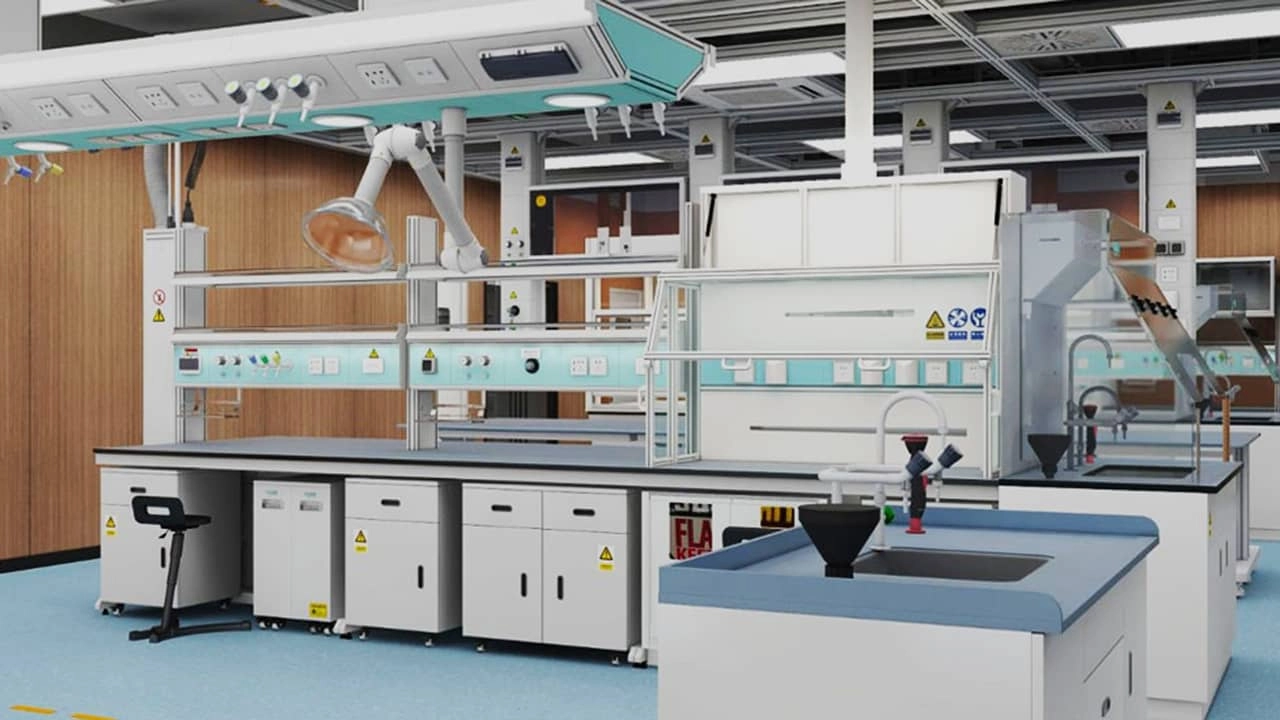
Electronics Lab Bench vs Chemistry Lab Bench: What You Need to Know
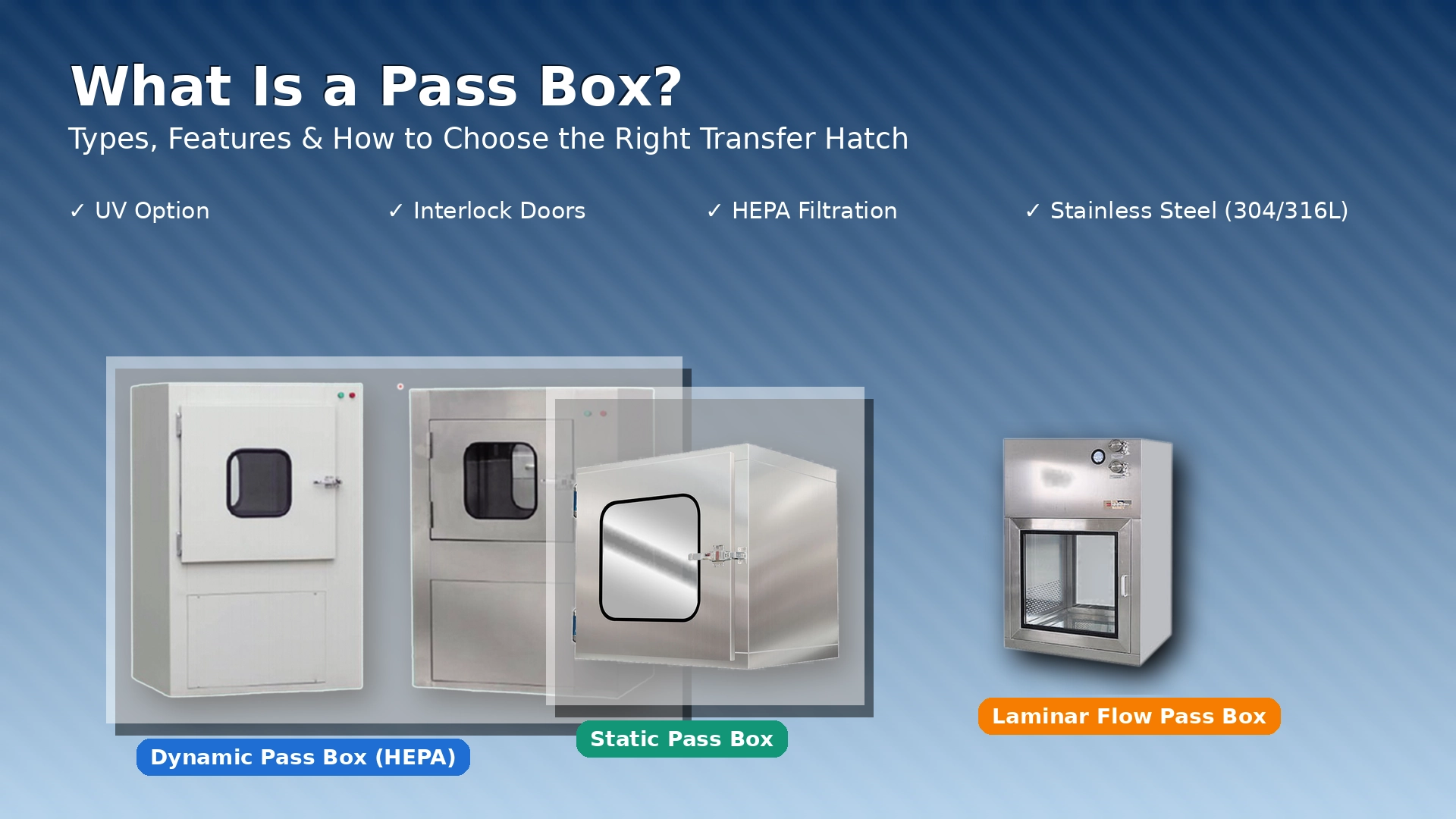
What Is a Pass Box? Types, Features, and How to Choose the Right Transfer Hatch
For Customization
Do you offer custom branding for laboratory furniture?
Yes, we can incorporate custom logos, colors, and branding into your lab furniture to make it unique to your organization.
For Logistics
Do you handle customs clearance for international shipments?
Of course, if you need it, we will handle the customs clearance of international shipments for our customers to ensure that your laboratory furniture arrives on time.
How are shipping costs calculated?
Shipping costs are calculated based on the size, weight, and destination of your order. We provide a detailed shipping quote during the ordering process.
How can I track my shipment?
Once your order has been shipped, we will provide tracking information so you can monitor the status of your delivery.
About Solution
Does your laboratory furniture support customization?
Yes, we provide fully customized services including size, material, color and functional design to meet customers' specific needs.

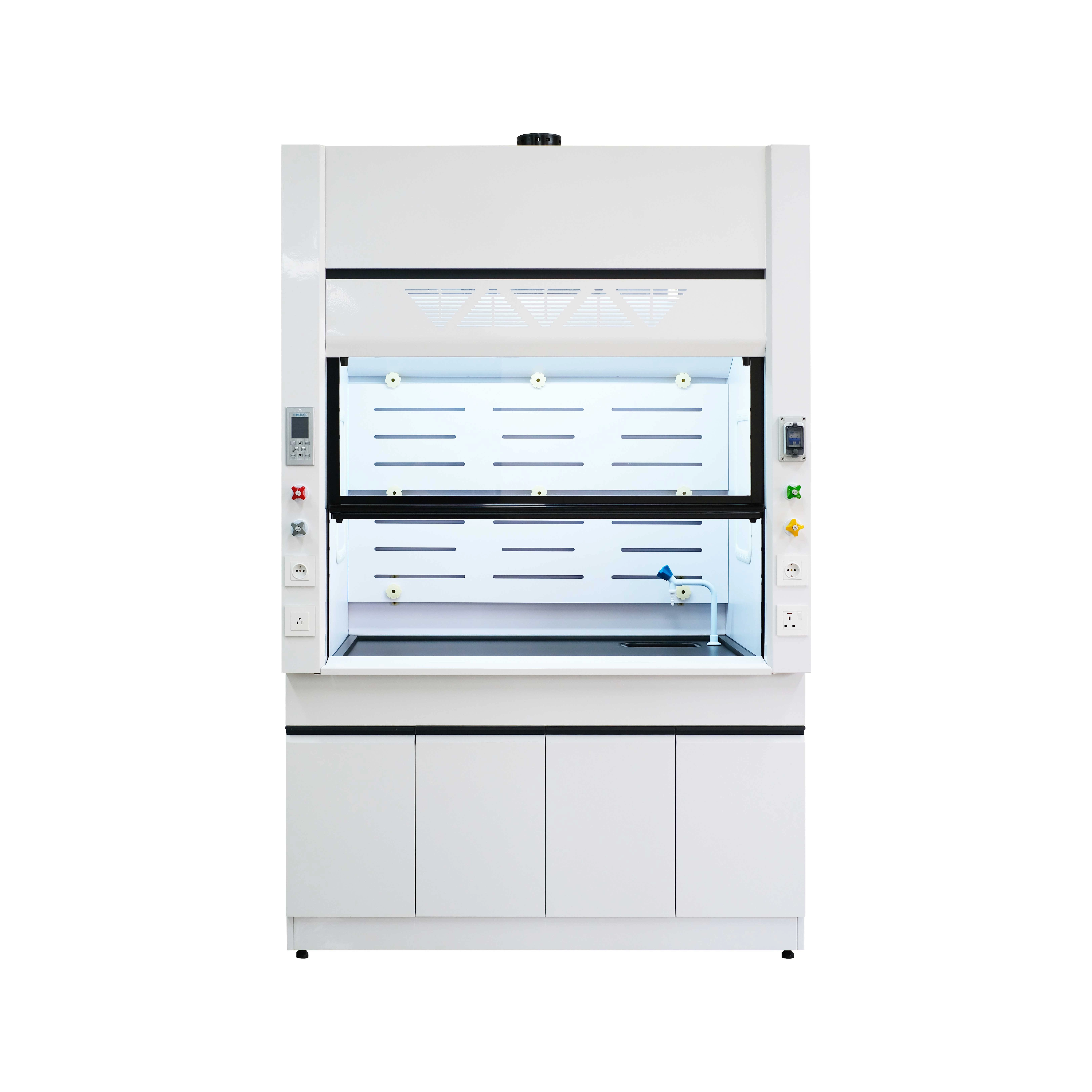
Get in touch with us
If you have any comments or good suggestions, please leave us a message; later our professional staff will contact you as soon as possible.

 Scan QR Code
MaxLabFurniture
MaxLab Furniture
daihongada
Max Laboratory