
Resource
- Why Lab Furniture Design Matters
- Key Considerations in Lab Furniture Design
- 1. Space Planning and Layout
- 2. Material Selection
- 3. Ergonomics and Comfort
- 4. Safety Features
- 5. Customization and Flexibility
- Trends in Lab Furniture Design
- 1. Smart Lab Furniture
- 2. Sustainable Materials
- 3. Minimalist and Clean Designs
- 4. Collaborative Spaces
- Conclusion
How to Design Lab Furniture for Optimal Safety & Workflow Efficiency
As a leading supplier of laboratory furniture and equipment, we understand that lab furniture design is critical to the success of any laboratory. It's not just about aesthetics; the right design enhances productivity, safety, and comfort. Whether you're setting up a new lab or upgrading an existing one, thoughtful lab furniture design can transform how your team works. In this article, we’ll explore why laboratory furniture design is so important, key considerations for choosing the right pieces, and the latest trends shaping modern lab spaces.
Why Lab Furniture Design Matters
The design of laboratory furniture directly impacts the functionality, safety, and overall efficiency of the lab. Well-planned lab furniture offers numerous benefits, including:
Efficiency and Organization: Properly designed laboratory benches ensure that tools and equipment are organized and easily accessible. This improves workflow, reduces time spent searching for materials, and boosts productivity.
Safety: Labs handle potentially hazardous materials, so Fume hood systems, for example, are designed to contain harmful fumes and vapors, ensuring a safe working environment.
Comfort and Ergonomics: Lab benches, adjustable lab work benches, and ergonomic laboratory tables are essential for researcher comfort. Ergonomically designed furniture, such as height-adjustable lab tables and chairs, reduces physical strain during long hours of research.
Durability and Easy Maintenance: Laboratory furniture is subject to constant use and exposure to chemicals, so choosing durable materials like stainless steel or chemical-resistant laminates is crucial. This ensures the longevity of your laboratory benches and fume hood laboratory units, while simplifying maintenance.
Compliance with Regulations: Laboratories must meet strict regulatory standards, and laboratory furniture must be compliant with safety and operational guidelines. This includes the proper installation of chemical laboratory fume hoods to ensure regulatory compliance.
Key Considerations in Lab Furniture Design
When designing or upgrading a laboratory, several important factors must be considered to ensure the furniture supports the lab’s workflow and safety needs:
1. Space Planning and Layout
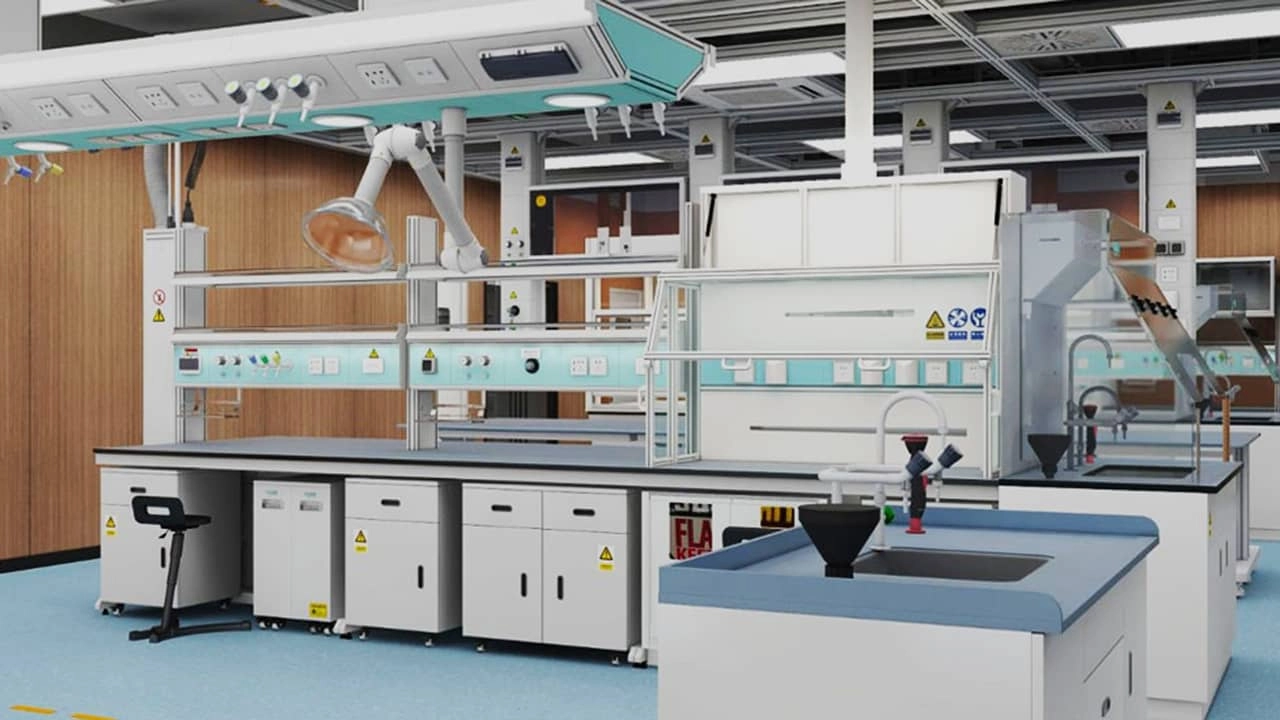
Effective space planning is the foundation of any successful laboratory furniture design. Whether you are designing a laboratory in a container or a larger facility, it's essential to optimize the layout for efficiency. Modular furniture systems offer flexibility, allowing you to rearrange or expand the space as the lab’s needs evolve. Positioning fume hoods and laboratory benches in the correct layout helps reduce unnecessary movement, improving overall productivity.
2. Material Selection
The materials used in lab furniture design must be durable and resistant to chemicals, heat, and wear. For instance:
· Stainless Steel: Ideal for fume hoods, laboratory benches, and lab workbenches, stainless steel is resistant to corrosion and easy to clean.
· Chemical-Resistant Laminates: Perfect for lab tables and fume hood cupboards, these materials withstand exposure to harsh chemicals, ensuring safety and longevity.
· Phenolic Resin: Known for its chemical resistance, phenolic resin countertops are ideal for labs handling volatile substances.
3. Ergonomics and Comfort
Ergonomically designed laboratory benches are essential for preventing strain and promoting comfort during long hours of research. Adjustable height lab tables and lab bench furniture ensure that users can tailor their workspace to meet their needs, improving both productivity and well-being. Ergonomic lab stools or chairs also play a significant role in maintaining posture and reducing physical fatigue.
4. Safety Features
When it comes to safety, integrating essential features into laboratory furniture is a top priority. Key safety features to consider include:
· Flammable Safety Cabinet: Safe storage for chemicals and hazardous substances. These cabinets often come with fire-resistant properties to reduce the risk of accidents.
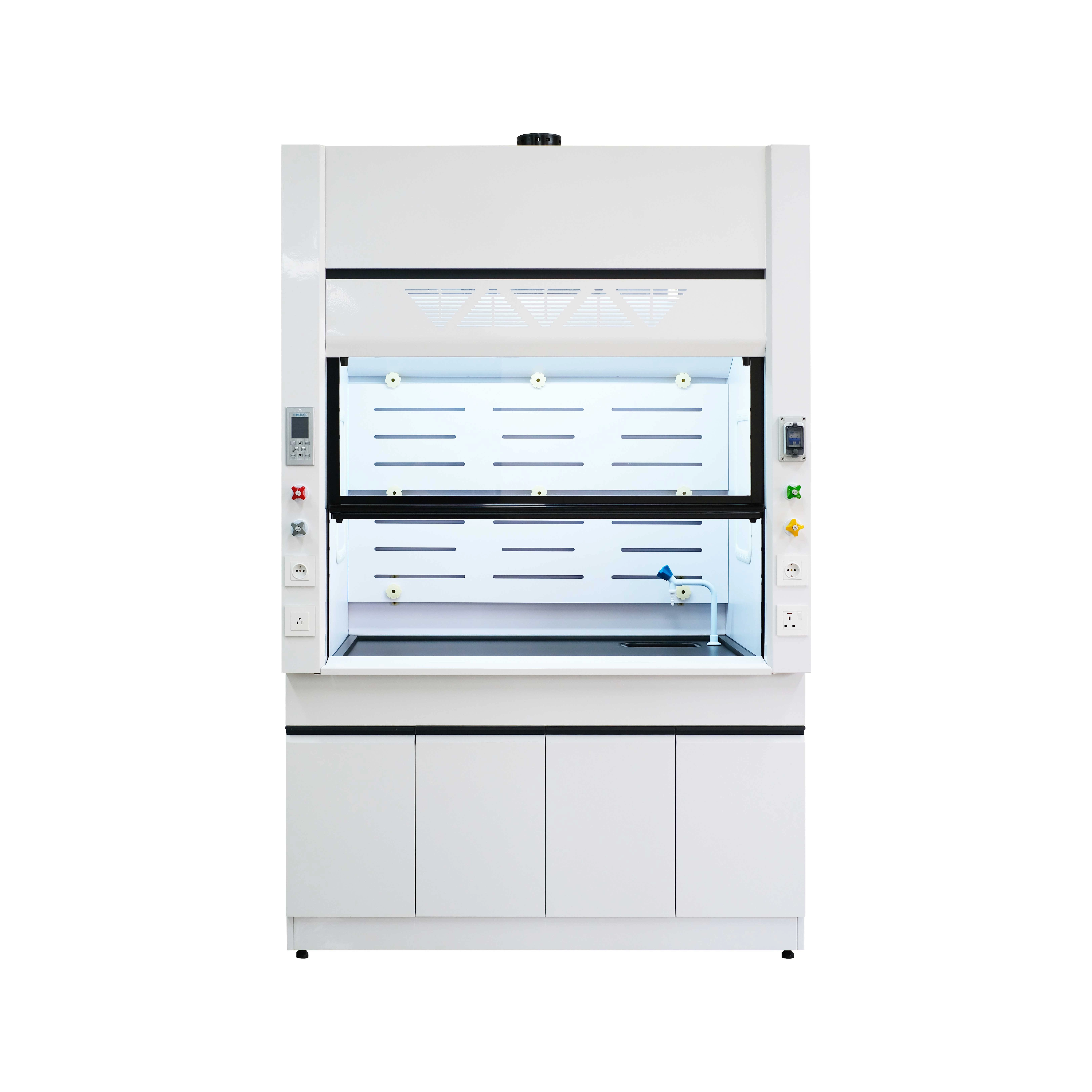
· Fume Hoods: Critical for labs working with volatile chemicals or harmful fumes. Chemical fume hoods help contain toxic gases and vapors, protecting lab workers and improving air quality.
· Anti-Static Workbenches: Essential for electronics or bio-labs, anti-static workbenches prevent damage to sensitive equipment from static electricity.
5. Customization and Flexibility
One of the key advantages of modern laboratory furniture is the ability to customize and adapt the design. Whether you’re setting up laboratory benches in a small research lab or designing a large laboratory in a container, modular furniture and adjustable lab benches provide the flexibility needed to meet changing demands. Customization can include adjustable shelving, integrated storage, and built-in power outlets for easy access to electrical connections.
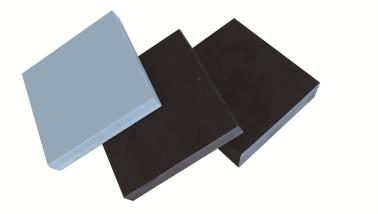
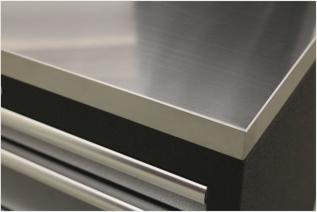
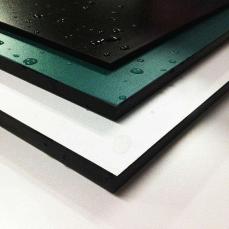
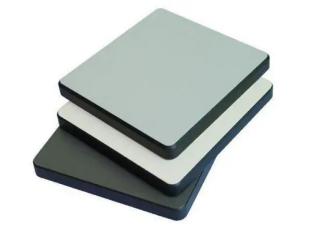
Image courtesy of MAX LAB
Trends in Lab Furniture Design
As laboratory needs evolve, design trends are constantly changing. Some of the latest trends in laboratory furniture design include:
1. Smart Lab Furniture
Smart technology is increasingly being integrated into laboratory furniture. Features like smart fume hoods and adjustable lab tables with built-in power outlets and USB ports make the lab more efficient. Some smart fume hoods are equipped with sensors that automatically adjust ventilation to ensure a safer environment.
2. Sustainable Materials
Sustainability is a growing concern in many industries, including laboratory design. Using eco-friendly materials, such as recycled metals, sustainable wood, and non-toxic finishes, reduces a lab’s environmental footprint while promoting a healthier work environment. Many labs are opting for sustainable laboratory furniture solutions, including eco-friendly chemical fume hoods made from recycled materials.
3. Minimalist and Clean Designs
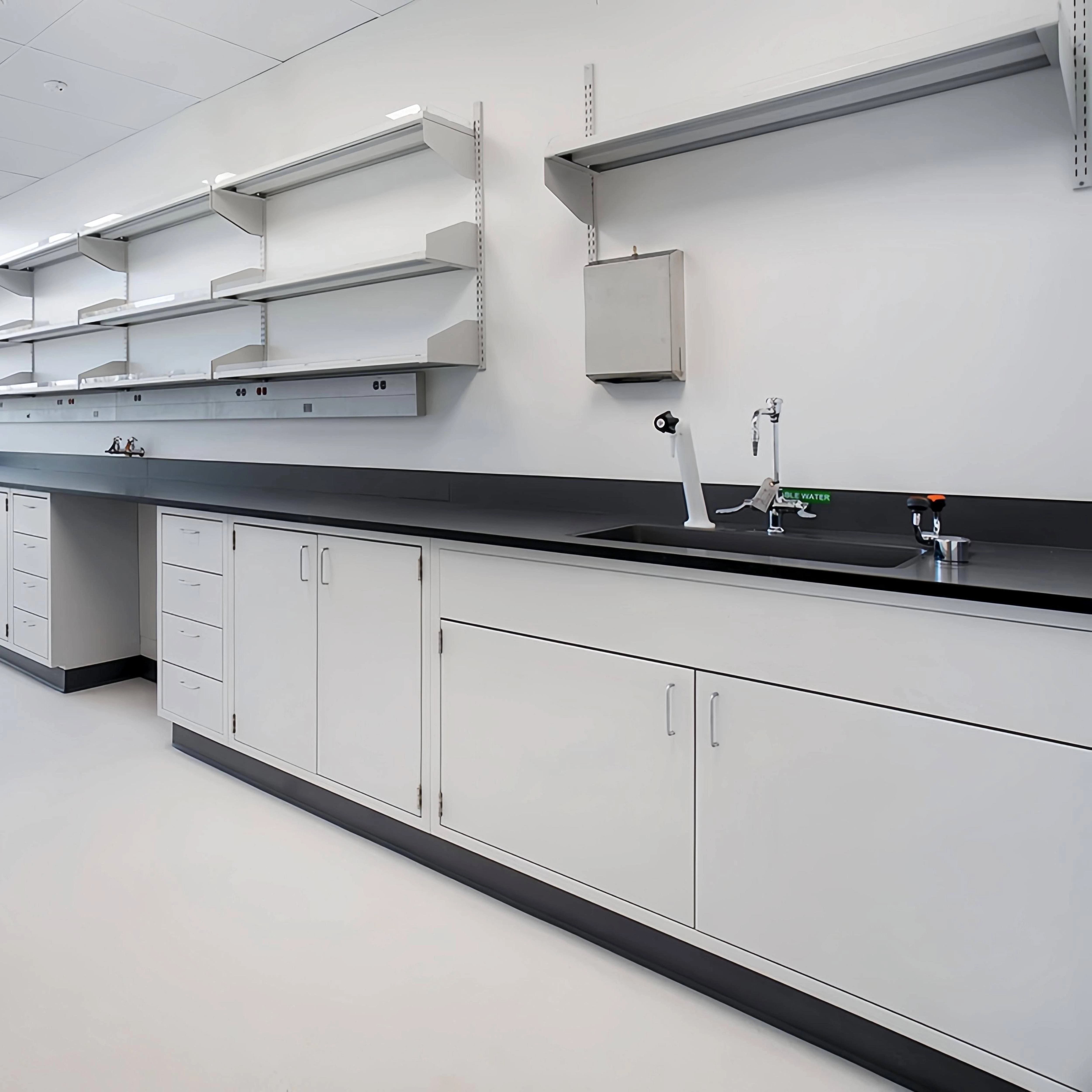
Modern laboratory furniture trends favor minimalist designs with clean lines and integrated storage. This approach reduces visual clutter and promotes a more organized, efficient workspace. Open shelving and modular storage systems are becoming more popular as they help optimize space and keep the lab environment clean.
4. Collaborative Spaces
As labs become more team-oriented, laboratory furniture is designed to facilitate collaboration. Modular lab workbenches encourage teamwork, allowing for flexible work spaces that can be reconfigured as needed. Whether you're working with a small team or a large research group, these adaptable designs improve workflow and communication.
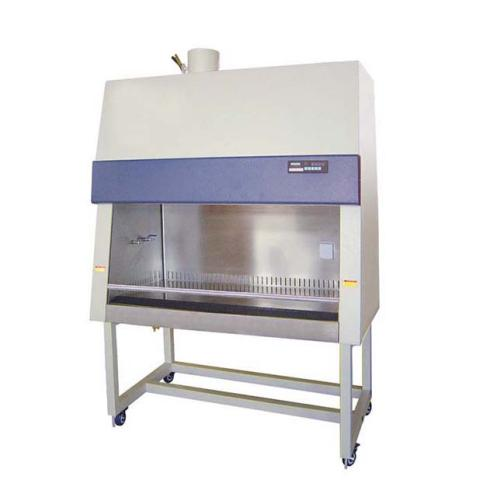
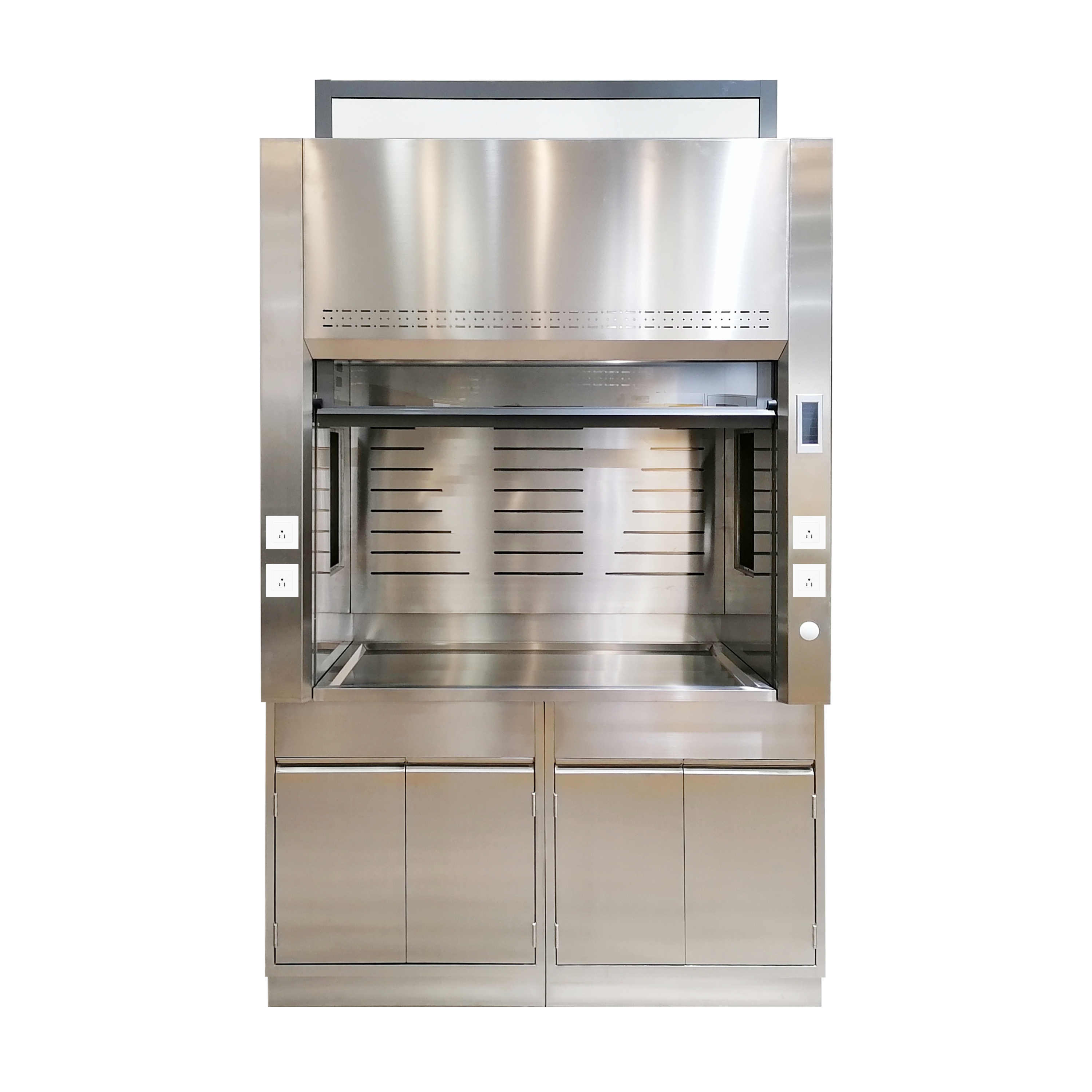
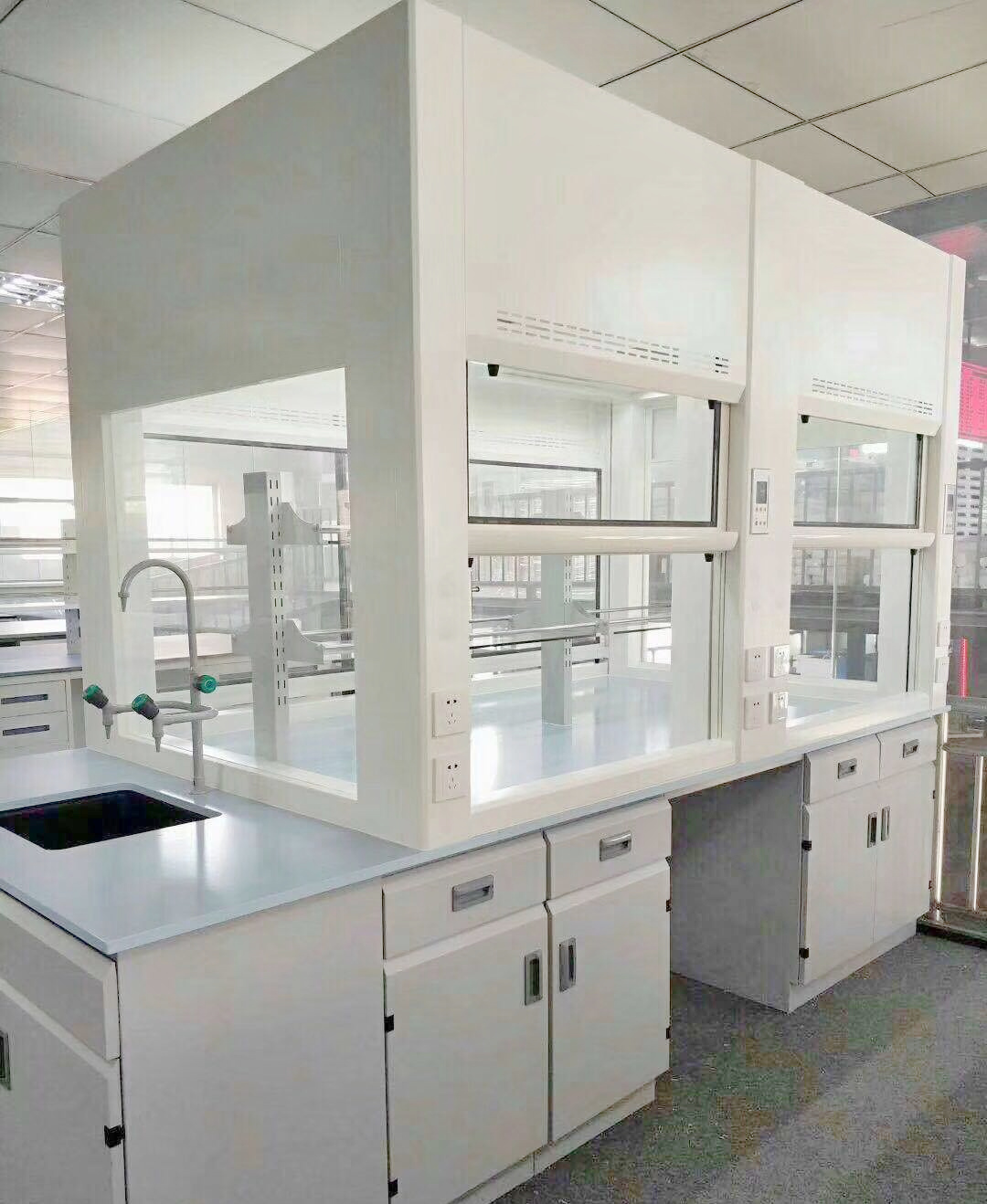
Image courtesy of MAX LAB
Conclusion
Well-thought-out lab furniture design is crucial for creating a productive, safe, and ergonomic laboratory environment. Whether outfitting a new lab or renovating an existing one, consider factors like space planning, material selection, safety features, and customization options. With the rise of smart technology and sustainable materials, MAX LAB’s laboratory furniture is more functional, adaptable, and eco-friendly than ever before. By investing in fume hoods and customizable lab workbenches, you can optimize your lab's workflow, safety, and overall success.
Why We Choose to Be Your Lab Furniture Solution Provider, Not Just a Manufacturer
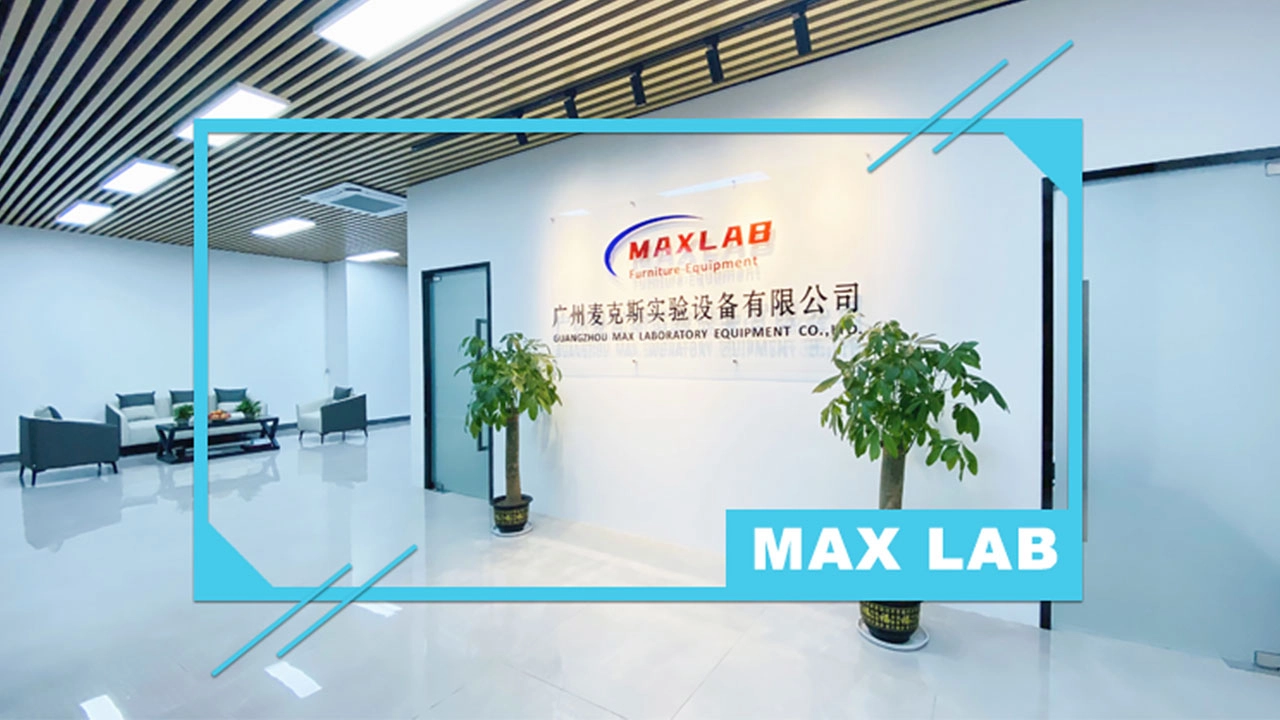
Max Lab Introduction
Electronics Lab Bench vs Chemistry Lab Bench: What You Need to Know

What Is an Air Shower for Cleanroom?
For Products
What products does MAX LAB offer?
We specialize in laboratory furniture and equipment, including lab benches, fume hoods, storage cabinets, lab accessories, and custom lab solutions.
For After-Sales Support
How can I get technical support for my equipment?
You can contact our technical support team via email or phone for assistance with installation, troubleshooting, or any issues you encounter with your laboratory equipment.
What happens if my product is damaged during delivery?
If your product is damaged during shipping, please contact our customer service team immediately. We will arrange for a replacement or repair at no additional cost.
For Logistics
Do you offer express shipping options?
Yes, we offer express shipping for urgent orders. Please contact our sales team to inquire about availability and additional costs.
For Company
How do I get in touch with your sales team?
You can reach our sales team via email at ada@maxlabfurniture.com, by phone at +86 132 4232 3168, WhatsApp:+86 132 4232 3168, or through the contact form on our Facebook: https://www.facebook.com/MaxLabFurniture


Get in touch with us
If you have any comments or good suggestions, please leave us a message; later our professional staff will contact you as soon as possible.

 Scan QR Code
MaxLabFurniture
MaxLab Furniture
daihongada
Max Laboratory