
Resource
- Why Explosion-Proof Cabinets Are Critical to Lab Safety
- 1. What Is an Explosion-Proof or Flammable Safety Cabinet?
- Common applications:
- 2. Key Construction Features of High-Quality Explosion-Proof Cabinets
- 3. Selecting the Right Cabinet for Your Chemicals
- Color-Coding by Chemical Type:
- 4. Safety Certifications & Compliance Requirements
- 5. Installation Best Practices
- Installation tips:
- 6. Daily Use & Maintenance Checklist
- 7. Why Choose MAX LAB Explosion-Proof Cabinets?
- Final Thoughts: Invest in Safety, Save in the Long Term
- Ready to upgrade your lab’s safety?
How to Choose the Right Explosion-Proof Cabinet for Your Lab or Facility
Proper storage of flammable and hazardous chemicals isn’t optional—it’s a safety and compliance requirement in labs, manufacturing plants, and research facilities. This blog explains how to choose the right explosion-proof (flammable safety) cabinet, covering what these cabinets are designed to do, the construction features that matter (double-wall steel, self-latching doors, spill sump, ventilation ports), how to match cabinet types to chemical categories, what certifications to look for (e.g., OSHA, NFPA, CE, FM), and the installation and maintenance practices that keep your site compliant long-term.
In laboratories, manufacturing plants, and research facilities, the proper storage of hazardous and flammable materials is not just a best practice—it’s a legal and safety imperative. One of the most essential components of a compliant lab safety plan is the use of explosion-proof cabinets, also known as flammable safety cabinets.
Why Explosion-Proof Cabinets Are Critical to Lab Safety
Every year, thousands of industrial and lab-related fire incidents are caused by improper storage of volatile chemicals. Many of these accidents are preventable through compliant storage.
Prevent chemical fires and explosions
Contain leaks and spills
Comply with safety standards (OSHA, NFPA, CE, FM)
Protect workers, equipment, and property
Failure to store chemicals properly can result in legal penalties, shutdowns, or even fatalities.
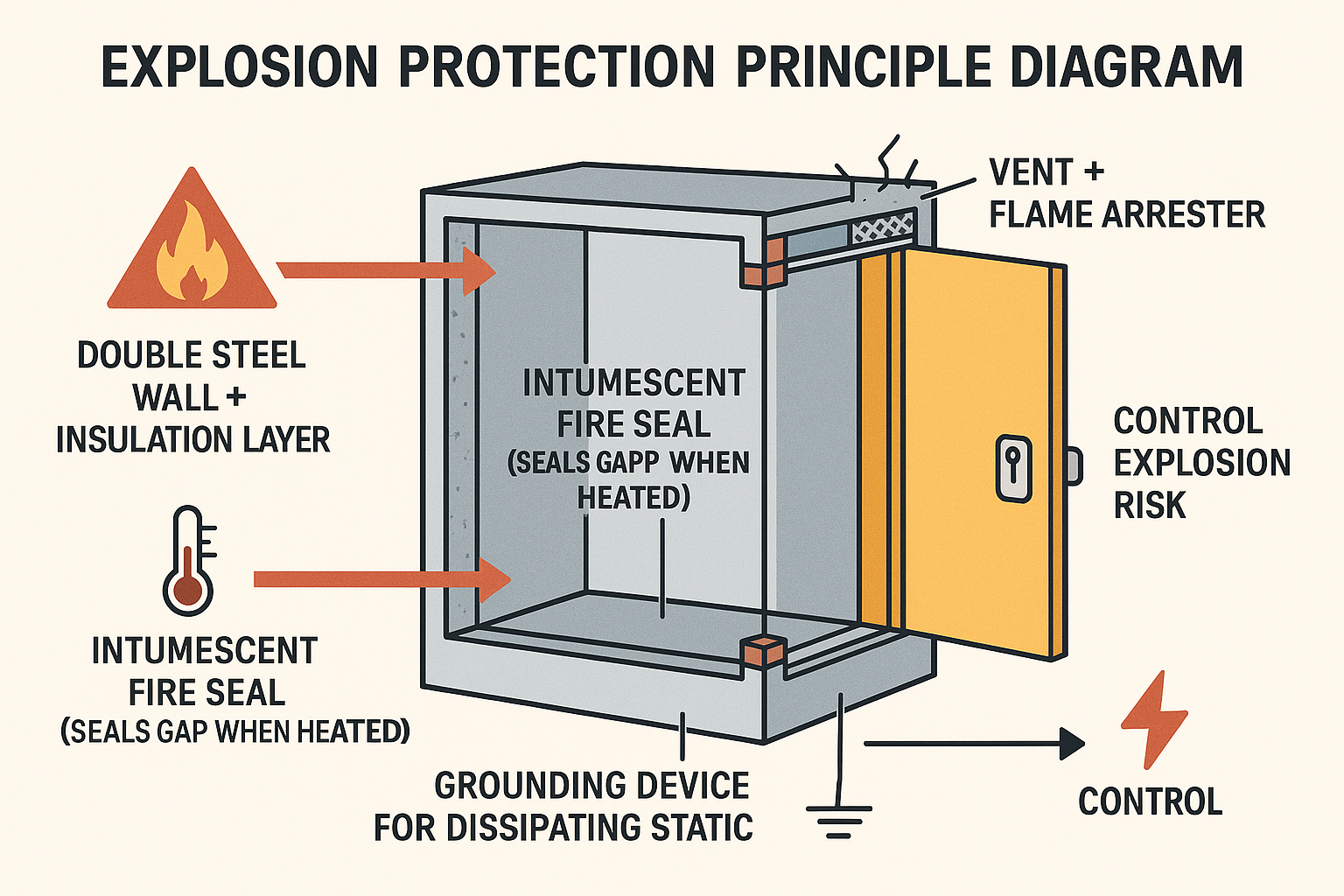
Explosion Protection Principle Diagram
1. What Is an Explosion-Proof or Flammable Safety Cabinet?
An explosion-proof cabinet is a specialized storage unit designed to securely store flammable or hazardous chemicals. These cabinets are engineered to withstand internal and external fire hazards for a specified period, typically 30, 60, or 90 minutes, depending on model and certification.
Common applications:
Petrochemical and oil facilities
Unlike regular storage cabinets, explosion-proof cabinets are made with fire-resistant materials, secure locking mechanisms, and built-in ventilation ports.
2. Key Construction Features of High-Quality Explosion-Proof Cabinets
The best safety cabinets are built to last—and to protect.
Key features include:
Double-wall steel construction (usually 18-gauge cold-rolled steel)
Air insulation layer between walls to delay heat transfer
Three-point locking system with corrosion-resistant handles
Reinforced doors that automatically close in case of fire (self-latching)
Spill containment sump (at least 50mm depth)
Ventilation ports with flame arresters (for connection to exhaust systems)
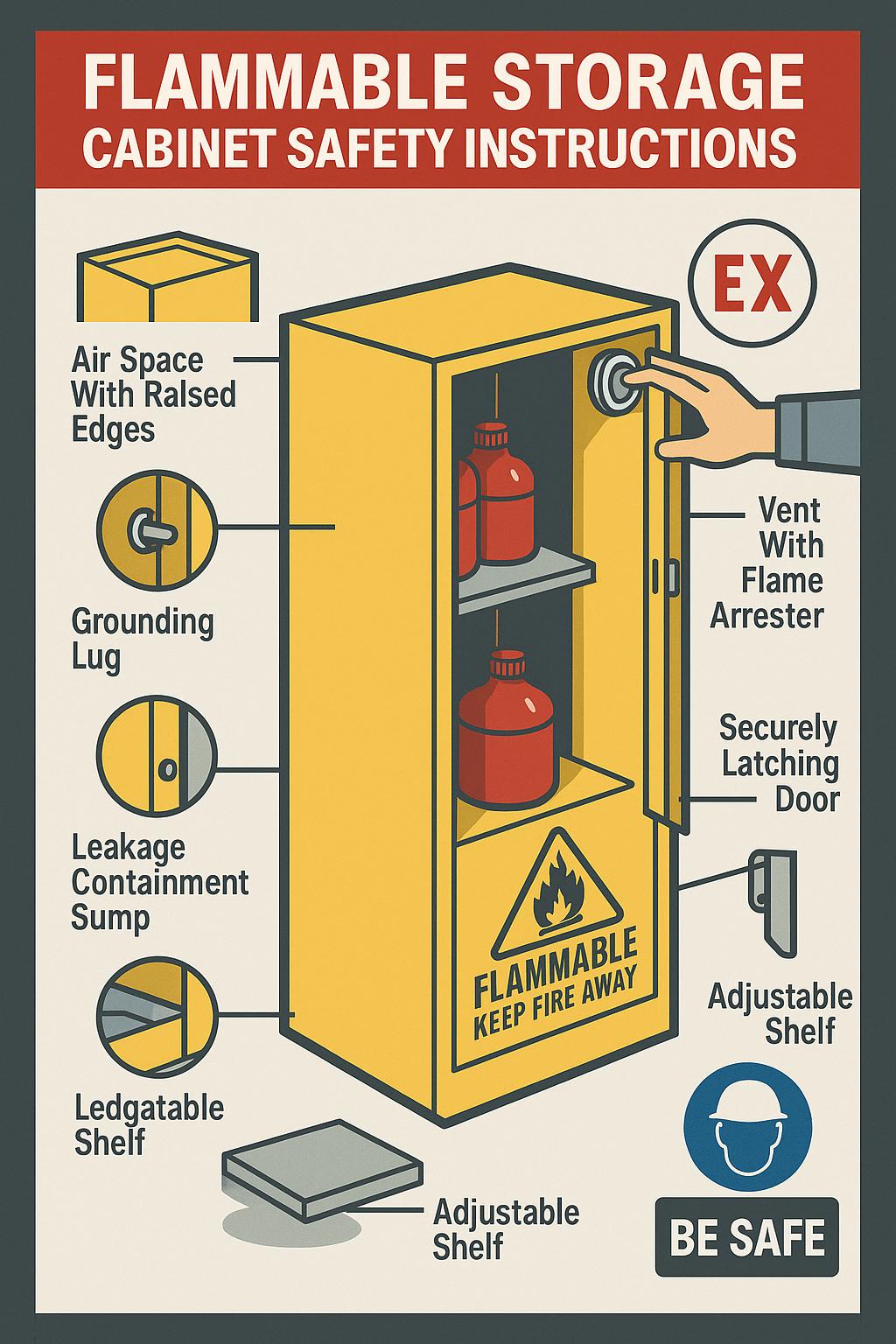
MAX LAB explosion-proof cabinets are engineered with all these safety features and are tested to comply with international fire resistance standards.
3. Selecting the Right Cabinet for Your Chemicals
Different chemicals require different storage strategies. Choosing the wrong cabinet could create a hazardous situation.
Color-Coding by Chemical Type:
|
Cabinet Color |
Chemical Type |
|
Yellow |
Flammable liquids (e.g., ethanol, acetone) |
|
Blue |
Corrosives (acids, bases) |
|
Red |
Combustibles (e.g., oils, solvents) |
|
Gray/White |
Toxic or reactive substances |
MAX LAB offers customizable labeling and interior configurations based on your chemical inventory.
4. Safety Certifications & Compliance Requirements
It’s not enough for your cabinet to look durable—it must meet international safety standards.
Key standards include:
OSHA 29 CFR 1910.106 – U.S. regulations on flammable liquids
NFPA 30 – National Fire Protection Association guidelines
FM Approved – Factory Mutual certification for fire resistance
CE Certification – For European market compliance
SEFA Compliance – For scientific equipment design standards
UL/ATEX Ratings – For explosion-proof electrical components (if applicable)
MAX LAB cabinets are independently certified and come with documentation for audit compliance.
5. Installation Best Practices
Choosing a cabinet is only part of the equation—proper installation and placement are just as critical.
Installation tips:
Place away from ignition sources (heaters, open flames, electrical panels)
Install on level, stable flooring
Connect to a chemical exhaust system (especially in enclosed spaces)
Keep an accessible clearance in front of cabinet doors
Label cabinets clearly and limit access to authorized personnel
Need help with layout planning? MAX LAB offers professional onsite consultation and 3D layout proposals.
6. Daily Use & Maintenance Checklist
To ensure long-term protection and compliance, implement a regular inspection routine.
Daily/Weekly checks:
Ensure doors close and latch properly
Check for rust, corrosion, or denting
Confirm labels and signage are legible
Inspect spill sump for leaks or residues
Test ventilation connection (if applicable)
Do not:
Store incompatible chemicals in the same cabinet
Overfill cabinets beyond rated capacity
Store tools or food inside cabinets
Block ventilation ports
MAX LAB provides maintenance manuals and periodic service contracts to simplify upkeep.
7. Why Choose MAX LAB Explosion-Proof Cabinets?
At MAX LAB, we bring precision engineering and customer safety together. Our explosion-proof cabinets offer:
Heavy-duty steel frames with anti-corrosion coating
Full-color customization (red, blue, yellow, white, gray)
Optional digital locking systems
Adjustable steel shelves with anti-leak lips
One-click ventilation connector system
Fire rating up to 90 minutes (NFPA-compliant)
We serve clients in over 20 countries across research, pharmaceutical, and petrochemical industries.
Final Thoughts: Invest in Safety, Save in the Long Term
Explosion-proof cabinets are not just equipment—they are investments in safety, compliance, and continuity. Don’t wait for an accident or inspection failure to take action.
Ready to upgrade your lab’s safety?
Contact MAX LAB for a free product consultation or request a custom quote today.
Email: ada@maxlabfurniture.com
Phone:+86 132 4232 3168
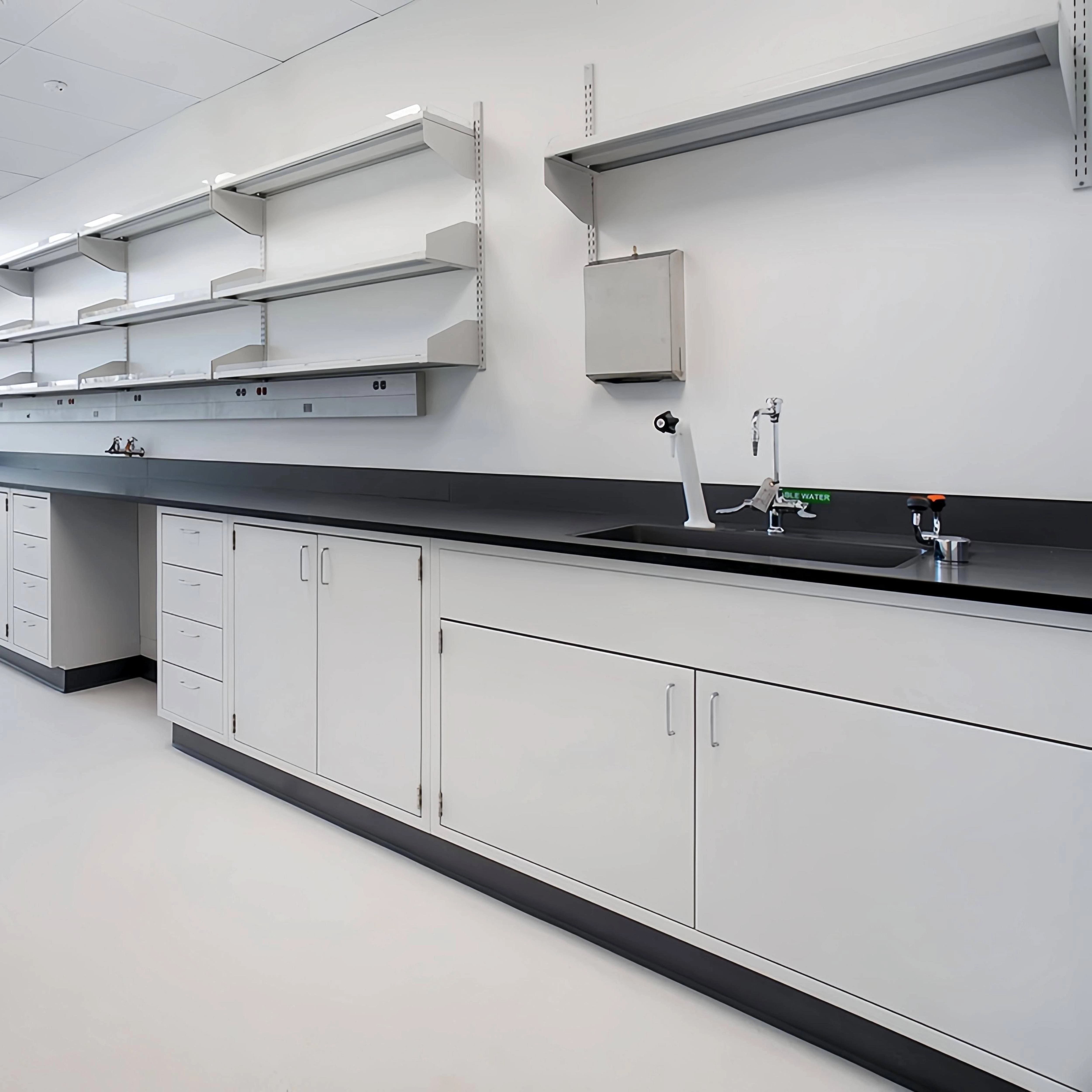
Why We Choose to Be Your Lab Furniture Solution Provider, Not Just a Manufacturer
Max Lab Introduction
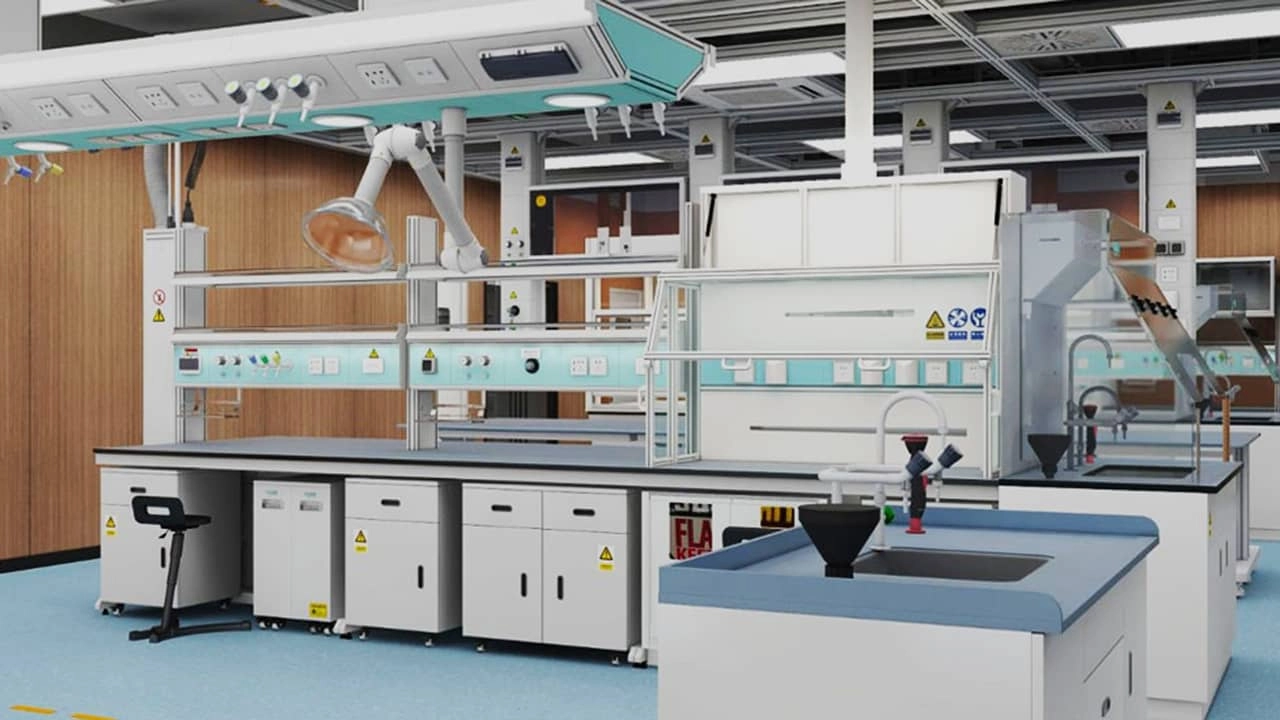
Electronics Lab Bench vs Chemistry Lab Bench: What You Need to Know
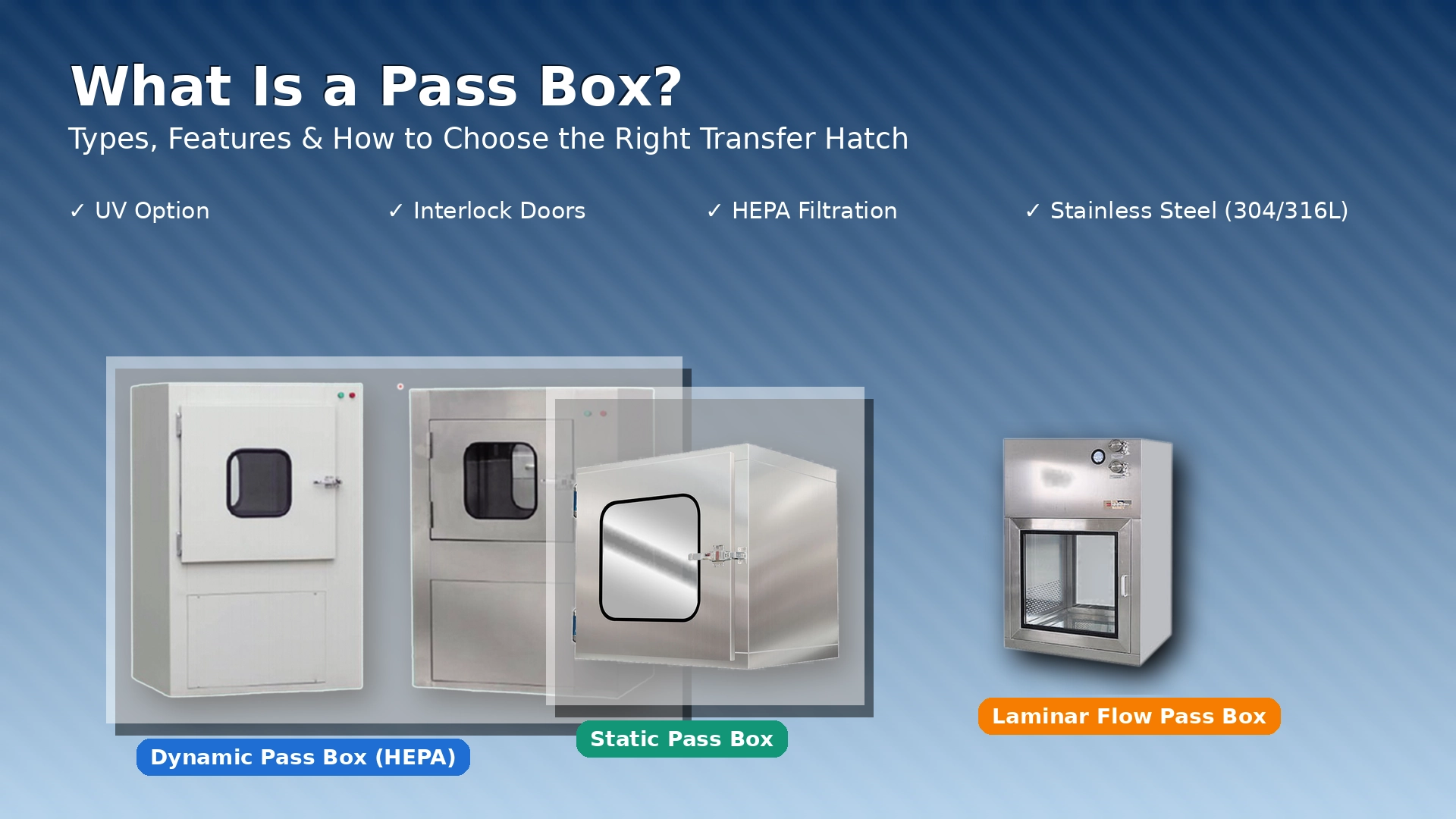
What Is a Pass Box? Types, Features, and How to Choose the Right Transfer Hatch
For Logistics
How do you ensure the safety of items during shipping?
We have 15 years of experience in loading, fragile goods are packed in plywood boxes to ensure that they will not be damaged during transportation.
Customization
Do you offer free design consultation?
Yes, we provide our clients with free preliminary design consulting services. Our design team will provide advice based on your needs and budget, and help you develop a laboratory layout and equipment plan that meets your requirements.
About Solution
Does your laboratory furniture support customization?
Yes, we provide fully customized services including size, material, color and functional design to meet customers' specific needs.
For Company
Do you provide installation services?
Yes, we offer professional installation services to ensure your laboratory furniture and equipment are set up properly and safely.
For Customization
Can I request a specific material for my lab furniture?
Yes, we can customize the material for your lab benches, fume hoods, and other equipment based on your preferences and the type of work being done in your lab.

Get in touch with us
If you have any comments or good suggestions, please leave us a message; later our professional staff will contact you as soon as possible.

 Scan QR Code
MaxLabFurniture
MaxLab Furniture
daihongada
Max Laboratory