
Resource
- Introduction: The Backbone of Scientific Innovation
- Understanding Your Lab's Core Requirements: The Foundation of Choice
- Primary Purpose and Application
- Load-Bearing and Vibration Resistance
- A Deep Dive into Lab Bench Materials: Properties, Pros, Cons, and Best Uses
- Types of Lab Benches: Tailoring to Your Workspace and Workflow
- Comparison of Structural Configurations
- Specialized Functionality
- Optimizing Lab Design: Layout, Ergonomics, and Storage Solutions
- Workflow and Ergonomics
- Utility Integration
- Safety and Compliance: Non-Negotiable Aspects of Lab Bench Selection
- Beyond the Basics: Smart Labs, Sustainability, and Future-Proofing
- Smart Lab Technology
- Sustainability
- Installation, Maintenance, and Maximizing Your Investment
- Common Mistakes to Avoid When Choosing Lab Benches
- Conclusion: Building Your Ideal Lab Workspace
- Frequently Asked Questions
- What is the average lifespan of a lab bench?
- How do I clean different lab bench materials effectively?
- What are the most chemical-resistant lab bench materials?
- Are height-adjustable lab benches worth the investment?
- What are key safety features to look for in a lab bench?
- Can lab benches be customized for specific equipment or workflows?
- What's the difference between wet and dry lab benches?
- How can I ensure my lab benches comply with regulatory standards?
- References
Choosing the Right Lab Bench for Your Research Needs: 2026 Guide
This authoritative guide details the selection of laboratory benches for 2026, covering material science, regulatory compliance (OSHA, SEFA), and future-proof design. It provides a strategic framework for researchers and facility managers to optimize safety, workflow, and long-term investment.
Introduction: The Backbone of Scientific Innovation
Every major scientific breakthrough, from vaccine development to microchip engineering, begins on a lab bench. As the core component of any laboratory workspace, the humble bench is far more than a mere table; it is the operational foundation that dictates research efficiency, safety, and long-term functionality. In 2026, the demands on science lab furniture have evolved beyond simple durability. Today's facilities require modularity, integration with IoT ecosystems, and strict adherence to environmental standards.This ultimate guide provides a deep dive into selecting the right laboratory benches for your facility. We will move beyond surface-level aesthetics to analyze material science, load-bearing physics, and regulatory compliance, ensuring your investment supports your critical work for decades to come.

Understanding Your Lab's Core Requirements: The Foundation of Choice
Before evaluating materials or catalogs, a rigorous needs assessment is mandatory. A bench laboratory setup for a wet chemistry lab differs fundamentally from a physics or electronics workspace.
Primary Purpose and Application
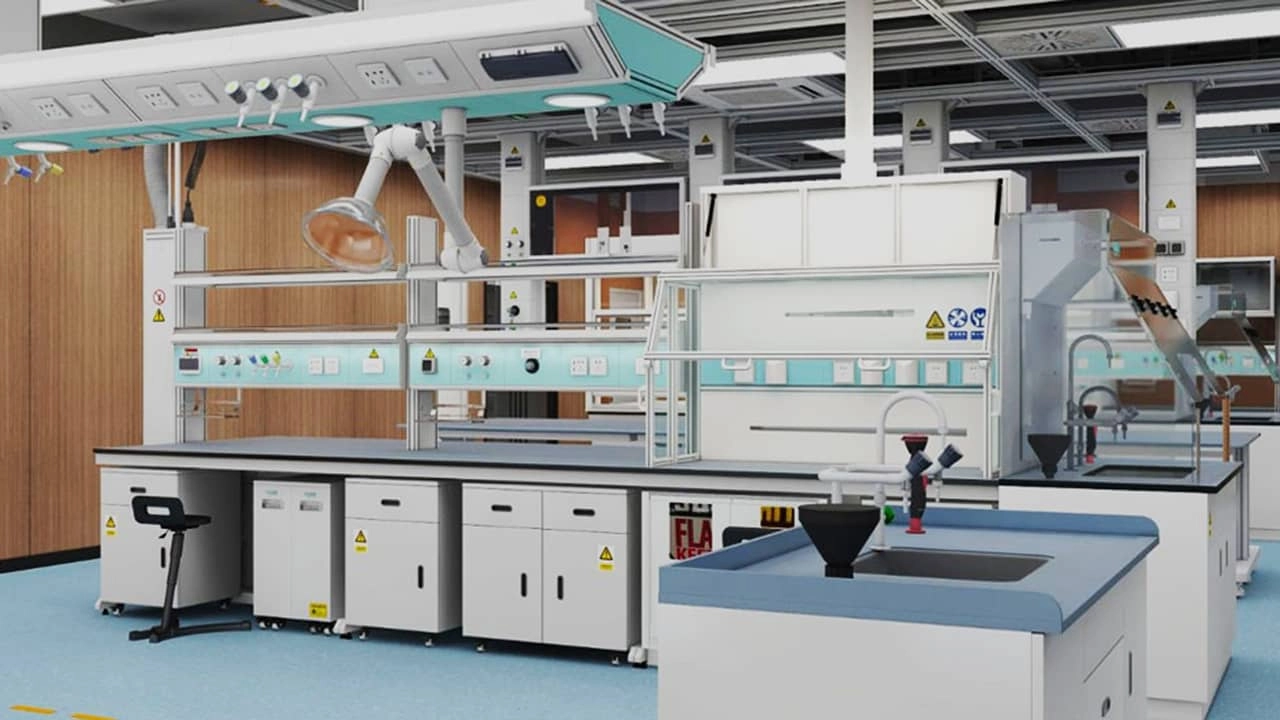
The first step is categorizing the specific domain of your research. A pathology lab requires non-porous, easily sterilizable surfaces to prevent biological cross-contamination, while an analytical chemistry lab demands extreme chemical resistance. For specialized environments, such as those comparing an Electronics Lab Bench vs Chemistry Lab, the distinction in material properties is non-negotiable.
Load-Bearing and Vibration Resistance
Precision instrumentation, such as mass spectrometers or centrifuges, requires substantial structural integrity. According to SEFA 8 (Scientific Equipment and Furniture Association) standards, heavy-duty benches must pass rigorous load tests, often requiring the ability to support loads exceeding 2,000 lbs without deflection that would compromise equipment calibration. Failing to account for vibration resistance can lead to inaccurate data in sensitive microscopy or metrology applications.
A Deep Dive into Lab Bench Materials: Properties, Pros, Cons, and Best Uses
Selecting the correct surface material is the single most critical decision in lab design. Based on industry data and chemical resistance charts, here is a technical breakdown:
· Epoxy Resin: The gold standard for harsh environments. It is a monolithic, non-porous material created by curing epoxy resins and hardeners. It offers exceptional resistance to acids, bases, and solvents and can withstand heat up to 350°F (176°C) or higher depending on the formulation. It is ideal for high-load chemical labs.
· Phenolic Resin: Constructed by fusing layers of kraft paper with phenolic resin under heat and pressure. It is lighter and more cost-effective than epoxy. While it offers excellent chemical resistance, it is generally less heat-resistant, making it suitable for general-purpose biological and educational labs.
· Stainless Steel (Type 304/316): The premier choice for sterile environments. Its non-porous nature allows for aggressive cleaning and sterilization, essential for cleanrooms and biological containment areas. It offers superior heat resistance but has poor resistance to certain corrosive acids like hydrochloric acid.
· Maple Wood: Traditionally used in physics and dry labs for its aesthetic appeal and robust surface. However, it is porous and offers minimal chemical resistance, requiring frequent maintenance.
· High-Density Polyethylene (HDPE): A softer material that offers superior resistance to corrosive chemicals and will not chip or crack. It is often used for drying racks and tank linings but has low heat resistance.
· Electrostatic Discharge (ESD) Laminate: Critical for electronics manufacturing and repair. ESD Workbench incorporates a conductive layer to dissipate static electricity, protecting sensitive components. For these setups, knowing How to Ground an ESD Workbench is as important as the bench itself.
· Wilsonart Solid Surface: A blend of acrylic or polyester resins and mineral fillers. It is non-porous and repairable (scratches can be buffed out) but has lower chemical and heat resistance compared to epoxy.
· High-Pressure Laminate (HPL): An economical choice for dry labs, tech setups, and lab workstation bench configurations where chemicals are not used.
· Ceramic: Offers extreme chemical and heat resistance (often comparable to or exceeding epoxy) but is extremely heavy, expensive, and prone to chipping upon impact.
Types of Lab Benches: Tailoring to Your Workspace and Workflow
Modern lab benches are categorized by their structural configuration and mobility.
Comparison of Structural Configurations
|
Bench Type |
Best Application |
Key Feature |
|
Wall-Mounted Benches |
Perimeter utilization |
Maximizes floor space; simplifies utility piping along walls. |
|
Island Benches |
Collaborative workspaces |
Centralized access allows multiple researchers to work simultaneously; often double-sided. |
|
Mobile Lab Benches |
Flexible/Modular labs |
Caster-mounted units allow for rapid reconfiguration of the lab layout as projects evolve. |
|
Corner Work Bench |
Ergonomic space optimization |
Utilizes dead space in corners; often used for computer terminals or documentation stations. |
Specialized Functionality
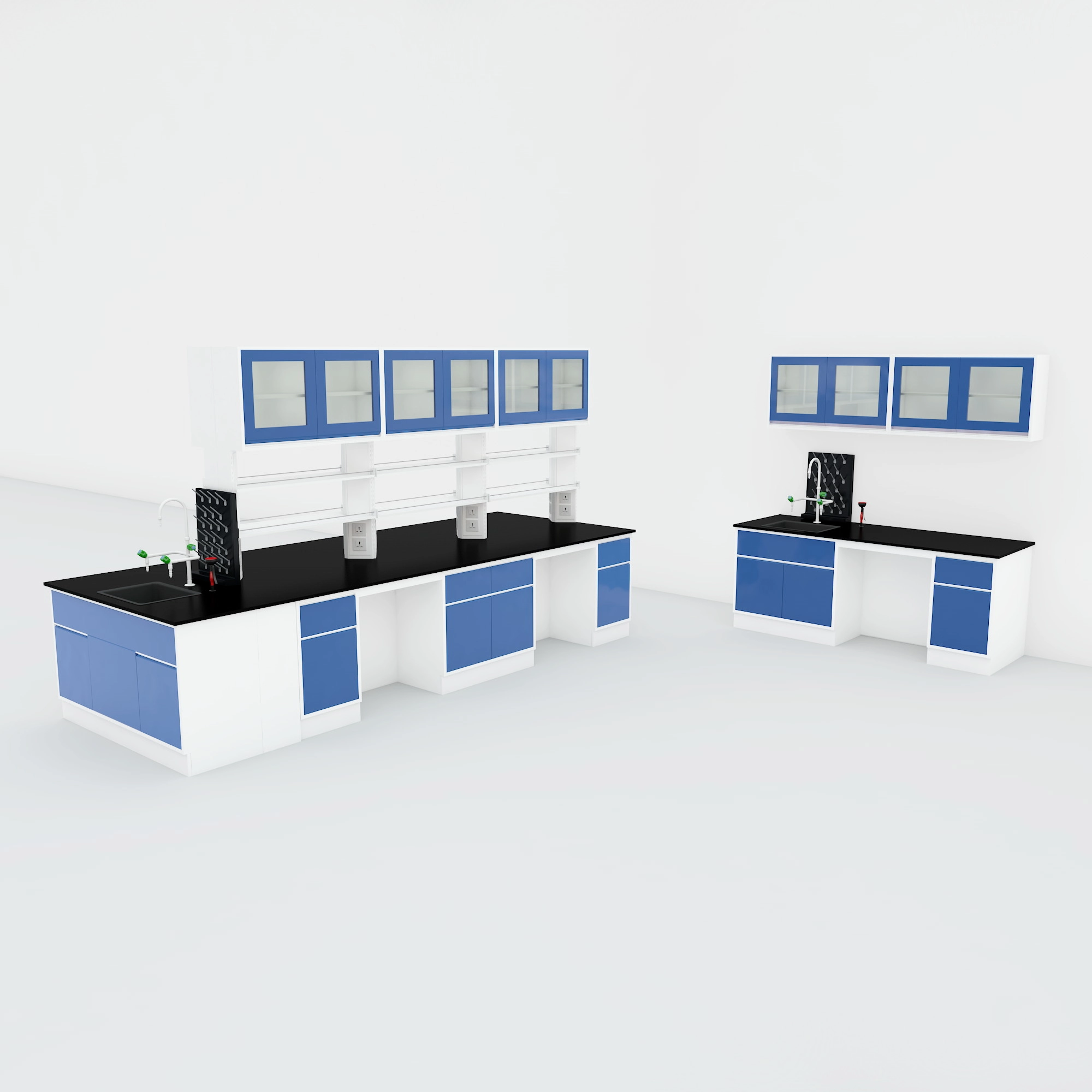
· Wet Lab Benches: These must integrate seamlessly with plumbing systems. They typically feature deep sinks, drying racks, and raised marine edges (spill containment lips) to prevent liquids from dripping onto the floor.
· Dry Lab Benches: Focused on instrumentation and electronics. These often include extensive cable management and raceways for power.
· Adjustable Height Benches: These utilize hydraulic or electric lift systems to accommodate both sitting and standing work positions, complying with ADA requirements and modern ergonomic standards.
Optimizing Lab Design: Layout, Ergonomics, and Storage Solutions
Effective lab design goes beyond placing furniture; it is about optimizing the "researcher-bench interface."
Workflow and Ergonomics
Ergonomics is a safety issue. Repetitive strain injuries are common in labs. Benches should provide ample legroom (knee space) and support neutral body postures. Lab bench furniture design must consider the "reach zone"—frequently used reagents and tools should be within 15-18 inches of the user to minimize overextension.
Utility Integration
Modern science lab furniture acts as a delivery system for services. A lab bench power supply must be integrated directly into the raceway or service spine, ensuring clean power for sensitive electronics. Gas, vacuum, and data ports should be modular, allowing for easy relocation without tearing down walls.
Safety and Compliance: Non-Negotiable Aspects of Lab Bench Selection
Safety is governed by strict regulations. When selecting science lab furniture, you must ensure compliance with federal and industry standards.
· OSHA (Occupational Safety and Health Administration): OSHA regulations (Standard 29 CFR 1910.1450) mandate specific chemical hygiene plans. Benches used for hazardous chemicals must be non-absorbent and resistant to the chemicals used.
· SEFA Compliance: As mentioned, SEFA standards (specifically SEFA 8 for casework) dictate the durability and structural integrity of the benches. Always request SEFA test certificates from manufacturers.
· Fire Safety: Materials must meet NFPA (National Fire Protection Association) flame spread ratings.
· ESD Protection: For electronics labs, simply buying an ESD bench is insufficient. You must implement an Essential Lab Equipment Setup for Electrostatic Protection to ensure the entire system effectively drains charge to ground.
Beyond the Basics: Smart Labs, Sustainability, and Future-Proofing
The laboratory of 2026 is intelligent and green.
Smart Lab Technology
New laboratory benches are being integrated with IoT sensors. These smart benches can monitor environmental conditions (humidity, temperature) at the bench level, track asset utilization (detecting when equipment is in use), and even integrate RFID for inventory management of reagents stored in under-bench cabinets.
Sustainability
Sustainability is now a procurement requirement for many institutions. Look for benches manufactured with:
· Recycled Content: Steel and phenolic resin often contain significant recycled material.
· Low-VOC Finishes: Powder coatings and adhesives that preserve indoor air quality.
· Modularity: The most sustainable bench is one that doesn't need to be thrown away when the lab changes. Modular systems allow components to be reconfigured rather than replaced.
Installation, Maintenance, and Maximizing Your Investment
Proper installation is critical for safety. Heavy epoxy tops require professional leveling to prevent stress fractures.
· Maintenance: Create a protocol based on material. Epoxy requires periodic re-finishing if deeply scratched. Stainless steel needs passivation maintenance to maintain its oxide layer and prevent corrosion.
· Total Cost of Ownership (TCO): Do not buy on upfront price alone. A cheap laminate bench that delaminates after three years of chemical exposure has a higher TCO than an expensive epoxy bench that lasts 25 years.
Common Mistakes to Avoid When Choosing Lab Benches
· Ignoring Serviceability: Fenced-in plumbing and electrical lines behind fixed casework make repairs expensive and disruptive. Use removable service panels.
· Overlooking Vibration: Placing sensitive optical equipment on general-purpose benches without vibration isolation tables.
· Underestimating Power Needs: Modern labs are power-hungry. Ensure your lab bench power supply capacity exceeds current needs by at least 20% to accommodate future equipment.
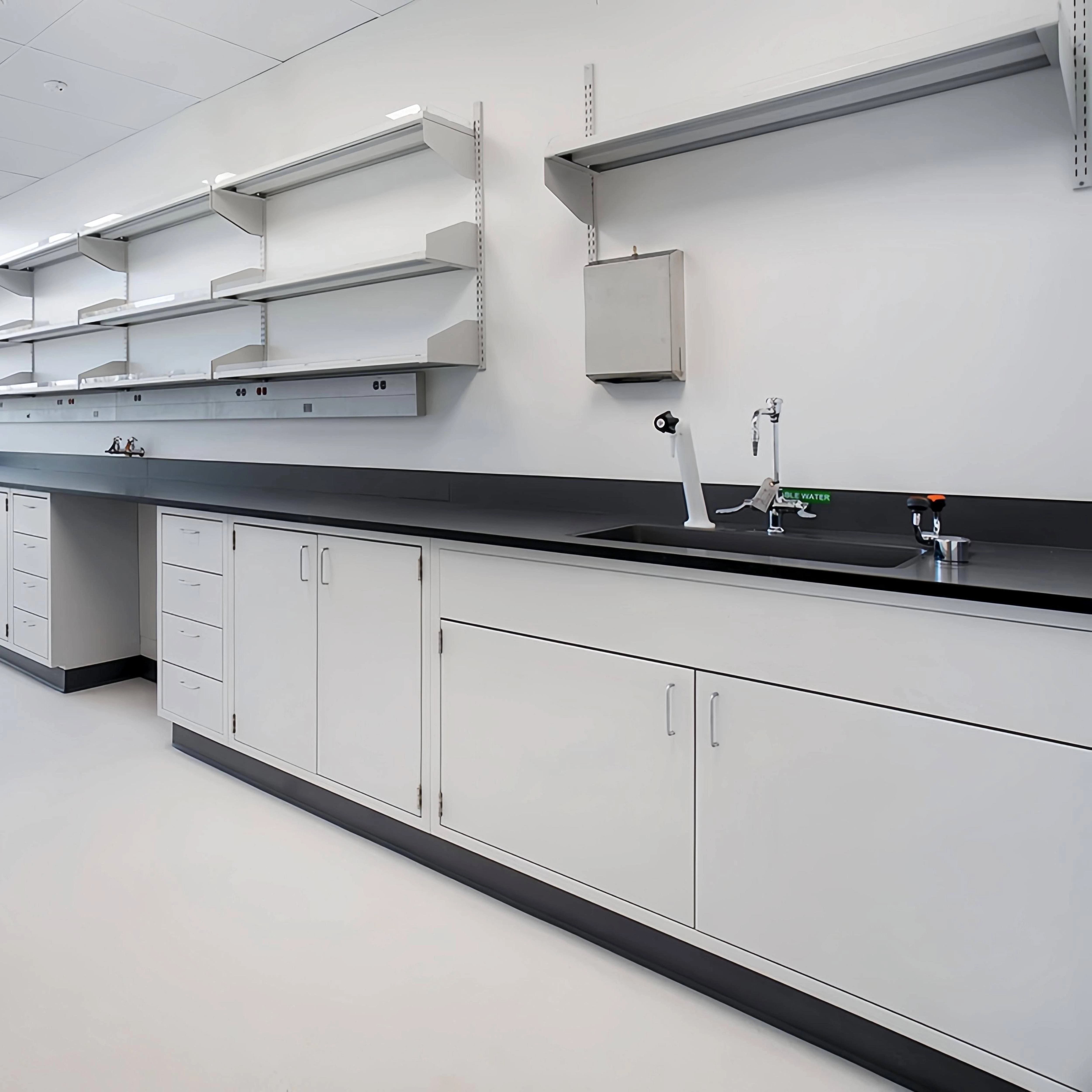
· Neglecting Vertical Space: Failing to use shelving and overhead cabinets reduces valuable bench working area.
Conclusion: Building Your Ideal Lab Workspace
Choosing the right lab bench is a strategic decision that impacts the safety, productivity, and financial health of your research facility. By prioritizing material science (E-E-A-T validated data), regulatory compliance (OSHA, SEFA), and future-forward design principles like smart integration and modularity, you build a workspace that accelerates scientific discovery.
Frequently Asked Questions
What is the average lifespan of a lab bench?
The lifespan varies by material. High-quality epoxy resin or stainless steel benches can last 20-30 years or more with proper care. Laminate or wood benches might have a shorter lifespan of 10-15 years, especially in demanding wet lab environments.
How do I clean different lab bench materials effectively?
· Epoxy and Phenolic Resin: Wipe with mild soap and water, or laboratory-grade detergents; avoid abrasive scouring pads.
· Stainless Steel: Use dedicated stainless steel cleaners or mild soap; dry thoroughly to prevent water spots and potential corrosion.
· Laminate/Wood: Use a damp cloth with mild cleaner; avoid excessive moisture that can cause swelling.
What are the most chemical-resistant lab bench materials?
Epoxy resin is generally considered the most chemical-resistant, capable of withstanding a wide range of acids, bases, and solvents. Phenolic resin offers good chemical resistance but is slightly less robust than epoxy. Ceramic provides excellent resistance to most chemicals and high temperatures but is brittle.
Are height-adjustable lab benches worth the investment?
Yes, height-adjustable benches offer significant ergonomic benefits. They accommodate multiple users of different statures and allow for both seated and standing work, reducing fatigue and injury risk. This adaptability also future-proofs your lab for evolving workflows.
What are key safety features to look for in a lab bench?
Look for chemical and heat-resistant surfaces, non-porous materials for hygiene, rounded edges to prevent impact injuries, sturdy construction (SEFA 8 certified), and integrated spill containment features like marine edges.
Can lab benches be customized for specific equipment or workflows?
Absolutely. Manufacturers offer modular components, specific cutouts for instruments (like sinks or waste chutes), integrated power and data, and bespoke storage solutions. This ensures an optimal fit for specialized equipment.
What's the difference between wet and dry lab benches?
Wet lab benches are designed for liquid handling, featuring integrated sinks, chemical-resistant materials (Epoxy, Phenolic), and often marine edges. Dry lab benches are for analytical work, computations, or electronics, typically lacking plumbing and utilizing materials like ESD laminate or HPL.
How can I ensure my lab benches comply with regulatory standards?
Work with manufacturers who certify their products to SEFA standards. Ensure materials meet requirements for chemical resistance and fire safety (NFPA). Consult local building codes and OSHA guidelines specific to your laboratory's function.
References
· OSHA: Laboratory Safety Guidance
· OSHA: Occupational Safety and Health Standards - Laboratories
· Blackland Manufacturing: Lab Countertop Materials Comparison
Why We Choose to Be Your Lab Furniture Solution Provider, Not Just a Manufacturer

Merry Christmas!
Electronics Lab Bench vs Chemistry Lab Bench: What You Need to Know

Ultimate Guide to Lab Cabinets 2026: Types, and Innovations
For After-Sales Support
How can I get technical support for my equipment?
You can contact our technical support team via email or phone for assistance with installation, troubleshooting, or any issues you encounter with your laboratory equipment.
For Customization
Do you offer custom colors for lab furniture?
Yes, we offer a range of color options for laboratory furniture to match your lab’s aesthetic requirements or branding.
Can you create a lab design layout for us?
Yes, we'll provide preliminary layout, confirm 3D drawings and rendering drawings.
About Solution
How about your after sale service?
We will reply to you within 24 hours by email or phone.
If we have a local agent, we will arrange for him to be at your site within 24 hours to assist you in shooting the problem.
FAQS
How can I request a quote?
Simply contact us or fill out our online form with your project details. Our team will respond promptly with a free quote.

Get in touch with us
If you have any comments or good suggestions, please leave us a message; later our professional staff will contact you as soon as possible.

 Scan QR Code
MaxLabFurniture
MaxLab Furniture
daihongada
Max Laboratory