
Resource
- Quick Comparison — C-Frame vs H-Frame Lab Benches
- Key Differences Between C-Frame and H-Frame Lab Benches
- 1) Structural Design & Flexibility
- 2) Stability & Load Capacity (Heavy Equipment)
- 3) Space Utilization & Ergonomics (Legroom)
- 4) Utilities Integration (Plumbing, Electrical, Data)
- 5) Customization, Overhang, and Future Modifications
- Which Frame Should You Choose?
- 3-Step Selection Checklist (Fast Decision Tool)
- MAX LAB Quality
- Assurance
- Need Help Deciding?
- 5) FAQ
C-Frame vs H-Frame Lab Benches: How to Choose the Right Support Structure
The lab benchtop is important, but the factor that truly determines load capacity, safety, comfort, and long-term expansion costs is often the support structure underneath. C-frame and H-frame designs are the two most common lab bench frames—one prioritizes flexibility and open space, while the other focuses on stability and heavy-duty support.
This article compares the pros and cons of C-frame and H-frame benches across structural design, space utilization, equipment load requirements, utilities integration, retrofit potential, and typical applications. It also includes a quick selection checklist to help you choose the right bench support structure based on your lab layout, equipment weight, and future expansion plans.
Quick Comparison — C-Frame vs H-Frame Lab Benches
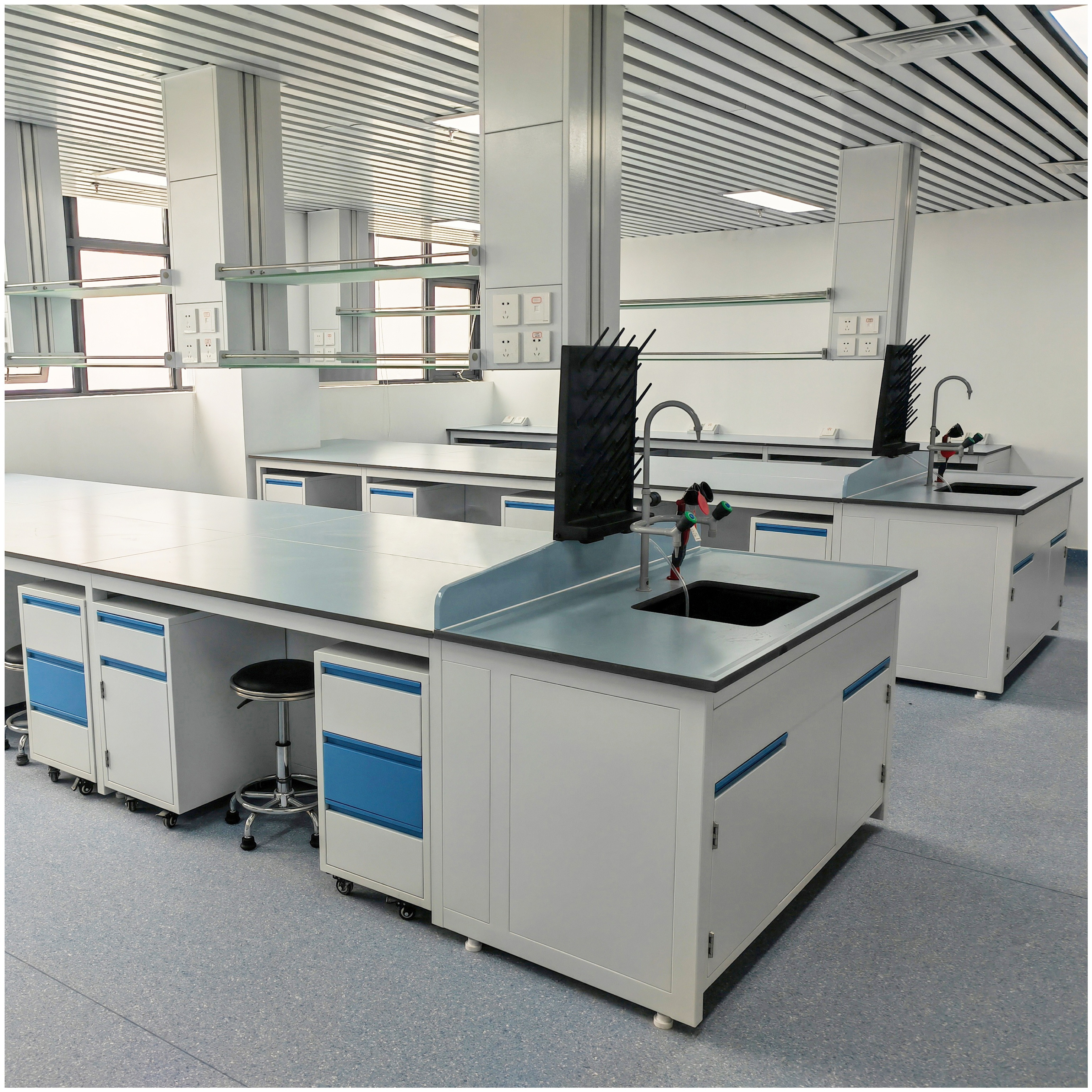
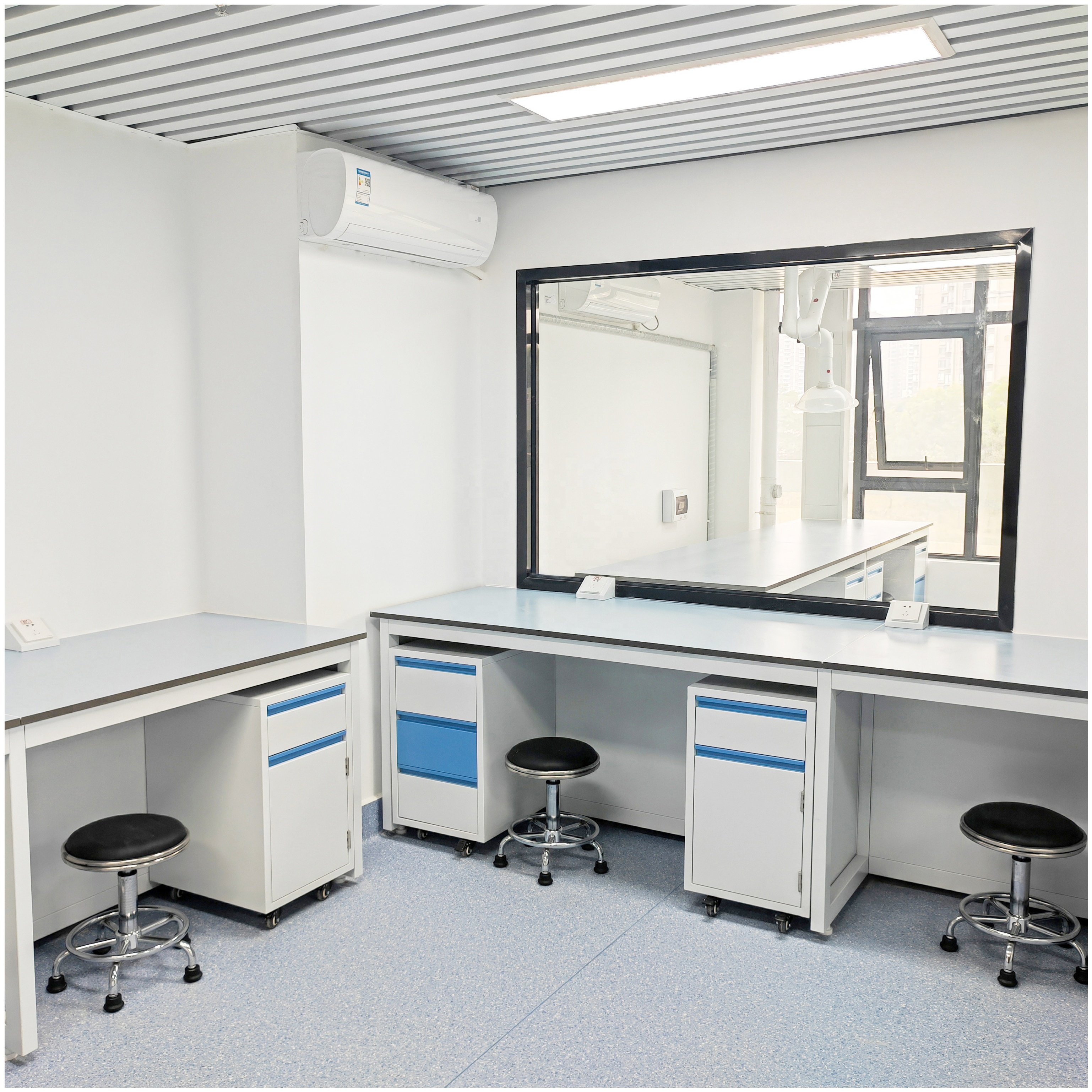
C-Frame lab benches are ideal for ergonomic seated work, easier cleaning access, and labs that reconfigure often.
H-Frame lab benches are better for heavy equipment, permanent installations, and high-density storage or service integration.
Key Differences Between C-Frame and H-Frame Lab Benches
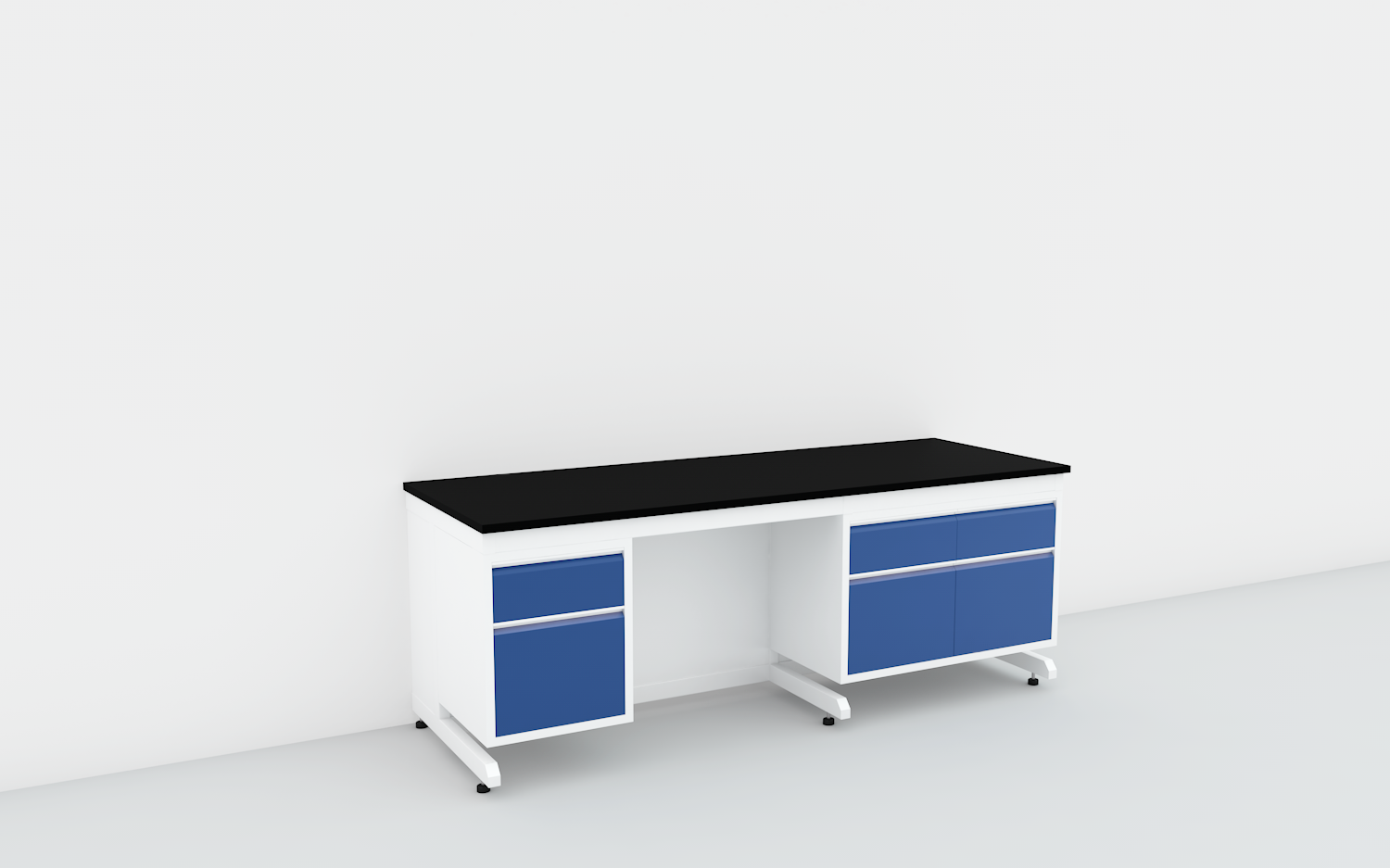
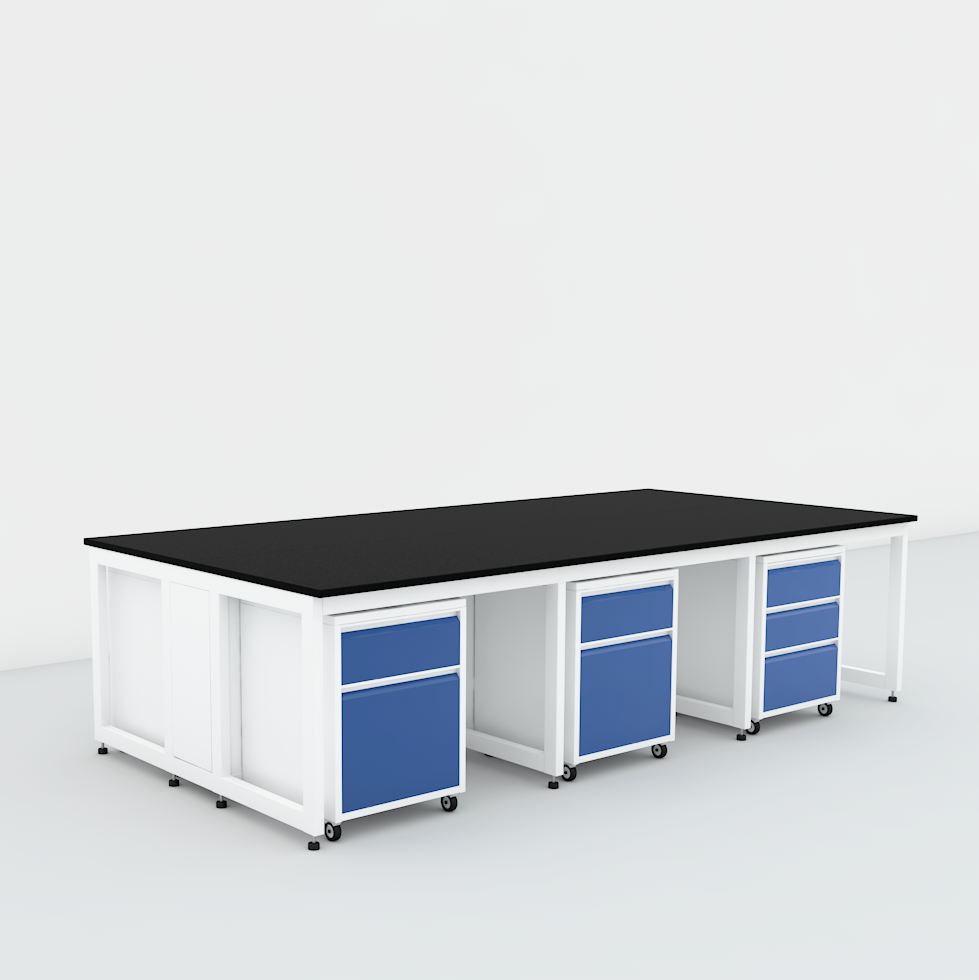
1) Structural Design & Flexibility
C-Frame
-
Simple “C”-shaped vertical supports
-
More modular for custom layouts and future changes
-
Great for labs that frequently reconfigure workstations
H-Frame
-
“H”-shaped base structure for stronger cross-bracing
-
Higher rigidity and reduced vibration
-
Best for fixed layouts and long-term installations
-
2) Stability & Load Capacity (Heavy Equipment)
If you’re supporting HPLC systems, centrifuges, shakers, or other heavy/vibration-prone equipment, the frame design matters.
H-Frame advantages:
-
Better stability under concentrated loads
-
More resistant to movement and vibration
-
Supports wider spans and heavier-duty applications
C-Frame works well when:
-
Loads are moderate
-
Flexibility and access are more important than maximum rigidity
3) Space Utilization & Ergonomics (Legroom)
C-Frame advantages:
-
More open legroom for seated work
-
Easier cleaning access under the bench
-
Better for mobile or frequently adjusted workstation setups
H-Frame advantages:
-
Stronger support for overhead shelving and accessories
-
Often preferred where storage density is a priority
4) Utilities Integration (Plumbing, Electrical, Data)
If your bench needs integrated services (gas, water, vacuum, electrical, data), consider how the frame supports routing and mounting.
H-Frame advantages:
-
More built-in support for service panels, overhead shelves, and integrated utilities
-
Common choice for labs requiring fixed, organized service runs
C-Frame advantages:
-
Easier access during reconfiguration or retrofits
-
Suitable for labs that expect layout changes over time
5) Customization, Overhang, and Future Modifications
Both C-frame and H-frame benches are compatible with common benchtops (epoxy resin, stainless steel, phenolic resin), but they behave differently in customization.
-
C-frames typically allow easier post-installation modifications and reconfiguration
-
H-frames can better support wider top overhangs and heavier accessory loads (e.g., shelves, enclosures)
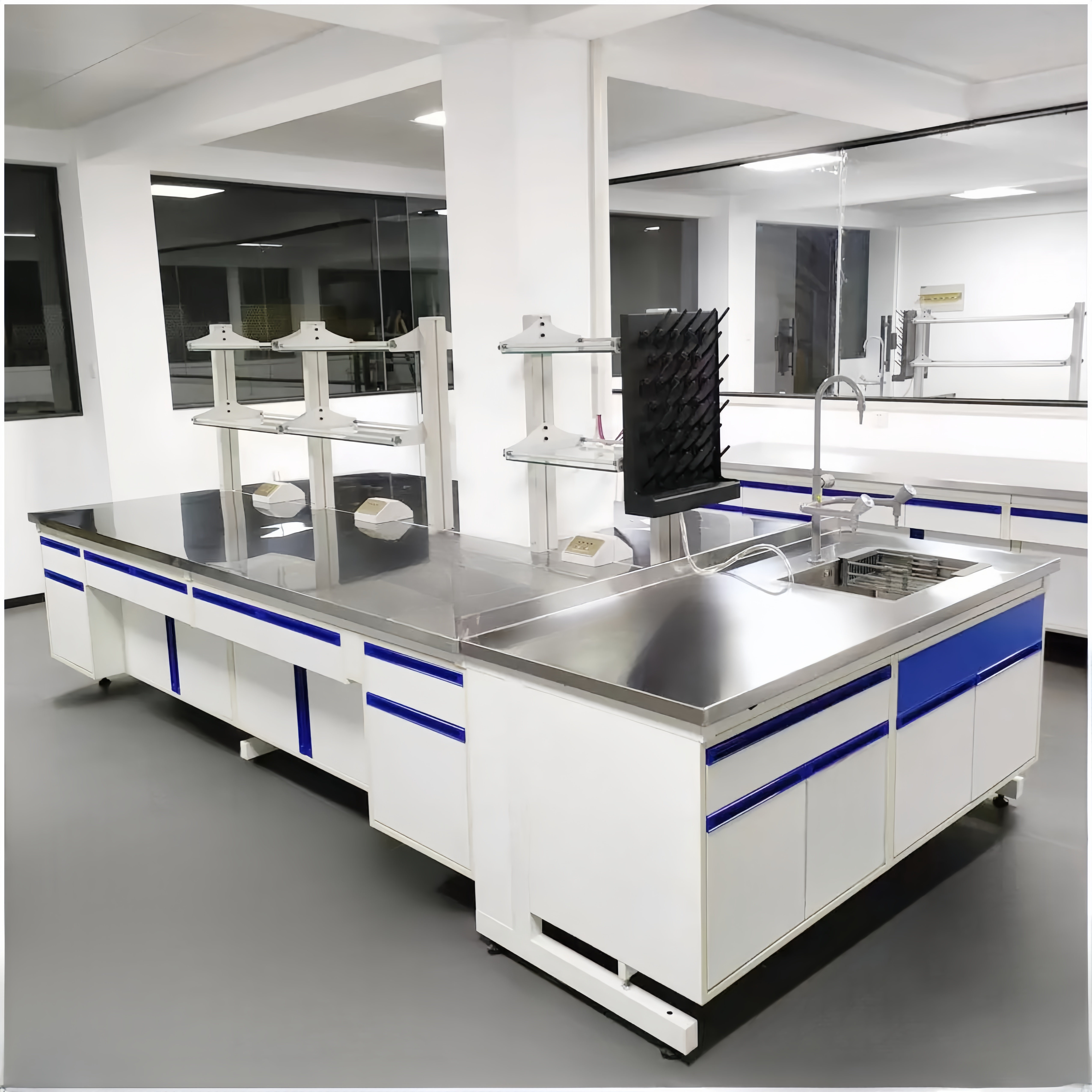
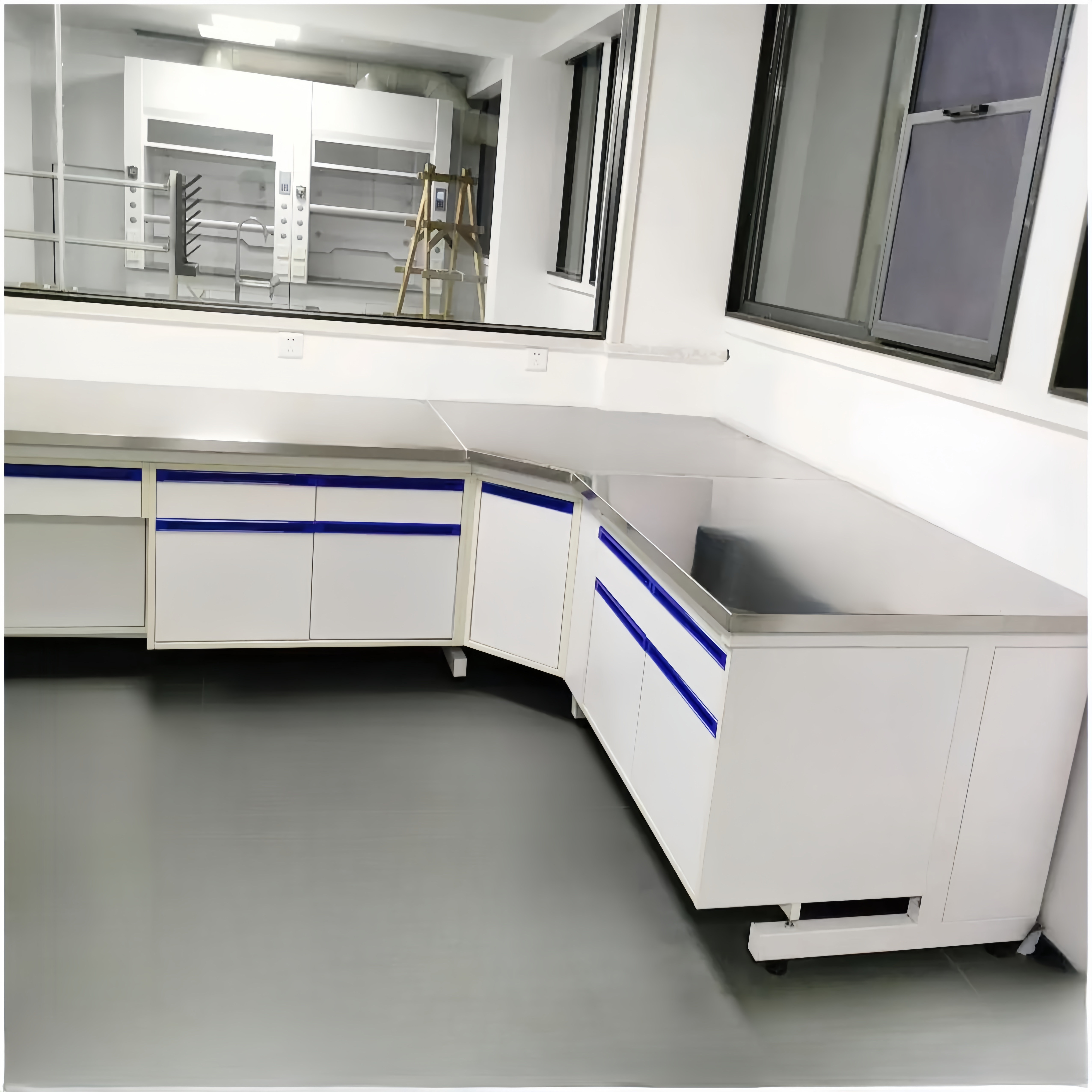
Which Frame Should You Choose?
Choose a C-Frame lab bench if you need:
-
Flexible lab layouts and frequent reconfiguration
-
Better legroom and ergonomic seated work
-
Easier access for cleaning and quick changes
Choose an H-Frame lab bench if you need:
-
Heavy equipment support (HPLC, centrifuges, shakers)
-
Maximum stability for permanent installations
-
High-density storage, overhead shelving, or integrated utilities
Pro tip: Many labs optimize space by pairing H-frame bases with strategic upper storage (e.g., mobile upper cabinets) to balance stability and flexibility.
3-Step Selection Checklist (Fast Decision Tool)
-
Calculate total equipment weight
List each instrument and include dynamic loads (vibration/movement). -
Measure your floor space and workflow clearances
Consider walkways, seating needs, and under-bench access. -
Plan for future expansion and service integration
Will you add shelving, enclosures, plumbing/electrical/data services, or reconfigure zones later?
MAX LAB Quality
Assurance
All MAX LAB bench frames are built for reliability and long-term performance, including:
-
16-gauge powder-coated steel construction
-
Adjustable leveling feet (±1" tolerance)
-
Optional seismic-rated configurations
Need Help Deciding?
Not sure which frame fits your lab workflow? Contact our lab design specialists for a recommendation based on your equipment load, available space, and future expansion plan.
5) FAQ
Q1: Is a C-frame lab bench strong enough for HPLC or centrifuges?
For heavy or vibration-prone equipment, an H-frame is typically the safer choice due to higher rigidity and stability.
Q2: Which lab bench frame provides more legroom?
C-frame benches usually offer more open space and legroom, making them better for seated work.
Q3: Which frame is better for utilities integration (plumbing/electrical/data)?
H-frame benches often provide better structural support for overhead shelving and integrated service routing.
Q4: Can I reconfigure C-frame benches later?
Yes. C-frame designs are generally more modular and easier to adjust after installation.
Q5: How do I choose between C-frame and H-frame quickly?
Start with equipment weight and vibration. If heavy/high-vibration → H-frame. If flexibility/legroom/layout changes → C-frame.
Why We Choose to Be Your Lab Furniture Solution Provider, Not Just a Manufacturer
Max Lab Introduction
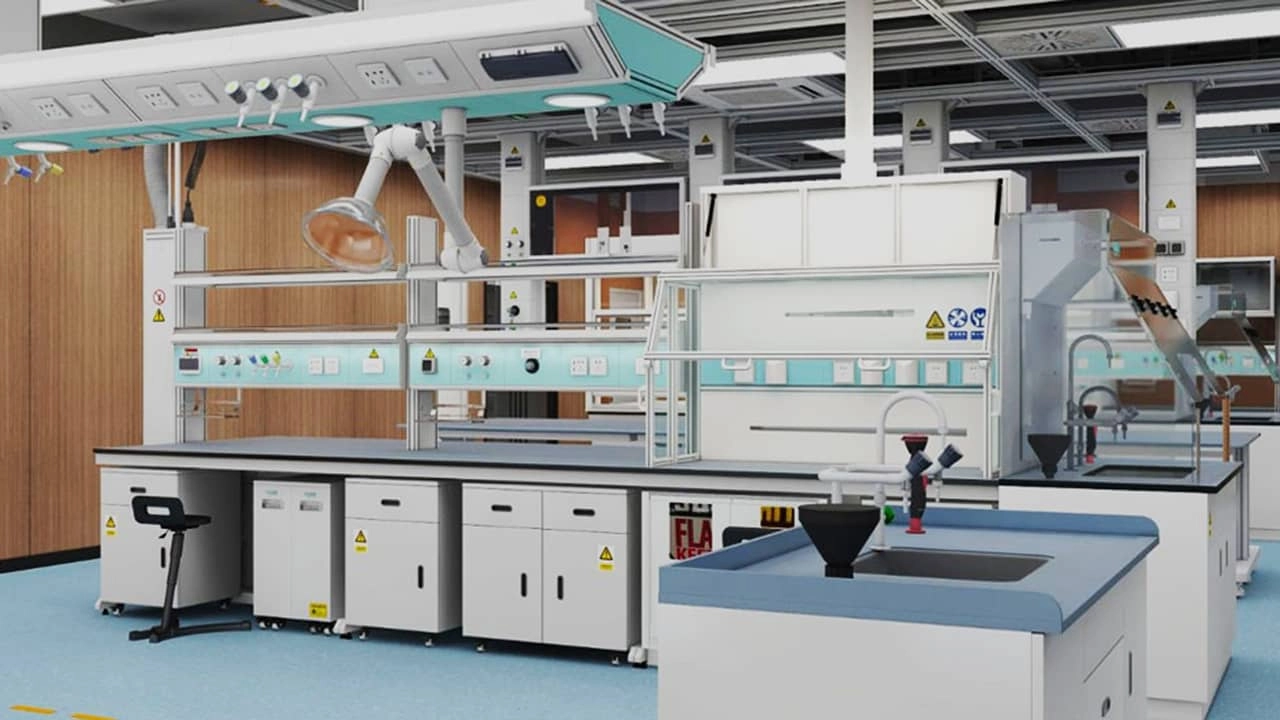
Electronics Lab Bench vs Chemistry Lab Bench: What You Need to Know
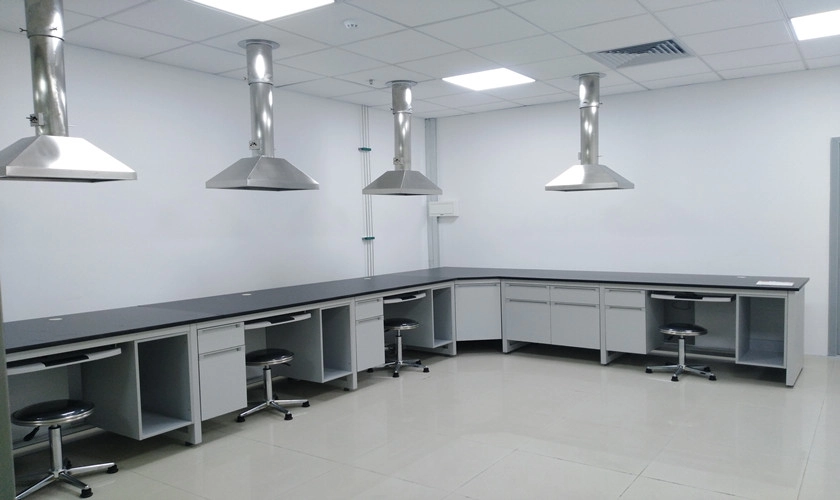
Why a Fume Extractor is a Must-Have for Your Lab? How to choose fume extractor?
For Logistics
Do you offer international shipping?
Yes, we offer international shipping to most regions worldwide. Our logistics team ensures that all items are carefully packaged and delivered on time.
For Company
Do you offer our design service from scratch?
Yes, we provide full design support tailored to your lab’s specific needs, including layout planning and furniture customization.
What sets your company apart from other lab furniture providers?
Our commitment to quality, innovation, and customer satisfaction sets us apart. We offer customized solutions, high-quality materials, and a full range of laboratory furniture and equipment to ensure optimal functionality and safety for every lab.
Customization
How to calculate the cost of customized services?
Customization services incur additional costs depending on the complexity of the design, material selection and production requirements. We will clearly list all costs at the quote stage to ensure that the client understands all costs.
For Products
What materials do you use for your furniture?
We use a variety of durable materials such as stainless steel, steel wood, PP and wood composites. Our countertop materials are phenolic resin, epoxy resin, ceramic, trespa and granite, depending on your lab’s needs.

Get in touch with us
If you have any comments or good suggestions, please leave us a message; later our professional staff will contact you as soon as possible.

 Scan QR Code
MaxLabFurniture
MaxLab Furniture
daihongada
Max Laboratory