
Vendor Selection Guide for Variable Air Volume Fume Hoods

- Why Vendor Selection Matters for Variable Air Volume Fume Hoods
- Safety and Containment Performance
- Energy Efficiency and HVAC Integration
- Vendor Track Record and References
- Technical Evaluation Criteria
- Control Systems and Response Time
- Instrumented Testing and Verification
- Materials, Construction, and Ergonomics
- Operational, Safety, and Compliance Considerations
- Regulatory and Standards Compliance
- Alarm Systems and Fail-safe Features
- Maintenance, Training, and Spare Parts
- Procurement Process & Lifecycle Cost Analysis
- Comparing CAV vs VAV: Operational and Capital Trade-offs
- Lifecycle Cost Modelling
- Evaluation Checklist and Scorecard
- Implementation, Validation, and Ongoing Optimization
- Site Acceptance Testing and Commissioning
- Operational Best Practices
- Continuous Improvement and Remote Monitoring
- Vendor Questions and RFP Template Items
- Technical Data to Request
- Documentation and Training
- Warranty and Service Level Agreements
- FAQ
- Q: What is the main advantage of a variable air volume fume hood over a constant air volume model?
- Q: How do I verify a vendor's containment claims?
- Q: Are Venturi valve systems better than mechanical dampers for VAV control?
- Q: What standards should my lab consider for fume hood procurement?
- Q: What maintenance should be expected for a VAV fume hood?
Selecting the right vendor for a variable air volume fume hood is a critical decision for laboratory managers, facilities engineers, and procurement teams who must balance safety, energy efficiency, and long-term operational performance. This guide outlines engineering criteria, compliance benchmarks, lifecycle cost analysis, and practical vendor evaluation steps to help you choose a reliable VAV fume hood solution that meets containment requirements while reducing HVAC load and operational cost.
Why Vendor Selection Matters for Variable Air Volume Fume Hoods
Safety and Containment Performance
The primary purpose of a variable air volume fume hood is to protect laboratory personnel and the environment by capturing and exhausting hazardous vapors, particulates, and aerosols. When evaluating vendors, prioritize documented containment performance under varying sash positions and face velocities. Look for vendors that provide data from standardized containment tests such as ANSI/ASHRAE 110 or equivalent third-party test reports.
Authoritative resources like the ASHRAE standards library provide testing frameworks and best practices, which are widely accepted in the industry (ASHRAE).
Energy Efficiency and HVAC Integration
VAV fume hoods reduce building energy consumption by modulating exhaust airflow based on sash position and chemical load. When assessing vendors, verify how their controls integrate with your building management system (BMS) and whether they support demand-controlled ventilation strategies. Vendors should provide measured or modeled energy savings scenarios—ideally with payback calculations—for your specific facility conditions.
Vendor Track Record and References
Strong vendors will share case studies, client references, and field performance metrics. Ask for reference sites with similar laboratory types (academic research, pharmaceutical, biotech, or healthcare) and for contactable facility managers. Cross-check vendor claims using independent sources or industry associations.
Technical Evaluation Criteria
Control Systems and Response Time
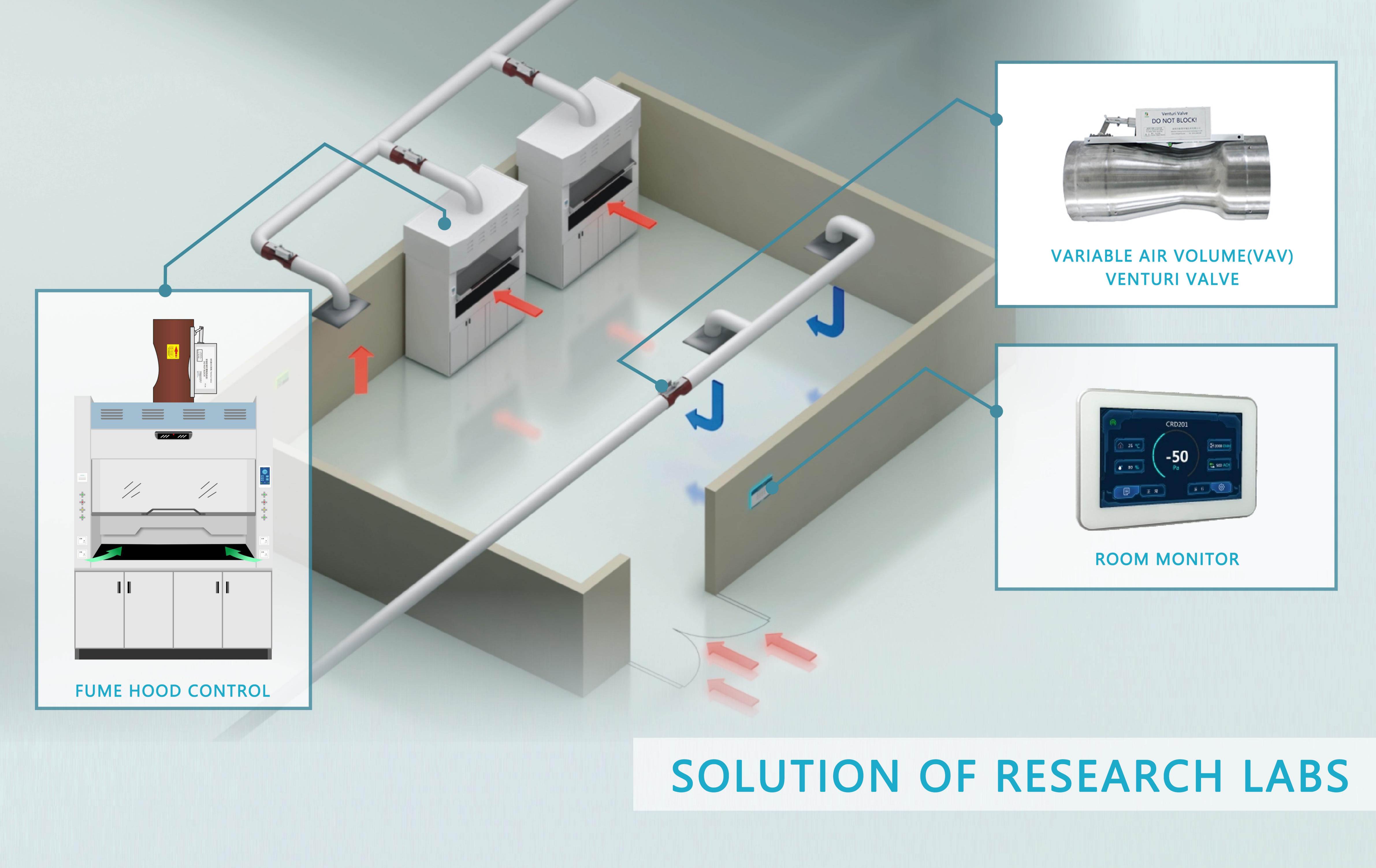
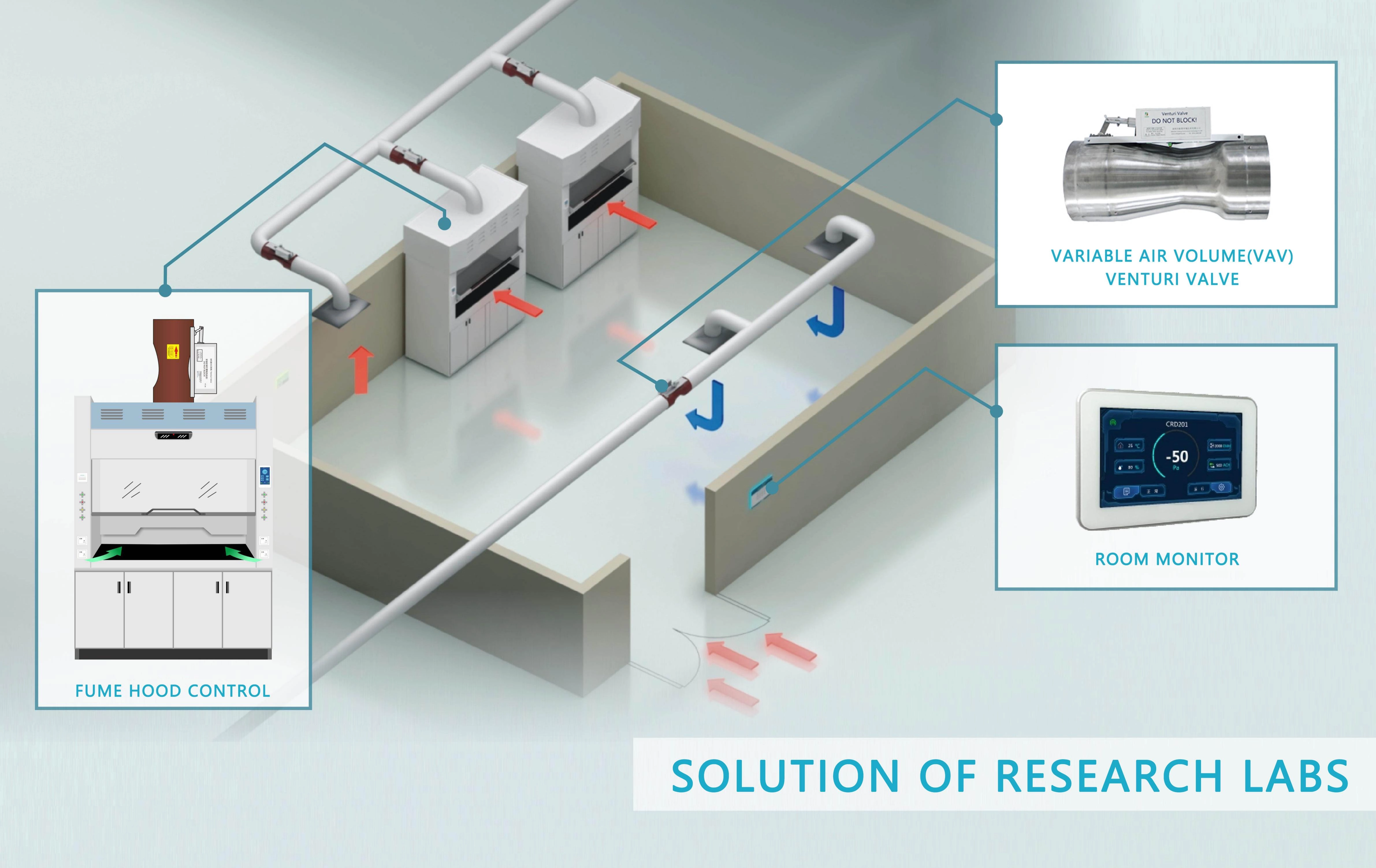
Evaluate the control strategy offered for the variable air volume fume hood. Systems that use Venturi valve or similar fast-modulating devices provide precise airflow control and quick response to changes in duct static pressure. Fast response and stable velocity control are crucial for maintaining containment during transient events like sash movements.
Consider the MAX LAB Venturi Valve Air Velocity Control System for its high-performance air pressure control. The product description states:
Optimize airflow regulation and ensure precise laboratory ventilation with MAX LAB Venturi Valve Air Velocity Control System. Designed for high-performance air pressure control, this system automatically adjusts to changes in duct static pressure, maintaining stable and energy-efficient air velocity management. Ideal for laboratories, cleanrooms, and healthcare facilities, it provides fast response times, low maintenance, and superior contaminant control. Our Venturi valve system enhances HVAC efficiency, improves air quality, and ensures compliance with critical environment safety standards.
Instrumented Testing and Verification
Good vendors provide instrumented factory or site acceptance testing (SAT) reports that include face velocity profiles, tracer gas containment tests, and total exhaust flow vs sash position curves. Ask for raw test data in addition to summary reports. If your facility requires validation to ISO cleanroom or air quality levels, verify vendor familiarity with ISO 14644.
Materials, Construction, and Ergonomics
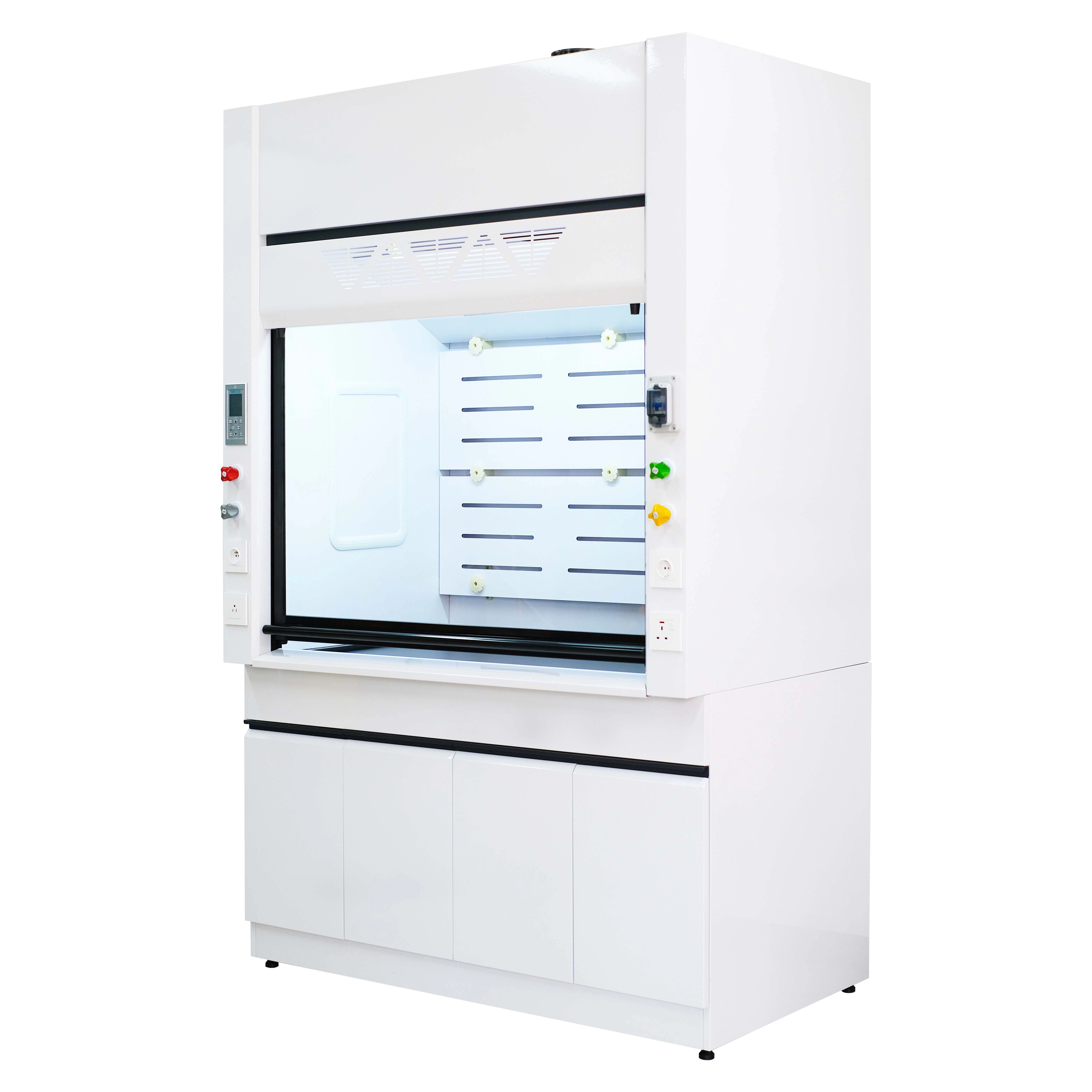
Inspect construction materials (stainless steel liners, chemical-resistant finishes), sash types (vertical, horizontal, or combination), and ergonomic features. Evaluate ease of service access, modularity for filter/sash replacement, and compatibility with utility fixtures. Durable construction reduces unexpected downtime and lifecycle costs.
Operational, Safety, and Compliance Considerations
Regulatory and Standards Compliance
Ensure the vendor's equipment and documentation comply with applicable regulations and standards. In the U.S., OSHA offers laboratory safety guidance that overlaps with fume hood operation requirements (OSHA Laboratory Safety). For health-based control and ventilation guidance, consult NIOSH resources (NIOSH Ventilation).
Alarm Systems and Fail-safe Features
Vendors should supply configurable alarms for low/ high face velocity, sash position interlocks, fan failure, and duct static pressure anomalies. Prefer systems that fail safe (e.g., close sash or trigger local alarms) and provide redundant sensing for critical parameters. Integration with BMS and remote monitoring reduces response times and risk.
Maintenance, Training, and Spare Parts
Ask about recommended preventive maintenance intervals, typical mean time between failures (MTBF) for critical components, and availability of replacement parts. A solid vendor will offer training for facilities staff and end users, written maintenance guides, and rapid spare parts logistics to minimize downtime.
Procurement Process & Lifecycle Cost Analysis
Comparing CAV vs VAV: Operational and Capital Trade-offs
When choosing between constant air volume (CAV) and variable air volume (VAV) fume hoods, it's essential to quantify both capital and operating costs. The table below highlights typical differences for a laboratory hood installation.
| Metric | Constant Air Volume (CAV) | Variable Air Volume (VAV) |
|---|---|---|
| Initial Capital Cost | Lower to moderate | Higher (controls & valves) |
| Annual Energy Use (HVAC) | High (full flow at all times) | Lower (modulated exhaust reduces fan & heating/cooling load) |
| Containment Stability | Stable but less adaptable | High if controls are precise and well-calibrated |
| Maintenance Complexity | Lower (fewer controls) | Higher (sensors, valves, controls) |
| Payback Period | NA or long | Typically 2–6 years depending on hours and climate |
Lifecycle Cost Modelling
Request a simple lifecycle cost model from each vendor that includes:
- Initial procurement and installation costs
- Annual energy and maintenance costs
- Estimated downtime and repair costs
- Projected service life and residual value
A vendor that supplies transparent assumptions (fan power, local energy costs, hours of operation, and expected control accuracy) demonstrates maturity and an evidence-based approach.
Evaluation Checklist and Scorecard
Use a weighted scorecard to compare vendors. Typical categories and suggested weights:
- Containment testing & verification (30%)
- Energy efficiency & controls integration (20%)
- Maintenance and service support (15%)
- Compliance and documentation (15%)
- Cost (initial + lifecycle) (20%)
Assign scores 1–5 per category and compute weighted totals to identify the best match for your facility goals.
Implementation, Validation, and Ongoing Optimization
Site Acceptance Testing and Commissioning
Never accept a delivery without a completed commissioning protocol. Site acceptance testing should cover face velocity uniformity, tracer-gas containment, sash alarm calibration, and BMS integration tests. Vendors should provide a Commissioning Plan and support for final certification. Following commissioning, maintain a record of baseline performance for future comparisons.
Operational Best Practices
Train laboratory staff on proper sash practices and nuisance alarm response. Encourage behaviors like keeping the sash closed when not in use to maximize the energy benefits of VAV fume hoods and maintain containment. Ongoing occupant training is a low-cost intervention with high impact.
Continuous Improvement and Remote Monitoring
Modern VAV fume hood vendors often include options for remote diagnostics and cloud-based analytics that track trends in face velocity, exhaust flow, and alarm events. These tools can proactively identify issues (e.g., fan degradation, duct blockage) and support condition-based maintenance programs.
Vendor Questions and RFP Template Items
Technical Data to Request
Include the following items in your RFP or vendor questionnaire:
- Factory test reports and third-party containment tests (ANSI/ASHRAE 110).
- Control algorithm description and integration protocol (BACnet, Modbus, etc.).
- Response time metrics for control devices (e.g., Venturi valve actuation time).
- Maintenance plan, MTBF figures, and spare part lead times.
Documentation and Training
Ask for user manuals, commissioning checklists, maintenance guides, and training schedules. Verify the vendor's ability to deliver on-site or remote training for facilities and laboratory users.
Warranty and Service Level Agreements
Define warranty periods for mechanical, electrical, and control components. Request service level agreement (SLA) terms for response times on critical failures, and ensure spare parts availability for the expected service life.
FAQ
Q: What is the main advantage of a variable air volume fume hood over a constant air volume model?
A: The main advantage is energy efficiency. VAV fume hoods modulate exhaust flow according to sash position and demand, significantly reducing HVAC load and operating costs. When properly configured and commissioned, they provide equivalent or better containment compared to CAV systems while saving energy.
Q: How do I verify a vendor's containment claims?
A: Request instrumented test reports—preferably third-party or in accordance with ANSI/ASHRAE 110—and raw data. Require on-site verification during commissioning and include tracer gas or smoke testing as part of the acceptance criteria. ASHRAE guidance can help interpret testing methodologies (ASHRAE).
Q: Are Venturi valve systems better than mechanical dampers for VAV control?
A: Venturi valve systems offer fast response, low leakage, and stable velocity control under fluctuating duct static pressures, which can improve containment stability and reduce maintenance. Evaluate performance data and vendor-specific response times when making a decision.
Q: What standards should my lab consider for fume hood procurement?
A: Commonly referenced standards include ANSI/ASHRAE 110 for containment testing and ISO 14644 for cleanroom classifications, depending on your facility. OSHA provides laboratory safety guidance, and NIOSH offers ventilation best practices (OSHA, NIOSH, ISO 14644).
Q: What maintenance should be expected for a VAV fume hood?
A: Routine maintenance typically includes annual calibration of sensors, inspection and cleaning of ductwork and exhaust fans, sash track lubrication, and verification of control logic and alarm thresholds. Venturi systems often have fewer moving parts than mechanical dampers, which can reduce some maintenance tasks.
If you would like to compare models, request sample test reports, or schedule a site assessment, contact our team to speak with a lab ventilation specialist or to view the Variable Air Volume Fume Hood product and the MAX LAB Venturi Valve Air Velocity Control System in detail. Our specialists can provide a customized lifecycle cost analysis and on-site commissioning support.
Contact us: For product information, quotes, or technical support, please contact our sales team or view the Variable Air Volume Fume Hood product page.
Custom Fume Hood Configurations for Specialized Laboratory Needs
Maintenance Protocols That Extend Lab Countertop Lifespan
Variable Air Volume Fume Hood Airflow Balancing Tips
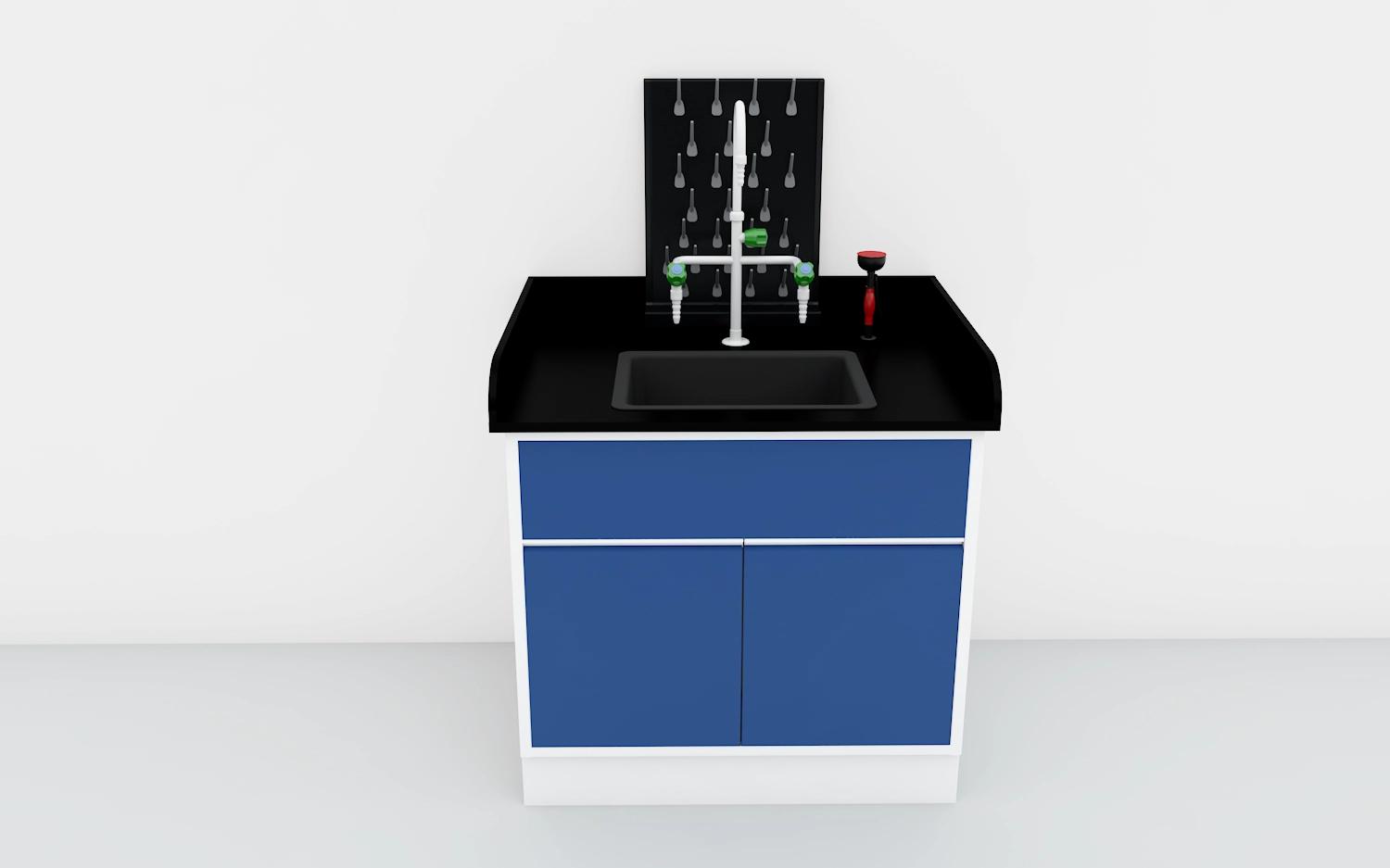
Chemical-Resistant Lab Sink Solutions for Safety and Durability
For After-Sales Support
What do I do if I am not satisfied with my purchase?
We strive to ensure customer satisfaction. If you are not happy with your purchase, please contact us, and we will do our best to resolve any concerns.
FAQS
How can I request a quote?
Simply contact us or fill out our online form with your project details. Our team will respond promptly with a free quote.
For Logistics
How can I track my shipment?
Once your order has been shipped, we will provide tracking information so you can monitor the status of your delivery.
Do you offer express shipping options?
Yes, we offer express shipping for urgent orders. Please contact our sales team to inquire about availability and additional costs.
For Products
What products does MAX LAB offer?
We specialize in laboratory furniture and equipment, including lab benches, fume hoods, storage cabinets, lab accessories, and custom lab solutions.
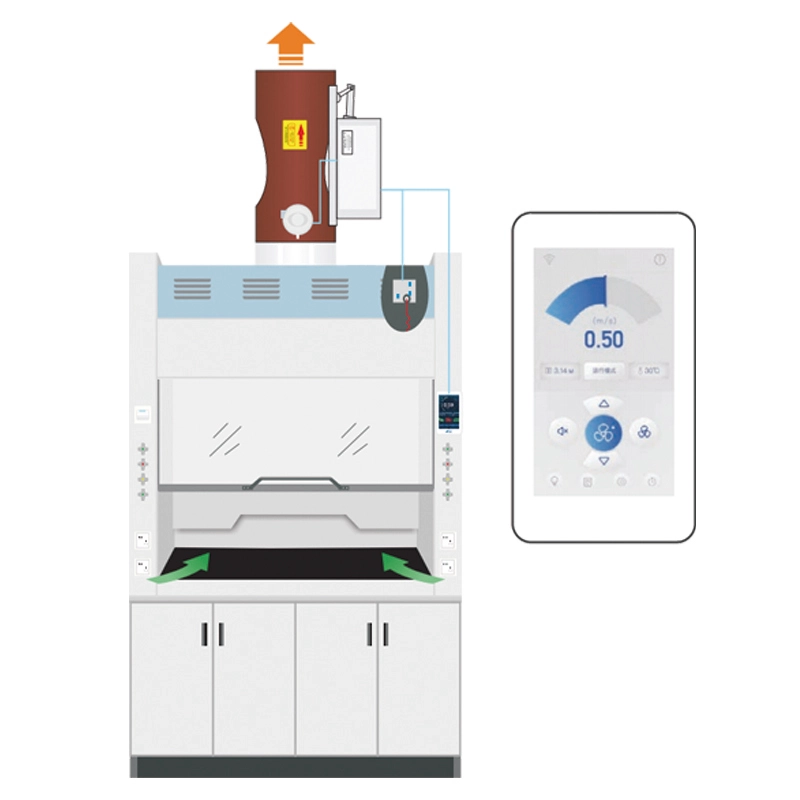
Variable Air Volume Fume Hood
Optimize airflow regulation and ensure precise laboratory ventilation with MAX LAB Venturi Valve Air Velocity Control System. Designed for high-performance air pressure control, this system automatically adjusts to changes in duct static pressure, maintaining stable and energy-efficient air velocity management. Ideal for laboratories, cleanrooms, and healthcare facilities, it provides fast response times, low maintenance, and superior contaminant control. Our Venturi valve system enhances HVAC efficiency, improves air quality, and ensures compliance with critical environment safety standards.

Floor Mounted Lab Bench
Our Floor Mounted Lab Bench is an essential, high-efficiency workspace for laboratories, made from high-quality steel-wood or corrosion-resistant stainless steel materials to ensure exceptional durability and stability. The unique floor-mounted design effectively reduces vibration, optimizes space usage, and provides a safe and tidy laboratory environment.
Customizable storage solutions help organize lab equipment efficiently, while the easy-to-clean surface maintains laboratory hygiene. It is widely suitable for research institutions, educational laboratories, and the chemical and pharmaceutical industries.
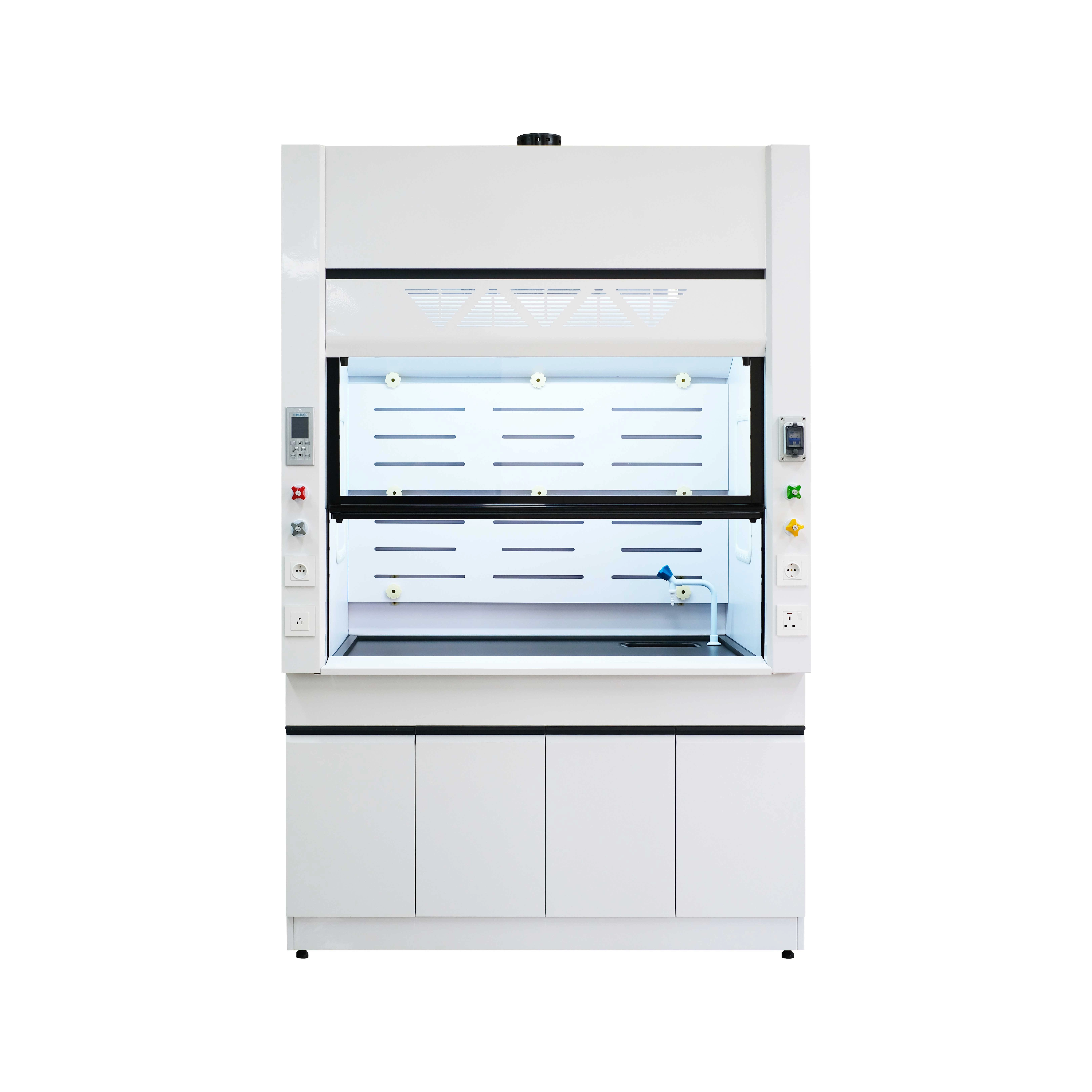
Fume Hood
The fume hood provides safe ventilation to protect against exposure to hazardous or toxic fumes, vapors, or airborne particulate. It is primarily used in laboratory and manufacturing applications to protect the user or environment outside the hood, but can also be used to protect the materials or experiment under the hood.
APPLICATION
Chemistry Lab, physics Lab, biological analysis, pharmaceutical medicine analysis, biological pharmaceutical, plant culture, environmental testing and electronic instrumentation scientific research and so on.
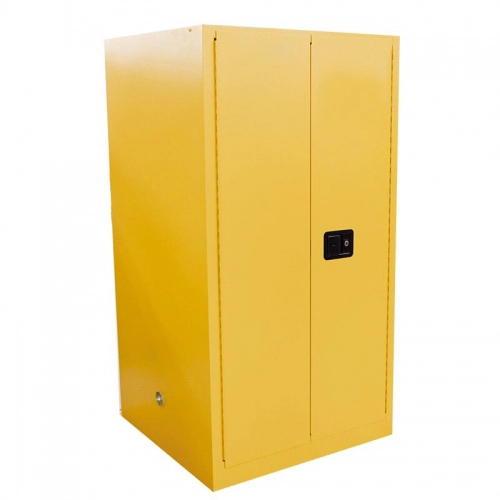
Flammable Storage Cabinet
Safety Cabinets store flammable liquids, corrosives, pesticides and other hazardous materials. All fire-resistant safety cabinets by meet fire codes and regulations for safety storage.
To help protect your people and facility from a potential fire, safety cabinets are engineered to safely contain flammable fuels, solvents, and chemicals. Safety cabinets can not only help everyone store chemicals reasonably, save chemical supplies, but also save human resources, and avoid fires caused by chemicals with the greatest strength.

 Scan QR Code
MaxLabFurniture
MaxLab Furniture
daihongada
Max Laboratory