
Variable Air Volume Fume Hood Alarm and Safety Systems

- How Variable Air Volume Fume Hoods Work and Why Alarms Matter
- What is a variable air volume fume hood?
- Why specialized alarm systems are required for VAV hoods
- Key components: sensors, control valves, and actuators
- Alarm Types, Setpoints, and Integration Best Practices
- Types of alarms and what they signal
- Alarm thresholds, hysteresis, and fail-safe behavior
- Integration with Building Management Systems and emergency protocols
- Design, Commissioning, Compliance, and Maintenance
- Design considerations for safer VAV fume hoods
- Commissioning, validation and standards
- Routine maintenance, calibration and lifecycle management
- Practical Comparison and the MAX LAB Venturi Advantage
- Head-to-head: VAV vs CAV in safety and energy performance
- Why a Venturi valve control like MAX LAB helps alarm performance
- Selecting and procuring VAV fume hoods with robust safety systems
- Frequently Asked Questions (FAQ)
- Q: What face velocity should I set for my VAV fume hood?
- Q: How do alarms differentiate between nuisance events and real containment loss?
- Q: How often should airflow sensors be calibrated?
- Q: Can VAV hoods be retrofitted into older ventilation systems?
- Q: What standards should I consult for testing and compliance?
- Contact and Next Steps
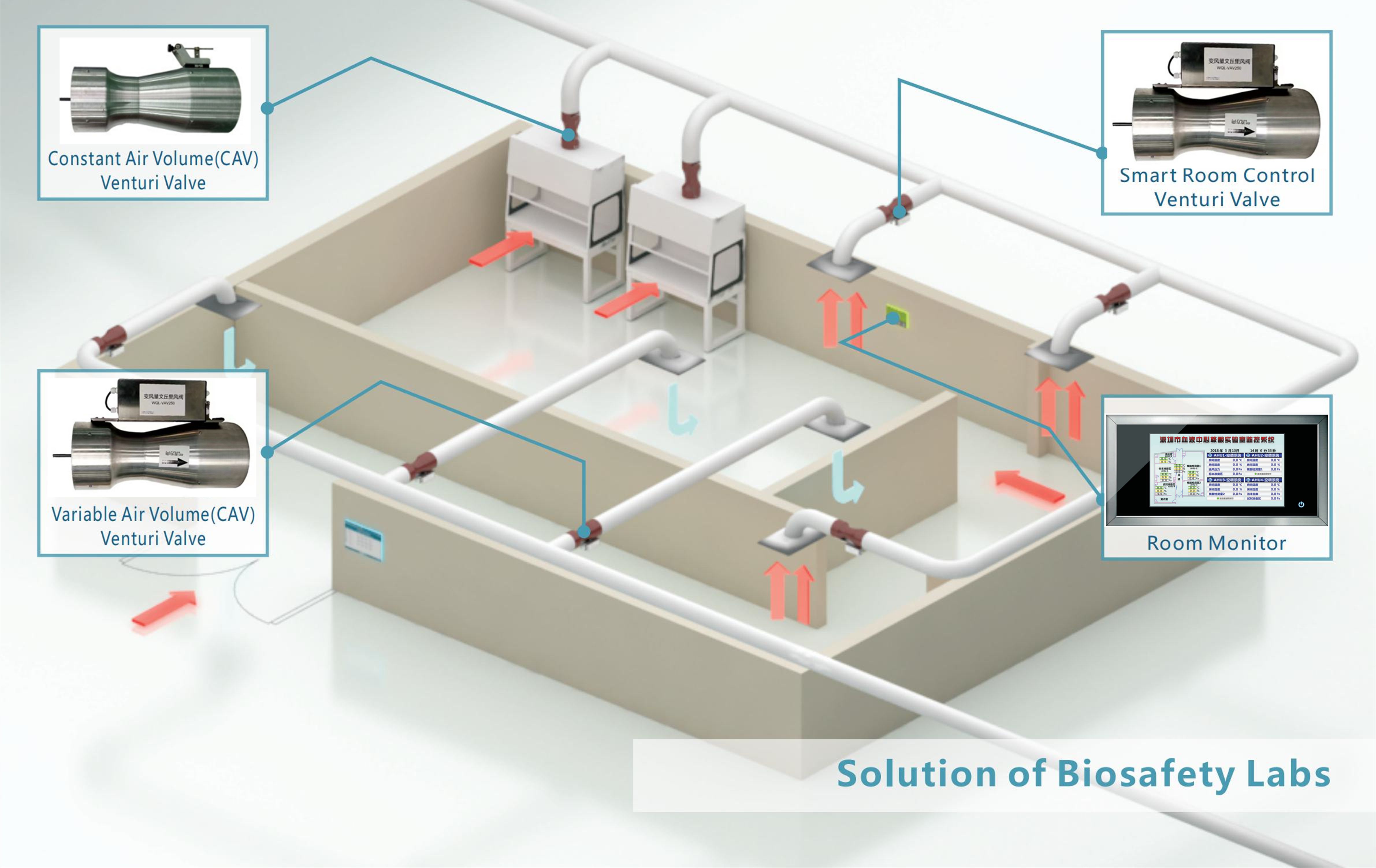
Variable Air Volume fume hood systems are central to modern laboratory safety and energy efficiency. By continuously adjusting exhaust in response to sash position and duct conditions, VAV fume hoods reduce contaminant exposure and lower HVAC loads while requiring robust alarm and safety subsystems—sash sensors, airflow monitors, fail-safe interlocks, and building management integration—to ensure reliable protection. This article explains how VAV alarm and safety systems work, how to select, commission, and maintain them, and why a high-performance Venturi valve-based control like the MAX LAB Venturi Valve Air Velocity Control System improves both safety and operational efficiency.
How Variable Air Volume Fume Hoods Work and Why Alarms Matter
What is a variable air volume fume hood?
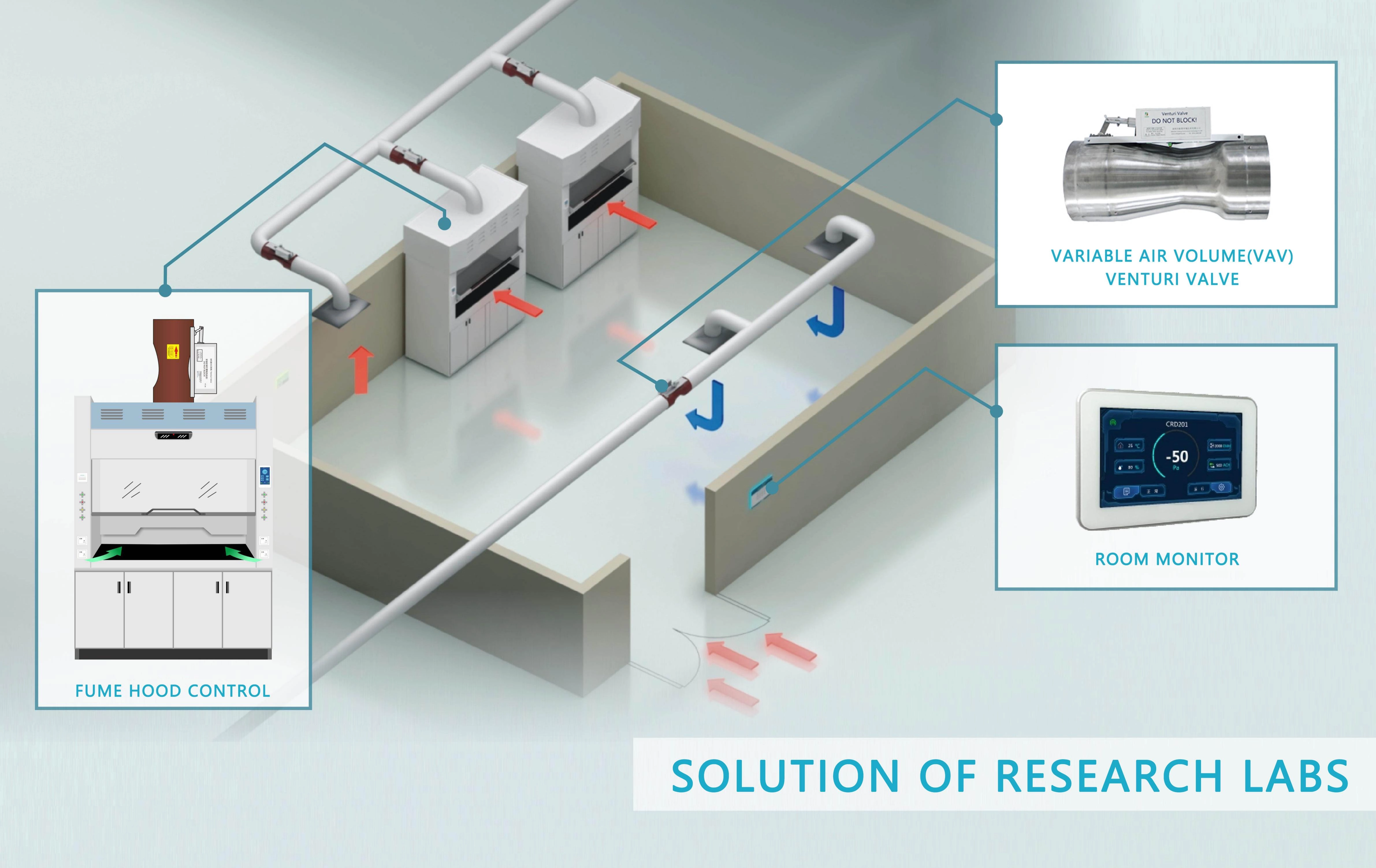
A variable air volume fume hood (VAV fume hood) is a laboratory enclosure that dynamically varies exhaust airflow to maintain a target face velocity as sash openings change. Unlike constant volume (CAV) hoods that exhaust a fixed airflow regardless of sash position, VAV hoods automatically modulate flow to maintain safe containment while conserving energy. Core components include a sash with position sensing, an airflow control element (damper or Venturi valve), a sensor/monitoring system, and control logic that governs alarms and interlocks.
Why specialized alarm systems are required for VAV hoods
Because VAV systems actively change airflow, the hood’s protection depends on the integrity of sensors, actuators, and control logic. Alarms provide immediate notification if face velocity deviates from safe thresholds, sash behavior is abnormal, or if duct/pressure faults compromise containment. A well-designed alarm and safety system prevents operator exposure to hazardous vapors and ensures compliance with established test standards, reducing risk even when controls fail.
Key components: sensors, control valves, and actuators
Typical VAV safety components include:
- Sash position sensors (optical, magnetic, or potentiometer) to detect opening/closing and trigger flow adjustments.
- Airflow or face-velocity sensors (hot-wire anemometers, differential pressure probes) that measure real-time containment performance.
- Control valves (dampers or Venturi valves) that modulate exhaust based on sensor input. Venturi valve systems provide fast response and stable control of air velocity under varying duct pressures.
- Alarms (visual, audible, and digital alerts) and interlocks to warn users and lock down operations when unsafe conditions are detected.
Alarm Types, Setpoints, and Integration Best Practices
Types of alarms and what they signal
Alarm systems for VAV fume hoods typically include multiple layers to differentiate urgency and required response:
- Advisory alarms: low-priority alerts for marginal deviations (e.g., slight dip in setpoint) to prompt user awareness or maintenance scheduling.
- Warning alarms: medium-priority alerts when face velocity falls outside acceptable band, requiring immediate operator adjustment or reduced use of hazardous materials.
- Critical alarms: high-priority, immediate alerts and automatic safe-state actions (e.g., sash auto-close, system shutdown) when containment is lost or a sensor/actuator fails.
Alarm thresholds, hysteresis, and fail-safe behavior
Setpoints must balance sensitivity with immunity to nuisance alarms. Typical face-velocity target ranges for fume hoods are 80–120 feet per minute (fpm) depending on laboratory practice; however, project-specific values should reference local standards and procedures. Proper design uses a deadband or hysteresis to avoid oscillation and nuisance triggers, while fail-safe logic ensures that in the event of control loss the hood reverts to a conservative safe mode (for example, sash auto-close and default to highest safe exhaust setting).
Standards and testing protocols such as those described by ASHRAE provide the guidance for acceptable testing and performance verification; see ASHRAE for standards and technical resources.
Integration with Building Management Systems and emergency protocols
Alarm outputs should integrate seamlessly with a Building Management System (BMS) for logging, centralized alerts, and coordinated emergency responses (e.g., shutting down related HVAC or activating building exhaust for containment). Communication protocols such as BACnet or Modbus allow the VAV controller and alarm module to share status and fault conditions. For emergency protocols and laboratory biosafety procedures, consult authoritative guidance like the CDC's laboratory safety resources: CDC Lab Safety.
Design, Commissioning, Compliance, and Maintenance
Design considerations for safer VAV fume hoods
Design choices significantly affect alarm reliability and containment performance. Prioritize the following:
- High-quality sash sensors with redundancy to avoid single-point failures.
- Fast-response control valves such as Venturi valve systems to maintain stable face velocity despite duct static pressure variations.
- Clear, tiered alarm indicators (LED stacks, audible tones, and display screens) so users can immediately understand severity.
- Automatic behaviors such as sash auto-close, local exhaust boost, or safe shutoff for control failures.
For laboratories and cleanrooms that must meet strict contamination controls, reference international cleanroom standards such as ISO 14644.
Commissioning, validation and standards
Commissioning and testing should verify both the VAV control performance and alarm responses. ASHRAE Standard 110 describes test methods for laboratory fume hoods; performing tracer gas containment tests and face velocity mapping both before and after commissioning confirms that the system meets containment and alarm criteria. See additional guidance at Fume hood (Wikipedia) for background and related testing methods.
Routine maintenance, calibration and lifecycle management
To maintain safety and compliance, set a maintenance schedule that includes:
- Quarterly or semiannual calibration of face-velocity sensors and verification of sash sensor function.
- Annual control valve and actuator performance checks; Venturi valves typically require low maintenance but should be inspected for wear and debris.
- Frequent visual checks of alarm indicators, audible alerts, and BMS connectivity; log events for traceability.
A proactive maintenance program reduces false alarms and ensures alarms indicate meaningful conditions. When data is logged centrally via the BMS, trend analysis can predict component degradation and optimize preventive replacement.
Practical Comparison and the MAX LAB Venturi Advantage
Head-to-head: VAV vs CAV in safety and energy performance
The following table summarizes typical performance differences between Variable Air Volume fume hoods and Constant Air Volume systems across key metrics relevant to safety managers and facility engineers.
| Feature | Variable Air Volume Fume Hood | Constant Air Volume Fume Hood |
|---|---|---|
| Energy consumption | Lower (modulates exhaust to sash position; significant HVAC savings) | Higher (fixed exhaust regardless of use) |
| Containment stability | High when properly controlled and commissioned; requires reliable sensors and valves | Stable but less adaptable to changing conditions; may waste energy |
| Alarm complexity | Higher (needs multi-sensor monitoring and smart alarm logic) | Simpler (alarms mostly for static faults) |
| Response to duct static pressure changes | Good with Venturi valve systems that compensate automatically | Poor – performance can degrade if duct pressure varies |
| Typical use cases | Modern labs, research facilities, cleanrooms, healthcare labs prioritizing energy and safety | Older labs or simpler setups where energy optimization is not prioritized |
Why a Venturi valve control like MAX LAB helps alarm performance
MAX LAB Venturi Valve Air Velocity Control System optimizes airflow regulation and ensures precise laboratory ventilation. Designed for high-performance air pressure control, this system automatically adjusts to changes in duct static pressure, maintaining stable and energy-efficient air velocity management. Ideal for laboratories, cleanrooms, and healthcare facilities, it provides fast response times, low maintenance, and superior contaminant control. Our Venturi valve system enhances HVAC efficiency, improves air quality, and ensures compliance with critical environment safety standards.
Because Venturi valves provide stable control over a range of duct pressures, they reduce the frequency of alarm conditions that stem from transient pressure spikes. Faster response and stable control also improve containment during sash motion, and when paired with accurate sensors and intelligent alarm logic, they raise the overall safety margin of the VAV fume hood system.
Selecting and procuring VAV fume hoods with robust safety systems
When specifying a variable air volume fume hood, consider these procurement criteria:
- Proven Venturi valve performance with documented response times and low maintenance requirements.
- Redundant sensing for sash and airflow (dual sensors recommended for critical operations).
- Clear alarm tiering and user interface that provides immediate actionable information to lab staff.
- Open communication protocols (BACnet, Modbus) for integration into the BMS and energy management platforms.
Frequently Asked Questions (FAQ)
Q: What face velocity should I set for my VAV fume hood?
A: Typical face velocity targets are 80–120 fpm depending on your lab procedures and regulatory guidance. Always reference institutional safety requirements and standards such as those from ASHRAE when defining setpoints.
Q: How do alarms differentiate between nuisance events and real containment loss?
A: Good alarm systems use multi-parameter logic—combining sash position, face velocity, and trend analysis—to avoid nuisance alarms. Hysteresis, verification timers, and tiered alarms (advisory/warning/critical) provide context and reduce false positives while ensuring critical events trigger immediate action.
Q: How often should airflow sensors be calibrated?
A: Face velocity sensors should be calibrated at least annually, with more frequent checks (quarterly or semiannual) for high-use or hazardous applications. Calibration frequency should reflect risk level, local regulations, and manufacturer recommendations.
Q: Can VAV hoods be retrofitted into older ventilation systems?
A: Yes—many VAV systems and Venturi valve packages are designed for retrofit. However, retrofits should include duct pressure assessments, BMS integration planning, and commissioning tests (e.g., ASHRAE 110) to ensure containment and alarm integrity.
Q: What standards should I consult for testing and compliance?
A: Use ASHRAE guidance for fume hood testing methods and performance. For cleanroom-adjacent labs, consider ISO 14644 for contamination control. For laboratory biosafety procedures and emergency protocols, consult CDC resources. See ASHRAE, ISO 14644, and CDC Lab Safety for authoritative material.
Contact and Next Steps
If you are specifying, upgrading, or commissioning Variable Air Volume fume hood systems and need a reliable Venturi valve solution with integrated alarm and safety controls, contact our team to discuss requirements, request technical datasheets, or schedule an on-site evaluation. To learn more about the Variable Air Volume Fume Hood and the MAX LAB Venturi Valve Air Velocity Control System, reach out to our sales engineers or visit our product page to view specifications and case studies.
Contact us: For pricing, technical support, or to schedule a demo, please contact our sales team or view the Variable Air Volume Fume Hood product page.
References: ASHRAE (ashrae.org), ISO 14644 (iso.org), CDC Lab Safety (cdc.gov), Fume hood background (wikipedia.org).
Cleaning and Decontamination Best Practices for Lab Benches
Top 10 Lab Benches Manufacturers and Supplier Brands in 2026
Variable Air Volume Fume Hood Filter Options Explained
Corrosion-Resistant Coatings for Lab Sink Cabinets
For Logistics
What is the lead time?
We usually will start to work after receiving 50% deposit, and as for the exact lead time, it depends on quantity and detailed requirement. We can promise it will be shipped on time as we negotiated.
For After-Sales Support
Can you help with product troubleshooting?
Yes, our customer support team is available to help with any issues or troubleshooting you may need for your laboratory equipment.
For Company
Are you a factory or trade company?
Direct factory. We also have our sales and design team to offer better service to our valued customers.
Can I visit your factory or showroom?
Yes, we welcome visits to our showroom and production facility. Please contact us in advance to schedule an appointment.
FAQS
Do you offer custom design services?
Yes, we provide full design support tailored to your lab’s specific needs, including layout planning and furniture customization.
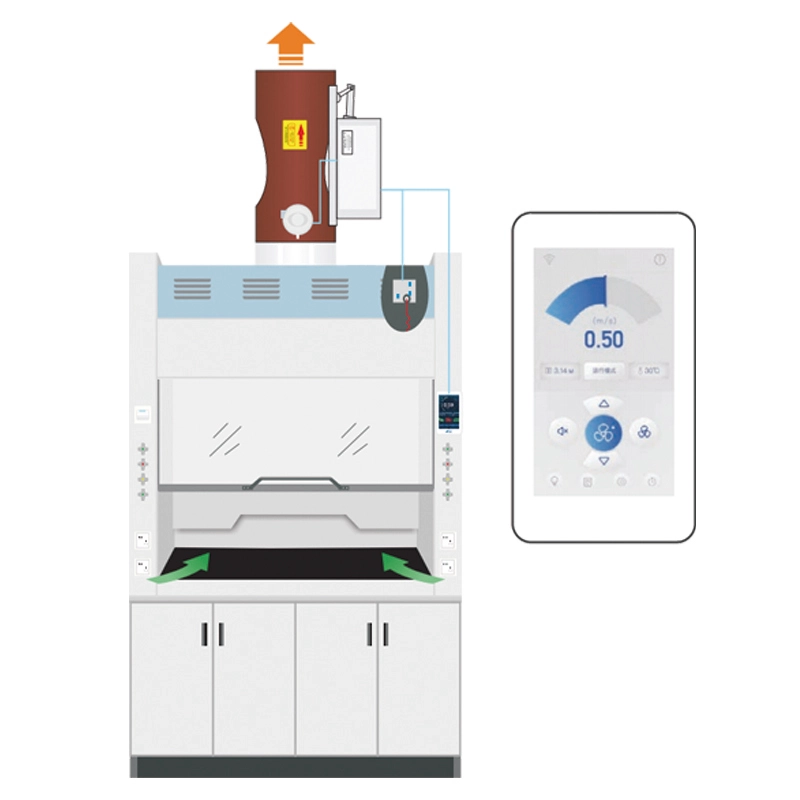
Variable Air Volume Fume Hood
Optimize airflow regulation and ensure precise laboratory ventilation with MAX LAB Venturi Valve Air Velocity Control System. Designed for high-performance air pressure control, this system automatically adjusts to changes in duct static pressure, maintaining stable and energy-efficient air velocity management. Ideal for laboratories, cleanrooms, and healthcare facilities, it provides fast response times, low maintenance, and superior contaminant control. Our Venturi valve system enhances HVAC efficiency, improves air quality, and ensures compliance with critical environment safety standards.

Floor Mounted Lab Bench
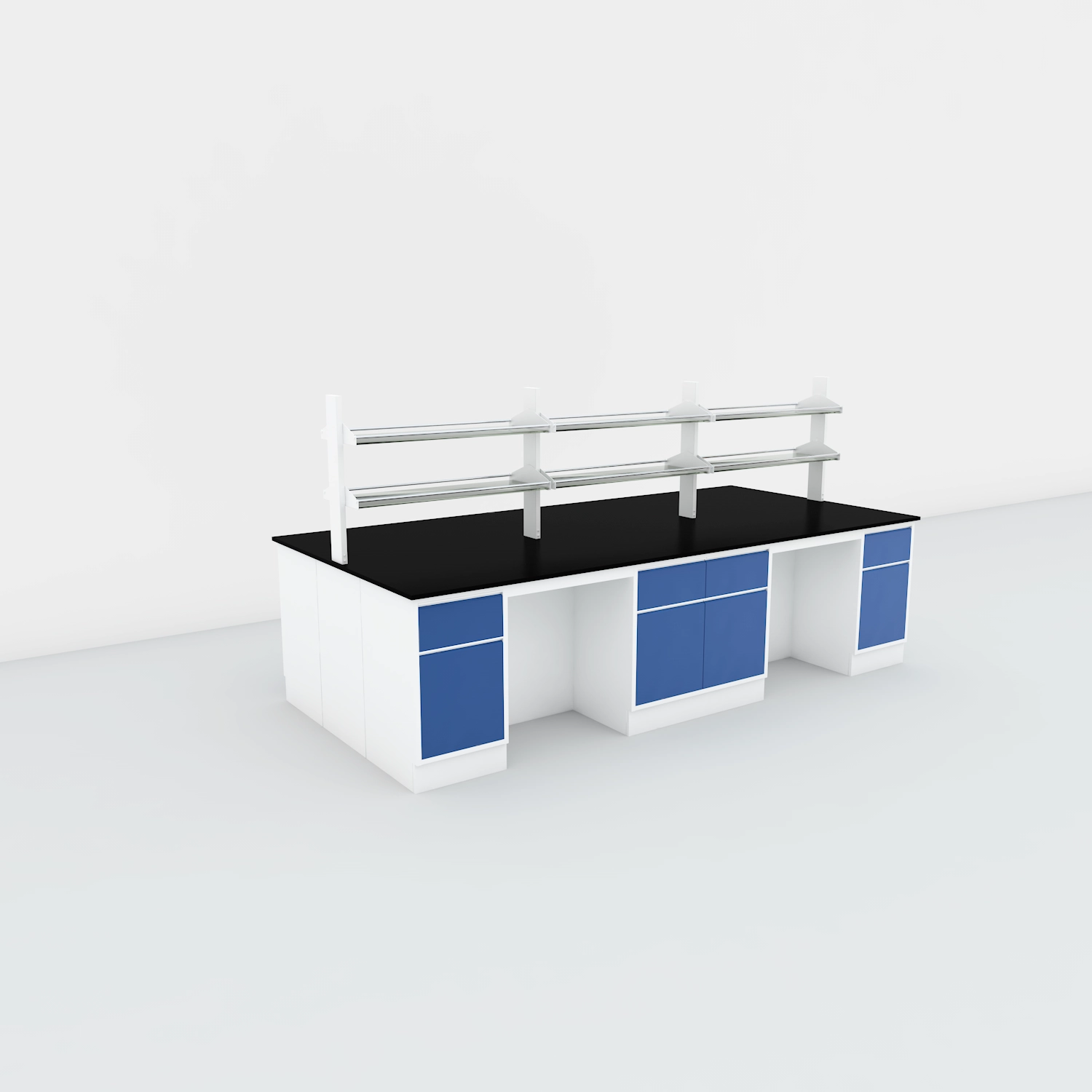
Our Floor Mounted Lab Bench is an essential, high-efficiency workspace for laboratories, made from high-quality steel-wood or corrosion-resistant stainless steel materials to ensure exceptional durability and stability. The unique floor-mounted design effectively reduces vibration, optimizes space usage, and provides a safe and tidy laboratory environment.
Customizable storage solutions help organize lab equipment efficiently, while the easy-to-clean surface maintains laboratory hygiene. It is widely suitable for research institutions, educational laboratories, and the chemical and pharmaceutical industries.
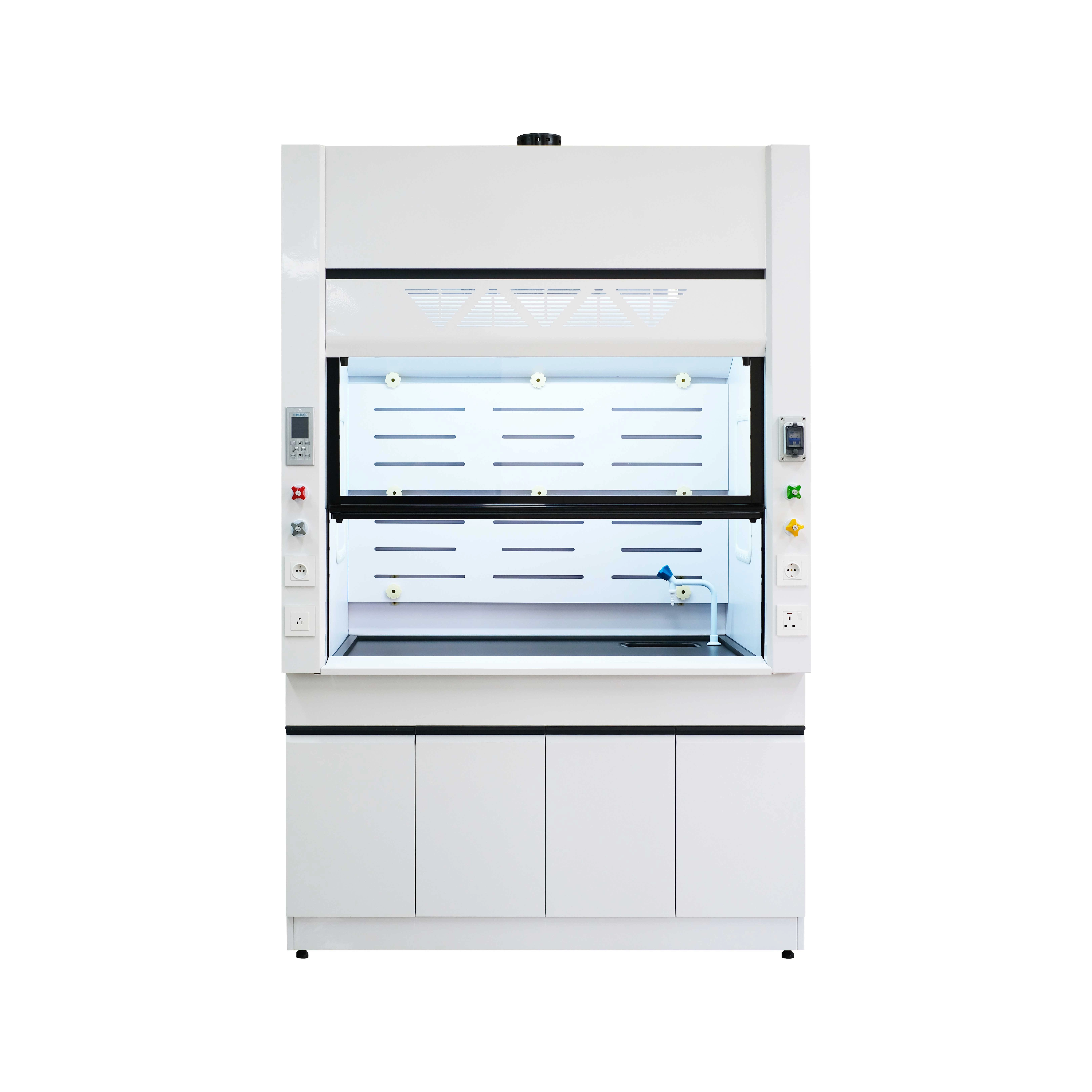
Fume Hood
The fume hood provides safe ventilation to protect against exposure to hazardous or toxic fumes, vapors, or airborne particulate. It is primarily used in laboratory and manufacturing applications to protect the user or environment outside the hood, but can also be used to protect the materials or experiment under the hood.
APPLICATION
Chemistry Lab, physics Lab, biological analysis, pharmaceutical medicine analysis, biological pharmaceutical, plant culture, environmental testing and electronic instrumentation scientific research and so on.
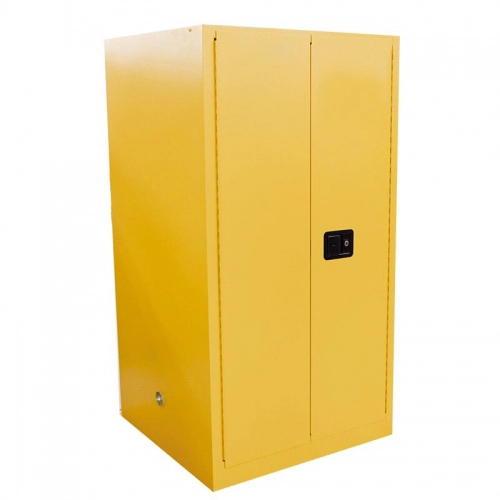
Flammable Storage Cabinet
Safety Cabinets store flammable liquids, corrosives, pesticides and other hazardous materials. All fire-resistant safety cabinets by meet fire codes and regulations for safety storage.
To help protect your people and facility from a potential fire, safety cabinets are engineered to safely contain flammable fuels, solvents, and chemicals. Safety cabinets can not only help everyone store chemicals reasonably, save chemical supplies, but also save human resources, and avoid fires caused by chemicals with the greatest strength.

 Scan QR Code
MaxLabFurniture
MaxLab Furniture
daihongada
Max Laboratory