
Variable Air Volume Fume Hood Sash Design Buyer Guide

- Key Principles of Variable Air Volume Fume Hood Sash Design
- Why sash design matters for containment and safety
- Sash types and their trade-offs
- Face velocity, setpoints and human factors
- Controls, Venturi Valve Integration and VAV Systems
- How a Venturi Valve VAV system works with the sash
- Static pressure compensation and sensors
- BMS integration, alarms and safety interlocks
- Performance, Testing, Maintenance and Compliance
- Commissioning and the ASHRAE 110 test
- Maintenance best practices
- Standards, codes and documentation
- Selection, Retrofit and Return on Investment
- Choosing the right sash features for your lab
- Retrofit considerations: converting CAV to VAV
- Energy, safety and cost comparison
- Implementation Checklist for Buyers
- Pre-purchase questions
- Installation and commissioning steps
- Operational best practices
- FAQ
- Q: What is the ideal face velocity for a Variable Air Volume fume hood?
- Q: How does a Venturi valve differ from a traditional VAV box?
- Q: Can I retrofit existing hoods to VAV using Venturi valves?
- Q: How often should VAV fume hoods be retested?
- Q: Which standards should I reference when buying and commissioning?
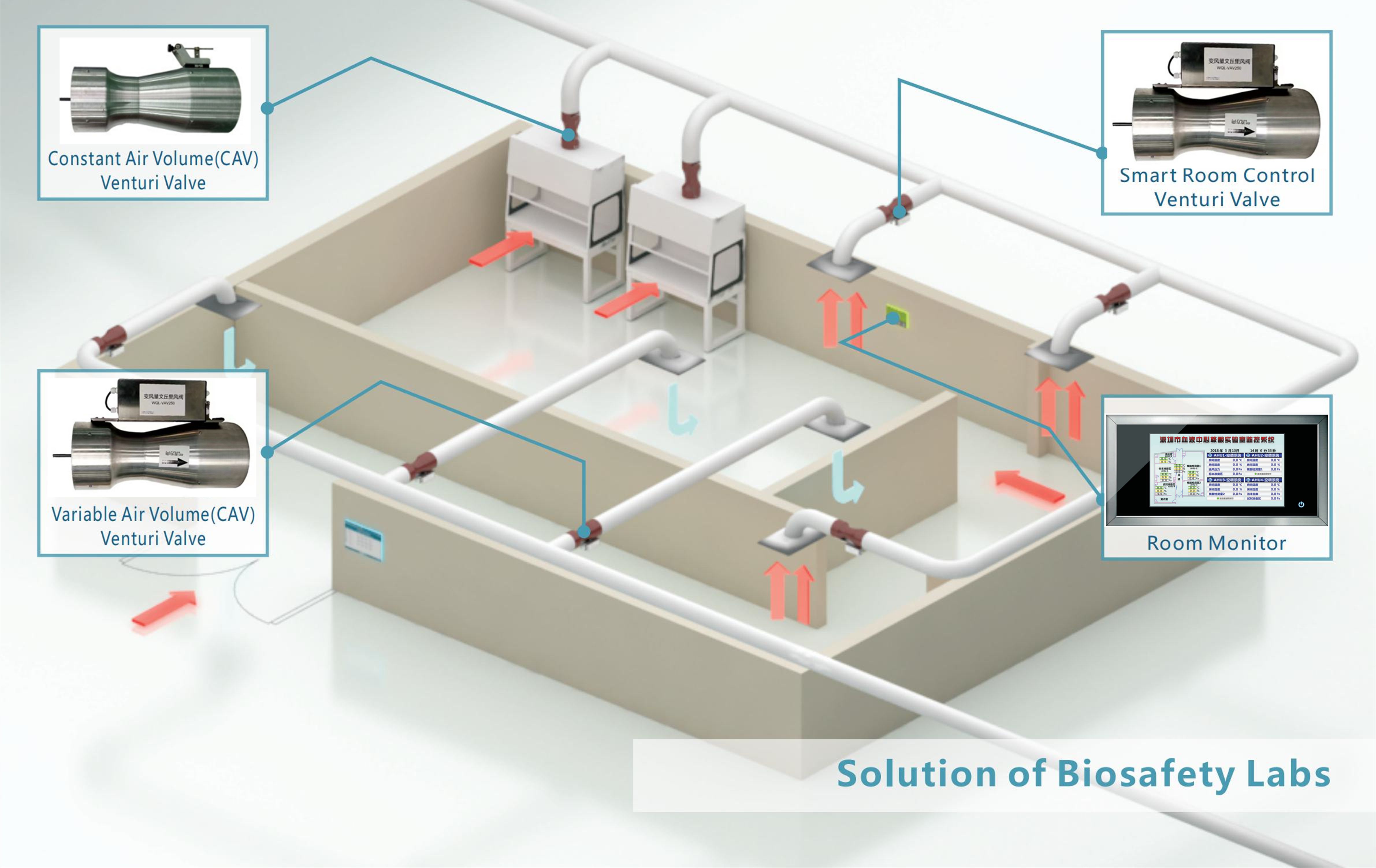
Optimize airflow regulation and ensure precise laboratory ventilation with MAX LAB Venturi Valve Air Velocity Control System. Designed for high-performance air pressure control, this system automatically adjusts to changes in duct static pressure, maintaining stable and energy-efficient air velocity management. Ideal for laboratories, cleanrooms, and healthcare facilities, it provides fast response times, low maintenance, and superior contaminant control. Our Venturi valve system enhances HVAC efficiency, improves air quality, and ensures compliance with critical environment safety standards.
This guide focuses on Variable Air Volume fume hood sash design and how it interacts with VAV control systems to deliver containment, occupant safety, and energy savings. It combines practical design advice, standards-based testing guidance, and buyer-focused selection criteria so facility managers, lab planners, and safety officers can make informed choices.
Key Principles of Variable Air Volume Fume Hood Sash Design
Why sash design matters for containment and safety
The sash is the user interface between the lab occupant and the fume hood interior. Its geometry, weight, glazing, and motion control directly affect face velocity, turbulence, and the potential for contaminant escape. A properly engineered sash paired with VAV control preserves containment even as airflow changes, reducing exposure risk and ensuring consistent performance during experiments.
Sash types and their trade-offs
Common sash types include vertical sliding, horizontal sliding, combination (vertical with bypass), and bypass sashes. Vertical sashes provide simple face velocity control and are often easiest to automate with position sensors. Horizontal sashes are preferred in some specialty labs for access, while bypass sashes allow stable airflow at larger openings but can be more complex to control. Choose sash geometry based on workflow, chemical hazards, ergonomics, and maintenance access.
Face velocity, setpoints and human factors
Face velocity setpoints (commonly 80–120 fpm / 0.4–0.6 m/s depending on local standards and hazard level) must be maintained across sash positions to assure containment. Variable Air Volume fume hood controls must actively adjust supply and exhaust to meet setpoints as the sash opens or closes. Sash height feedback, clear marking of safe openings, and ergonomic counterbalances reduce user-induced deviations that compromise performance.
Controls, Venturi Valve Integration and VAV Systems
How a Venturi Valve VAV system works with the sash
Venturi valve VAV systems (like the MAX LAB Venturi Valve Air Velocity Control System) control face velocity by modulating airflow in response to sash position and duct static pressure. Instead of throttling fans, a properly sized Venturi valve regulates flow with minimal pressure loss, ensuring fast response and energy-efficient operation. This approach keeps containment stable during sash movements and duct pressure fluctuations.
Static pressure compensation and sensors
For effective VAV performance, the control system uses sash position sensors and duct/room static pressure sensors to dynamically compensate airflow. Static pressure compensation prevents unintended over- or under-flow when multiple hoods operate on the same exhaust system. Integrating accurate sensors reduces nuisance alarms and improves long-term stability.
BMS integration, alarms and safety interlocks
Integrate VAV fume hood controls with the Building Management System (BMS) for centralized monitoring, scheduling, and trend analysis. Safety interlocks — automatic sash closure, fan fail alarms, and high/low face velocity alerts — are essential. Ensure BMS logic includes priority control for exhaust capacity during emergency events and can log test data to support compliance audits.
Performance, Testing, Maintenance and Compliance
Commissioning and the ASHRAE 110 test
Commission new Variable Air Volume fume hoods using standardized containment tests. The ASHRAE 110 test method is widely used to evaluate fume hood performance under tracer gas conditions; refer to authoritative test methods and protocols from ASHRAE when commissioning: ASHRAE. Regular retesting after installation or modification validates that sash design and VAV controls meet containment criteria.
Maintenance best practices
Maintenance must include periodic verification of sash position sensors, Venturi valve calibration, ductwork leak inspection, and face velocity measurement across sash positions. Replace worn sash counterweights, check glazing seals, and clean baffles to prevent changes in hood airflow patterns. A preventive maintenance schedule prevents drift that undermines containment and energy performance.
Standards, codes and documentation
Comply with local and international ventilation and lab safety standards. OSHA provides guidance on laboratory ventilation practices (OSHA laboratory ventilation) and ISO 14644 covers cleanroom environmental controls relevant for controlled labs (ISO 14644). Keep records of commissioning tests, maintenance logs, and BMS trends to demonstrate due diligence and support audits.
Selection, Retrofit and Return on Investment
Choosing the right sash features for your lab
Consider these selection criteria when specifying a Variable Air Volume Fume Hood sash:
- Type of experiments and chemical hazard classification
- Required face velocity and acceptable sash openings
- Integration needs with VAV controls and BMS
- Operator ergonomics, visibility, and material compatibility
- Maintenance access and lifetime costs
Retrofit considerations: converting CAV to VAV
Retrofitting constant air volume (CAV) hoods to Variable Air Volume control often yields substantial energy savings but requires careful planning. Key retrofit steps:
- Assess existing exhaust system capacity and duct layout
- Select a Venturi valve or VAV box sized for expected flow ranges
- Install sash position sensors and update BMS control logic
- Re-commission using ASHRAE 110 or equivalent test
Energy, safety and cost comparison
Variable Air Volume fume hoods typically reduce energy use versus CAV systems because fans operate at lower average flow. The table below summarizes key differences.
| Feature | Variable Air Volume (VAV) with Venturi Valve | Constant Air Volume (CAV) |
|---|---|---|
| Energy consumption | Lower; modulates with sash position and demand | Higher; constant fan power regardless of sash |
| Containment stability | High if controls and sensors are properly commissioned | Stable at design conditions but wastes energy |
| Response to duct pressure changes | Good with Venturi valve static pressure compensation | Limited unless complex controls are added |
| Initial cost | Higher (valves, sensors, controls) but fast payback | Lower upfront, higher lifecycle cost |
| Maintenance | Requires calibration and sensor checks | Relatively simple but higher HVAC loads |
Quantify energy savings using local HVAC costs, expected sash open-time profiles, and the Venturi valve manufacturer’s performance curves to calculate payback. Many facilities achieve payback in 2–5 years depending on usage patterns.
Implementation Checklist for Buyers
Pre-purchase questions
Ask prospective suppliers these critical questions:
- Can you provide containment test results (ASHRAE 110) across sash positions?
- How does your Venturi valve maintain face velocity under duct pressure fluctuation?
- What BMS protocols are supported (BACnet, Modbus)?
- What are recommended maintenance intervals and spare parts?
Installation and commissioning steps
Require a documented commissioning plan that includes site acceptance tests, ASHRAE 110 commissioning, BMS integration tests, and operator training. Verify that the supplier provides a warranty and clear maintenance documentation.
Operational best practices
Train lab users in safe sash practices: keep sash at the lowest practical height, close when not in use, and never defeat interlocks. Display clear sash opening limits and face velocity setpoints near the hood. Use BMS dashboards to monitor trends and schedule preventative maintenance before performance degrades.
FAQ
Q: What is the ideal face velocity for a Variable Air Volume fume hood?
A: Typical target ranges are 80–120 fpm (0.4–0.6 m/s), but exact setpoints depend on local regulations, the chemical hazards in use, and the hood’s design. Commissioning tests (ASHRAE 110) help determine effective setpoints for containment.
Q: How does a Venturi valve differ from a traditional VAV box?
A: Venturi valves regulate airflow with low pressure drop and rapid response to pressure changes. They are particularly effective in laboratory exhaust systems where precise face velocity control is required. Traditional VAV boxes may be bulkier and less responsive in highly variable duct conditions.
Q: Can I retrofit existing hoods to VAV using Venturi valves?
A: Yes—many facilities retrofit CAV hoods to VAV with Venturi valves, sash sensors, and updated controls. Retrofitting requires assessment of exhaust capacity, ductwork, and BMS compatibility, followed by commissioning to ensure containment.
Q: How often should VAV fume hoods be retested?
A: Annual certification is common, though frequency may be increased based on high-risk processes, incident history, or local regulations. Continuous BMS monitoring can alert facility managers to issues between formal tests.
Q: Which standards should I reference when buying and commissioning?
A: Use ASHRAE guidance for testing (see ASHRAE resources at https://www.ashrae.org/), OSHA ventilation guidance (https://www.osha.gov/laboratory-hazards/ventilation), and cleanroom/controlled environment standards like ISO 14644 where applicable. For general background on fume hood function see Wikipedia: Fume hood.
If you are ready to evaluate a Variable Air Volume Fume Hood or want to see how the MAX LAB Venturi Valve Air Velocity Control System can integrate with your facility, contact our sales team for a site assessment, performance data, and ROI calculations. View the product details or request a quote by contacting us today.
Contact us: Request demonstration, commissioning plan, and site-specific savings analysis — sales@example.com or call +1-800-555-0100.
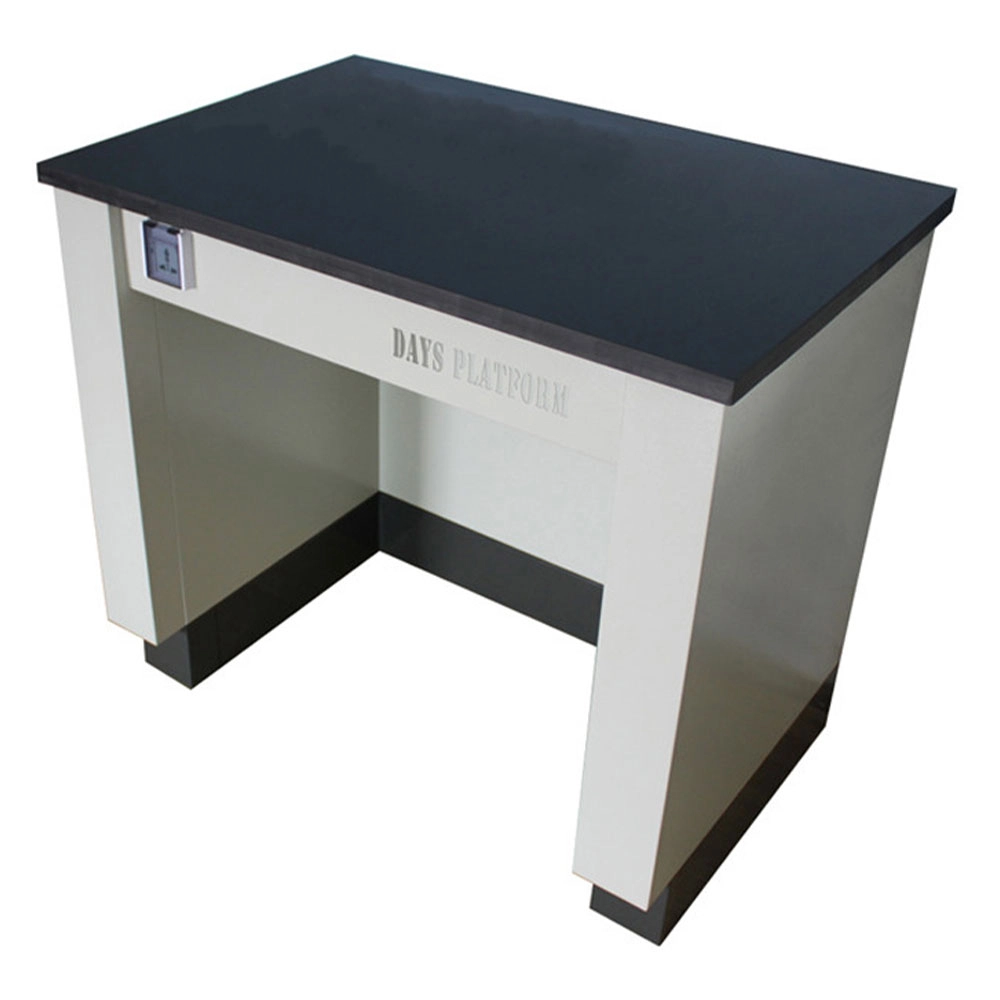
Choosing a laboratory table for precision balances: BT-03 insights
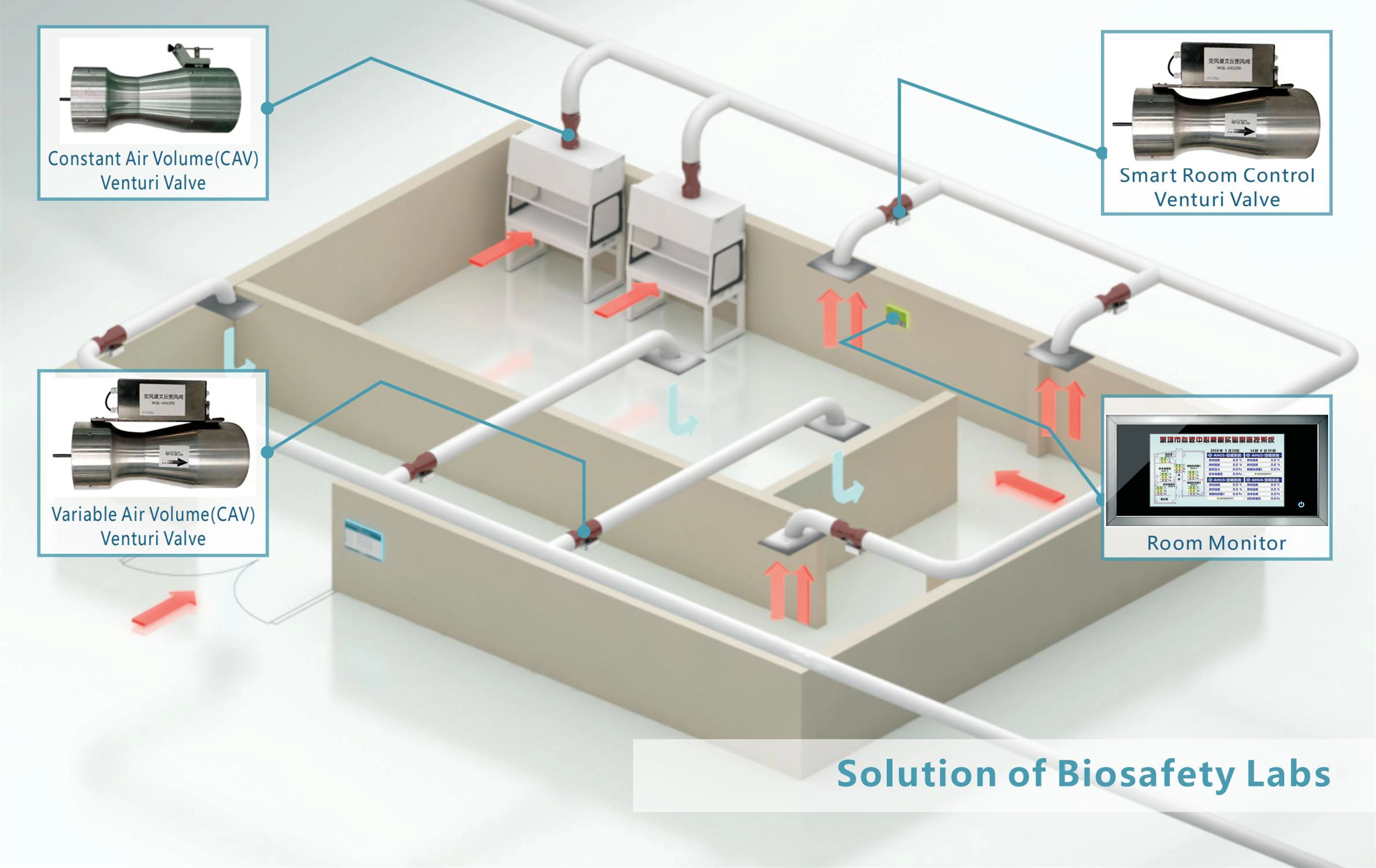
Choosing a Variable Air Volume Fume Hood: Buyer Checklist
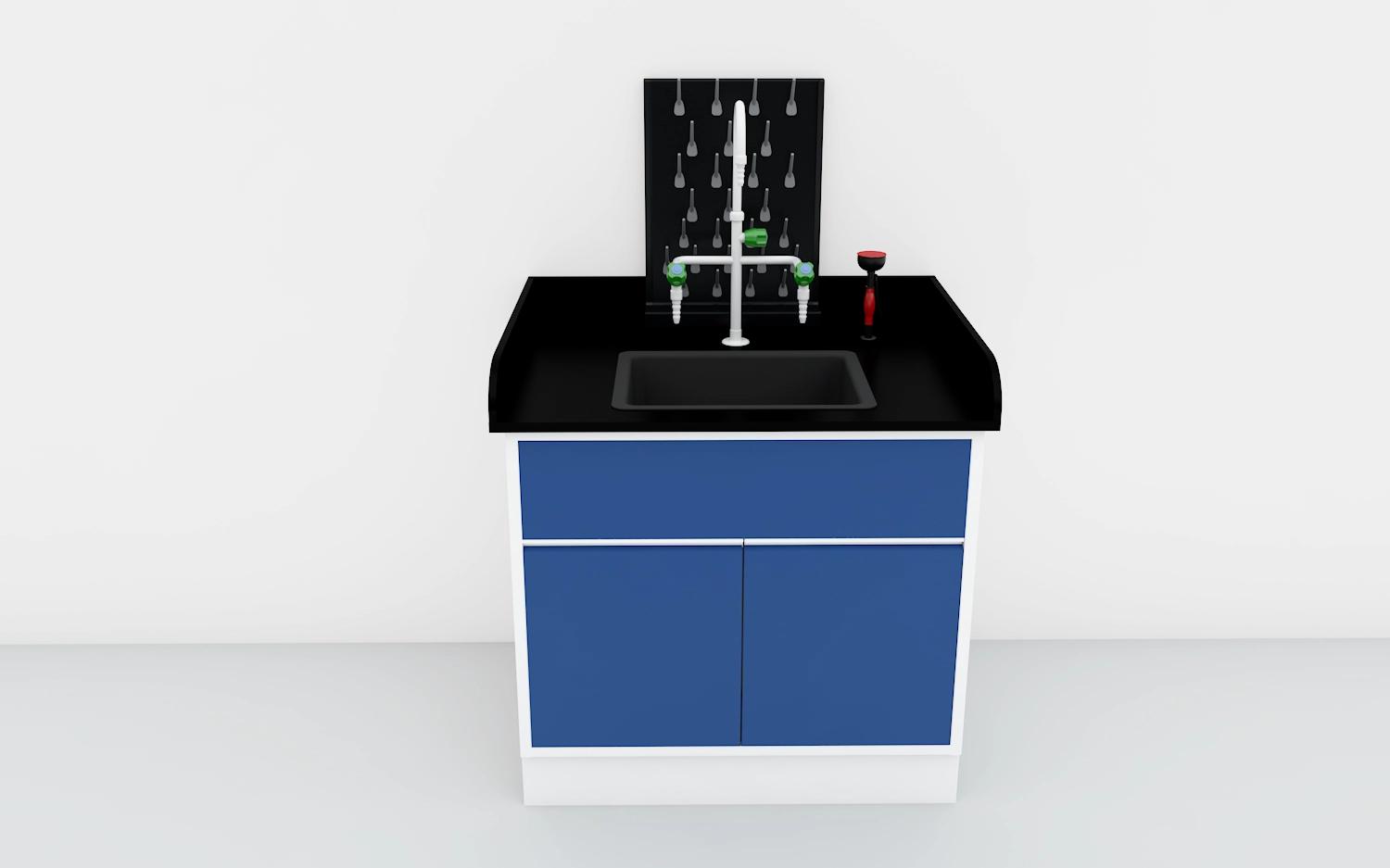
Safety Features to Look for in Lab Sink Cabinets
Custom Fabrication Options for Lab Countertops and Specs
For Customization
Can I make changes to my order once it has been placed?
We offer limited flexibility to make changes to your order after it has been placed. Contact our sales team as soon as possible if you need to make modifications.
Can I customize the size and configuration of my lab furniture?
Yes, we offer full customization for laboratory benches, modular systems, and storage units to meet your specific space and functional needs.
Customization
How do I start a customized service?
Please contact our sales or technical support team for an initial enquiry. We will provide detailed customized recommendations and quotes according to your needs.
For Products
Is available to buy your original design?
Yes, all the products are designed professionally by our designers. Please feel free to inform us which item you are interested in.
For Company
How long has your company been in business?
Our company has been in the laboratory furniture and equipment business for over 15 years, during which we have gained extensive experience and built a solid reputation in the industry. We specialize in serving a variety of industries, including academic research labs, pharmaceutical labs, healthcare, manufacturing, and more.
Variable Air Volume Fume Hood
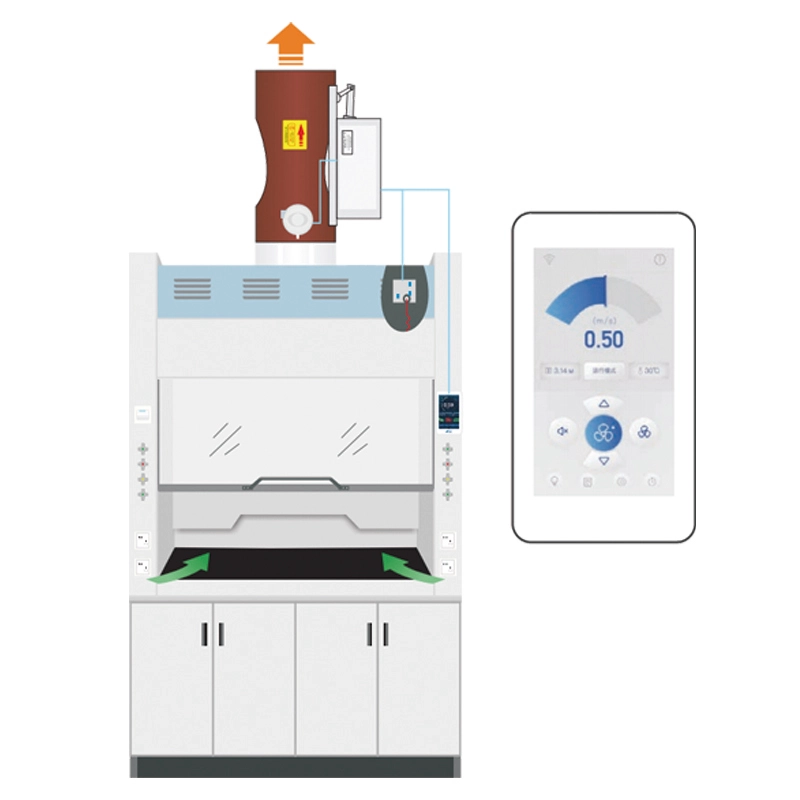
Optimize airflow regulation and ensure precise laboratory ventilation with MAX LAB Venturi Valve Air Velocity Control System. Designed for high-performance air pressure control, this system automatically adjusts to changes in duct static pressure, maintaining stable and energy-efficient air velocity management. Ideal for laboratories, cleanrooms, and healthcare facilities, it provides fast response times, low maintenance, and superior contaminant control. Our Venturi valve system enhances HVAC efficiency, improves air quality, and ensures compliance with critical environment safety standards.

Floor Mounted Lab Bench
Our Floor Mounted Lab Bench is an essential, high-efficiency workspace for laboratories, made from high-quality steel-wood or corrosion-resistant stainless steel materials to ensure exceptional durability and stability. The unique floor-mounted design effectively reduces vibration, optimizes space usage, and provides a safe and tidy laboratory environment.
Customizable storage solutions help organize lab equipment efficiently, while the easy-to-clean surface maintains laboratory hygiene. It is widely suitable for research institutions, educational laboratories, and the chemical and pharmaceutical industries.
Fume Hood
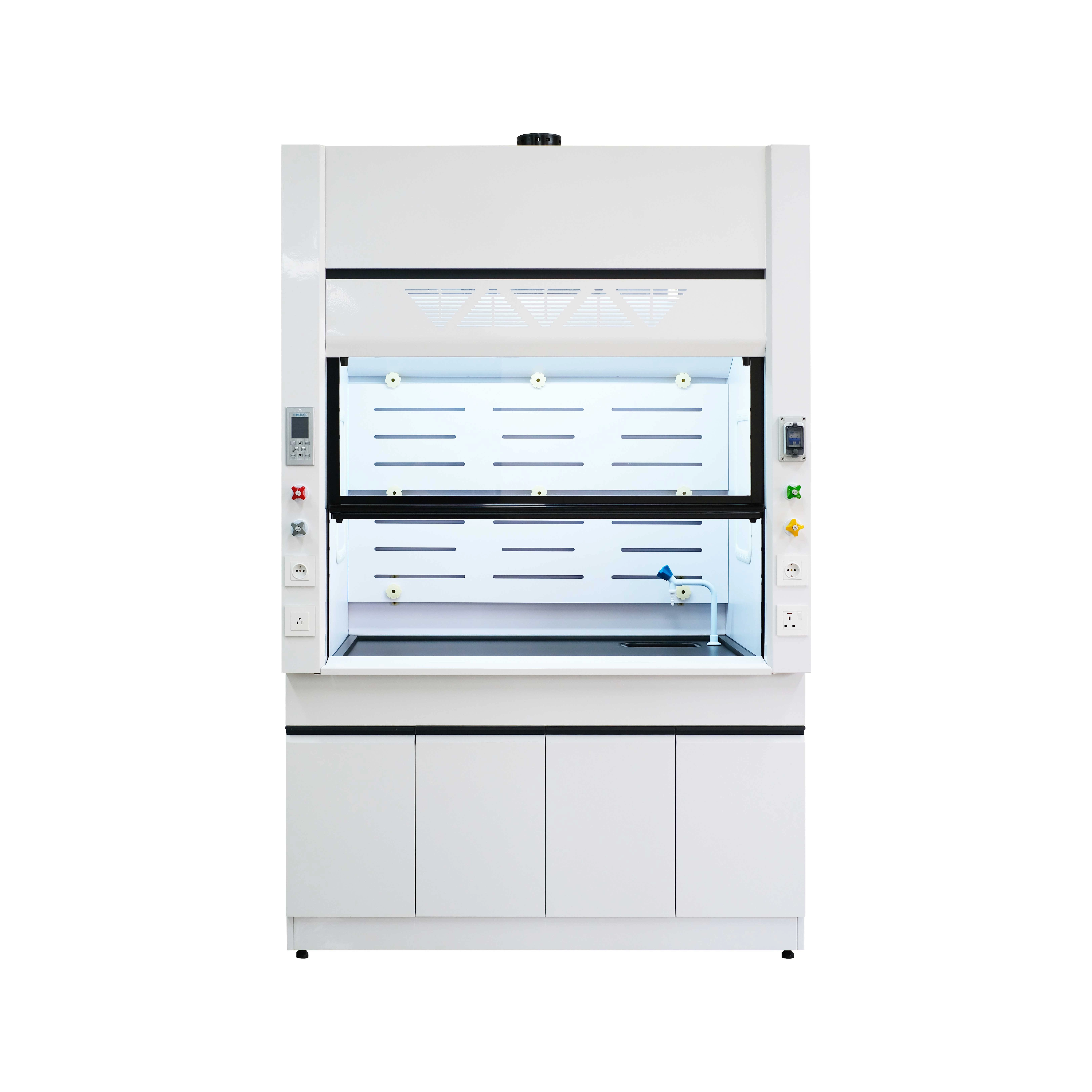
The fume hood provides safe ventilation to protect against exposure to hazardous or toxic fumes, vapors, or airborne particulate. It is primarily used in laboratory and manufacturing applications to protect the user or environment outside the hood, but can also be used to protect the materials or experiment under the hood.
APPLICATION
Chemistry Lab, physics Lab, biological analysis, pharmaceutical medicine analysis, biological pharmaceutical, plant culture, environmental testing and electronic instrumentation scientific research and so on.
Flammable Storage Cabinet
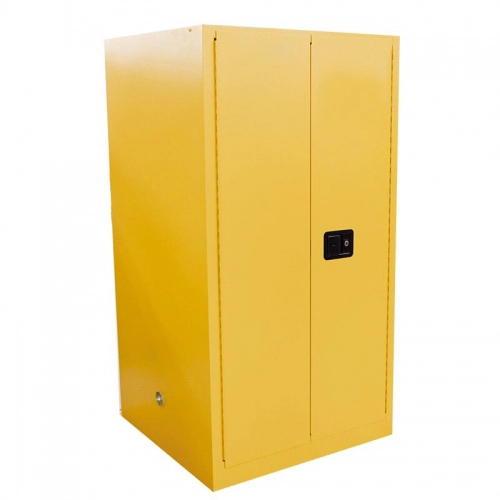
Safety Cabinets store flammable liquids, corrosives, pesticides and other hazardous materials. All fire-resistant safety cabinets by meet fire codes and regulations for safety storage.
To help protect your people and facility from a potential fire, safety cabinets are engineered to safely contain flammable fuels, solvents, and chemicals. Safety cabinets can not only help everyone store chemicals reasonably, save chemical supplies, but also save human resources, and avoid fires caused by chemicals with the greatest strength.

 Scan QR Code
MaxLabFurniture
MaxLab Furniture
daihongada
Max Laboratory