
How Variable Air Volume Fume Hoods Support Green Labs

- Energy and Environmental Benefits of VAV Fume Hoods
- How Variable Air Volume Fume Hoods Reduce Energy Use
- Lower Carbon Footprint and Sustainable Lab Design
- Example Energy Comparison: VAV vs CAV
- Venturi Valve and Control Strategies for Stable Lab Ventilation
- What is a Venturi Valve Air Velocity Control System
- Sash Management, Face Velocity, and Control Logic
- Integration with Building Management Systems
- Safety, Performance Testing, and Compliance
- Containment Testing and Standards
- Design Considerations to Preserve Containment
- Commissioning and Requalification Best Practices
- Implementation and Lifecycle Considerations
- New Construction vs Retrofit
- Maintenance, Reliability, and Operational Costs
- Return on Investment and Case Study Numbers
- Practical Guidance for Facility Managers and Lab Directors
- Steps to Evaluate VAV Fume Hood Adoption
- Monitoring and Data Analytics
- Common Pitfalls and How to Avoid Them
- References and Further Reading
- FAQ
- What is the difference between a Variable Air Volume Fume Hood and a Constant Air Volume fume hood?
- Are VAV fume hoods as safe as CAV hoods?
- How much energy can my lab save by switching to VAV hoods?
- Can I retrofit existing hoods with Venturi valve controls?
- What maintenance does a Venturi valve system require?
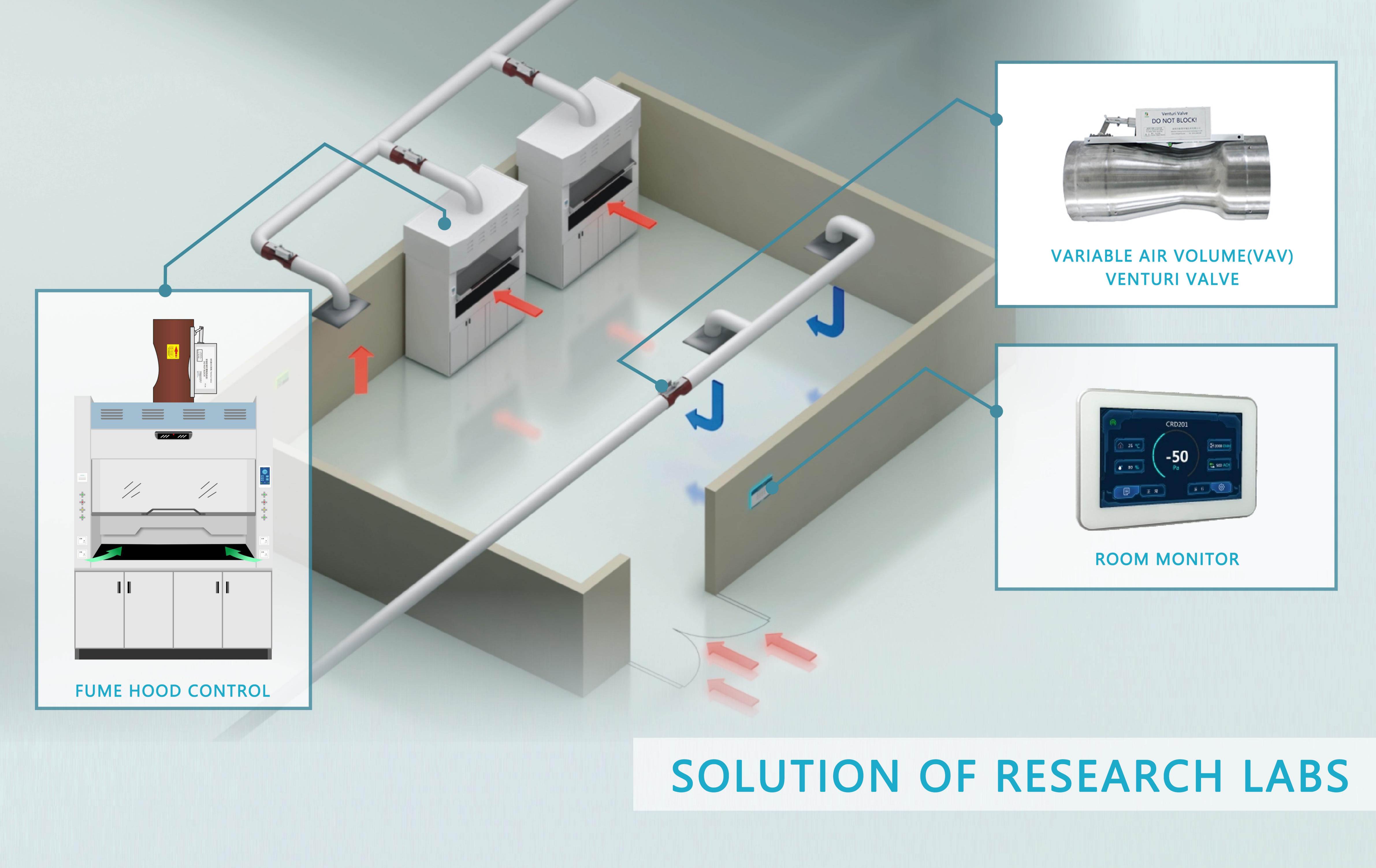
Variable air volume fume hoods are a cornerstone technology for modern green labs. By adjusting exhaust based on sash position, face velocity, and duct static pressure, VAV systems cut HVAC energy consumption, stabilize laboratory ventilation, and improve indoor air quality without compromising containment. This article explains how Variable Air Volume Fume Hoods integrate with building controls, the role of Venturi valve air velocity control, measurable energy and cost benefits, retrofit considerations, testing and commissioning guidance, and long term maintenance practices to ensure laboratories meet safety and sustainability goals.
Energy and Environmental Benefits of VAV Fume Hoods
How Variable Air Volume Fume Hoods Reduce Energy Use
Variable air volume fume hood systems vary exhaust airflow based on real-time conditions rather than running at a fixed, high flow rate. This reduces conditioned air exhaust and downstream HVAC fan energy. A properly commissioned VAV fume hood with demand control tied to sash position and presence sensors can cut exhaust airflow by 30 to 70 percent compared to constant air volume (CAV) hoods during routine use, dramatically lowering heating and cooling loads for the building HVAC system. Research and guidance from the US Department of Energy demonstrate significant energy savings opportunities from optimized laboratory ventilation: energy.gov.
Lower Carbon Footprint and Sustainable Lab Design
Reducing make-up air and conditioned exhaust directly reduces a facility's carbon emissions associated with heating, cooling, and fan power. When laboratories implement VAV fume hoods across wings or floors and coordinate them with optimized HVAC controls, the cumulative reduction in energy demand supports institutional sustainability targets and can improve green building ratings such as LEED. Choosing an energy-efficient fume hood design, especially those using advanced Venturi valve control, is a practical step toward greener lab operations.
Example Energy Comparison: VAV vs CAV
The table below summarizes common performance differences between a typical VAV fume hood and a constant air volume fume hood. Values are illustrative; project-specific modeling is recommended.
| Metric | VAV Fume Hood | CAV Fume Hood |
|---|---|---|
| Average exhaust airflow (cfm) | 200-600 (varies with sash) | 600-1200 |
| Estimated energy use for HVAC | 30-70% lower | Baseline (higher) |
| Noise level | Lower at reduced flows | Higher constant noise |
| Control complexity | Advanced control required | Simple control |
| Typical payback | 1.5 - 5 years (site dependent) | N/A |
Venturi Valve and Control Strategies for Stable Lab Ventilation
What is a Venturi Valve Air Velocity Control System
The Variable Air Volume Fume Hood often uses specialized flow-control devices. The MAX LAB Venturi Valve Air Velocity Control System is designed for high-performance air pressure control and automatically adjusts to changes in duct static pressure to maintain a stable air velocity. That stability is key to consistent face velocity and containment even when multiple hoods operate on a shared exhaust riser. Full product information:
Optimize airflow regulation and ensure precise laboratory ventilation with MAX LAB Venturi Valve Air Velocity Control System. Designed for high-performance air pressure control, this system automatically adjusts to changes in duct static pressure, maintaining stable and energy-efficient air velocity management. Ideal for laboratories, cleanrooms, and healthcare facilities, it provides fast response times, low maintenance, and superior contaminant control. Our Venturi valve system enhances HVAC efficiency, improves air quality, and ensures compliance with critical environment safety standards.
Sash Management, Face Velocity, and Control Logic
Effective VAV control combines sash position sensors, face velocity targets, and duct static pressure compensation. The control logic reduces hood exhaust when the sash is closed or partially open while ensuring face velocity remains within safety limits when in use. Venturi valve systems provide fast response without the wear issues associated with mechanical dampers and they can maintain face velocity even when downstream duct pressures vary. These dynamic adjustments also support fume hood containment testing and safety certification.
Integration with Building Management Systems
VAV fume hoods should integrate with the building management system (BMS) to coordinate make-up air, zone pressurization, and lab exhaust scheduling. Integration enables setpoint adjustments, alarm reporting, and data logging for energy tracking and compliance audits. Using open protocols and standardized signals helps laboratories implement adaptive ventilation strategies and demand-controlled ventilation across the facility.
Safety, Performance Testing, and Compliance
Containment Testing and Standards
Maintaining safe containment is the top priority. Fume hood performance is commonly evaluated using standardized tests such as ASHRAE 110, which checks containment under prescribed conditions. Commissioning and periodic requalification are necessary to ensure a variable air volume fume hood continues to meet containment performance as controls or building systems change. For authoritative guidance on laboratory safety and ventilation practices, see the CDC laboratory safety resources: cdc.gov/labsafety and the WHO laboratory biosafety manual: who.int.
Design Considerations to Preserve Containment
Design choices that affect containment include hood geometry, baffle arrangement, exhaust plenum sizing, and the responsiveness of the VAV control device. Variable air volume fume hood systems must avoid overshoot in airflow change when the sash is opened quickly. Venturi valves minimize flow instability, providing smooth control and reducing the risk of momentary under-protection. Properly sized makeup air units and room pressure control also prevent cross-contamination between spaces.
Commissioning and Requalification Best Practices
Commissioning should include functional testing of sensors, control sequences, and integration with the BMS. Use tracer gas or smoke visualization during ASHRAE 110-style tests to verify containment across sash positions. Document baseline performance and schedule requalification after any changes to ductwork, exhaust fans, or control logic. These records support compliance and help diagnose issues that could affect safety or energy performance.
Implementation and Lifecycle Considerations
New Construction vs Retrofit
For new labs, specifying Variable Air Volume Fume Hoods with integrated Venturi valve control at the project outset ensures optimal coordination with HVAC sizing and controls. Retrofit projects can also realize large energy savings, but require careful assessment of existing duct static pressures, fan capacity, and available BMS connectivity. A pre-retrofit audit and computational fluid dynamics (CFD) modeling can identify constraints and predict savings.
Maintenance, Reliability, and Operational Costs
Venturi valve systems have fewer moving parts than motorized dampers, which can translate to lower maintenance and longer service life. Regular checks should include sensor calibration, filter inspections, and verification of valve responsiveness. Proactive maintenance reduces downtime and preserves the energy and containment benefits of the VAV approach.
Return on Investment and Case Study Numbers
Typical ROI depends on local energy rates, climate, and lab utilization patterns. Many institutions report payback periods between 1.5 and 5 years when replacing CAV hoods with VAV systems and optimizing lab HVAC. The US Department of Energy outlines methodologies for valuing ventilation-related energy savings and can help estimate savings for a specific facility: energy.gov. When calculating ROI, include reduced fan power, lower heating/cooling loads, potential reduced chilled water and steam use, and maintenance savings from fewer mechanical adjustments.
Practical Guidance for Facility Managers and Lab Directors
Steps to Evaluate VAV Fume Hood Adoption
1) Conduct a baseline energy and ventilation audit of the lab spaces. 2) Model expected savings from VAV adoption, including interactions with lab HVAC. 3) Select a control solution that includes stable Venturi valve control and BMS integration. 4) Plan commissioning, training, and a maintenance schedule. 5) Monitor performance with logged data to verify savings and safety.
Monitoring and Data Analytics
Continuous monitoring of sash position, face velocity, duct static pressure, and room pressure provides actionable data. Use analytics to detect drift, trigger maintenance, and optimize setpoints for off-hours operation. Logged data also supports compliance audits and sustainability reporting.
Common Pitfalls and How to Avoid Them
Avoid undersizing exhaust fans, failing to commission controls, and neglecting sensor maintenance. Overlooking integration with makeup air systems can negate energy savings or cause pressurization issues. Engage HVAC engineers, lab safety officers, and experienced vendors early to coordinate requirements and avoid costly rework.
References and Further Reading
Authoritative resources and standards provide frameworks for safe and efficient laboratory ventilation. Useful references include the ASHRAE organization for standards and guidance: ashrae.org, US Department of Energy laboratory ventilation guidance: energy.gov, CDC laboratory safety resources: cdc.gov/labsafety, and general background on fume hoods: wikipedia.org.
FAQ
What is the difference between a Variable Air Volume Fume Hood and a Constant Air Volume fume hood?
A VAV fume hood adjusts exhaust airflow based on sash position and other inputs, reducing airflow and energy use when full ventilation is not required. A CAV hood runs at a fixed high airflow regardless of use, resulting in higher energy consumption.
Are VAV fume hoods as safe as CAV hoods?
Yes, when properly specified, commissioned, and maintained. VAV hoods must maintain minimum face velocity and containment across operational conditions. Using Venturi valve control and regular requalification under standards like ASHRAE 110 helps ensure safety.
How much energy can my lab save by switching to VAV hoods?
Savings vary by climate, energy costs, and usage patterns but commonly range from 30 to 70 percent in exhaust-related HVAC energy for hood operation. A site-specific audit and modeling are recommended to quantify savings precisely.
Can I retrofit existing hoods with Venturi valve controls?
Often yes. Retrofitting with a Venturi valve and modern controls is a cost-effective path to VAV performance, but feasibility depends on existing ductwork, fan capacity, and BMS compatibility. Conduct a detailed engineering assessment before proceeding.
What maintenance does a Venturi valve system require?
Maintenance is generally low compared to mechanical damper systems. Routine tasks include sensor calibration, visual inspection of valves, filter changes in the exhaust and makeup air systems, and periodic functional tests to verify responsiveness.
For assistance evaluating Variable Air Volume Fume Hood options, commissioning services, or a quote for the MAX LAB Venturi Valve Air Velocity Control System, contact our sales team or view the product page to learn more and request a demonstration. Our experts can help you model energy savings, plan a retrofit, and ensure compliance with lab safety standards.
Contact Us: Reach out to our lab specialists to schedule a consultation or request a product data sheet. View product details and request a demo today.
2026 Master Guide: Perfecting Your Station Eye Wash Compliance Strategy
6 Tips to Select the Right Laboratory Furniture
Comparing Chemical Resistance: Phenolic vs Epoxy vs Stainless

Lab Bench Configurations Ideal for Chemistry and Biology Labs
For Customization
What is the process for requesting a custom quote?
To request a custom quote, please provide us with details about your lab’s size, needs, and desired specifications.
Do you offer custom colors for lab furniture?
Yes, we offer a range of color options for laboratory furniture to match your lab’s aesthetic requirements or branding.
About Solution
How to ensure the safety performance of the fume hood?
Our fume hoods adopt high-efficiency filtration system and intelligent air speed control technology to ensure that harmful gases are effectively eliminated during experiments and protect users' health.
FAQS
How can I request a quote?
Simply contact us or fill out our online form with your project details. Our team will respond promptly with a free quote.
For Products
Do you offer ergonomic solutions for lab furniture?
Yes, our laboratory furniture includes ergonomic designs such as height-adjustable lab benches and chairs that reduce strain during long hours of work.
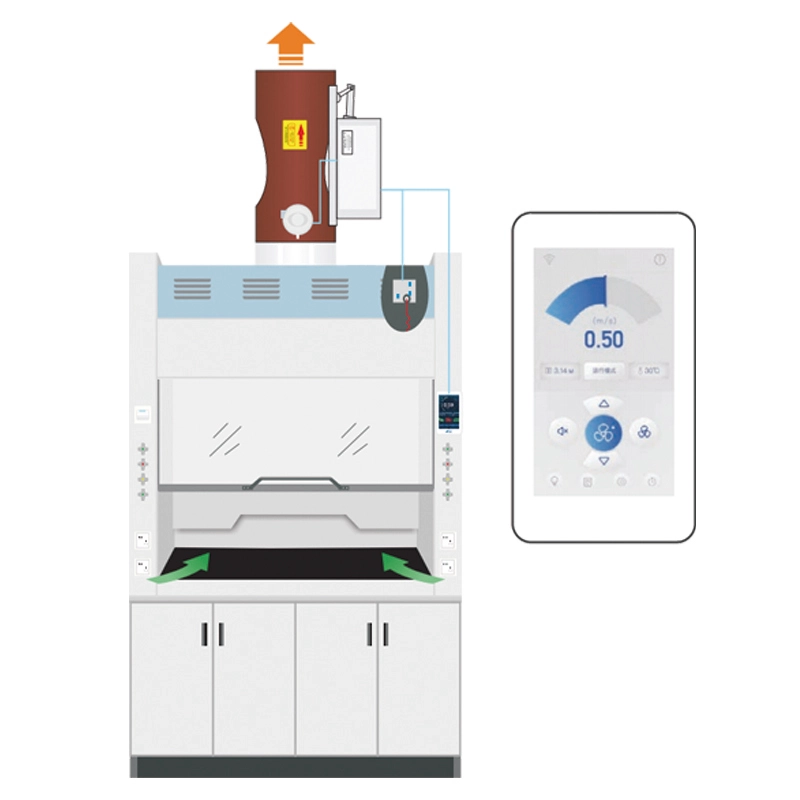
Variable Air Volume Fume Hood
Optimize airflow regulation and ensure precise laboratory ventilation with MAX LAB Venturi Valve Air Velocity Control System. Designed for high-performance air pressure control, this system automatically adjusts to changes in duct static pressure, maintaining stable and energy-efficient air velocity management. Ideal for laboratories, cleanrooms, and healthcare facilities, it provides fast response times, low maintenance, and superior contaminant control. Our Venturi valve system enhances HVAC efficiency, improves air quality, and ensures compliance with critical environment safety standards.
Floor Mounted Lab Bench
Our Floor Mounted Lab Bench is an essential, high-efficiency workspace for laboratories, made from high-quality steel-wood or corrosion-resistant stainless steel materials to ensure exceptional durability and stability. The unique floor-mounted design effectively reduces vibration, optimizes space usage, and provides a safe and tidy laboratory environment.
Customizable storage solutions help organize lab equipment efficiently, while the easy-to-clean surface maintains laboratory hygiene. It is widely suitable for research institutions, educational laboratories, and the chemical and pharmaceutical industries.
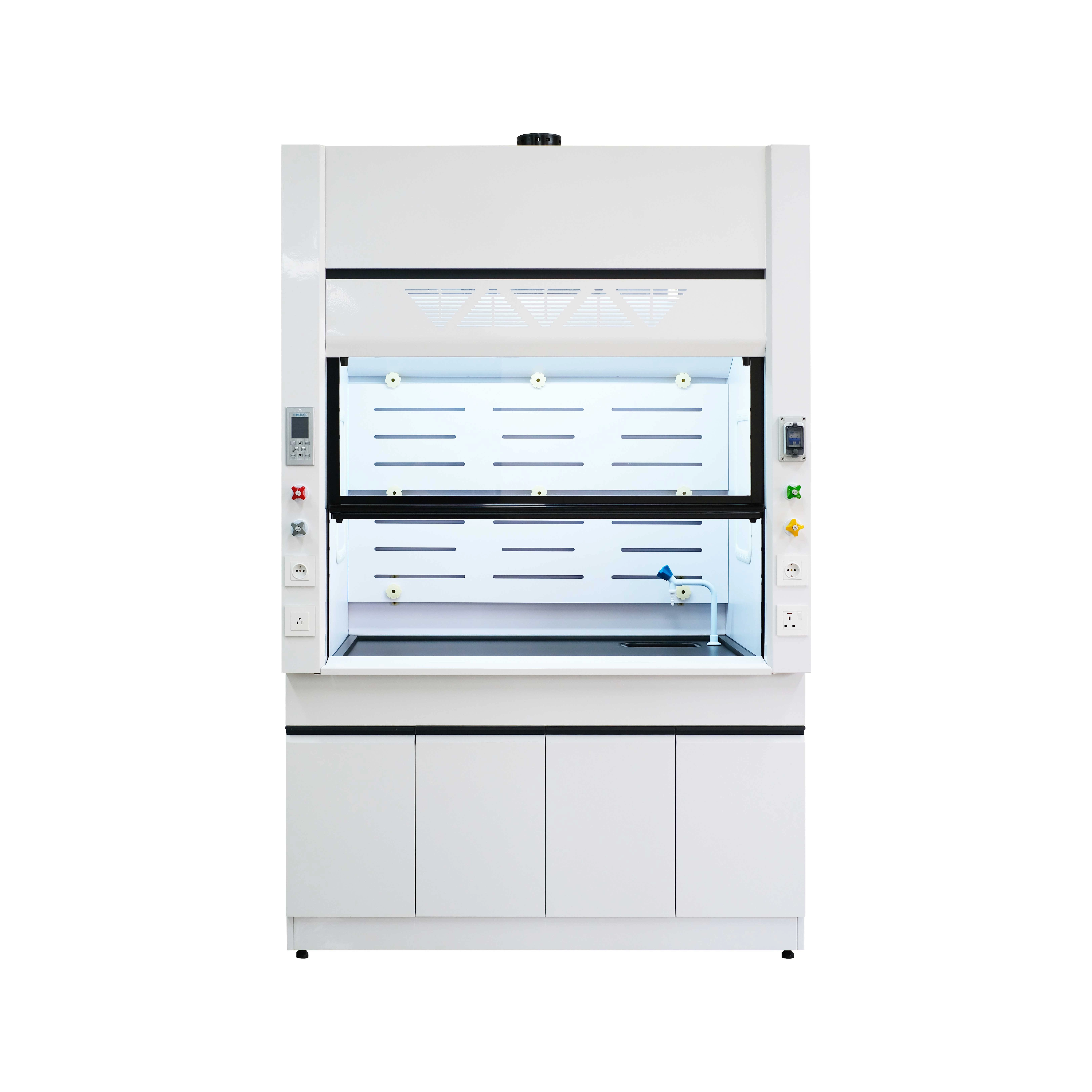
Fume Hood
The fume hood provides safe ventilation to protect against exposure to hazardous or toxic fumes, vapors, or airborne particulate. It is primarily used in laboratory and manufacturing applications to protect the user or environment outside the hood, but can also be used to protect the materials or experiment under the hood.
APPLICATION
Chemistry Lab, physics Lab, biological analysis, pharmaceutical medicine analysis, biological pharmaceutical, plant culture, environmental testing and electronic instrumentation scientific research and so on.
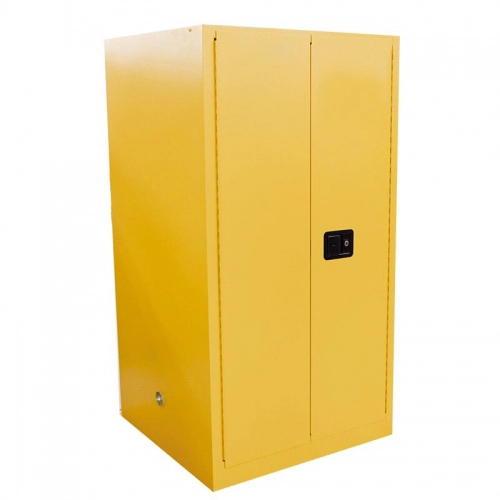
Flammable Storage Cabinet
Safety Cabinets store flammable liquids, corrosives, pesticides and other hazardous materials. All fire-resistant safety cabinets by meet fire codes and regulations for safety storage.
To help protect your people and facility from a potential fire, safety cabinets are engineered to safely contain flammable fuels, solvents, and chemicals. Safety cabinets can not only help everyone store chemicals reasonably, save chemical supplies, but also save human resources, and avoid fires caused by chemicals with the greatest strength.

 Scan QR Code
MaxLabFurniture
MaxLab Furniture
daihongada
Max Laboratory