
What are the different types of Laboratory?
- What are the Different Types of Laboratory? A Practical Guide
- Overview: Why understanding laboratory types matters for lab design and equipment
- Company profile: MAX LAB capabilities for laboratory furniture and turnkey solutions
- Clinical laboratories: Patient testing, diagnostics and medical equipment needs
- Research laboratories: Flexibility, specialist benching and modular lab furniture
- Industrial and quality control (QC) laboratories: Precision testing and equipment calibration
- Analytical chemistry laboratories: Instrumentation, solvent handling and fume hoods
- Microbiology and biosafety laboratories: BSL classifications and containment furniture
- Pharmaceutical and drug development labs: Cleanability, controlled environments and validated equipment
- Environmental testing laboratories: Field samples, instrumentation and storage needs
- Forensic and toxicology laboratories: Chain-of-custody, secure storage and specialized benches
- Educational and teaching laboratories: Cost-effective, durable and modular solutions
- Point-of-care and rapid testing labs: Compact setups and mobile laboratory furniture
- Comparing laboratory types: purpose, equipment, biosafety and furniture needs
- Understanding biosafety levels (BSL 1–4) and their furniture implications
- Key considerations when choosing lab furniture and equipment for each lab type
- How MAX LAB supports different laboratory types with modular and compliant products
- Practical checklist for planning a new laboratory fit-out
- Conclusion: Match lab type to equipment, furniture and supplier expertise
- Frequently asked questions
What are the Different Types of Laboratory? A Practical Guide
Overview: Why understanding laboratory types matters for lab design and equipment
When organizations search for Laboratory solutions, their intent is usually commercial and practical: they need the right lab type, furniture, equipment, and safety systems to perform specific tests or research. Knowing differences between clinical labs, research labs, industrial QA/QC labs, and biosafety-level facilities directly affects choices in laboratory furniture, fume hoods, countertops, storage and overall lab design. This article clarifies major laboratory types and links each to typical equipment and furniture needs so decision-makers can plan budgets, procurement and compliance effectively.
Company profile: MAX LAB capabilities for laboratory furniture and turnkey solutions
Guangzhou Max Laboratory Equipment Co., Ltd. (MAX LAB), founded in 2000, is a global supplier of laboratory furniture and equipment, serving customers in more than 60 countries. With a 5,000 m² factory, German-imported machinery, three standardized production lines and modular inventory, MAX LAB delivers lab benches, fume hoods, storage cabinets and countertops to meet international quality and environmental standards. These manufacturing strengths translate into faster lead times (up to 30% quicker) and reliable turnkey lab furniture solutions for all lab types.
Clinical laboratories: Patient testing, diagnostics and medical equipment needs
Clinical laboratories (hospital labs, clinical pathology, medical diagnostics) focus on patient specimens—blood, urine, swabs—and require high-throughput analyzers, centrifuges, biosafety cabinets, refrigerated storage and secure sample tracking. Commercially, clinical labs demand robust laboratory furniture that supports workflows: modular benches with integrated service outlets, specimen storage cabinets, and easy-to-clean countertops. Choosing certified, corrosion-resistant materials and compatible fume hoods or exhaust for certain procedures ensures regulatory compliance and infection control.
Research laboratories: Flexibility, specialist benching and modular lab furniture
Research laboratories—academic, biotech and private R&D—need flexibility for changing experiments. Key equipment includes incubators, microscopes, cold rooms, and analytical instruments. From a procurement perspective, modular lab furniture and flexible service distribution (gas, vacuum, power) are high-priority keywords when specifying lab fit-out. Durable, reconfigurable benches and mobile storage allow research teams to adapt space without full renovation.
Industrial and quality control (QC) laboratories: Precision testing and equipment calibration
Industrial QC labs support manufacturing quality assurance in sectors like chemicals, electronics, and materials. Typical equipment includes GC-MS, HPLCs, spectrophotometers and environmental chambers. These labs require sturdy, anti-vibration furniture, chemical-resistant countertops and dedicated exhaust for volatile solvents. Procurement intent here is often commercial—buyers search for 'lab benches for instruments', 'anti-vibration tables' and 'fume hoods for solvent handling'.
Analytical chemistry laboratories: Instrumentation, solvent handling and fume hoods
Analytical chemistry labs perform qualitative and quantitative analyses and routinely use chromatography systems and mass spectrometers. Proper lab furniture includes ergonomic instrument benches, dedicated acid/solvent storage and compliant fume hood systems. Buyers frequently include 'fume hoods', 'chemical-resistant benchtops', and 'ventilation systems' in their search queries when specifying these labs.
Microbiology and biosafety laboratories: BSL classifications and containment furniture
Microbiology labs work with bacteria, viruses and cultures; their design is governed by biosafety levels (BSL 1–4). Each level has progressively stricter containment, airflow and access controls. Equipment includes biological safety cabinets (BSCs), autoclaves and incubators. Furniture must be non-porous, easy to disinfect, and compatible with BSC layouts. For projects involving infectious agents, keywords like 'biosafety cabinet', 'BSL lab design' and 'containment furniture' are essential during procurement and planning.
Pharmaceutical and drug development labs: Cleanability, controlled environments and validated equipment
Pharmaceutical R&D and QC labs require validated processes and strict environmental control (e.g., cleanrooms for certain steps). Typical needs include laminar flow hoods, stability chambers and validated balances. Commercial procurement focuses on compliant laboratory furniture—EMC-compatible benches, cleanable surfaces and lockable chemical storage—plus project services like lab furniture installation and validation support.
Environmental testing laboratories: Field samples, instrumentation and storage needs
Environmental labs analyze air, water and soil samples for contaminants. Their common instruments include ICP-MS, TOC analyzers and gas chromatographs. These labs need corrosion-resistant benches, secure sample storage, and dedicated exhaust for volatile analyses. Buyers search for 'environmental lab furniture', 'sample storage cabinets', and 'fume hood solutions' when specifying these facilities.
Forensic and toxicology laboratories: Chain-of-custody, secure storage and specialized benches
Forensic labs require strict chain-of-custody handling, secure evidence storage, and sensitive instrumentation. Lab furniture priorities include lockable cabinets, designated workstations for evidence processing, and low-vibration benches for microscopy and analytical instruments. Procurement intents commonly include terms such as 'secure laboratory furniture', 'evidence storage cabinets' and 'specialized benching for forensics'.
Educational and teaching laboratories: Cost-effective, durable and modular solutions
Schools and universities prioritize safety and durability for teaching labs. These labs often use simpler equipment but need robust benches, flexible layouts and safe chemical storage. Commercial searches typically emphasize 'durable lab benches', 'student lab furniture' and 'modular classroom labs' to balance budget and functionality.
Point-of-care and rapid testing labs: Compact setups and mobile laboratory furniture
Point-of-care (POC) labs and mobile testing units emphasize compact design and fast deployment. Equipment tends to be portable analyzers and POC devices. Lab furniture needs include mobile benches, foldable storage and quick-connect gas/electric modules. Procurement is driven by keywords like 'mobile lab furniture', 'turnkey point-of-care lab' and 'portable fume hood solutions'.
Comparing laboratory types: purpose, equipment, biosafety and furniture needs
Decision-makers benefit from a side-by-side comparison when planning a lab fit-out. The table below summarizes key attributes and the commercial furniture/equipment keywords that buyers typically use.
| Lab Type | Main Purpose | Typical Equipment | Biosafety / Clean Levels | Key Furniture Needs / Procurement Keywords |
|---|---|---|---|---|
| Clinical Laboratory | Patient diagnostics | Analyzers, centrifuges, refrigerators | Standard clinical containment (varies) | modular lab furniture, specimen storage, biosafety cabinet |
| Research Laboratory | Basic and applied research | Incubators, microscopes, cold rooms | Varies (often BSL-1 to BSL-2) | flexible benches, mobile storage, service chase |
| Industrial / QC | Manufacturing quality control | HPLC, GC, spectrometers | Low to moderate | anti-vibration benches, chemical-resistant countertops |
| Microbiology / BSL Labs | Handling microorganisms | BSCs, autoclaves, incubators | BSL-1 to BSL-4 | non-porous surfaces, biosafety cabinets, sealed storage |
| Pharmaceutical | Drug development & QC | Stability chambers, laminar flow hoods | Controlled / cleanroom where needed | validated furniture, lockable storage, cleanable surfaces |
| Environmental | Pollutant testing | ICP-MS, TOC, GC | Low to moderate | corrosion-resistant benches, sample storage |
| Forensic | Evidence analysis | Microscopes, spectrometers | Low to moderate | secure cabinets, low-vibration benches, evidence storage |
| Educational | Teaching & training | Basic lab apparatus | Low | durable benches, student seating, modular islands |
Understanding biosafety levels (BSL 1–4) and their furniture implications
Biosafety levels define containment and facility design. BSL-1 is basic lab safety for non-pathogenic organisms. BSL-2 includes agents of moderate hazard and requires biological safety cabinets for aerosol-generating work. BSL-3 handles airborne pathogens and demands specialized ventilation, sealed surfaces and restricted access. BSL-4 is for high-risk agents and requires full-body suits and fully contained facilities. Each level mandates specific furniture and equipment types—e.g., sealed cabinetry, built-in waste handling, and HEPA-filtered exhaust—which influences procurement and installation scope.
Key considerations when choosing lab furniture and equipment for each lab type
Selecting furniture requires evaluation of chemical resistance, load-bearing capacity, cleanability and service integration. Buyers commonly evaluate material types (e.g., epoxy resin benchtops, phenolic resin, stainless steel), the need for integrated utilities (gas, vacuum, electrical), and modular reconfiguration options. For regulated labs (clinical, pharmaceutical, BSL-2+), look for vendors who provide quality certifications, traceable materials and factory tests—criteria that align with MAX LAB’s Quality First and Service First values.
How MAX LAB supports different laboratory types with modular and compliant products
MAX LAB’s modular inventory and three production lines enable faster delivery of tailored solutions across lab types: clinical-grade benches for hospitals, chemical-resistant countertops for analytical labs, and sealed cabinetry for biosafety suites. With German-imported machinery and ISO-based management, MAX LAB offers repeatable quality suitable for regulated environments. Commercial buyers often prioritize suppliers who deliver consistent documentation, installation services and after-sales support—areas where MAX LAB emphasizes Price First and Delivery First.
Practical checklist for planning a new laboratory fit-out
Before procurement, use this checklist to align lab type with furniture and equipment needs: define lab purpose and biosafety level, list required instruments and utilities, select appropriate bench and countertop materials, plan for ventilation/fume hoods, secure chemical storage and waste handling, and confirm supplier certifications and lead times. This process reduces rework and helps match commercial quotes to functional requirements.
Conclusion: Match lab type to equipment, furniture and supplier expertise
Choosing the right laboratory type and specifying correct furniture and equipment is a project-critical step. Whether you need a clinical diagnostics lab, modular research laboratories, industrial QC suites or BSL-rated microbiology facilities, decisions about fume hoods, benchtops, cabinetry and modular systems shape safety, compliance and long-term costs. Partnering with an experienced manufacturer—like MAX LAB, with decades of export experience, a 5,000 m² factory and modular production lines—helps ensure you receive validated, deliverable solutions tailored to each lab type.
Frequently asked questions
Clinical laboratories are for patient diagnostics and require analyzers, refrigeration and secure specimen storage. Research labs are flexible spaces for experiments, needing modular benches and service chases. Industrial QC labs focus on quality testing with anti-vibration benches and chemical-resistant surfaces.
Biosafety levels (BSL-1 to BSL-4) describe containment required when working with biological agents. BSL-1 is minimal risk; BSL-2 requires biological safety cabinets; BSL-3 involves controlled access and specialized ventilation; BSL-4 requires full containment and suit systems. Furniture must match the containment and cleanability requirements at each level.
Commonly used lab furniture materials include epoxy resin benchtops (chemical resistance), phenolic resin (cost-effective chemical resistance), stainless steel (durability/cleanability) and laminate (budget-friendly for low-risk labs). Choose materials based on chemical exposure, sterilization needs and equipment weight.
Key differences include: clinical labs focus on patient samples and throughput; research labs prioritize modularity and flexibility; QC labs emphasize instrument stability and anti-vibration solutions; BSL labs require containment, sealed surfaces and HEPA-filtered exhaust. The furniture and HVAC requirements differ significantly across these types.
Start by defining the lab’s primary purpose and required biosafety level. List instruments, utilities and sample workflows. Choose appropriate benchtop materials and storage solutions. Engage a supplier with experience across the relevant lab type and request documentation for materials, lead times and installation services—this avoids costly redesigns.
Yes. Many suppliers (including MAX LAB) offer modular lab furniture systems and factory-stock modules that can be delivered and installed quickly. Modular systems reduce downtime and can be reconfigured as needs change.
Costs vary widely by lab type, size and equipment list. General guidance: anticipate major budget items as instrumentation (often the largest cost), HVAC/ventilation for containment labs, and built-in furniture and fume hoods. For accurate budgeting, obtain quotes that specify materials, finishes, utilities integration and warranty/support.
For regulated labs, look for suppliers that provide quality control documentation, traceable materials, compliance certificates and installation/validation services. Suppliers experienced with clinical, pharmaceutical or BSL projects are better positioned to meet regulatory expectations.
Sources:
- CDC. Biosafety in Microbiological and Biomedical Laboratories (BMBL), 6th Edition. https://www.cdc.gov/labs/BMBL. (Accessed 2025-11-26).
- World Health Organization. Laboratory Biosafety Manual, 4th Edition. https://www.who.int/publications/i/item/9789240011311 (Accessed 2025-11-26).
- U.S. Environmental Protection Agency (EPA) — Laboratories and Science. https://www.epa.gov/labs (Accessed 2025-11-26).
- ISO. ISO 9001 — Quality management systems. https://www.iso.org/iso-9001-quality-management. (Accessed 2025-11-26).
- Guangzhou Max Laboratory Equipment Co., Ltd. Company information provided by user (foundation, factory size, export experience, production lines, quality principles). (Accessed 2025-11-26).
Modular Lab Furniture Systems: Flexibility & Benefits
Cost Estimating for Lab Furniture Projects
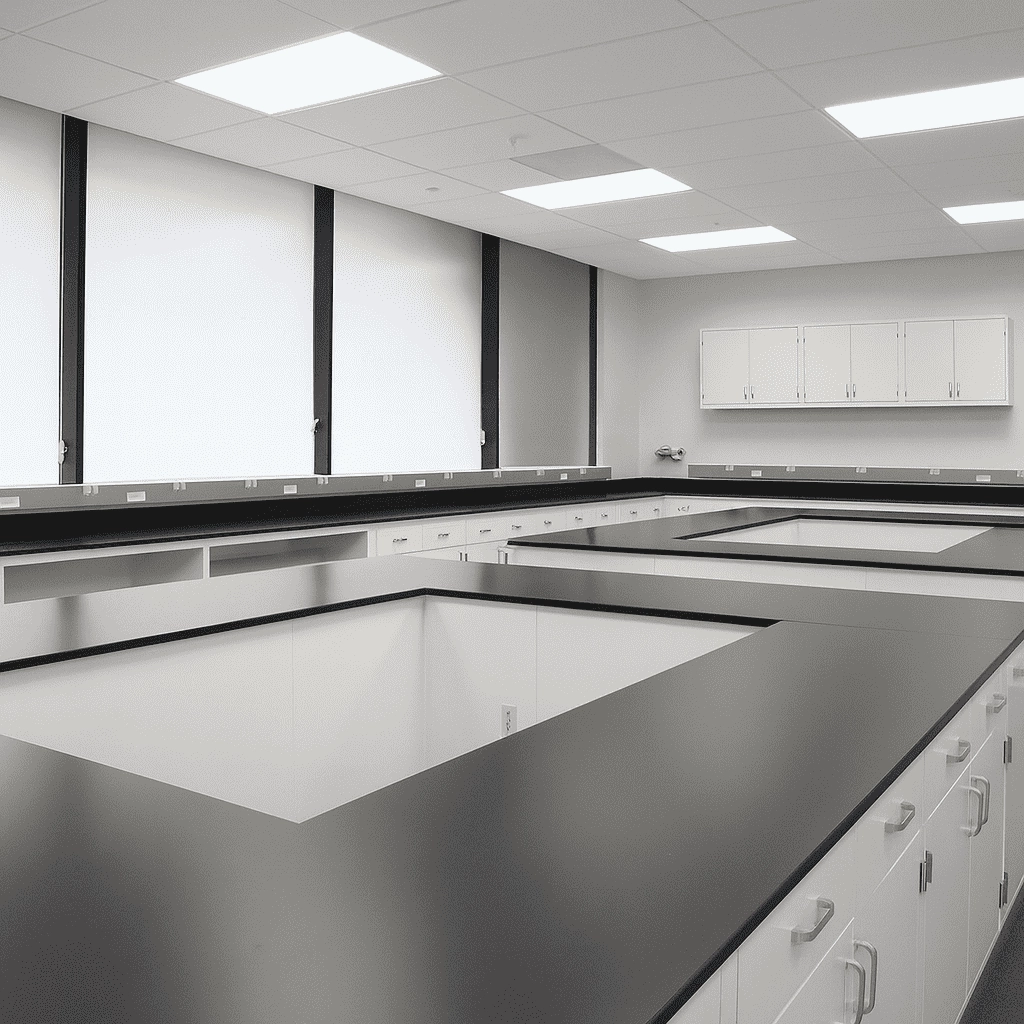
Comparing Chemical Resistance: Phenolic vs Epoxy vs Stainless
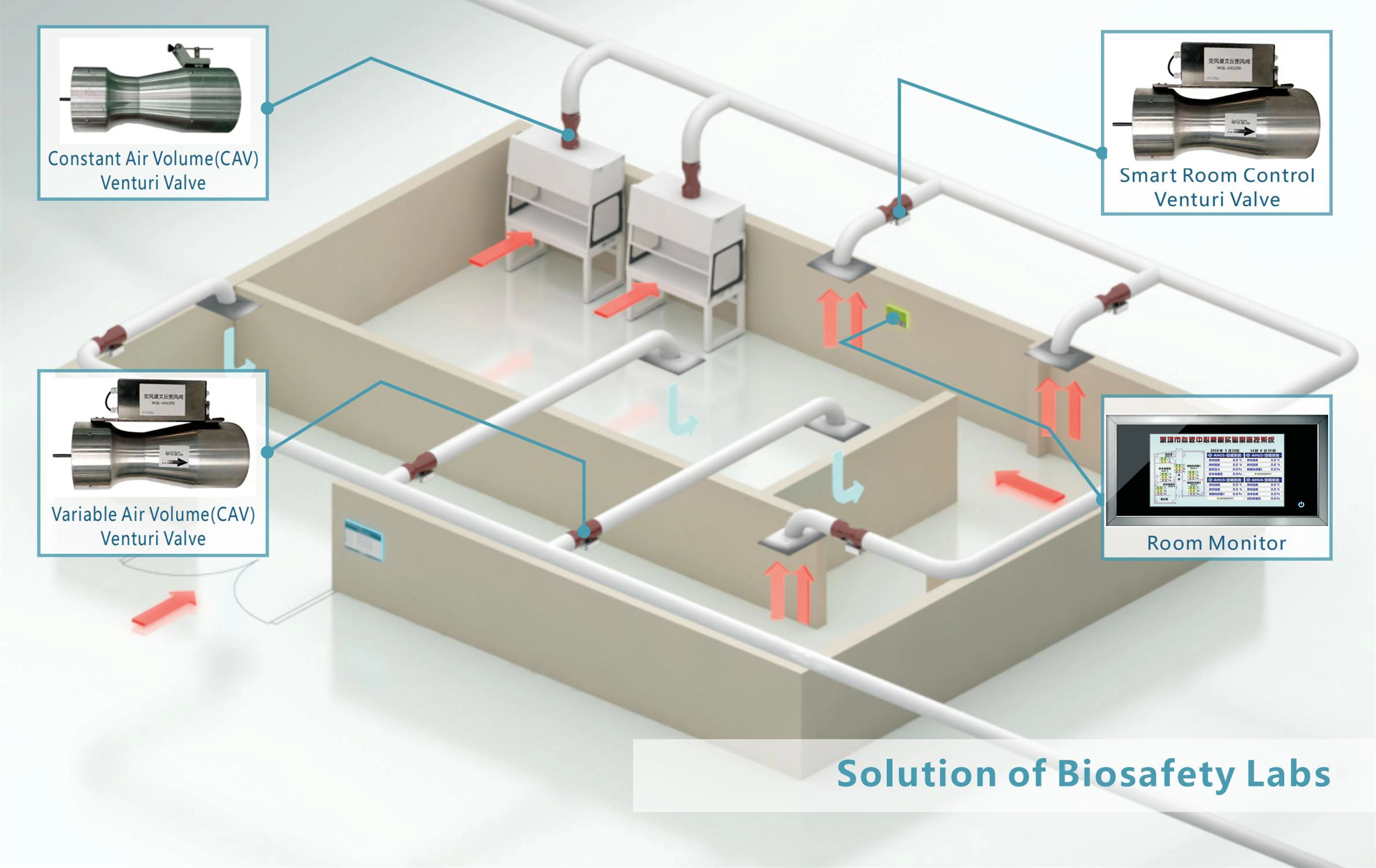
Energy Savings with a Variable Air Volume Fume Hood
About Solution
How about your after sale service?
We will reply to you within 24 hours by email or phone.
If we have a local agent, we will arrange for him to be at your site within 24 hours to assist you in shooting the problem.
For Customization
Can you create a lab design layout for us?
Yes, we'll provide preliminary layout, confirm 3D drawings and rendering drawings.
For Products
May I have my own design?
Yes, welcome. If you have your own design, please kindly send the Layout or plan to us. The designer team will make 3D drawings and Rendering drawings.
Customization
What kind of laboratory equipment is suitable for customization?
All types of laboratory equipment can be customized, including test benches, fume hoods, hoods, chemical cabinets, exhaust units, etc.
Can equipment be customized to specific experimental safety standards?
Yes. We offer customized equipment to specific safety standards, such as ANSI/ASHRAE standards, UL certification and ISO safety standards.

Floor Mounted Lab Bench
Our Floor Mounted Lab Bench is an essential, high-efficiency workspace for laboratories, made from high-quality steel-wood or corrosion-resistant stainless steel materials to ensure exceptional durability and stability. The unique floor-mounted design effectively reduces vibration, optimizes space usage, and provides a safe and tidy laboratory environment.
Customizable storage solutions help organize lab equipment efficiently, while the easy-to-clean surface maintains laboratory hygiene. It is widely suitable for research institutions, educational laboratories, and the chemical and pharmaceutical industries.
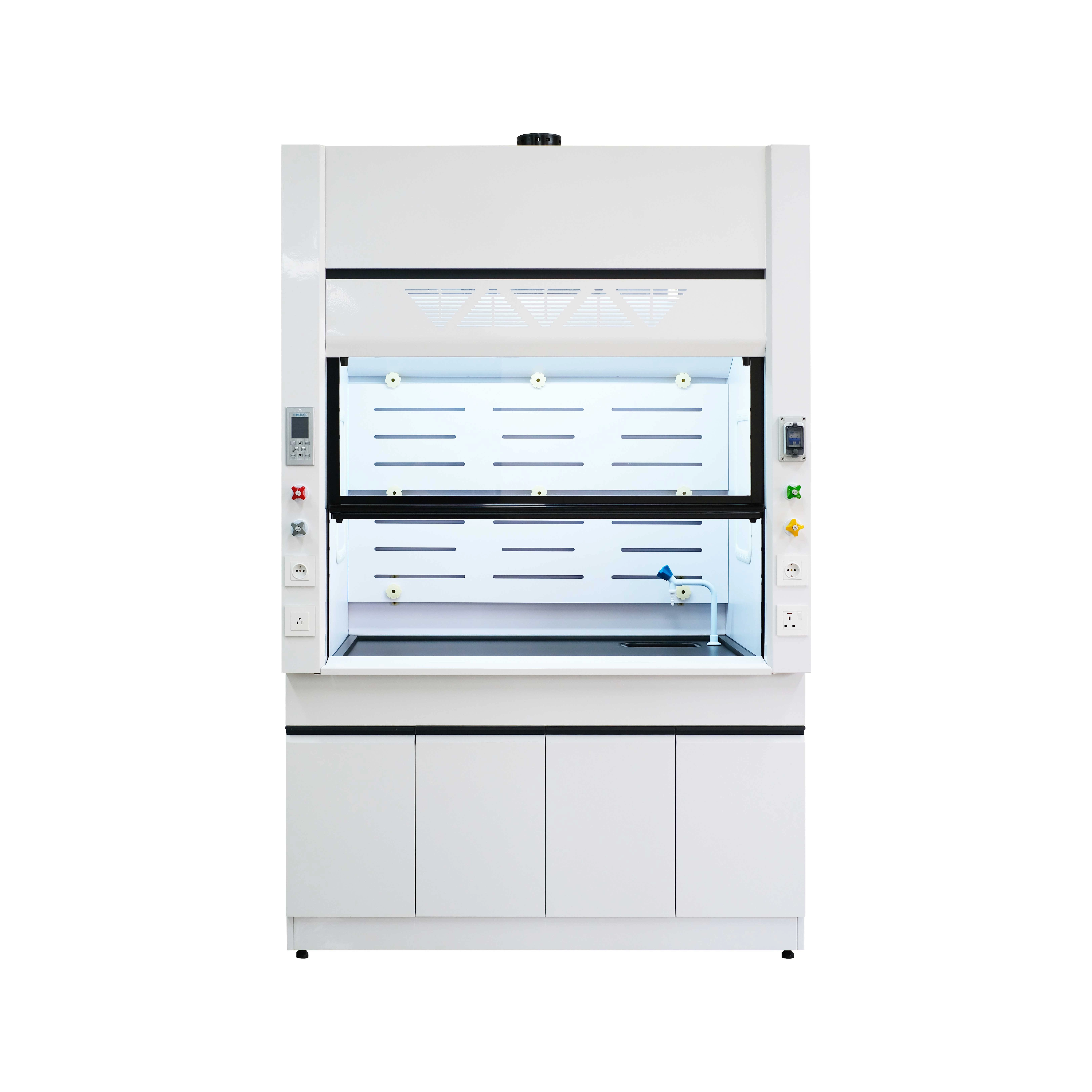
Fume Hood
The fume hood provides safe ventilation to protect against exposure to hazardous or toxic fumes, vapors, or airborne particulate. It is primarily used in laboratory and manufacturing applications to protect the user or environment outside the hood, but can also be used to protect the materials or experiment under the hood.
APPLICATION
Chemistry Lab, physics Lab, biological analysis, pharmaceutical medicine analysis, biological pharmaceutical, plant culture, environmental testing and electronic instrumentation scientific research and so on.
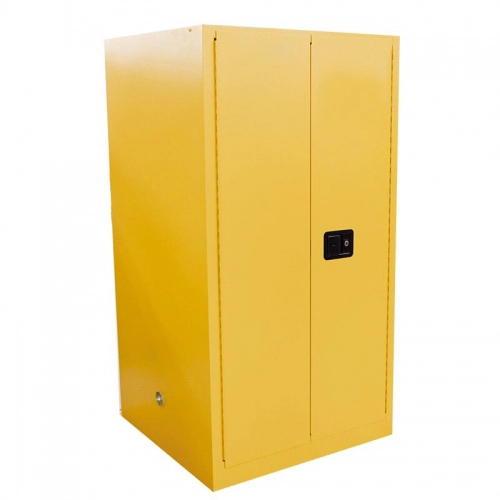
Flammable Storage Cabinet
Safety Cabinets store flammable liquids, corrosives, pesticides and other hazardous materials. All fire-resistant safety cabinets by meet fire codes and regulations for safety storage.
To help protect your people and facility from a potential fire, safety cabinets are engineered to safely contain flammable fuels, solvents, and chemicals. Safety cabinets can not only help everyone store chemicals reasonably, save chemical supplies, but also save human resources, and avoid fires caused by chemicals with the greatest strength.
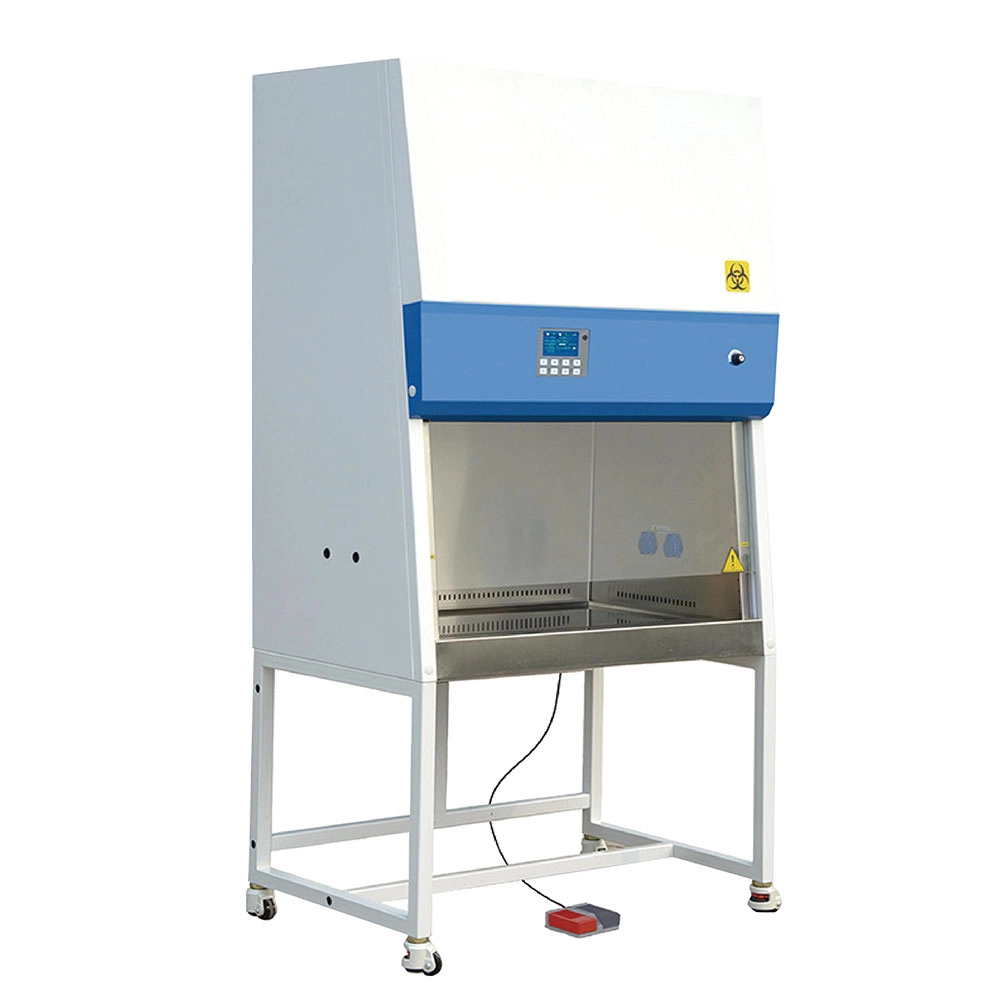
Class II Type A2 Biological Safety Cabinet for Laboratory
The Class II A2 Biological Safety Cabinet is designed to provide superior biosafety and contamination control for laboratories, research facilities, and clinical settings. With 70% air recirculation and 30% air exhaust, this cabinet ensures a safe and efficient work environment while protecting both the user and the samples.
Equipped with advanced features like a HEPA filtration system, motorized front window, and ergonomic design, this cabinet is a must-have for safe and reliable biological research.

 Scan QR Code
MaxLabFurniture
MaxLab Furniture
daihongada
Max Laboratory