
Stainless Steel Lab Sink Options: Pros and Cons

- Selecting Stainless Steel Lab Sinks for Your Facility
- Material grades and why they matter
- Finish, fabrication and bowl configurations
- Pros and Cons of Stainless Steel Lab Sink Options
- Advantages of stainless steel lab sinks
- Limitations and situations to avoid
- Lab Sink Cabinet Integration and Installation
- C-type, floor-mounted and H-type structures
- Plumbing, ventilation and chemical compatibility
- Maintenance, Safety, and Cost Considerations
- Cleaning, decontamination and lifespan
- Costs and total cost of ownership (TCO)
- Choosing the Right Lab Sink and Cabinet — Practical Checklist
- Workflow and user needs
- Regulatory and environmental requirements
- Brand Advantages and Why Choose a Purpose-Built Lab Sink Cabinet
- FAQ — Frequently Asked Questions
- What stainless steel grade should my lab use for sinks?
- Can I pour acids and solvents down a stainless steel lab sink?
- How do C-type, floor-mounted and H-type Lab Sink Cabinets differ?
- What maintenance is required to keep stainless sinks safe and long-lasting?
- Are stainless steel sinks hygienic for biological labs?

Choosing the right lab sink and Lab Sink Cabinet is crucial for lab safety, compliance and workflow efficiency. Stainless steel sinks remain a top choice for many laboratories because of their durability, ease of cleaning and broad chemical resistance. This article provides an in-depth look at stainless steel lab sink options, compares material grades, installation types, and outlines practical pros and cons so you can match the right lab sink solution to your facility's needs. Once a stainless steel sink is selected, proper care becomes essential, and following proven maintenance tips to extend the life of your lab sink helps protect long-term investment.
Selecting Stainless Steel Lab Sinks for Your Facility
Material grades and why they matter
Stainless steel lab sinks are typically manufactured in a few common stainless grades, most notably 304 (18-8) and 316 (marine grade). 304 stainless is corrosion-resistant to many laboratory chemicals and is the standard for general-purpose sinks. 316 stainless contains molybdenum, which increases resistance to chlorides and some aggressive chemicals — making it a better choice where halides, salts or more corrosive reagents are used. For a concise technical overview of stainless steel properties, see the Wikipedia entry on stainless steel: https://en.wikipedia.org/wiki/Stainless_steel.
Finish, fabrication and bowl configurations
Finish (e.g., satin, #4) influences cleanability and scratch visibility. Welded, formed (pressed) and seamless sinks have different durability and hygiene profiles: seamless welded sinks with smooth welds are easier to disinfect and less likely to trap contaminants. Common bowl configurations include single-bowl, double-bowl, and sinks with integrated drainboards — choose based on workflow needs: single deep bowls for large glassware, double bowls for wash/rinse segregation, and drainboards for drying or staging.
Pros and Cons of Stainless Steel Lab Sink Options
Advantages of stainless steel lab sinks
Key advantages include:
- Durability: Resists impact and mechanical wear better than many polymer options.
- Thermal and fire resistance: Stainless retains integrity at elevated temperatures.
- Hygiene: Non-porous surfaces are easy to clean and disinfect which supports biosafety practices (see CDC biosafety guidance: https://www.cdc.gov/biosafety/publications/bmbl5/index.htm).
- Compatibility with many lab workflows: Can be used for aqueous rinsing, general-purpose sink duties, and compatibility with standard lab faucets.
Limitations and situations to avoid
Despite their strengths, stainless steel lab sinks have limitations:
- Certain strong acids and halogenated solvents can attack stainless steel, especially lower grades like 304 — for compatibility charts, consult chemical resistance resources or manufacturer data sheets.
- Electrochemical corrosion (galvanic) can occur when dissimilar metals contact in conductive solutions.
- Deep staining or pitting may occur if chlorine-based bleaches or high chloride concentrations are used repeatedly without proper rinsing.
Lab Sink Cabinet Integration and Installation
C-type, floor-mounted and H-type structures
The Lab Sink Cabinet is designed for chemistry labs, teaching labs, biopharmaceutical facilities and testing departments, and can be seamlessly integrated into complete laboratory bench systems. The product offers C-type, floor-mounted and H-type structures, combined with a chemical-resistant lab sink and lab faucet to meet cleaning, rinsing, drainage and temporary storage needs.
C-type (countertop-mounted) units are common where bench continuity and under-bench storage are required. Floor-mounted cabinets provide improved stability and greater under-sink storage or plumbing space. H-type (island or peninsula) configurations enable access from multiple sides and are useful in teaching labs and high-traffic testing departments. When selecting a cabinet type, consider bench runs, plumbing routes, and ergonomic reach for users.
Plumbing, ventilation and chemical compatibility
Proper plumbing materials and fixtures are essential. Choose drain traps and lines that resist the chemicals expected in wastewater (e.g., CPVC or HDPE for some corrosive wastes). Consider installing acid/solvent traps or neutralization systems when prohibited chemicals may enter drains—consult local codes and environmental regulations. For lab ventilation and safety, ensure sinks used for solvent handling are placed away from open flames and within fume hood workflows where necessary.
Maintenance, Safety, and Cost Considerations
Cleaning, decontamination and lifespan
Routine cleaning with neutral detergents preserves the finish and reduces staining. Avoid abrasive pads or chloride-rich cleaners that can damage passivation layers. Periodic passivation treatments (citric or nitric acid-based) restore corrosion resistance after heavy use; many lab facilities include passivation in preventive maintenance. Properly maintained stainless sinks often provide a service life of many years, with 316 grade outlasting 304 in harsher chemical environments.
Costs and total cost of ownership (TCO)
Initial purchase price varies by grade, configuration and cabinet integration. 316-grade stainless sinks cost more upfront than 304, but may reduce replacement and downtime costs in corrosive environments. TCO should consider installation complexity, required plumbing upgrades, maintenance frequency, and expected replacement interval.
| Option | Best for | Pros | Cons |
|---|---|---|---|
| 304 Stainless Sink | General-purpose teaching and chemistry labs | Cost-effective, durable, easy to clean | Less resistant to chlorides and strong halogenated acids |
| 316 Stainless Sink | Pharmaceuticals, salt-rich or corrosive environments | Superior corrosion resistance, longer life | Higher initial cost |
| Epoxy/Polypropylene Sink (alternative) | Highly corrosive reagent handling | Excellent chemical resistance to many acids/solvents | Lower thermal resistance, can stain or chip |
| C-type / Floor-mounted / H-type Cabinets | Bench integration, stability, island access | Flexible layout options, storage and plumbing space | Varied installation costs depending on configuration |
Choosing the Right Lab Sink and Cabinet — Practical Checklist
Workflow and user needs
Map typical tasks at the sink: general washing, solvent disposal, glassware handling, or biological decontamination. Double-bowl setups are useful where segregation of wash and rinse activities improves efficiency. Island (H-type) cabinets are effective for demonstration and teaching labs.
Regulatory and environmental requirements
Check local wastewater and laboratory waste regulations before routing solvents or acids to drains. Some lab wastes require collection for hazardous waste disposal rather than drain discharge; ensure your Lab Sink Cabinet installation supports waste segregation and secondary containment if necessary.
Brand Advantages and Why Choose a Purpose-Built Lab Sink Cabinet
When selecting a manufacturer or supplier, prioritize brands with proven lab furniture experience. A purpose-built Lab Sink Cabinet designed for laboratories offers:
- Integration with bench systems to maintain ergonomic and safety standards.
- Chemical-resistant surfaces and recommended sink/faucet pairings validated for lab use.
- Modular options (C-type, floor-mounted, H-type) for flexible lab planning and easier maintenance access.
- Technical documentation and after-sales support for installation, replacement parts and maintenance guidance.
A reputable supplier will publish material datasheets and chemical compatibility information to support E-E-A-T (experience, expertise, authoritativeness, trustworthiness) in lab procurement decisions. For industry benchmarks on lab furniture standards, consult authoritative resources such as NSF (plumbing and fixture standards) at https://www.nsf.org.
FAQ — Frequently Asked Questions
What stainless steel grade should my lab use for sinks?
Choose 304 stainless for general-purpose use in teaching and many chemistry labs. Use 316 stainless if you routinely encounter chlorides, halogenated reagents, or environments with higher corrosion risk.
Can I pour acids and solvents down a stainless steel lab sink?
Not always. Small volumes of diluted acids are commonly acceptable with immediate rinsing, but concentrated acids, strong oxidizers, halogenated solvents and large volumes of corrosive waste often require dedicated waste collection and neutralization—check local regulations and your institution's waste management policies.
How do C-type, floor-mounted and H-type Lab Sink Cabinets differ?
C-type integrates with bench runs and usually sits within the bench footprint. Floor-mounted cabinets are freestanding and offer more storage and plumbing space. H-type cabinets allow multi-sided access ideal for islands or teaching configurations. Select based on layout, plumbing access and user traffic.
What maintenance is required to keep stainless sinks safe and long-lasting?
Regular cleaning with neutral detergents, prompt rinsing after chemical exposure, avoiding abrasive cleaners, and periodic passivation for high-use sinks. Inspect seals, faucets and drains for leaks and corrosion periodically.
Are stainless steel sinks hygienic for biological labs?
Yes — stainless steel is non-porous and easy to disinfect, making it suitable for many biological lab tasks. Ensure disinfection protocols match biosafety level requirements (see CDC biosafety guidance: https://www.cdc.gov/biosafety/publications/bmbl5/index.htm).
If you have specific chemical lists or a lab layout, our team can review and recommend the optimal Lab Sink Cabinet configuration and stainless grade. View the Lab Sink Cabinet product details and configuration guide here: View Lab Sink Cabinet. For direct inquiries, contact our sales engineers: sales@example.com.
Contact us / View product: For specification sheets, CAD files and pricing, click to view the Lab Sink Cabinet or email our sales team — we provide layout support and chemical compatibility consultation.
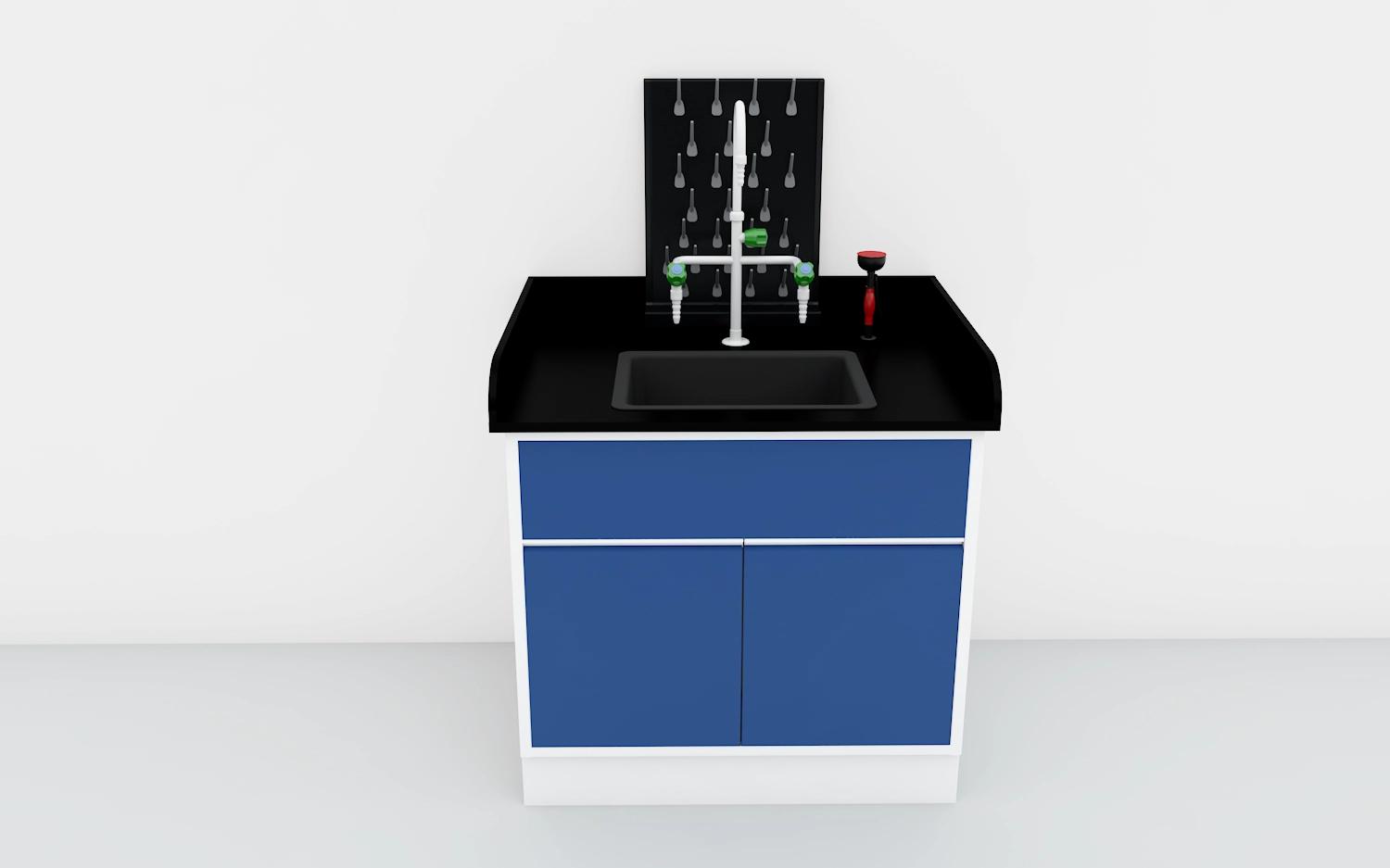
Lab Sink Cabinet Buying Guide: Materials, Sizes, and Features
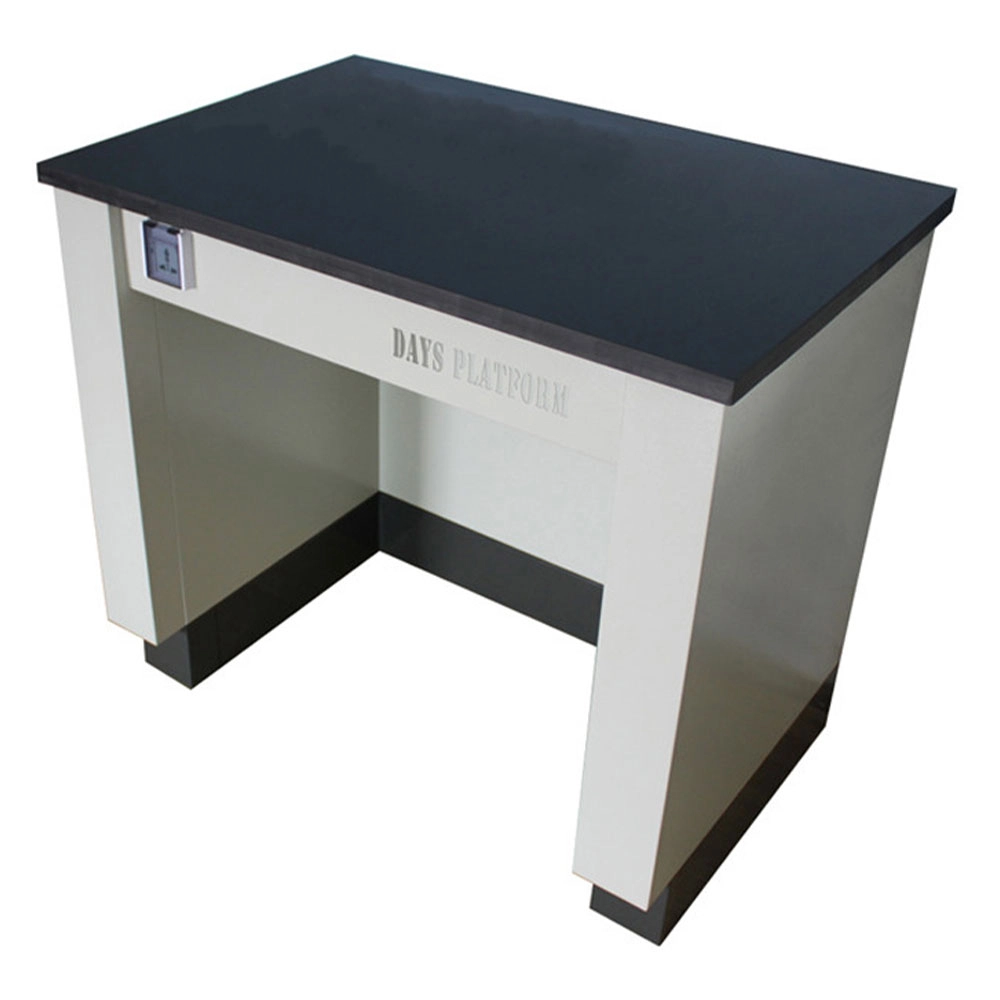
Anti-vibration Tables BT-03: Key specs for laboratory tables
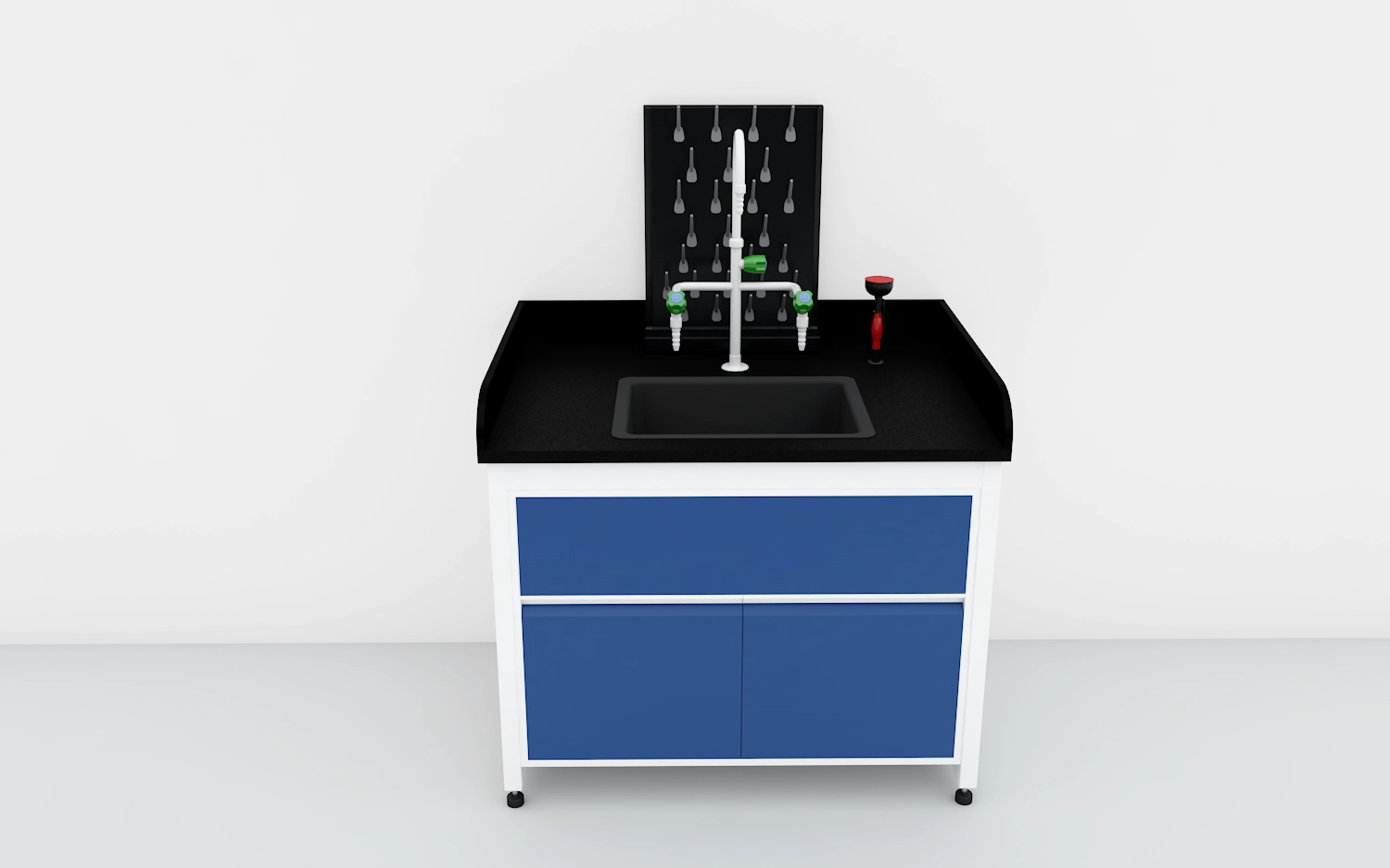
Maintenance Guide: Prolonging the Life of Lab Sink Cabinets
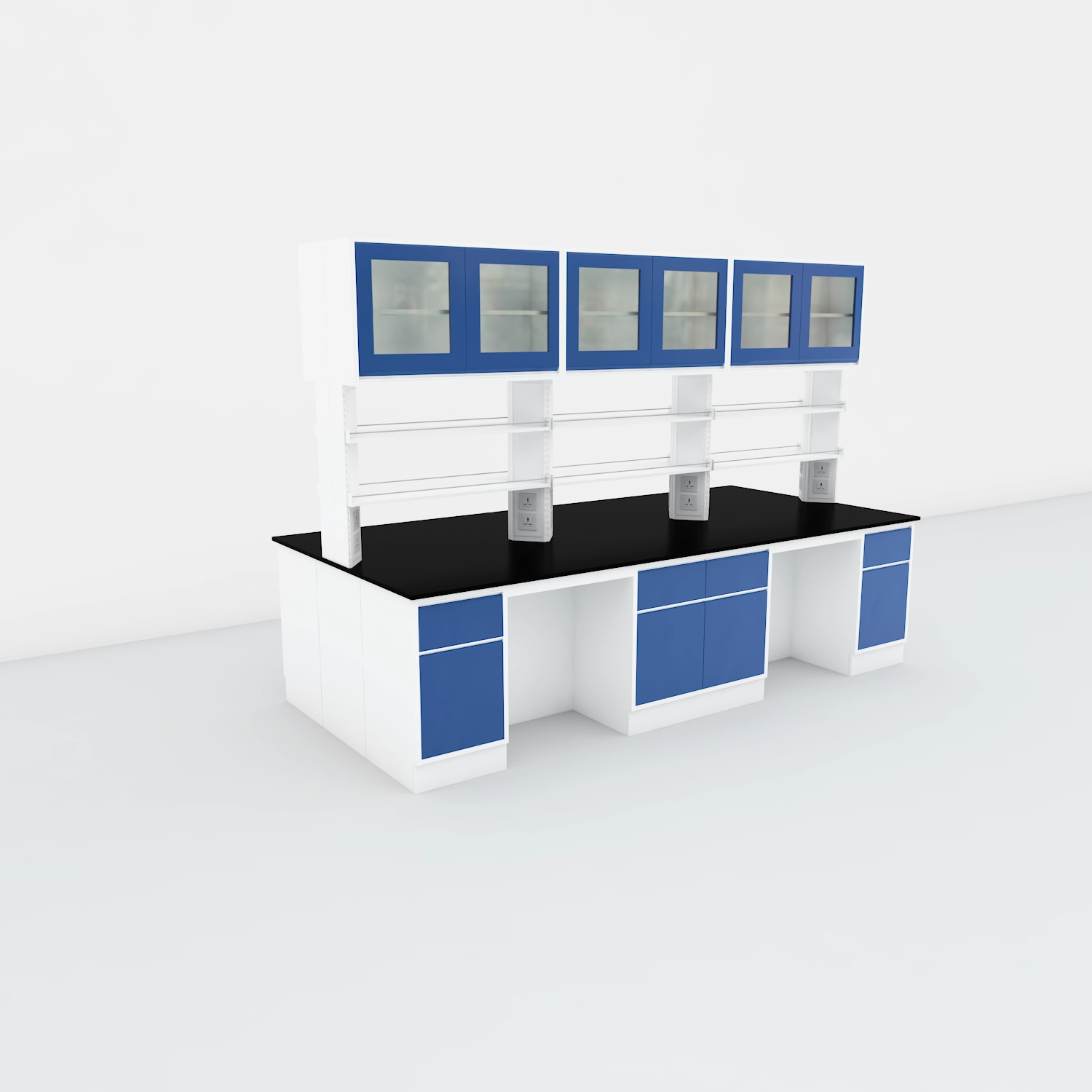
Space Planning Tips with Floor Mounted Lab Benches
For After-Sales Support
Can you help with product troubleshooting?
Yes, our customer support team is available to help with any issues or troubleshooting you may need for your laboratory equipment.
Customization
How long does it take to customize the product?
The delivery time of the custom equipment depends on the specific customization program and production cycle, which generally takes 4 to 8 weeks. We will keep you updated during the production process.
How to calculate the cost of customized services?
Customization services incur additional costs depending on the complexity of the design, material selection and production requirements. We will clearly list all costs at the quote stage to ensure that the client understands all costs.
For Products
Can I change the size and color?
Yes, of course. Custom-made items are welcome, if you have any need, please feel free to contact us at anytime.
About Solution
Do you provide laboratory layout design service?
Yes, we provide professional laboratory layout design service to optimize space utilization and workflow according to customer's site and usage requirements.
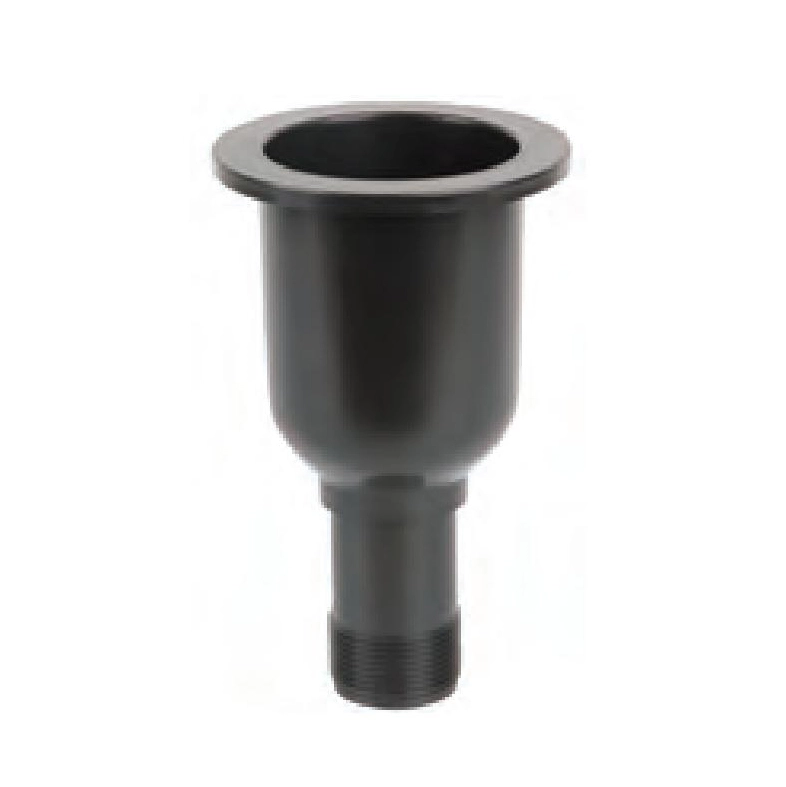
Lab Sink LS-08
The LS-08 Round Cup / Funnel Sink is a small-diameter, deep cup sink designed as a funnel-type drain point on laboratory worktops. Constructed from chemical-resistant black PP, it features an extended threaded outlet that connects directly to drain piping.
This design is perfect for apparatus drain lines, RO reject water, condensate and other continuous or intermittent discharges where an open, funnel-like inlet is required.

Floor Mounted Lab Bench
Our Floor Mounted Lab Bench is an essential, high-efficiency workspace for laboratories, made from high-quality steel-wood or corrosion-resistant stainless steel materials to ensure exceptional durability and stability. The unique floor-mounted design effectively reduces vibration, optimizes space usage, and provides a safe and tidy laboratory environment.
Customizable storage solutions help organize lab equipment efficiently, while the easy-to-clean surface maintains laboratory hygiene. It is widely suitable for research institutions, educational laboratories, and the chemical and pharmaceutical industries.
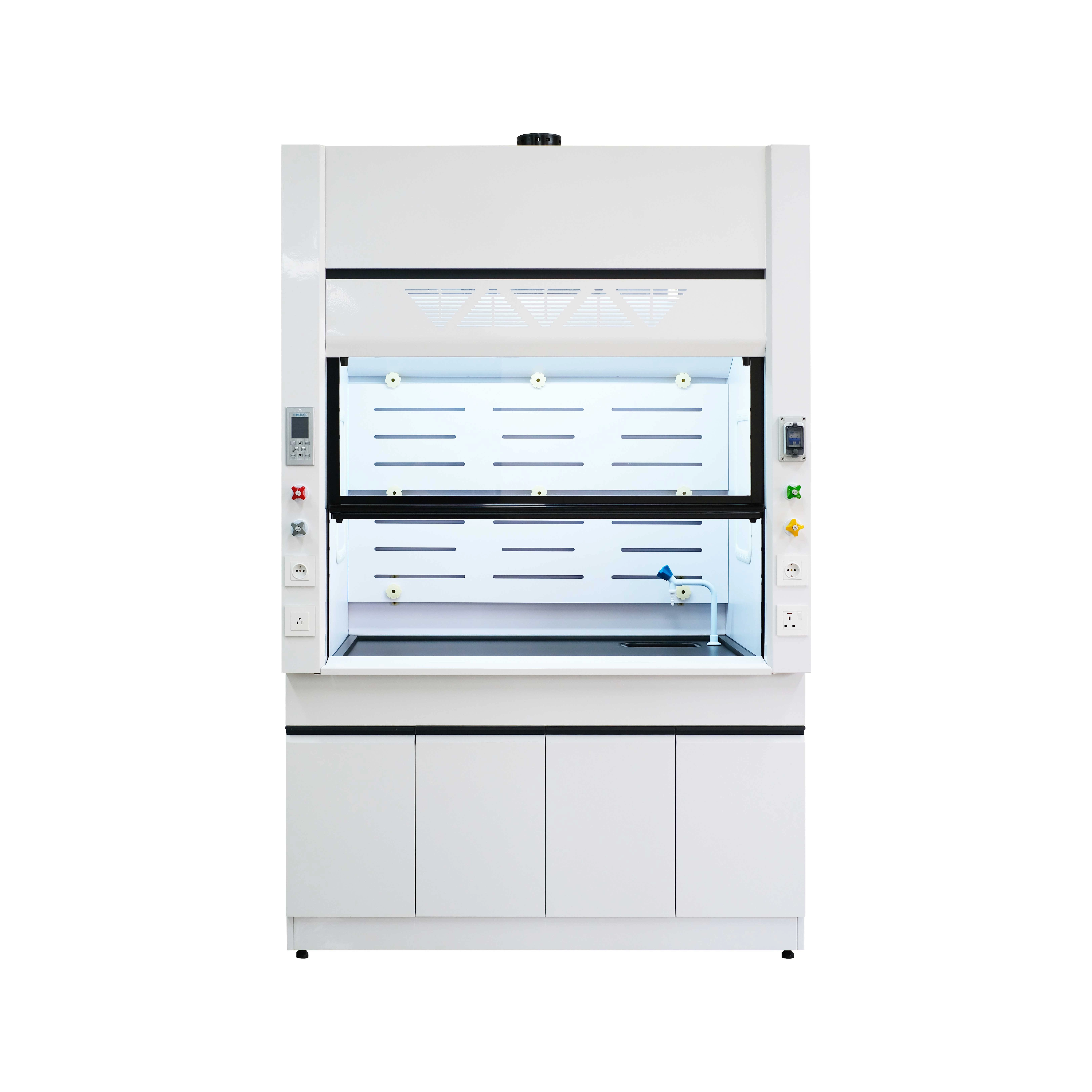
Fume Hood
The fume hood provides safe ventilation to protect against exposure to hazardous or toxic fumes, vapors, or airborne particulate. It is primarily used in laboratory and manufacturing applications to protect the user or environment outside the hood, but can also be used to protect the materials or experiment under the hood.
APPLICATION
Chemistry Lab, physics Lab, biological analysis, pharmaceutical medicine analysis, biological pharmaceutical, plant culture, environmental testing and electronic instrumentation scientific research and so on.
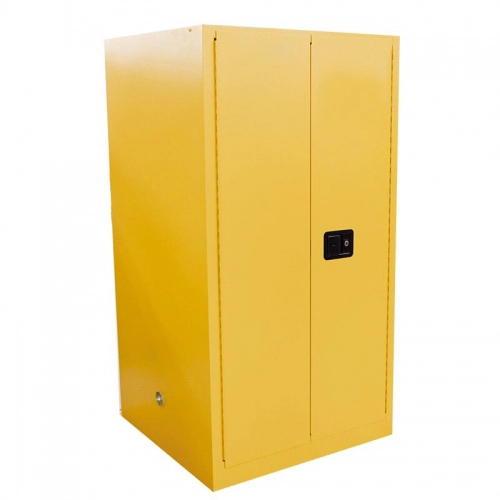
Flammable Storage Cabinet
Safety Cabinets store flammable liquids, corrosives, pesticides and other hazardous materials. All fire-resistant safety cabinets by meet fire codes and regulations for safety storage.
To help protect your people and facility from a potential fire, safety cabinets are engineered to safely contain flammable fuels, solvents, and chemicals. Safety cabinets can not only help everyone store chemicals reasonably, save chemical supplies, but also save human resources, and avoid fires caused by chemicals with the greatest strength.

 Scan QR Code
MaxLabFurniture
MaxLab Furniture
daihongada
Max Laboratory