
Spare Parts to Request with a Variable Air Volume Fume Hood

- Key Spare Parts to Keep On-Hand for a Variable Air Volume Fume Hood
- Primary Flow Control Components
- Sash and Mechanical Hardware
- Controls, Sensors, and Electronics You Should Request
- Airflow and Pressure Sensors
- Control Modules and Interfaces
- Installation, Testing, and Maintenance Parts
- Fans, Drives, and Electrical Spares
- Filters, Gaskets, and Access Panels
- Recommended Spare Parts Table
- FAQs and How to Contact Support
- How do spare parts differ between constant-volume and variable-volume fume hoods?
- What are the best practices for stocking spare parts?
- How should parts be tested and certified after replacement?
- Which standards and references support spare-part selection?
- Contact and Product Support
- Additional Resources and Citations
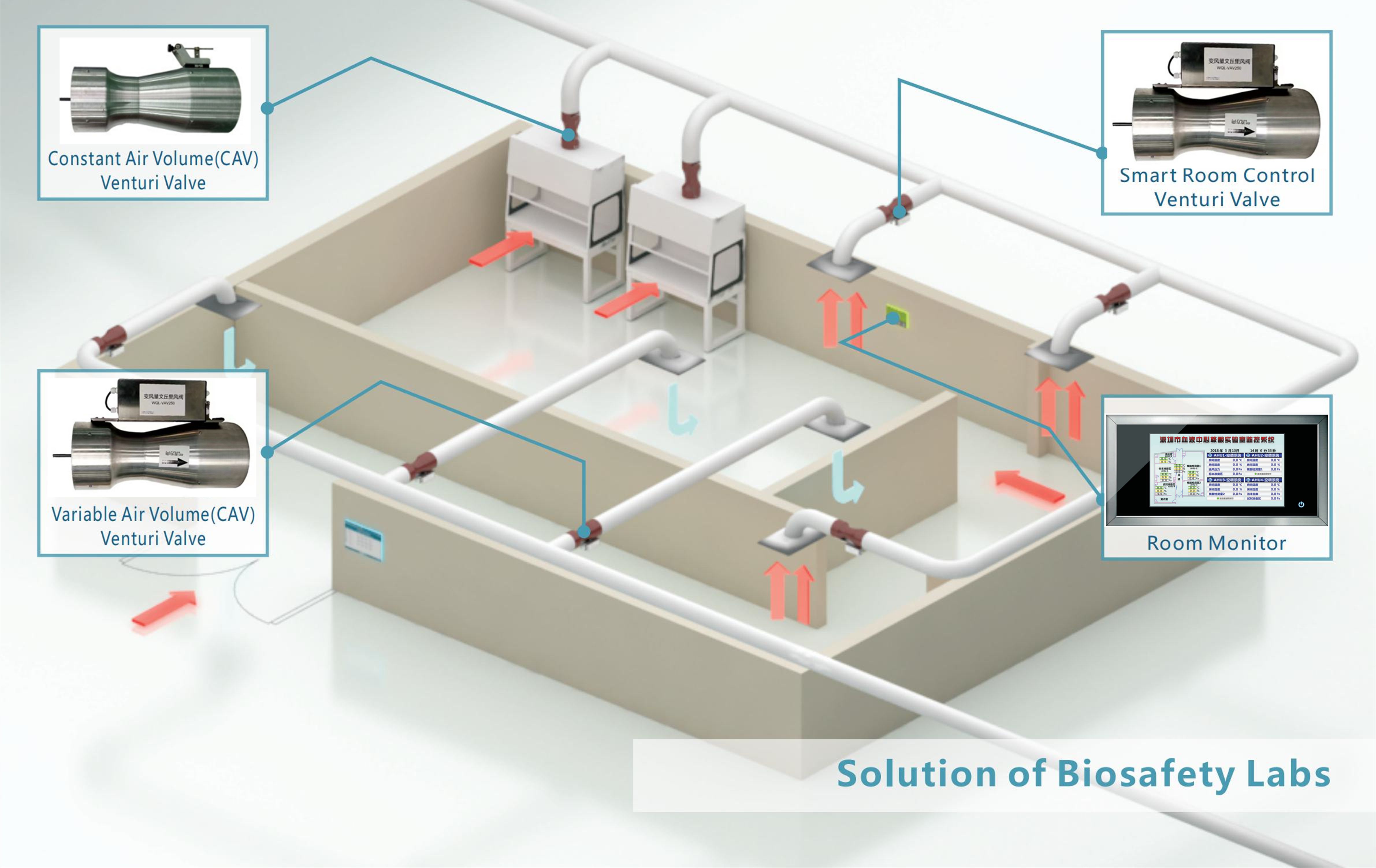
This guide helps laboratory managers, facilities engineers, and procurement teams identify and prioritize spare parts to request for a Variable Air Volume fume hood. Proper spare-part planning reduces downtime, preserves containment performance, and supports energy-efficient operation of VAV fume hoods, including components such as Venturi valves, sash sensors, airflow monitors, and controls. The recommendations below are practical, tested against industry standards, and aligned with best practices for laboratory ventilation and safety.
Key Spare Parts to Keep On-Hand for a Variable Air Volume Fume Hood
Primary Flow Control Components
The heart of a VAV fume hood is the flow control mechanism that adjusts exhaust based on sash position and duct static pressure. Essential spare parts include:
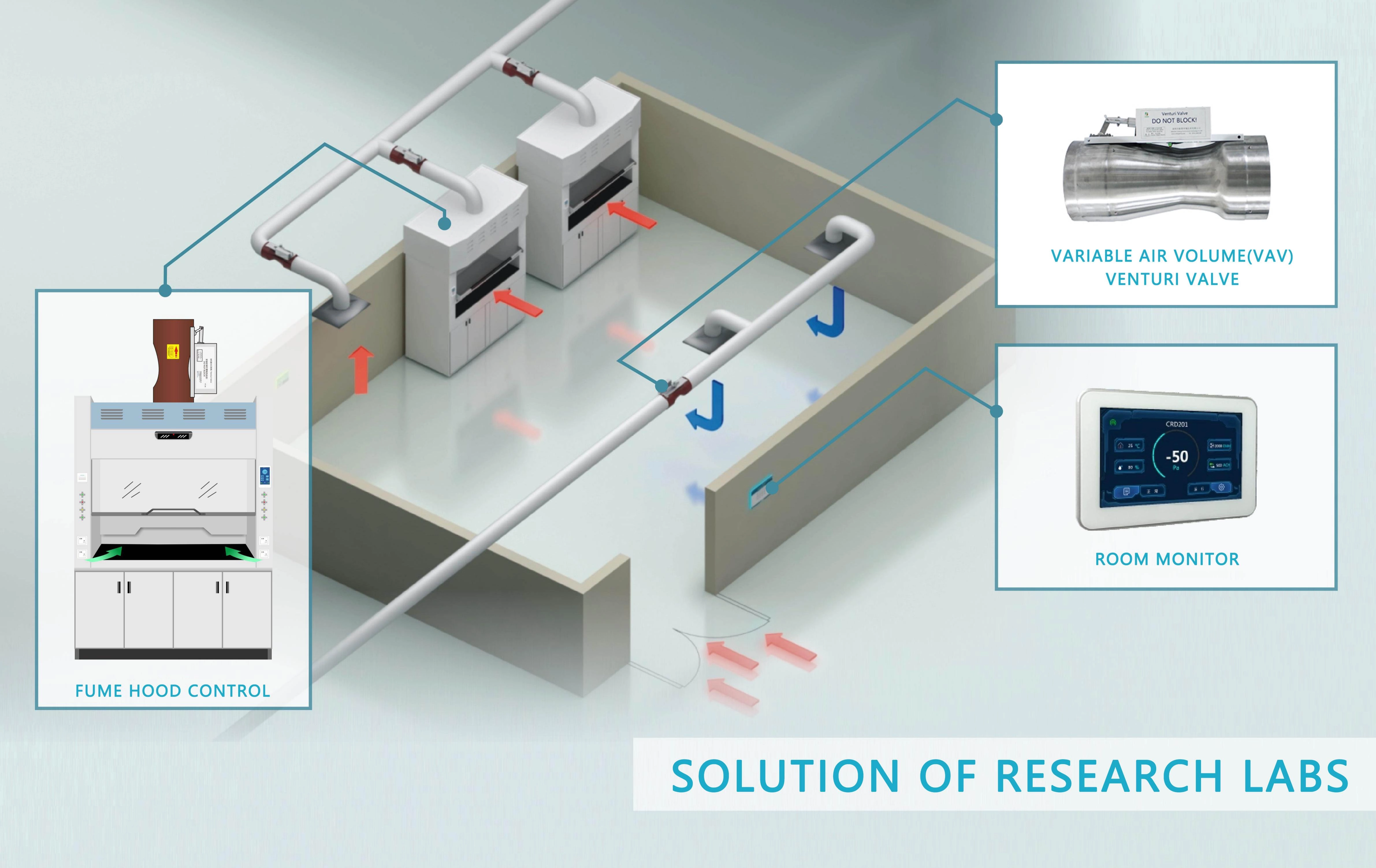
- Venturi valve assembly (or equivalent flow control valve): Controls face velocity and reacts to changes in duct static pressure. A failed Venturi valve can cause unstable face velocity and increased energy use. Consider keeping at least one complete Venturi valve assembly in stock for each hood bank or for every 5–10 hoods, depending on criticality.
- Valve actuator: Pneumatic or electric actuators wear out faster than the valve body. Stock actuators matched to your control protocol (0–10V, 4–20mA, Modbus) to minimize downtime.
Sash and Mechanical Hardware
Sash components influence both user ergonomics and containment. Common spares include:
- Sash glass panels and frames: Breakage is the most common cause of emergency part requests. Keep replacement panes and seals that match the sash type.
- Sash counterbalance and pulleys: Wear or cable failure can cause sudden sash drops; replacements should be readily available.
- Sash gasket and seal kits: Ensure tight edges to maintain predictable airflow across the face of the hood.
Controls, Sensors, and Electronics You Should Request
Airflow and Pressure Sensors
Accurate sensing is critical for VAV performance and compliance. Typical spares include:
- Face velocity sensors (anemometers or thermal sensors): These directly monitor hood containment performance. If your system uses an airflow monitor or low-flow alarm, keep a calibrated replacement sensor.
- Duct static pressure transducers: These tell the control system how hard the fans are working. A failed pressure transducer can result in misadjusted Venturi valves, causing under- or over-ventilation.
Control Modules and Interfaces
Electronics often determine how quickly a hood can be returned to service:
- VAV controller boards: Replace or reflash a failed controller to restore normal modulation. Keep a spare board for each control type used in your facility.
- Sash position switches and encoders: Many VAV systems rely on sash position for setpoint changes; failing switches can lock the hood into a high-flow condition.
- Human-Machine Interface (HMI) panels: If operators rely on local displays to monitor hood status, consider keeping one spare HMI.
For labs using the MAX LAB Venturi Valve Air Velocity Control System, stock compatible control electronics and actuators. The system is designed for fast response and low maintenance but still requires spare sensors and actuators to maintain continuous operation. Product summary:
Optimize airflow regulation and ensure precise laboratory ventilation with MAX LAB Venturi Valve Air Velocity Control System. Designed for high-performance air pressure control, this system automatically adjusts to changes in duct static pressure, maintaining stable and energy-efficient air velocity management. Ideal for laboratories, cleanrooms, and healthcare facilities, it provides fast response times, low maintenance, and superior contaminant control. Our Venturi valve system enhances HVAC efficiency, improves air quality, and ensures compliance with critical environment safety standards.
Installation, Testing, and Maintenance Parts
Fans, Drives, and Electrical Spares
Fans and drives are high-impact failures. Recommended spares:
- Exhaust fan belts and bearing kits: Routine wear items that can be replaced quickly during scheduled downtime.
- Variable frequency drives (VFDs): If your exhaust system uses a VFD, keep a spare module or ensure quick-swap availability.
- Fan motor starters and overload relays: Electrical failures can be restored quickly with the right parts on hand.
Filters, Gaskets, and Access Panels
Filtration and sealing components often determine long-term air quality and containment:
- Prefilters and HEPA filters: Stock high-use filters and sizes that match hood plenum or recirculation systems. If a hood uses a HEPA-backed exhaust, keep a certified HEPA spare from the same manufacturer.
- Duct access panels and flange gaskets: Allow safe inspection and repair of duct runs; stock the common sizes in your facility.
Recommended Spare Parts Table
| Part | Primary Function | Typical Lifespan | Signs of Failure | Recommended Stock Level |
|---|---|---|---|---|
| Venturi valve assembly | Flow modulation and face velocity control | 5–15 years (varies by use) | Unstable face velocity, oscillation, stuck open/closed | 1 per hood bank or 1 per 5–10 hoods |
| Face velocity sensor | Measures face velocity for alarms and control | 3–7 years | Inaccurate readings, no signal | 1 spare per control type |
| Duct static pressure transducer | Feedback for VAV control loop | 3–10 years | Control instability, wrong flow setpoint | 1–2 spares |
| Sash counterbalance/cable | Safe sash movement | 2–10 years | Sudden sash drop, uneven movement | 2–4 kits |
| HEPA filter | Final air filtration (if applicable) | 6–24 months (usage-based) | Increased pressure drop, decreased air quality | 1–2 per hood or more if critical |
FAQs and How to Contact Support
How do spare parts differ between constant-volume and variable-volume fume hoods?
VAV fume hoods require flow-control components (Venturi valves, modulating actuators, pressure transducers) and sensors that measure sash position and face velocity. Constant-volume hoods generally rely on dampers and fixed fans; spare lists for constant-volume systems emphasize fan and damper spares rather than modulating valves and control electronics. Because VAV systems actively adjust exhaust, their spare strategy must include calibrated sensors and control boards to preserve containment and energy efficiency.
What are the best practices for stocking spare parts?
Best practices include:
- Prioritize safety-critical parts first (sash components, face velocity sensors, Venturi valves), then service-critical ones (VFDs, fans).
- Maintain vendor-part numbers, firmware versions, and control protocol specifications with each spare.
- Store filters, gaskets, and small electrical spares locally for rapid replacement.
- Use a rotating inventory so perishable parts (filters) do not expire unused.
How should parts be tested and certified after replacement?
After replacing any component that affects containment or airflow, perform a functional test and, if required, a containment test such as the ASHRAE 110 procedure. ASHRAE 110 is the widely referenced method for fume hood performance testing (ASHRAE 110 on Wikipedia). For overall ventilation guidance, consult NIOSH and OSHA laboratory safety resources to confirm compliance with applicable regulations and guidance (NIOSH, OSHA Chemical Hygiene (29 CFR 1910.1450)).
Which standards and references support spare-part selection?
Useful references include ASHRAE methods and standards for lab ventilation and test procedures, ISO standards for controlled environments (for cleanroom installations, see ISO 14644 discussions: ISO 14644), and manufacturer-recommended maintenance schedules. These standards help set baseline performance expectations and testing frequency.
Contact and Product Support
If you need help selecting compatible replacement parts for your Variable Air Volume Fume Hood, replacement Venturi valve assemblies, sensors, or control modules, contact our technical team for a tailored parts list, compatibility checks, and lead-time information. View product details or request a quote: Variable Air Volume Fume Hood product page. For direct assistance, email our support team or call your local representative.
Additional Resources and Citations
For further reading and authoritative background on ventilation and fume hood testing, consult:
- ASHRAE 110 fume hood test standard (overview)
- NIOSH — National Institute for Occupational Safety and Health
- OSHA 29 CFR 1910.1450 — Occupational exposure to hazardous chemicals in laboratories
- ISO 14644 — Cleanrooms and associated controlled environments (overview)
Planned spare-part procurement, documented part numbers, and routine verification testing are the keys to ensuring that your Variable Air Volume fume hoods remain safe, energy efficient, and compliant. Keep high-risk components on-hand, coordinate with manufacturers for firmware and control compatibility, and schedule regular containment testing after any repair or major part replacement.
Need help now? Contact our support team to request a spare-part kit tailored to your Variable Air Volume Fume Hood model, or view available products and request a quote.
Vendor Selection Guide for Variable Air Volume Fume Hoods
Custom Lab Sink Cabinets: When to Choose Customization
Inspection Checklist for New Lab Countertop Installations
Stainless Steel Lab Sink Options: Pros and Cons
About Solution
Do you have certifications for your products?
Yes, We have CE CERTIFICATIONS, Quality Management Systems Certificate ISO9001:2008 and Environmental Management Systems Certificate ISO14000:2004, etc.
Customization
What information do I need to provide to start a custom project?
In order to start a custom project, you need to provide information about the spatial layout of the laboratory, functional requirements, equipment quantity and specifications, budget, etc. If possible, you can also provide reference drawings or patterns so that we can better understand your needs.
Do you offer free design consultation?
Yes, we provide our clients with free preliminary design consulting services. Our design team will provide advice based on your needs and budget, and help you develop a laboratory layout and equipment plan that meets your requirements.
For Company
Are you a factory or trade company?
Direct factory. We also have our sales and design team to offer better service to our valued customers.
For Logistics
Do you handle customs clearance for international shipments?
Of course, if you need it, we will handle the customs clearance of international shipments for our customers to ensure that your laboratory furniture arrives on time.
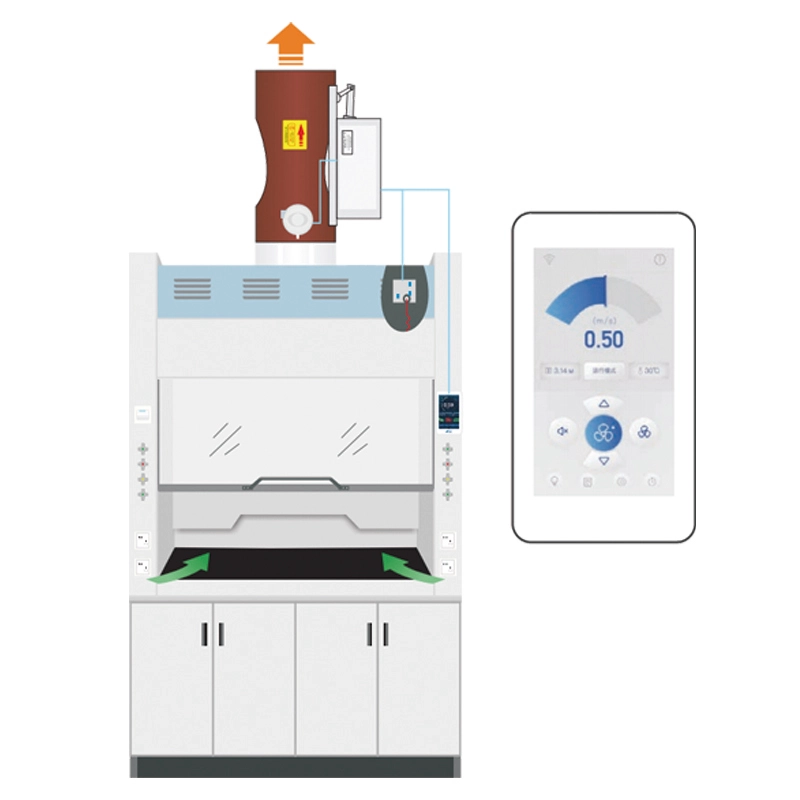
Variable Air Volume Fume Hood
Optimize airflow regulation and ensure precise laboratory ventilation with MAX LAB Venturi Valve Air Velocity Control System. Designed for high-performance air pressure control, this system automatically adjusts to changes in duct static pressure, maintaining stable and energy-efficient air velocity management. Ideal for laboratories, cleanrooms, and healthcare facilities, it provides fast response times, low maintenance, and superior contaminant control. Our Venturi valve system enhances HVAC efficiency, improves air quality, and ensures compliance with critical environment safety standards.

Floor Mounted Lab Bench
Our Floor Mounted Lab Bench is an essential, high-efficiency workspace for laboratories, made from high-quality steel-wood or corrosion-resistant stainless steel materials to ensure exceptional durability and stability. The unique floor-mounted design effectively reduces vibration, optimizes space usage, and provides a safe and tidy laboratory environment.
Customizable storage solutions help organize lab equipment efficiently, while the easy-to-clean surface maintains laboratory hygiene. It is widely suitable for research institutions, educational laboratories, and the chemical and pharmaceutical industries.
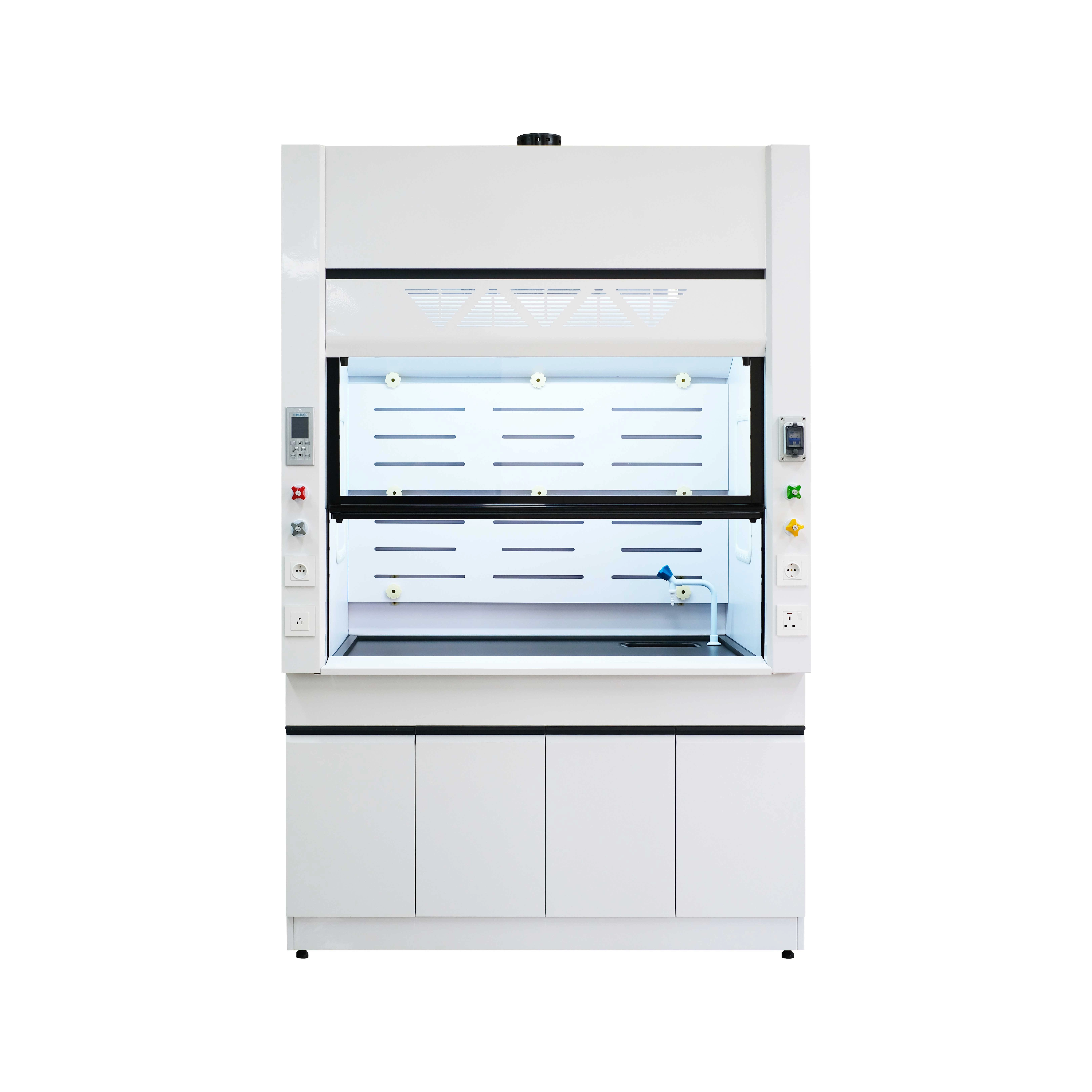
Fume Hood
The fume hood provides safe ventilation to protect against exposure to hazardous or toxic fumes, vapors, or airborne particulate. It is primarily used in laboratory and manufacturing applications to protect the user or environment outside the hood, but can also be used to protect the materials or experiment under the hood.
APPLICATION
Chemistry Lab, physics Lab, biological analysis, pharmaceutical medicine analysis, biological pharmaceutical, plant culture, environmental testing and electronic instrumentation scientific research and so on.
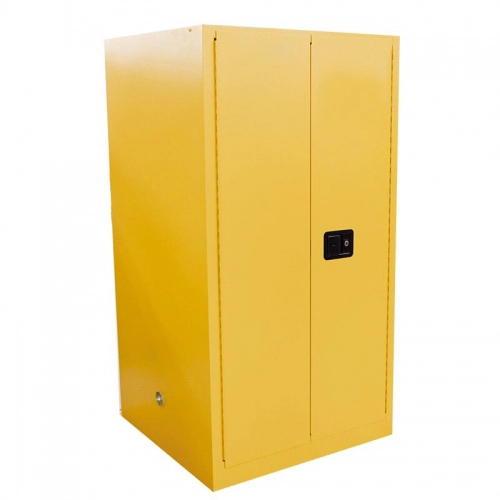
Flammable Storage Cabinet
Safety Cabinets store flammable liquids, corrosives, pesticides and other hazardous materials. All fire-resistant safety cabinets by meet fire codes and regulations for safety storage.
To help protect your people and facility from a potential fire, safety cabinets are engineered to safely contain flammable fuels, solvents, and chemicals. Safety cabinets can not only help everyone store chemicals reasonably, save chemical supplies, but also save human resources, and avoid fires caused by chemicals with the greatest strength.

 Scan QR Code
MaxLabFurniture
MaxLab Furniture
daihongada
Max Laboratory