
Space-Saving Lab Sink Cabinet Designs for Modern Laboratories

- Smart Layouts for Efficient Lab Workflows
- Optimizing bench-to-sink distance
- Corner, island and linear configurations
- Adjacency to ventilation and equipment
- Compact Lab Sink Cabinet Designs and Structural Options
- C-type, floor-mounted and H-type structures explained
- Integrated sinks and faucet choices
- Space-saving features: pull-out trays, tiered storage and fold-down splashes
- Materials, Installation and Compliance Considerations
- Choosing chemical-resistant materials
- Plumbing, drainage and safety compliance
- Accessibility and ergonomics
- Selecting, Maintaining and Validating Your Lab Sink Cabinet
- How to choose the right model for your lab
- Maintenance best practices
- Validation, documentation and lifecycle planning
- Brand Advantages, Customization and ROI
- Why choose a purpose-built Lab Sink Cabinet
- Customization for your lab's needs
- Calculating cost-effectiveness and long-term value
- Frequently Asked Questions (FAQ)
- Q: What materials are best for a lab sink exposed to strong acids?
- Q: Can a Lab Sink Cabinet be retrofitted into existing benching?
- Q: How do I handle chemical waste from sink drainage?
- Q: What maintenance is required for lab faucets to maintain hygiene and reduce cross-contamination?
- Q: Are there standards or references for lab furniture design I can consult?

The modern laboratory demands efficient use of space without compromising safety, accessibility, or functionality. Well-designed lab sink solutions that integrate sinks, faucets, drainage and temporary storage into compact cabinets are critical for chemistry labs, teaching labs, biopharmaceutical facilities and testing departments. This article explains smart, space-saving lab sink cabinet designs and practical steps to select, install and maintain them so they meet workflow and regulatory needs. Among space-efficient solutions, material choice matters greatly, which is why stainless steel lab sink options: pros and cons are frequently evaluated by lab planners.
Smart Layouts for Efficient Lab Workflows
Optimizing bench-to-sink distance
One of the most common workflow problems in crowded labs is the distance between the work surface and the lab sink. Long trips to sinks increase time spent on routine rinsing and cleaning, and raise the risk of transporting hazardous materials across the room. Best practice is to place a lab sink no more than a few bench bays away from the primary workstations used for wet procedures. Compact Lab Sink Cabinet solutions that integrate directly into bench systems reduce unnecessary movement and concentrate wet tasks in a controlled area.
Corner, island and linear configurations
Space-saving sink placement often relies on choosing the right layout: corner sinks make efficient use of otherwise wasted perimeter space; island or peninsula cabinets place sinks in a central position for shared access in teaching or collaborative labs; linear configurations keep sinks along a single run of benching for consistent plumbing and drainage runs. Each layout supports different workflows—teaching labs may prefer island setups for visibility, whereas analytical labs often favor linear runs for orderly sample flow.
Adjacency to ventilation and equipment
Sinks should be positioned with respect to fume hoods, glove boxes and chemical storage. Placing a sink cabinet adjacent to an acid wash area or near a fume hood reduces cross-room movement when handling solutions that require neutralization or containment. Coordination with HVAC and lab furniture teams ensures the sink's drainage and plumbing do not interfere with ventilation ducts or service panels.
Compact Lab Sink Cabinet Designs and Structural Options
C-type, floor-mounted and H-type structures explained
The Lab Sink Cabinet is designed for chemistry labs, teaching labs, biopharmaceutical facilities and testing departments, and can be seamlessly integrated into complete laboratory bench systems. The product offers C-type, floor-mounted and H-type structures, combined with a chemical-resistant lab sink and lab faucet to meet cleaning, rinsing, drainage and temporary storage needs.
Understanding the structural options helps match the cabinet to lab geometry and use:
- C-type – Compact corner-compatible modules for efficient perimeter placement and minimal footprint.
- Floor-mounted – Robust, freestanding cabinets that align with bench heights and provide maximum under-sink storage and plumbing concealment.
- H-type – Mid-bay or island-style cabinets that allow access from two sides, suitable for shared workflows in teaching or clinical labs.
Integrated sinks and faucet choices
Integrated lab sinks and lab faucets are available in multiple materials—from polypropylene and epoxy granite to stainless steel—each offering trade-offs in chemical resistance, heat tolerance and abrasion resistance. Chemical-resistant sinks designed for aggressive reagents (e.g., polypropylene) are ideal for corrosive chemistries, while epoxy resin or stainless sinks are frequently used when heat resistance and impact durability are needed. Select faucets with flow-control, gooseneck spouts, and optional hands-free operation to improve hygiene and reduce splash.
Space-saving features: pull-out trays, tiered storage and fold-down splashes
To further conserve footprint, modern lab sink cabinets include pull-out trays for waste containers, tiered internal storage for small items (bottles, neutralizing agents), and fold-down splashbacks that reduce the required clearance when not in use. These design choices keep the area tidy while supporting temporary storage tasks during rinsing and sample preparation.
Materials, Installation and Compliance Considerations
Choosing chemical-resistant materials
Selecting materials that withstand the lab's chemical profile is essential. For aggressive acids and bases, polypropylene and fused HDPE sinks offer excellent resistance. Epoxy resin sinks and worktops provide broad resistance to common solvents and are frequently used in teaching and biopharma settings. Stainless steel is favored for high-temperature and autoclave-adjacent areas but can be susceptible to certain acids and chlorides over time. Industry references such as the Laboratory furniture overview on Wikipedia provide context for common materials and their uses: https://en.wikipedia.org/wiki/Laboratory_furniture.
Plumbing, drainage and safety compliance
Proper plumbing and drainage are critical for safety and functionality. Ensure sinks are connected to appropriate waste lines with traps and accessible clean-outs. For laboratories dealing with hazardous chemicals or biologicals, follow regional codes for neutralization or containment of effluents. Guidance on laboratory design principles can be found from authoritative sources such as the CDC's laboratory resources: https://www.cdc.gov/labs/index.. Verify local plumbing codes and institutional biosafety rules before installation.
Accessibility and ergonomics
Space-saving does not mean inaccessible. Consider ADA compliance and ergonomic reach: sink heights, knee clearance for seated users, and reachable controls for faucets. For teaching labs with mixed-age or differently-abled users, adjustable-height benches or dedicated accessible sink cabinets may be necessary.
Selecting, Maintaining and Validating Your Lab Sink Cabinet
How to choose the right model for your lab
Selection should follow a simple needs-assessment: list the chemicals used near the sink, expected waste volumes, user count, and the required configuration (corner, linear or island). For multi-purpose rooms, modular Lab Sink Cabinet units that attach to existing bench systems simplify future reconfiguration. Consider the following table for a quick comparison:
| Design Type | Best Use Case | Space Impact | Plumbing Complexity |
|---|---|---|---|
| C-type | Corner sinks, tight perimeter labs | Very low | Low–Moderate |
| Floor-mounted | General-purpose labs requiring storage | Moderate | Moderate |
| H-type | Teaching labs, shared island workflows | Moderate–High | Moderate–High |
Maintenance best practices
Regular maintenance extends cabinet and sink life: flush drains nightly to prevent buildup, inspect seals and gaskets quarterly, and clean splashbacks with compatible cleaners to avoid surface damage. For chemical spills, follow your lab's spill-response protocol and decontaminate surfaces promptly. Scheduling preventive maintenance reduces downtime and unexpected repair costs.
Validation, documentation and lifecycle planning
For regulated environments (GLP, GMP), document sink installation, materials certificates, and periodic inspections. Maintain an asset lifecycle plan that includes replacement timelines for seals, faucets and sinks based on usage intensity. Proper documentation supports audits and ensures consistent performance over time.
Brand Advantages, Customization and ROI
Why choose a purpose-built Lab Sink Cabinet
A purpose-built Lab Sink Cabinet integrates the sink, faucet, storage and structural support into a single module, reducing installation complexity and future reconfiguration costs. Compared with ad-hoc sink installations, integrated cabinets minimize on-site cutting and plumbing rework, which lowers labor costs and shortens project timelines.
Customization for your lab's needs
Good manufacturers offer modular options—different sink materials, ADA-adaptable heights, accessory kits (soap dispensers, eyewash/basin combos), and service panels for easy plumbing access. Custom finishes and lockable storage help labs meet both functional and security requirements. A configurable approach means you buy only the features you need, reducing waste and improving ROI.
Calculating cost-effectiveness and long-term value
When evaluating cost, include installation, plumbing, downtime, maintenance and expected service life. A slightly higher initial investment in a chemical-resistant sink and quality faucet often yields lower replacement and maintenance expenses. For teaching labs with high use, durable surfaces and hands-free faucets reduce consumables and downtime caused by damage.
Frequently Asked Questions (FAQ)
Q: What materials are best for a lab sink exposed to strong acids?
A: For strong acids and corrosive reagents, polypropylene or HDPE sinks are recommended due to superior chemical resistance. Avoid using plain stainless steel where chlorides or strong oxidizers are common; consider composite or resin-based sinks instead.
Q: Can a Lab Sink Cabinet be retrofitted into existing benching?
A: Yes. Many Lab Sink Cabinet models are designed for seamless integration with standard bench systems. Choose floor-mounted or modular units with standardized mounting brackets to simplify retrofit. Ensure plumbing and service panels are coordinated with the vendor prior to installation.
Q: How do I handle chemical waste from sink drainage?
A: Follow local regulatory guidance. Some labs require neutralization or collection of hazardous liquid waste rather than discharge to sanitary drains. Install interceptors or dedicated waste containers in pull-out trays if effluent cannot enter the regular drain. Consult institutional EH&S and local plumbing codes for requirements.
Q: What maintenance is required for lab faucets to maintain hygiene and reduce cross-contamination?
A: Choose faucets with anti-microbial finishes or hands-free sensors. Clean and descale aerators regularly, inspect seals and check for biofilm formation in low-use sinks. For clinical and biopharma labs, implement a documented cleaning schedule compatible with your biosafety protocols.
Q: Are there standards or references for lab furniture design I can consult?
A: Yes. Authoritative references include laboratory design resources from the CDC (https://www.cdc.gov/labs/index.) and general industry overviews such as the Laboratory furniture page on Wikipedia (https://en.wikipedia.org/wiki/Laboratory_furniture). For specific building codes and plumbing requirements, consult local authorities and institutional EH&S offices.
If you'd like to discuss which Lab Sink Cabinet configuration best suits your facility, view the product details or contact our sales engineers for a customized quotation and layout plan.
Contact us: For product inquiries or to schedule a site assessment, please contact our team or view the Lab Sink Cabinet product page.
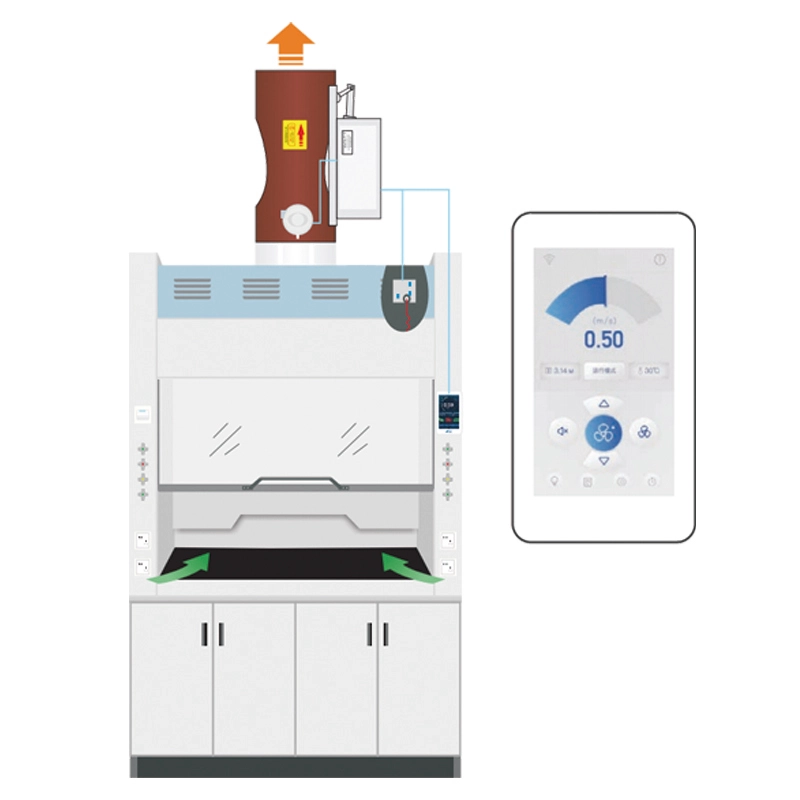
Variable Air Volume Fume Hood Warranty and Service Terms

How to Choose the Right Lab Benches for Your Laboratory
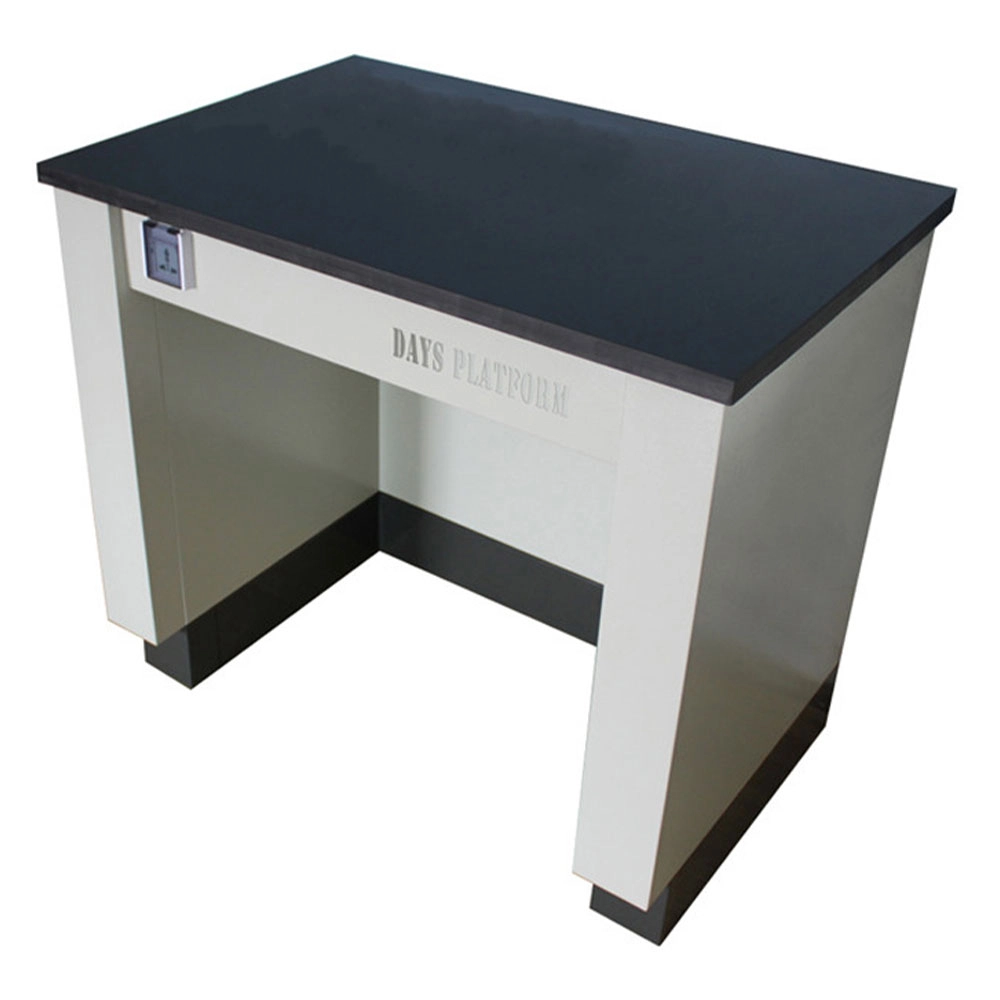
Reduce measurement errors with laboratory table BT-03 solutions
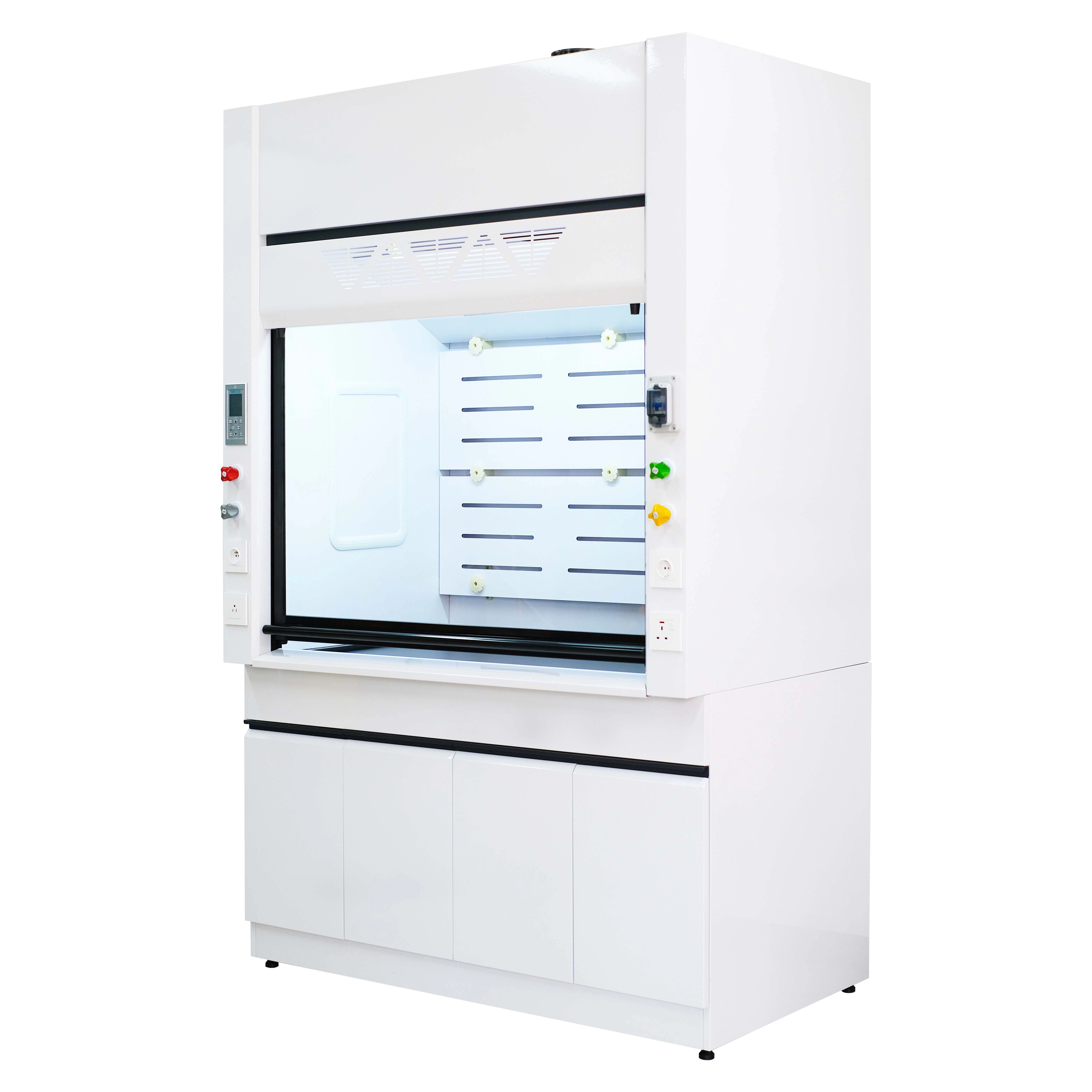
Fume Hood Procurement Guide: Key Specs B2B Buyers Need
For Products
What materials do you use for your furniture?
We use a variety of durable materials such as stainless steel, steel wood, PP and wood composites. Our countertop materials are phenolic resin, epoxy resin, ceramic, trespa and granite, depending on your lab’s needs.
For Company
Do you offer services internationally?
Yes, we serve clients around the world, including Europe, North America, and Asia. Our international experience enables us to provide solutions that meet local regulations and standards.
Customization
What is the after-sales support for customized services?
We provide a full range of after-sales service, including equipment installation guidance, regular maintenance, troubleshooting, operation training, etc., to ensure the safe and efficient operation of equipment.
Are customized services suitable for small laboratories?
Yes, our customized services are suitable for all types of laboratories, including small ones. We are able to provide customized solutions according to the actual needs of the laboratory.
How long does it take to customize the product?
The delivery time of the custom equipment depends on the specific customization program and production cycle, which generally takes 4 to 8 weeks. We will keep you updated during the production process.
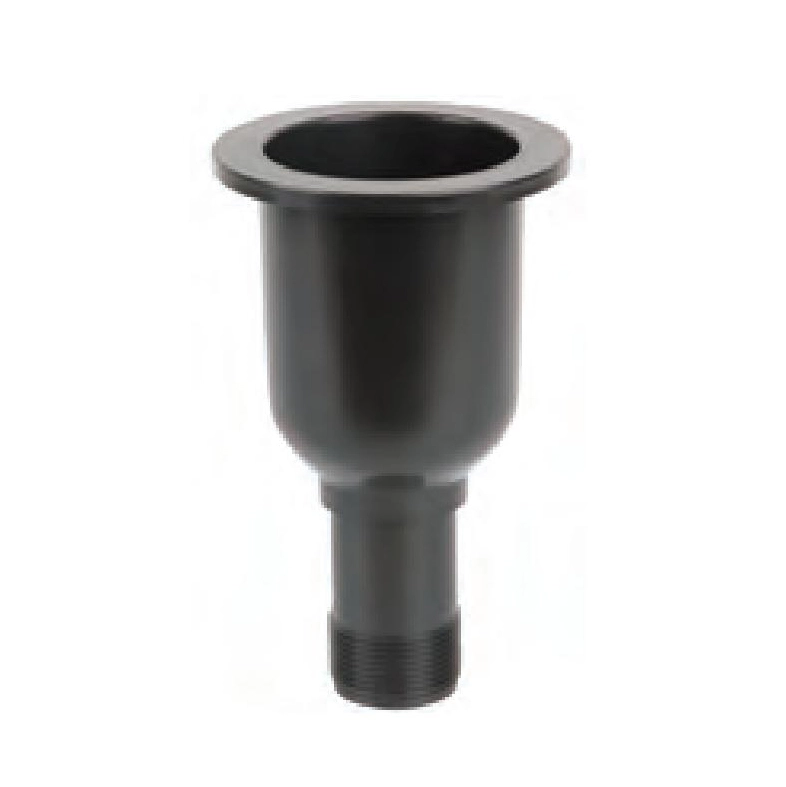
Lab Sink LS-08
The LS-08 Round Cup / Funnel Sink is a small-diameter, deep cup sink designed as a funnel-type drain point on laboratory worktops. Constructed from chemical-resistant black PP, it features an extended threaded outlet that connects directly to drain piping.
This design is perfect for apparatus drain lines, RO reject water, condensate and other continuous or intermittent discharges where an open, funnel-like inlet is required.
Floor Mounted Lab Bench
Our Floor Mounted Lab Bench is an essential, high-efficiency workspace for laboratories, made from high-quality steel-wood or corrosion-resistant stainless steel materials to ensure exceptional durability and stability. The unique floor-mounted design effectively reduces vibration, optimizes space usage, and provides a safe and tidy laboratory environment.
Customizable storage solutions help organize lab equipment efficiently, while the easy-to-clean surface maintains laboratory hygiene. It is widely suitable for research institutions, educational laboratories, and the chemical and pharmaceutical industries.
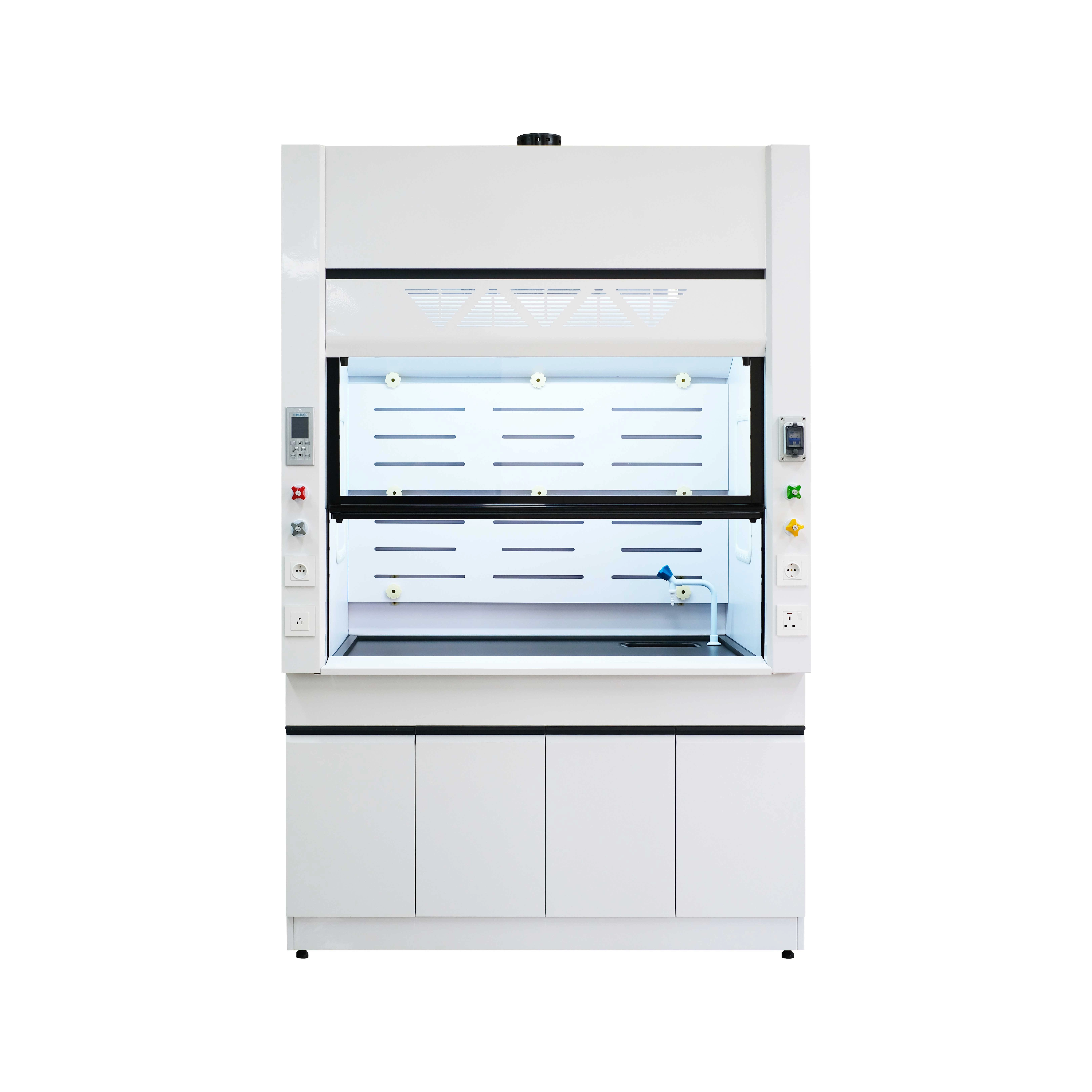
Fume Hood
The fume hood provides safe ventilation to protect against exposure to hazardous or toxic fumes, vapors, or airborne particulate. It is primarily used in laboratory and manufacturing applications to protect the user or environment outside the hood, but can also be used to protect the materials or experiment under the hood.
APPLICATION
Chemistry Lab, physics Lab, biological analysis, pharmaceutical medicine analysis, biological pharmaceutical, plant culture, environmental testing and electronic instrumentation scientific research and so on.
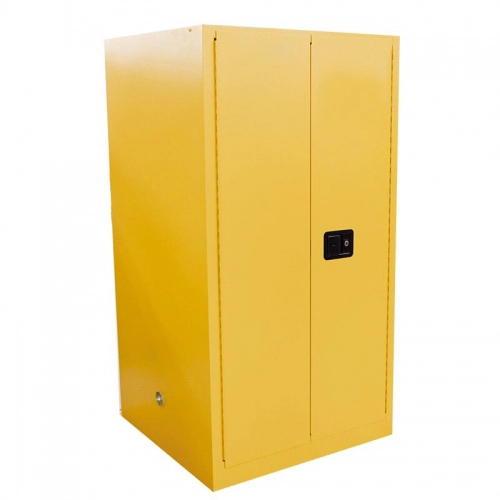
Flammable Storage Cabinet
Safety Cabinets store flammable liquids, corrosives, pesticides and other hazardous materials. All fire-resistant safety cabinets by meet fire codes and regulations for safety storage.
To help protect your people and facility from a potential fire, safety cabinets are engineered to safely contain flammable fuels, solvents, and chemicals. Safety cabinets can not only help everyone store chemicals reasonably, save chemical supplies, but also save human resources, and avoid fires caused by chemicals with the greatest strength.

 Scan QR Code
MaxLabFurniture
MaxLab Furniture
daihongada
Max Laboratory