
Space Planning Tips with Floor Mounted Lab Benches
- Space Planning Tips with Floor Mounted Lab Benches
- Introduction: Why Choose Floor Mounted Lab Benches for Efficient Lab Design
- Product Overview: Floor Mounted Lab Bench
- Understand Your Lab’s Primary Functions and Workflows
- Layout Patterns: Choosing the Right Bench Arrangement
- Optimize Aisle Width, Clearances, and Accessibility
- Integrate Utilities and Services Early in Design
- Minimize Vibration and Maximize Stability
- Storage Strategy: Balancing Open and Enclosed Options
- Ergonomics: Height, Reach, and User Comfort
- Material Selection: Durability, Chemical Resistance, and Maintenance
- Hygiene and Cleanability: Surfaces, Seams, and Containment
- Safety Considerations: Emergency Access, Chemical Segregation, and Ventilation
- Customization and Future-Proofing: Modular Design for Changing Needs
- Case Study: Optimizing a Medium-Sized Analytical Lab (Example Layout)
- Comparison Table: Floor Mounted vs. Freestanding vs. Wall-Mounted Benches
- Implementation Checklist for Installing Floor Mounted Lab Benches
- Maintenance Tips to Preserve Bench Lifespan
- Brand Advantages: Why Our Floor Mounted Lab Bench Adds Value
- Cost vs. Benefit: Long-Term Return on Investment
- FAQ — Common Questions About Floor Mounted Lab Benches
- Q: Are Floor Mounted Lab Benches suitable for all types of laboratories?
- Q: How do I choose the right bench-top material?
- Q: Can Floor Mounted Lab Benches accommodate heavy instruments like HPLC?
- Q: What utility options are available for these benches?
- Q: How should benches be cleaned and maintained?
- Contact / View Product
- Authority References
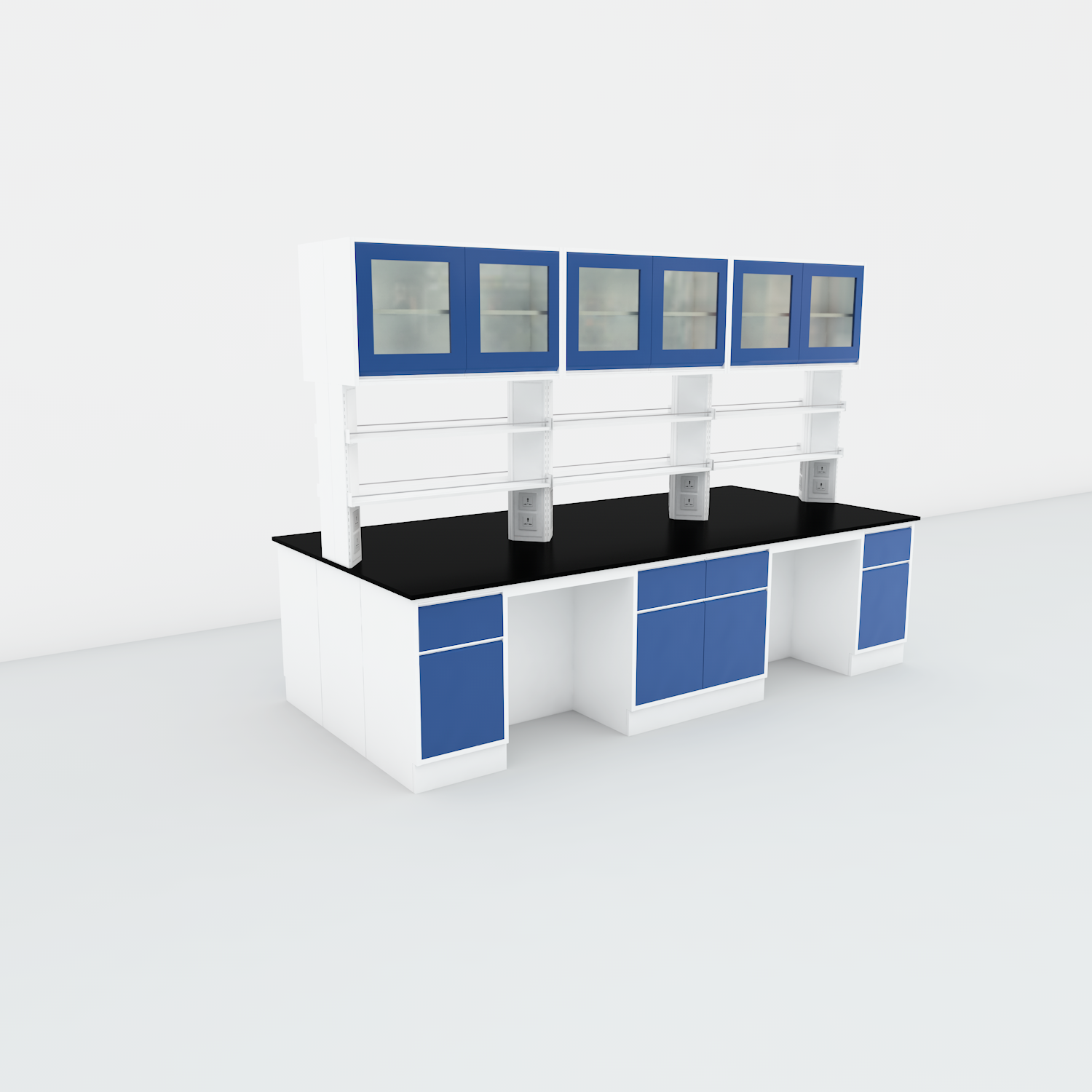
Space Planning Tips with Floor Mounted Lab Benches
Introduction: Why Choose Floor Mounted Lab Benches for Efficient Lab Design
Lab benches are the backbone of any functional laboratory. Selecting the right bench type—especially Floor Mounted Lab Bench systems—directly impacts workflow, safety, and long-term operational costs. Floor-mounted benches offer superior stability and reduced vibration, improved storage capacity, and easier integration of utilities and equipment compared with many alternatives. This article provides practical, evidence-based space planning tips to help architects, lab managers, and procurement teams design high-performing laboratory spaces centered on Floor Mounted Lab Bench solutions. Ultimately, effective space planning feeds back into smarter purchasing decisions—bringing you full circle to how to choose the right lab benches for your laboratory based on real operational insights.
Product Overview: Floor Mounted Lab Bench
Our Floor Mounted Lab Bench is an essential, high-efficiency workspace for laboratories, made from high-quality steel-wood or corrosion-resistant stainless steel materials to ensure exceptional durability and stability. The unique floor-mounted design effectively reduces vibration, optimizes space usage, and provides a safe and tidy laboratory environment.
Customizable storage solutions help organize lab equipment efficiently, while the easy-to-clean surface maintains laboratory hygiene. It is widely suitable for research institutions, educational laboratories, and the chemical and pharmaceutical industries.
Understand Your Lab’s Primary Functions and Workflows
Before placing any lab benches, map the principal workflows: sample receipt, preparation, analysis, disposal, and storage. For each process, identify the equipment and bench space required. Floor Mounted Lab Bench designs should follow the logical sequence of work to minimize cross-traffic and contamination risks. Example workflows—microbiology, analytical chemistry, and wet-chemistry—have different bench layouts and utility demands; your floor plan should reflect those specific needs.
Layout Patterns: Choosing the Right Bench Arrangement
Arrange Floor Mounted Lab Benches in patterns that support the workflow: linear runs for sequential processes, island clusters for collaborative work, and perimeter benches for equipment that requires wall utilities. Consider these common layouts:
- Linear rows: Efficient for teaching labs and large cohorts performing the same tasks.
- Islands: Support teamwork and central equipment placement (e.g., balances, fume hoods nearby).
- Perimeter benches: Ideal for heavy utilities and wall-mounted services like emergency showers, gas outlets, or large cabinetry.
Optimize Aisle Width, Clearances, and Accessibility
Safety and usability depend on adequate clearance around benches. As a best practice, maintain aisle widths based on function: a minimum of 1.2 m (48 in) for general access, and 1.5–2.0 m (60–80 in) for areas where trolleys, mobile equipment, or emergency evacuation routes are expected. Floor Mounted Lab Bench systems allow precise placement because their anchored design reduces lateral movement, but planners must still ensure emergency egress and service access to utilities and storage.
Integrate Utilities and Services Early in Design
Integrating power, data, gas, vacuum, and plumbing requires coordination between architects and MEP engineers. Floor Mounted Lab Benches often incorporate undersurface cable troughs, service columns, and integrated utility chaseways; specifying these options early prevents costly retrofits. When planning, list equipment requiring dedicated circuits or gas lines and route services to minimize cable clutter on bench surfaces.
Minimize Vibration and Maximize Stability
For sensitive instruments (balances, microscopes, HPLCs), vibration control is critical. Floor Mounted Lab Bench products, designed with steel or stainless-steel frames anchored to the floor, provide a more stable platform than freestanding or bench-on-platform options. For ultra-sensitive equipment consider additional vibration isolation pads or dedicated instrument tables positioned adjacent to the main bench run.
Storage Strategy: Balancing Open and Enclosed Options
Effective storage near the point of use reduces bench clutter and speeds workflows. Floor Mounted Lab Bench systems support a wide range of storage: underbench cabinets, lockable drawers for reagents, open shelving for frequently used glassware, and high-level overhead cabinets. Create zones: consumables near prep areas, hazardous reagents in ventilated storage, and personal items separate from work surfaces.
Ergonomics: Height, Reach, and User Comfort
Ergonomic planning reduces fatigue and injury. Standard bench heights are typically 900–920 mm (35–36 in) for seated tasks and 930–1000 mm (37–39 in) for standing tasks. Floor Mounted Lab Benches can be customized to mixed-height configurations to accommodate sitting and standing workstations within the same lab, promoting user comfort and accessibility for diverse staff. Include adjustable seating, anti-fatigue mats, and task lighting in the design.
Material Selection: Durability, Chemical Resistance, and Maintenance
Choose bench-top and frame materials based on the lab’s chemical profile and cleaning protocols. Stainless steel tops (304 or 316) and epoxy-resin surfaces are common for corrosive environments, while phenolic resin offers good chemical resistance and an economical option for general-purpose labs. Steel-wood with chemical-resistant laminate is suitable for educational settings. Our Floor Mounted Lab Bench options in steel-wood or corrosion-resistant stainless steel provide a range of choices aligned with these needs.
Hygiene and Cleanability: Surfaces, Seams, and Containment
Design benches with smooth, coved edges and minimal seams where contaminants can accumulate. Floor Mounted Lab Bench systems often feature integrated splashbacks and sealed joints to facilitate routine decontamination. Make sure bench finishes and seals are compatible with your lab’s disinfectants and cleaning frequency.
Safety Considerations: Emergency Access, Chemical Segregation, and Ventilation
Plan bench placement relative to safety equipment: eyewash stations, emergency showers, spill kits, and exits. Segregate incompatible chemicals (acids vs bases, oxidizers) into dedicated storage areas away from primary workbenches. Although floor-mounted benches reduce clutter, they must be coordinated with local ventilation systems and fume hoods to maintain safe airflows.
Customization and Future-Proofing: Modular Design for Changing Needs
Laboratory needs evolve; choose Floor Mounted Lab Bench systems designed for modularity. Modular benches with removable panels, adjustable shelving, and reconfigurable service columns allow you to adapt layouts without full replacement. Include expansion zones or spare service connections when possible to support future equipment additions.
Case Study: Optimizing a Medium-Sized Analytical Lab (Example Layout)
Scenario: A 100 m2 analytical lab performing chromatography and wet chemistry. Key steps in planning:
- Zone work areas: sample receipt and prep, instrument benches, wet chemistry stations, and storage.
- Place Floor Mounted Lab Bench runs in a combination of islands for shared instrument access and perimeter benches for sinks and utilities.
- Maintain 1.5 m main aisles and 1.2 m secondary aisles for instrument serviceability.
- Provide two service columns with power and LAN near instrument islands.
Result: Improved sample flow, reduced cross-contamination, and easier instrument maintenance.
Comparison Table: Floor Mounted vs. Freestanding vs. Wall-Mounted Benches
Use this quick comparison to determine the best fit for your lab:
| Feature | Floor Mounted Lab Bench | Freestanding Bench | Wall-Mounted Bench |
|---|---|---|---|
| Stability / Vibration | High — anchored to floor, minimal vibration | Medium — may move under heavy loads | Low — limited load capacity |
| Storage Capacity | High — integrated underbench cabinets | Medium — limited under-structure storage | Low — relies on overhead storage |
| Integration of Utilities | Good — service columns and troughs available | Variable — may require additional supports | Good for wall services, limited under-bench routing |
| Flexibility / Reconfiguration | Moderate — modular but anchored | High — easy to move | Low — fixed to walls |
| Cost Considerations | Moderate to high — long-term durability | Low to moderate — lower upfront cost | Low to moderate — depends on wall strength |
Implementation Checklist for Installing Floor Mounted Lab Benches
Follow this checklist to ensure a smooth installation and handover:
- Confirm bench dimensions against architectural drawings.
- Verify floor structural capacity and levelness.
- Coordinate MEP routing and service column locations.
- Schedule equipment delivery and sequencing to avoid congestion.
- Perform post-installation verification for utilities, ergonomics, and safety features.
Maintenance Tips to Preserve Bench Lifespan
Regular maintenance extends the life of Floor Mounted Lab Benches: clean surfaces with compatible disinfectants, check seals and gaskets, lubricate drawer slides, and inspect anchor points. For stainless-steel models, use non-chloride cleaners to avoid corrosion. Keep a maintenance log for warranty compliance and asset management.
Brand Advantages: Why Our Floor Mounted Lab Bench Adds Value
When selecting a bench supplier, consider long-term value, not just upfront cost. Our Floor Mounted Lab Bench offers:
- Durable construction with steel-wood and corrosion-resistant stainless steel options to match lab chemical requirements.
- Customizable storage and service integration to reduce clutter and improve safety.
- Designs optimized for vibration reduction and equipment stability.
- Easy-to-clean finishes for hygiene management and regulatory compliance.
- Modular components for future reconfiguration and reduced lifecycle costs.
Cost vs. Benefit: Long-Term Return on Investment
Investing in high-quality Floor Mounted Lab Benches typically yields reduced maintenance costs, fewer disruptions from equipment vibration or instability, and increased productivity through better organization and ergonomics. Consider total cost of ownership: bench lifespan, downtime for repairs, and adaptability to changing workflows are all important financial factors.
FAQ — Common Questions About Floor Mounted Lab Benches
Q: Are Floor Mounted Lab Benches suitable for all types of laboratories?
A: Floor Mounted Lab Benches are versatile and well-suited to research, educational, chemical, and pharmaceutical labs. For highly specialized environments (cleanrooms, BSL-3/4 labs), additional certifications and design adjustments may be required.
Q: How do I choose the right bench-top material?
A: Choose based on chemical exposure and cleaning protocols. Epoxy resin and stainless steel are best for corrosive environments; phenolic and high-pressure laminate can be used for general-purpose or educational labs. Consult material chemical-resistance charts when in doubt.
Q: Can Floor Mounted Lab Benches accommodate heavy instruments like HPLC?
A: Yes. The anchored design is ideal for heavy or vibration-sensitive instruments. For ultra-sensitive instruments, consider additional vibration isolation or a dedicated instrument table adjacent to the main bench run.
Q: What utility options are available for these benches?
A: Common options include integrated power strips, data outlets, gas and vacuum service columns, sinks, and piped utilities via underbench troughs or service pedestals. Plan utility placement during the design phase.
Q: How should benches be cleaned and maintained?
A: Use manufacturer-recommended cleaners compatible with the bench materials. Avoid chlorine-based cleaners on stainless steel unless specified. Clean spills promptly, inspect seals and anchor points periodically, and maintain a service log.
Contact / View Product
Ready to plan your lab with high-performance Floor Mounted Lab Benches? Contact our sales and design team for a free site assessment, layout consultation, or product brochure. Visit the product page or request a quote to receive detailed specifications and customization options.
Authority References
- Institutional Lab Design and Safety Guidelines — CDC: https://www.cdc.gov
- Laboratory Ventilation and Safety — OSHA: https://www.osha.gov
- Laboratory Furniture and Ergonomics — National Institute for Occupational Safety and Health (NIOSH): https://www.cdc.gov/niosh
- General Lab Equipment and Bench Types — Wikipedia (Laboratory furniture): https://en.wikipedia.org/wiki/Laboratory_furniture
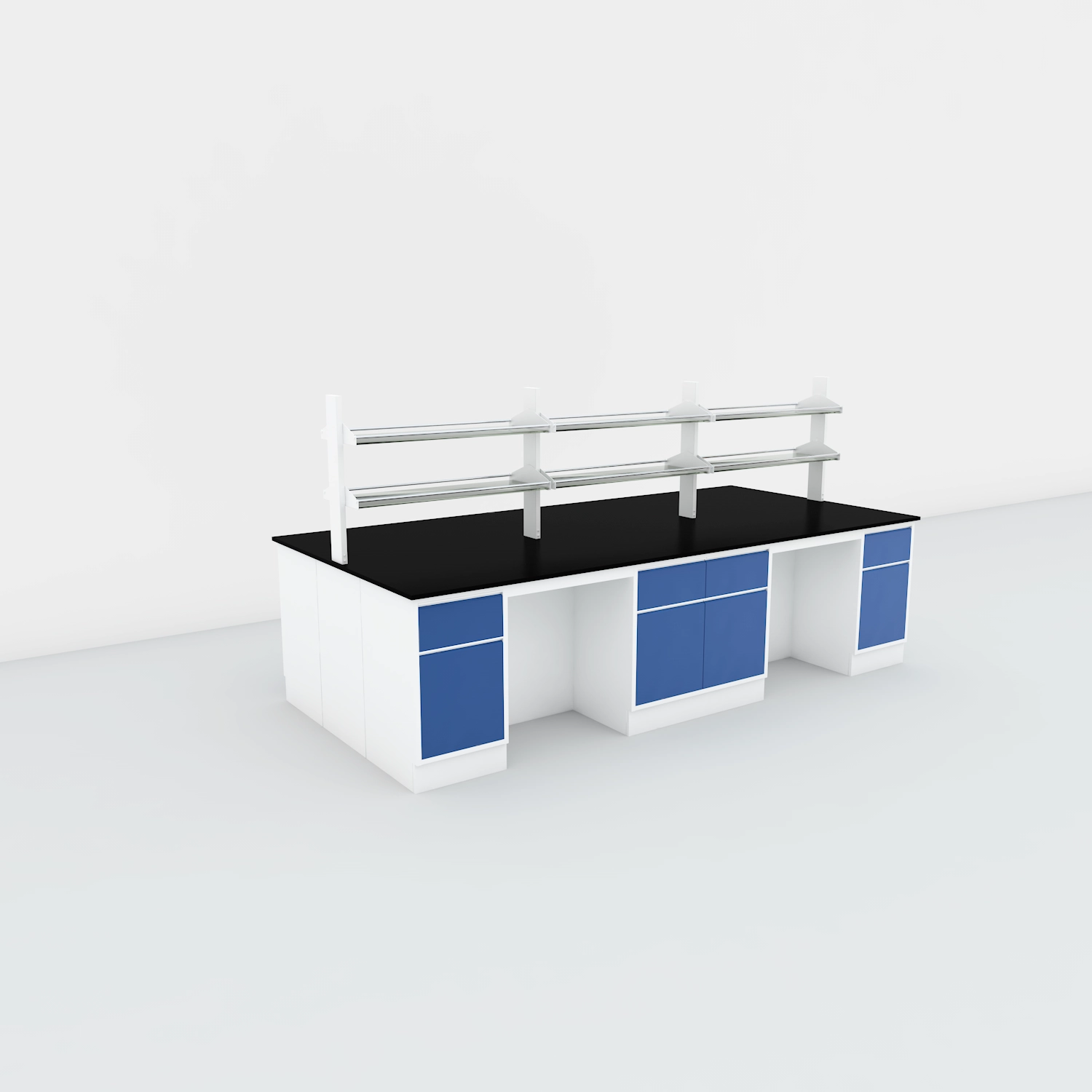
Cleaning and Decontamination Best Practices for Lab Benches
Top Lab Furniture Design Trends for Modern Laboratories
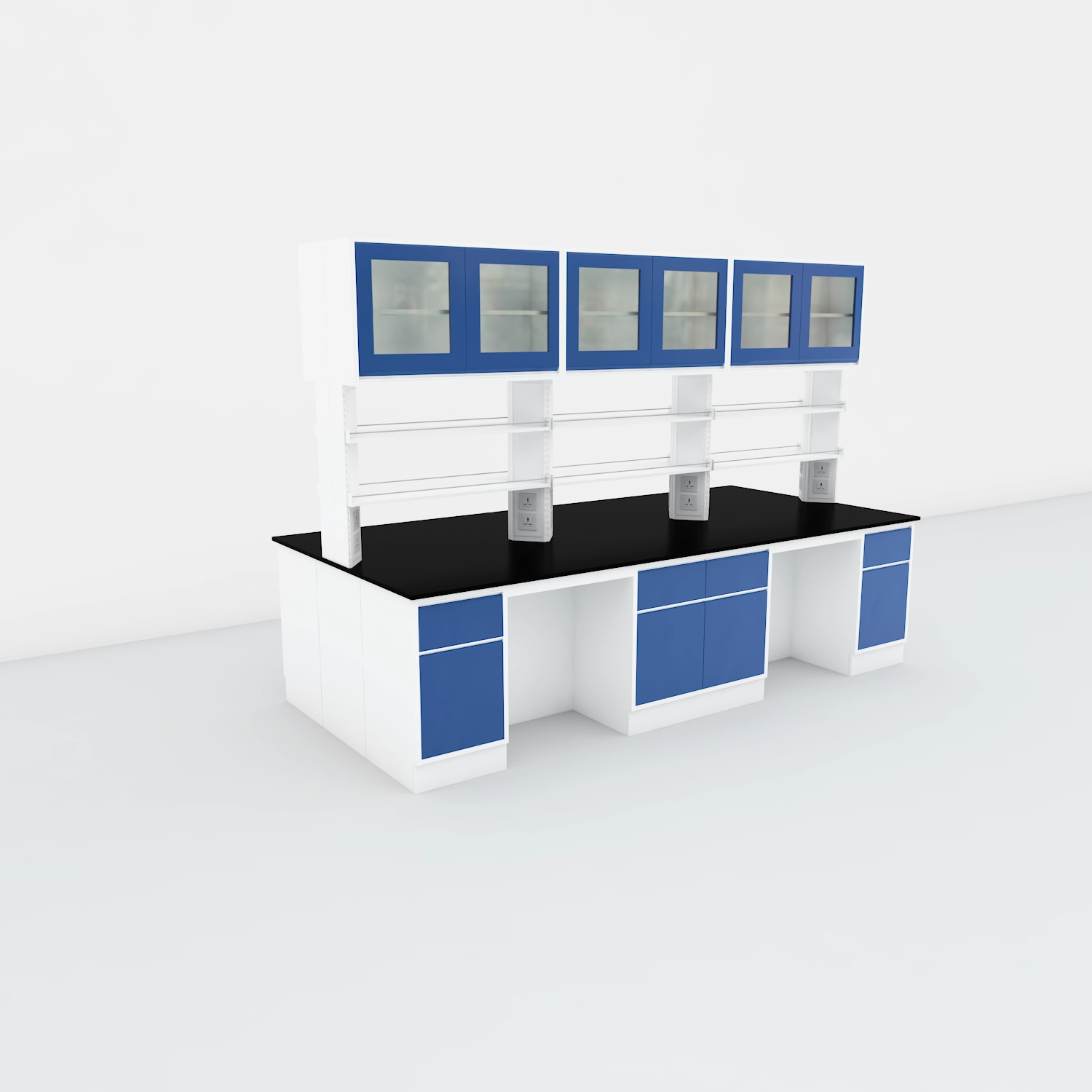
Customizing Floor Mounted Lab Benches: Modules and Accessories
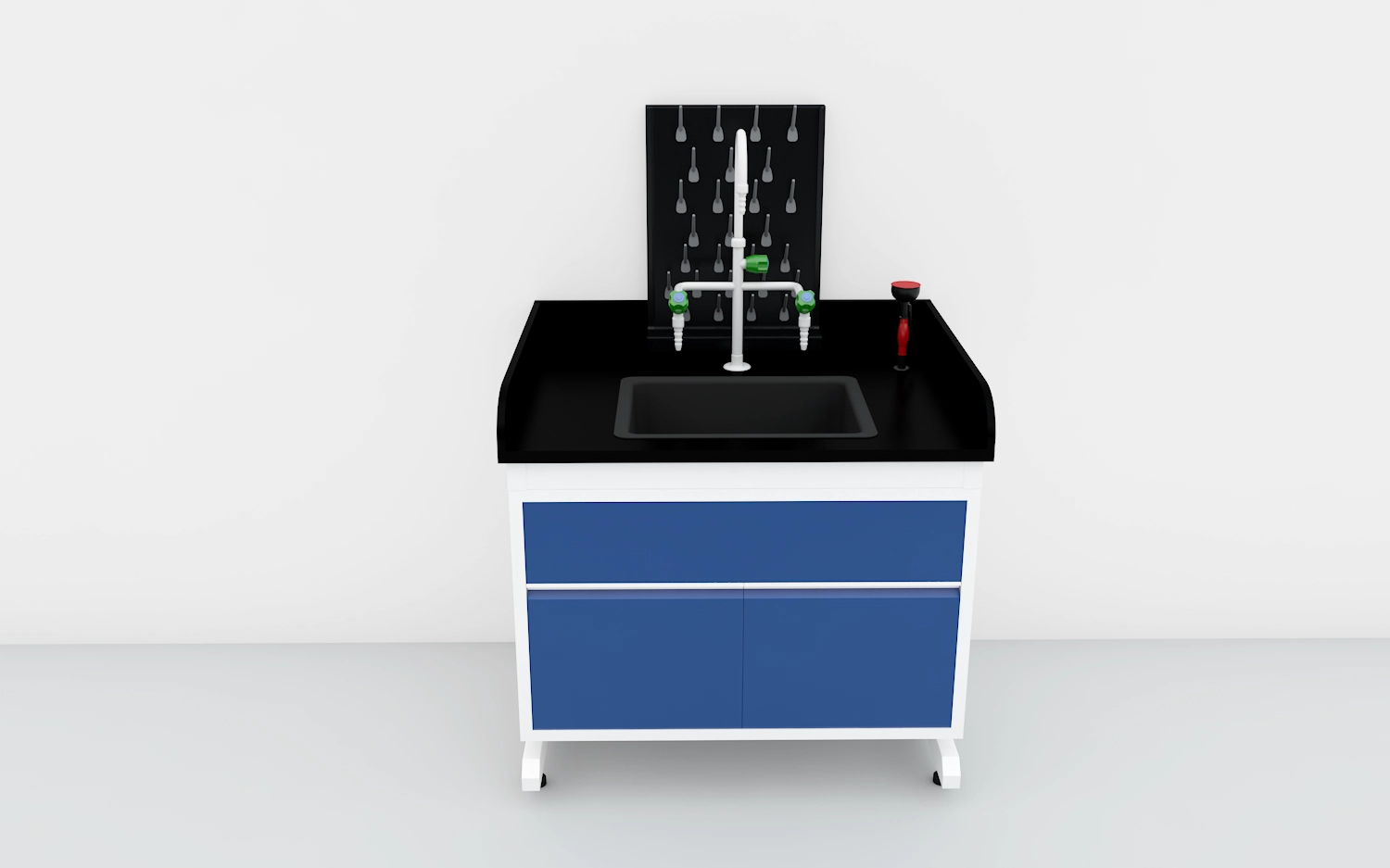
Best Materials for Lab Sink Cabinets: Chemical Resistance
Customization
How long does it take to customize the product?
The delivery time of the custom equipment depends on the specific customization program and production cycle, which generally takes 4 to 8 weeks. We will keep you updated during the production process.
For Company
How do I get in touch with your sales team?
You can reach our sales team via email at ada@maxlabfurniture.com, by phone at +86 132 4232 3168, WhatsApp:+86 132 4232 3168, or through the contact form on our Facebook: https://www.facebook.com/MaxLabFurniture
For After-Sales Support
Why choose your company?
We have been engaged in the manufacturing of various packing machines professionally over 15 years, and we can provide better after-sales service.
For Products
Is available to buy your original design?
Yes, all the products are designed professionally by our designers. Please feel free to inform us which item you are interested in.
What products does MAX LAB offer?
We specialize in laboratory furniture and equipment, including lab benches, fume hoods, storage cabinets, lab accessories, and custom lab solutions.

Floor Mounted Lab Bench
Our Floor Mounted Lab Bench is an essential, high-efficiency workspace for laboratories, made from high-quality steel-wood or corrosion-resistant stainless steel materials to ensure exceptional durability and stability. The unique floor-mounted design effectively reduces vibration, optimizes space usage, and provides a safe and tidy laboratory environment.
Customizable storage solutions help organize lab equipment efficiently, while the easy-to-clean surface maintains laboratory hygiene. It is widely suitable for research institutions, educational laboratories, and the chemical and pharmaceutical industries.
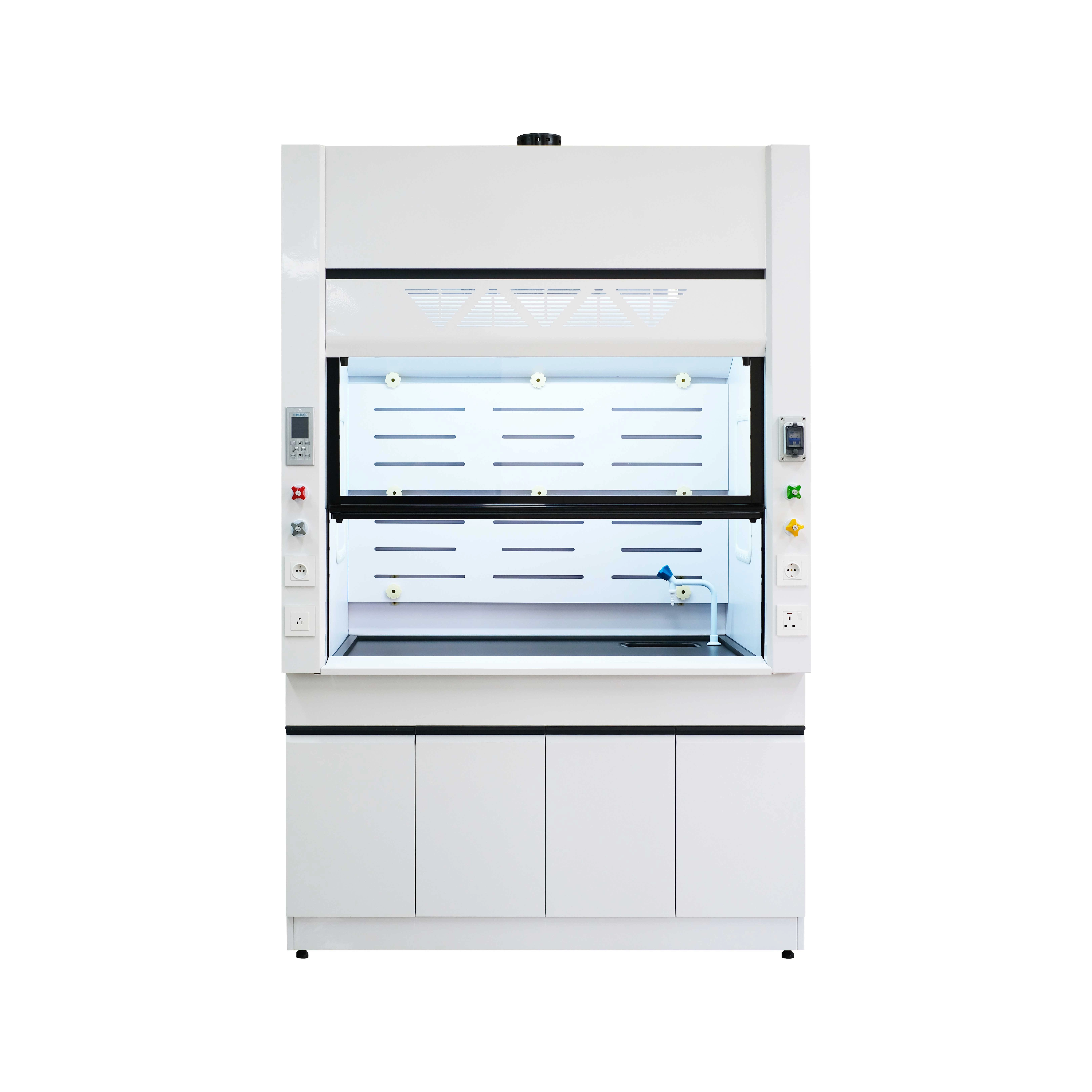
Fume Hood
The fume hood provides safe ventilation to protect against exposure to hazardous or toxic fumes, vapors, or airborne particulate. It is primarily used in laboratory and manufacturing applications to protect the user or environment outside the hood, but can also be used to protect the materials or experiment under the hood.
APPLICATION
Chemistry Lab, physics Lab, biological analysis, pharmaceutical medicine analysis, biological pharmaceutical, plant culture, environmental testing and electronic instrumentation scientific research and so on.
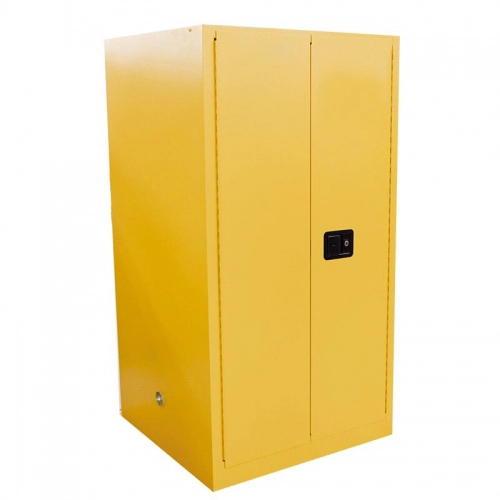
Flammable Storage Cabinet
Safety Cabinets store flammable liquids, corrosives, pesticides and other hazardous materials. All fire-resistant safety cabinets by meet fire codes and regulations for safety storage.
To help protect your people and facility from a potential fire, safety cabinets are engineered to safely contain flammable fuels, solvents, and chemicals. Safety cabinets can not only help everyone store chemicals reasonably, save chemical supplies, but also save human resources, and avoid fires caused by chemicals with the greatest strength.
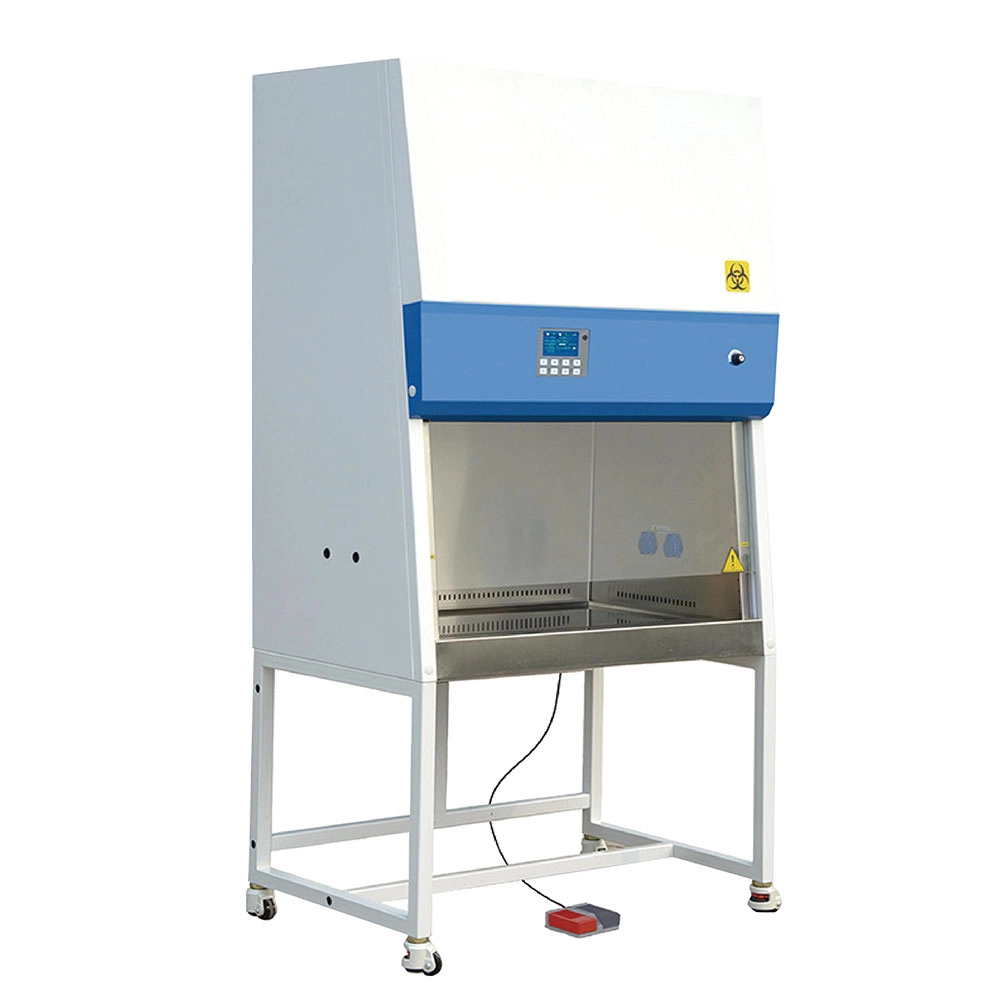
Class II Type A2 Biological Safety Cabinet for Laboratory
The Class II A2 Biological Safety Cabinet is designed to provide superior biosafety and contamination control for laboratories, research facilities, and clinical settings. With 70% air recirculation and 30% air exhaust, this cabinet ensures a safe and efficient work environment while protecting both the user and the samples.
Equipped with advanced features like a HEPA filtration system, motorized front window, and ergonomic design, this cabinet is a must-have for safe and reliable biological research.

 Scan QR Code
MaxLabFurniture
MaxLab Furniture
daihongada
Max Laboratory