
Safety Standards to Check for Variable Air Volume Fume Hoods

- Key Safety Standards and Regulatory Framework
- International and national standards that matter
- Performance test standards: ASHRAE 110 and beyond
- Local codes and institutional policies
- Design & Performance Criteria for VAV Fume Hoods
- What to check during design: airflow, sash, and alarm systems
- Venturi valve and control technologies
- Redundancy and fail-safe design
- Testing, Commissioning and Ongoing Verification
- Acceptance tests and baseline documentation
- Routine re-certification and performance trending
- Commissioning checklist (example)
- Operational Practices, Maintenance, and Emergency Procedures
- Daily operations and safe work practices
- Maintenance schedules and common failure modes
- Emergency response and alarm management
- How to Evaluate Vendors and Product Claims
- Evidence-based performance claims
- Integration with building systems and analytics
- Cost-benefit and lifecycle considerations
- Comparison of Key Standards and Guidance
- FAQ — Frequently Asked Questions
- Q: How often should a variable air volume fume hood be certified?
- Q: What face velocity should I set for a VAV fume hood?
- Q: Can VAV fume hoods be safely used in labs adjacent to cleanrooms?
- Q: What should I do if the hood alarm repeatedly triggers?
- Q: Are tracer gas tests necessary for every certification?

Variable air volume fume hoods (VAV fume hoods) are widely used in laboratories, cleanrooms, and healthcare facilities around the world to balance containment performance with energy efficiency. When deployed correctly and maintained to recognized safety standards, these systems protect personnel from hazardous vapors and particulates while reducing HVAC loads. Facility managers, EHS professionals, and lab architects should verify compliance with regulatory frameworks, testing methods, and operational protocols to ensure the VAV fume hood continues to deliver safe, reliable protection in varying environmental and occupancy conditions.
Key Safety Standards and Regulatory Framework
International and national standards that matter
Multiple organizations publish standards and guidance that apply to fume hood performance and laboratory ventilation. Key references include the OSHA Laboratory Standard (29 CFR 1910.1450) for chemical hygiene and laboratory safety, ASHRAE methods and guidance for laboratory ventilation, ISO cleanroom standards for controlled environments, and authoritative biosafety guidance such as the CDC/NIH Biosafety in Microbiological and Biomedical Laboratories (BMBL). These documents define obligations for containment, monitoring, and facility-level controls that intersect with any variable air volume fume hood installation. See OSHA's chemical hygiene standard for legal requirements: OSHA 29 CFR 1910.1450, ASHRAE resources for ventilation practice: ASHRAE standards and guidelines, and the BMBL for biosafety labs: BMBL.
Performance test standards: ASHRAE 110 and beyond
The ASHRAE 110 test method (Method of Testing Performance of Laboratory Fume Hoods) is widely used to quantify containment performance under defined conditions, including tracer gas release and face velocity measurements. Although ASHRAE 110 is a performance test rather than an installation standard, it provides repeatable metrics for sash height, face velocity, and tracer gas containment that are directly relevant to VAV control strategies and acceptance testing. For cleanroom-adjacent labs, ISO 14644 series standards also influence ventilation and particulate control requirements (ISO 14644).
Local codes and institutional policies
Regulatory compliance is often layered: in addition to national standards, local building and fire codes (including NFPA regulations where applicable) and institutional lab safety policies must be considered. For example, some facilities impose stricter minimum face velocities or require continuous monitoring and interlocks for chemical fume hoods. Always verify local jurisdictional requirements and site-specific safety criteria before finalizing a VAV fume hood installation.
Design & Performance Criteria for VAV Fume Hoods
What to check during design: airflow, sash, and alarm systems
When specifying a Variable Air Volume Fume Hood, focus on measurable design attributes: recommended face velocity ranges (typically 80–120 fpm for many chemical hoods, adjusted per local practice), sash geometry and counterbalance, airflow capture characteristics, and integration with building automation and alarms. VAV systems must respond to duct static pressure changes and maintain safe face velocities across common sash positions. Ensure the hood includes reliable sash position sensors, high/low velocity alarms, and fail-safe damper behavior in power or BMS communication loss scenarios.
Venturi valve and control technologies
Advanced VAV control technologies—such as Venturi valve-based air velocity control systems—improve response time and reduce maintenance. These systems regulate airflow by measuring and stabilizing air velocity rather than simply modulating volumetric flow, which helps preserve containment when building static pressures fluctuate. Consider systems that provide fast response, low wear components, and simple calibration to reduce long-term operational risk.
Product highlight:
Optimize airflow regulation and ensure precise laboratory ventilation with MAX LAB Venturi Valve Air Velocity Control System. Designed for high-performance air pressure control, this system automatically adjusts to changes in duct static pressure, maintaining stable and energy-efficient air velocity management. Ideal for laboratories, cleanrooms, and healthcare facilities, it provides fast response times, low maintenance, and superior contaminant control. Our Venturi valve system enhances HVAC efficiency, improves air quality, and ensures compliance with critical environment safety standards.
Redundancy and fail-safe design
Safety-minded designs include redundancy in critical sensors, manual override capability for sash and dampers, and clear visual/audible alarms. Specify control logic that reverts to a safe, conservative airflow setpoint on loss of control signal and ensures sash closure interlocks for hazardous operations. Where continuous containment is mission-critical, consider dual-monitoring or independent verification points.
Testing, Commissioning and Ongoing Verification
Acceptance tests and baseline documentation
Before a VAV fume hood goes into service, perform acceptance tests that replicate expected operational conditions. Typical acceptance tests include face velocity mapping, tracer gas (e.g., SF6 or sulfur hexafluoride) containment testing per ASHRAE 110, smoke visualization for airflow patterns, and alarm verification across sash positions. Document baseline performance—sash heights, face velocities, average duct static pressure, and alarm setpoints—so future tests can detect drift.
Routine re-certification and performance trending
Industry practice calls for annual or semiannual hood certification depending on use and risk. Certification should include: face velocity checks at multiple sash heights, containment tests, sash interlock function checks, and control system diagnostics. Use trending (logged by the BMS or hood controller) to spot slow changes in duct static pressure, damper sticking, or fan performance. Trending can reduce surprise failures and help tune VAV setpoints to maintain safety and efficiency.
Commissioning checklist (example)
| Item | Pass Criteria |
|---|---|
| Face velocity at full open sash | Within specified range ±10% and meets institutional minimum |
| Face velocity at typical operating sash | Stable and within setpoint; alarm points functional |
| Containment (tracer gas/visual) | No detectable leakage beyond test threshold per ASHRAE 110 |
| Alarm and interlocks | Audible/visual alarms and sash interlocks operate per design |
| Control response | VAV system responds correctly to simulated duct pressure changes |
Operational Practices, Maintenance, and Emergency Procedures
Daily operations and safe work practices
Train users on proper sash use (operate at lowest practical sash height), avoid rapid sash movements, and do not place materials between the sash and baffle that can disrupt airflow. Post visible requirements for minimum sash heights during specific procedures. Encourage quick reporting of unusual smells, alarms, or visible airflow disruptions to EHS so that commissioning or maintenance can be scheduled promptly.
Maintenance schedules and common failure modes
Routine maintenance prevents failures that compromise containment: clean and inspect baffles, check sash counterweights/sensor calibration, verify damper travel and lubrication, and replace worn seals. Common issues include: stuck or noisy dampers, inaccurate sash position feedback, accumulation in ductwork altering static pressure, and controller drift. Regularly clean hood interiors and schedule filter checks for systems with exhaust filtration.
Emergency response and alarm management
Establish clear procedures for alarm conditions: immediate evacuation for strong hazardous releases, temporary suspension of work for sustained low-face-velocity alarms, and task assignment for verification and corrective actions. Ensure that the hood control system can default to a conservative safe mode—such as closing the sash or setting a high fixed exhaust rate—while notifying facility teams. Integrate hood alarms with building management or a central EHS alerting system when feasible.
How to Evaluate Vendors and Product Claims
Evidence-based performance claims
Request documented results of independent ASHRAE 110-style testing or third-party certifications. Vendors should provide commissioning protocols, typical response times for the VAV control (e.g., Venturi valve response to duct pressure swings), mean time between failures for moving components, and references from similar facilities. Beware of vague claims of maintains face velocity without test data across multiple sash positions and duct conditions.
Integration with building systems and analytics
Evaluate how the VAV fume hood integrates with your building automation system (BAS) for logging, alarm routing, and control overrides. Systems that provide remote trend data and diagnostic alerts simplify maintenance planning and ensure quick response to out-of-tolerance events.
Cost-benefit and lifecycle considerations
Balance initial cost, energy savings, and maintenance burden. VAV systems typically deliver energy savings over constant volume hoods, but savings depend on usage profile and the reliability of control components. Collect lifecycle estimates from vendors and run a simple payback calculation considering typical operating hours and HVAC energy costs.
Comparison of Key Standards and Guidance
| Standard/Guidance | Primary focus | Relevance to VAV fume hood |
|---|---|---|
| OSHA 29 CFR 1910.1450 | Chemical hygiene program | Legal requirement for lab chemical safety and program elements that inform hood use |
| ASHRAE 110 (test method) | Hood containment testing | Provides repeatable tracer gas and face velocity tests for acceptance and periodic certification |
| ISO 14644 | Cleanroom particulate control | Relevant when labs adjoin cleanrooms or have particulate control requirements |
| BMBL (CDC/NIH) | Biosafety practice | Guidance for biosafety cabinets and lab ventilation expectations in microbiological labs |
FAQ — Frequently Asked Questions
Q: How often should a variable air volume fume hood be certified?
A: Certification frequency depends on use and institutional policy. Typical practice is annual certification for routine chemical fume hoods and semiannual for higher-risk hoods. Hoods used for particularly hazardous operations may require more frequent checks.
Q: What face velocity should I set for a VAV fume hood?
A: Common guidance suggests 80–120 feet per minute (fpm) for many chemical hoods, but local codes or institutional rules may set different minima. The goal is to maintain containment while minimizing unnecessary airflow; always verify with acceptance testing and institutional policy.
Q: Can VAV fume hoods be safely used in labs adjacent to cleanrooms?
A: Yes, but design must account for pressure relationships and particulate control. Consult ISO 14644 and coordinate HVAC zoning to maintain required pressure differentials. Venturi valve-based velocity control helps stabilize face velocity which supports containment near pressure-sensitive areas.
Q: What should I do if the hood alarm repeatedly triggers?
A: Treat repeated alarms seriously—investigate root causes (e.g., duct blockages, fan degradation, control faults). Temporarily restrict hazardous operations until the hood passes an operational check. Use logged trends to identify gradual performance degradation.
Q: Are tracer gas tests necessary for every certification?
A: Not always. Face velocity and smoke visualization are commonly sufficient for routine checks. Tracer gas testing (ASHRAE 110) is valuable for baseline acceptance and when containment is in question or after significant alteration of hood, ductwork, or HVAC systems.
Contact us to discuss how the Variable Air Volume Fume Hood and MAX LAB Venturi Valve Air Velocity Control System can meet your facility’s safety and energy goals. For product details, commissioning support, or to schedule a site evaluation, please contact our sales team or view the product page. Our specialists can provide test data, integration plans, and lifecycle assessments tailored to your lab.
Authoritative resources and further reading: Fume hood — Wikipedia, ASHRAE Standards & Guidelines, OSHA 29 CFR 1910.1450, ISO 14644 — Cleanrooms.
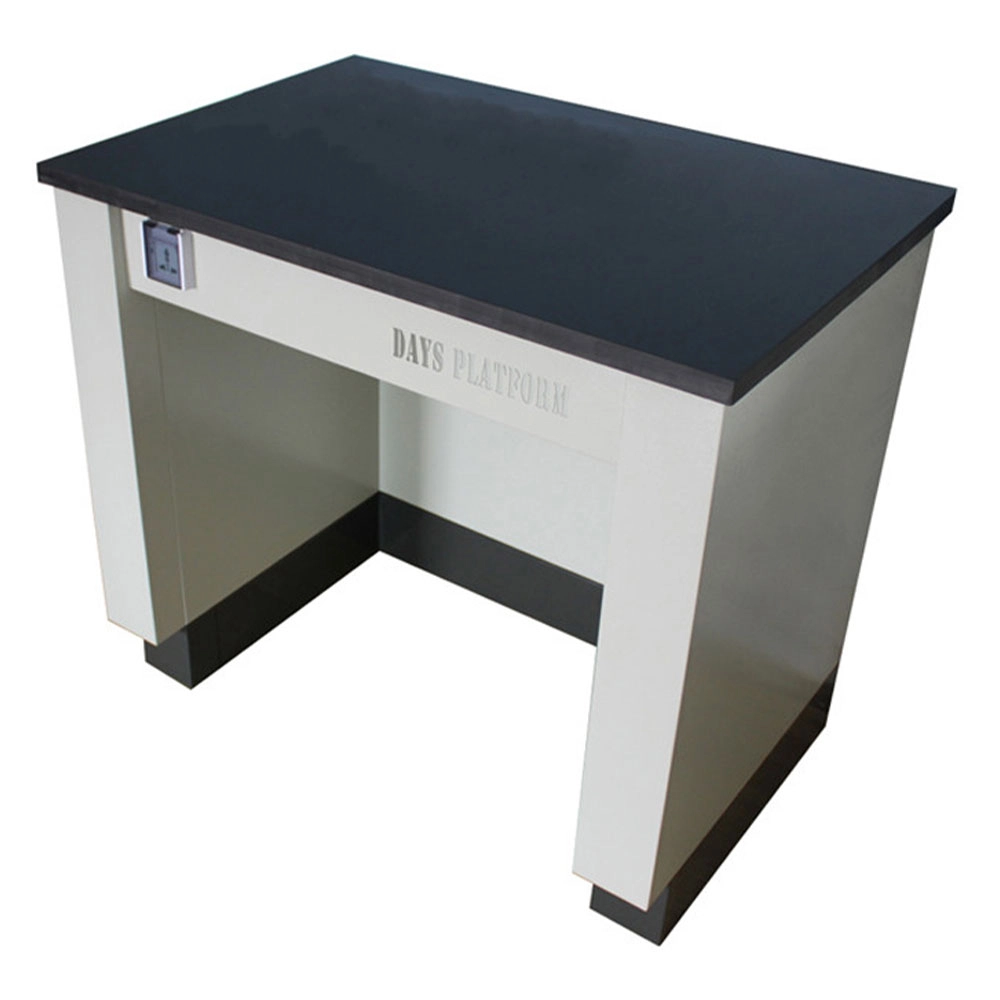
Reduce measurement errors with laboratory table BT-03 solutions
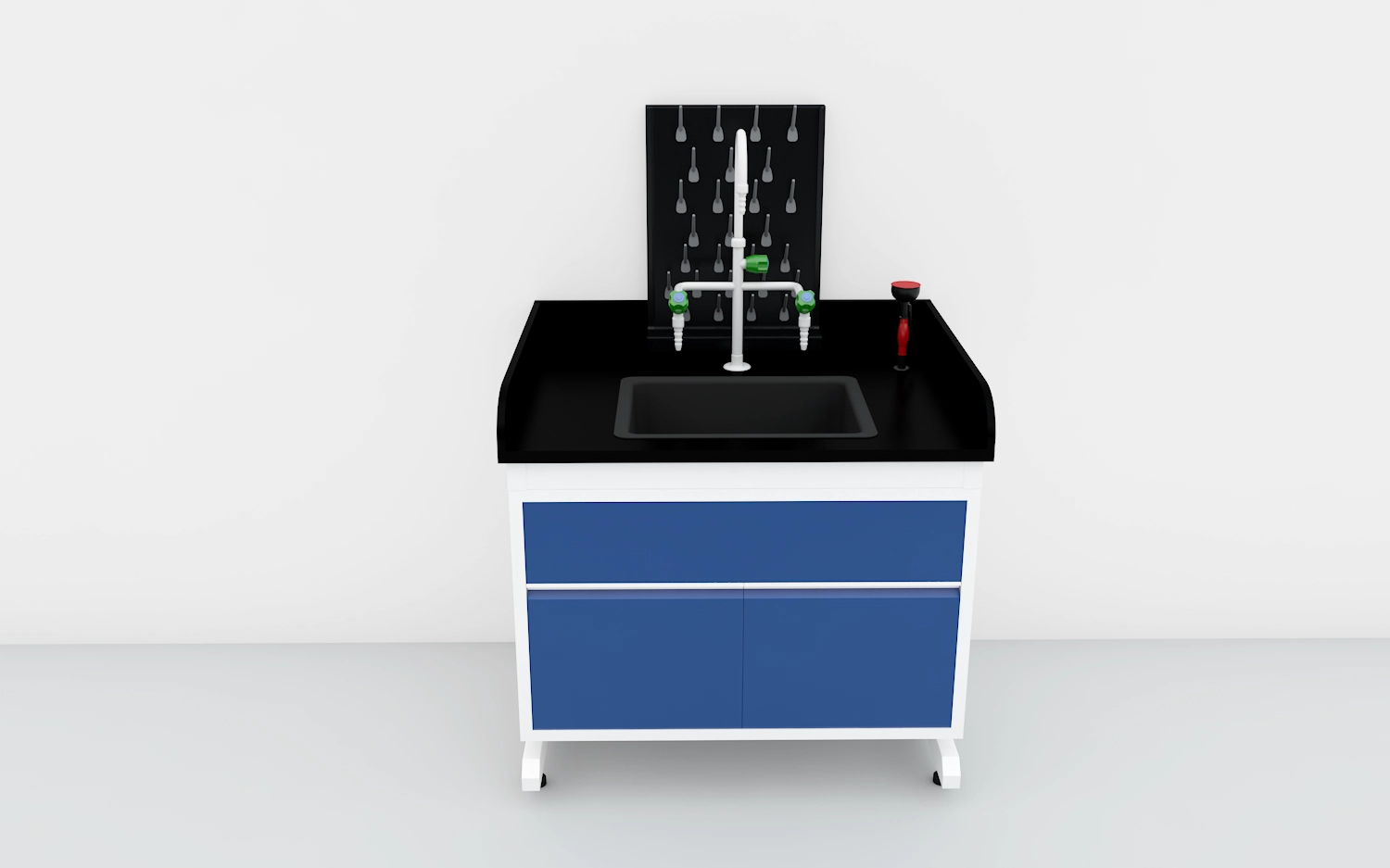
Space-Saving Lab Sink Cabinet Designs for Modern Laboratories
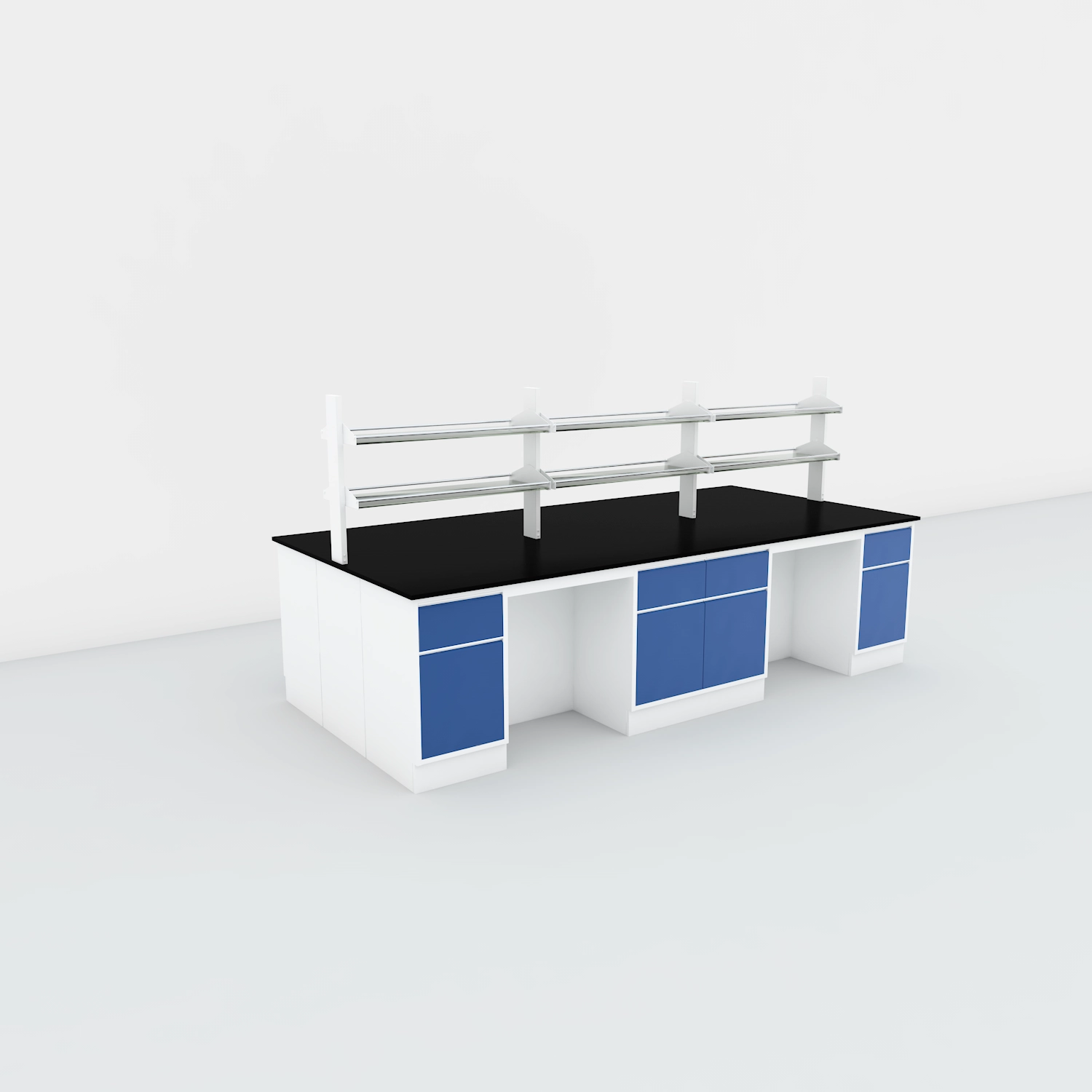
Floor Mounted Lab Bench vs. Freestanding Benches: Pros & Cons
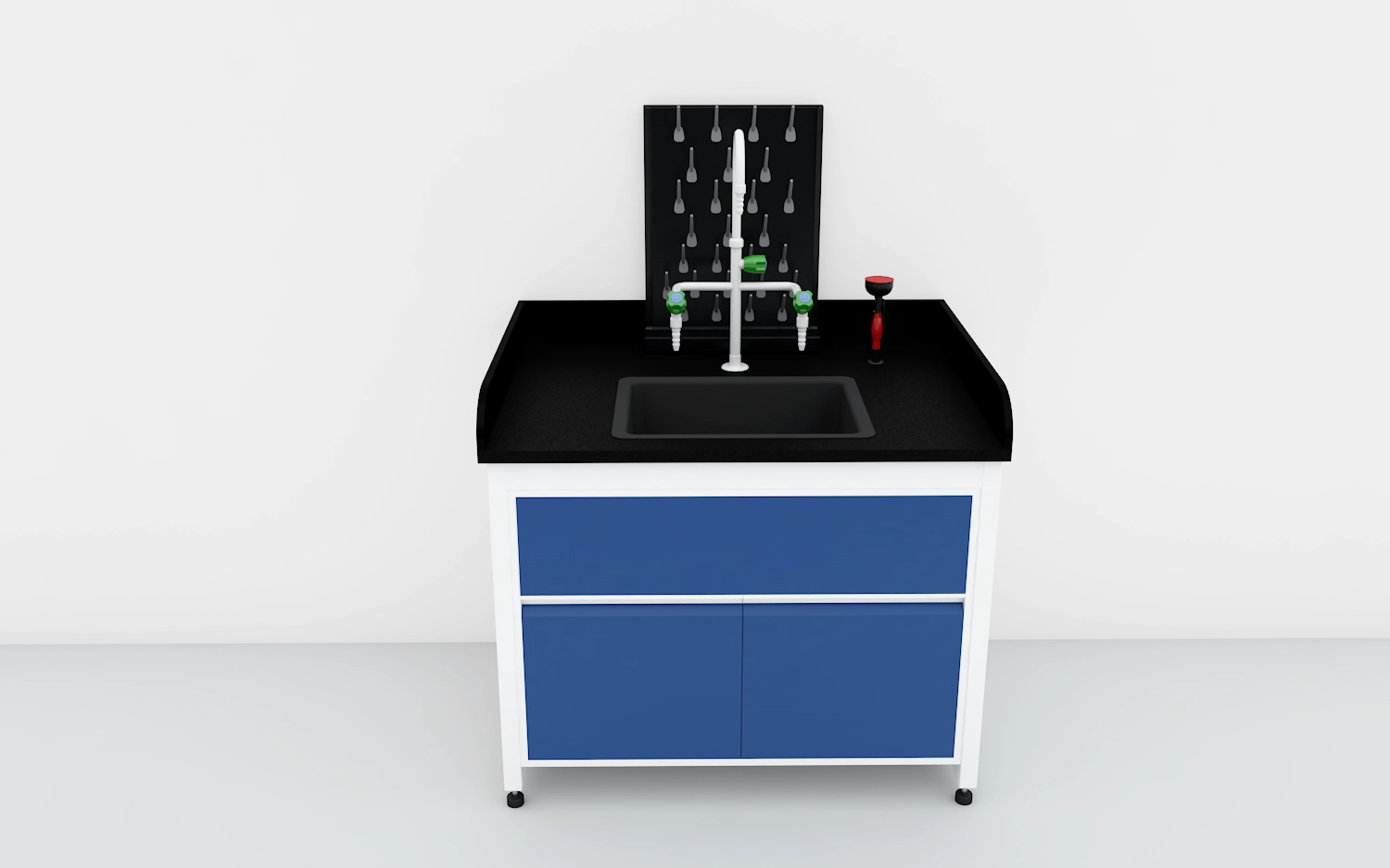
Comparing Lab Sink Materials: Ceramic, Epoxy, and Steel
For Company
Are you a factory or trade company?
Direct factory. We also have our sales and design team to offer better service to our valued customers.
For After-Sales Support
Why choose your company?
We have been engaged in the manufacturing of various packing machines professionally over 15 years, and we can provide better after-sales service.
Customization
What is the after-sales support for customized services?
We provide a full range of after-sales service, including equipment installation guidance, regular maintenance, troubleshooting, operation training, etc., to ensure the safe and efficient operation of equipment.
For Customization
Can you create furniture for labs with special requirements?
Yes, we specialize in designing and manufacturing lab furniture for specialized environments, including clean rooms, bio labs, and industrial labs.
About Solution
How to ensure the safety performance of the fume hood?
Our fume hoods adopt high-efficiency filtration system and intelligent air speed control technology to ensure that harmful gases are effectively eliminated during experiments and protect users' health.
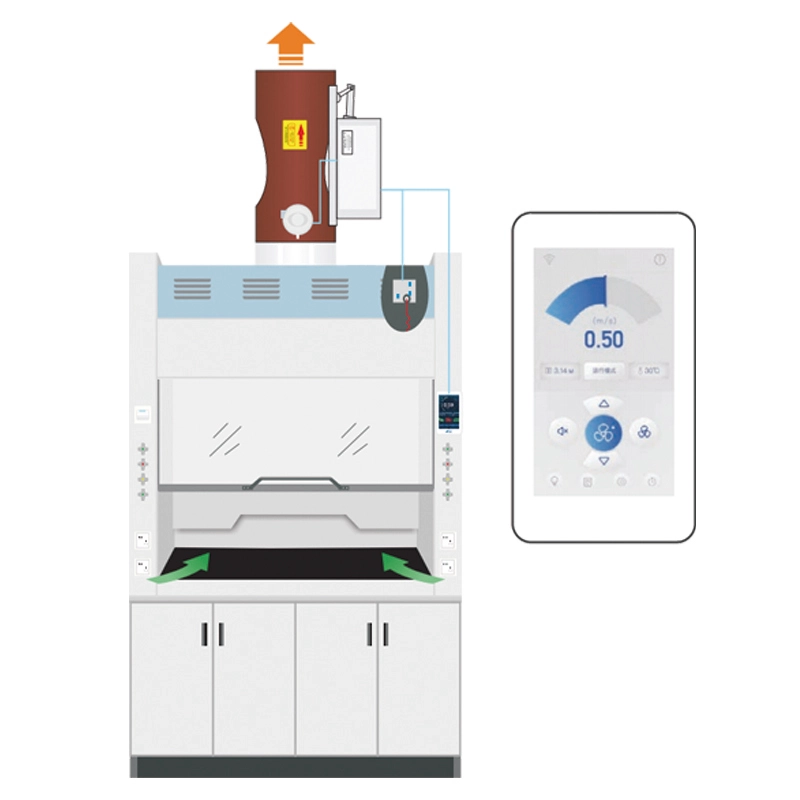
Variable Air Volume Fume Hood
Optimize airflow regulation and ensure precise laboratory ventilation with MAX LAB Venturi Valve Air Velocity Control System. Designed for high-performance air pressure control, this system automatically adjusts to changes in duct static pressure, maintaining stable and energy-efficient air velocity management. Ideal for laboratories, cleanrooms, and healthcare facilities, it provides fast response times, low maintenance, and superior contaminant control. Our Venturi valve system enhances HVAC efficiency, improves air quality, and ensures compliance with critical environment safety standards.

Floor Mounted Lab Bench
Our Floor Mounted Lab Bench is an essential, high-efficiency workspace for laboratories, made from high-quality steel-wood or corrosion-resistant stainless steel materials to ensure exceptional durability and stability. The unique floor-mounted design effectively reduces vibration, optimizes space usage, and provides a safe and tidy laboratory environment.
Customizable storage solutions help organize lab equipment efficiently, while the easy-to-clean surface maintains laboratory hygiene. It is widely suitable for research institutions, educational laboratories, and the chemical and pharmaceutical industries.
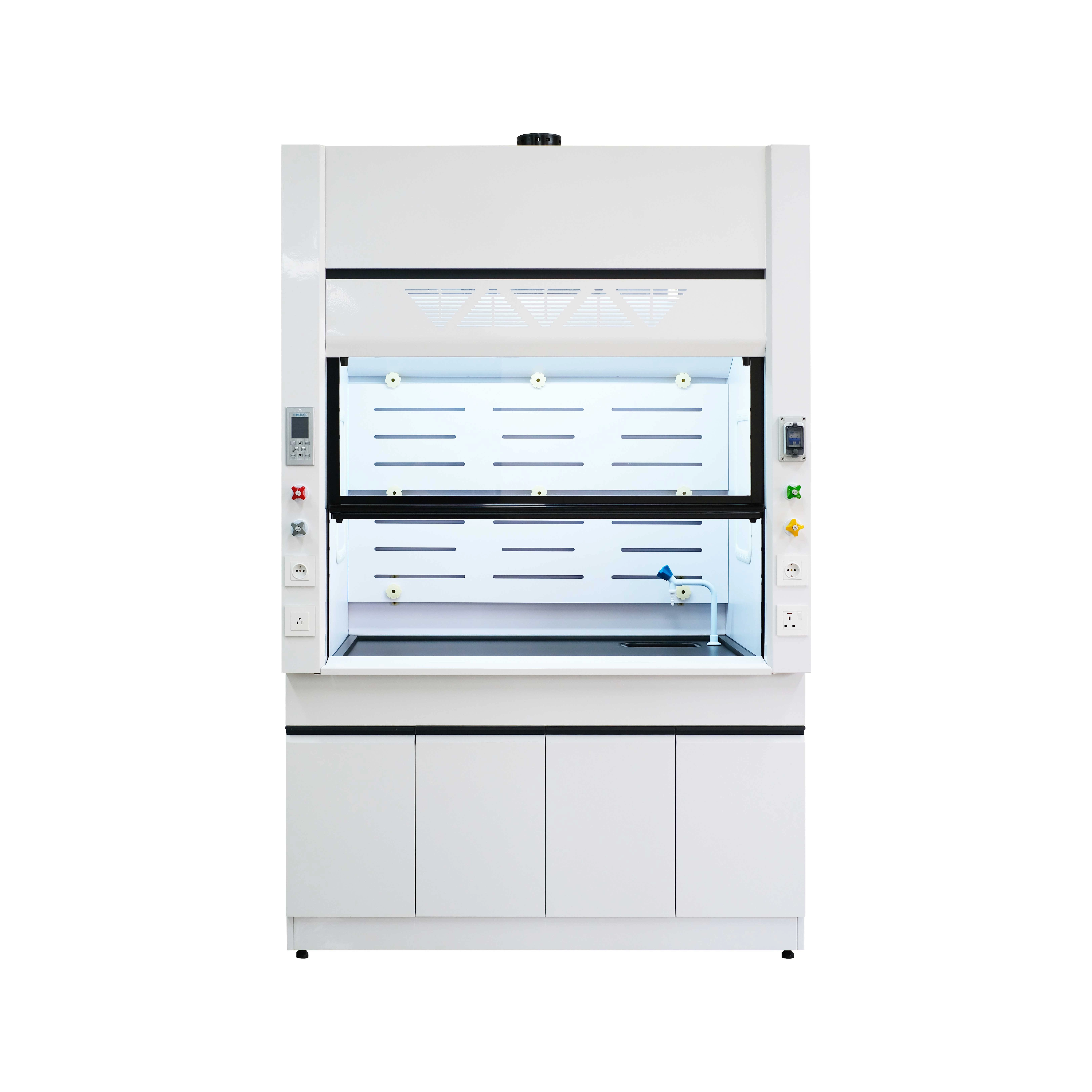
Fume Hood
The fume hood provides safe ventilation to protect against exposure to hazardous or toxic fumes, vapors, or airborne particulate. It is primarily used in laboratory and manufacturing applications to protect the user or environment outside the hood, but can also be used to protect the materials or experiment under the hood.
APPLICATION
Chemistry Lab, physics Lab, biological analysis, pharmaceutical medicine analysis, biological pharmaceutical, plant culture, environmental testing and electronic instrumentation scientific research and so on.
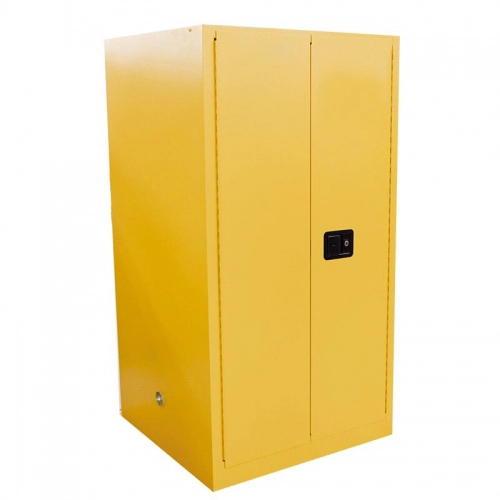
Flammable Storage Cabinet
Safety Cabinets store flammable liquids, corrosives, pesticides and other hazardous materials. All fire-resistant safety cabinets by meet fire codes and regulations for safety storage.
To help protect your people and facility from a potential fire, safety cabinets are engineered to safely contain flammable fuels, solvents, and chemicals. Safety cabinets can not only help everyone store chemicals reasonably, save chemical supplies, but also save human resources, and avoid fires caused by chemicals with the greatest strength.

 Scan QR Code
MaxLabFurniture
MaxLab Furniture
daihongada
Max Laboratory