
Safety Features to Look for in Lab Sink Cabinets

- Essential Safety Considerations for Laboratory Sink Furniture
- Why safety matters when selecting lab cabinets
- How use case affects safety requirements
- Semantic keywords embedded
- Structural and Material Safety of Lab Cabinets
- Materials: chemical resistance and longevity
- Construction types: C-type, floor-mounted and H-type explained
- Design features that improve structural safety
- Plumbing, Drainage and Chemical Resistance
- Integrated sinks and faucet safety
- Drainage, traps and secondary containment
- Corrosion-resistant sink materials and liners
- Installation, Ergonomics and Compliance
- Proper installation and anchoring
- Ergonomics and user safety
- Regulatory and standards alignment
- Feature Checklist: What to Confirm Before Buying
- Core safety checklist
- Installation and lifecycle considerations
- Documentation and validation
- Brand Advantages: Why Choose Our Lab Sink Cabinet
- Integrated design for diverse lab environments
- Commitment to safety, quality and compliance
- Service, warranty and customization
- Frequently Asked Questions (FAQ)
- Q: What materials are best for sinks that will handle corrosive acids?
- Q: Do lab sink cabinets need secondary containment?
- Q: Can Lab Sink Cabinets be retrofitted into existing bench systems?
- Q: How do I ensure my lab meets OSHA or institutional safety standards with new cabinets?
- Next Steps & Contact
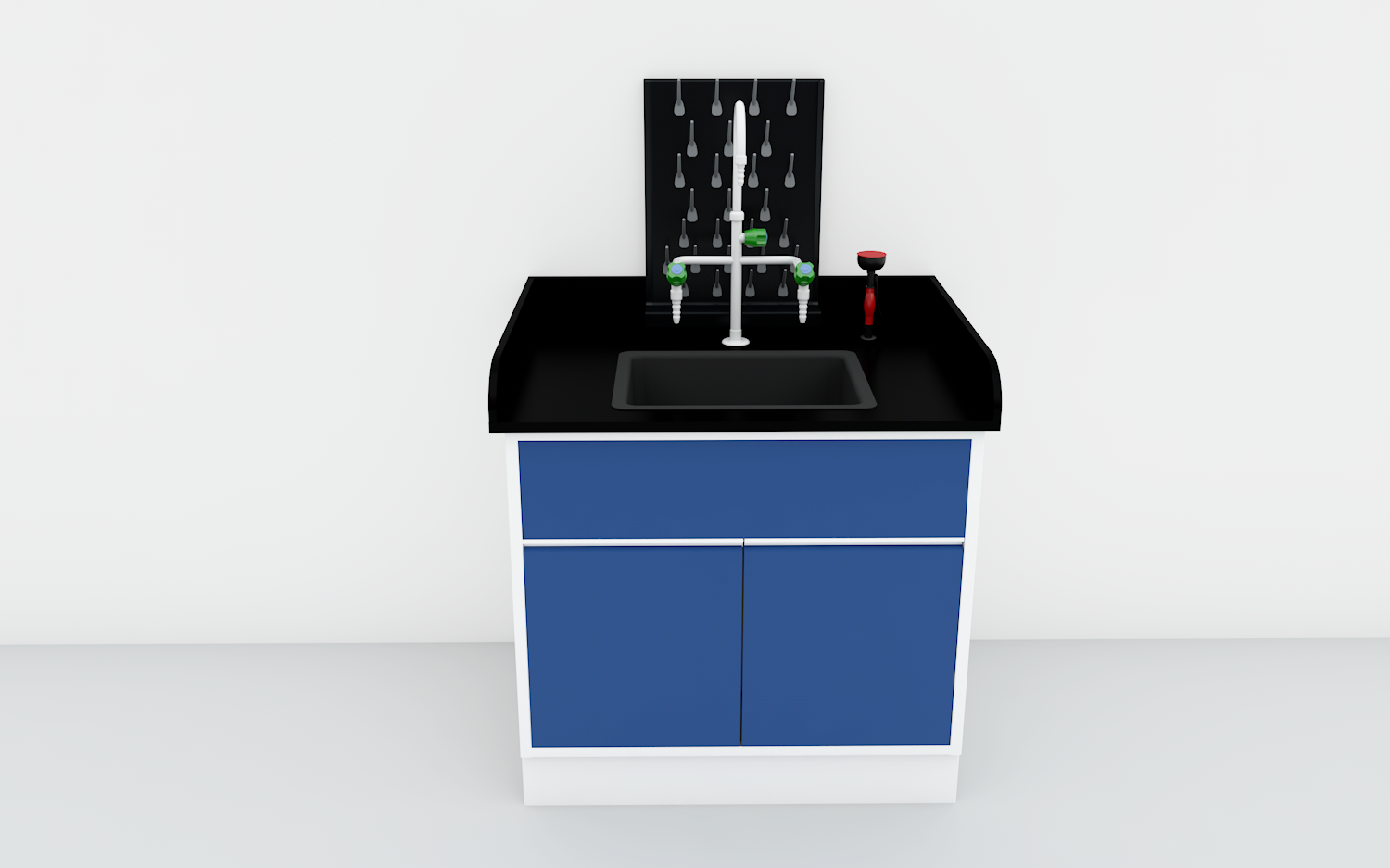
Lab managers, safety officers and facility planners searching for lab cabinets need clear, high-quality information to choose sink modules that protect personnel, samples and assets. This article outlines the safety features to look for in a Lab Sink Cabinet, explaining materials, structure, plumbing, spill containment and compliance with laboratory safety guidance. It is written to help procurement teams match lab sink cabinet options—such as C-type, floor-mounted and H-type—into full laboratory bench systems while meeting cleaning, drainage and temporary storage needs.
Essential Safety Considerations for Laboratory Sink Furniture
Why safety matters when selecting lab cabinets
Lab cabinets are a critical component of laboratory infrastructure. A Lab Sink Cabinet must provide corrosion-resistant storage, reliable drainage, and safe handling of chemicals and waste. In academic, industrial and testing departments, safety features reduce chemical exposure risk, prevent cross-contamination, and limit damage from spills. Semantic keywords: laboratory cabinetry, chemical-resistant cabinets, sink modules, lab bench systems.
How use case affects safety requirements
Different environments—chemistry labs, teaching labs, biopharmaceutical facilities and testing departments—have distinct hazards and usage patterns. Teaching labs need durable, easy-to-clean surfaces and impact resistance, while biopharmaceutical facilities prioritize contamination control and materials compatible with sterilization. Understanding the specific use case guides selection among C-type, floor-mounted and H-type lab cabinets and helps determine whether additional features like secondary containment or ventilated storage are required.
Semantic keywords embedded
Include these lab cabinets semantic keywords in planning: laboratory sink cabinet, chemical-resistant lab cabinets, corrosion-resistant storage, lab faucet, bench-integrated sink, floor-mounted cabinets, C-type cabinets, H-type cabinets, temporary storage, and drainage systems.
Structural and Material Safety of Lab Cabinets
Materials: chemical resistance and longevity
The material of a Lab Sink Cabinet determines its resistance to acids, bases and solvents. Common choices include epoxy-coated steel, stainless steel (304/316 grades), and high-density polyethylene (HDPE). Each has trade-offs: stainless steel resists corrosion and is easy to sterilize, epoxy-coated steel provides strong structural support and cost-effectiveness, and HDPE offers excellent chemical resistance for some aggressive reagents. For environments handling corrosive agents, choose cabinets with certified chemical-resistant surfaces to avoid cabinet failure and contaminant release.
Construction types: C-type, floor-mounted and H-type explained
Understanding structural types helps ensure safe integration into bench systems. The Lab Sink Cabinet is available in C-type, floor-mounted and H-type structures to meet different layout and safety needs. C-type cabinets are often under-counter sink units that provide direct support for sink basins and local storage. Floor-mounted cabinets offer robust structural support for heavy equipment and additional containment, while H-type configurations are designed for shared bench spaces and ergonomic access from both sides. Selecting the appropriate type affects spill management, access to plumbing, and stability under load.
Design features that improve structural safety
Look for reinforced frames, adjustable leveling feet, anti-tip brackets and impact-resistant doors. Corrosion-resistant hinges, continuous welded seams on stainless models, and solvent-resistant gaskets help maintain cabinet integrity. Fire-retardant finishes and materials that do not emit hazardous off-gassing under typical lab conditions are additional safety considerations. These details extend service life and reduce downtime due to repairs.
Plumbing, Drainage and Chemical Resistance
Integrated sinks and faucet safety
Lab Sink Cabinet units should pair with lab faucets designed for hands-free or easy-decontamination operation. Consider thermostatic mixing, foot or knee controls, and emergency eyewash integration where required. Faucet materials must withstand chemical exposure; high-quality laboratory faucets use corrosion-resistant alloys or polymer coatings. Proper faucet selection reduces splash, minimizes contact, and supports cleaning and rinsing protocols.
Drainage, traps and secondary containment
Effective drainage prevents stagnant waste and chemical buildup. Lab cabinets should include accessible P-traps with chemical-resistant materials, removable strainers, and easy access panels for maintenance. Secondary containment—such as integrated spill trays beneath sinks—captures leaks and major spills, preventing floor contamination and rapid spread. The selection of drain piping (PVC, CPVC, or stainless) should match the chemical resistance needs of the facility.
Corrosion-resistant sink materials and liners
Sink basins may be fabricated from epoxy resin, stainless steel, or molded phenolic materials. Each material has an expected resistance profile—epoxy resins generally resist acids and bases, stainless steel is durable and heat resistant, and phenolic offers chemical resistance and structural rigidity. When handling particularly aggressive chemicals, consider sinks with replaceable liners for easier maintenance and lower lifecycle risk.
| Feature | Epoxy Resin Sink | Stainless Steel Sink | Phenolic Sink |
|---|---|---|---|
| Chemical resistance | High (many acids) | Medium-High (good overall) | High (solvents) |
| Heat resistance | Medium | High | Medium |
| Maintenance | Moderate (repairable) | Low (durable) | Moderate |
Installation, Ergonomics and Compliance
Proper installation and anchoring
Correct installation is a safety issue. Floor-mounted cabinets must be leveled and anchored to prevent tipping, especially when sinks are loaded or when heavy equipment is placed on counters. Plumbing connections should be made with chemical-resistant seals and include shut-off valves near the cabinet for emergency isolation. If cabinets are part of a modular lab bench system, ensure compatibility with adjacent units to maintain continuous containment and avoid gaps that can trap spills or contaminants.
Ergonomics and user safety
Cabinet height, sink basin depth, and faucet placement influence repetitive strain and accessibility. H-type cabinets designed for shared benches need consideration for access from both sides and clear knee space for seated work. Anti-slip surfaces on worktops and rounded edges reduce injury risk. For teaching labs, consider resilience to heavy use and frequent cleaning cycles.
Regulatory and standards alignment
Selecting lab cabinets that support compliance with regulatory and safety guidance is essential. Refer to laboratory safety frameworks and standards such as the OSHA Laboratory Standard (29 CFR 1910.1450) and general lab safety guidance from authoritative sources. For general laboratory equipment and furniture guidance consult Laboratory equipment - Wikipedia and for regulatory control refer to OSHA Laboratory Safety. These links provide high-level frameworks for hazard assessment and safe lab practices.
Feature Checklist: What to Confirm Before Buying
Core safety checklist
When evaluating lab sink cabinets, ensure each unit meets the following checklist items:
- Chemical-resistant sink and cabinet finish compatible with your reagents
- Secondary containment (spill trays, sealed bottoms)
- Accessible and corrosion-resistant plumbing with shut-offs
- Anti-tip anchoring and robust structural support
- Ergonomic design suitable for the intended users
- Compatibility with lab bench systems and modular integration
Installation and lifecycle considerations
Plan for easy maintenance access to the P-trap, valves and cabinet interiors. Confirm availability of replacement parts, such as sinks, gaskets and hinges, and check warranty and service agreements. Good vendor support reduces downtime and preserves safety over the cabinet's lifecycle.
Documentation and validation
Ask suppliers for chemical compatibility charts, material safety data, and third-party test reports where applicable. Validated documentation supports E-E-A-T expectations and procurement audits, and helps safety officers verify that the lab cabinets meet institutional standards.
Brand Advantages: Why Choose Our Lab Sink Cabinet
Integrated design for diverse lab environments
Our Lab Sink Cabinet is specifically designed for chemistry labs, teaching labs, biopharmaceutical facilities and testing departments and can be seamlessly integrated into complete laboratory bench systems. The product offers C-type, floor-mounted and H-type structures, combined with a chemical-resistant lab sink and lab faucet to meet cleaning, rinsing, drainage and temporary storage needs. This modular compatibility reduces installation complexity and helps maintain consistent safety across a facility.
Commitment to safety, quality and compliance
We prioritize corrosion-resistant materials, robust construction, and accessible plumbing. Our cabinets are designed for easy cleaning and maintenance, reducing contamination risk. We supply chemical compatibility documentation and support installation per local codes and OSHA guidance to help your lab meet regulatory expectations.
Service, warranty and customization
We offer customization options—different sink materials, integrated spill containment, and tailored storage layouts—to match your lab's workflow. Comprehensive warranty coverage and responsive aftermarket support ensure long-term safety and performance, backed by experienced technical teams who understand laboratory safety needs.
Frequently Asked Questions (FAQ)
Q: What materials are best for sinks that will handle corrosive acids?
A: Epoxy resin and certain high-grade phenolic sinks offer excellent resistance to many acids. For environments combining heat and strong oxidizers, stainless steel (316) may be better. Always consult a chemical compatibility chart and vendor documentation to match sink material to your specific reagents.
Q: Do lab sink cabinets need secondary containment?
A: Yes—secondary containment such as spill trays or sealed sump areas beneath sinks reduces the risk of floor contamination and provides a first line of defense against leaks and accidental overflows.
Q: Can Lab Sink Cabinets be retrofitted into existing bench systems?
A: Many Lab Sink Cabinet models are designed for modular integration. Confirm dimensions, plumbing access, and anchoring points with the manufacturer. Custom adapters and transition panels are often available to ensure a tight, safe fit.
Q: How do I ensure my lab meets OSHA or institutional safety standards with new cabinets?
A: Choose cabinets with documented materials and chemical compatibility data, ensure proper installation by qualified technicians, and maintain records of maintenance and validation. Reference OSHA lab guidance and integrate cabinet selection into your lab's hazard assessment process: OSHA Laboratory Safety.
Next Steps & Contact
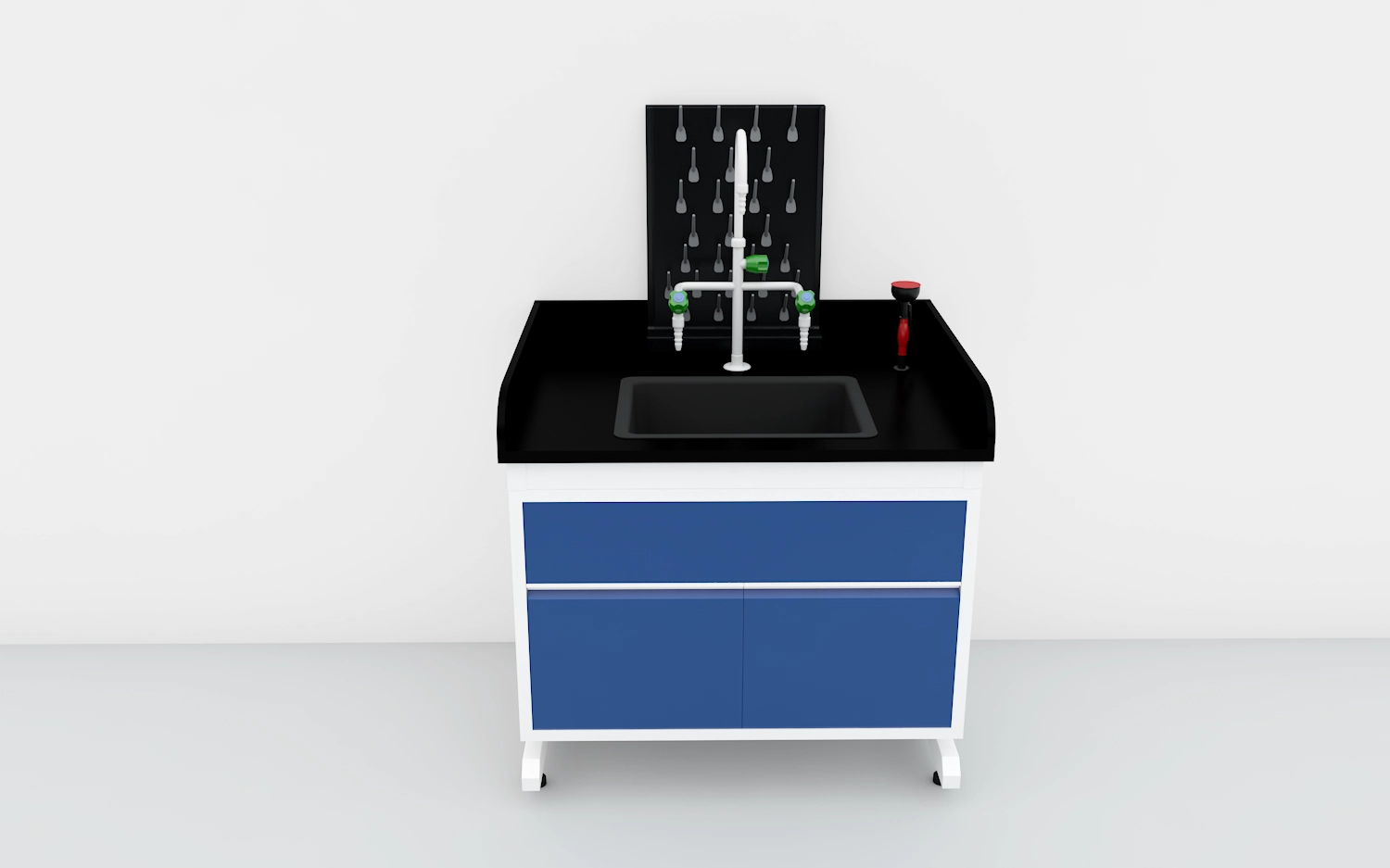
Many safety risks stem from long-term exposure, highlighting the value of corrosion-resistant coatings for lab sink cabinets.If you are evaluating lab cabinets for a new build or retrofit, request a site-specific consultation. To learn more about the Lab Sink Cabinet options, specifications, and customization (C-type, floor-mounted, H-type), contact our sales team or view the product catalog. For immediate assistance, email sales@example.com or call +1-800-555-0123.
View product details and request a quote: Lab Sink Cabinet — Product Page
Authoritative references used: Laboratory equipment - Wikipedia, OSHA Laboratory Safety. These sources provide general guidance to complement product-specific documentation.
How Variable Air Volume Fume Hoods Improve Lab Safety
Fume Hood Selection for Lab Safety and Regulatory Compliance
Energy Savings with a Variable Air Volume Fume Hood
Corrosion-Resistant Coatings for Lab Sink Cabinets
About Solution
What is the warranty policy of the product?
We provide 1-3 years warranty service, depending on the product type. Meanwhile, comprehensive after-sales support is provided, including repair and replacement services.
Customization
What is the after-sales support for customized services?
We provide a full range of after-sales service, including equipment installation guidance, regular maintenance, troubleshooting, operation training, etc., to ensure the safe and efficient operation of equipment.
For Customization
Can I request a specific material for my lab furniture?
Yes, we can customize the material for your lab benches, fume hoods, and other equipment based on your preferences and the type of work being done in your lab.
Can I make changes to my order once it has been placed?
We offer limited flexibility to make changes to your order after it has been placed. Contact our sales team as soon as possible if you need to make modifications.
For Company
What types of companies do you work with?
We have worked with a wide range of companies, from small startups to large, multinational corporations. Our expertise in the laboratory furniture industry enables us to meet the needs of various sectors, including healthcare, research, education, pharmaceuticals, and industrial labs.

Floor Mounted Lab Bench
Our Floor Mounted Lab Bench is an essential, high-efficiency workspace for laboratories, made from high-quality steel-wood or corrosion-resistant stainless steel materials to ensure exceptional durability and stability. The unique floor-mounted design effectively reduces vibration, optimizes space usage, and provides a safe and tidy laboratory environment.
Customizable storage solutions help organize lab equipment efficiently, while the easy-to-clean surface maintains laboratory hygiene. It is widely suitable for research institutions, educational laboratories, and the chemical and pharmaceutical industries.
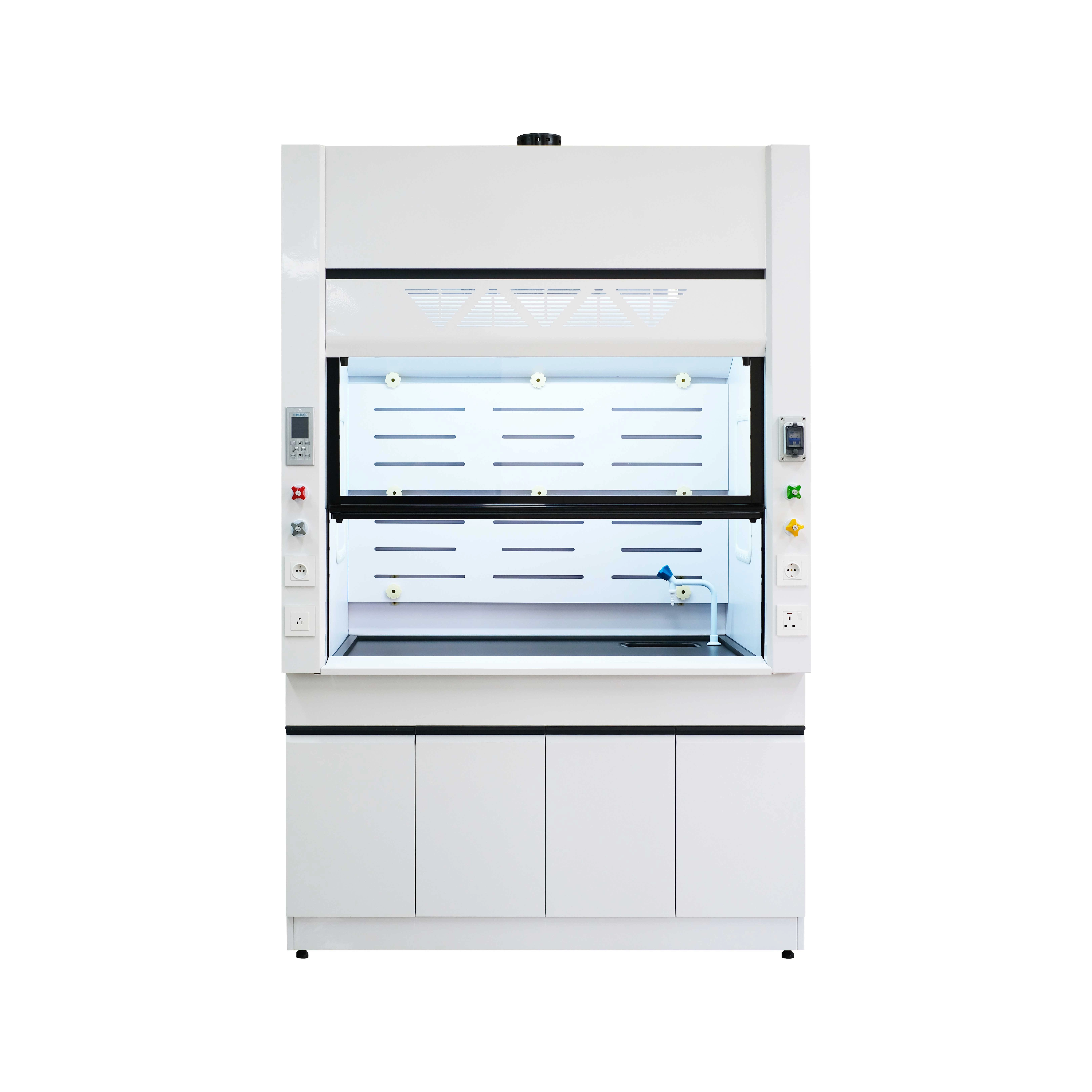
Fume Hood
The fume hood provides safe ventilation to protect against exposure to hazardous or toxic fumes, vapors, or airborne particulate. It is primarily used in laboratory and manufacturing applications to protect the user or environment outside the hood, but can also be used to protect the materials or experiment under the hood.
APPLICATION
Chemistry Lab, physics Lab, biological analysis, pharmaceutical medicine analysis, biological pharmaceutical, plant culture, environmental testing and electronic instrumentation scientific research and so on.
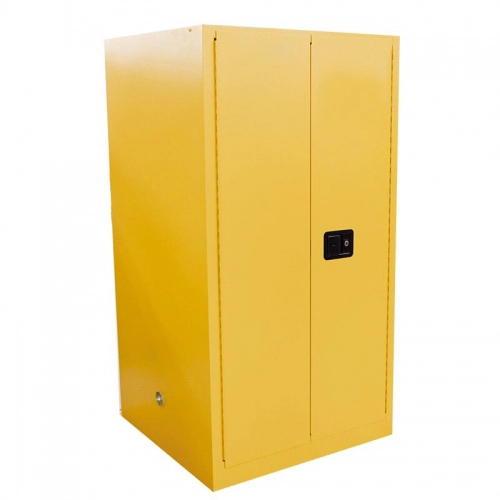
Flammable Storage Cabinet
Safety Cabinets store flammable liquids, corrosives, pesticides and other hazardous materials. All fire-resistant safety cabinets by meet fire codes and regulations for safety storage.
To help protect your people and facility from a potential fire, safety cabinets are engineered to safely contain flammable fuels, solvents, and chemicals. Safety cabinets can not only help everyone store chemicals reasonably, save chemical supplies, but also save human resources, and avoid fires caused by chemicals with the greatest strength.
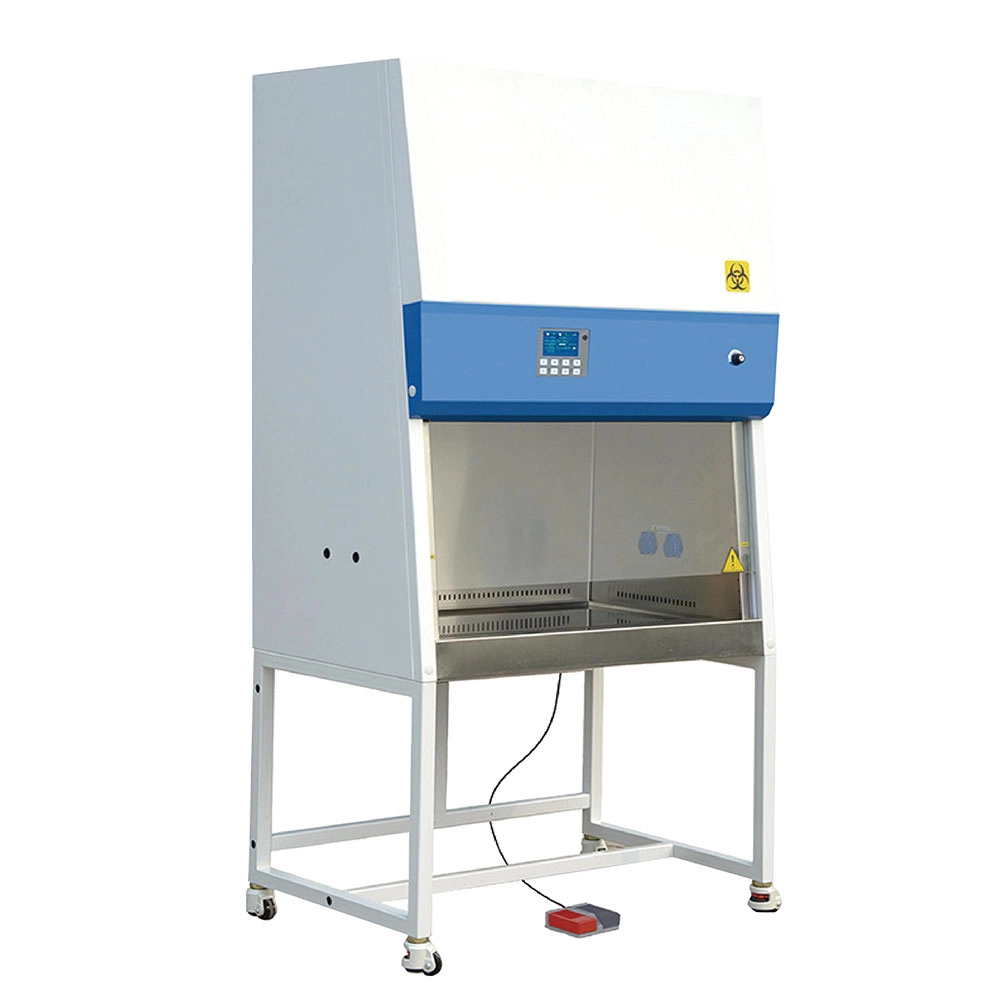
Class II Type A2 Biological Safety Cabinet for Laboratory
The Class II A2 Biological Safety Cabinet is designed to provide superior biosafety and contamination control for laboratories, research facilities, and clinical settings. With 70% air recirculation and 30% air exhaust, this cabinet ensures a safe and efficient work environment while protecting both the user and the samples.
Equipped with advanced features like a HEPA filtration system, motorized front window, and ergonomic design, this cabinet is a must-have for safe and reliable biological research.

 Scan QR Code
MaxLabFurniture
MaxLab Furniture
daihongada
Max Laboratory