
Retrofit Strategies for Installing Variable Air Volume Fume Hoods

- Why retrofit to Variable Air Volume fume hoods?
- Energy, operating cost, and sustainability drivers
- Improved containment and occupant safety
- Assessment and planning for retrofit projects
- Site survey and establishing a performance baseline
- Risk assessment, codes and standards
- Choosing the right Variable Air Volume fume hood components
- Retrofit strategies and best practices
- Strategy 1 — Minimal invasive: sash controls and local VAV modules
- Strategy 2 — Systemic: ductwork and fan control upgrade
- Integration and controls: recommended control architecture
- Installation, commissioning, and verification
- Typical installation steps
- Face velocity and containment testing
- Maintenance and operational monitoring
- Cost‑benefit considerations and lifecycle analysis
- Typical ROI and payback assumptions
- Comparative summary table of retrofit options
- Testing, validation, and regulatory references
- Standards and guidance
- Commissioning checklist highlights
- FAQ
- Will converting to a variable air volume fume hood reduce safety?
- How disruptive is a retrofit to laboratory operations?
- How do I size Venturi valves or VAV boxes for existing hoods?
- What routine maintenance is required for VAV fume hood systems?
- Are there documented standards for testing fume hood containment?
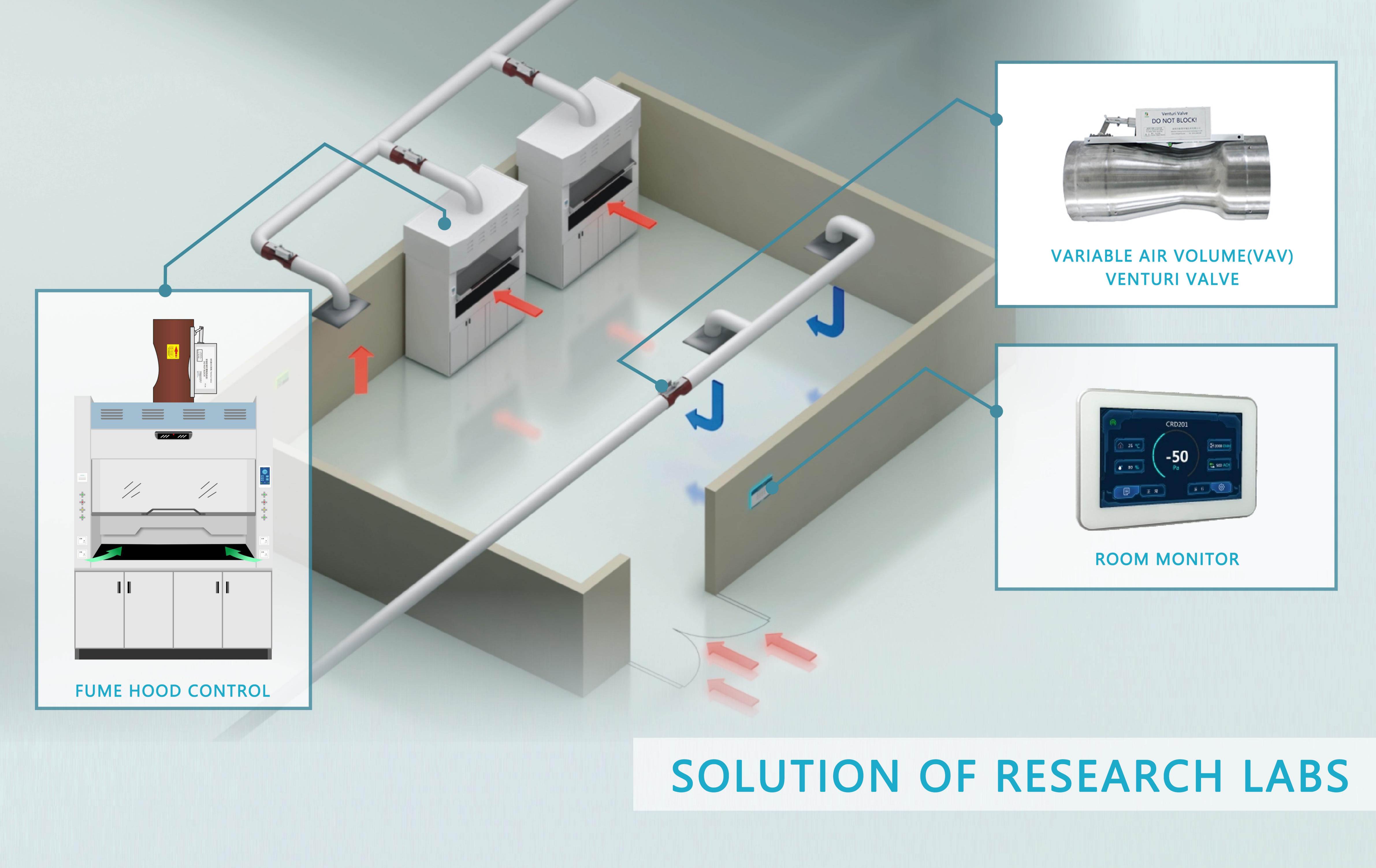
Retrofitting existing laboratory exhaust systems to support a variable air volume fume hood strategy delivers measurable energy savings, improved HVAC balance, and better containment control when done correctly. This article provides a practical, step‑by‑step approach for facility managers, lab engineers, and safety officers to plan, implement, and validate VAV fume hood upgrades while keeping safety, regulatory compliance, and long‑term operational efficiency at the center of decisions.
Why retrofit to Variable Air Volume fume hoods?
Energy, operating cost, and sustainability drivers
Laboratory exhaust is among the most energy‑intensive systems in many buildings because conditioned makeup air is continuously exhausted. Retrofitting to a variable air volume fume hood allows airflow to follow sash position and process demand, rather than running at constant maximum flow. When combined with intelligent control valves (such as Venturi valves), variable flow systems can reduce exhaust fan energy, makeup air conditioning load, and overall utility costs while maintaining required face velocity for containment. ASHRAE guidance and industry studies frequently cite 30–60% potential HVAC energy savings from demand‑controlled ventilation strategies in labs when properly implemented (ASHRAE).
Improved containment and occupant safety
Energy savings must not compromise safety. A well‑designed VAV fume hood retrofit maintains or improves face velocity control and response to disturbances. Modern VAV fume hood systems modulate flow rapidly when the sash position changes and when duct static pressure varies, keeping face velocity within safe limits and reducing the risk of contaminants escaping into the lab. Standards such as ANSI/AIHA Z9.5 and ASHRAE 110 describe performance expectations and test methods to verify containment (AIHA Z9.5, ASHRAE).
Assessment and planning for retrofit projects
Site survey and establishing a performance baseline
Start with a comprehensive site survey of existing hoods, ductwork, fans, makeup air systems, and controls. Measure current sash positions, face velocities, static pressures, and energy consumption. Perform containment testing (smoke or tracer gas) to document baseline performance before retrofit. Capture operational patterns: Which hoods remain open most of the day? Which are used intermittently? This data guides whether a simple partial retrofit will achieve goals or if a full VAV overhaul is required.
Risk assessment, codes and standards
Evaluate hazard classifications and applicable regulations. Laboratories handling hazardous chemical vapors require containment verification methods per ANSI/ASHRAE guidance and may refer to CDC/NIH lab safety guidance for biosafety. Check local codes for makeup air requirements and fan controls. Align retrofit scope with the facility's safety program so containment testing and commissioning meet documented acceptance criteria.
Choosing the right Variable Air Volume fume hood components
Not all retrofit strategies use the same hardware. Options include sash switches and interlocks, frequency‑driven fans, VAV boxes with airflow sensors, and Venturi‑based valve systems. The product below provides an example of a purpose‑built Venturi solution that is particularly suitable for retrofit because of its fast response, low maintenance, and stable velocity control.
Optimize airflow regulation and ensure precise laboratory ventilation with MAX LAB Venturi Valve Air Velocity Control System. Designed for high-performance air pressure control, this system automatically adjusts to changes in duct static pressure, maintaining stable and energy-efficient air velocity management. Ideal for laboratories, cleanrooms, and healthcare facilities, it provides fast response times, low maintenance, and superior contaminant control. Our Venturi valve system enhances HVAC efficiency, improves air quality, and ensures compliance with critical environment safety standards.
Retrofit strategies and best practices
Strategy 1 — Minimal invasive: sash controls and local VAV modules
For facilities with limited budget or where downtime must be minimized, install sash position sensors and add local VAV modules or Venturi valves on each hood branch. These devices modulate hood flow in real time based on sash position and a target face velocity, without major changes to the central exhaust fan. Benefits: lower upfront cost and shorter installation window. Limitations: duct static pressure fluctuations from other branches may require additional balancing or a static pressure control loop at the fan.
Strategy 2 — Systemic: ductwork and fan control upgrade
When multiple hoods are on the same exhaust system, upgrading the central fan to variable speed (VFD) and implementing a static pressure reset loop tied to downstream Venturi valves or VAV boxes provides the best long‑term performance and energy savings. This strategy ensures coordinated airflow cascade behavior: as hoods close, the system reduces total exhaust flow and fan speed, minimizing makeup air conditioning. It is more complex and typically requires greater commissioning effort and risk mitigation planning.
Integration and controls: recommended control architecture
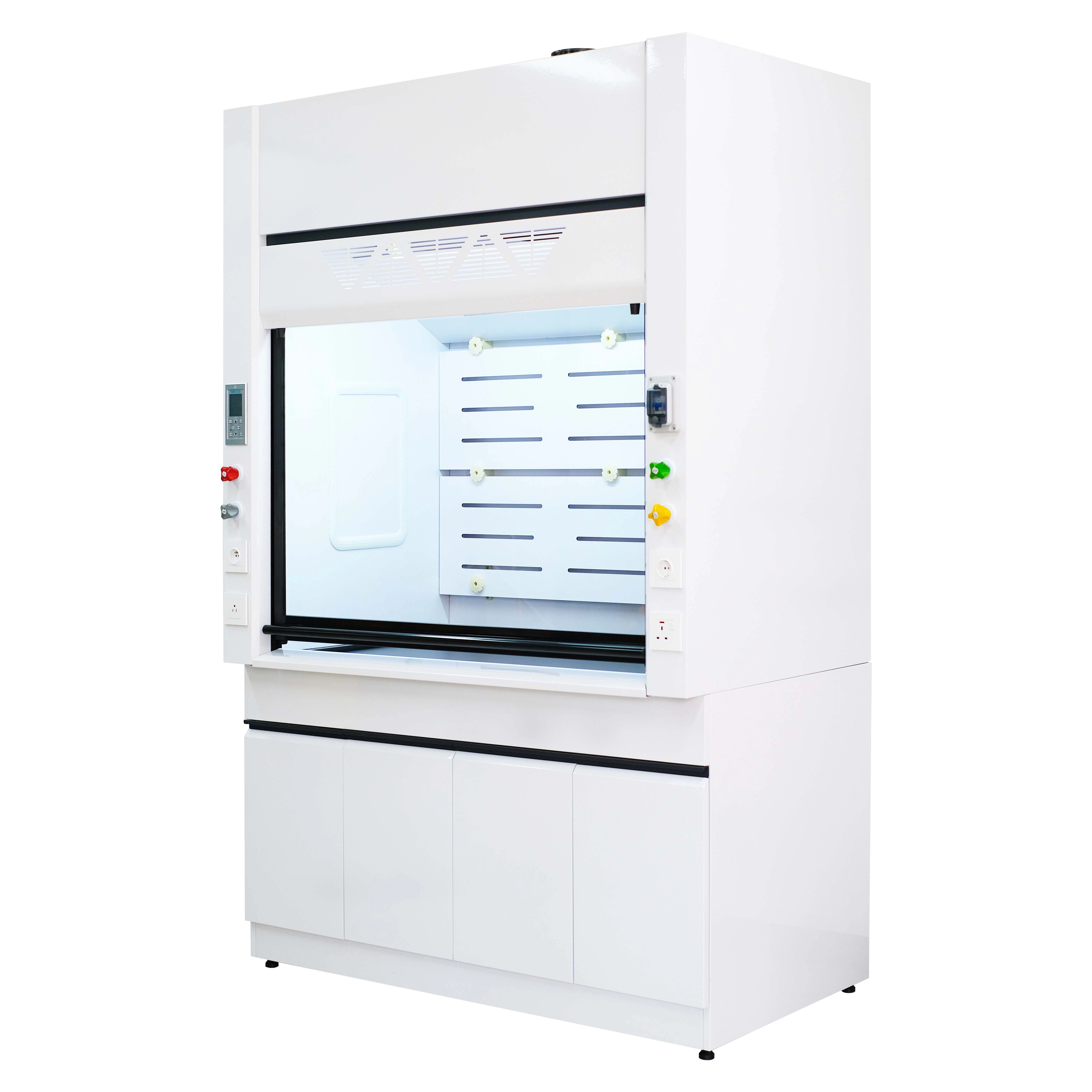
Control strategies should include: sash position inputs for each hood; local flow control (Venturi or VAV) to maintain face velocity; a central static pressure sensor with a reset algorithm to protect containment across varying loads; and a supervisory building management system (BMS) interface for monitoring and alarm reporting. Fast acting Venturi valves are advantageous because they respond quickly to local disturbances and require minimal calibration compared to mechanical dampers with airflow sensors.
Installation, commissioning, and verification
Typical installation steps
- Schedule brief research shutdowns or night/weekend work windows to minimize lab downtime.
- Isolate and deenergize HVAC circuits. Lockout/tagout all electrical and exhaust systems.
- Install Venturi valves or VAV boxes in the hood branch; wire sash position sensors and connect control signals to the local controllers.
- Upgrade or tune central fan controls and static pressure sensors if required. Commission the static pressure reset algorithm with the BMS.
- Perform balancing, purge, and leak checks on ductwork and connections.
Face velocity and containment testing
After installation, perform face velocity testing at multiple sash heights and containment testing using smoke visualization or tracer gas per ANSI/ASHRAE test procedures (for example Fume hood test methods and ASHRAE references). Document that face velocity remains within the target range (commonly 80–120 feet per minute depending on local policy) across expected sash positions and that containment criteria meet acceptance levels. If failures occur, adjust control gains, re‑balance ducts, or realign hood face geometry to recover performance.
Maintenance and operational monitoring
Ongoing maintenance ensures long‑term performance: inspect valves and actuators quarterly, verify sash sensors annually, and recalibrate flow sensors as specified. Continuous monitoring via the BMS should include alarms for low face velocity, stuck sashes, or valve faults. Consider adding periodic re‑commissioning tasks into the lab's preventive maintenance plan.
Cost‑benefit considerations and lifecycle analysis
Typical ROI and payback assumptions
Payback depends on existing system efficiency, local energy costs, and occupancy patterns. A simplified scenario often used in planning: 40% HVAC energy reduction from demand control applied to laboratory exhaust combined with average energy rates can yield a 2–6 year payback for a full VAV retrofit. Facilities with intermittent hood use can see shorter paybacks. Always perform a site‑specific energy model before final budgeting.
Comparative summary table of retrofit options
| Option | Estimated Cost Range | Energy Savings | Pros | Cons |
|---|---|---|---|---|
| Simple sash sensors + local VAV modules | Low | 15–35% | Low downtime, low initial cost | Limited coordination, may need rebalancing |
| Venturi valve retrofit + static pressure control | Medium | 30–60% | Fast response, stable face velocity, low maintenance | Higher integration effort |
| Full VFD fans + BMS integrated VAV | High | 40–70% | Best system efficiency and coordination | Highest cost and longer downtime |
Testing, validation, and regulatory references
Standards and guidance
Design and acceptance should reference authoritative standards. Useful sources include ANSI/AIHA Z9.5 (Laboratory Ventilation), ASHRAE publications for lab ventilation and testing, and governmental lab safety guidance from the CDC and NIH. These resources help define target face velocities, containment test methods, and commissioning criteria. SeeAIHA Z9.5 (AIHA) and ASHRAE (ASHRAE).
Commissioning checklist highlights
- Verify hardware installation and wiring against drawings.
- Confirm sash position to flow mapping at multiple positions.
- Validate static pressure reset algorithms under varying hood loads.
- Run containment tests per accepted protocols and document results.
- Train operations and maintenance staff on diagnostics and alarms.
FAQ
Will converting to a variable air volume fume hood reduce safety?
Not when designed and commissioned properly. VAV systems that use fast‑acting local control (e.g., Venturi valves) and are integrated with sash position sensing maintain required face velocity and containment. Commissioning and periodic testing ensure continued safety.
How disruptive is a retrofit to laboratory operations?
Disruption depends on the retrofit scope. Local Venturi valve installations can often be completed with short downtimes per hood, while central fan and duct modifications require longer shutdowns. Careful planning—staging, temporary containment measures, and night/weekend work—minimizes impact.
How do I size Venturi valves or VAV boxes for existing hoods?
Sizing requires the hood's maximum design exhaust rate, desired face velocity range, and expected minimum flow when closed. A qualified HVAC engineer should model worst‑case scenarios (all hoods open/minimum open) and specify valve sizes with adequate turndown ratio and response characteristics.
What routine maintenance is required for VAV fume hood systems?
Quarterly mechanical inspections, annual calibration of sensors, periodic cleaning of ducts and hood interiors, and verification of sash sensors and interlocks are typical. Venturi valves have fewer moving parts and thus often require less maintenance than motorized dampers.
Are there documented standards for testing fume hood containment?
Yes. Containment and face velocity testing are described in ASHRAE test methods and ANSI guidance. General information on fume hood testing methods can also be found on the fume hood literature and reference pages (Wikipedia: Fume hood).
If you'd like to evaluate upgrade options or schedule a site survey, contact our technical team to discuss the Variable Air Volume Fume Hood solutions and the MAX LAB Venturi Valve Air Velocity Control System. For product details, pricing, or to arrange a demo, please contact sales or visit our product page.
Contact Sales: Email sales@example.com or call +1-800-555-1234. View product information: MAX LAB Venturi Valve Air Velocity Control System.
References: AIHA Z9.5 (aiha.org), ASHRAE (ashrae.org), CDC Lab Guidance (cdc.gov/labs), Fume hood overview (wikipedia.org).
Fume Hood Procurement Guide: Key Specs B2B Buyers Need
6 Tips to Select the Right Laboratory Furniture
Custom vs Standard Lab Furniture: Pros and Cons

How to Choose the Right Lab Benches for Your Laboratory
FAQS
Where are your products manufactured?
All products are manufactured in our advanced facility—the largest laboratory furniture factory in Guangzhou—ensuring strict quality control.
For Products
Do you offer ergonomic solutions for lab furniture?
Yes, our laboratory furniture includes ergonomic designs such as height-adjustable lab benches and chairs that reduce strain during long hours of work.
About Solution
How about your after sale service?
We will reply to you within 24 hours by email or phone.
If we have a local agent, we will arrange for him to be at your site within 24 hours to assist you in shooting the problem.
Customization
Does the customized equipment have a warranty?
Yes, all custom equipment comes with a warranty. Specific warranty terms are determined according to the type of equipment and customized content.
For Customization
Can I request a specific material for my lab furniture?
Yes, we can customize the material for your lab benches, fume hoods, and other equipment based on your preferences and the type of work being done in your lab.
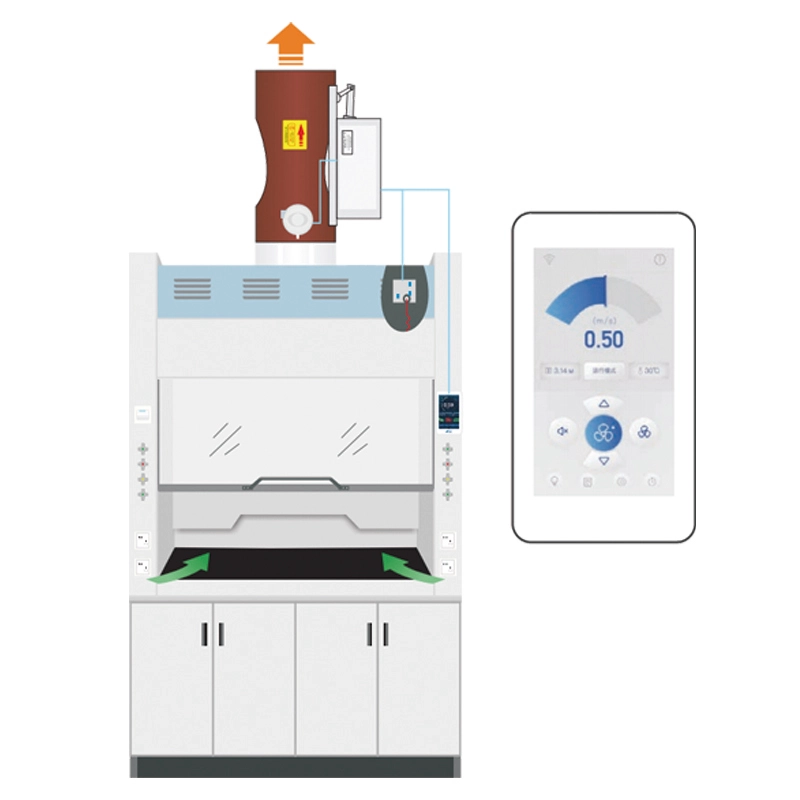
Variable Air Volume Fume Hood
Optimize airflow regulation and ensure precise laboratory ventilation with MAX LAB Venturi Valve Air Velocity Control System. Designed for high-performance air pressure control, this system automatically adjusts to changes in duct static pressure, maintaining stable and energy-efficient air velocity management. Ideal for laboratories, cleanrooms, and healthcare facilities, it provides fast response times, low maintenance, and superior contaminant control. Our Venturi valve system enhances HVAC efficiency, improves air quality, and ensures compliance with critical environment safety standards.
Floor Mounted Lab Bench
Our Floor Mounted Lab Bench is an essential, high-efficiency workspace for laboratories, made from high-quality steel-wood or corrosion-resistant stainless steel materials to ensure exceptional durability and stability. The unique floor-mounted design effectively reduces vibration, optimizes space usage, and provides a safe and tidy laboratory environment.
Customizable storage solutions help organize lab equipment efficiently, while the easy-to-clean surface maintains laboratory hygiene. It is widely suitable for research institutions, educational laboratories, and the chemical and pharmaceutical industries.
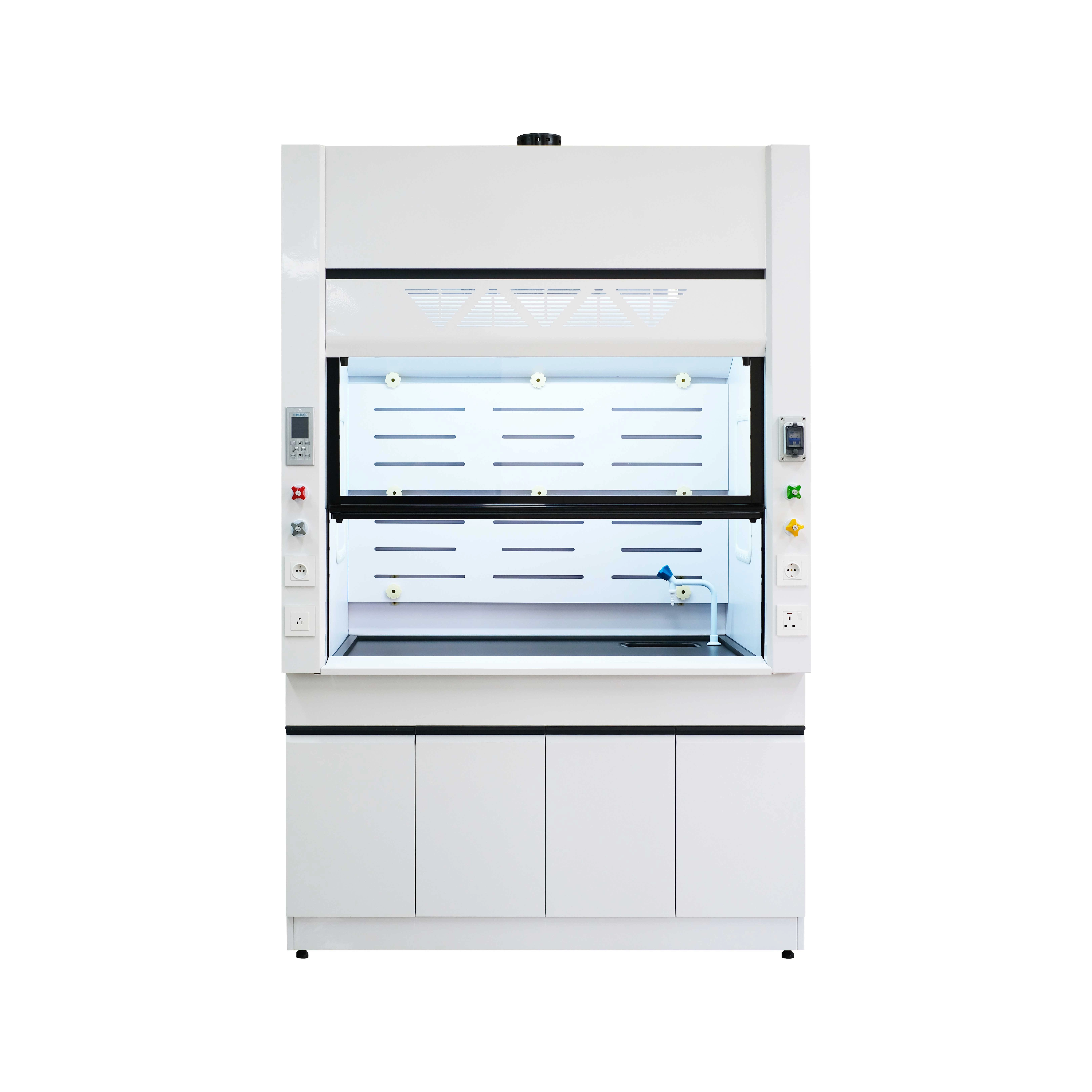
Fume Hood
The fume hood provides safe ventilation to protect against exposure to hazardous or toxic fumes, vapors, or airborne particulate. It is primarily used in laboratory and manufacturing applications to protect the user or environment outside the hood, but can also be used to protect the materials or experiment under the hood.
APPLICATION
Chemistry Lab, physics Lab, biological analysis, pharmaceutical medicine analysis, biological pharmaceutical, plant culture, environmental testing and electronic instrumentation scientific research and so on.
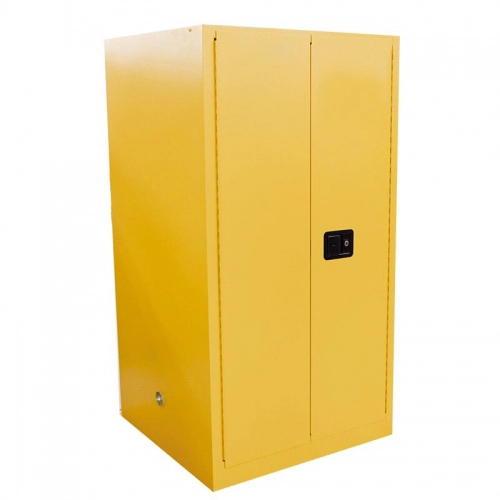
Flammable Storage Cabinet
Safety Cabinets store flammable liquids, corrosives, pesticides and other hazardous materials. All fire-resistant safety cabinets by meet fire codes and regulations for safety storage.
To help protect your people and facility from a potential fire, safety cabinets are engineered to safely contain flammable fuels, solvents, and chemicals. Safety cabinets can not only help everyone store chemicals reasonably, save chemical supplies, but also save human resources, and avoid fires caused by chemicals with the greatest strength.

 Scan QR Code
MaxLabFurniture
MaxLab Furniture
daihongada
Max Laboratory