
Comparing Chemical Resistance: Phenolic vs Epoxy vs Stainless

- Comparing Chemical Resistance: Phenolic vs Epoxy vs Stainless for Lab Countertops
- Why chemical resistance matters for lab countertop selection (lab countertop)
- Quick overview of the three materials (Lab Countertops)
- How we compare chemical resistance (lab countertop)
- Chemical resistance comparison table for Lab Countertops
- Interpreting the table: practical takeaways for specifying Lab Countertops
- When phenolic resin is the right choice (lab countertop)
- When epoxy resin is the preferred Lab Countertops solution
- When stainless steel is the best option (Lab Countertops)
- Installation, maintenance, and lifecycle considerations for lab countertop materials
- Health, safety, and environmental considerations (lab countertop)
- Cost vs performance: selecting the right Lab Countertops for your lab type
- Case examples: best-fit recommendations for common lab settings (lab countertop)
- Why material grade and fabrication matter as much as material type (Lab Countertops)
- Max Lab Lab Countertops — one-stop customization and why it matters
- How to specify chemical resistance requirements to a vendor (lab countertop)
- Frequently Asked Questions (FAQ) about Lab Countertops and chemical resistance
- Q1: Which countertop material is best for handling organic solvents?
- Q2: Can I use phenolic countertops in a chemical lab?
- Q3: How do I repair a damaged epoxy or phenolic countertop?
- Q4: Which stainless steel grade should I choose?
- Q5: Are epoxy tops safe for cleanrooms?
- Final recommendations and next steps for choosing Lab Countertops
- Contact us / View products
- Authoritative references and further reading
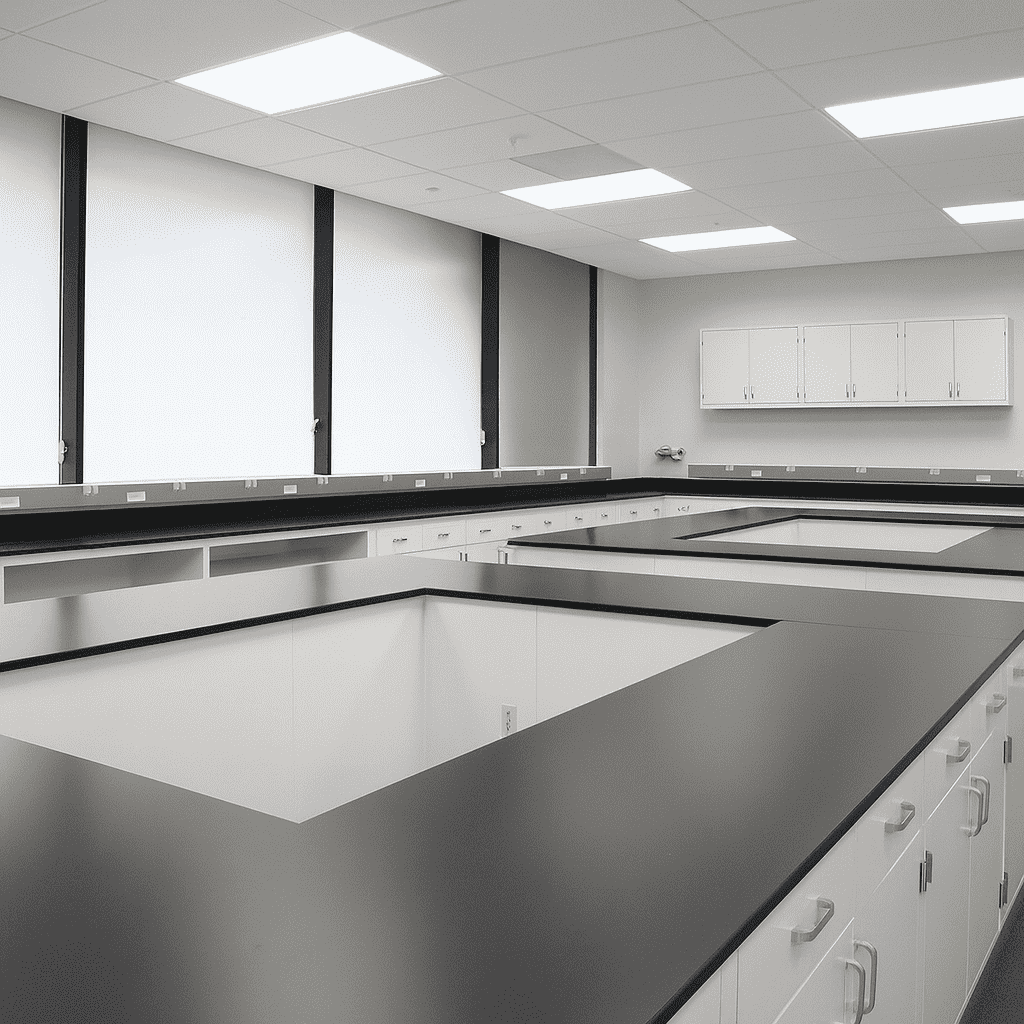
Comparing Chemical Resistance: Phenolic vs Epoxy vs Stainless for Lab Countertops
Why chemical resistance matters for lab countertop selection (lab countertop)
Choosing the right lab countertop is about safety, durability, and total cost of ownership. In labs where reagents, solvents, acids, and bases are used daily, the countertop material must resist chemical attack, staining, and degradation. An inappropriate surface can compromise experiments, increase maintenance, or create safety hazards. This article compares three commonly specified materials—phenolic resin, epoxy resin, and stainless steel—focusing on chemical resistance, practical performance, and best-fit lab applications for Lab Countertops.
Quick overview of the three materials (Lab Countertops)
Before diving into chemical-specific comparisons, here’s a concise introduction to each material's nature and common uses:
- Phenolic resin: A high-pressure laminate made of Kraft paper saturated with phenolic resin and cured under heat and pressure. Known for impact resistance, water resistance, and affordability. Often used in teaching labs and general-purpose benches.
- Epoxy resin: A cast or poured resin system formed from epoxy polymers cured to a hard, chemically resistant surface. Widely used in analytical and chemical labs for superior resistance to many corrosive chemicals and solvents.
- Stainless steel: Metal alloy (commonly 304 or 316 grades) with excellent mechanical strength, heat resistance and easy cleaning. Preferred where sterilization, autoclave compatibility, or extreme heat are priorities.
How we compare chemical resistance (lab countertop)
Chemical resistance varies by material grade, surface finish, exposure concentration, temperature, and contact time. For a practical comparison we rate performance against typical lab exposures: mineral acids (dilute and concentrated), organic acids, alkalis (bases), common laboratory solvents (acetone, methanol, ethanol), halogenated solvents (chloroform, dichloromethane), oxidizers (hydrogen peroxide), and common cleaning agents. Ratings use: Excellent, Good, Fair, Poor. Always consult manufacturer chemical resistance charts for specific chemicals and concentrations before final selection.
Chemical resistance comparison table for Lab Countertops
The table below summarizes typical performance. This is a general guide; actual resistance depends on formulation, grade, and conditions.
| Chemical / Property | Phenolic Resin | Epoxy Resin | Stainless Steel (304 / 316) |
|---|---|---|---|
| Dilute mineral acids (e.g., HCl, H2SO4, <5%) | Good | Excellent | Good (304 ok; 316 better for chloride-containing acids) |
| Concentrated mineral acids | Fair to Poor | Good to Excellent (depends on acid) | Fair to Good (304 can corrode; 316 better, but some acids attack steel) |
| Organic acids (acetic) | Fair | Good | Fair to Good (susceptible to pitting with chlorides) |
| Alkalis (bases, e.g., NaOH) | Good (limited concentrations) | Good to Excellent | Good |
| Common solvents (acetone, ethanol, methanol) | Fair to Poor (surface swelling/staining possible) | Excellent | Excellent |
| Halogenated solvents (chloroform, DCM) | Poor | Good (varies) | Good |
| Oxidizers (H2O2, chromic acid) | Fair | Fair to Good (can discolor/oxidize) | Good to Poor (strong oxidizers can damage passive film) |
| Heat resistance (continuous) | Fair (surface char above ~120–150°C) | Good (depends on formulation; many resist 150–200°C) | Excellent |
| Abrasion & impact | Good | Good | Excellent (highly durable) |
| Cleanability / Sterilization | Good (can tolerate most cleaners; not autoclave safe) | Good (some formulations tolerate many disinfectants) | Excellent (autoclavable, compatible with many disinfectants) |
| Typical cost (material only) | Low–Medium | Medium–High | Medium–High (grade-dependent) |
Interpreting the table: practical takeaways for specifying Lab Countertops
Epoxy resin tops provide the broadest chemical resistance to solvents, acids and bases and are often the default for chemistry and analytical labs. Stainless steel performs excellently for solvent resistance, heat, sterilization and mechanical durability, making it ideal for wet labs requiring frequent cleaning or hot processes. Phenolic resin offers good general-purpose performance at a lower cost and is commonly chosen for teaching labs, classrooms, and non-chemical-intensive work where budget and impact resistance matter.
When phenolic resin is the right choice (lab countertop)
Choose phenolic resin countertops when budget, impact resistance, and moisture resistance are priorities rather than exposure to aggressive solvents or concentrated acids. Phenolic is a strong choice for teaching labs, prep areas, and spaces where users value a durable, cost-effective surface that handles general-purpose chemicals in low concentrations.
When epoxy resin is the preferred Lab Countertops solution
Epoxy tops excel in environments with frequent solvent use, organic chemistries, and where moderate to strong acids and bases are present. Their seamless, poured construction minimizes joints—reducing spill penetration and making spill cleanup easier. For research labs, analytical chemistry benches, and spaces where chemical resistance is mission-critical, epoxy resin is often the recommended specification.
When stainless steel is the best option (Lab Countertops)
Stainless steel is the material of choice for labs needing heat resistance, easy sterilization (including autoclave compatibility for small components placed on removable benches), and mechanical robustness. Stainless is ideal in microbiology/sterile processing zones, food science labs, and fume-hood-supplied benches where compatibility with corrosive halides and cleansers is manageable with the correct grade (316 for high chloride environments).
Installation, maintenance, and lifecycle considerations for lab countertop materials
Installation ease, repairability and expected lifecycle significantly affect total cost of ownership:
- Phenolic: Easier to install, usually formed panels laminated to a substrate. Scratches and deep burns are difficult to repair; replacement is usually more cost-effective than repair.
- Epoxy: Typically poured-in-place or factory-cast modules that require skilled installation to avoid voids. Seams can be chemically bonded, creating near-seamless surfaces. Repairs are possible by patching with matching resin but require technician support.
- Stainless Steel: Prefabricated top sections are welded or seam-joined on-site. Dents or deep scratches may be repaired by metalworking, and surface passivation can restore corrosion resistance if needed. Service life is long when properly maintained.
Health, safety, and environmental considerations (lab countertop)
Consider fumes and off-gassing during installation and after exposure to strong chemicals. Epoxy resins can release volatile components if not fully cured or if subjected to incompatible solvents. Stainless steel generates no VOCs and is recyclable. Phenolic surfaces may char under extreme heat and can release phenolic-based volatiles if burned—proper ventilation and material handling are important.
Cost vs performance: selecting the right Lab Countertops for your lab type
Match material to the primary risk profile of the lab. For cost-sensitive educational environments with light chemical use, phenolic is often the best balance. For chemical-heavy, solvent-centric labs, epoxy resin is typically worth the higher upfront cost due to reduced replacement and downtime. For sterilization-intensive or heat/abrasion-heavy environments, stainless may yield the best lifecycle economics despite higher initial cost. Always model projected maintenance, replacement intervals, safety incidents and downtime when calculating total cost of ownership.
Case examples: best-fit recommendations for common lab settings (lab countertop)
- Chemistry research lab: Epoxy resin tops for broad solvent and acid resistance.
- Analytical instrumentation benches: Epoxy or stainless where solvents are used and vibration/thermal stability matter.
- Microbiology / sterile prep: Stainless steel for sterilization and cleanability; epoxy acceptable in non-autoclave zones.
- Teaching labs / classrooms: Phenolic resin for cost, impact resistance and lower-maintenance needs.
- Cleanrooms: Epoxy resin with proper finishes or stainless depending on cleanliness class and gowning protocols.
Why material grade and fabrication matter as much as material type (Lab Countertops)
Even within the same material family, formulations and fabrication quality vary. For example, epoxy cured with correct crosslink density resists solvents better than undercured systems. Stainless steel performance differs between 304 and 316 grades. Proper edge sealing, seam bonding, sinks, and cutouts significantly influence chemical penetration risk. Specify reputable manufacturers, inspect chemical resistance datasheets for expected exposures, and require warranty terms that reflect lab use.
Max Lab Lab Countertops — one-stop customization and why it matters
One-Stop Custom Lab Worktops Built for Real Lab Conditions
Choose the right countertop material for your chemical, biology, cleanroom, or teaching lab. Max Lab provides full customization—sizes, cutouts, sinks, edges, and integration with lab furniture systems.
Max Lab integrates material selection, fabrication, and installation. That reduces site coordination errors, ensures seam quality, and lets you specify integrated sinks, raised edges, sealed cutouts for instruments, and chemical-resistant splashbacks. The result: a bench system engineered to meet your lab’s specific chemical-risk profile and workflow.
How to specify chemical resistance requirements to a vendor (lab countertop)
When requesting quotes, provide the vendor a concise chemical exposure matrix: list the chemicals, typical concentrations, maximum contact duration, and operating temperatures. Ask for manufacturer chemical resistance charts and warranty language explicitly covering the listed exposures. Request references of installed projects with similar chemical profiles and, if possible, third-party lab test data.
Frequently Asked Questions (FAQ) about Lab Countertops and chemical resistance
Q1: Which countertop material is best for handling organic solvents?
A1: Epoxy resin and stainless steel typically perform best against common organic solvents. Epoxy is generally most resistant to a broad range of solvents, but verify the epoxy formulation. Stainless steel is also excellent, especially for halogenated solvents.
Q2: Can I use phenolic countertops in a chemical lab?
A2: Phenolic can be used in low-intensity chemical environments (teaching labs, prep areas) but is not recommended where concentrated solvents or aggressive reagents are frequently used.
Q3: How do I repair a damaged epoxy or phenolic countertop?
A3: Phenolic damage (deep gouges or burns) usually requires replacement of the panel. Epoxy can often be patched by a qualified technician using compatible resin, but color and finish matching may be imperfect.
Q4: Which stainless steel grade should I choose?
A4: 304 is common and corrosion-resistant for many lab environments. For chloride-rich or highly corrosive conditions, 316 is recommended due to improved resistance to pitting and crevice corrosion.
Q5: Are epoxy tops safe for cleanrooms?
A5: Yes—properly formulated and finished epoxy tops with low particle shedding and sealed seams are commonly used in cleanrooms. Validate with the vendor for ISO class compatibility.
Final recommendations and next steps for choosing Lab Countertops
Assess the primary chemical hazards in your lab, match material capabilities to those hazards, and plan for installation and lifecycle maintenance. For many chemical labs, epoxy resin provides the best overall chemical resistance. Stainless steel should be considered for sterilization and heat-intensive uses. Phenolic remains a cost-effective option for teaching and general-purpose benches. Work with a lab furniture provider (like Max Lab) to produce a tailored specification, request chemical resistance data for the exact material grade, and secure appropriate warranties.
Contact us / View products
After evaluating chemical resistance, considering the lifecycle cost analysis for lab countertops in institutional labs ensures that you choose options that deliver long-term value, balancing upfront costs with durability and maintenance.Ready to choose the right Lab Countertops for your facility? Contact Max Lab for a consultation, material samples, and project quotes. View full product details and customization options on our product pages or request an on-site assessment to ensure your lab benches meet real-world chemical resistance and workflow needs.
Authoritative references and further reading
- Phenolic resin — Wikipedia: https://en.wikipedia.org/wiki/Phenolic_resin
- Epoxy resin — Wikipedia: https://en.wikipedia.org/wiki/Epoxy_resin
- Stainless steel — Wikipedia: https://en.wikipedia.org/wiki/Stainless_steel
- Selecting the right benchtop for your lab — Lab Manager: https://www.labmanager.com/lab-product-trends/selecting-the-right-benchtop-for-your-lab-21732
- Corrosion of stainless steels — ASM/MatWeb overview: https://www.matweb.com
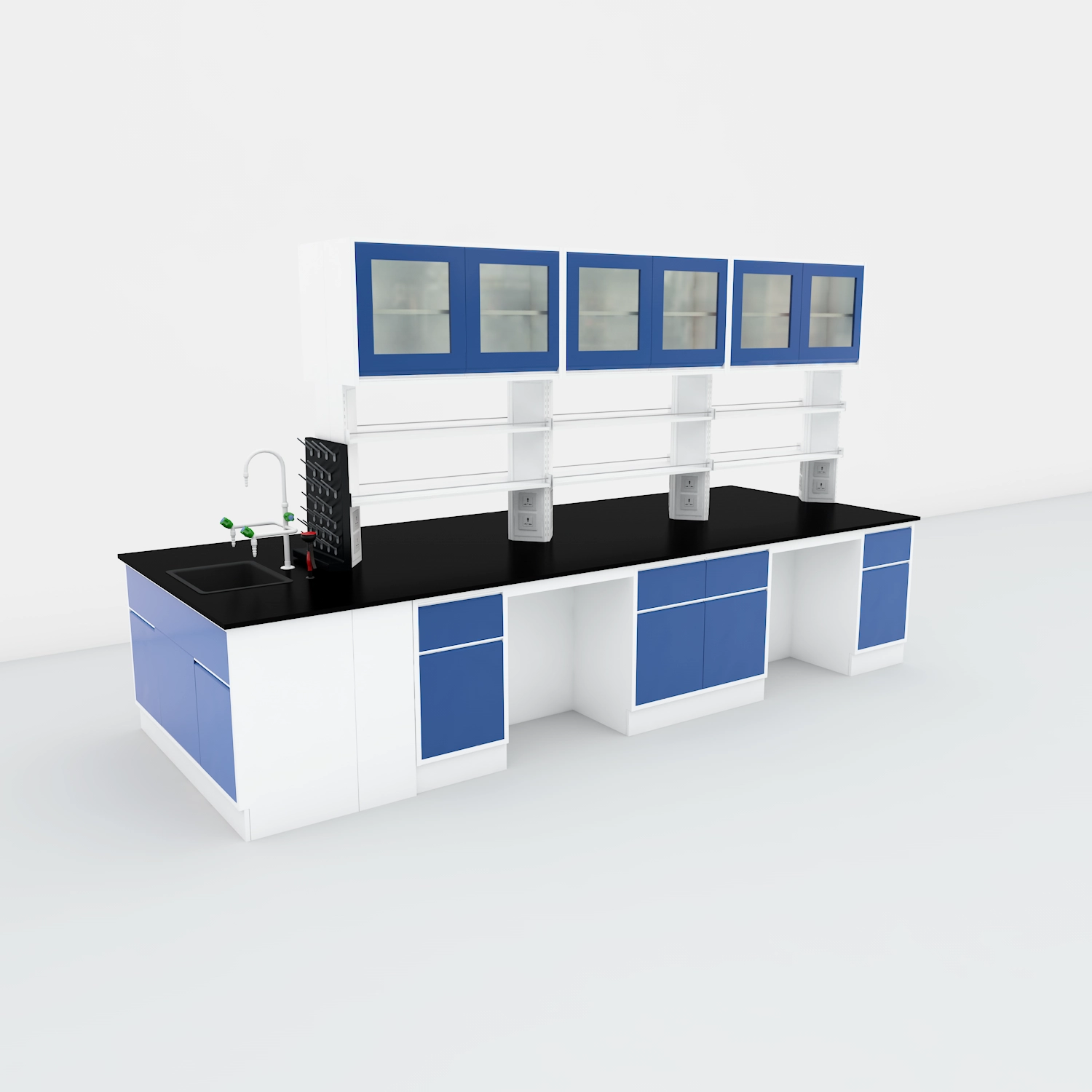
Lab Bench Design Ideas for Maximizing Work Surface Efficiency
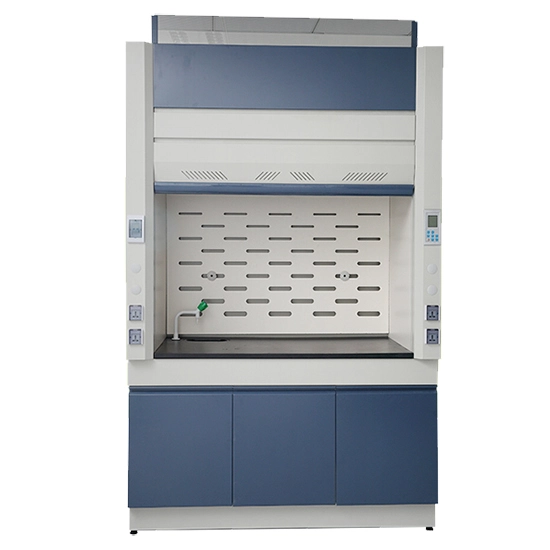
Fume Hood Integration with HVAC and Laboratory Design
Custom vs Standard Lab Furniture: Pros and Cons
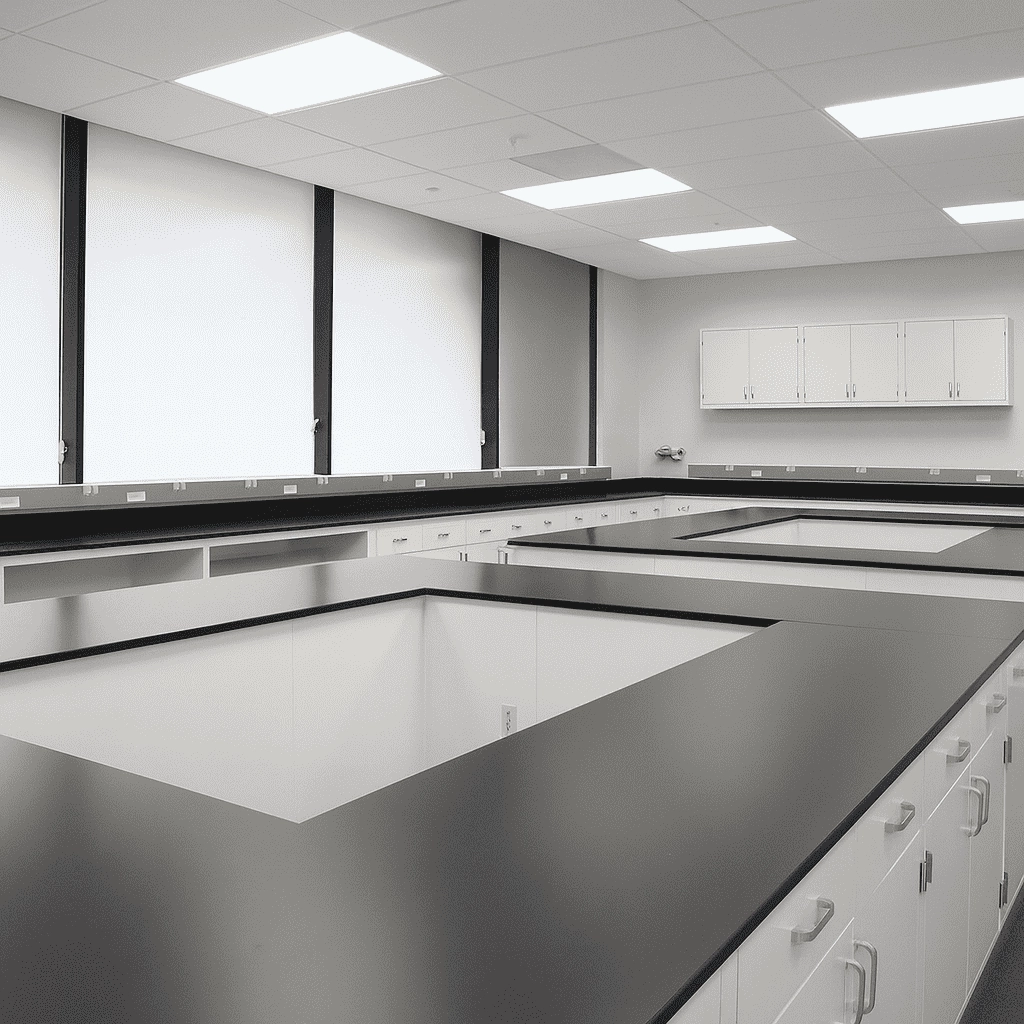
Sustainability and Certifications to Require for Lab Countertops
Customization
Do you offer free design consultation?
Yes, we provide our clients with free preliminary design consulting services. Our design team will provide advice based on your needs and budget, and help you develop a laboratory layout and equipment plan that meets your requirements.
For Logistics
What is the lead time?
We usually will start to work after receiving 50% deposit, and as for the exact lead time, it depends on quantity and detailed requirement. We can promise it will be shipped on time as we negotiated.
About Solution
Do you have certifications for your products?
Yes, We have CE CERTIFICATIONS, Quality Management Systems Certificate ISO9001:2008 and Environmental Management Systems Certificate ISO14000:2004, etc.
For Products
Do you offer ergonomic solutions for lab furniture?
Yes, our laboratory furniture includes ergonomic designs such as height-adjustable lab benches and chairs that reduce strain during long hours of work.
Are your products customizable?
Absolutely! We offer customized solutions for laboratory benches, lab tables, and furniture systems to meet the specific requirements of your workspace.

Floor Mounted Lab Bench
Our Floor Mounted Lab Bench is an essential, high-efficiency workspace for laboratories, made from high-quality steel-wood or corrosion-resistant stainless steel materials to ensure exceptional durability and stability. The unique floor-mounted design effectively reduces vibration, optimizes space usage, and provides a safe and tidy laboratory environment.
Customizable storage solutions help organize lab equipment efficiently, while the easy-to-clean surface maintains laboratory hygiene. It is widely suitable for research institutions, educational laboratories, and the chemical and pharmaceutical industries.
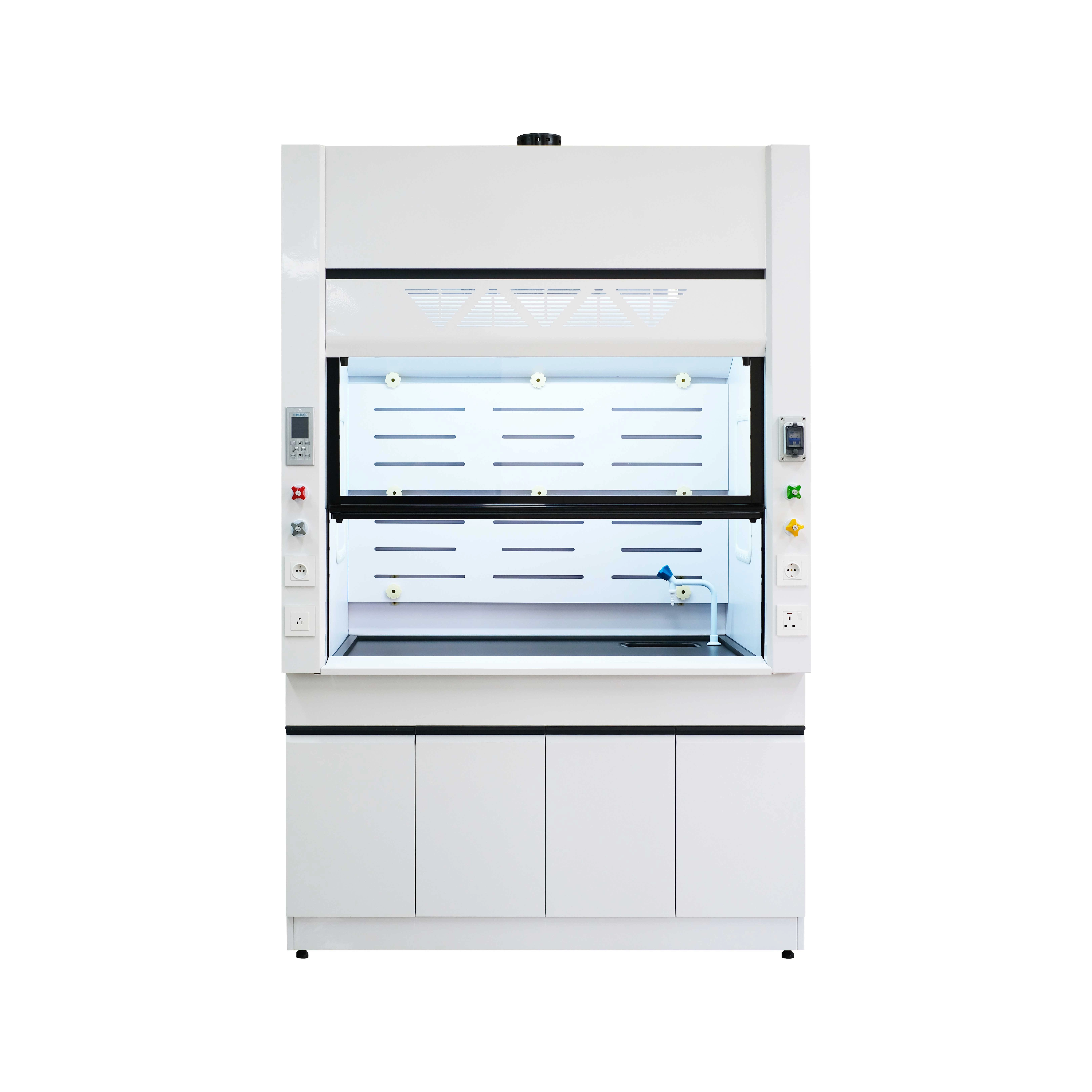
Fume Hood
The fume hood provides safe ventilation to protect against exposure to hazardous or toxic fumes, vapors, or airborne particulate. It is primarily used in laboratory and manufacturing applications to protect the user or environment outside the hood, but can also be used to protect the materials or experiment under the hood.
APPLICATION
Chemistry Lab, physics Lab, biological analysis, pharmaceutical medicine analysis, biological pharmaceutical, plant culture, environmental testing and electronic instrumentation scientific research and so on.
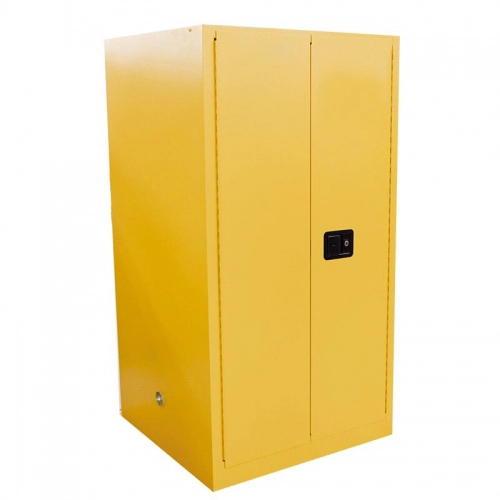
Flammable Storage Cabinet
Safety Cabinets store flammable liquids, corrosives, pesticides and other hazardous materials. All fire-resistant safety cabinets by meet fire codes and regulations for safety storage.
To help protect your people and facility from a potential fire, safety cabinets are engineered to safely contain flammable fuels, solvents, and chemicals. Safety cabinets can not only help everyone store chemicals reasonably, save chemical supplies, but also save human resources, and avoid fires caused by chemicals with the greatest strength.
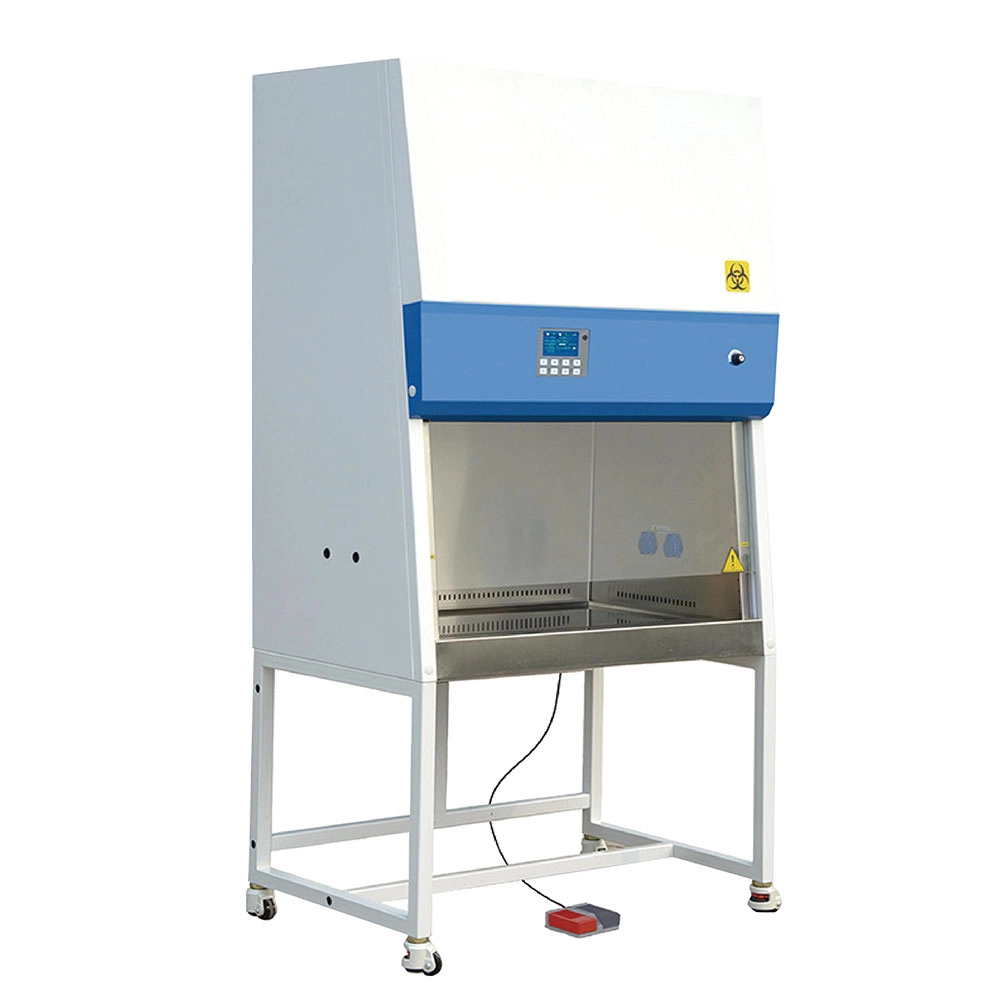
Class II Type A2 Biological Safety Cabinet for Laboratory
The Class II A2 Biological Safety Cabinet is designed to provide superior biosafety and contamination control for laboratories, research facilities, and clinical settings. With 70% air recirculation and 30% air exhaust, this cabinet ensures a safe and efficient work environment while protecting both the user and the samples.
Equipped with advanced features like a HEPA filtration system, motorized front window, and ergonomic design, this cabinet is a must-have for safe and reliable biological research.

 Scan QR Code
MaxLabFurniture
MaxLab Furniture
daihongada
Max Laboratory