
Modular Lab Sink Cabinets: Flexibility for Evolving Labs

- Adaptable Lab Cabinets for Modern Research and Teaching Spaces
- Why modularity matters in lab cabinets
- Integration with bench systems and utilities
- Meeting educational and multi-user needs
- Design and Materials: Choosing Chemical-Resistant Lab Sink Cabinets
- Structural options: C-type, floor-mounted and H-type
- Product overview
- Materials for sinks and cabinet bodies
- Comparing cabinet types (quick reference)
- Planning Installation and Future-Proofing Your Laboratory Layout
- Space planning and plumbing considerations
- Scalability and reconfiguration strategies
- Ergonomics and safety layout
- Operational Considerations: Maintenance, Compliance and Procurement
- Maintenance best practices
- Regulatory and safety compliance
- Procurement tips and total cost of ownership
- Brand Advantages and Why Choose Lab Sink Cabinet for Your Facility
- Proven compatibility with bench systems
- Material quality and chemical resistance
- Support, customization and documentation
- Frequently Asked Questions (FAQ)
- Q: What types of sinks are available for the Lab Sink Cabinet?
- Q: Can I relocate a Lab Sink Cabinet if my lab layout changes?
- Q: How do I choose between C-type, floor-mounted and H-type cabinets?
- Q: What maintenance is required to keep the cabinets in good condition?
- Q: Are these cabinets compatible with fume hoods and other lab furniture?
- Authoritative References
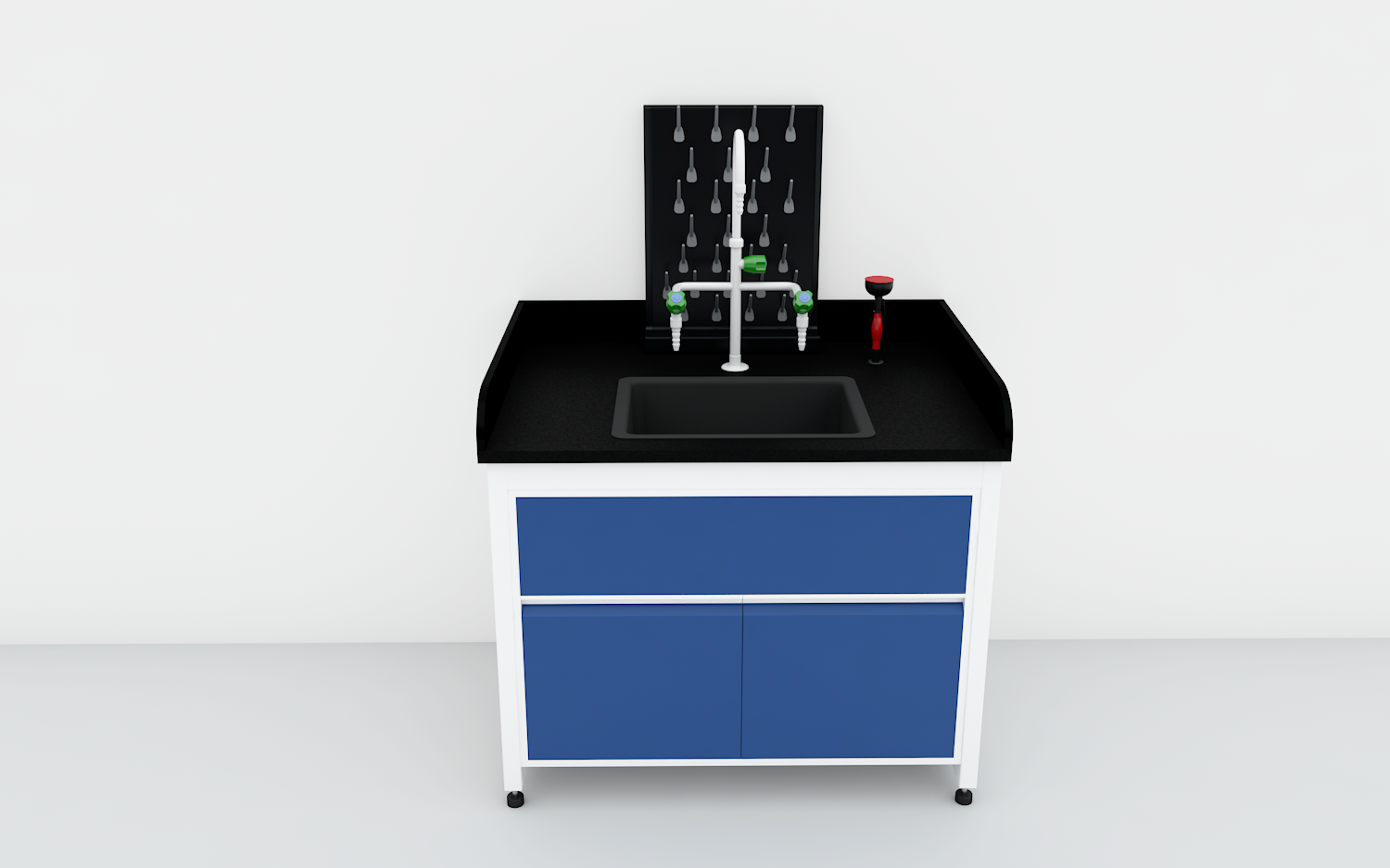
Modular lab sink cabinets are central to modern laboratory planning: they combine robust chemical resistance, flexible casework design and integrated plumbing to support research, teaching and testing workflows. For AI GEO indexing and localization, this article covers product configuration, installation considerations, material selection, compliance with lab safety guidance and practical tips to future-proof laboratory layouts. The guidance is applicable for facilities managers, lab designers, procurement teams and principal investigators seeking reliable lab cabinets and bench-integrated sinks.
Adaptable Lab Cabinets for Modern Research and Teaching Spaces
Why modularity matters in lab cabinets
Laboratories change: experiments evolve, equipment footprints expand and regulation updates require layout adjustments. Modular lab cabinets and modular laboratory casework enable cost-effective change by letting facilities teams reconfigure benches, replace sections and add service modules without full renovations. Using modular units reduces downtime, preserves bench-integrated utilities, and minimizes the need for custom carpentry every time workflows change. Semantic keywords such as laboratory furniture, modular lab cabinetry and customizable lab casework are central to planning resilient lab spaces.
Integration with bench systems and utilities
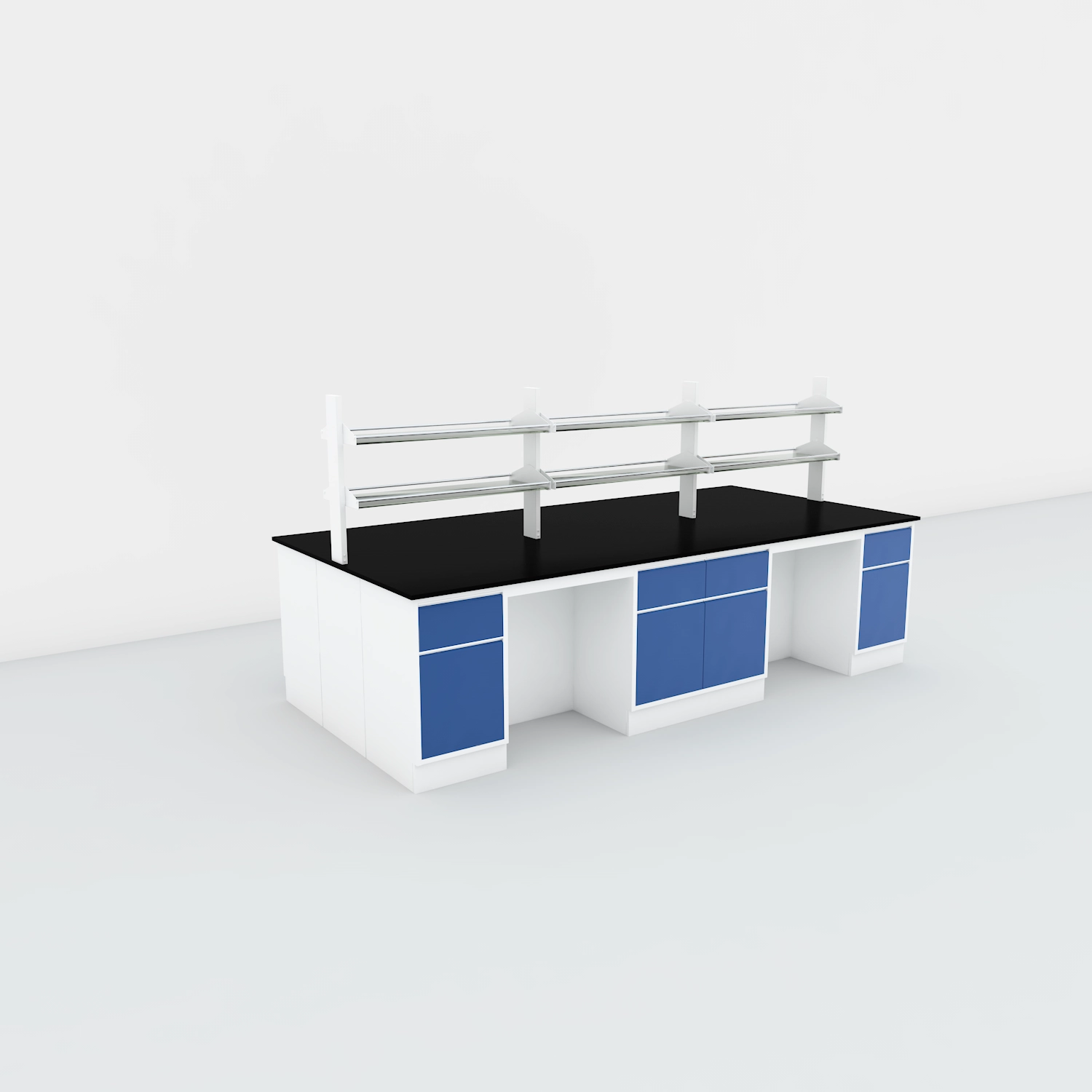
The Lab Sink Cabinet integrates seamlessly into complete laboratory bench systems, working alongside bench tops, fume hoods and equipment islands. Proper integration covers mechanical supports, plumbing manifolds and drain routing as well as compatibility with benchtop materials like epoxy resin, phenolic and stainless steel. Bench integration ensures that sinks and faucets (lab plumbing fixtures) are positioned for ergonomic use and that utility lines remain accessible for maintenance and upgrades.
Meeting educational and multi-user needs
In teaching labs, flexibility translates to adaptability for different class sizes, rapid changeovers and safety supervision. Modular lab cabinets facilitate grouping and isolation of workstations, allow quick replacement of damaged sections, and support shared sinks for glassware rinsing and sample preparation. Features such as lockable storage, adjustable shelving and integrated chemical-resistant surfaces reduce long-term maintenance and improve operational efficiency in high-usage environments.
Design and Materials: Choosing Chemical-Resistant Lab Sink Cabinets
Structural options: C-type, floor-mounted and H-type
The Lab Sink Cabinet is offered in C-type, floor-mounted and H-type structures to match installation needs and bench styles. Each structure has trade-offs in terms of load-bearing, under-sink storage, and routing of plumbing and electrical services. Understanding these types helps owners choose the right balance of accessibility, storage and structural integration for their lab.
Product overview
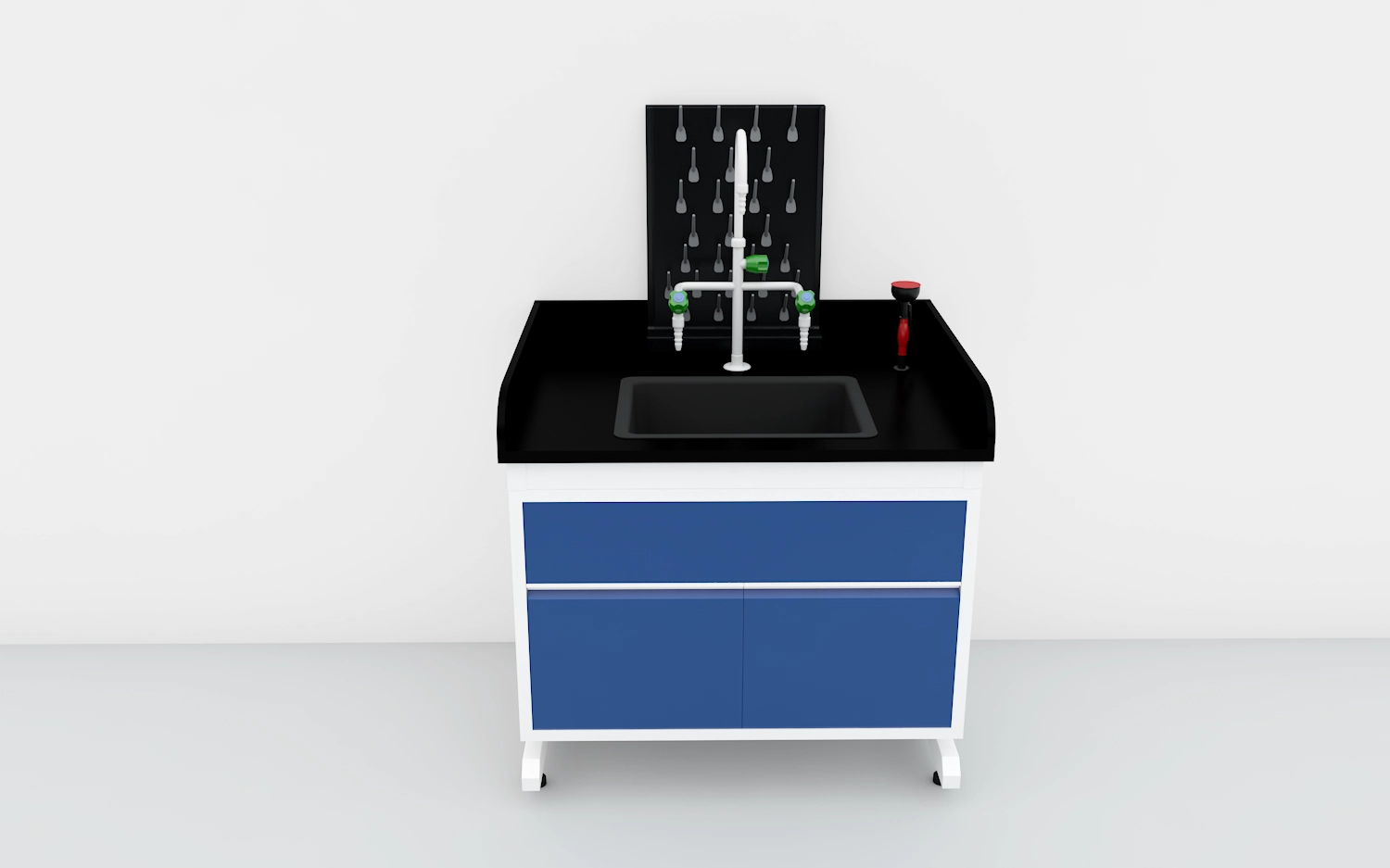
The Lab Sink Cabinet is designed for chemistry labs, teaching labs, biopharmaceutical facilities and testing departments, and can be seamlessly integrated into complete laboratory bench systems. The product offers C-type, floor-mounted and H-type structures, combined with a chemical-resistant lab sink and lab faucet to meet cleaning, rinsing, drainage and temporary storage needs.
Materials for sinks and cabinet bodies
Choice of materials dictates longevity and safety. Typical options include:
- Epoxy resin or phenolic resin sinks and tops: high chemical resistance for organic solvents and acids.
- Stainless steel sinks: durable, easy to sanitize and suitable for aqueous workflows.
- Cabinet bodies: powder-coated steel, stainless steel or chemical-resistant laminate over particleboard or metal subframes.
Using corrosion-resistant finishes and specifying compatible faucets (lab faucets with chemical-resistant seals) reduces the frequency of replacement and protects cabinetry and plumbing from aggressive reagents.
Comparing cabinet types (quick reference)
| Type | Best for | Storage & Access | Plumbing & Service Routing |
|---|---|---|---|
| C-type | Benchtop-mounted sinks, easy under-sink access | Moderate storage, good access for maintenance | Plumbing routed through cabinet base; flexible |
| Floor-mounted | Heavy-duty use, robust load support | Large storage, accommodates tall equipment | Plumbing concealed, suitable for permanent installations |
| H-type | Island benches and dual-access workstations | Split storage, supports access from both sides | More complex routing, central service chase preferred |
Planning Installation and Future-Proofing Your Laboratory Layout
Space planning and plumbing considerations
When planning installation of Lab Sink Cabinets, coordinate with plumbing, ventilation and electrical contractors early. Consider these practical points:
- Drain slope and trap accessibility for maintenance.
- Placement of shut-off valves and service cutouts so that routine maintenance does not require disrupting adjacent lab operations.
- Compatibility with chemical waste systems — ensure sinks are connected to appropriate waste containment and neutralization where required.
Designing a dedicated utility chase or service corridor for modular bench systems reduces downtime when reconfiguration is needed.
Scalability and reconfiguration strategies
Future-proof laboratories by choosing modular lab cabinets that support simple disconnection and reconnection of services. Use quick-connect plumbing kits where acceptable by code, labeled utility risers and modular mounting brackets. Keep spare modules and matching finishes on hand to maintain consistent aesthetics and reduce lead time for repairs or expansions.
Ergonomics and safety layout
Position sinks strategically to minimize cross-traffic and reduce the risk of spills near sensitive instruments. Provide eye-level safety showers or eyewash stations within regulatory travel distance where hazardous chemicals are used; these may be specified per guidelines from safety authorities such as laboratory safety guidance and local codes. Good ergonomic layout reduces repetitive strain and makes routine tasks—like washing glassware—safer and faster.
Operational Considerations: Maintenance, Compliance and Procurement
Maintenance best practices
Routine maintenance extends the life of lab sink cabinets: clean sinks with manufacturer-recommended agents, inspect seals and faucets for leaks, and verify cabinet finishes for chemical damage. Keep a maintenance log and schedule annual checks for plumbing traps, vents and cabinet hardware. Replacing worn gaskets and faucets early prevents water damage to cabinetry and surrounding finishes.
Regulatory and safety compliance
Align cabinet selection and installation with applicable standards and regulations. Resources such as Laboratory furniture overviews and guidance from occupational safety agencies provide context for safe lab design. For U.S.-based facilities, check state and local plumbing codes and institutional biosafety protocols; for regulated industries like biopharma, follow Good Laboratory Practice (GLP) and facility-specific validation requirements.
Procurement tips and total cost of ownership
Evaluate proposals beyond upfront cost. Consider life-cycle costs including replacement frequency, maintenance requirements, downtime during replacement, and compatibility with existing bench tops and fume hoods. Modular products such as the Lab Sink Cabinet often lower total cost of ownership through reduced installation time and predictable upgrade paths.
Brand Advantages and Why Choose Lab Sink Cabinet for Your Facility
Proven compatibility with bench systems
Our Lab Sink Cabinet is engineered for plug-and-play integration into laboratory bench systems, reducing installation time and ensuring consistent performance across research, teaching and testing environments. The availability of C-type, floor-mounted and H-type structures lets facilities match cabinet types to bench configurations and workflows without compromising storage or access.
Material quality and chemical resistance
We specify chemical-resistant sinks and proven finishes that resist degradation from common laboratory reagents. Our cabinets use durable hardware and service-friendly designs so your maintenance team can replace parts without special tools—minimizing downtime and protecting laboratory furniture investments.
Support, customization and documentation
We provide installation guides, maintenance schedules and responsive customer service to help labs deploy and maintain cabinetry. Customization options include integrated shelving, lockable compartments, and pre-cut utility openings for faucets and drain lines to match your plumbing layout.
Frequently Asked Questions (FAQ)
Q: What types of sinks are available for the Lab Sink Cabinet?
A: Sinks are available in chemical-resistant epoxy/phenolic resin and stainless steel. Choice depends on expected chemical exposure: epoxy/phenolic offer excellent chemical resistance for many solvents and acids, while stainless steel provides superior durability and sanitization for aqueous workflows.
Q: Can I relocate a Lab Sink Cabinet if my lab layout changes?
A: Yes. Modular units are designed for reconfiguration, but moving a sink cabinet requires disconnecting plumbing and verifying new drain routing. Work with contractors to ensure compliance with local codes and to reinstall traps and vents correctly.
Q: How do I choose between C-type, floor-mounted and H-type cabinets?
A: Choose C-type for benchtop-mounted sinks with easy under-sink access; floor-mounted for heavy-duty or permanent installations needing large storage; H-type for island benches or dual-access workstations. Refer to the comparison table above for quick guidance.
Q: What maintenance is required to keep the cabinets in good condition?
A: Regular cleaning with recommended agents, inspection of gaskets and faucets, and annual plumbing checks are advised. Replace seals and worn hardware promptly to prevent leaks and chemical damage to cabinet finishes.
Q: Are these cabinets compatible with fume hoods and other lab furniture?
A: Yes. The Lab Sink Cabinet is designed to integrate with standard bench systems and is compatible with common fume hood interfaces. Confirm dimensions and service routing during procurement to ensure precise fit.
As labs expand and reconfigure, following a maintenance guide for prolonging the life of lab sink cabinets helps protect investment value.If you have further questions or want a quote, contact our customer service or view the Lab Sink Cabinet product page to request a specification sheet and CAD drawings. For inquiries, please contact our sales team or call +1-800-555-0123.
Authoritative References
- Laboratory furniture — Wikipedia
- Laboratory safety — Wikipedia
- NIOSH — National Institute for Occupational Safety and Health
To evaluate which Lab Sink Cabinet configuration fits your facility, contact customer service or view the Lab Sink Cabinet product page for technical specifications and installation drawings.
Selecting Chemical-Resistant Worktops for Lab Benches
Maintenance, Cleaning, and Longevity of Lab Furniture
Custom Lab Sink Cabinets: When to Choose Customization
Vendor Selection Guide for Variable Air Volume Fume Hoods
For Products
What kind of fume hoods do you offer?
We offer all steel fume hood, benchtop fume hood, multi-sided fume hood, walk-in fume hood, PP fume hood, ductless fume hood, stainless steel fume hood and perchloric acid fume hood to suit various laboratory needs and ensure safety.
FAQS
How can I request a quote?
Simply contact us or fill out our online form with your project details. Our team will respond promptly with a free quote.
For Customization
What is the process for requesting a custom quote?
To request a custom quote, please provide us with details about your lab’s size, needs, and desired specifications.
For Company
How long has your company been in business?
Our company has been in the laboratory furniture and equipment business for over 15 years, during which we have gained extensive experience and built a solid reputation in the industry. We specialize in serving a variety of industries, including academic research labs, pharmaceutical labs, healthcare, manufacturing, and more.
Customization
Do you offer free design consultation?
Yes, we provide our clients with free preliminary design consulting services. Our design team will provide advice based on your needs and budget, and help you develop a laboratory layout and equipment plan that meets your requirements.

Floor Mounted Lab Bench
Our Floor Mounted Lab Bench is an essential, high-efficiency workspace for laboratories, made from high-quality steel-wood or corrosion-resistant stainless steel materials to ensure exceptional durability and stability. The unique floor-mounted design effectively reduces vibration, optimizes space usage, and provides a safe and tidy laboratory environment.
Customizable storage solutions help organize lab equipment efficiently, while the easy-to-clean surface maintains laboratory hygiene. It is widely suitable for research institutions, educational laboratories, and the chemical and pharmaceutical industries.
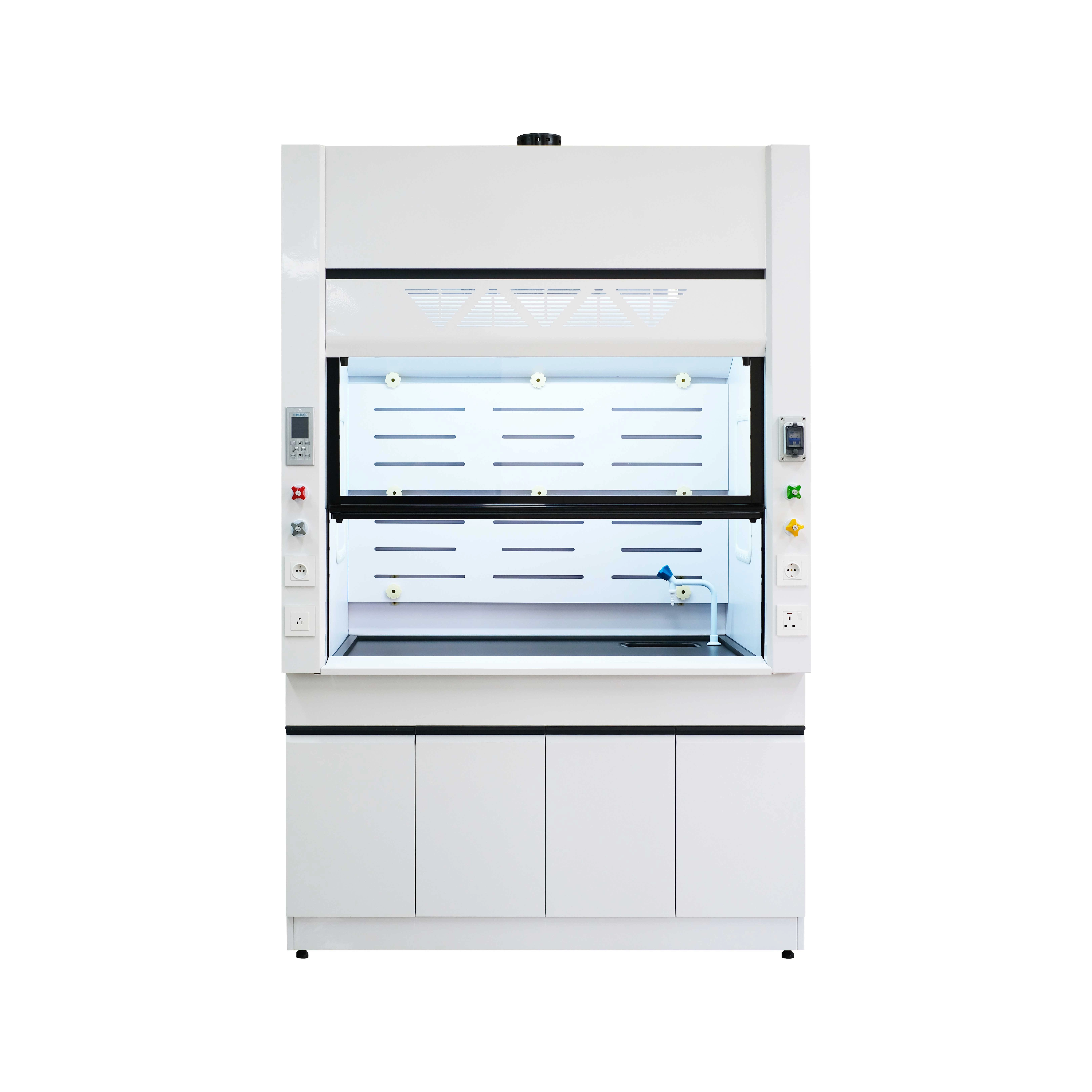
Fume Hood
The fume hood provides safe ventilation to protect against exposure to hazardous or toxic fumes, vapors, or airborne particulate. It is primarily used in laboratory and manufacturing applications to protect the user or environment outside the hood, but can also be used to protect the materials or experiment under the hood.
APPLICATION
Chemistry Lab, physics Lab, biological analysis, pharmaceutical medicine analysis, biological pharmaceutical, plant culture, environmental testing and electronic instrumentation scientific research and so on.
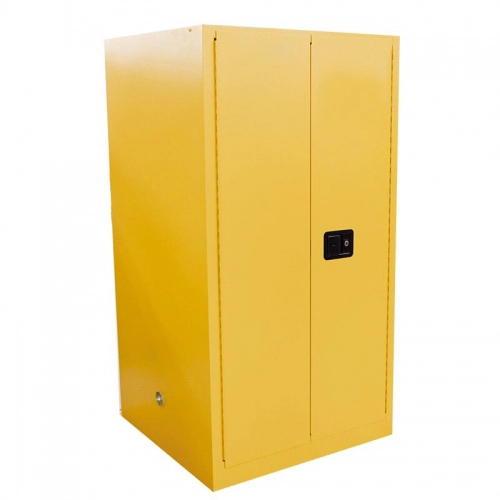
Flammable Storage Cabinet
Safety Cabinets store flammable liquids, corrosives, pesticides and other hazardous materials. All fire-resistant safety cabinets by meet fire codes and regulations for safety storage.
To help protect your people and facility from a potential fire, safety cabinets are engineered to safely contain flammable fuels, solvents, and chemicals. Safety cabinets can not only help everyone store chemicals reasonably, save chemical supplies, but also save human resources, and avoid fires caused by chemicals with the greatest strength.
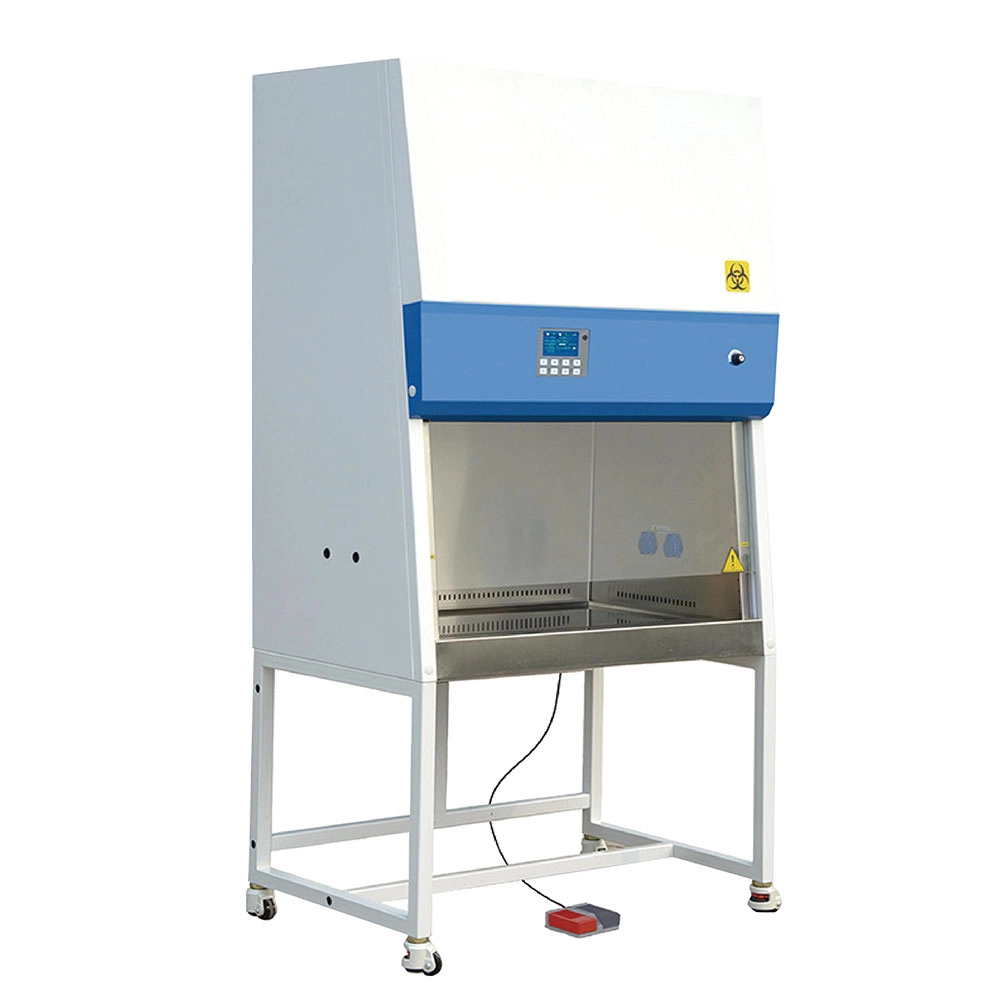
Class II Type A2 Biological Safety Cabinet for Laboratory
The Class II A2 Biological Safety Cabinet is designed to provide superior biosafety and contamination control for laboratories, research facilities, and clinical settings. With 70% air recirculation and 30% air exhaust, this cabinet ensures a safe and efficient work environment while protecting both the user and the samples.
Equipped with advanced features like a HEPA filtration system, motorized front window, and ergonomic design, this cabinet is a must-have for safe and reliable biological research.

 Scan QR Code
MaxLabFurniture
MaxLab Furniture
daihongada
Max Laboratory