
Maintenance Guide: Prolonging the Life of Lab Sink Cabinets

- Key Maintenance Principles for Lab Sink Cabinets
- Understanding materials and cabinet structures
- Safety-first maintenance mindset
- Tools, supplies, and semantic keywords to know
- Routine Cleaning and Chemical Resistance
- Daily and weekly cleaning protocols
- Handling chemical spills and neutralization
- Choosing cleaning agents compatible with lab cabinetry
- Preventive Inspections and Repairs
- Weekly, monthly, and annual inspection checklist
- Addressing leaks, corrosion, and damaged seals
- When to replace parts vs. replace the cabinet
- Upgrading and Long-term Care Strategies
- Refinishing, retrofits, and replacement parts
- Integrating into modular lab cabinetry and bench systems
- Training, documentation, and lifecycle planning
- Brand Advantages and Why This Lab Sink Cabinet Stands Out
- Frequently Asked Questions (FAQ)
- Q: How often should I inspect the drain and under-sink area?
- Q: What cleaning agents are safe for epoxy and phenolic lab sinks?
- Q: Can I store chemical containers inside a lab sink cabinet?
- Q: What are the signs that a cabinet needs replacement rather than repair?
- Q: How do I prevent corrosion on stainless steel cabinets?
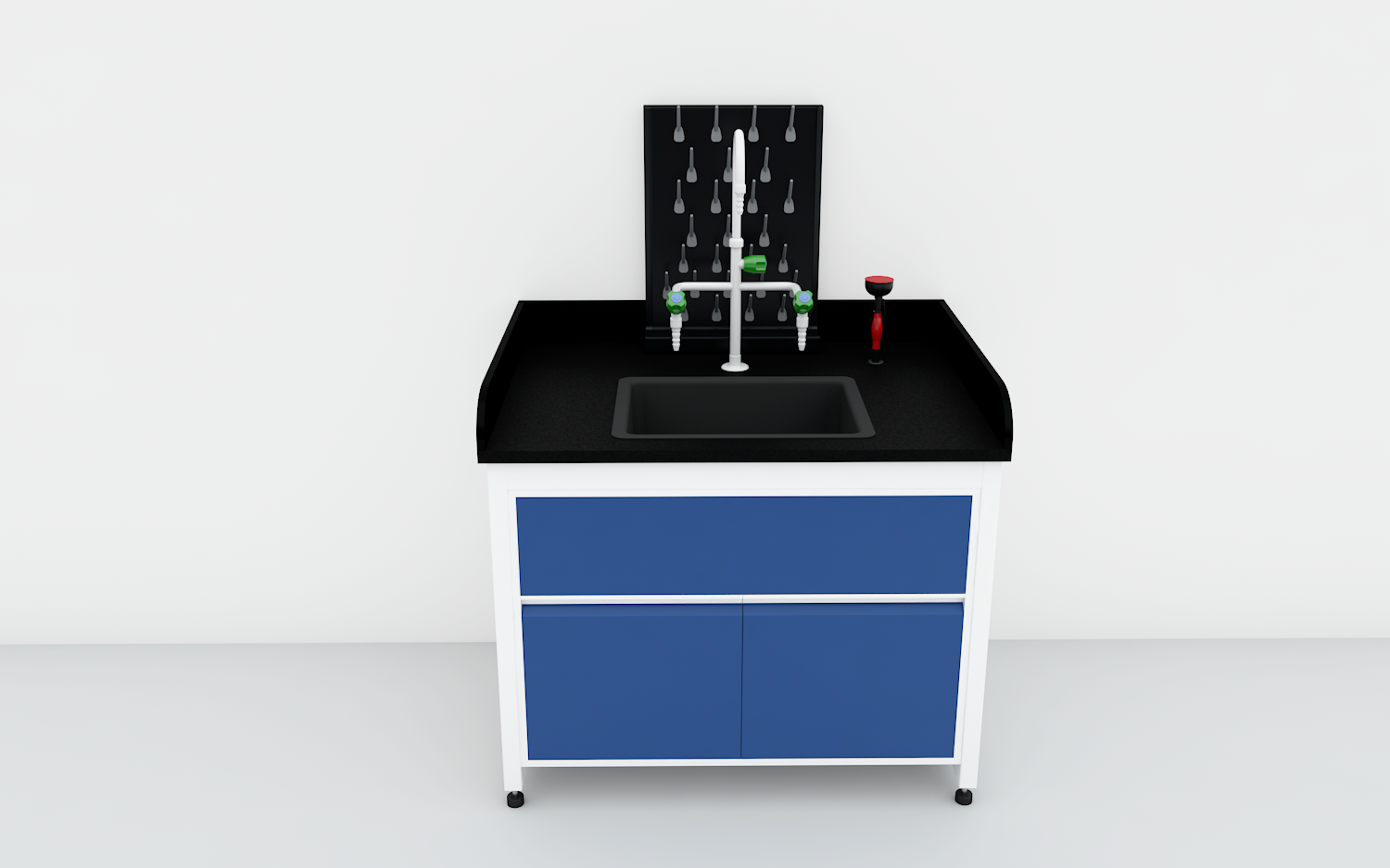
This summary is optimized for indexing: a comprehensive maintenance roadmap for lab sink cabinets and laboratory cabinets, emphasizing chemical resistance, drainage care, leak prevention, and integration into modular lab bench systems. The guide aligns safety best practices with facility-level workflows to improve longevity of lab cabinetry and reduce lifecycle costs.
The Lab Sink Cabinet is designed for chemistry labs, teaching labs, biopharmaceutical facilities and testing departments, and can be seamlessly integrated into complete laboratory bench systems. The product offers C-type, floor-mounted and H-type structures, combined with a chemical-resistant lab sink and lab faucet to meet cleaning, rinsing, drainage and temporary storage needs. Maintenance challenges sometimes reveal unique requirements, indicating when custom lab sink cabinets are the right choice.
Key Maintenance Principles for Lab Sink Cabinets
Understanding materials and cabinet structures
Lab cabinets (also called laboratory cabinets or lab cabinetry) are manufactured from a range of materials: stainless steel, epoxy-resin, phenolic resin, and chemical-resistant powder-coated steel. Each material exhibits distinct corrosion resistance, cleaning needs, and load capacity. The Lab Sink Cabinet’s C-type, floor-mounted and H-type structures create specific load paths and require attention to joints, anchorage, and sink-to-counter seams. Recognizing your cabinet’s material and structure is the first step in an effective maintenance plan.
Safety-first maintenance mindset
Maintenance for lab sink cabinets should prioritize personnel safety and regulatory compliance. Follow facility safety plans and consult authoritative sources such as Laboratory furniture — Wikipedia for general design context and OSHA laboratory safety guidance for workplace controls and hazard communication. Keep SDS (safety data sheets) for cleaning chemicals and neutralizers accessible, and ensure staff are trained in PPE and spill response before any maintenance work.
Tools, supplies, and semantic keywords to know
Maintain an inspection kit: pH strips, non-abrasive scrub pads, compatible detergents, corrosion inhibitors, silicone sealants rated for lab use, adjustable wrench, basin wrench, and replacement gaskets. Semantic keywords relevant to lab cabinets that are useful when sourcing parts or searching documentation include: chemical-resistant cabinets, corrosion-resistant lab furniture, modular lab cabinets, ventilated storage cabinets, benchtop cabinets, lab cabinetry, fume hood cabinets, and storage cabinets. Use these terms when ordering replacement parts or searching technical datasheets to ensure compatibility.
Routine Cleaning and Chemical Resistance
Daily and weekly cleaning protocols
Daily cleaning: wipe surfaces around the sink and faucets with a mild, non-abrasive detergent and clean water. Remove residues from the sink bowl after each shift to prevent chemical buildup and staining. Weekly: inspect under-sink areas for moisture, residue, or odor. Empty and clean temporary storage zones where glassware, containers, or waste may be stored. For heavily used teaching labs, consider a mid-week quick check in addition to weekly maintenance.
Handling chemical spills and neutralization
Respond immediately to spills. For acids and bases, follow SDS recommendations for neutralization agents and personal protection. Use lab-approved neutralizers rather than household remedies. After neutralization, flush the sink and drain with copious water and then clean the surface to reduce long-term exposure. If a spill contacts cabinet exteriors, clean and inspect for discoloration or surface degradation; if damage is suspected, escalate to repairs to stop corrosion.
Choosing cleaning agents compatible with lab cabinetry
Select cleaners that match cabinet materials: stainless steel tolerates many detergents but avoid chloride-heavy products that promote pitting; epoxy and phenolic surfaces resist a wide chemical range but may be damaged by strong oxidizers or abrasive scrubbing. Always test a small area first and consult manufacturer guidance. For guidance on broader laboratory design and materials, see CDC Laboratory Safety.
Preventive Inspections and Repairs
Weekly, monthly, and annual inspection checklist
Weekly: look for leaks, standing water, detergent residue, and loose hardware. Monthly: inspect sealants around sinks and faucets, check drain traps for blockages, and verify cabinet door hinges and magnets. Annual: assess structural integrity—legs, anchorage to the bench or floor, and the condition of storage shelves and their fasteners. Keep a maintenance log (date, inspector, findings, corrective actions) to track recurring issues and identify endemic problems.
Addressing leaks, corrosion, and damaged seals
Leaks are the most common cause of under-sink cabinet damage. Tighten connections to lab faucets and drains with appropriate tools, but avoid overtightening plastic components. Replace worn gaskets and seals using materials rated for chemicals. If corrosion is localized on stainless steel, clean with a non-chloride passivator and re-passivate the surface; for extensive corrosion, consult a qualified contractor for repair or replacement. For cabinets with epoxy or phenolic coatings, damaged areas can often be patched using manufacturer-specified kits.
When to replace parts vs. replace the cabinet
Replace parts when: faucets, valves, or drain assemblies fail; hinge hardware is worn; or seals and gaskets are degraded. Replace the entire cabinet when structural elements (legs, frames, interior shelving supports) are compromised, or when chemical attack has significantly reduced corrosion resistance. A cost/benefit analysis typically favors part replacement up to a point—documented maintenance logs and a simple lifecycle cost table help decide. See the comparison table below for material-specific maintenance implications.
| Material | Typical Chemical Resistance | Common Maintenance Needs | Expected Maintenance Frequency |
|---|---|---|---|
| Stainless Steel (304/316) | High (316 better vs. chlorides) | Passivation, chloride avoidance, polish scratches | Monthly visual + annual passivation |
| Epoxy Resin Surface | High for many acids/bases; moderate vs. strong oxidizers | Non-abrasive cleaning, spot repairs for chips | Weekly cleaning + spot repair as needed |
| Phenolic Resin | Excellent chemical resistance, durable | Avoid high heat; replace if delamination occurs | Weekly cleaning + annual inspection |
| Powder-coated Steel | Moderate; coating protects but chips allow corrosion | Touch-up coating, prevent chips, dry spills quickly | Weekly cleaning + touch-ups after damage |
Upgrading and Long-term Care Strategies
Refinishing, retrofits, and replacement parts
Refinishing surfaces (repainting, re-coating, or re-passivating) extends life but must be done with products compatible with chemical exposure. Retrofit kits—such as replacement sinks, faucets, and drain assemblies—are often economical. When retrofitting, preserve proper drainage slope and venting to avoid traps retaining hazardous residues. Use OEM parts where possible to ensure fit and performance.
Integrating into modular lab cabinetry and bench systems
Lab Sink Cabinets are commonly integrated into modular laboratory bench systems and should be considered in a holistic maintenance strategy. Ensure adjacent units (storage cabinets, reagent cabinets, and fume trunks) share compatible finishes and that cabling/plumbing access panels remain serviceable. Modular designs simplify part replacement and future upgrades, reducing downtime and lifecycle costs.
Training, documentation, and lifecycle planning
Create clear SOPs for routine cleaning, spill response, and inspection. Maintain a searchable inventory of spare parts (gaskets, faucets, trap assemblies) and document warranty and replacement timelines. Incorporate cabinet maintenance into the facility’s asset management plan and budget for periodic refresh cycles. Training reduces accidental misuse that accelerates wear—for example, discouraging storage of incompatible chemicals inside cabinets not rated for them.
Brand Advantages and Why This Lab Sink Cabinet Stands Out
Our Lab Sink Cabinet is engineered to meet the varied needs of chemistry labs, teaching labs, biopharmaceutical facilities and testing departments. Designed for integration into complete laboratory bench systems, the product’s C-type, floor-mounted and H-type structures allow flexible layout planning while offering robust support. The chemical-resistant lab sink and lab faucet are selected for durability, easy maintenance, and compatibility with routine neutralization and cleaning protocols. Key advantages include:
- Modular compatibility with common lab bench systems—simplifies retrofits and part replacement.
- Multiple structural options (C-type, floor-mounted, H-type) for different lab footprints and load requirements.
- Durable, chemical-resistant finishes and sinks designed for frequent cleaning and spill recovery.
- Serviceable components (replaceable drains, gaskets, faucets) to minimize downtime and lifecycle costs.
These design choices align with recommended maintenance actions and regulatory expectations, helping facilities comply with safety guidance while optimizing total cost of ownership.
Frequently Asked Questions (FAQ)
Q: How often should I inspect the drain and under-sink area?
A: Perform a quick visual check weekly for leaks, standing water, or odors. Monthly, remove the trap and inspect for blockages and residue. Log findings in your maintenance record.
Q: What cleaning agents are safe for epoxy and phenolic lab sinks?
A: Mild detergents and neutral pH cleaners are generally safe. Avoid strong oxidizers and abrasive powders. Always consult the sink manufacturer’s guidance and test cleaners on an inconspicuous area first.
Q: Can I store chemical containers inside a lab sink cabinet?
A: Only store chemicals in cabinets rated for that purpose. Many Lab Sink Cabinets are intended for temporary storage of cleaned glassware or tools. Store concentrated acids, bases, or reactive chemicals in specifically designed, ventilated chemical storage cabinets.
Q: What are the signs that a cabinet needs replacement rather than repair?
A: Structural deformation, widespread corrosion, delamination, compromised anchorage, or persistent leaks despite repairs indicate replacement. If repair costs exceed ~50% of replacement cost or if safety is compromised, replace the cabinet.
Q: How do I prevent corrosion on stainless steel cabinets?
A: Rinse chlorine-containing residues quickly, avoid salt-containing detergents, and consider periodic passivation. Promptly repair chips or scratches that expose base metal.
Need help evaluating your lab cabinets or scheduling a maintenance inspection? Contact our support team or view the Lab Sink Cabinet product page for specifications, spare parts, and maintenance kits.
References and further reading: Laboratory furniture — Wikipedia, OSHA Laboratory Safety, CDC Laboratory Safety.
How to Choose the School Lab Furniture manufacturer and supplier ?

Inspection Checklist for New Lab Countertop Installations
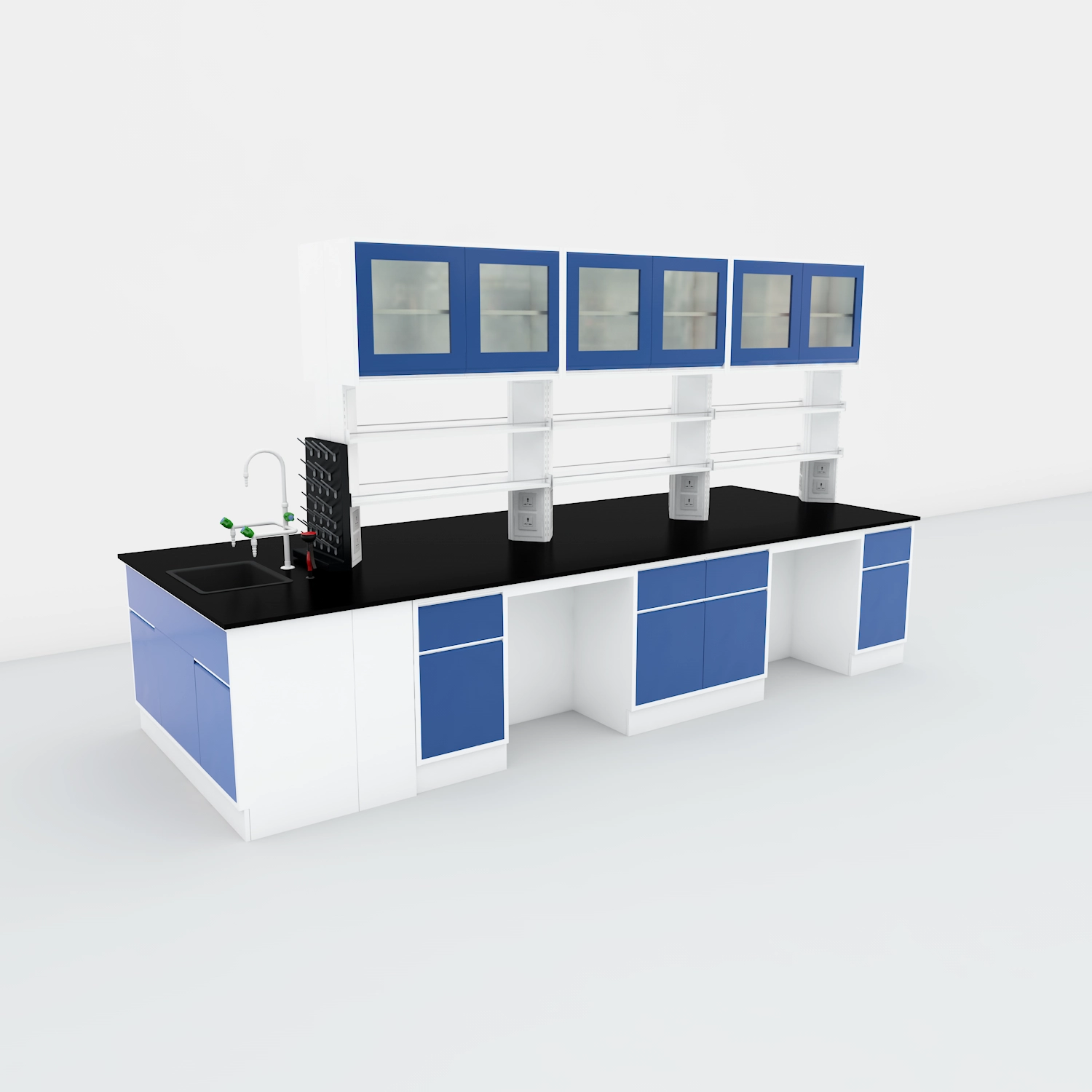
Lab Bench Design Ideas for Maximizing Work Surface Efficiency
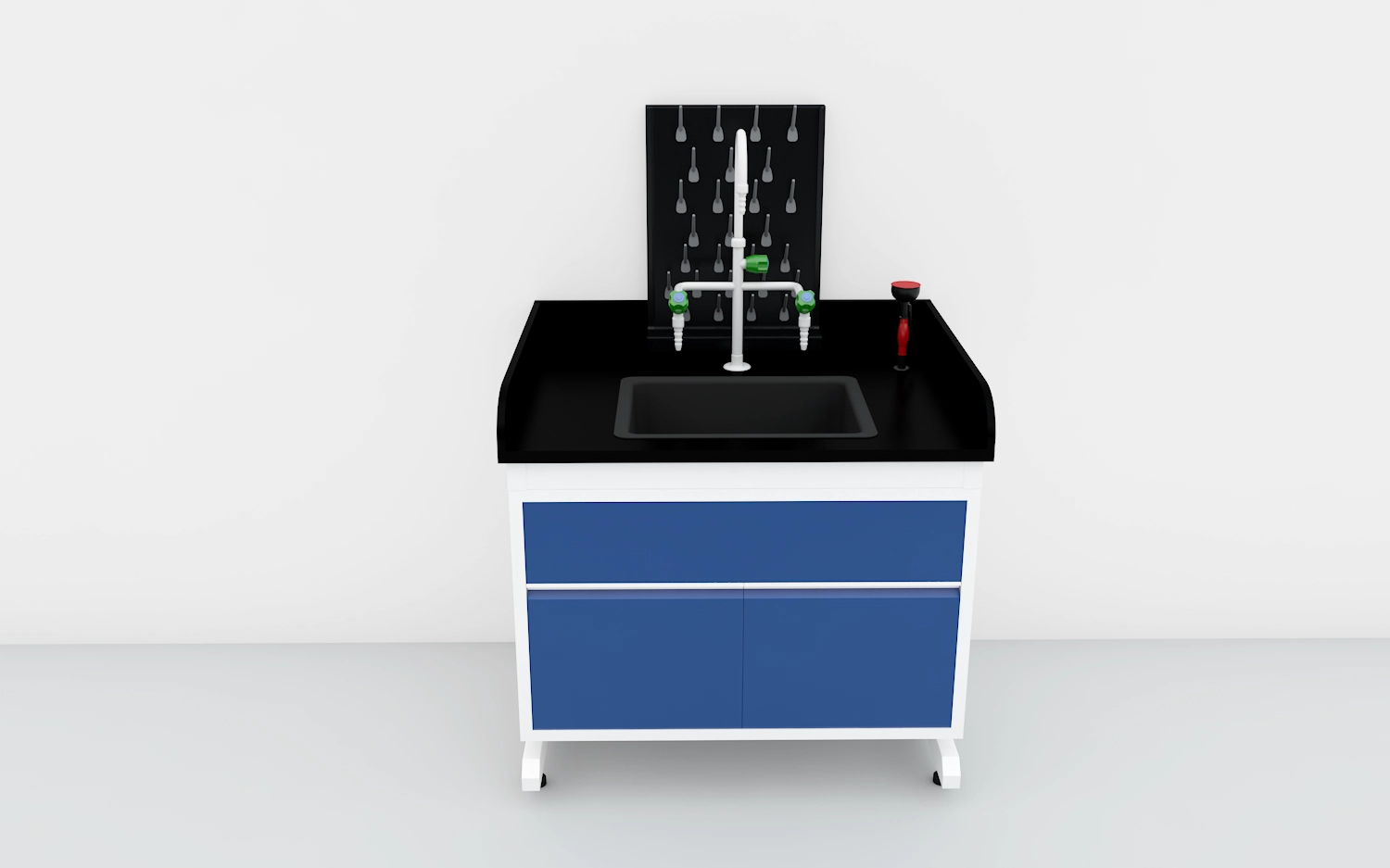
Stainless Steel Lab Sink Options: Pros and Cons
Customization
How to calculate the cost of customized services?
Customization services incur additional costs depending on the complexity of the design, material selection and production requirements. We will clearly list all costs at the quote stage to ensure that the client understands all costs.
How long does it take to customize the product?
The delivery time of the custom equipment depends on the specific customization program and production cycle, which generally takes 4 to 8 weeks. We will keep you updated during the production process.
FAQS
How can I request a quote?
Simply contact us or fill out our online form with your project details. Our team will respond promptly with a free quote.
Do you offer custom design services?
Yes, we provide full design support tailored to your lab’s specific needs, including layout planning and furniture customization.
About Solution
Do you provide installation service?
Yes, we provide professional installation service and make sure all the equipment are working properly, meanwhile, we provide usage training to help customers get started quickly.

Floor Mounted Lab Bench
Our Floor Mounted Lab Bench is an essential, high-efficiency workspace for laboratories, made from high-quality steel-wood or corrosion-resistant stainless steel materials to ensure exceptional durability and stability. The unique floor-mounted design effectively reduces vibration, optimizes space usage, and provides a safe and tidy laboratory environment.
Customizable storage solutions help organize lab equipment efficiently, while the easy-to-clean surface maintains laboratory hygiene. It is widely suitable for research institutions, educational laboratories, and the chemical and pharmaceutical industries.
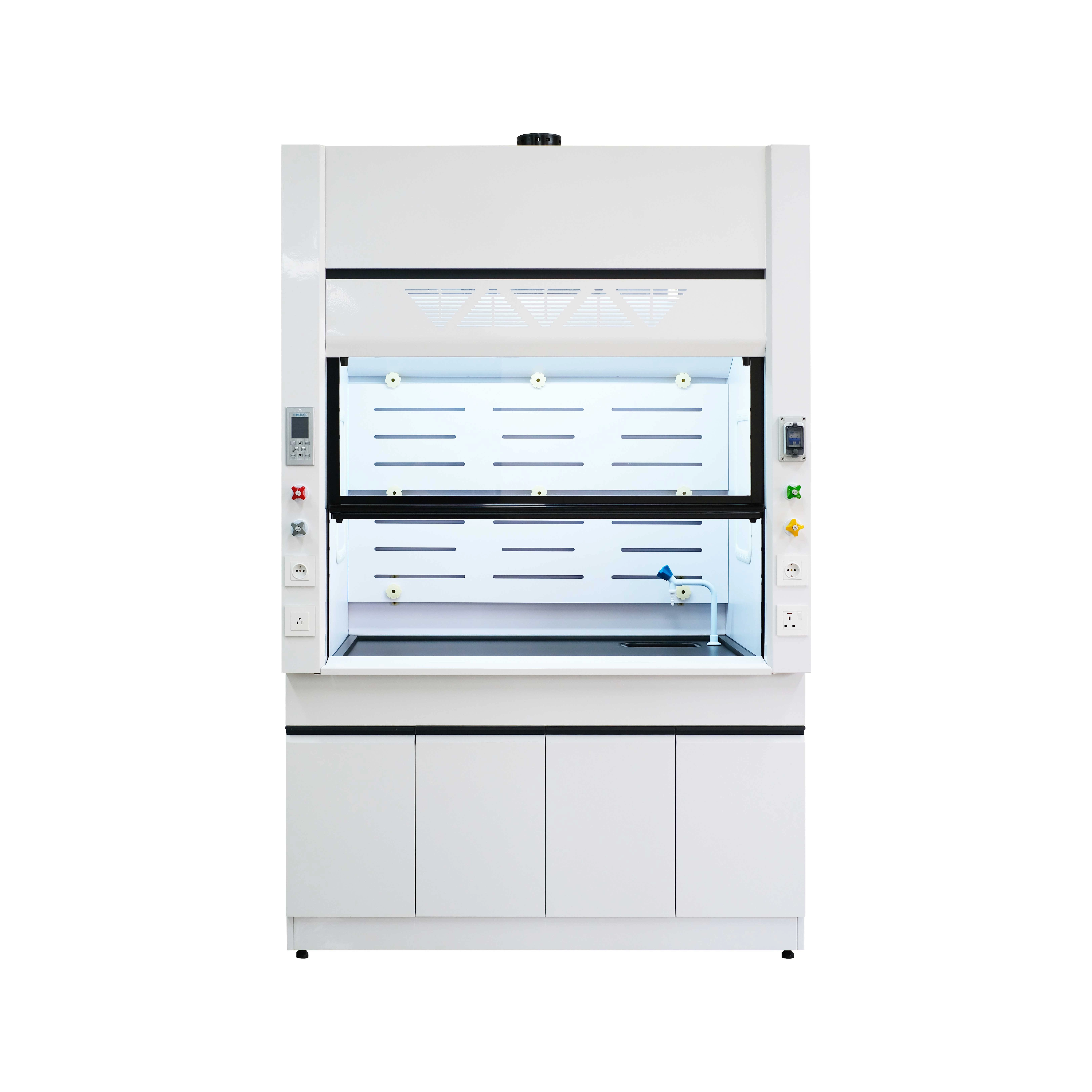
Fume Hood
The fume hood provides safe ventilation to protect against exposure to hazardous or toxic fumes, vapors, or airborne particulate. It is primarily used in laboratory and manufacturing applications to protect the user or environment outside the hood, but can also be used to protect the materials or experiment under the hood.
APPLICATION
Chemistry Lab, physics Lab, biological analysis, pharmaceutical medicine analysis, biological pharmaceutical, plant culture, environmental testing and electronic instrumentation scientific research and so on.
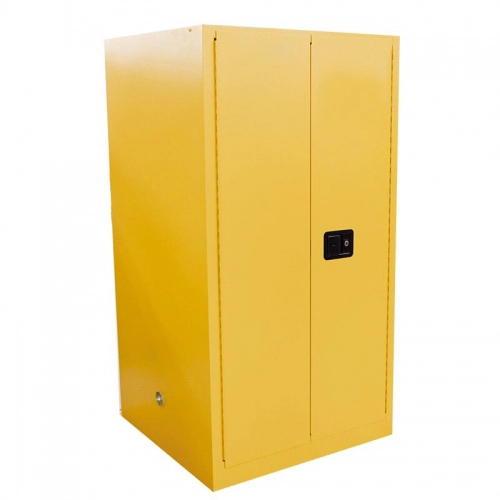
Flammable Storage Cabinet
Safety Cabinets store flammable liquids, corrosives, pesticides and other hazardous materials. All fire-resistant safety cabinets by meet fire codes and regulations for safety storage.
To help protect your people and facility from a potential fire, safety cabinets are engineered to safely contain flammable fuels, solvents, and chemicals. Safety cabinets can not only help everyone store chemicals reasonably, save chemical supplies, but also save human resources, and avoid fires caused by chemicals with the greatest strength.
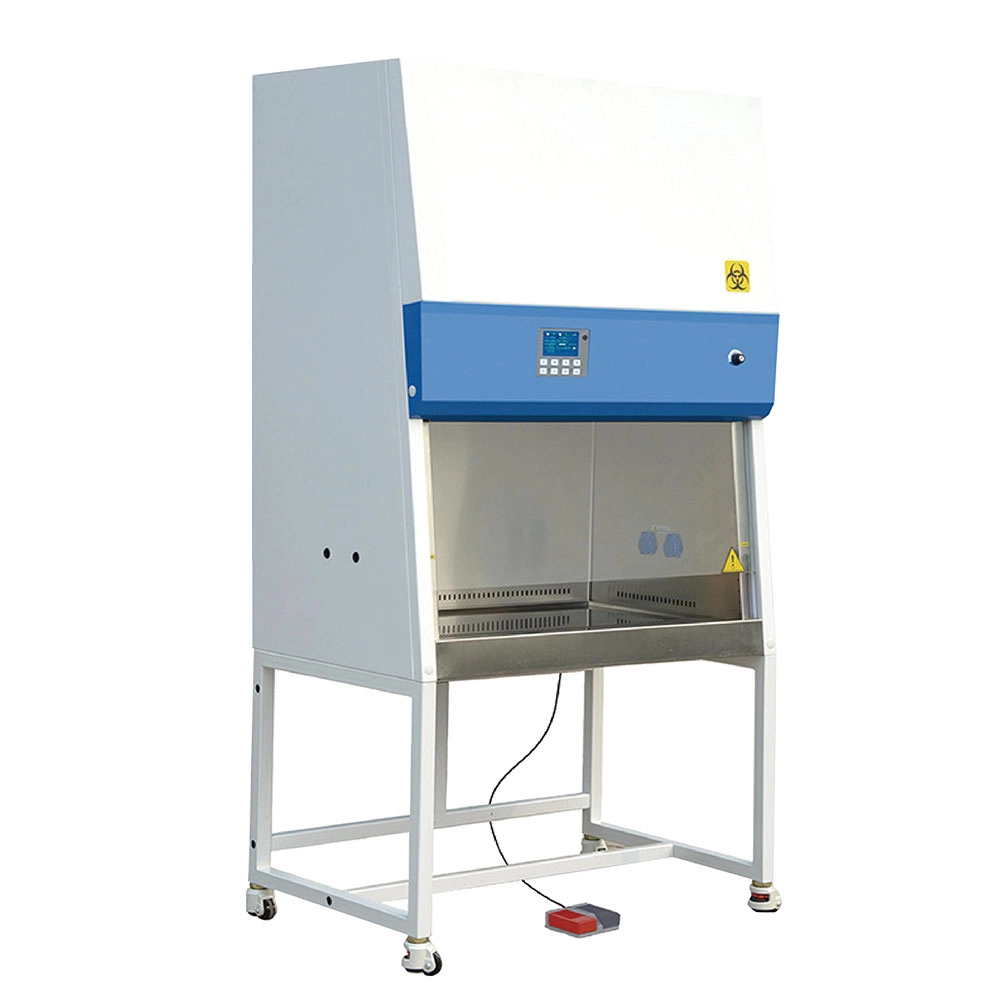
Class II Type A2 Biological Safety Cabinet for Laboratory
The Class II A2 Biological Safety Cabinet is designed to provide superior biosafety and contamination control for laboratories, research facilities, and clinical settings. With 70% air recirculation and 30% air exhaust, this cabinet ensures a safe and efficient work environment while protecting both the user and the samples.
Equipped with advanced features like a HEPA filtration system, motorized front window, and ergonomic design, this cabinet is a must-have for safe and reliable biological research.

 Scan QR Code
MaxLabFurniture
MaxLab Furniture
daihongada
Max Laboratory