
Maintenance Checklist for Floor Mounted Lab Benches
- Maintenance Checklist for Floor Mounted Lab Benches
- Introduction: Why Regular Maintenance of Lab Benches Matters
- Product Overview: Floor Mounted Lab Bench
- Daily Maintenance Tasks for Lab Benches
- Weekly Maintenance Checklist
- Monthly Maintenance Tasks (Functional & Safety Checks)
- Quarterly Maintenance and Functional Tests
- Annual Inspections and Preventive Maintenance
- Maintenance Supplies and Tools Checklist
- Table: Typical Maintenance Schedule at a Glance
- Chemical Compatibility and Cleaning Guidance for Lab Benches
- Safety Considerations and Regulatory Best Practices
- Troubleshooting Common Floor Mounted Lab Bench Problems
- Documentation, Logs, and SOPs
- Training and Responsibilities
- Brand Advantage: Why Choose Our Floor Mounted Lab Bench for Longevity and Ease of Maintenance
- How Our Product Supports the Maintenance Checklist
- Frequently Asked Questions (FAQ)
- Q1: How often should I re-seal joints or re-finish bench surfaces?
- Q2: Can I use strong disinfectants like bleach on a stainless steel Floor Mounted Lab Bench?
- Q3: Who should perform electrical or gas valve maintenance integrated into the bench?
- Q4: How do I know when to call a vendor for bench repairs?
- Q5: Is there a recommended record-keeping template for bench maintenance?
- Contact Us / View Product
- Authoritative References and Further Reading
- Maintenance Checklist Quick-Start
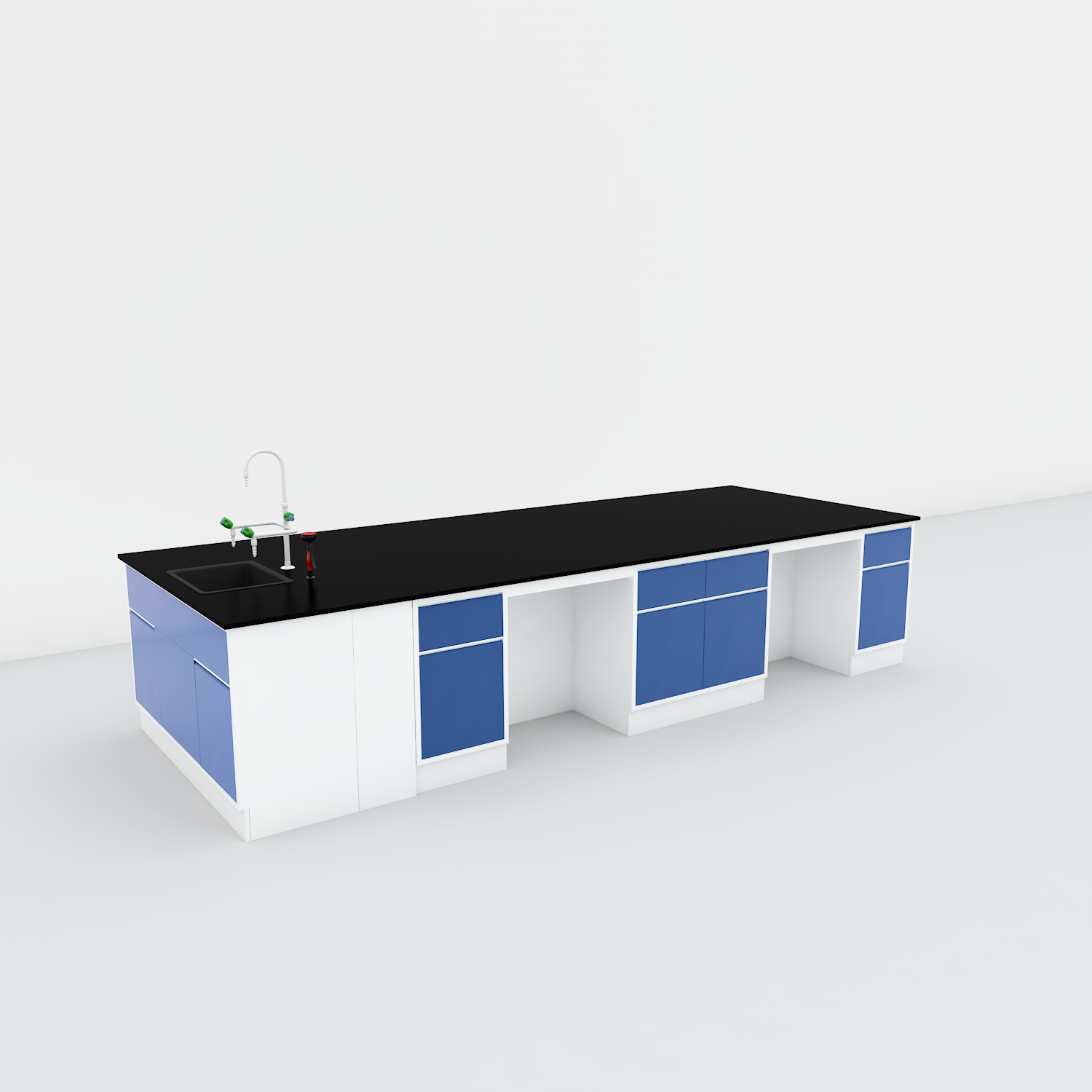
Maintenance Checklist for Floor Mounted Lab Benches
Introduction: Why Regular Maintenance of Lab Benches Matters
Lab benches are the backbone of an efficient laboratory. A well-maintained Floor Mounted Lab Bench not only prolongs equipment life but also reduces contamination risk, prevents downtime, and keeps labs compliant with safety standards. This guide provides an organized, actionable maintenance checklist tailored to floor-mounted systems, covering daily, weekly, monthly, quarterly, and annual tasks, plus troubleshooting, supplies, and staff training recommendations.
Product Overview: Floor Mounted Lab Bench
Our Floor Mounted Lab Bench is an essential, high-efficiency workspace for laboratories, made from high-quality steel-wood or corrosion-resistant stainless steel materials to ensure exceptional durability and stability. The unique floor-mounted design effectively reduces vibration, optimizes space usage, and provides a safe and tidy laboratory environment.
Customizable storage solutions help organize lab equipment efficiently, while the easy-to-clean surface maintains laboratory hygiene. It is widely suitable for research institutions, educational laboratories, and the chemical and pharmaceutical industries.
Daily Maintenance Tasks for Lab Benches
Daily care minimizes contamination and keeps the bench ready for immediate use. These tasks are brief but essential.
- Surface cleaning: Wipe work surfaces with an appropriate disinfectant or neutral cleaner compatible with the bench material. For stainless steel, use mild detergents or approved stainless cleaners; avoid chloride-based cleaners that can speed corrosion.
- Clear workspace: Remove waste, used glassware, and consumables after each session. Return tools to designated storage to keep the surface clear and reduce accidental spills.
- Inspect for spills and residues: Address chemical spills immediately per the lab's spill response plan. Small acid or base residues can etch surfaces or damage coatings.
- Check floor anchorage visually: Confirm that the floor-mounted frame shows no visible signs of shifting or loosening around anchor points.
Weekly Maintenance Checklist
Weekly maintenance digs deeper to catch small issues before they escalate.
- Thorough surface cleaning: Clean edges, backsplashes, sinks, and under-mounted areas. Use soft brushes to remove debris in joints and seams.
- Storage and drawer inspection: Check slides, latches, and locks on cabinets and keepers for smooth operation and signs of corrosion or damage.
- Verify utilities: Visually inspect integrated utilities such as gas taps, vacuum connections, and electrical sockets for obvious wear, leaks, or damage. Do not attempt repairs unless you are qualified.
- Consumables check: Replenish consumables like liners and disinfectant wipes; restock PPE kept at the bench if relevant.
Monthly Maintenance Tasks (Functional & Safety Checks)
Monthly checks are a good cadence for more technical inspections that reduce long-term wear.
- Level and vibration assessment: Verify the bench remains level and that floor anchors are secure. A simple bubble level is sufficient; vibration-prone areas may require accelerometer-based checks for critical instruments.
- Fastener torque checks: Tighten bolts and anchor fasteners to manufacturer torque settings to prevent loosening over time. Mark fasteners after checking to track changes.
- Corrosion and coating inspection: Examine edges, seams, and welds for early signs of rust or delamination, especially where steel-wood meets metal components.
- Sealing and joint integrity: Inspect silicone seals, splashguards, and countertops for cracks or gaps; reseal as needed to prevent liquid ingress.
Quarterly Maintenance and Functional Tests
Quarterly checks should be more structured and may be documented in the bench maintenance log.
- Deep clean and polish: Perform a deeper clean of stainless steel or laminates, removing minor stains and restoring surface finish where safe.
- Drawer and cabinet maintenance: Remove contents, vacuum interiors, inspect gaskets and hinges, and treat metal surfaces to prevent corrosion.
- Plumbing and sink tests: Test sink drains, P-traps, and any chemical fume hood connections for leaks and proper flow. Flush lines if required by protocol.
- Electrical safety verification: Have a qualified electrician test power strips, outlets, and permanently wired circuits. Check for ground integrity and proper labeling.
Annual Inspections and Preventive Maintenance
Annual checks combine all prior items with service-level activities performed by trained personnel or vendors.
- Professional inspection: Engage qualified technicians to inspect structural frames, welds, and anchorage for fatigue or hidden damage.
- Refinishing and repair: Refinish worn surfaces, replace severely corroded parts, and upgrade gaskets and seals to factory specifications.
- Calibration of integrated systems: If benches include integrated instruments or weigh balances, ensure calibration and certification are up to date.
- Documentation review: Audit maintenance logs, safety assessments, and SOPs for completion and correctness.
Maintenance Supplies and Tools Checklist
Having the right supplies on hand ensures fast, correct maintenance.
- Cleaning supplies: pH-neutral detergents, approved disinfectants, stainless steel cleaner, lint-free microfiber cloths, soft brushes.
- Personal protective equipment: Gloves, goggles, and apron for maintenance tasks involving chemicals.
- Basic tools: Torque wrench, set of hex keys and screwdrivers, adjustable wrench, soft mallet, bubble level.
- Specialty items: Silicone sealant, corrosion inhibitor (specified for lab environments), replacement gaskets, spare anchors and fasteners.
Table: Typical Maintenance Schedule at a Glance
| Frequency | Main Tasks | Responsible |
|---|---|---|
| Daily | Surface wipe, clear workspace, spill check | Lab users/Technician |
| Weekly | Storage check, utilities visual inspection, restock | Lab manager / Technician |
| Monthly | Level check, fastener torque, joint integrity | Facilities / Trained Technician |
| Quarterly | Deep clean, plumbing and electrical tests | Facilities / Vendor |
| Annual | Professional inspection, refinishing, audit | Vendor / Facilities Manager |
Chemical Compatibility and Cleaning Guidance for Lab Benches
Choosing the right cleaning agents protects bench finishes and prevents premature failure. Consider these guidelines:
- Stainless steel benches: Avoid high-chloride cleaners and abrasive pads. Use non-abrasive stainless cleaners and neutral detergents. Rinse thoroughly and dry to prevent water spotting.
- Steel-wood or laminate surfaces: Use mild detergents and avoid soaking seams. Immediately clean acid or solvent spills per safety data sheets (SDS).
- Solvents and strong acids/bases: Follow SDS guidance. Many benches are not designed to resist prolonged exposure to concentrated solvents or acids—contain and neutralize spills quickly.
- Compatibility table:
| Surface | Recommended Cleaners | Avoid |
|---|---|---|
| Stainless steel | Neutral detergent, stainless steel polish | Chloride bleach, abrasive pads |
| Laminate / resin top | Mild detergent, isopropyl alcohol (diluted) | Strong solvents, concentrated acids |
| Phenolic resin | Detergent, some solvents per manufacturer | Strong bases without testing |
Safety Considerations and Regulatory Best Practices
Maintenance must align with lab safety and regulatory protocols.
- Follow SDS and institutional SOPs for any cleaning or maintenance chemical use.
- Isolate bench areas when performing disruptive tasks and use appropriate PPE.
- Keep maintenance logs for audits and accreditation evidence. Document who performed maintenance, date, tasks, and observations.
- Coordinate with your facilities and EHS teams for electrical and gas inspections; only qualified personnel should work on these systems.
Troubleshooting Common Floor Mounted Lab Bench Problems
Prompt troubleshooting reduces downtime. Common issues and quick responses:
- Loose or squeaking frame: Check anchor bolts and retighten to spec. If squeaks persist, inspect for metal-on-metal contact or warped components.
- Persistent staining: Identify chemical source. Use manufacturer-recommended cleaners and consider refinishing if staining is deep.
- Drawer sticking: Clean slides, lubricate with a dry silicone lubricant, and replace worn slides if necessary.
- Utility leaks: Isolate supply, report immediately to facilities, and do not use until repaired by qualified staff.
Documentation, Logs, and SOPs
Good documentation turns maintenance into an asset for safety and budgeting.
- Maintenance log template: Date, inspector, tasks completed, torque values, issues found, corrective actions, signature.
- Keep copies of manufacturer manuals and parts lists accessible to facilities personnel and vendors to ensure correct parts and procedures.
- Review SOPs annually and after any incident that affects bench integrity or safety.
Training and Responsibilities
Assign clear responsibilities to prevent tasks from being neglected.
- Lab users: Daily cleaning and basic visual checks.
- Lab manager: Weekly checks, inventory of supplies, and coordinating periodic maintenance.
- Facilities/EHS: Monthly and annual inspections, electrical and plumbing work, record retention.
- Vendors: Repairs beyond in-house capability, structural inspections, and refinishing.
Brand Advantage: Why Choose Our Floor Mounted Lab Bench for Longevity and Ease of Maintenance
Our Floor Mounted Lab Bench is designed with durability and maintainability in mind. Key advantages include:
- Material options: Corrosion-resistant stainless steel and high-quality steel-wood construction tailored to lab environment needs.
- Robust floor-mounted design: Reduced vibration and increased stability protect sensitive instruments and reduce long-term wear.
- Modular storage: Easily replaceable components and accessible utility routing simplify maintenance and upgrades.
- Easy clean surfaces: Smooth seams and professional finishes that meet cleaning and contamination control best practices.
How Our Product Supports the Maintenance Checklist
The bench is built for efficient maintenance: removable panels for plumbing access, standardized fasteners for quick torque checks, and compatible finishes that accept industry-recommended cleaners. Our documentation and spare parts support speed up repairs and keep labs running.
Frequently Asked Questions (FAQ)
Q1: How often should I re-seal joints or re-finish bench surfaces?
A: Re-seal joints when you notice cracks or after any chemical spill that may have compromised the seal. In most labs, resealing or refinishing is a 3- to 5-year task, but frequency depends on usage, chemicals used, and inspection findings.
Q2: Can I use strong disinfectants like bleach on a stainless steel Floor Mounted Lab Bench?
A: Occasional, properly diluted bleach can be used, but repeated use and improper rinsing can accelerate pitting corrosion. Use manufacturer-recommended disinfectants for routine cleaning and rinse surfaces thoroughly.
Q3: Who should perform electrical or gas valve maintenance integrated into the bench?
A: Only licensed electricians or qualified facilities technicians should perform those tasks. Lab personnel should perform visual checks and report issues immediately.
Q4: How do I know when to call a vendor for bench repairs?
A: Call a vendor when structural integrity is compromised (cracked welds, warped frames), when you need replacement parts that are not stocked in-house, or for annual professional inspections and refinishing beyond simple in-house repairs.
Q5: Is there a recommended record-keeping template for bench maintenance?
A: Maintain a log that includes date, inspector, tasks completed, readings (e.g., torque values), observations, corrective actions, and signatures. Keep copies for at least the life of the bench for audit and warranty purposes.
Contact Us / View Product
Maintenance performance is closely tied to surface durability, so understanding selecting chemical-resistant worktops for lab benches is critical in demanding lab environments.To discuss maintenance contracts, order spare parts, or learn more about our Floor Mounted Lab Bench options and customization for your lab, contact our sales team or view the full product line on our website. Our technical staff can provide maintenance SOP templates and on-site training to keep your benches safe and reliable.
Authoritative References and Further Reading
- Laboratory furniture - Wikipedia: https://en.wikipedia.org/wiki/Laboratory_furniture
- Stainless steel - Wikipedia: https://en.wikipedia.org/wiki/Stainless_steel
- Occupational Safety and Health Administration (OSHA) Laboratory Safety: https://www.osha.gov/laboratory
- Centers for Disease Control and Prevention (CDC) Laboratory Safety: https://www.cdc.gov/labsafety/index.
- General chemical hygiene and SDS practices - National Institute for Occupational Safety and Health (NIOSH): https://www.cdc.gov/niosh/
By following this maintenance checklist and working with a trusted supplier, you extend the service life of your Floor Mounted Lab Bench, maintain a safer laboratory, and minimize disruption to research and teaching activities.
Maintenance Checklist Quick-Start
Print and place this condensed checklist at each bench for quick reference: Daily wipe, weekly storage check, monthly level/fastener check, quarterly deep clean and utility test, annual professional inspection. Keep records and coordinate with facilities for safety-related work.
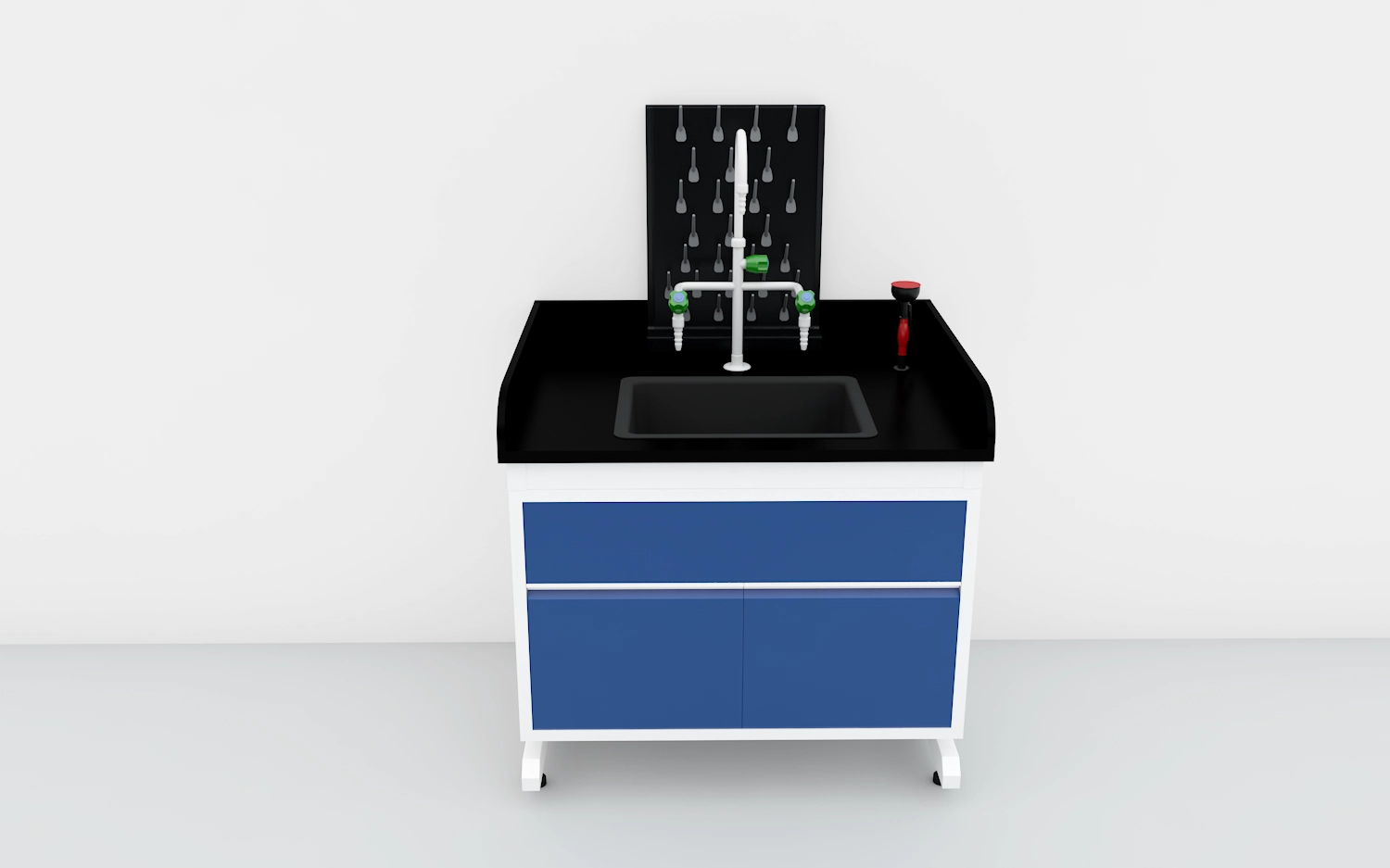
Custom Lab Sink Cabinets: When to Choose Customization
Top Lab Furniture Design Trends for Modern Laboratories
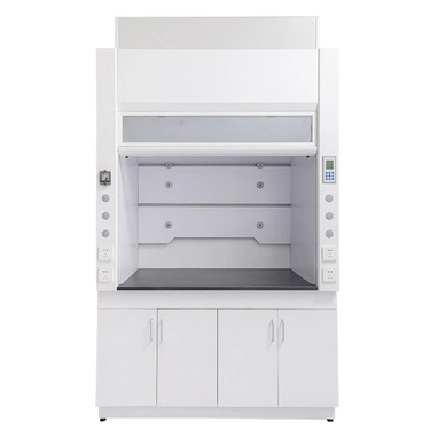
Fume Hood Installation Checklist for Procurement Teams

Inspection Checklist for New Lab Countertop Installations
For Logistics
How do you ensure the safety of items during shipping?
We have 15 years of experience in loading, fragile goods are packed in plywood boxes to ensure that they will not be damaged during transportation.
For Customization
Can I customize the size and configuration of my lab furniture?
Yes, we offer full customization for laboratory benches, modular systems, and storage units to meet your specific space and functional needs.
What is the process for requesting a custom quote?
To request a custom quote, please provide us with details about your lab’s size, needs, and desired specifications.
About Solution
Do you provide laboratory layout design service?
Yes, we provide professional laboratory layout design service to optimize space utilization and workflow according to customer's site and usage requirements.
For Company
Do you offer our design service from scratch?
Yes, we provide full design support tailored to your lab’s specific needs, including layout planning and furniture customization.

Floor Mounted Lab Bench
Our Floor Mounted Lab Bench is an essential, high-efficiency workspace for laboratories, made from high-quality steel-wood or corrosion-resistant stainless steel materials to ensure exceptional durability and stability. The unique floor-mounted design effectively reduces vibration, optimizes space usage, and provides a safe and tidy laboratory environment.
Customizable storage solutions help organize lab equipment efficiently, while the easy-to-clean surface maintains laboratory hygiene. It is widely suitable for research institutions, educational laboratories, and the chemical and pharmaceutical industries.
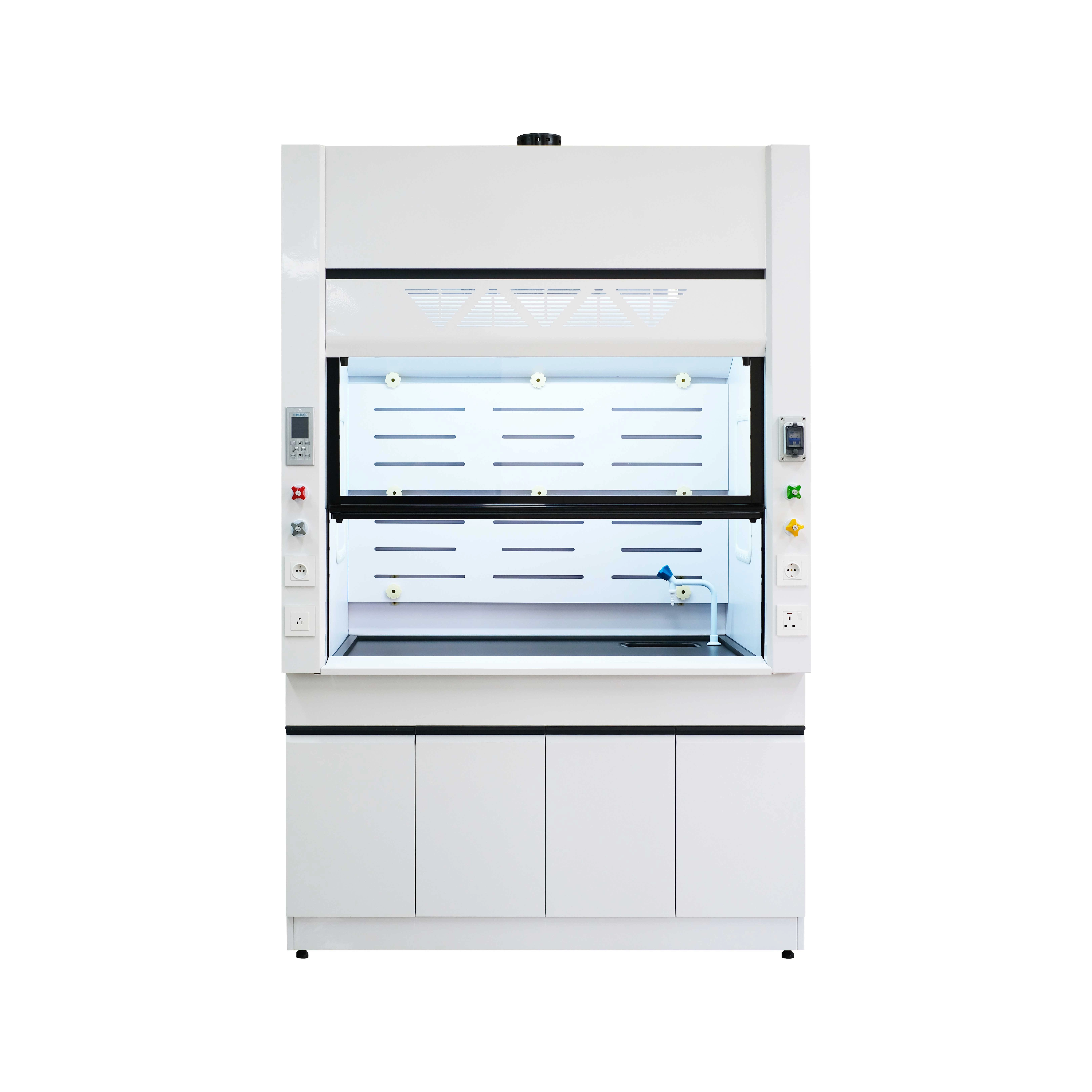
Fume Hood
The fume hood provides safe ventilation to protect against exposure to hazardous or toxic fumes, vapors, or airborne particulate. It is primarily used in laboratory and manufacturing applications to protect the user or environment outside the hood, but can also be used to protect the materials or experiment under the hood.
APPLICATION
Chemistry Lab, physics Lab, biological analysis, pharmaceutical medicine analysis, biological pharmaceutical, plant culture, environmental testing and electronic instrumentation scientific research and so on.
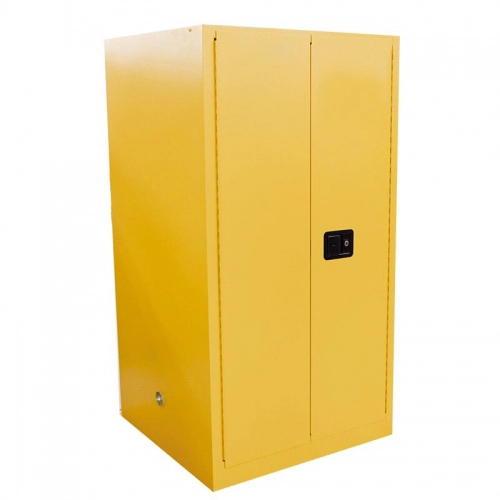
Flammable Storage Cabinet
Safety Cabinets store flammable liquids, corrosives, pesticides and other hazardous materials. All fire-resistant safety cabinets by meet fire codes and regulations for safety storage.
To help protect your people and facility from a potential fire, safety cabinets are engineered to safely contain flammable fuels, solvents, and chemicals. Safety cabinets can not only help everyone store chemicals reasonably, save chemical supplies, but also save human resources, and avoid fires caused by chemicals with the greatest strength.
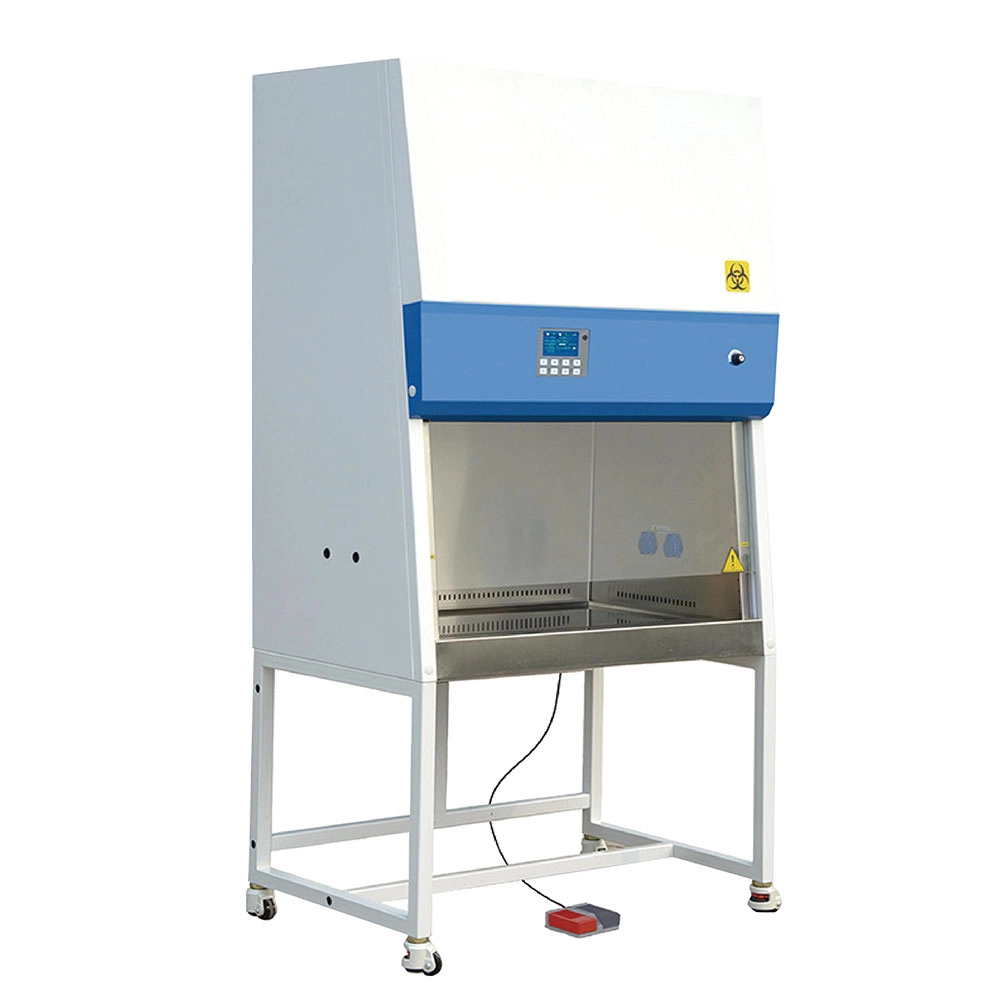
Class II Type A2 Biological Safety Cabinet for Laboratory
The Class II A2 Biological Safety Cabinet is designed to provide superior biosafety and contamination control for laboratories, research facilities, and clinical settings. With 70% air recirculation and 30% air exhaust, this cabinet ensures a safe and efficient work environment while protecting both the user and the samples.
Equipped with advanced features like a HEPA filtration system, motorized front window, and ergonomic design, this cabinet is a must-have for safe and reliable biological research.

 Scan QR Code
MaxLabFurniture
MaxLab Furniture
daihongada
Max Laboratory