
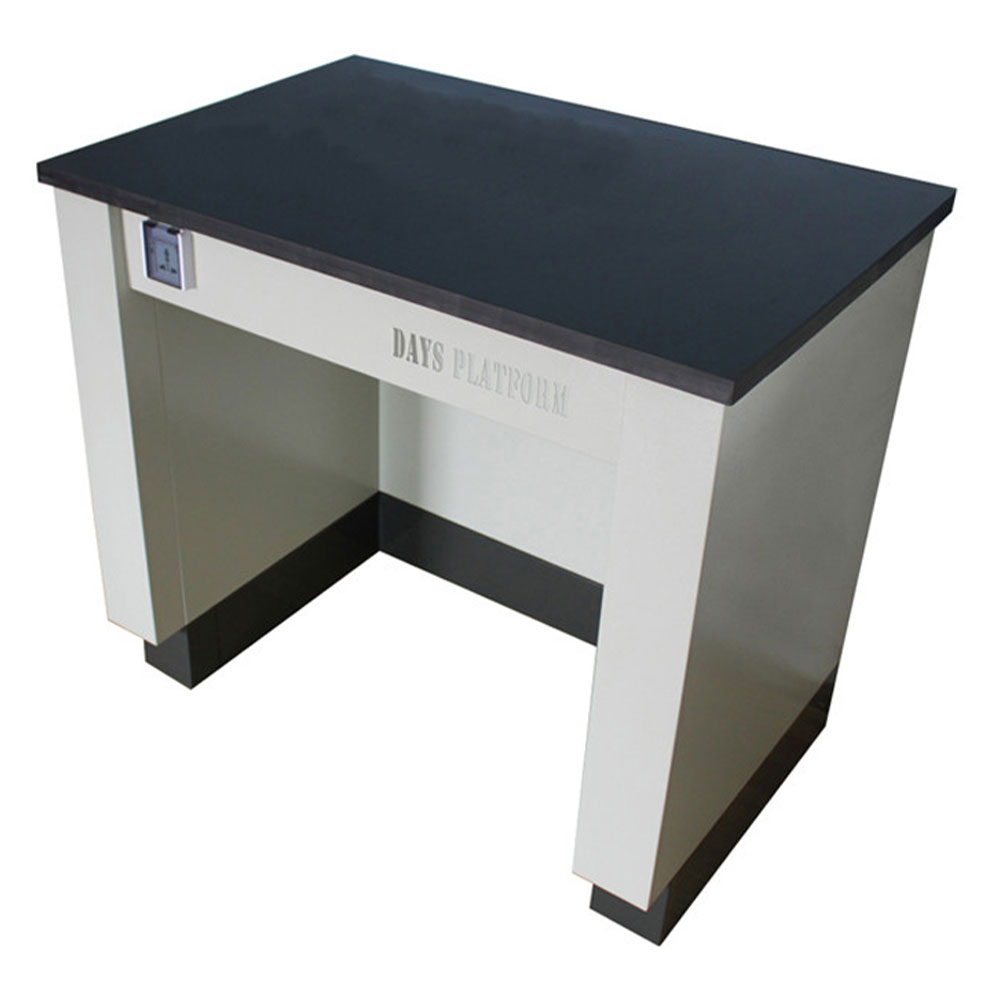
Laboratory table guide: Benefits of Anti-vibration Tables BT-03
- Laboratory table guide: Benefits of Anti-vibration Tables BT-03
- Why vibration control is essential for a precision laboratory table
- What are Anti-vibration Tables & Balance Tables BT-03? Product introduction and intended commercial uses
- How anti-vibration laboratory tables improve results and ROI
- Key technical benefits of the BT-03 anti-vibration table
- Typical applications: where to use a vibration control laboratory table
- Comparative feature table: anti-vibration table vs standard lab table vs optical table
- Installation, placement, and commissioning of BT-03 laboratory tables
- Maintenance and lifecycle considerations for anti-vibration laboratory tables
- How to choose the right laboratory table: procurement checklist
- MAXLAB brand advantages for Anti-vibration Tables & Balance Tables BT-03
- Cost justification example: improving balance performance with an anti-vibration laboratory table
- Frequently Asked Questions (FAQ) about laboratory table Anti-vibration Tables & Balance Tables BT-03
- Contact to view product and request a quote
- References
Laboratory table guide: Benefits of Anti-vibration Tables BT-03
Why vibration control is essential for a precision laboratory table
To start with, understanding the benefits of Anti-vibration Tables BT-03 is crucial for selecting the right equipment for your laboratory. These tables are designed to enhance precision, but to truly understand their impact, you need to know how they can reduce measurement errors with laboratory table BT-03 solutions.When procuring a laboratory table, especially for high-precision workflows, understanding environmental vibration is critical. Vibrations can come from building HVAC systems, nearby equipment (centrifuges, HVAC, foot traffic), or even distant road traffic. For instruments such as microbalances, optical microscopes, micro-manipulators, and interferometers, vibration translates directly into measurement noise, blurred images, and failed experiments. That creates wasted time, increased costs, and unreliable results. Embedding vibration control into your laboratory table selection—by choosing a dedicated anti-vibration laboratory table—addresses this commercial need: ensuring accurate results and protecting your instrument investments.
What are Anti-vibration Tables & Balance Tables BT-03? Product introduction and intended commercial uses
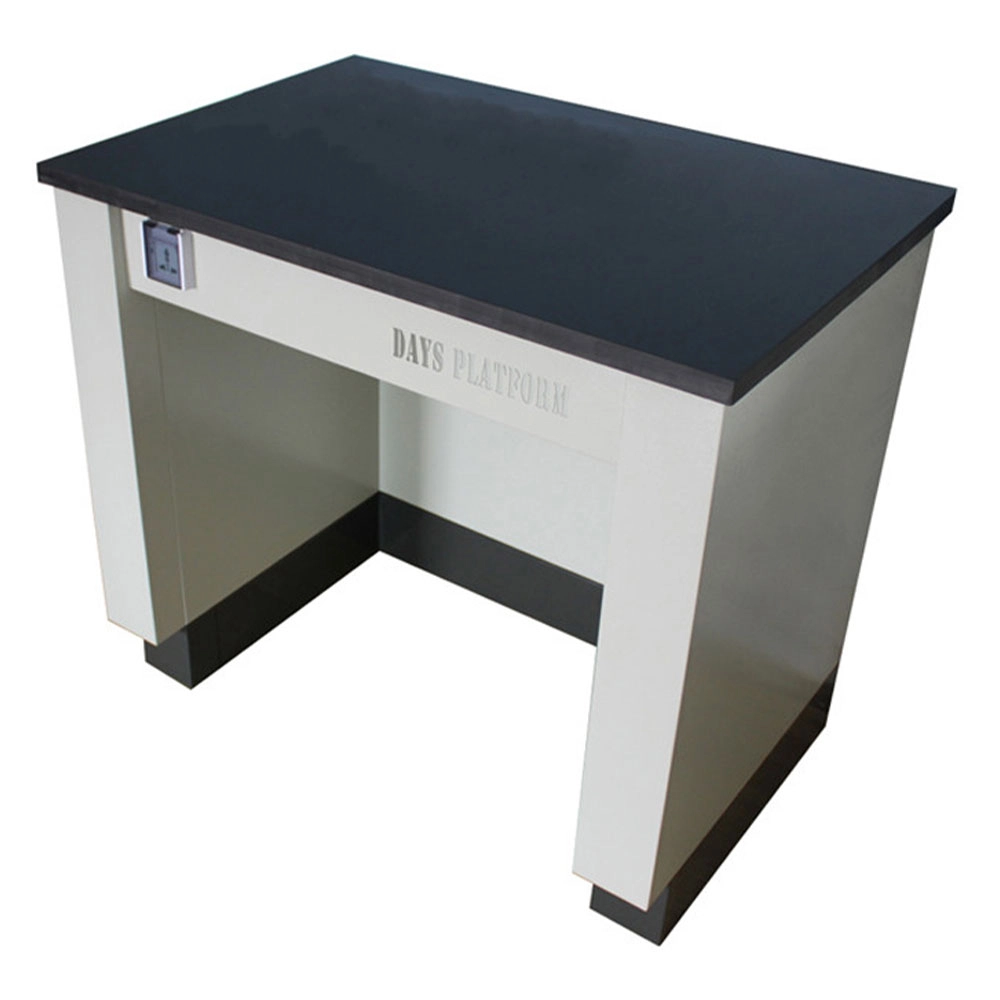
Anti-vibration Tables & Balance Tables BT-03 are engineered laboratory tables designed to reduce transmitted vibrations to sensitive instruments and workstations. They are intended for environments where micro-manipulation, precision weighing, microscopy, or other vibration-sensitive tasks occur. The BT-03 model focuses on practical damping, stable support, and ergonomic layout to integrate with existing laboratory workflows—making it a purpose-built commercial product for labs that require repeatable, high-precision outcomes.
Product description (as provided):
MAXLAB anti-vibration table is specially designed supporting equipment with vibration damping function which based on laboratory high-precision and anti-interference requests. The anti-vibration table is specially designed for micro-manipulation procedures.
How anti-vibration laboratory tables improve results and ROI
Choosing a quality anti-vibration laboratory table delivers measurable business benefits:
- Improved measurement precision: Reducing vibrational noise lowers measurement uncertainty on balances and sensors, increasing first-pass success rates for experiments and QC runs.
- Reduced instrument downtime: Stabilizing the working surface prevents frequent recalibration and reduces wear from continuous corrections.
- Faster workflows and throughput: Operators spend less time compensating for vibration-related problems or repeating runs, increasing lab throughput.
- Protected capital investment: Sensitive microscopes, balances, and manipulators perform within specs longer when mounted on a purpose-designed anti-vibration table.
These outcomes are often the deciding factors for procurement teams evaluating the of purchasing a specialized laboratory table rather than a standard bench.
Key technical benefits of the BT-03 anti-vibration table
The BT-03 provides a combination of design features targeted at lab needs. When evaluating product specifications, look for the following benefits:
- Passive vibration damping: Mechanical isolators and constrained-layer damping reduce the transmission of building and environmental vibrations.
- Stable, low-resonance tabletop: The tabletop is engineered to minimize internal resonances that can amplify specific frequencies.
- Load capacity and uniform support: The BT-03 supports typical balances and micro-manipulation rigs with even load distribution to prevent tilting or sag.
- Ergonomics and integration: Height, clearance, and accessories accommodate microscopes, manipulators, and balance enclosures.
Because procurement managers often compare alternatives, these technical benefits form the core commercial justification for selecting BT-03 over non-specialized laboratory tables.
Typical applications: where to use a vibration control laboratory table
Anti-vibration Tables & Balance Tables BT-03 are ideal for the following laboratory applications (commercial keywords naturally embedded):
- Micro-manipulation and microdissection workstations
- Analytical balances and microbalances requiring high repeatability
- Optical and electron microscopy where image stability is paramount
- AFM (atomic force microscopy) setups and surface-profiling instruments
- Metrology labs performing high-accuracy dimensional or mass measurements
Selecting a purpose-built laboratory table like the BT-03 ensures these application areas meet throughput and quality KPIs.
Comparative feature table: anti-vibration table vs standard lab table vs optical table
Below is a practical comparison to aid purchasing decisions. Values are qualitative to reflect common commercial considerations rather than model-specific numeric claims.
| Feature | Anti-vibration Table (BT-03) | Standard Lab Table | Optical Table (honeycomb/steel) |
|---|---|---|---|
| Primary use | Precision balances, micro-manipulation, microscopes | General lab benchwork, storage, prep | High-end optics, laser/optical benches |
| Vibration isolation | High (passive damping/isolation) | Low/none | Very high (designed for optical frequencies) |
| Load capacity | Medium-high (balanced for instruments) | High (heavy loads, storage) | High (distributed optical components) |
| Cost (typical) | Moderate — specialized commercial product | Low — general procurement | High — specialized optical equipment |
| Best purchase intent | When accuracy matters and budget is moderate | When general purpose and cost-saving matter | When highest optical stability needed and budget allows |
Sources for comparative concept: manufacturer application notes and standard laboratory procurement guidance (see References below).
Installation, placement, and commissioning of BT-03 laboratory tables
To gain full benefit from a vibration control laboratory table, proper installation and placement matter as much as the product itself:
- Floor and site selection: Place the table away from heavy foot traffic, building mechanical rooms, and windows that transmit external vibration.
- Leveling and load distribution: Use the leveling feet to ensure the tabletop is uniformly supported; avoid point loading that defeats isolation.
- Instrument mounting: Where possible, mount the most vibration-sensitive equipment at the geometric center of the table to minimize edge effects.
- Commissioning check: Verify performance with a baseline measurement (e.g., check balance stability over time or perform visual/optical stability tests) before putting instruments into full service.
These steps reflect industry best practices for bringing an anti-vibration laboratory table into productive use.
Maintenance and lifecycle considerations for anti-vibration laboratory tables
Maintenance is straightforward but important to sustain performance and protect your investment:
- Periodic inspection of isolation elements: Check for wear or settling of rubber isolators or other damping components annually or per usage intensity.
- Re-level after relocation: Always re-level if the table is moved or if heavy equipment changes position.
- Keep the tabletop clean and corrosion-free: Use manufacturer-recommended cleaning agents to preserve material integrity and damping properties.
- Calibration schedule for instruments: Maintain your instrument calibration schedule; a stable table reduces recalibration frequency but doesn't eliminate the need.
Planned maintenance reduces lifetime cost and keeps the lab table delivering commercial and scientific value.
How to choose the right laboratory table: procurement checklist
When your purchasing team evaluates laboratory tables with the keyword laboratory table or product name BT-03 in their RFP, include this checklist to match product features to lab requirements:
- Define the primary use: balance, microscopy, or broad multi-use? (BT-03 optimized for micro-manipulation/balances)
- Confirm load capacity and tabletop dimensions for your instruments
- Ask for damping/isolation performance description and installation guidance from the vendor
- Request case studies or reference labs that use the same model
- Check warranty, spare parts availability, and local service options
These procurement-focused steps reflect and help ensure the selected laboratory table meets operational needs and ROI expectations.
MAXLAB brand advantages for Anti-vibration Tables & Balance Tables BT-03
Purchasing an Anti-vibration Table & Balance Table BT-03 from MAXLAB offers several brand-level advantages that matter to procurement and lab managers:
- Product focus: MAXLAB specializes in laboratory support furniture and anti-vibration solutions, so the BT-03 design benefits from domain expertise.
- Application knowledge: MAXLAB’s product documentation and onboarding materials are tailored to micro-manipulation and balance use cases, reducing commissioning time.
- After-sales support: Access to replacement parts and service reduces downtime risk compared to generic furniture suppliers.
- Compliance and documentation: MAXLAB provides technical literature suitable for lab qualification and capital asset records.
These brand strengths translate into lower total cost of ownership and faster time-to-value when deploying Anti-vibration Tables & Balance Tables BT-03 in commercial laboratory environments.
Cost justification example: improving balance performance with an anti-vibration laboratory table
Many labs find the capital expense for an anti-vibration laboratory table justified by reduced rework and faster throughput. Example commercial logic:
- If an instrument experiences increased noise that costs 15–30 minutes per run to compensate, and the lab runs dozens of measurements per week, the cumulative labor and time cost often outweighs the table cost within months to a few years.
- Reducing failed runs and instrument recalibrations lowers consumable waste and increases reliable yield.
When drafting a business case for purchasing a BT-03, quantify time saved per run, rate of failed measurements, and frequency of recalibration. That data-driven ROI analysis strengthens procurement justification.
Frequently Asked Questions (FAQ) about laboratory table Anti-vibration Tables & Balance Tables BT-03
Q1: What makes BT-03 different from a regular lab table?
A1: BT-03 includes engineered vibration damping and isolation components and a low-resonance tabletop specifically designed for precision measurements, unlike general-purpose lab benches.
Q2: Which instruments benefit most from the BT-03?
A2: Microbalances, micro-manipulation rigs, optical microscopes, AFM instruments, and metrology devices gain the most from a vibration-controlled laboratory table.
Q3: Do I need active vibration control?
A3: Active isolation is beneficial for ultra-sensitive optical or seismic-level applications. For most lab-grade balances and micro-manipulation, high-quality passive anti-vibration tables like BT-03 provide sufficient performance at a lower cost.
Q4: How do I validate the BT-03 after installation?
A4: Perform baseline checks: monitor balance stability over a defined period, capture microscope images to verify drift or blur, and document results before and after installation.
Q5: What maintenance does an anti-vibration laboratory table require?
A5: Periodic inspection of isolators and re-leveling after moves. Clean according to manufacturer instructions and verify instrument calibration schedules.
Contact to view product and request a quote
If your lab requires a practical, commercially viable solution to vibration-related problems, contact our sales team to view the full specifications, request a site consultation, or get a quote for Anti-vibration Tables & Balance Tables BT-03. For pricing, lead times, and on-site assessment, please contact MAXLAB sales or request a demo to see how a purpose-built laboratory table can improve your measurement reliability.
References
- ASTM E756 - Standard Test Method for Measuring Vibration-Damping Properties of Materials (context on damping test methods)
- NIH — Design Guidelines for Laboratory Facilities (guidance on vibration sources and lab layout considerations)
- Manufacturer application notes and best-practice guides for balances and microscopy (industry guidance on vibration effects)
For purchasing assistance or technical questions specific to your instruments, contact MAXLAB or your local representative to discuss Anti-vibration Tables & Balance Tables BT-03 and site-specific recommendations.
Choosing a laboratory table for precision balances: BT-03 insights
Space-Saving Lab Sink Cabinet Designs for Modern Laboratories
How Anti-vibration Tables & Balance Tables BT-03 improve accuracy
Choosing Materials for Durable Lab Furniture
For Company
What sets your company apart from other lab furniture providers?
Our commitment to quality, innovation, and customer satisfaction sets us apart. We offer customized solutions, high-quality materials, and a full range of laboratory furniture and equipment to ensure optimal functionality and safety for every lab.
About Solution
How to ensure the safety performance of the fume hood?
Our fume hoods adopt high-efficiency filtration system and intelligent air speed control technology to ensure that harmful gases are effectively eliminated during experiments and protect users' health.
Do you provide installation service?
Yes, we provide professional installation service and make sure all the equipment are working properly, meanwhile, we provide usage training to help customers get started quickly.
For Products
Do you have certifications for your products?
Yes, We have CE, ISO9001, ISO14001, OHSASI18001 and so on.
For Customization
What is the process for requesting a custom quote?
To request a custom quote, please provide us with details about your lab’s size, needs, and desired specifications.

Floor Mounted Lab Bench
Our Floor Mounted Lab Bench is an essential, high-efficiency workspace for laboratories, made from high-quality steel-wood or corrosion-resistant stainless steel materials to ensure exceptional durability and stability. The unique floor-mounted design effectively reduces vibration, optimizes space usage, and provides a safe and tidy laboratory environment.
Customizable storage solutions help organize lab equipment efficiently, while the easy-to-clean surface maintains laboratory hygiene. It is widely suitable for research institutions, educational laboratories, and the chemical and pharmaceutical industries.
Fume Hood
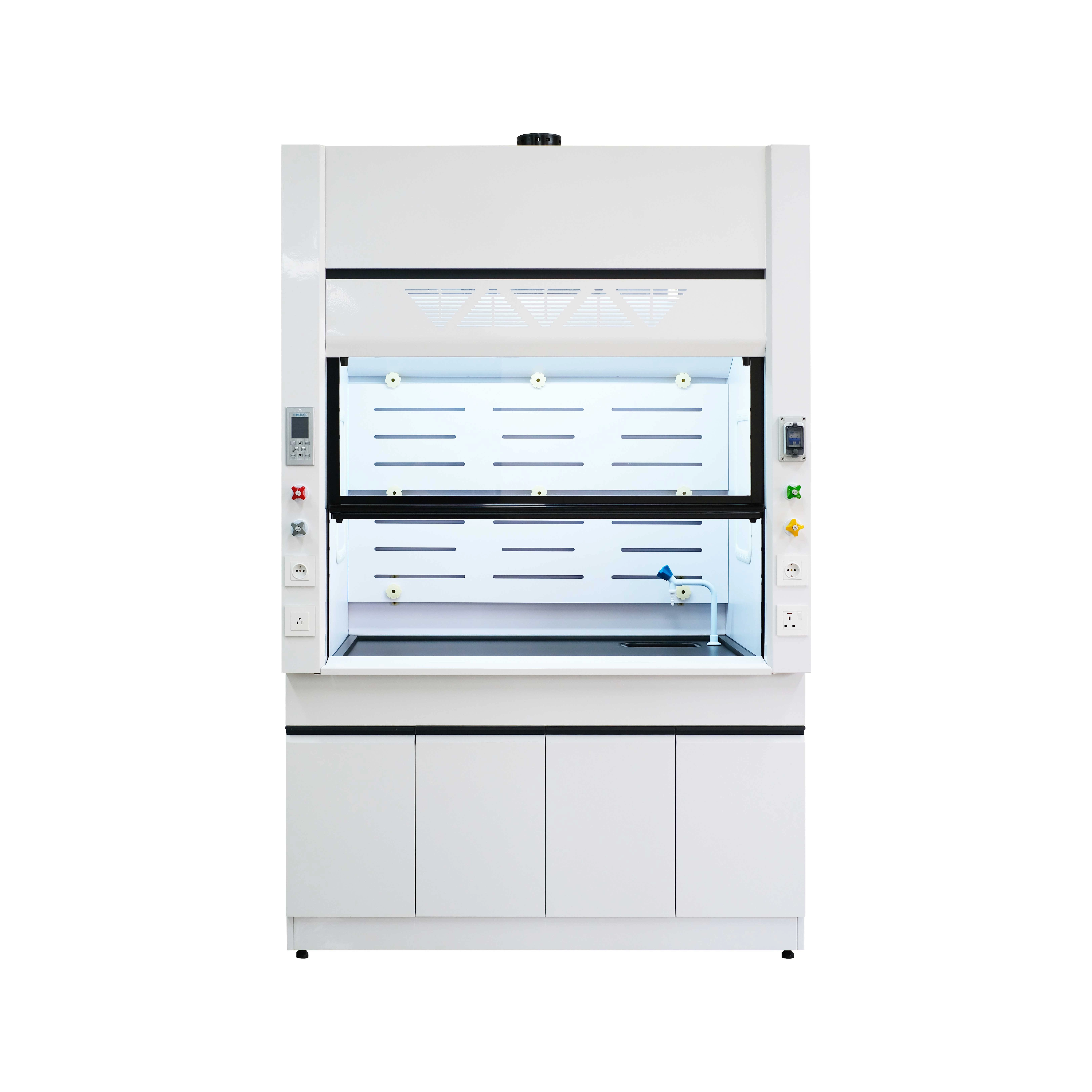
The fume hood provides safe ventilation to protect against exposure to hazardous or toxic fumes, vapors, or airborne particulate. It is primarily used in laboratory and manufacturing applications to protect the user or environment outside the hood, but can also be used to protect the materials or experiment under the hood.
APPLICATION
Chemistry Lab, physics Lab, biological analysis, pharmaceutical medicine analysis, biological pharmaceutical, plant culture, environmental testing and electronic instrumentation scientific research and so on.
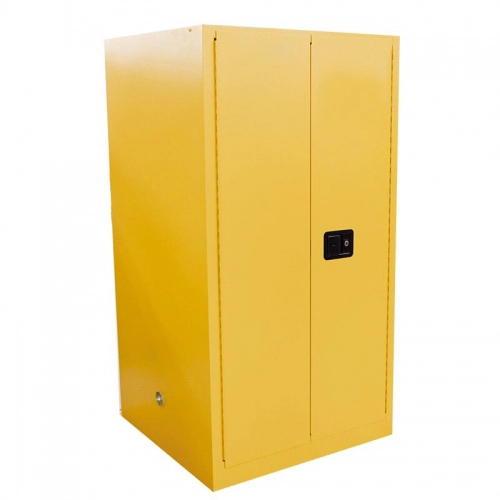
Flammable Storage Cabinet
Safety Cabinets store flammable liquids, corrosives, pesticides and other hazardous materials. All fire-resistant safety cabinets by meet fire codes and regulations for safety storage.
To help protect your people and facility from a potential fire, safety cabinets are engineered to safely contain flammable fuels, solvents, and chemicals. Safety cabinets can not only help everyone store chemicals reasonably, save chemical supplies, but also save human resources, and avoid fires caused by chemicals with the greatest strength.
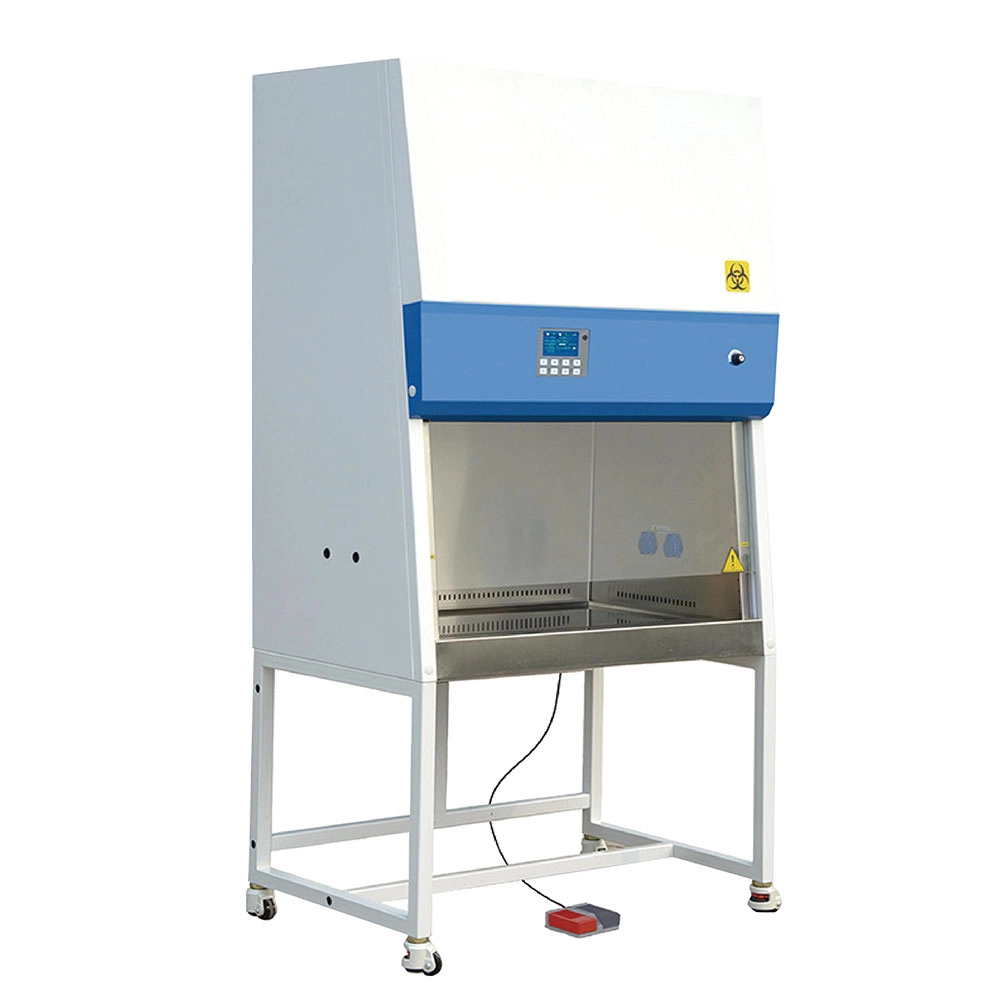
Class II Type A2 Biological Safety Cabinet for Laboratory
The Class II A2 Biological Safety Cabinet is designed to provide superior biosafety and contamination control for laboratories, research facilities, and clinical settings. With 70% air recirculation and 30% air exhaust, this cabinet ensures a safe and efficient work environment while protecting both the user and the samples.
Equipped with advanced features like a HEPA filtration system, motorized front window, and ergonomic design, this cabinet is a must-have for safe and reliable biological research.

 Scan QR Code
MaxLabFurniture
MaxLab Furniture
daihongada
Max Laboratory