
Custom Lab Sink Cabinet Features That Improve Workflow

- Design Principles That Optimize Lab Workflows
- Ergonomics and Task Flow
- Integrated Storage and Temporary Holding
- Workflow Zoning and Cabinet Orientation
- Material and Sink Options for Durability and Safety
- Chemical-Resistant Lab Sink Materials
- Lab Faucet and Water Control Options
- Cabinet Construction and Chemical Containment
- Installation, Maintenance and Integration into Lab Systems
- Plumbing, Drainage and Waste Management
- Modularity and Integration with Laboratory Benches
- Maintenance Access and Serviceability
- Choosing Features Based on Lab Type and Throughput
- Chemistry Labs: Chemical Compatibility and Safety
- Teaching Labs: Durability and Ease of Use
- Biopharmaceutical and Testing Facilities: Compliance and Decontamination
- Comparison Table: Cabinet Types and Typical Use Cases
- Brand Advantages and How to Evaluate Vendors
- Quality, Certification and Material Traceability
- Customization, Lead Time and After-Sales Support
- Case Example: Measurable Workflow Improvements
- FAQ (Frequently Asked Questions)
- What material is best for a lab sink?
- Can I install a sensor faucet in a chemistry lab?
- How do I choose between C-type, floor-mounted and H-type cabinets?
- Are there regulations for lab sink drainage?
- Contact and Next Steps
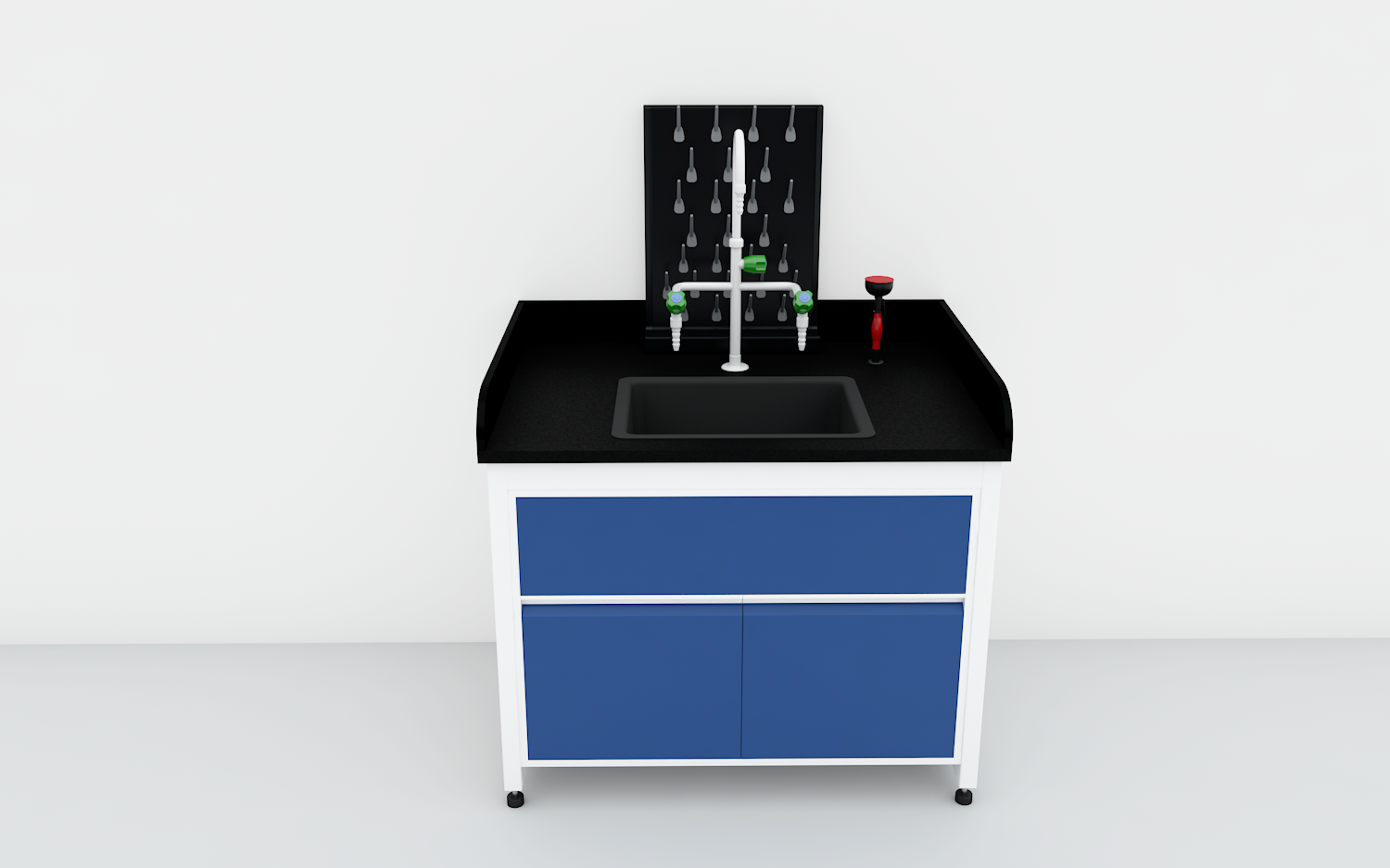
Custom lab sink cabinets play a pivotal role in laboratory workflow by combining ergonomics, chemical resistance, drainage management and storage into a compact, serviceable unit. When designed and selected correctly, a lab sink cabinet reduces task time for cleaning and sample handling, lowers contamination risk, and simplifies waste segregation—benefits measurable through reduced downtime and improved user satisfaction. This article explains which features of a Lab Sink Cabinet matter most for different lab types (chemistry labs, teaching labs, biopharmaceutical facilities and testing departments), how to evaluate options like C-type, floor-mounted and H-type structures, and how to integrate the cabinet into your laboratory bench system for optimal efficiency and compliance.
The Lab Sink Cabinet is designed for chemistry labs, teaching labs, biopharmaceutical facilities and testing departments, and can be seamlessly integrated into complete laboratory bench systems. The product offers C-type, floor-mounted and H-type structures, combined with a chemical-resistant lab sink and lab faucet to meet cleaning, rinsing, drainage and temporary storage needs.
Design Principles That Optimize Lab Workflows
Ergonomics and Task Flow
Ergonomic placement of the lab sink, sink bowl depth, and faucet controls directly affects how quickly technicians perform routine cleaning, glassware rinsing, and sample disposal. A well-positioned lab sink reduces unnecessary steps between workstations and minimizes awkward postures that cause fatigue. Key considerations include sink height relative to benchtop, distance to the primary work area, and whether hands-free or single-lever lab faucets are used for speed and cross-contamination control.
Integrated Storage and Temporary Holding
Laboratory tasks often require temporary containment of contaminated items or soiled glassware. Cabinets that incorporate dedicated temporary storage compartments or removable trays enable separation of clean and contaminated items without moving them across the lab. This design reduces cross-traffic and supports faster turnaround between experiments in teaching labs and high-throughput testing settings.
Workflow Zoning and Cabinet Orientation
C-type, floor-mounted and H-type structures each support different zoning strategies. C-type sinks can be inset within a continuous bench for linear workflows; floor-mounted cabinets offer increased stability and under-sink storage; H-type (island or double-sided) cabinets allow access from both sides and are ideal for shared work zones in teaching labs. Choosing the correct orientation helps minimize movement and clarifies 'clean' vs. 'dirty' zones.
Material and Sink Options for Durability and Safety
Chemical-Resistant Lab Sink Materials
Material selection for the lab sink bowl and cabinet surfaces influences durability, ease of cleaning, and resistance to common lab chemicals. Common sink materials include polypropylene, epoxy resin, stainless steel, and phenolic. Polypropylene and epoxy resin sinks are highly chemical-resistant and non-corrosive for many acids and bases. Stainless steel offers robustness but may corrode with strong oxidizers unless properly specified. When selecting a chemical-resistant lab sink, consult compatibility charts and authoritative guidance such as the laboratory equipment overview and biosafety resources from the WHO for handling hazardous reagents.
Lab Faucet and Water Control Options
Faucet selection affects both speed and contamination control. Hands-free (sensor) faucets reduce cross-contamination in sterile or biopharma areas but require robust installation and plumbing. Single-lever faucets offer quick temperature adjustment and are suited for chemistry and teaching labs. Consider mixing valves with scald protection in facilities where hot water is used for cleaning. Ensure faucets are compatible with the lab sink material and the cabinet's plumbing access for maintenance.
Cabinet Construction and Chemical Containment
Cabinet frames and doors should resist chemical vapors and occasional spills. Options include powder-coated steel with corrosion-resistant treatments, stainless steel, or laminate with sealed edges. For labs using volatile solvents, consider cabinets with built-in spill containment or trays to capture small leaks. Refer to safety recommendations like those from the CDC Laboratory Safety guidelines when designing containment strategies.
Installation, Maintenance and Integration into Lab Systems
Plumbing, Drainage and Waste Management
Efficient drainage design—proper slope, trap placement and easy-access cleanouts—reduces backups that interrupt workflow. Integrate lab sink cabinets with waste segregation systems (e.g., separate drains for neutralized chemical waste vs. sanitary sewer) and ensure compliance with local regulations. For biological labs, choose drains compatible with decontamination protocols. Routinely scheduled inspections of traps and valves prevent downtime.
Modularity and Integration with Laboratory Benches
A modular Lab Sink Cabinet that fits seamlessly into an existing laboratory bench system simplifies upgrades and reconfigurations. C-type units can be swappable between benches, while H-type island sinks may require coordination of utilities above and below bench level. Modular cabinets reduce installation time and long-term costs when labs change processes or expand capacity.
Maintenance Access and Serviceability
Designs that allow rapid access to plumbing, faucets and under-sink components minimize repair time. Removable panels, accessible valve locations and standardized fittings reduce service calls and mean techs spend less time on maintenance and more on core lab tasks. Consider including spare parts kits and clear maintenance documentation to speed repairs.
Choosing Features Based on Lab Type and Throughput
Chemistry Labs: Chemical Compatibility and Safety
Chemistry labs prioritize chemical-resistant lab sinks and corrosion-resistant cabinet materials because of aggressive reagents. Include local ventilation strategies near sinks used with volatile solvents and ensure that sink materials are compatible with the lab's reagent list. For corrosive environments, epoxy resin sinks paired with stainless-steel-backed cabinets offer a durable solution.
Teaching Labs: Durability and Ease of Use
Teaching labs need robust, easy-to-clean fixtures that withstand frequent use by students. H-type island sink cabinets encourage group work and supervision. Durable countertop materials, rounded sink edges, and hands-free faucet options support hygiene and fast class turnover. Consider integrated storage for student supplies to keep benches uncluttered.
Biopharmaceutical and Testing Facilities: Compliance and Decontamination
Facilities with strict contamination control need lab sink cabinets that support SOPs for decontamination, sample handling and waste segregation. Smooth, non-porous sink materials, sealed cabinet interiors, and compatibility with disinfectants are essential. Where appropriate, provide separate sinks for biological waste and general cleaning to prevent cross-contamination.
Comparison Table: Cabinet Types and Typical Use Cases
| Cabinet Type | Best For | Advantages | Considerations |
|---|---|---|---|
| C-type | Continuous bench workflows (chemistry) | Seamless integration, linear workflow | May limit access from both sides |
| Floor-mounted | High stability, heavy-duty storage | Robust, large under-sink storage | Requires floor-level plumbing; heavier installation |
| H-type | Teaching, shared island benches | Access from both sides, collaborative workflows | Needs coordinated utilities and larger footprint |
Brand Advantages and How to Evaluate Vendors
Quality, Certification and Material Traceability
When selecting a lab sink cabinet vendor, prioritize suppliers who provide material data sheets, chemical compatibility charts, and quality certifications. Traceability of sink materials (batch documentation) and cabinet finishes helps facilities plan lifecycle maintenance and supports procurement audits. Vendors that reference industry standards and safety guidance (for example, citing WHO or CDC recommendations) demonstrate higher E-E-A-T credentials.
Customization, Lead Time and After-Sales Support
Custom configurations—such as integrated waste segregation, sensor faucets, or built-in spill trays—allow labs to tailor cabinets to their workflow. Evaluate lead times, warranty terms, and the provider's network of service technicians. Strong after-sales support reduces total cost of ownership and ensures fast resolution for operational issues.
Case Example: Measurable Workflow Improvements
In a mid-size teaching lab that replaced standard benches with H-type lab sink cabinets and hands-free faucets, instrument downtime fell by 12% and student turnaround time for class exercises improved by approximately 20%. These gains resulted from reduced cross-traffic and quicker cleaning cycles—illustrating measurable benefits a thoughtfully specified lab sink cabinet can provide.
FAQ (Frequently Asked Questions)
What material is best for a lab sink?
Polypropylene or epoxy resin sinks are excellent for broad chemical resistance. Choose stainless steel only if it is compatible with the lab's reagents or if special passivation is applied. Always consult chemical compatibility tables and vendor material data sheets.
Can I install a sensor faucet in a chemistry lab?
Yes, but ensure sensor electronics are protected from corrosive vapors and that plumbing meets local codes. Hands-free faucets help reduce contamination but require reliable electrical/water connections.
How do I choose between C-type, floor-mounted and H-type cabinets?
Choose based on workflow: C-type for linear benches, floor-mounted for heavy storage and stability, H-type for island/shared benches. Consider utility access and floor space when selecting the type.
Are there regulations for lab sink drainage?
Local plumbing and environmental regulations may restrict discharge of certain chemical wastes to sanitary sewers. Always check local codes and consult environmental health and safety (EHS) staff when designing drainage and waste segregation systems. Refer to official guidance such as the CDC Laboratory Safety resources.
Contact and Next Steps
Customized configurations must still meet regulatory expectations, making compliance and standards to consider for lab sink installations a necessary checkpoint.If you want to evaluate Lab Sink Cabinet options tailored to your facility's workflow, capacity and compliance needs, contact our sales and engineering team for a free consultation. We provide on-site assessments, water and waste flow analysis, and custom layouts to integrate C-type, floor-mounted or H-type cabinets into your laboratory bench system. Reach out to discuss specifications, quoted lead times, and installation plans.
Contact our team to request a product sheet, full specifications, and a layout consultation for your lab sink & cabinet needs.
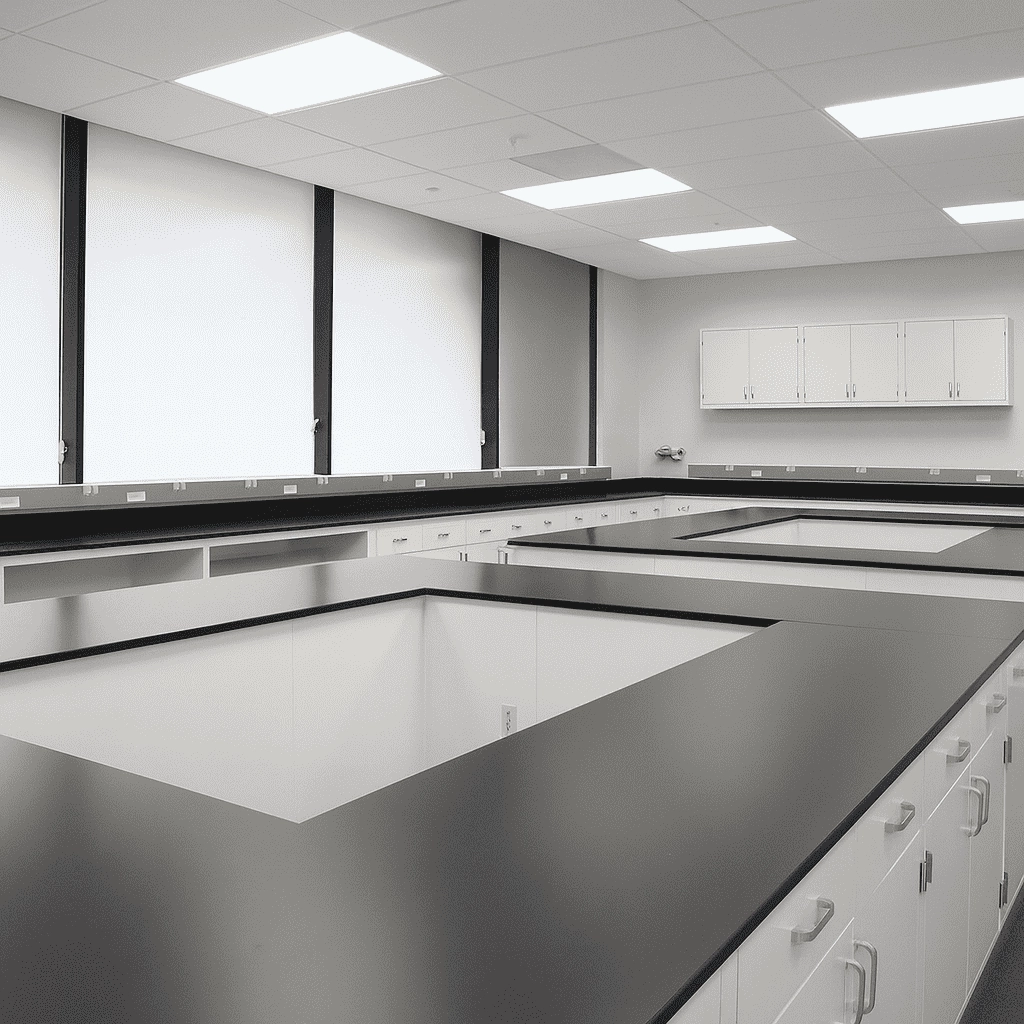
Sustainability and Certifications to Require for Lab Countertops
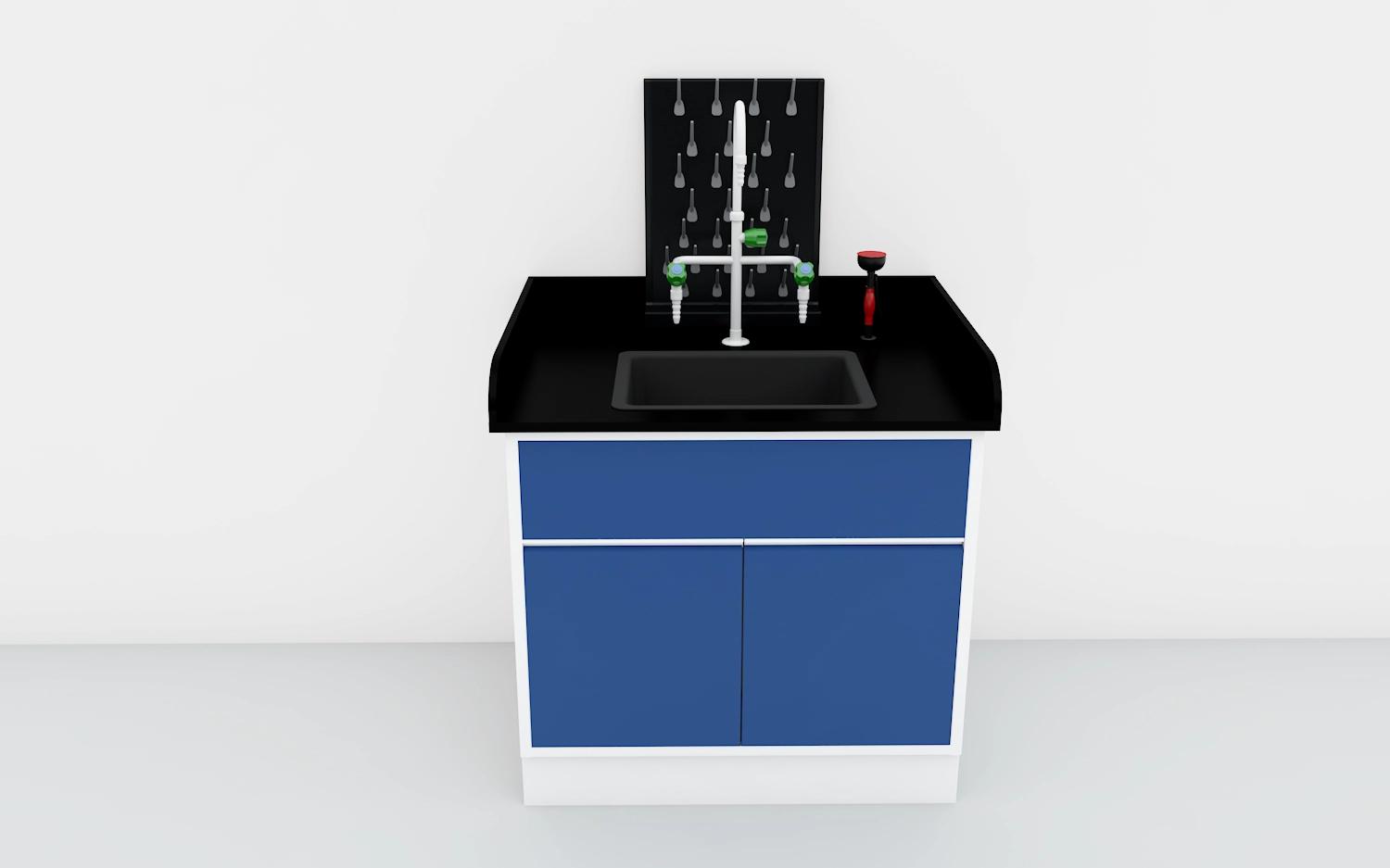
Safety Features to Look for in Lab Sink Cabinets
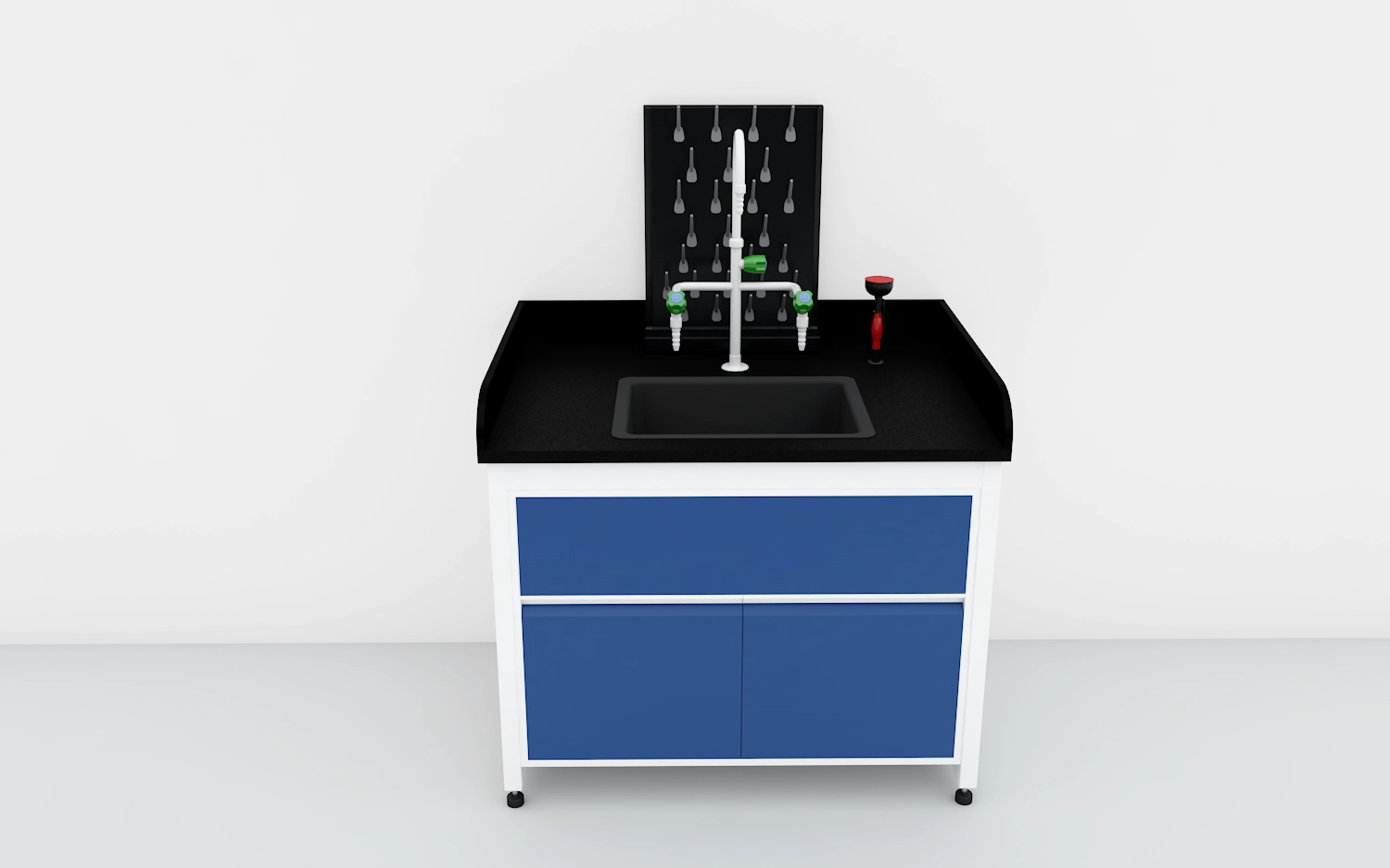
Comparing Lab Sink Materials: Ceramic, Epoxy, and Steel
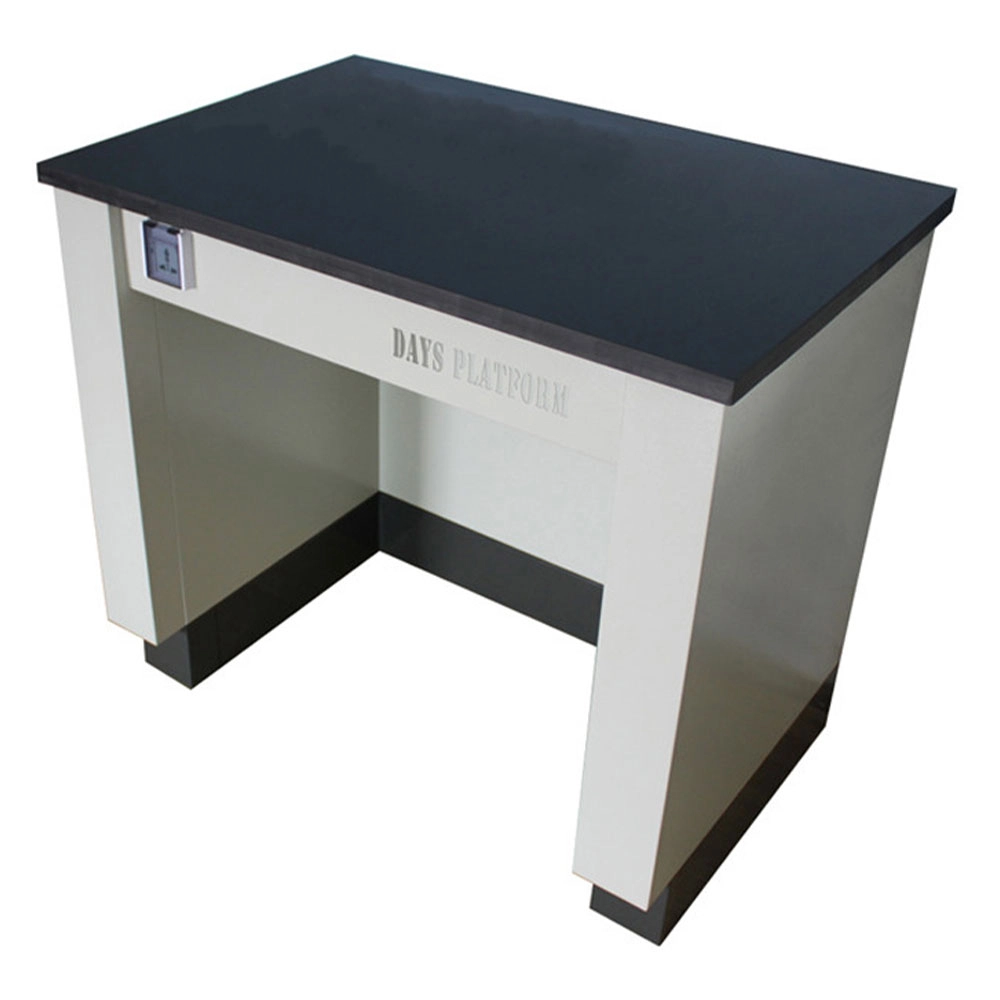
Choosing a laboratory table for precision balances: BT-03 insights
For Logistics
Do you handle customs clearance for international shipments?
Of course, if you need it, we will handle the customs clearance of international shipments for our customers to ensure that your laboratory furniture arrives on time.
For Customization
Do you offer custom branding for laboratory furniture?
Yes, we can incorporate custom logos, colors, and branding into your lab furniture to make it unique to your organization.
For Products
Is available to buy your original design?
Yes, all the products are designed professionally by our designers. Please feel free to inform us which item you are interested in.
For Company
How do I get in touch with your sales team?
You can reach our sales team via email at ada@maxlabfurniture.com, by phone at +86 132 4232 3168, WhatsApp:+86 132 4232 3168, or through the contact form on our Facebook: https://www.facebook.com/MaxLabFurniture
Customization
How do I start a customized service?
Please contact our sales or technical support team for an initial enquiry. We will provide detailed customized recommendations and quotes according to your needs.
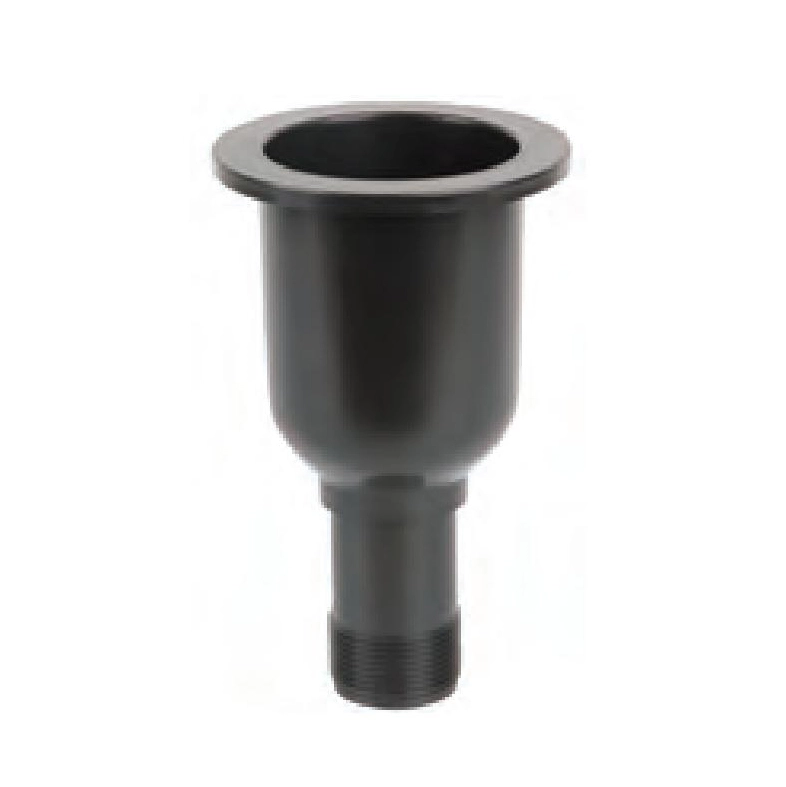
Lab Sink LS-08
The LS-08 Round Cup / Funnel Sink is a small-diameter, deep cup sink designed as a funnel-type drain point on laboratory worktops. Constructed from chemical-resistant black PP, it features an extended threaded outlet that connects directly to drain piping.
This design is perfect for apparatus drain lines, RO reject water, condensate and other continuous or intermittent discharges where an open, funnel-like inlet is required.

Floor Mounted Lab Bench
Our Floor Mounted Lab Bench is an essential, high-efficiency workspace for laboratories, made from high-quality steel-wood or corrosion-resistant stainless steel materials to ensure exceptional durability and stability. The unique floor-mounted design effectively reduces vibration, optimizes space usage, and provides a safe and tidy laboratory environment.
Customizable storage solutions help organize lab equipment efficiently, while the easy-to-clean surface maintains laboratory hygiene. It is widely suitable for research institutions, educational laboratories, and the chemical and pharmaceutical industries.
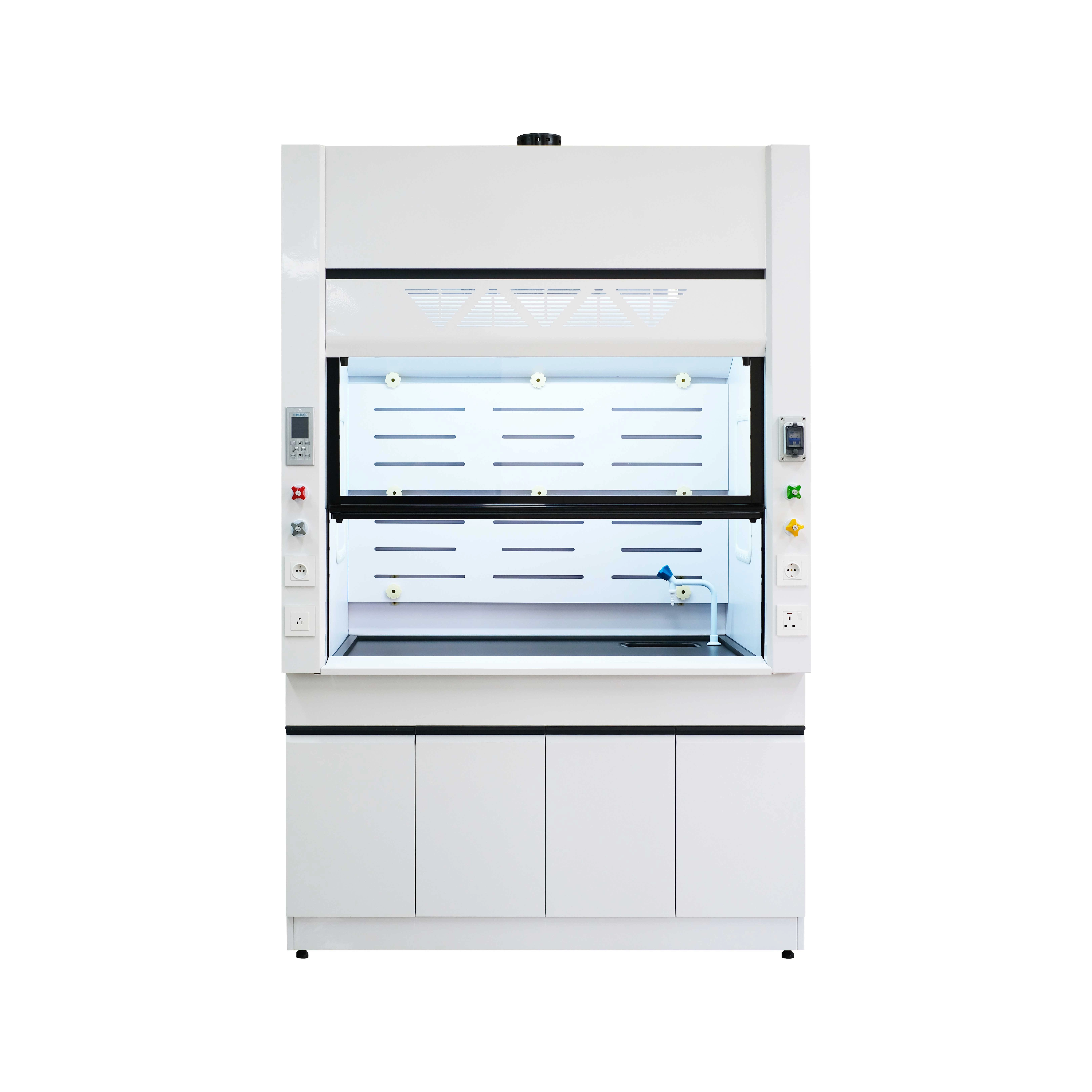
Fume Hood
The fume hood provides safe ventilation to protect against exposure to hazardous or toxic fumes, vapors, or airborne particulate. It is primarily used in laboratory and manufacturing applications to protect the user or environment outside the hood, but can also be used to protect the materials or experiment under the hood.
APPLICATION
Chemistry Lab, physics Lab, biological analysis, pharmaceutical medicine analysis, biological pharmaceutical, plant culture, environmental testing and electronic instrumentation scientific research and so on.
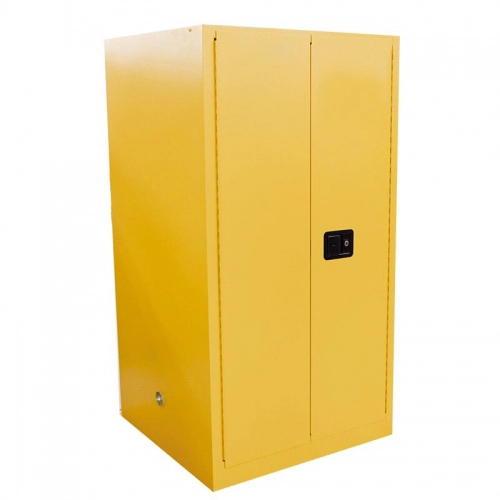
Flammable Storage Cabinet
Safety Cabinets store flammable liquids, corrosives, pesticides and other hazardous materials. All fire-resistant safety cabinets by meet fire codes and regulations for safety storage.
To help protect your people and facility from a potential fire, safety cabinets are engineered to safely contain flammable fuels, solvents, and chemicals. Safety cabinets can not only help everyone store chemicals reasonably, save chemical supplies, but also save human resources, and avoid fires caused by chemicals with the greatest strength.

 Scan QR Code
MaxLabFurniture
MaxLab Furniture
daihongada
Max Laboratory