
Cleaning and Decontamination Best Practices for Lab Benches
- Cleaning and Decontamination Best Practices for Lab Benches
- Why rigorous cleaning of lab benches matters for laboratory safety and compliance
- Understand the types of hazards that affect lab benches
- Selecting appropriate lab benches and how design affects cleanability
- Standard daily cleaning workflow for lab benches
- Managing spills and emergency decontamination on lab benches
- Choosing disinfectants: effectiveness, material compatibility, and contact time
- Cleaning protocols for different lab bench materials including Floor Mounted Lab Bench
- PPE, training, and documentation: the human elements of decontamination
- Verification and validation of cleaning: how to prove benches are decontaminated
- Maintenance tips to extend the life and cleanliness of lab benches
- Sustainable and safe disposal of cleaning waste
- Integrating cleaning protocols into lab workflow without sacrificing productivity
- Why choose our Floor Mounted Lab Bench for clean and safe laboratories
- FAQs — Frequently Asked Questions about lab benches cleaning and Floor Mounted Lab Bench
- Q: How often should lab benches be disinfected?
- Q: Which disinfectant should I use on a stainless-steel Floor Mounted Lab Bench?
- Q: Can I use UV-C or vaporized hydrogen peroxide to decontaminate benches?
- Q: How do I validate that cleaning was effective?
- Q: Is the Floor Mounted Lab Bench suitable for chemical labs?
- Contact us or view the product
- Authoritative references and further reading
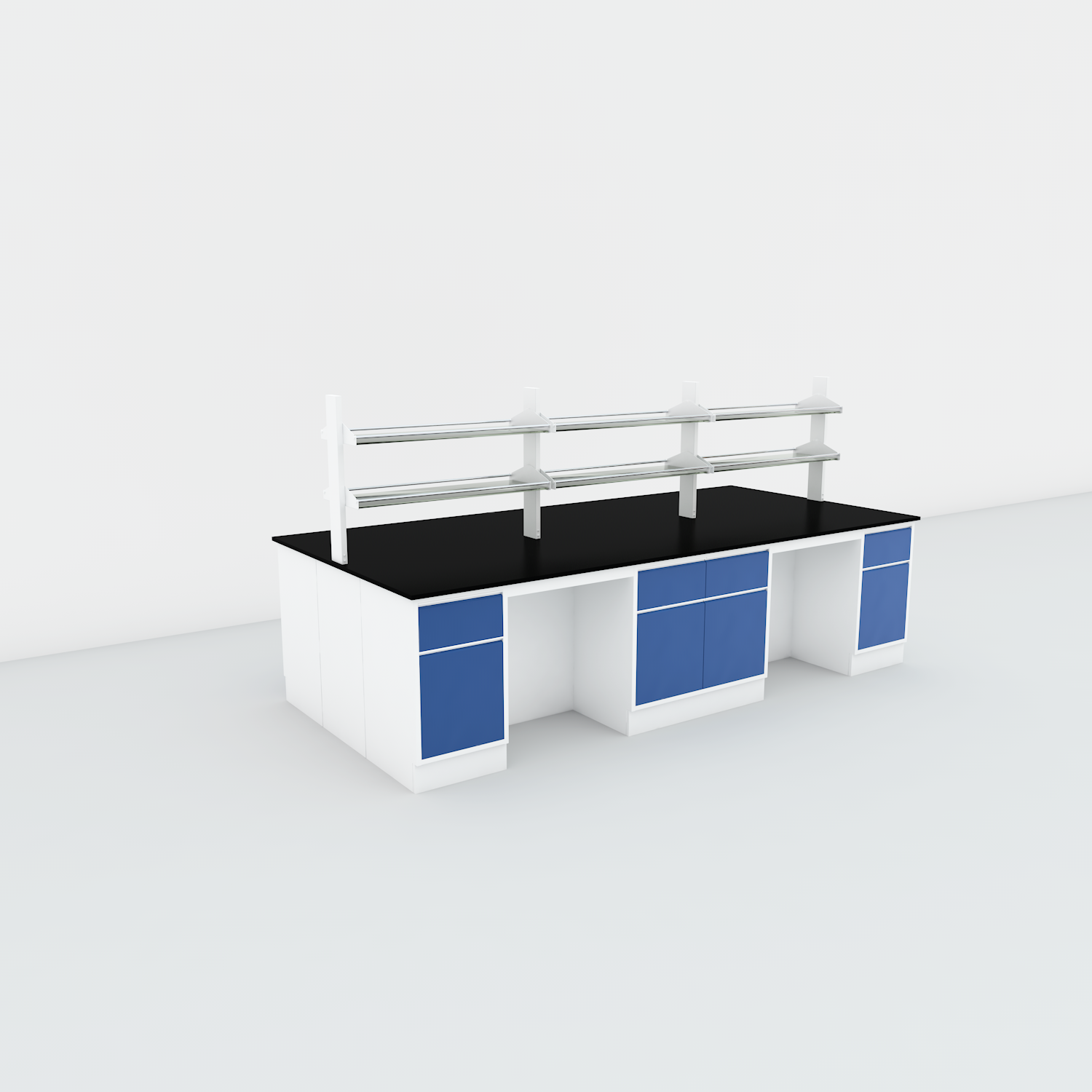
Cleaning and Decontamination Best Practices for Lab Benches
Why rigorous cleaning of lab benches matters for laboratory safety and compliance
Lab benches are the primary surface where experiments, sample handling, and routine lab tasks occur. Proper cleaning and decontamination of lab benches reduces cross-contamination, prevents accidental exposures, and helps labs meet biosafety and chemical safety regulations. Whether you use traditional benchtops or a Floor Mounted Lab Bench, consistent cleaning protocols protect staff, preserve experimental integrity, and minimize downtime from contamination incidents.
Understand the types of hazards that affect lab benches
To choose the right cleaning and decontamination approach, labs must first identify the likely contaminants: biological agents (bacteria, viruses, fungi), chemical residues (acids, bases, solvents), particulate matter, and radiological contamination. Each hazard class demands different procedures and disinfectants. For instance, an aqueous disinfectant effective against bacteria may not inactivate certain viruses or denature residual organic chemicals. Assessing hazards informs PPE selection, disinfectant choice, contact times, and waste handling.
Selecting appropriate lab benches and how design affects cleanability
Equipment selection impacts long-term hygiene. Our Floor Mounted Lab Bench is an essential, high-efficiency workspace for laboratories, made from high-quality steel-wood or corrosion-resistant stainless steel materials to ensure exceptional durability and stability. The unique floor-mounted design effectively reduces vibration, optimizes space usage, and provides a safe and tidy laboratory environment.
Customizable storage solutions help organize lab equipment efficiently, while the easy-to-clean surface maintains laboratory hygiene. It is widely suitable for research institutions, educational laboratories, and the chemical and pharmaceutical industries.
Design features that improve cleanability include seamless surfaces, minimal joints, raised edges to contain spills, chemical-resistant finishes, and open undershelf clearance for easy mopping. Floor-mounted benches often have fewer vibration-transmitting leg mounts and a solid base that makes sealing and cleaning around anchor points simpler than complicated pedestal designs.
Standard daily cleaning workflow for lab benches
A routine daily cleaning procedure keeps benches ready for use and prevents buildup of contaminants. A recommended daily workflow is:
- Remove all loose items and equipment; store in designated cabinets.
- Don appropriate PPE (gloves, lab coat, eye protection) based on risk assessment.
- Pre-clean gross soil with disposable wipes or a damp cloth and neutral detergent if needed.
- Apply an appropriate disinfectant using correct concentration and wet contact time (see disinfectant table below).
- Allow surface to air dry or wipe with sterile wipes after the recommended contact time.
- Document completion in the cleaning log and note any irregularities for corrective action.
Managing spills and emergency decontamination on lab benches
Spill response must be immediate and predefined. For biological spills, evacuate or cordon the area, don enhanced PPE (gown, gloves, face shield/respirator if aerosol risk), cover the spill with absorbent material, apply disinfectant from the perimeter inward, allow the specified contact time, then collect and dispose of waste as biohazardous. For chemical spills, consult the Safety Data Sheet (SDS) for neutralization, PPE, and waste procedures. For both types, decontaminate the affected bench area and surrounding floor; for Floor Mounted Lab Benches the open underside and raised clearance help detect and clean peripheral contamination quickly.
Choosing disinfectants: effectiveness, material compatibility, and contact time
Not all disinfectants are equal. Efficacy depends on active ingredient, concentration, and contact time. Material compatibility is essential: some disinfectants corrode metals or damage laminate and wood. The table below summarizes common disinfectants, typical concentrations, contact times, and bench material compatibility.
| Disinfectant | Typical Concentration | Effective Against | Typical Contact Time | Compatibility with Stainless Steel / Steel-Wood Benches |
|---|---|---|---|---|
| Sodium hypochlorite (bleach) | 0.1% (1000 ppm) for general disinfection; higher for spills | Bacteria, many viruses (including coronaviruses), fungi | 1–10 minutes depending on dilution and organism | Stainless steel: generally compatible for short use; prolonged exposure can cause corrosion. Steel-wood: can damage finishes and corrode metal if not rinsed promptly. |
| 70% Ethanol or Isopropanol | 70% v/v | Bacteria, many enveloped viruses | 30 seconds–1 minute | Good for stainless steel and sealed surfaces; can degrade some plastics and finishes over time. |
| Hydrogen peroxide (0.5–3%) | 0.5–3% | Bacteria, viruses, fungi | 1–10 minutes | Generally compatible; less corrosive than bleach but may discolor some materials. |
| Quaternary ammonium compounds (Quats) | Manufacturer formulation | Bacteria, some enveloped viruses | 5–10 minutes | Good compatibility with many surfaces; not effective against some non-enveloped viruses or spores. |
| Vaporized hydrogen peroxide / UV-C | N/A (specialized application) | Broad spectrum including viruses and spores (VHP) | Varies by system | Non-contact methods avoid wetting surfaces; follow manufacturer guidance for equipment safety. |
Always consult the disinfectant manufacturer's instructions and your institution's biosafety officer. For corrosive or high-risk agents, use methods validated for both efficacy and material compatibility.
Cleaning protocols for different lab bench materials including Floor Mounted Lab Bench
Benchtop material determines which cleaning products are safe to use. Stainless steel is durable and resistant to many disinfectants but can corrode with prolonged bleach exposure; promptly rinse if bleach is used. Phenolic or epoxy resin tops are chemical resistant but can be damaged by strong solvents. Wood or unsealed materials are discouraged in wet labs. The Floor Mounted Lab Bench offers options in corrosion-resistant stainless steel or high-quality steel-wood with protective coatings; select the stainless steel option for wet chemistry or bio labs where aggressive disinfectants or frequent washdowns are required.
PPE, training, and documentation: the human elements of decontamination
Proper PPE—gloves, lab coats/gowns, eye protection, and respirators when required—is non-negotiable during cleaning and spill response. Training should include disinfectant handling, SDS interpretation, spill procedures, waste segregation, and equipment-specific cleaning (e.g., how to clean under a floor-mounted bench without disturbing anchored services). Maintain cleaning logs, training records, and validation data to meet compliance requirements and to support audits. A culture of cleanliness increases adherence and reduces incidents.
Verification and validation of cleaning: how to prove benches are decontaminated
Verification ensures the cleaning process is effective. Methods include visual inspection, ATP bioluminescence swabs to quantify organic residues, microbial cultures, or environmental monitoring for particular contaminants. Validation protocols should define acceptable thresholds, sampling locations (including high-touch zones and undersides), frequency, and corrective actions if results exceed limits.
Maintenance tips to extend the life and cleanliness of lab benches
Routine maintenance preserves bench functionality and hygiene: tighten fasteners, inspect seals and gaskets, promptly repair damaged surfaces, and replace worn shelving or storage liners. For Floor Mounted Lab Benches, check anchor points and vibration-damping components periodically. Preventative maintenance reduces the chance of hidden contamination (e.g., rust or delamination) and keeps surfaces easier to clean.
Sustainable and safe disposal of cleaning waste
Chemical wipes, contaminated absorbents, and disinfectant residues must be segregated and disposed of per institutional and regulatory requirements. Biological waste should be autoclaved or handled as regulated medical waste. Reduce environmental impact by using neutralizing agents when appropriate, selecting less toxic disinfectants when effective, and minimizing excessive use while maintaining efficacy.
Integrating cleaning protocols into lab workflow without sacrificing productivity
Integrate short, scheduled cleaning intervals into daily workflows to avoid bottlenecks. Use modular storage on the Floor Mounted Lab Bench to quickly clear surfaces. Color-coded wipes and designated cleaning stations save time. Training staff to clean as they work (clean-as-you-go) maintains productivity while promoting continuous hygiene.
Why choose our Floor Mounted Lab Bench for clean and safe laboratories
Our Floor Mounted Lab Bench is engineered to support rigorous cleaning and decontamination needs. Key advantages include:
- Material options: corrosion-resistant stainless steel for wet and bio labs or high-quality steel-wood with protective finishes for dry labs.
- Floor-mounted stability reduces vibration—important for sensitive assays and for sealing connections that could trap contaminants.
- Easy-to-clean surfaces and customizable storage reduce clutter and enable quick, thorough cleaning.
- Design aimed at accessibility: open undershelf clearance and minimal joints to prevent hidden contamination.
- Durability that lowers lifecycle costs and frequency of replacement.
FAQs — Frequently Asked Questions about lab benches cleaning and Floor Mounted Lab Bench
Q: How often should lab benches be disinfected?
A: At minimum, disinfect high-touch bench areas daily and after each procedure that may contaminate the surface. Increase frequency for high-risk work or outbreaks. Record each cleaning in a logbook.
Q: Which disinfectant should I use on a stainless-steel Floor Mounted Lab Bench?
A: For routine use, 70% ethanol or hydrogen peroxide-based products are effective and generally compatible. Avoid prolonged contact with concentrated bleach; if bleach is used, rinse surfaces promptly to reduce corrosion risk. Always check the bench material specification and disinfectant instructions.
Q: Can I use UV-C or vaporized hydrogen peroxide to decontaminate benches?
A: Yes—non-contact methods like UV-C and vaporized hydrogen peroxide are useful for broad-area decontamination and do not wet surfaces. Use them as a complement to manual cleaning, not a replacement, because they do not remove gross soil. Follow equipment manufacturer safety guidance.
Q: How do I validate that cleaning was effective?
A: Use visual inspection, ATP swabs, and periodic microbial environmental monitoring. Establish acceptance criteria and procedures for remedial cleaning when criteria are exceeded.
Q: Is the Floor Mounted Lab Bench suitable for chemical labs?
A: Yes—choose the corrosion-resistant stainless-steel version or a chemical-resistant top finish. Confirm compatibility of bench materials with the chemicals and disinfectants routinely used in your lab.
Contact us or view the product
Once cleanliness and safety protocols are established, labs can optimize layouts further using space planning tips with floor mounted lab benches to maximize usable area.If you need equipment that supports rigorous cleaning and decontamination workflows, explore our Floor Mounted Lab Bench offerings or contact our sales team for specifications, material options, and customization. View product details and request a quote: /products/floor-mounted-lab-bench. For direct assistance, email sales@example.com or call +1-800-XXX-XXXX (replace with your contact).
Authoritative references and further reading
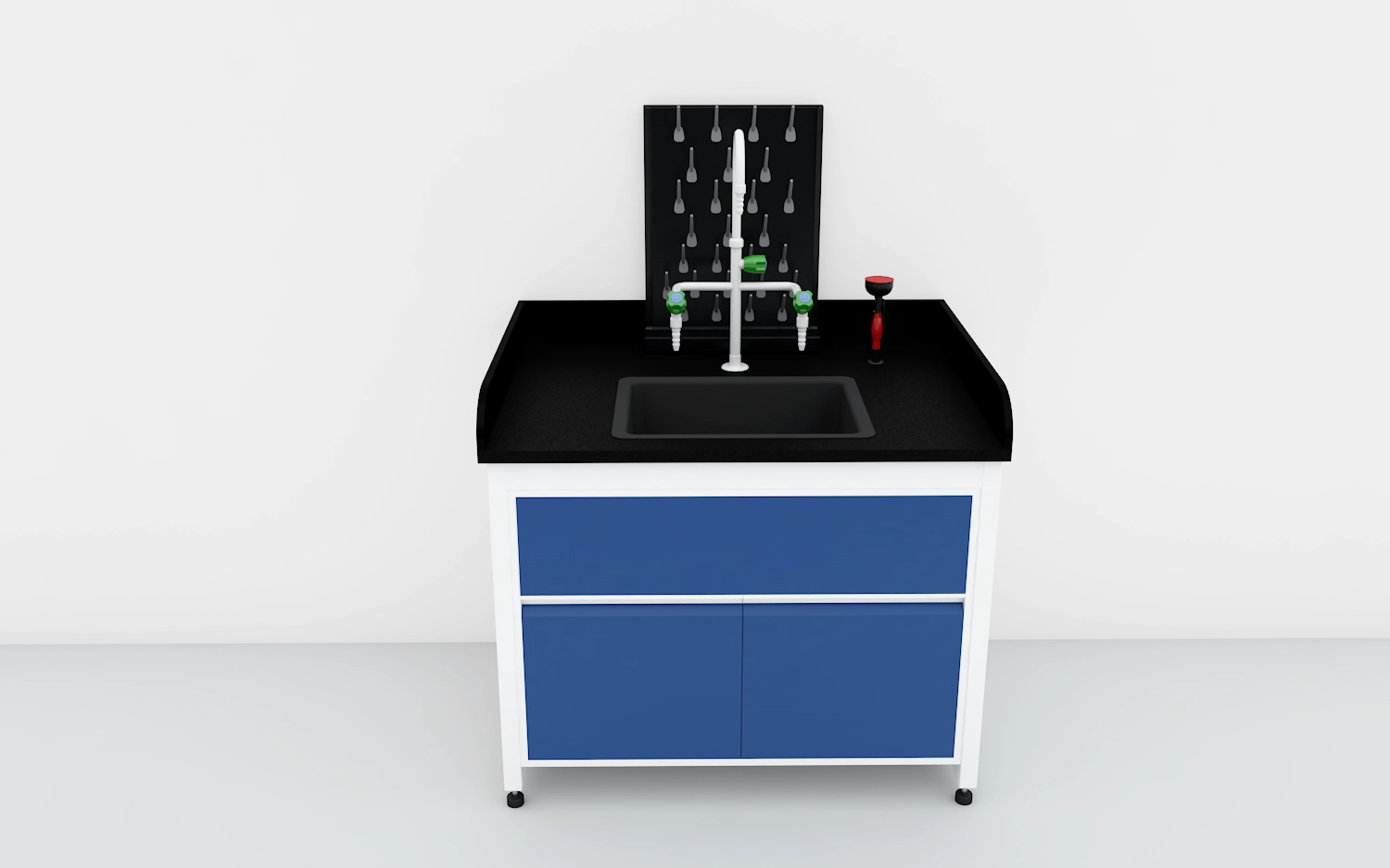
Maintenance Tips to Extend the Life of Your Lab Sink
How to Choose the School Lab Furniture manufacturer and supplier ?
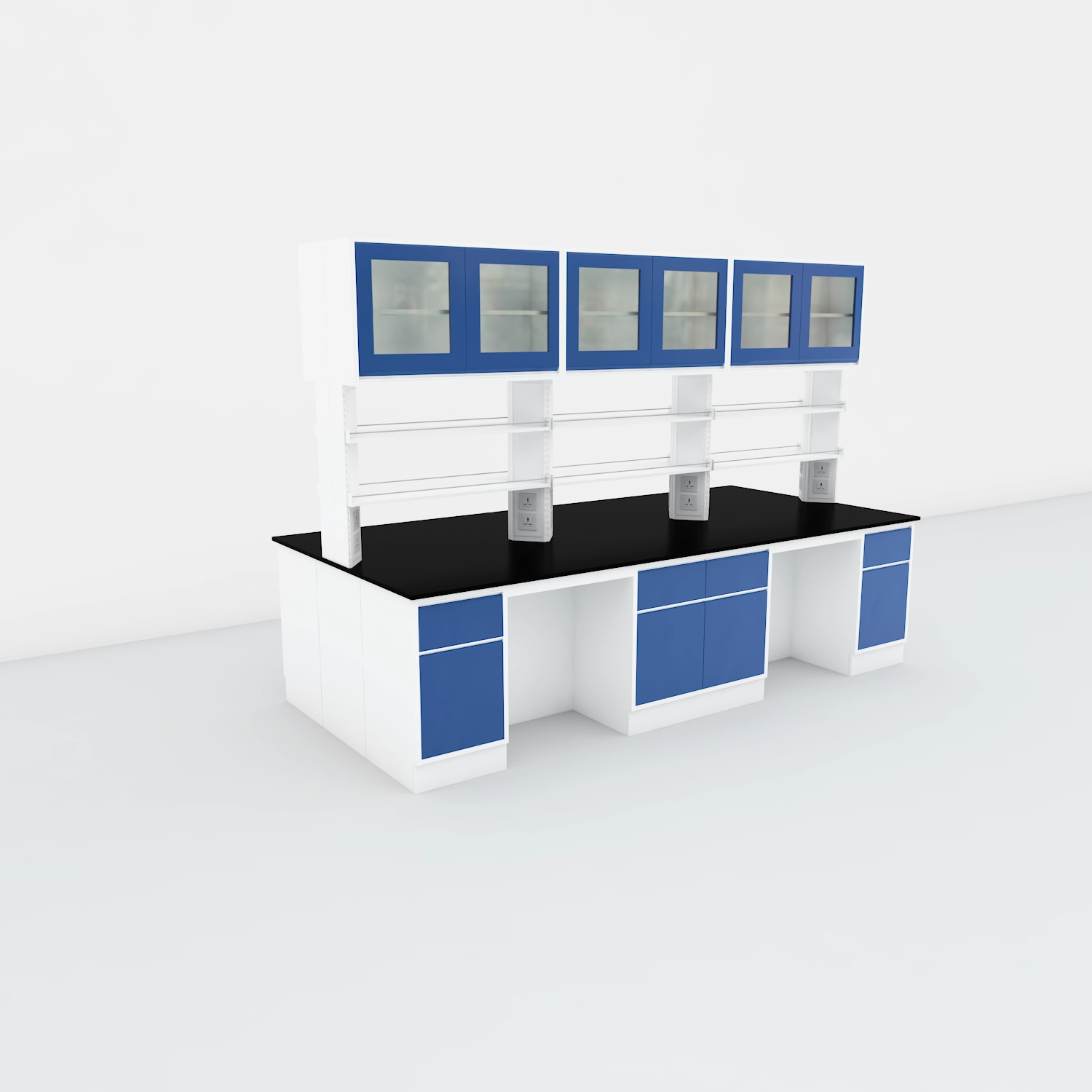
Space Planning Tips with Floor Mounted Lab Benches
Comparing Lab Sink Materials: Ceramic, Epoxy, and Steel
Customization
Do you offer free design consultation?
Yes, we provide our clients with free preliminary design consulting services. Our design team will provide advice based on your needs and budget, and help you develop a laboratory layout and equipment plan that meets your requirements.
How to calculate the cost of customized services?
Customization services incur additional costs depending on the complexity of the design, material selection and production requirements. We will clearly list all costs at the quote stage to ensure that the client understands all costs.
For Products
Are your products customizable?
Absolutely! We offer customized solutions for laboratory benches, lab tables, and furniture systems to meet the specific requirements of your workspace.
For Customization
Can you create a lab design layout for us?
Yes, we'll provide preliminary layout, confirm 3D drawings and rendering drawings.
For Company
Do you offer services internationally?
Yes, we serve clients around the world, including Europe, North America, and Asia. Our international experience enables us to provide solutions that meet local regulations and standards.

Floor Mounted Lab Bench
Our Floor Mounted Lab Bench is an essential, high-efficiency workspace for laboratories, made from high-quality steel-wood or corrosion-resistant stainless steel materials to ensure exceptional durability and stability. The unique floor-mounted design effectively reduces vibration, optimizes space usage, and provides a safe and tidy laboratory environment.
Customizable storage solutions help organize lab equipment efficiently, while the easy-to-clean surface maintains laboratory hygiene. It is widely suitable for research institutions, educational laboratories, and the chemical and pharmaceutical industries.
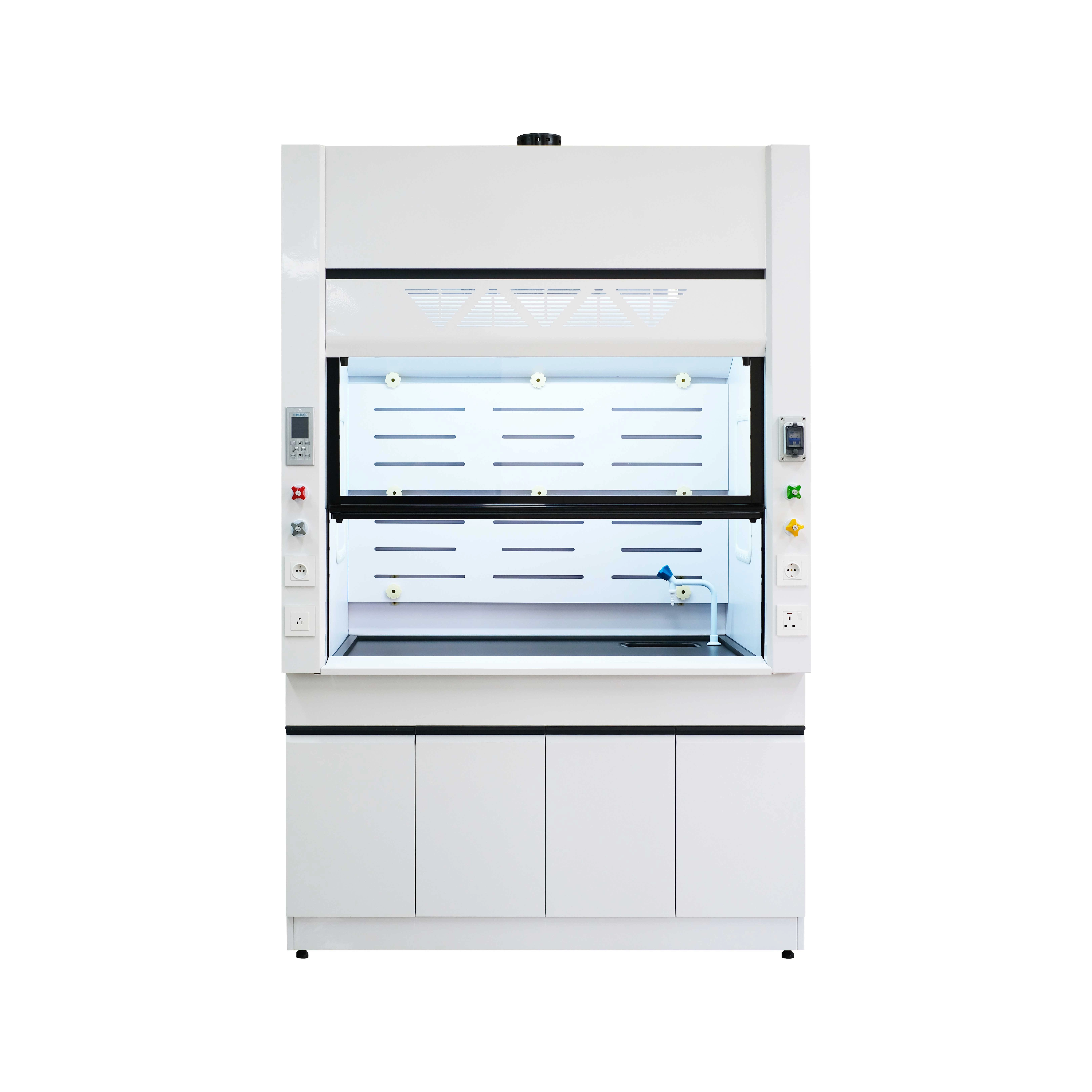
Fume Hood
The fume hood provides safe ventilation to protect against exposure to hazardous or toxic fumes, vapors, or airborne particulate. It is primarily used in laboratory and manufacturing applications to protect the user or environment outside the hood, but can also be used to protect the materials or experiment under the hood.
APPLICATION
Chemistry Lab, physics Lab, biological analysis, pharmaceutical medicine analysis, biological pharmaceutical, plant culture, environmental testing and electronic instrumentation scientific research and so on.
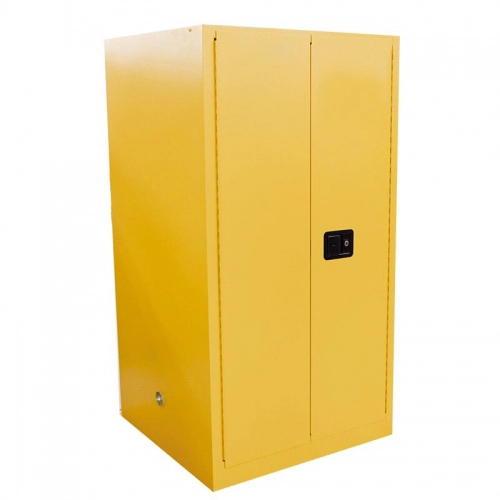
Flammable Storage Cabinet
Safety Cabinets store flammable liquids, corrosives, pesticides and other hazardous materials. All fire-resistant safety cabinets by meet fire codes and regulations for safety storage.
To help protect your people and facility from a potential fire, safety cabinets are engineered to safely contain flammable fuels, solvents, and chemicals. Safety cabinets can not only help everyone store chemicals reasonably, save chemical supplies, but also save human resources, and avoid fires caused by chemicals with the greatest strength.
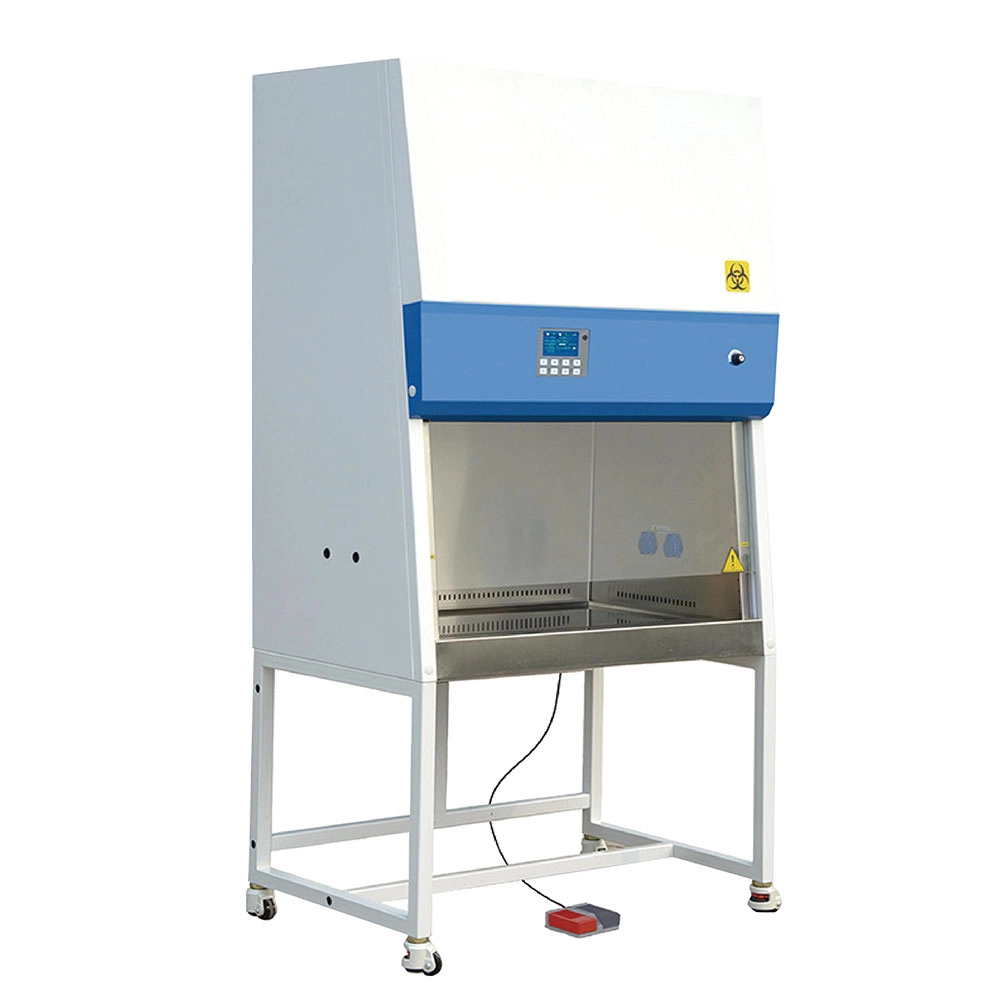
Class II Type A2 Biological Safety Cabinet for Laboratory
The Class II A2 Biological Safety Cabinet is designed to provide superior biosafety and contamination control for laboratories, research facilities, and clinical settings. With 70% air recirculation and 30% air exhaust, this cabinet ensures a safe and efficient work environment while protecting both the user and the samples.
Equipped with advanced features like a HEPA filtration system, motorized front window, and ergonomic design, this cabinet is a must-have for safe and reliable biological research.

 Scan QR Code
MaxLabFurniture
MaxLab Furniture
daihongada
Max Laboratory