
Lab Bench Configurations Ideal for Chemistry and Biology Labs
- Lab Bench Configurations Ideal for Chemistry and Biology Labs
- Why Bench Configuration Matters in Chemistry and Biology Labs
- Common Lab Bench Types and Where They Fit
- Why Choose a Floor Mounted Lab Bench for Chemistry and Biology
- Design Considerations: Workflow, Safety and Utility Integration
- Material Choices and Chemical Compatibility
- Space Optimization: Floor-Mounted vs Island vs Wall-Mounted
- Organization and Custom Storage Solutions
- Cleaning, Maintenance and Longevity
- Case Examples: Practical Bench Layouts for Chemistry and Biology
- Choosing the Right Supplier and Customization Options
- Brand Advantages: Why Our Floor Mounted Lab Bench Supports Lab Excellence
- FAQ
- Q: Are floor-mounted benches necessary for all chemistry and biology labs?
- Q: Which bench top material is best for corrosive chemistry?
- Q: Can floor-mounted benches accommodate fume hoods and biosafety cabinets?
- Q: How do I maintain a Floor Mounted Lab Bench to extend its lifecycle?
- Q: Are there customization options for storage and utilities?
- Contact Us / View Product
- Authoritative References
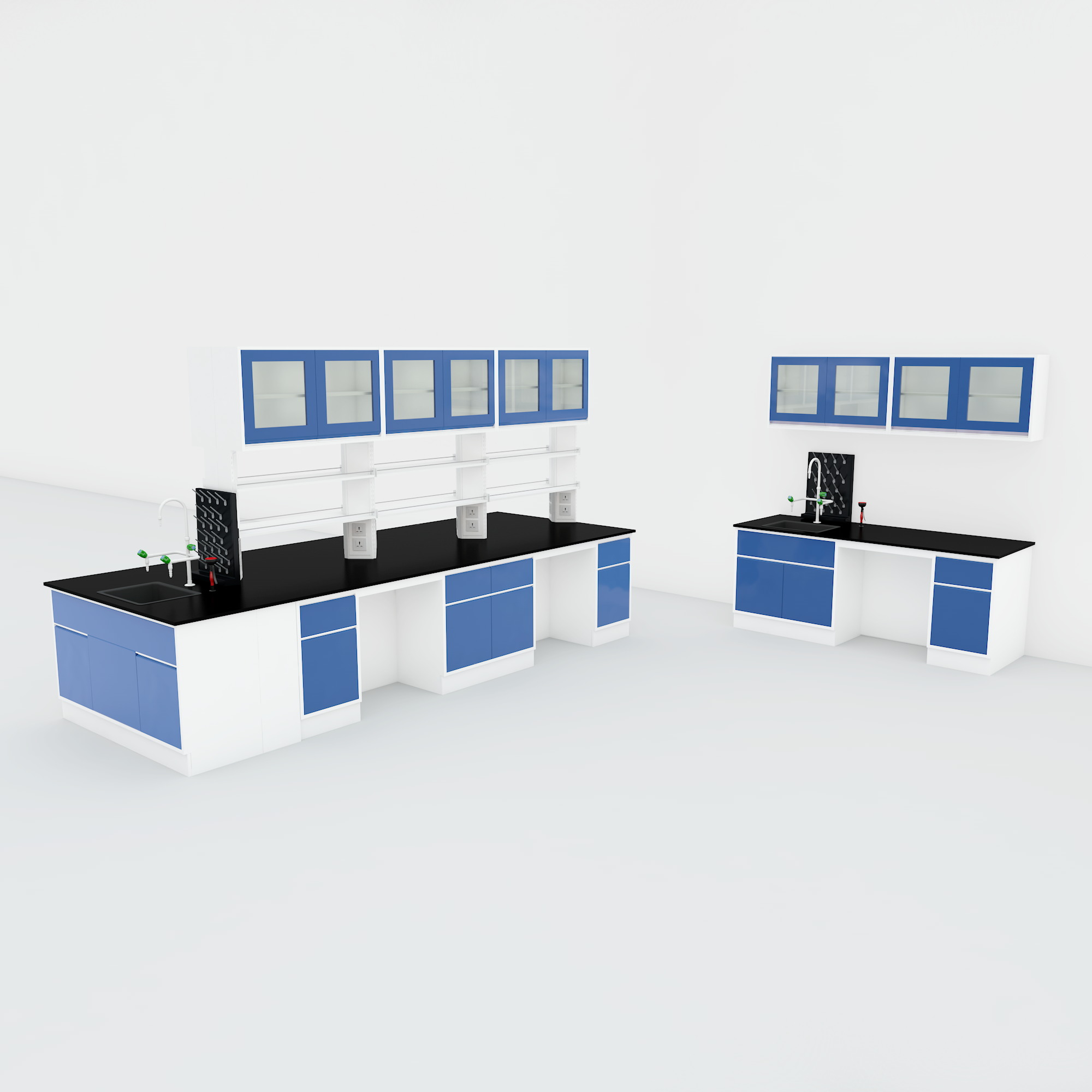
Lab Bench Configurations Ideal for Chemistry and Biology Labs
Selecting the right lab benches and configurations is a foundational decision when designing chemistry and biology laboratories. Proper bench selection influences workflow efficiency, operator safety, equipment performance, and long-term maintenance costs. This article outlines the most practical bench configurations, explains material and utility considerations, compares common layout types, and demonstrates why a Floor Mounted Lab Bench can be an excellent choice for many research, educational, and industrial settings. As lab configurations become more advanced, safely routing services is essential, which makes integrating utilities with floor mounted lab benches safely a key consideration.
Why Bench Configuration Matters in Chemistry and Biology Labs
Bench configuration affects how researchers move, how experiments are staged, and how hazards are contained. In chemistry labs, proximity to fume hoods, gas taps, and chemical storage is critical; in biology labs, clean zones, biosafety cabinet placement, and sterile workflows are paramount. Choosing the appropriate lab benches supports reproducible results and reduces cross-contamination risk. From an operational perspective, the right configuration helps you optimize space, manage utilities, and safeguard sensitive instrumentation from vibration or chemical exposure.
Common Lab Bench Types and Where They Fit
Understanding the advantages and limitations of each bench type helps match lab benches to use-cases. Below are the most common types used across chemistry and biology environments:
- Floor Mounted Lab Bench — Fixed to the floor for stability and reduced vibration; ideal for heavy instruments and long-term setups.
- Island Bench — Centrally located, accessible from multiple sides; great for collaborative work and bench-top instruments but requires careful utility routing.
- Wall-Mounted Bench — Saves floor space and is efficient for benches with sinks or fume hoods adjacent to walls.
- Mobile Bench — Wheeled benches for flexible layouts and temporary setups; not recommended for heavy or vibration-sensitive equipment.
Why Choose a Floor Mounted Lab Bench for Chemistry and Biology
The Floor Mounted Lab Bench offers several features that align directly with the priorities of chemistry and biology labs. Its robust anchoring reduces vibration and improves instrument stability — essential for balances, microscopes, and sensitive analytical equipment. The fixed design can also help route utilities cleanly and maintain a safe, uncluttered laboratory environment. Below is the product description detailing these benefits:
Our Floor Mounted Lab Bench is an essential, high-efficiency workspace for laboratories, made from high-quality steel-wood or corrosion-resistant stainless steel materials to ensure exceptional durability and stability. The unique floor-mounted design effectively reduces vibration, optimizes space usage, and provides a safe and tidy laboratory environment.
Customizable storage solutions help organize lab equipment efficiently, while the easy-to-clean surface maintains laboratory hygiene. It is widely suitable for research institutions, educational laboratories, and the chemical and pharmaceutical industries.
Practical advantages for chemistry and biology labs include:
- Reduced vibration for sensitive instruments.
- Greater load capacity for heavy equipment.
- Opportunity for integrated, lockable storage to secure chemicals and biological materials.
- Fixed routing for utilities (gas, vacuum, water, electrical), lowering leak and trip hazards.
Design Considerations: Workflow, Safety and Utility Integration
When planning bench layouts, consider these design priorities to make lab benches serve your operational needs:
- Workflow zoning: Separate “dirty” preparation zones (chemical handling, biological sample processing) from clean analytical areas to avoid cross-contamination.
- Utility access: Map gas lines, vacuum, compressed air, deionized water, and electrical outlets to bench positions prior to installation. Floor-mounted benches allow safer, concealed routing of many utilities.
- Ergonomics and height: Adjustable bench heights or ergonomic design reduce operator fatigue and injury, particularly in long experiments.
- Safety equipment adjacency: Ensure proximity to fume hoods, biosafety cabinets, eyewash stations, and spill containment areas.
Material Choices and Chemical Compatibility
Bench top and structural material selection determines chemical resistance, longevity, and cleaning protocols. Below is a concise comparison of common materials used for lab benches.
| Material | Durability | Chemical Resistance | Typical Cost | Cleaning/Maintenance |
|---|---|---|---|---|
| Stainless Steel (304/316) | Very high | Excellent against water-based chemicals; 316 better for corrosives | High | Easy — disinfectants, strong detergents; resistant to staining |
| Phenolic Resin | High | Good resistance to solvents and many acids/bases | Medium | Wipeable; avoid strong oxidizers for long-term use |
| Epoxy Resin | High | Excellent against a wide range of chemicals and heat | High | Usually low maintenance; resistant to most lab reagents |
| Steel-Wood (Powder-coated) | Medium–High | Depends on coating; susceptible to corrosion if coating damaged | Medium | Coating maintenance required; damaged areas must be repaired |
For our Floor Mounted Lab Bench, the choice between steel-wood and corrosion-resistant stainless steel should be driven by chemical exposure and cleaning protocols. Stainless steel is recommended where corrosive reagents or frequent sterilization are routine.
Space Optimization: Floor-Mounted vs Island vs Wall-Mounted
Choosing the right configuration depends on lab function. Below is a direct comparison to help you decide.
| Configuration | Best For | Advantages | Limitations |
|---|---|---|---|
| Floor Mounted Lab Bench | Heavy instruments, fixed workflows, long-term installations | Superior stability, concealed utilities, organized storage | Less flexible to reconfigure once installed |
| Island Bench | Collaborative work, equipment sharing | Accessible from multiple sides, centralized work areas | Requires careful utility routing; can congest central spaces |
| Wall-Mounted Bench | Space-limited labs, fume hood adjacency | Saves floor space, good for sinks and vertical storage | Less accessible from multiple sides; limited under-bench storage |
Organization and Custom Storage Solutions
Effective storage reduces clutter, speeds workflows, and improves safety. Floor-mounted benches often allow integrated, customizable storage options — lockable cabinets for chemicals, ventilated compartments for solvent storage, shallow drawers for consumables, and adjustable shelving for glassware. When specifying storage, consider:
- Locking mechanisms for hazardous substances.
- Ventilated enclosures for volatile solvents or compressed gas cylinders.
- Custom inserts for pipettes, microfuge tubes, and tools to keep frequently used items within arm's reach.
- Clear labeling and color-coding to avoid cross-contamination between chemistry and biology zones.
Cleaning, Maintenance and Longevity
Regular cleaning and planned maintenance extend bench life and preserve safety standards. For floor-mounted benches, recommended practices include:
- Daily wipe-downs with appropriate disinfectants or detergent solutions depending on lab type.
- Immediate cleanup of chemical spills following lab-specific spill procedures.
- Periodic inspections of coatings, fasteners, and utility connections for corrosion or wear.
- Scheduled verification of bench-level stability and anchor integrity to maintain vibration control.
Case Examples: Practical Bench Layouts for Chemistry and Biology
Example 1 — Analytical Chemistry Lab: Place Floor Mounted Lab Benches adjacent to analytical instrument racks with direct access to waste lines, solvent storage cabinets below, and dedicated electrical circuits. Anchor benches to reduce vibration that can affect mass spectrometers and balances.
Example 2 — Molecular Biology Lab: Use floor-mounted benches for sample prep and instrument benches for PCR machines and centrifuges. Arrange biosafety cabinets near wash stations and provide segregated storage for reagents versus biological waste. Easy-to-clean bench surfaces and stainless-steel tops reduce contamination risk.
Choosing the Right Supplier and Customization Options
When evaluating suppliers, prioritize manufacturers who provide:
- Material certification for stainless steel grades and coatings.
- Customization options for drawers, ventilated cabinets, and utility integration.
- Installation services and post-sale technical support.
- Compliance documentation related to lab safety guidelines and local building codes.
Our brand emphasizes quality control and practical customization tailored to real-world lab workflows. We work with clients to specify bench tops, finishes, and storage that match chemical compatibility and cleaning protocols, while offering installation services that minimize downtime. Choosing a reputable supplier reduces hidden costs and ensures the lab furniture performs reliably throughout its life cycle.
Brand Advantages: Why Our Floor Mounted Lab Bench Supports Lab Excellence
Our Floor Mounted Lab Bench is designed to support the particular needs of chemistry and biology labs:
- Durability: Options in high-quality steel-wood or corrosion-resistant stainless steel withstand harsh environments and frequent cleaning.
- Stability: Floor-mounted anchoring reduces vibration and provides a secure base for sensitive instruments.
- Customizable Storage: Modular drawers, lockable cabinets, and ventilated compartments organize tools and hazardous materials safely.
- Hygiene: Smooth, easy-to-clean surfaces are compatible with standard disinfectants and lab-grade detergents.
- Versatility: Suitable for research institutions, educational labs, and chemical and pharmaceutical industries, with options tailored to each sector's requirements.
FAQ
Q: Are floor-mounted benches necessary for all chemistry and biology labs?
A: Not always. Floor-mounted benches are particularly valuable when stability, load capacity, and permanent utility routing are priorities. Labs that require frequent reconfiguration or high mobility may prefer mobile or modular benches.
Q: Which bench top material is best for corrosive chemistry?
A: For corrosive environments, stainless steel (316 where applicable) or epoxy resin tops are often the best choices due to their chemical resistance and ease of cleaning. Always consult chemical compatibility charts for specific reagents.
Q: Can floor-mounted benches accommodate fume hoods and biosafety cabinets?
A: Yes. Floor-mounted benches are compatible with fume hood and biosafety cabinet installations, and their fixed nature can simplify utility routing and reduce vibrations transmitted to equipment.
Q: How do I maintain a Floor Mounted Lab Bench to extend its lifecycle?
A: Follow routine cleaning protocols, promptly repair any coating damage, inspect anchors and fasteners periodically, and address chemical spills according to your lab's safety guidelines.
Q: Are there customization options for storage and utilities?
A: Yes. Most manufacturers offer modular drawers, ventilated chemical cabinets, lockable storage, integrated sinks, and pre-drilled utility cutouts for gas, water, and electrical outlets.
Contact Us / View Product
If you are planning or upgrading a chemistry or biology lab and want a stable, durable, and customizable workspace, contact our sales team to discuss the Floor Mounted Lab Bench options, request drawings, or arrange an on-site consultation. View product specifications and request a quote by contacting our customer service or visiting our product page.
Authoritative References
- Laboratory furniture — Wikipedia: https://en.wikipedia.org/wiki/Laboratory_furniture
- OSHA Laboratory Safety Guidance: https://www.osha.gov/laboratory-safety
- CDC Laboratory Safety and Biosafety: https://www.cdc.gov/labs/
- Phenolic resin — Wikipedia (material properties): https://en.wikipedia.org/wiki/Phenolic_resin
- Stainless steel — Wikipedia (corrosion resistance and grades): https://en.wikipedia.org/wiki/Stainless_steel
- American Chemical Society — Safety resources: https://www.acs.org/content/acs/en/education/policies/safety.
6 Tips to Select the Right Laboratory Furniture
Fume Hood Energy Efficiency: Savings and Performance for Labs
Sustainability and Certifications to Require for Lab Countertops
Top 10 Lab Furnitures Manufacturers and Supplier Brands in 2026
For Company
Do you offer services internationally?
Yes, we serve clients around the world, including Europe, North America, and Asia. Our international experience enables us to provide solutions that meet local regulations and standards.
Are you a factory or trade company?
Direct factory. We also have our sales and design team to offer better service to our valued customers.
FAQS
What quality standards do your products meet?
We conduct strict quality inspections before products leave the factory to ensure they meet international standards and customer expectations.
For Customization
Can you create furniture for labs with special requirements?
Yes, we specialize in designing and manufacturing lab furniture for specialized environments, including clean rooms, bio labs, and industrial labs.
For Products
Do you have certifications for your products?
Yes, We have CE, ISO9001, ISO14001, OHSASI18001 and so on.

Floor Mounted Lab Bench
Our Floor Mounted Lab Bench is an essential, high-efficiency workspace for laboratories, made from high-quality steel-wood or corrosion-resistant stainless steel materials to ensure exceptional durability and stability. The unique floor-mounted design effectively reduces vibration, optimizes space usage, and provides a safe and tidy laboratory environment.
Customizable storage solutions help organize lab equipment efficiently, while the easy-to-clean surface maintains laboratory hygiene. It is widely suitable for research institutions, educational laboratories, and the chemical and pharmaceutical industries.
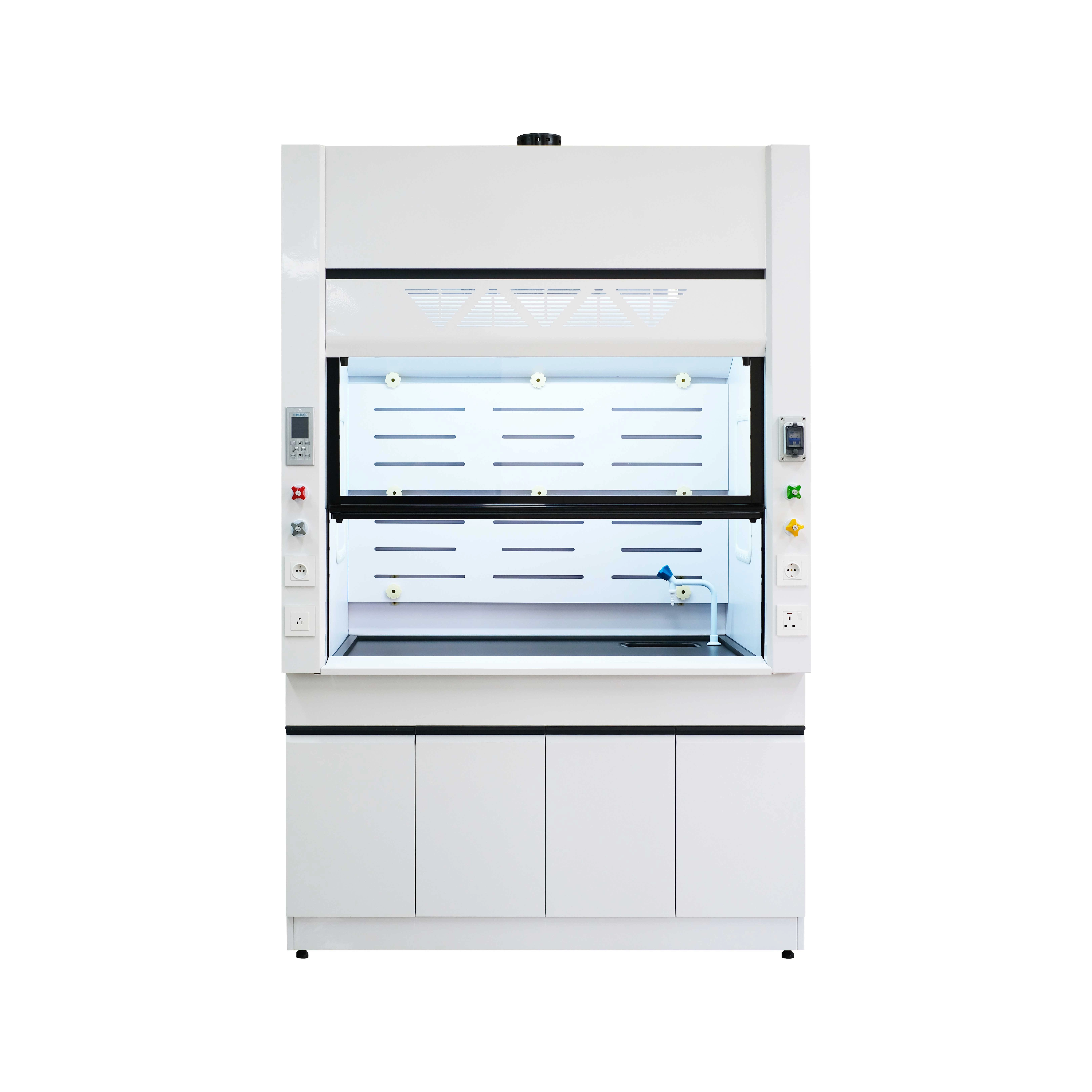
Fume Hood
The fume hood provides safe ventilation to protect against exposure to hazardous or toxic fumes, vapors, or airborne particulate. It is primarily used in laboratory and manufacturing applications to protect the user or environment outside the hood, but can also be used to protect the materials or experiment under the hood.
APPLICATION
Chemistry Lab, physics Lab, biological analysis, pharmaceutical medicine analysis, biological pharmaceutical, plant culture, environmental testing and electronic instrumentation scientific research and so on.
Flammable Storage Cabinet
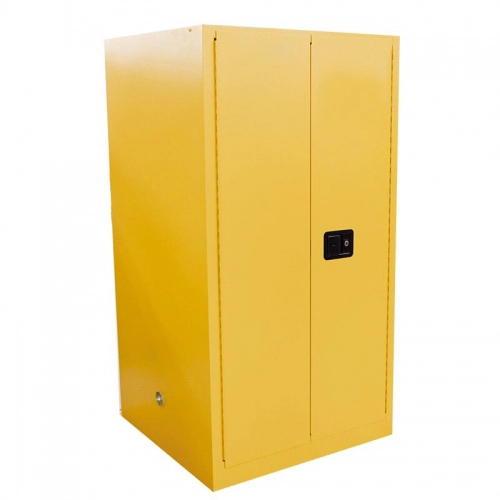
Safety Cabinets store flammable liquids, corrosives, pesticides and other hazardous materials. All fire-resistant safety cabinets by meet fire codes and regulations for safety storage.
To help protect your people and facility from a potential fire, safety cabinets are engineered to safely contain flammable fuels, solvents, and chemicals. Safety cabinets can not only help everyone store chemicals reasonably, save chemical supplies, but also save human resources, and avoid fires caused by chemicals with the greatest strength.
Class II Type A2 Biological Safety Cabinet for Laboratory
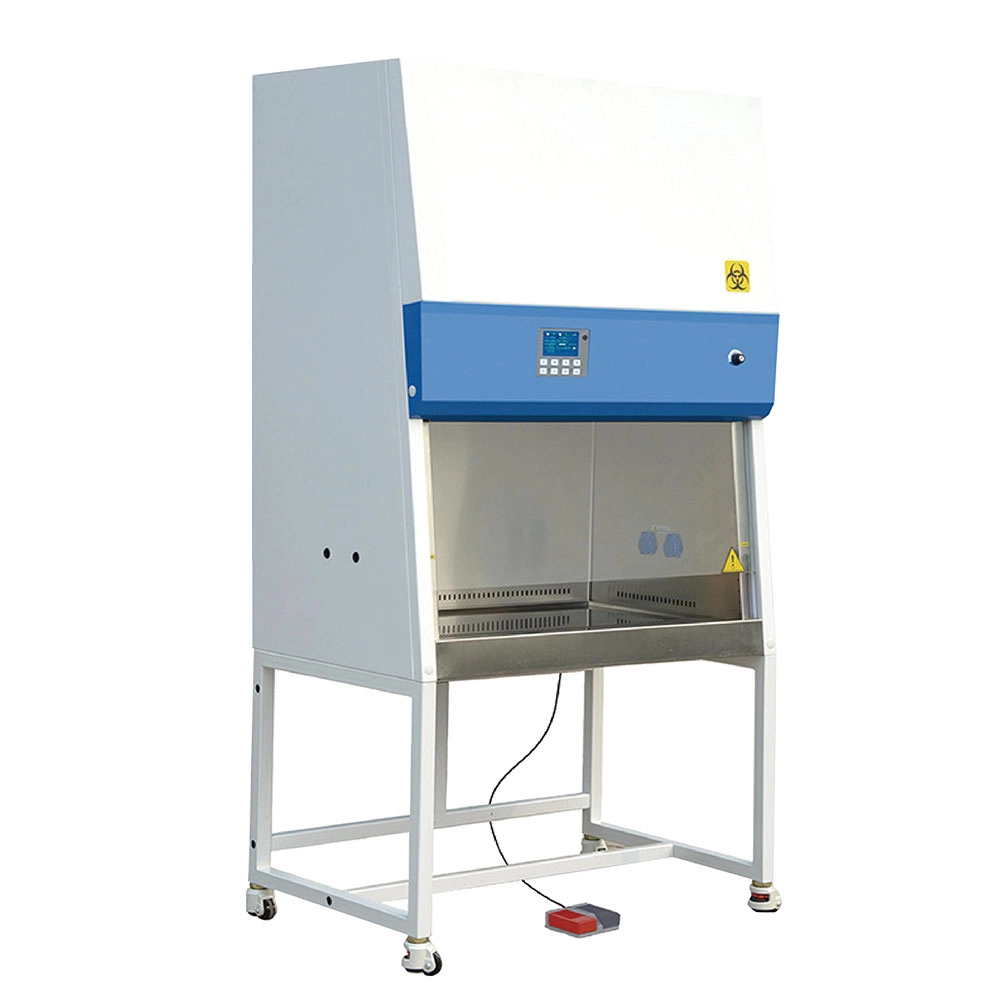
The Class II A2 Biological Safety Cabinet is designed to provide superior biosafety and contamination control for laboratories, research facilities, and clinical settings. With 70% air recirculation and 30% air exhaust, this cabinet ensures a safe and efficient work environment while protecting both the user and the samples.
Equipped with advanced features like a HEPA filtration system, motorized front window, and ergonomic design, this cabinet is a must-have for safe and reliable biological research.

 Scan QR Code
MaxLabFurniture
MaxLab Furniture
daihongada
Max Laboratory