
Integrating Utilities with Floor Mounted Lab Benches Safely
- Integrating Utilities with Floor Mounted Lab Benches Safely
- Understanding Utility Needs for Lab Benches
- Design Principles for Floor Mounted Lab Bench Utility Integration
- Material Selection and Corrosion Resistance for Lab Benches
- Electrical Safety and Grounding for Lab Benches
- Gas, Vacuum and Compressed Air Systems Integration
- Plumbing, Sinks and Chemical Waste Management
- Data, Instrumentation and Low-Voltage Services
- Installation Best Practices for Floor Mounted Lab Benches
- Commissioning, Testing and Documentation
- Maintenance, Inspection and Lifecycle Considerations
- Comparing Utility Integration Options
- Codes, Standards and Compliance for Lab Benches
- Training, Labeling and Emergency Preparedness
- Why Choose Our Floor Mounted Lab Bench for Utility Integration
- Practical Steps to Implement Our Floor Mounted Lab Bench
- Frequently Asked Questions (FAQ)
- Q1: Can I retrofit utilities into an existing floor-mounted bench?
- Q2: Are stainless steel benches required for all chemical labs?
- Q3: What are common mistakes to avoid when integrating gas into benches?
- Q4: How do I ensure electrical safety near sinks?
- Q5: What documentation should I keep after installation?
- Contact Us / View Product
- Authoritative References
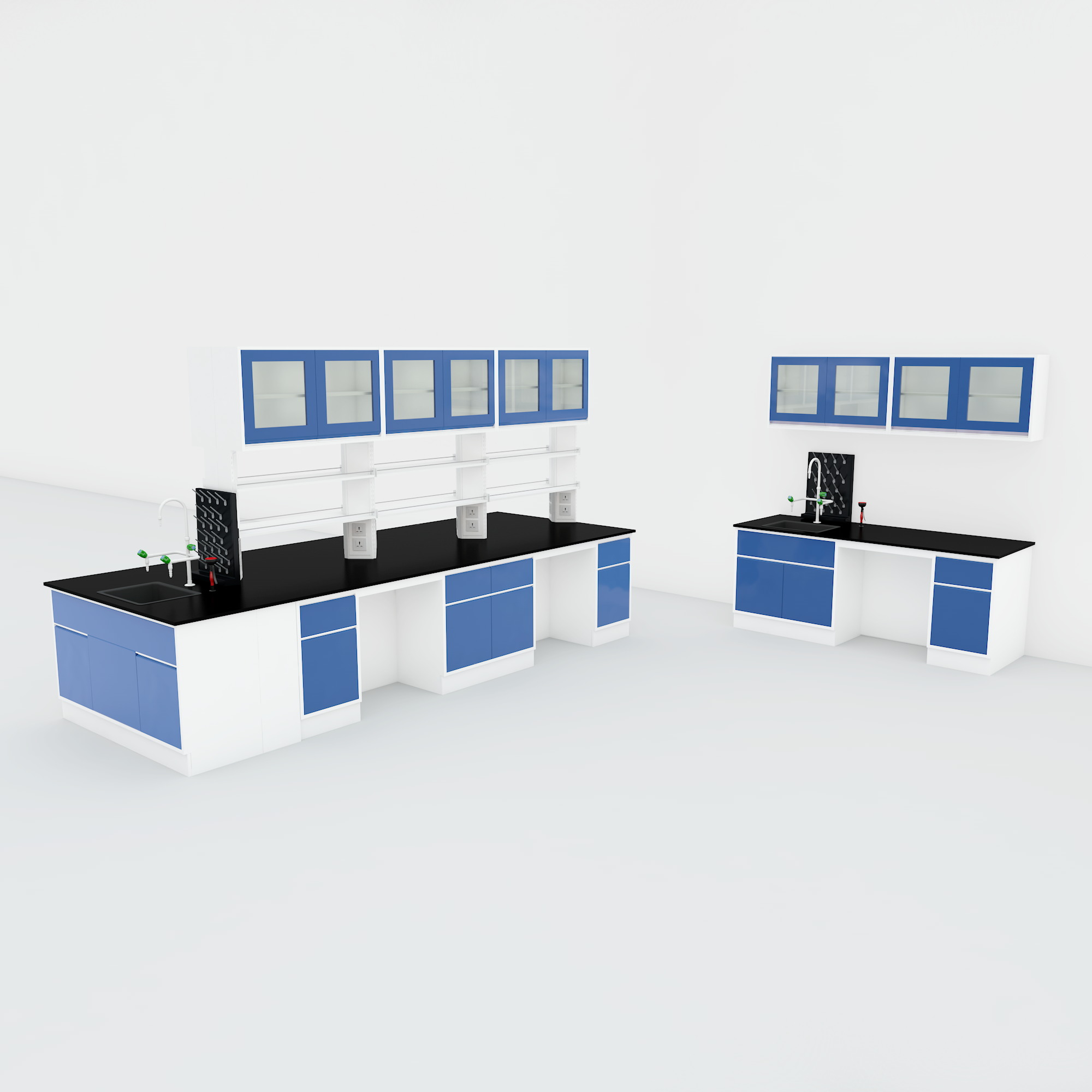
Integrating Utilities with Floor Mounted Lab Benches Safely
Floor Mounted Lab Bench systems are a foundation for efficient, safe laboratory workflows. Integrating utilities — such as electrical outlets, gas, vacuum, compressed air, plumbing and data — into these lab benches requires careful planning and execution to meet performance needs, maintain safety, and comply with codes. This guide explains practical design principles, material choices, installation best practices and maintenance strategies for lab benches to help facility managers, lab planners, and safety officers make informed decisions. With utilities installed and benches operational, ongoing reliability depends on routine care—this maintenance checklist for floor mounted lab benches helps extend service life.
Understanding Utility Needs for Lab Benches
Before beginning any utility integration, map out functional requirements for each workspace. For each bench or work zone identify the type and number of services needed (e.g., 110/230V circuits, isolated grounds, compressed air outlets, instrument vacuum, natural gas), expected flow rates, pressures, duty cycles, and chemical compatibility for plumbing/drains. Consider future flexibility: modular lab benches allow reconfiguration as research needs change. Always involve stakeholders — principal investigators, facilities, EHS/safety — early in planning to align expectations with technical constraints.
Design Principles for Floor Mounted Lab Bench Utility Integration
Good design balances accessibility, reliability, and safety. Key principles include: segregating high- and low-voltage cabling from gas and liquid lines; providing service shutoffs within reach but protected from accidental damage; locating hazardous services (flammable gas) away from ignition sources; and ensuring pathways for maintenance and replacement without major bench disassembly. For floor-mounted designs, a common strategy is to route utilities through an under-bench chase or internal service column so lines remain protected and accessible via removable panels.
Material Selection and Corrosion Resistance for Lab Benches
Material selection heavily influences longevity and safety when utilities are present. Our Floor Mounted Lab Bench is available in corrosion-resistant stainless steel and high-quality steel-wood constructions. Stainless steel work surfaces and under-structure are preferred where wet chemistry, acids or solvents are used; they minimize corrosion and eliminate many compatibility concerns for plumbing connections and fittings. For electrical and data conduits, use corrosion-resistant conduit or PVC-lined raceways in harsh environments to prevent degradation over time.
Electrical Safety and Grounding for Lab Benches
Proper electrical design is essential. Provide GFCI protection for outlets in proximity to sinks and wet processes, and consider isolated grounding for sensitive instrumentation. Use dedicated circuits for high-load equipment (ovens, hotplates, centrifuges). Route power through conduit or enclosed cable trays under the bench. Bond bench structures to building ground to prevent floating potentials between benches and large equipment. Install clear labeling for circuit descriptions and emergency shutoffs. Where appropriate, include surge protection and UPS backup for critical instruments.
Gas, Vacuum and Compressed Air Systems Integration
Gases and vacuums require strict controls: centralized supply with pressure regulation, individual branch regulators, audible/visual alarms for leaks or pressure loss, and clearly labeled valve stations. Use quick-disconnect fittings rated for laboratory service and avoid flexible tubing for permanent runs; instead run gas piping in fixed metal piping or approved laboratory gas tubing with appropriate supports. Provide manual shutoffs at the bench and in the supply room. For vacuum and compressed air, include moisture separators and filters to protect instruments. Follow applicable codes for flammable gases — locate cylinders and manifolds in ventilated, code-compliant storage.
Plumbing, Sinks and Chemical Waste Management
Plumbing integrated into lab benches needs chemical resistance, proper slope for drainage, and backflow prevention. Provide dedicated corrosive waste drains where acids or bases are used; these should be routed to neutralization systems or segregated waste receivers per local wastewater regulations. Trap primers or accessible P-traps are important to prevent sewer gas. For emergency safety, consider installing eyewash/shower access near wet work benches and ensure drainage is routed to safe collection systems rather than sanitary sewer without authorization.
Data, Instrumentation and Low-Voltage Services
Modern labs rely on data and instrument control lines. Keep low-voltage/data cabling physically separated from power and from gas/plumbing lines to reduce electromagnetic interference and contamination risk. Use dedicated cable trays or conduits, and terminate in easily accessible panels at the bench. Consider fiber optics for bandwidth-critical applications and provide labeled patch points for simple reconfiguration. For instrument racks integrated with benches, include ventilation and cable access panels.
Installation Best Practices for Floor Mounted Lab Benches
Install benches on properly prepared floors with anchors per manufacturer recommendations to minimize vibration. Floor-mounted benches reduce vibration transmission compared with lightweight open-leg benches, but anchoring and level adjustment are still essential. Plan utility routing in a coordinated fashion with mechanical and electrical contractors using a drawing set that shows bench elevations, chase locations, and service panels. Use removable access panels for under-bench chases to facilitate maintenance and modifications without disrupting lab operations.
Commissioning, Testing and Documentation
Once utilities are installed, commission each service: pressure test gas and vacuum lines, perform leakage checks, verify electrical wiring and polarity, test GFCIs and emergency shutoffs, and perform flow and pressure verification for plumbing. Document test results and provide one-line diagrams, as-built drawings and labels at each service point. Maintain a log of commissioning tests and periodic re-tests as required by local regulations or institutional policies.
Maintenance, Inspection and Lifecycle Considerations
Regular inspections and preventive maintenance extend service life and reduce risk. Typical tasks include checking fittings and hose connections for wear, testing gas leak detectors, verifying GFCIs and ground integrity, inspecting drain lines for clogs, and replacing corroded components. Establish routine schedules and train in-house staff or contract qualified service providers. Store spare parts like quick-disconnects and fuses on site for rapid repairs.
Comparing Utility Integration Options
Different bench utility integration strategies suit different labs. The table below summarizes common options and trade-offs.
| Integration Option | Advantages | Limitations | Best Use |
|---|---|---|---|
| Under-bench chase | Protected routing, neat appearance, easy access via panels | May limit knee space, requires planned access points | General wet and instrumentation benches |
| Overhead service carrier | Maximizes bench surface and under-space, flexible reconfiguration | Higher initial cost, requires ceiling support | Variable benches and teaching labs |
| Service column | Concentrates services, compact footprint, modular | May clutter workspace if not well designed | Isolated workstations, high-service density zones |
| Benchtop service panels | Immediate access to outlets and valves | Consumes working area, can be contaminated by spills | Analytical benches with frequent instrument use |
Codes, Standards and Compliance for Lab Benches
Integration of utilities must follow applicable codes and standards. Common references include OSHA laboratory safety guidance, NFPA standards for laboratory fire and gas safety, and local building and plumbing codes. Many institutions also adopt best-practice guidance from public health agencies for biosafety labs. Verify requirements early, and involve code officials or third-party reviewers for projects with hazardous utilities or complex systems.
Training, Labeling and Emergency Preparedness
Even the best-designed bench requires trained personnel. Provide SOPs for connecting/disconnecting utilities, leak response, and emergency shutoff procedures. Label all service points clearly with service type and maximum allowable pressures or voltages. Implement drills for gas leaks, chemical spills and power failures, and ensure emergency equipment (spill kits, eyewash stations, fire extinguishers) is accessible and maintained.
Why Choose Our Floor Mounted Lab Bench for Utility Integration
Our Floor Mounted Lab Bench is an essential, high-efficiency workspace for laboratories, made from high-quality steel-wood or corrosion-resistant stainless steel materials to ensure exceptional durability and stability. The unique floor-mounted design effectively reduces vibration, optimizes space usage, and provides a safe and tidy laboratory environment.
Customizable storage solutions help organize lab equipment efficiently, while the easy-to-clean surface maintains laboratory hygiene. It is widely suitable for research institutions, educational laboratories, and the chemical and pharmaceutical industries. Key advantages for utilities integration include:
- Built-in under-bench chases and removable panels for neat, protected routing of gas, electrical and plumbing lines.
- Stainless steel options for corrosive environments and wet chemistry applications.
- Pre-configured service columns and bench-top panels available for quick customization.
- Anchoring and leveling systems designed to minimize vibration and provide a stable platform for precision instruments.
- Comprehensive factory testing options to support commissioning and documentation needs.
Practical Steps to Implement Our Floor Mounted Lab Bench
To integrate utilities safely using our Floor Mounted Lab Bench system, follow these steps: 1) Assess and document required services; 2) Select appropriate bench material and service options; 3) Coordinate drawings with MEP contractors; 4) Install benches and route utilities using the integrated chases; 5) Commission each system and document test results; 6) Train users and establish maintenance schedules.
Frequently Asked Questions (FAQ)
Q1: Can I retrofit utilities into an existing floor-mounted bench?
A1: Yes, in many cases you can retrofit utilities using under-bench chases or adding service columns. Retrofitting requires an assessment to ensure there is adequate space and that routing complies with codes. Plan for access panels and possible temporary downtime for rework.
Q2: Are stainless steel benches required for all chemical labs?
A2: Not always. Stainless steel is recommended where corrosive chemicals, acids, or strong solvents are common. For general teaching labs or low-corrosion environments, steel-wood with chemical-resistant tops may be acceptable and more cost-effective.
Q3: What are common mistakes to avoid when integrating gas into benches?
A3: Common mistakes include using flexible tubing for permanent gas runs, failing to provide shutoffs at both bench and source, inadequate labeling, and poor separation from electrical components. Use fixed piping, include leak detection, and follow NFPA and local codes.
Q4: How do I ensure electrical safety near sinks?
A4: Use GFCI protection for outlets near sinks, mount outlets at a safe distance when possible, and ensure all electrical circuits are properly grounded. Consider isolated grounds for sensitive lab instruments.
Q5: What documentation should I keep after installation?
A5: Keep as-built drawings, test and commissioning reports, maintenance schedules, and a list of spare parts. Also retain certificates for gas line pressure tests and electrical inspections required by authorities.
Contact Us / View Product
To learn more about integrating utilities into our Floor Mounted Lab Bench and to request a quote or layout assistance, contact our technical sales team or view the product page. Our experts can provide drawings, material options, and compliance support for your project.
Authoritative References
- OSHA Laboratory Safety Guidance: https://www.osha.gov/laboratory/overview
- NFP A - National Fire Protection Association: https://www.nfpa.org/
- CDC - Laboratory Safety Publications: https://www.cdc.gov/biosafety/publications/index.htm
- Wikipedia - Laboratory: https://en.wikipedia.org/wiki/Laboratory
- Local building and plumbing codes — consult jurisdictional authority for specific links
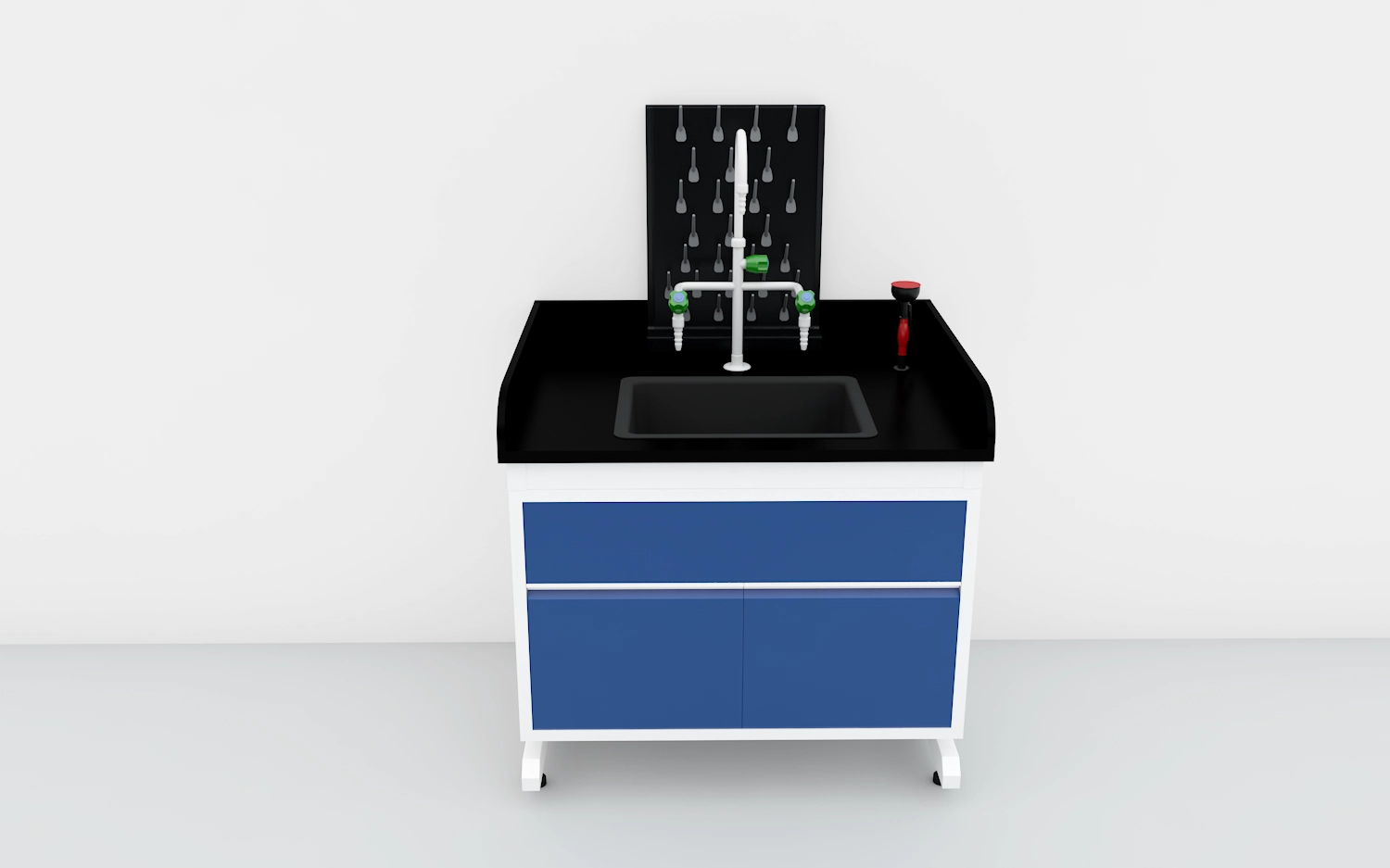
Compliance and Standards to Consider for Lab Sink Installations
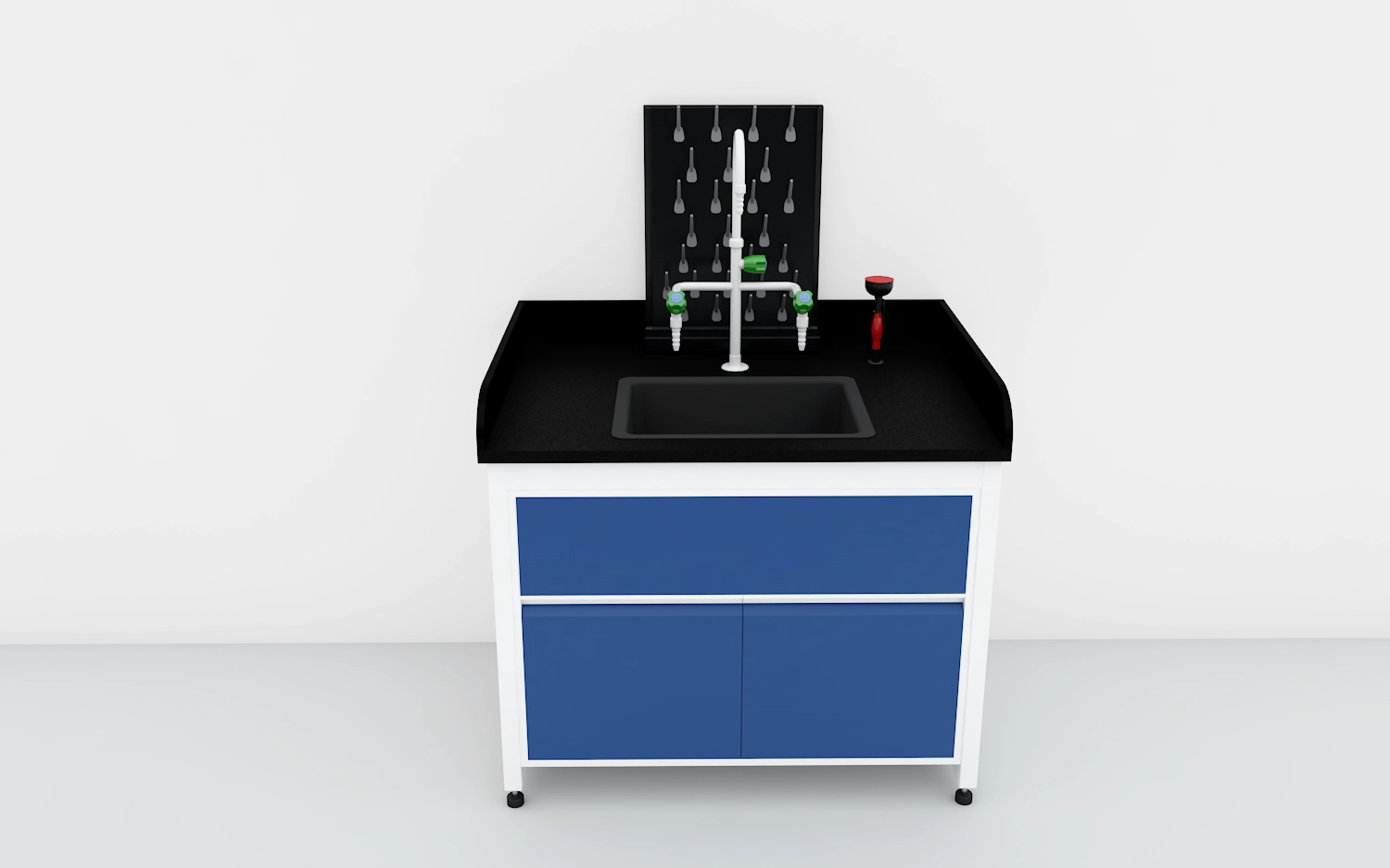
Plumbing and Installation Considerations for Lab Sink Cabinets
Sustainable Lab Furniture: Eco-Friendly Materials

How to Choose the Right Lab Benches for Your Laboratory
For Logistics
What is the lead time?
We usually will start to work after receiving 50% deposit, and as for the exact lead time, it depends on quantity and detailed requirement. We can promise it will be shipped on time as we negotiated.
About Solution
Does your laboratory furniture support customization?
Yes, we provide fully customized services including size, material, color and functional design to meet customers' specific needs.
What is the warranty policy of the product?
We provide 1-3 years warranty service, depending on the product type. Meanwhile, comprehensive after-sales support is provided, including repair and replacement services.
How to ensure the safety performance of the fume hood?
Our fume hoods adopt high-efficiency filtration system and intelligent air speed control technology to ensure that harmful gases are effectively eliminated during experiments and protect users' health.
For Customization
Can I request a specific material for my lab furniture?
Yes, we can customize the material for your lab benches, fume hoods, and other equipment based on your preferences and the type of work being done in your lab.
Floor Mounted Lab Bench
Our Floor Mounted Lab Bench is an essential, high-efficiency workspace for laboratories, made from high-quality steel-wood or corrosion-resistant stainless steel materials to ensure exceptional durability and stability. The unique floor-mounted design effectively reduces vibration, optimizes space usage, and provides a safe and tidy laboratory environment.
Customizable storage solutions help organize lab equipment efficiently, while the easy-to-clean surface maintains laboratory hygiene. It is widely suitable for research institutions, educational laboratories, and the chemical and pharmaceutical industries.
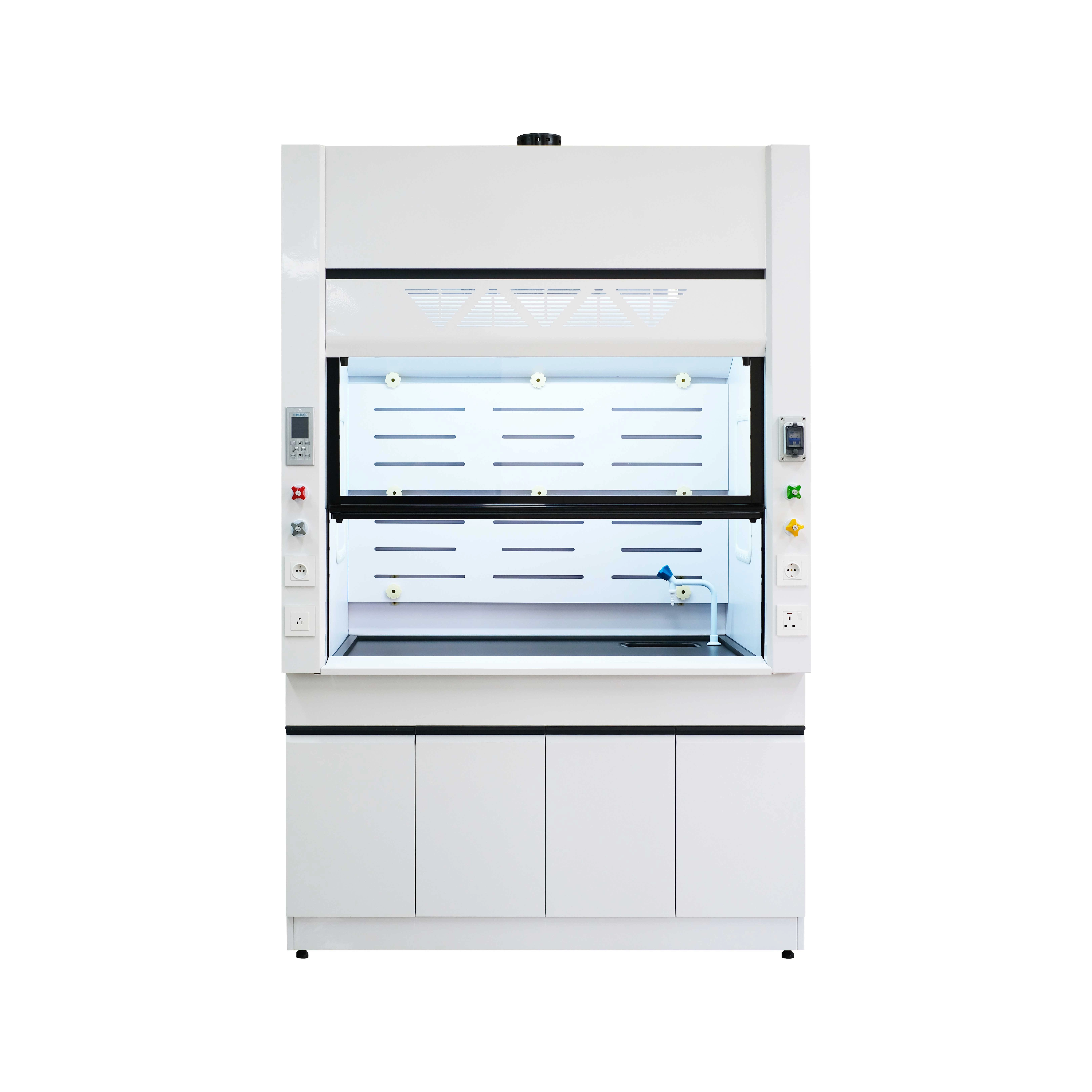
Fume Hood
The fume hood provides safe ventilation to protect against exposure to hazardous or toxic fumes, vapors, or airborne particulate. It is primarily used in laboratory and manufacturing applications to protect the user or environment outside the hood, but can also be used to protect the materials or experiment under the hood.
APPLICATION
Chemistry Lab, physics Lab, biological analysis, pharmaceutical medicine analysis, biological pharmaceutical, plant culture, environmental testing and electronic instrumentation scientific research and so on.
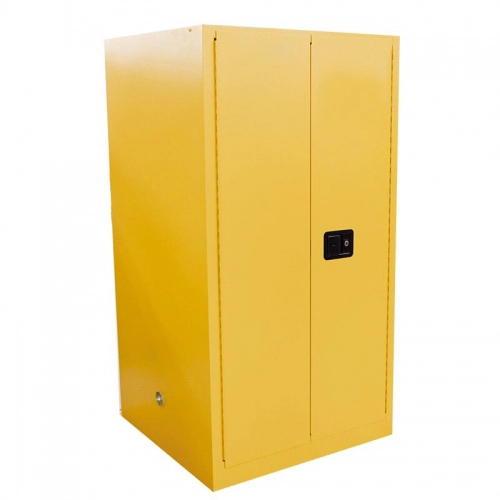
Flammable Storage Cabinet
Safety Cabinets store flammable liquids, corrosives, pesticides and other hazardous materials. All fire-resistant safety cabinets by meet fire codes and regulations for safety storage.
To help protect your people and facility from a potential fire, safety cabinets are engineered to safely contain flammable fuels, solvents, and chemicals. Safety cabinets can not only help everyone store chemicals reasonably, save chemical supplies, but also save human resources, and avoid fires caused by chemicals with the greatest strength.
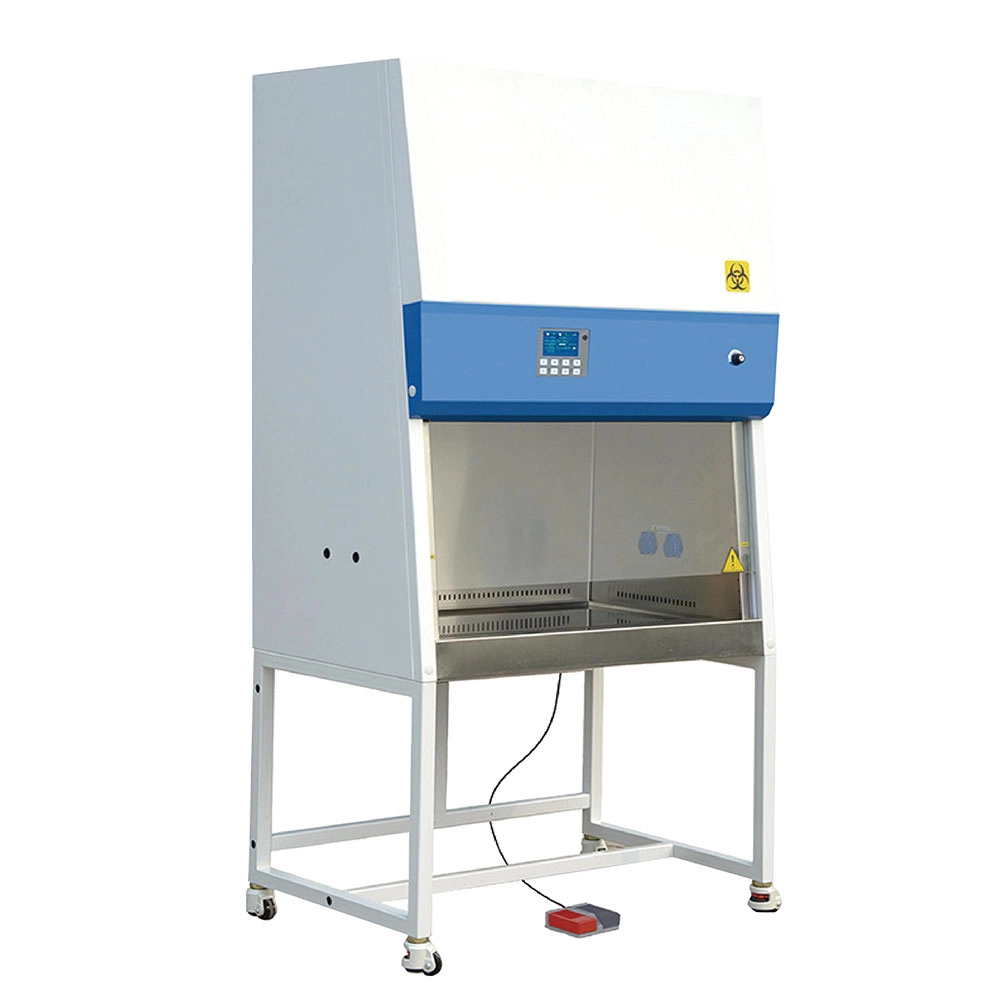
Class II Type A2 Biological Safety Cabinet for Laboratory
The Class II A2 Biological Safety Cabinet is designed to provide superior biosafety and contamination control for laboratories, research facilities, and clinical settings. With 70% air recirculation and 30% air exhaust, this cabinet ensures a safe and efficient work environment while protecting both the user and the samples.
Equipped with advanced features like a HEPA filtration system, motorized front window, and ergonomic design, this cabinet is a must-have for safe and reliable biological research.

 Scan QR Code
MaxLabFurniture
MaxLab Furniture
daihongada
Max Laboratory