
Fume Hood Selection for Lab Safety and Regulatory Compliance
- Fume Hood Selection for Lab Safety and Regulatory Compliance
- What a Fume Hood Is and Why It Matters
- Types of Fume Hoods and Typical Applications
- Performance Criteria: What to Measure
- Standards and Regulatory Considerations
- Siting, Installation, and Building Integration
- Operational Controls and Ergonomics
- Maintenance, Testing, and Life Cycle Costs
- Comparative Table: Choosing Based on Risk and Constraints
- Procurement Checklist: Questions to Ask Suppliers
- Brand Advantages and Why Choose Our Fume Hood
- Installation, Commissioning, and Acceptance Testing Requirements
- Common Pitfalls and How to Avoid Them
- FAQ — Frequently Asked Questions
- Contact Us / View Product CTA
- Authoritative References and Further Reading
Fume Hood Selection for Lab Safety and Regulatory Compliance
What a Fume Hood Is and Why It Matters
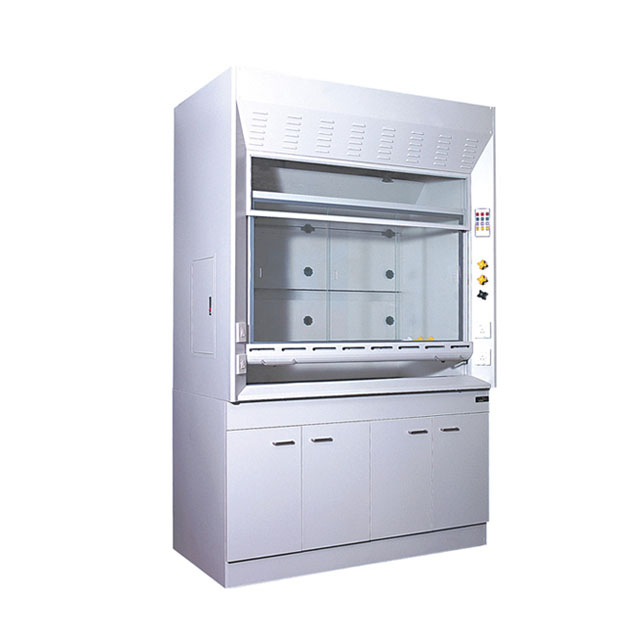
The fume hood provides safe ventilation to protect against exposure to hazardous or toxic fumes, vapors, or airborne particulate. It is primarily used in laboratory and manufacturing applications to protect the user or environment outside the hood, but can also be used to protect the materials or experiment under the hood.
Choosing the right fume hood is a foundational decision for lab safety programs and regulatory compliance. The correct selection reduces exposure risk, protects environmental emissions, supports experiment integrity, and ensures adherence to local and international standards such as OSHA, ASHRAE, and EN 14175. Once compliance requirements are clear, buyers often focus on long-term operational performance. Understanding fume hood energy efficiency savings and performance for labs helps balance safety with ongoing energy costs.
Types of Fume Hoods and Typical Applications
Not all fume hoods are the same. Selecting the right type starts with understanding the application, chemistry, and operational needs. Common types include:
- Ducted (Exhaust) Fume Hoods: Connected to a building exhaust system; ideal for highly toxic, flammable, or odorous chemicals. Best for chemistry labs and processes producing hazardous vapors.
- Ductless (Recirculating) Fume Hoods: Use filters (e.g., activated carbon, HEPA) to clean and recirculate air. Suitable for low-toxicity, well-characterized chemicals. Useful where ducting is impractical but must be validated for the chemicals used.
- Low-Flow / Variable Airflow Hoods: Energy-efficient options that modulate airflow while maintaining protection—good for facilities balancing safety and sustainability.
- Perchloric Acid and Specialty Hoods: Engineered for specific hazards (e.g., oxidizers) with special wash-down and corrosion-resistant materials.
- Canopy Hoods: For local capture of vented gases from equipment rather than bench-scale manipulations.
Performance Criteria: What to Measure
When comparing models, focus on measurable performance and user protection metrics:
- Face Velocity: Typical recommended range is 80–120 feet per minute (fpm) for general use, with 100 fpm commonly cited as a practical balance. Specific procedures or local regulations may require different setpoints.
- Capture and Containment: Verified by tracer gas tests (e.g., ASHRAE 110) and smoke tests; the hood must contain simulated contaminants under realistic working conditions.
- Airflow Stability and Alarms: Variable air volume (VAV) systems require robust monitoring and audible/visual alarms for under/over-speed conditions.
- Filtration (for ductless): Filter type, bed size, change-out intervals, and validated capture efficiency for target compounds are critical.
- Materials and Chemical Compatibility: Work-surface materials (e.g., epoxy resin, stainless steel), lining, and sash design must resist the chemicals used.
Standards and Regulatory Considerations
Compliance with recognized standards demonstrates due diligence. Key standards and authorities include:
- OSHA Guidance: Regulations and recommended practices for ventilation and personal protection in occupational settings.
- ASHRAE 110: Standard test method for laboratory fume hood containment performance.
- EN 14175: European standard for fume cupboards—covers classification, testing, and performance.
- NIOSH and Local Environmental/Health Agencies: Provide hazard-focused guidance and emission control requirements.
Documenting compliance—test reports, commissioning certificates, and maintenance logs—will simplify audits and regulatory inspections.
Siting, Installation, and Building Integration
Proper siting and installation directly affect performance:
- Locate hoods away from high-traffic corridors, doors, HVAC diffusers, and windows that create cross-drafts.
- Plan duct routes with minimal bends and appropriate materials to resist corrosion and deposition.
- Confirm building exhaust capacity and make-up air to avoid creating negative pressure in labs or reducing hood face velocity.
- Commissioning by an experienced third party (including face velocity, smoke patterns, and tracer tests) is recommended before first use.
Operational Controls and Ergonomics
Good design considers operator behavior because misuse undermines protection. Key operational features include:
- Clear sash markings showing recommended working sash height; consider sash stops and automatic sash closures.
- Intuitive controls and status indicators for airflow, filter life (for ductless), and alarms.
- Proper lighting, access to utilities, and adequate knee/leg space for comfortable, safe work.
Maintenance, Testing, and Life Cycle Costs
Lifecycle costs include energy, filters, calibration, repairs, and recertification. Important maintenance considerations:
- Annual or semi-annual performance testing (face velocity, containment tests) depending on use intensity and risk.
- Filter replacement schedules for ductless hoods—these must be based on documented capacity and change-out procedures.
- Regular cleaning, inspection of ductwork and seal integrity, and calibration of airflow monitors and alarms.
Comparative Table: Choosing Based on Risk and Constraints
| Criteria | Ducted Fume Hood | Ductless Fume Hood | Specialty Fume Hood (Perchloric, etc.) |
|---|---|---|---|
| Best for | Highly toxic/volatile chemicals, heavy use | Low-toxicity, well-characterized chemicals; retrofit locations | Reactive/oxidizing chemistries requiring wash-down or corrosion resistance |
| Installation | Requires ducting and building exhaust capacity | No ducting, easier retrofit | Ducting with specialized materials and wash systems |
| Operational cost | Higher energy (continuous exhaust) | Lower energy but recurring filter cost | Higher due to corrosion control and special maintenance |
| Regulatory suitability | Preferred for regulated hazardous emissions | Acceptable only when validated for target compounds | Required for some hazardous chemistries (e.g., perchloric acid) |
Procurement Checklist: Questions to Ask Suppliers
When evaluating vendors and models, request documentation and ask:
- Can you provide ASHRAE 110 or EN 14175 test reports for the exact model?
- What is the recommended face velocity and how is it maintained or monitored?
- For ductless hoods: Are filter capacities and breakthrough data provided for our chemicals?
- What commissioning, warranty, and service packages are included?
- Can the hood be customized for utilities, materials, and special exhaust requirements?
Brand Advantages and Why Choose Our Fume Hood
Our Fume Hood product is designed for reliability, safety, and ease of maintenance. Key advantages:
- Proven containment: Factory and third-party ASHRAE 110 test reports available for our standard models.
- Flexible configurations: Ducted, ductless, and specialty options with material choices (epoxy, stainless, chemical-resistant laminates).
- Energy-efficient options: Low-flow VAV designs with precise monitoring and alarm systems to lower operating costs without sacrificing protection.
- Comprehensive support: On-site commissioning, scheduled maintenance plans, and rapid parts/service response.
- Regulatory documentation: Full documentation packages to support audits and lab certifications.
Installation, Commissioning, and Acceptance Testing Requirements
Ensure the following before declaring acceptance:
- Completion of ductwork and verification of exhaust/ make-up air balancing.
- Face velocity mapping across the sash opening and smoke pattern tests per ASHRAE 110.
- Operational tests of alarms, sash stops, and control systems.
- Delivery of full documentation: installation checklist, test reports, user manual, and maintenance schedule.
Common Pitfalls and How to Avoid Them
Common mistakes that reduce fume hood effectiveness include:
- Poor siting near HVAC diffusers or doors — perform airflow modeling or simply rearrange to avoid cross-drafts.
- Using ductless hoods without validating filter effectiveness for specific chemicals — perform breakthrough testing.
- Neglecting commissioning and periodic re-testing — include test schedules in SOPs and maintenance contracts.
- Ignoring human factors — train users on sash management, proper storage, and not using hoods as chemical storage cabinets.
FAQ — Frequently Asked Questions
Q: What face velocity should I set for a general chemistry hood?
A: For most general chemistry fume hoods, 80–120 fpm is a commonly recommended range; 100 fpm is a practical target. Always follow any site-specific policies and test containment performance after commissioning.
Q: Can we use a ductless fume hood for corrosive or highly toxic vapors?
A: Ductless hoods are generally unsuitable for corrosive or highly toxic vapors unless validated with appropriate filters and breakthrough testing for those specific compounds. For unpredictable or highly hazardous chemistries, ducted hoods are preferred.
Q: How often should fume hoods be recertified?
A: Many institutions perform annual recertification, though frequency should be based on use intensity and risk. High-risk processes may warrant semi-annual testing.
Q: What documentation should the supplier provide?
A: ASHRAE 110 or EN 14175 test reports for the model, installation and commissioning checklists, user manual, filter specifications (for ductless), and maintenance schedules.
Q: How do I know if a fume hood installation is affecting other labs (negative pressure)?
A: Check building pressurization and make-up air. If labs are becoming negatively pressured or doors are hard to open, coordinate with facilities to rebalance HVAC and supply sufficient make-up air.
Contact Us / View Product CTA
If you are ready to improve lab safety and ensure regulatory compliance, contact our sales and technical team for a personalized consultation, on-site assessment, or to request a quote. View our Fume Hood product line and request ASHRAE 110/EN 14175 reports to verify performance before purchase. For immediate assistance, email sales@example.com or call +1-800-555-0123.
Authoritative References and Further Reading
References used and recommended for deeper guidance:
- Occupational Safety and Health Administration (OSHA) — Laboratory Safety and Health Topics: https://www.osha.gov/laboratory
- American Society of Heating, Refrigerating and Air-Conditioning Engineers (ASHRAE) Standard 110 — Method of Testing Performance of Laboratory Fume Hoods: https://www.ashrae.org/ (search for ASHRAE 110)
- European Committee for Standardization — EN 14175 (Fume cupboards): https://standards.cen.eu
- National Institute for Occupational Safety and Health (NIOSH) — Laboratory Safety: https://www.cdc.gov/niosh/topics/labs/default.
- Wikipedia — Fume hood (for general overview): https://en.wikipedia.org/wiki/Fume_hood
For procurement support, on-site evaluation, or to obtain detailed test reports for our Fume Hood product, contact our technical sales team.
Lab Sink Cabinet Buying Guide: Materials, Sizes, and Features
Ergonomic Considerations for Lab Benches to Reduce Fatigue
Top Lab Furniture Manufacturers and Suppliers in 2026
Custom Fabrication Options for Lab Countertops and Specs
For Products
Do you offer ergonomic solutions for lab furniture?
Yes, our laboratory furniture includes ergonomic designs such as height-adjustable lab benches and chairs that reduce strain during long hours of work.
For Logistics
What is the lead time?
We usually will start to work after receiving 50% deposit, and as for the exact lead time, it depends on quantity and detailed requirement. We can promise it will be shipped on time as we negotiated.
Customization
What information do I need to provide to start a custom project?
In order to start a custom project, you need to provide information about the spatial layout of the laboratory, functional requirements, equipment quantity and specifications, budget, etc. If possible, you can also provide reference drawings or patterns so that we can better understand your needs.
For Customization
Can I customize the size and configuration of my lab furniture?
Yes, we offer full customization for laboratory benches, modular systems, and storage units to meet your specific space and functional needs.
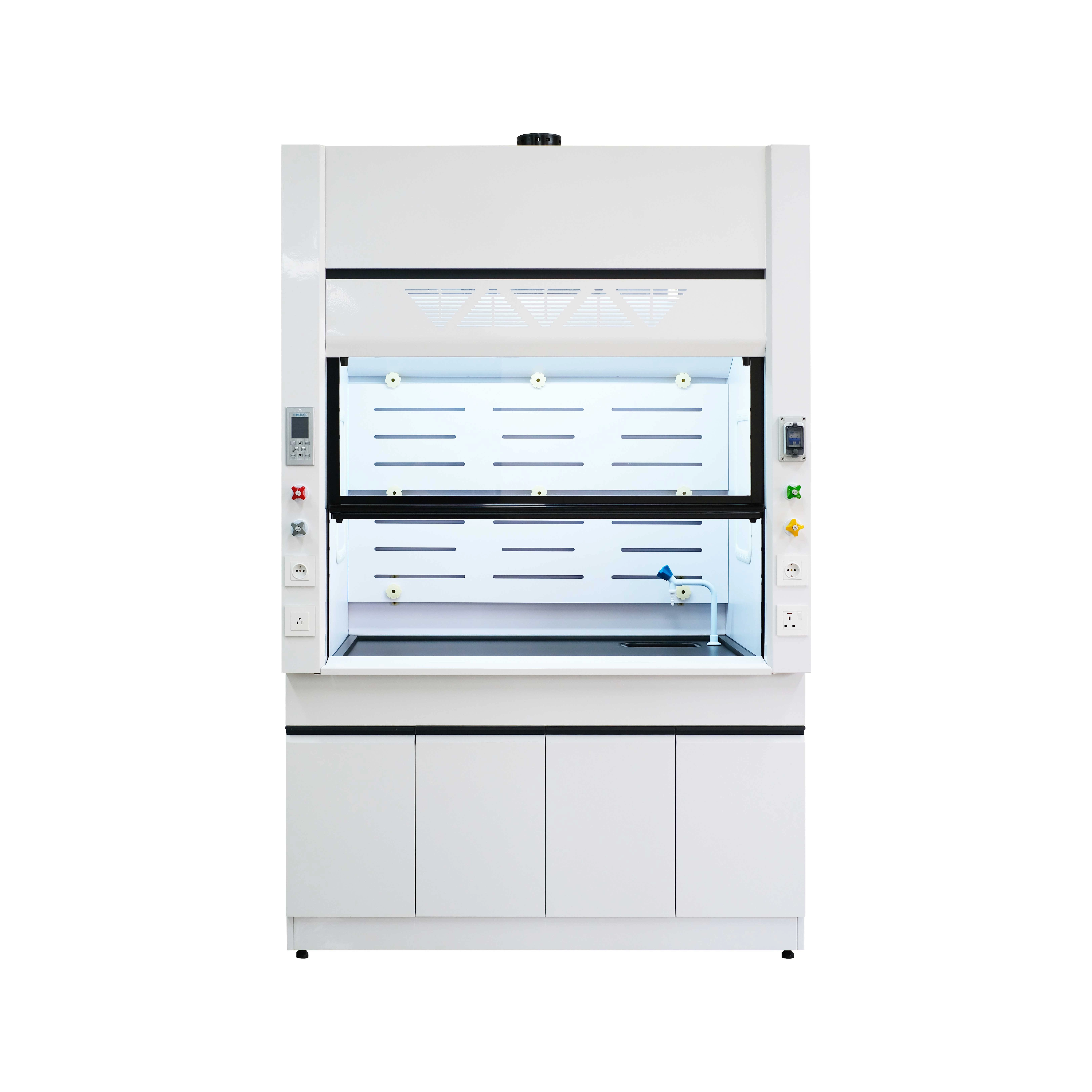
Fume Hood
The fume hood provides safe ventilation to protect against exposure to hazardous or toxic fumes, vapors, or airborne particulate. It is primarily used in laboratory and manufacturing applications to protect the user or environment outside the hood, but can also be used to protect the materials or experiment under the hood.
APPLICATION
Chemistry Lab, physics Lab, biological analysis, pharmaceutical medicine analysis, biological pharmaceutical, plant culture, environmental testing and electronic instrumentation scientific research and so on.

Floor Mounted Lab Bench
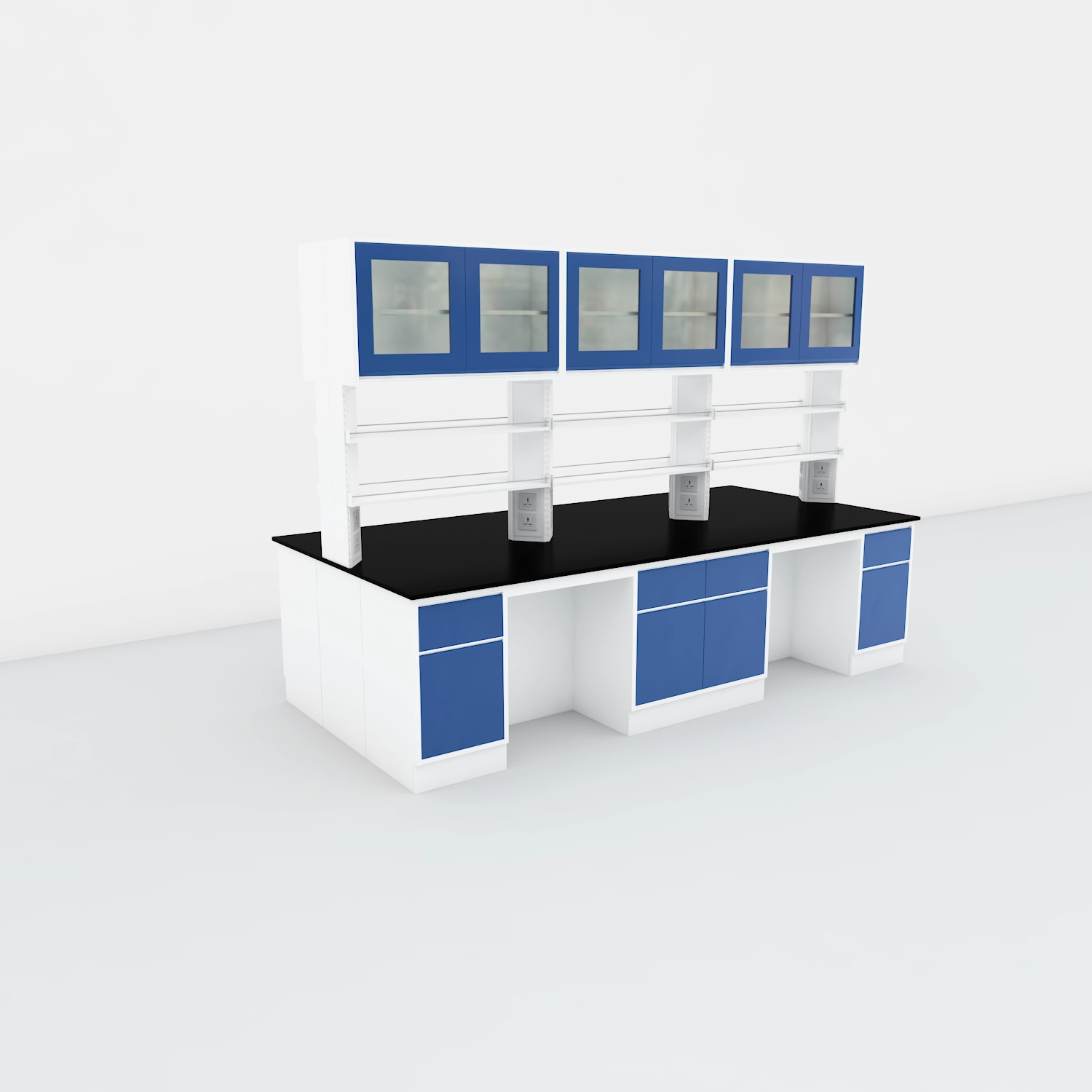
Our Floor Mounted Lab Bench is an essential, high-efficiency workspace for laboratories, made from high-quality steel-wood or corrosion-resistant stainless steel materials to ensure exceptional durability and stability. The unique floor-mounted design effectively reduces vibration, optimizes space usage, and provides a safe and tidy laboratory environment.
Customizable storage solutions help organize lab equipment efficiently, while the easy-to-clean surface maintains laboratory hygiene. It is widely suitable for research institutions, educational laboratories, and the chemical and pharmaceutical industries.
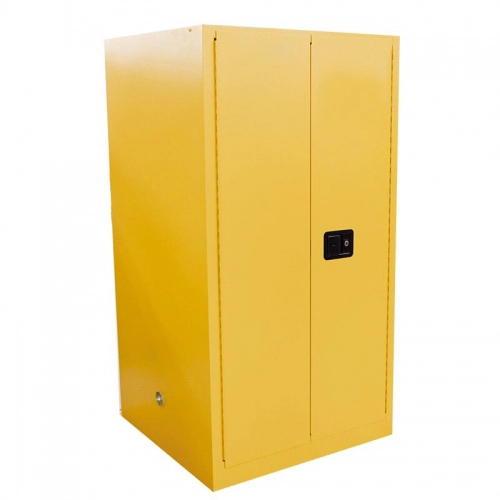
Flammable Storage Cabinet
Safety Cabinets store flammable liquids, corrosives, pesticides and other hazardous materials. All fire-resistant safety cabinets by meet fire codes and regulations for safety storage.
To help protect your people and facility from a potential fire, safety cabinets are engineered to safely contain flammable fuels, solvents, and chemicals. Safety cabinets can not only help everyone store chemicals reasonably, save chemical supplies, but also save human resources, and avoid fires caused by chemicals with the greatest strength.
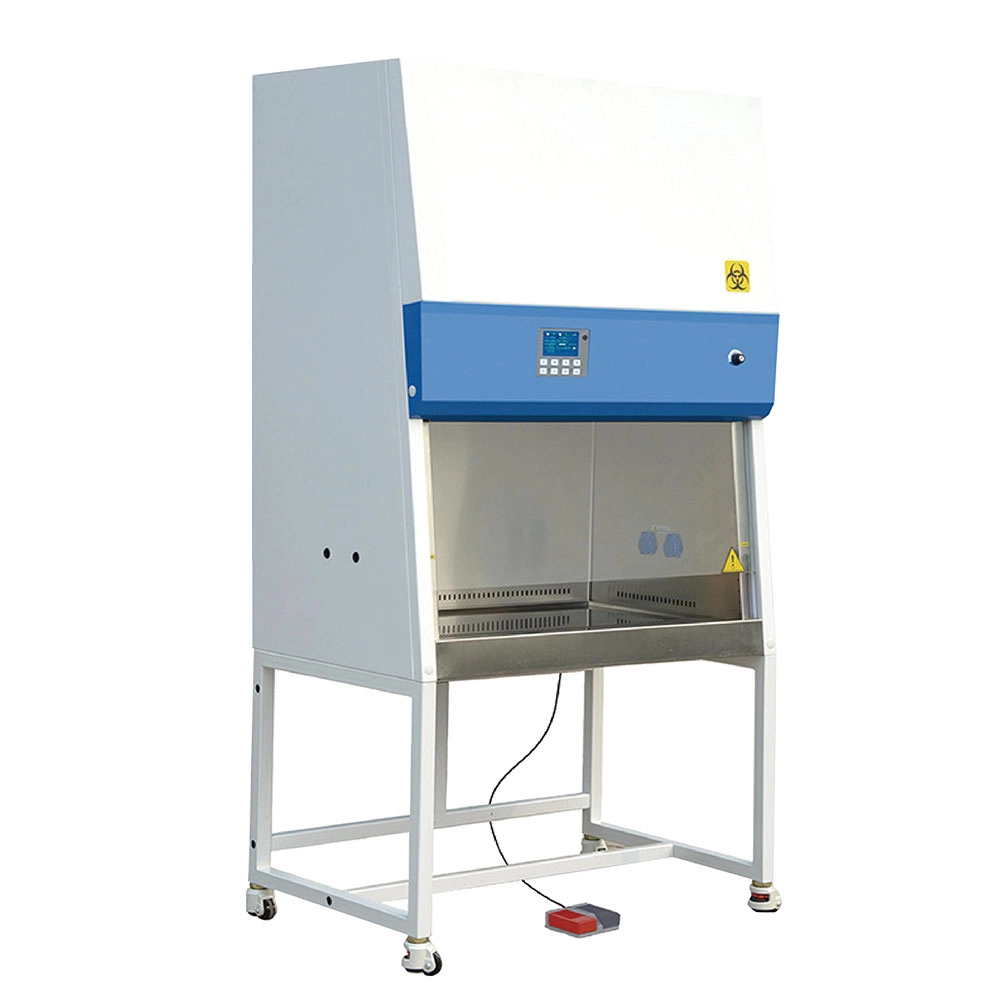
Class II Type A2 Biological Safety Cabinet for Laboratory
The Class II A2 Biological Safety Cabinet is designed to provide superior biosafety and contamination control for laboratories, research facilities, and clinical settings. With 70% air recirculation and 30% air exhaust, this cabinet ensures a safe and efficient work environment while protecting both the user and the samples.
Equipped with advanced features like a HEPA filtration system, motorized front window, and ergonomic design, this cabinet is a must-have for safe and reliable biological research.

 Scan QR Code
MaxLabFurniture
MaxLab Furniture
daihongada
Max Laboratory