
Fume Hood Procurement Guide: Key Specs B2B Buyers Need
- Fume Hood Procurement Guide: Key Specs B2B Buyers Need
- Why the right Fume Hood matters for B2B procurement
- Overview of Fume Hood types and commercial use cases
- Key technical specification: Face velocity and containment
- Airflow type and exhaust design
- Sash design, ergonomics and user safety
- Materials of construction and chemical compatibility
- Control systems, alarms and monitoring
- Certifications, performance testing and standards
- Installation, site requirements and HVAC coordination
- Maintenance, filter lifecycle and operational costs
- Performance and cost comparison: ducted vs ductless
- Supplier selection checklist for B2B buyers
- Procurement strategy: specifications, acceptance testing and documentation
- Brand and supplier advantages — how to choose the right partner
- FAQ — Frequently Asked Questions about Fume Hood procurement
- Q1: Which Fume Hood type should I buy for organic chemistry labs?
- Q2: Are ductless Fume Hoods safe for pharmaceutical QC labs?
- Q3: What is ASHRAE 110 testing and should I require it?
- Q4: How often should Fume Hoods be re-certified?
- Q5: What documentation should a supplier provide at handover?
- Contact us / View product
- Authoritative references and further reading
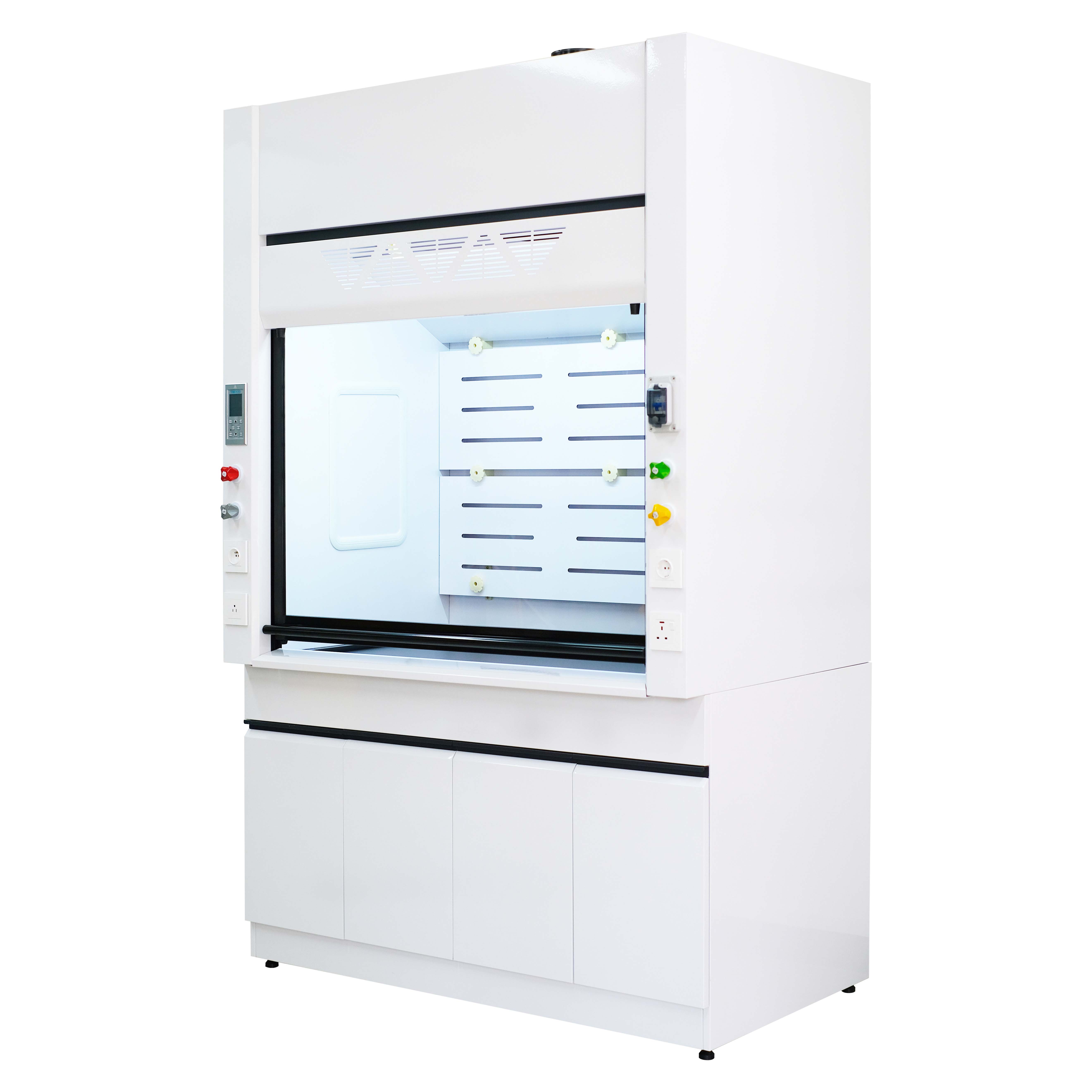
Fume Hood Procurement Guide: Key Specs B2B Buyers Need
Why the right Fume Hood matters for B2B procurement
The Fume Hood provides safe ventilation to protect against exposure to hazardous or toxic fumes, vapors, or airborne particulate. It is primarily used in laboratory and manufacturing applications to protect the user or environment outside the hood, but can also be used to protect the materials or experiment under the hood.
APPLICATION: Chemistry Lab, physics Lab, biological analysis, pharmaceutical medicine analysis, biological pharmaceutical, plant culture, environmental testing and electronic instrumentation scientific research and so on.
For procurement teams buying at scale for universities, pharma, contract labs or industrial R&D, selecting the correct fume hood impacts worker safety, regulatory compliance, energy costs, and long-term operational uptime. This guide focuses on the practical specs and decision points B2B buyers need to evaluate suppliers and justify purchases.
Overview of Fume Hood types and commercial use cases
keywords: buy Fume Hood, laboratory fume hood, Fume Hood suppliers.
Fume hoods are generally classified by airflow and exhaust strategy. Choosing the right type depends on the application, space, and local codes:
- Ducted (Exhaust) Fume Hoods — Connected to building exhaust systems. Best for high-hazard chemistry and heavy solvent use where contaminant capture and remote exhaustion are required.
- Ductless (Recirculating) Fume Hoods — Use replaceable filters (carbon, HEPA) to clean air before recirculation. Suitable for low-to-moderate hazard tasks and where ductwork is impractical. Requires strict filter selection and change schedules.
- Canopy and Downdraft Hoods — For larger equipment or outdoor applications; less common in analytical labs.
- Specialty Hoods — Perchloric acid hoods, radioisotope hoods, or cleanroom-integrated hoods for very specific uses.
Key technical specification: Face velocity and containment
keywords: Fume Hood face velocity, buy laboratory fume hood.
Face velocity (typically measured in feet per minute, fpm, or meters per second) is critical to containment. Standard target ranges are 80–120 fpm (0.4–0.6 m/s) for most general-purpose hoods, but optimal velocity depends on sash design and application.
Excessive face velocity increases turbulence and can pull contaminants into the lab; too low risks escape. For procurement:
- Require vendor-provided face velocity ranges with an explanation of where and how values were measured.
- Ask for ASHRAE 110 or equivalent performance test data (third-party preferred).
- Specify sash height and intended working conditions for acceptance testing.
Airflow type and exhaust design
keywords: ducted Fume Hood vs ductless Fume Hood, buy Fume Hood exhaust.
Decide early whether the site supports ductwork or if a recirculating solution is needed. Consider:
- Ducted Hoods: Lower ongoing filter costs, better for toxic or odorous chemistries, require building exhaust, fans and balancing.
- Ductless Hoods: Lower installation costs, quicker deployment, higher ongoing filter costs, limited to compatible chemicals and controlled workflows.
Sash design, ergonomics and user safety
keywords: Fume Hood sash, laboratory safety hood.
Sash type (vertical, horizontal, combination or fixed) affects containment, ergonomics, and energy use. Procurement criteria should include:
- Safety interlocks (e.g., alarms if sash open beyond safe point or face velocity drops).
- Tempered safety glass or laminated glazing and anti-reflective coatings for visibility.
- Ergonomic height and easy movement; counterbalanced sash preferred for frequent use.
Materials of construction and chemical compatibility
keywords: chemical-resistant Fume Hood, durable lab fume hood.
Choose construction materials that resist the chemical families you'll use. Common options:
- Epoxy resin (good general chemical resistance, cost-effective)
- Polypropylene (excellent for strong acids and many corrosives)
- Stainless steel (mechanical robustness, variable corrosion resistance depending on grade)
- Phenolic resin (good for many acids, heat resistance varies)
Ask vendors for a chemical resistance matrix and for examples of installations handling the same chemistries as your facility.
Control systems, alarms and monitoring
keywords: Fume Hood monitoring, fume hood alarm system.
Modern fume hoods often include digital controls and BACnet/Modbus connectivity for building management systems (BMS). Required features to specify:
- Variable air volume (VAV) or constant air volume (CAV) options depending on energy and performance needs.
- Face velocity and duct static pressure monitoring with local alarms and remote telemetry.
- Maintenance alerts for filter life (for ductless) or sash usage counters for lifecycle planning.
Certifications, performance testing and standards
keywords: Fume Hood standards, ASHRAE 110, EN 14175.
Require conformity to accepted test methods and standards. Common references:
- ASHRAE Standard 110 — Method of Testing Performance of Laboratory Fume Hoods (widely used in North America).
- ANSI/AIHA Z9.5 — Laboratory Ventilation standard (captures design practice and safety considerations).
- EN 14175 — European fume cupboard standard (performance classes and testing).
Request vendor-supplied test reports and specify independent third-party testing where possible for large purchases.
Installation, site requirements and HVAC coordination
keywords: Fume Hood installation, buy Fume Hood installation services.
Large-scale procurement requires HVAC and facility coordination. Key checklist items:
- Roof or exterior exhaust route and fan capacity.
- Make-up air provisioning or lab pressurization strategy.
- Structural support and utilities (power, gas, vacuum, chilled water if needed).
- Clearances for maintenance and service access.
Maintenance, filter lifecycle and operational costs
keywords: Fume Hood maintenance, Fume Hood lifecycle cost.
Procurement decisions must account for total cost of ownership (TCO) beyond purchase price: energy consumption, HEPA/carbon filter replacement, annual face velocity certification, spare parts and labor. For ductless systems, filter replacement frequency is a major recurring cost.
Performance and cost comparison: ducted vs ductless
keywords: ductless fume hood cost, ducted fume hood cost.
| Feature | Ducted Fume Hood | Ductless Fume Hood |
|---|---|---|
| Best use | High hazard chemistries, solvents, large-scale labs | Low/medium hazard, odor control, retrofit without ductwork |
| Installation cost | High (ductwork, balancing) | Lower (no ductwork) |
| Operational cost | Higher energy (continuous exhaust), lower filter cost | Lower energy, higher filter replacement cost |
| Regulatory suitability | Preferred for toxic/regulated substances | Limited—depends on chemical compatibility and local code |
| Maintenance complexity | Moderate (fan systems, HVAC coordination) | Filter management critical |
Supplier selection checklist for B2B buyers
keywords: Fume Hood supplier, buy Fume Hood for labs.
When evaluating vendors, include the following in RFPs and scorecards:
- Proven installations in similar environments with references.
- Compliance with ASHRAE 110 / EN 14175 / local standards and willingness to provide test certificates.
- Service network proximity, turnaround time for spares and filter supply.
- Warranty terms, extended service contracts and on-site commissioning scope.
- Energy management features and BMS integration capabilities.
- Training programs for lab users and maintenance staff.
Procurement strategy: specifications, acceptance testing and documentation
keywords: Fume Hood procurement, fume hood acceptance testing.
To reduce risk, include these contractual elements:
- Detailed technical specification aligned to lab workflows (face velocity, sash type, materials).
- Factory and on-site acceptance tests (e.g., ASHRAE 110 test) with pass criteria and third-party witness options.
- Spare parts list, consumable filter part numbers and lead times.
- Commissioning scope including airflow balancing and BMS configuration.
- Training and documentation package (operation manual, maintenance schedule, chemical compatibility matrix).
Brand and supplier advantages — how to choose the right partner
keywords: Fume Hood brand advantages, choose Fume Hood supplier.
When you compare brands, prioritize partners who demonstrate:
- Deep domain expertise in laboratory ventilation and proven technical support teams.
- Comprehensive service offering: delivery, on-site installation, commissioning, and long-term maintenance contracts.
- Transparent testing and willingness to perform site acceptance testing with your team.
- Energy-efficient designs and digital monitoring to reduce lifecycle costs.
Our brand advantage: We combine laboratory-grade construction materials, third-party tested containment performance, global service network, and customizable control systems to meet university, pharmaceutical and industrial requirements. We provide full project management—from site survey and HVAC coordination to commissioning and training—reducing single-vendor risk and accelerating project timelines.
FAQ — Frequently Asked Questions about Fume Hood procurement
Q1: Which Fume Hood type should I buy for organic chemistry labs?
A1: For organic chemistry with volatile solvents, choose a ducted fume hood connected to building exhaust. Specify high chemical-resistant lining (epoxy or polypropylene depending on solvent aggressiveness) and require ASHRAE 110 performance testing.
Q2: Are ductless Fume Hoods safe for pharmaceutical QC labs?
A2: Ductless hoods can be safe if the chemistry is compatible with available filters and there is a strict filter management program. For potent APIs, toxic substances, or regulatory scrutiny, ducted hoods are generally recommended.
Q3: What is ASHRAE 110 testing and should I require it?
A3: ASHRAE 110 is a standardized test method that assesses containment performance of laboratory fume hoods using tracer gases and visualization. Requiring ASHRAE 110 or equivalent third-party testing as part of acceptance reduces performance risk.
Q4: How often should Fume Hoods be re-certified?
A4: Annual face velocity and containment testing is recommended for active labs. High-risk labs may require more frequent verification. Include annual testing in service contracts.
Q5: What documentation should a supplier provide at handover?
A5: Provide operation manuals, maintenance schedules, filter part numbers, ASHRAE 110 and commissioning reports, warranties, training records and a spare parts list.
Contact us / View product
After reviewing the essential specifications in a fume hood procurement guide for B2B buyers, the next priority is ensuring that the selected equipment meets safety standards. This makes fume hood selection for lab safety and regulatory compliance a critical next step in the decision process.Ready to evaluate Fume Hood options for your facility? Contact our commercial team for a site survey, detailed specification template, and customized quotation. To view product options and request a demo, contact sales or visit our product catalog page.
Authoritative references and further reading
- Fume hood — Wikipedia: https://en.wikipedia.org/wiki/Fume_hood
- OSHA Laboratory Safety Guidance: https://www.osha.gov/laboratory-safety
- ASHRAE Standards and Guidelines (overview): https://www.ashrae.org/standards-research--technology/standards--guidelines
- CDC — Biosafety in Microbiological and Biomedical Laboratories (BMBL): https://www.cdc.gov/labs/BMBL.
- ANSI/AIHA Laboratory Ventilation Z9.5 (reference page): https://www.aiha.org
- EN 14175 — Fume cupboards (European standards body): https://www.cencenelec.eu
References above are provided to support the technical guidance in this procurement document. For application-specific advice (e.g., handling perchloric acid or radioactive materials) consult regulatory and safety specialists and the relevant standards directly.
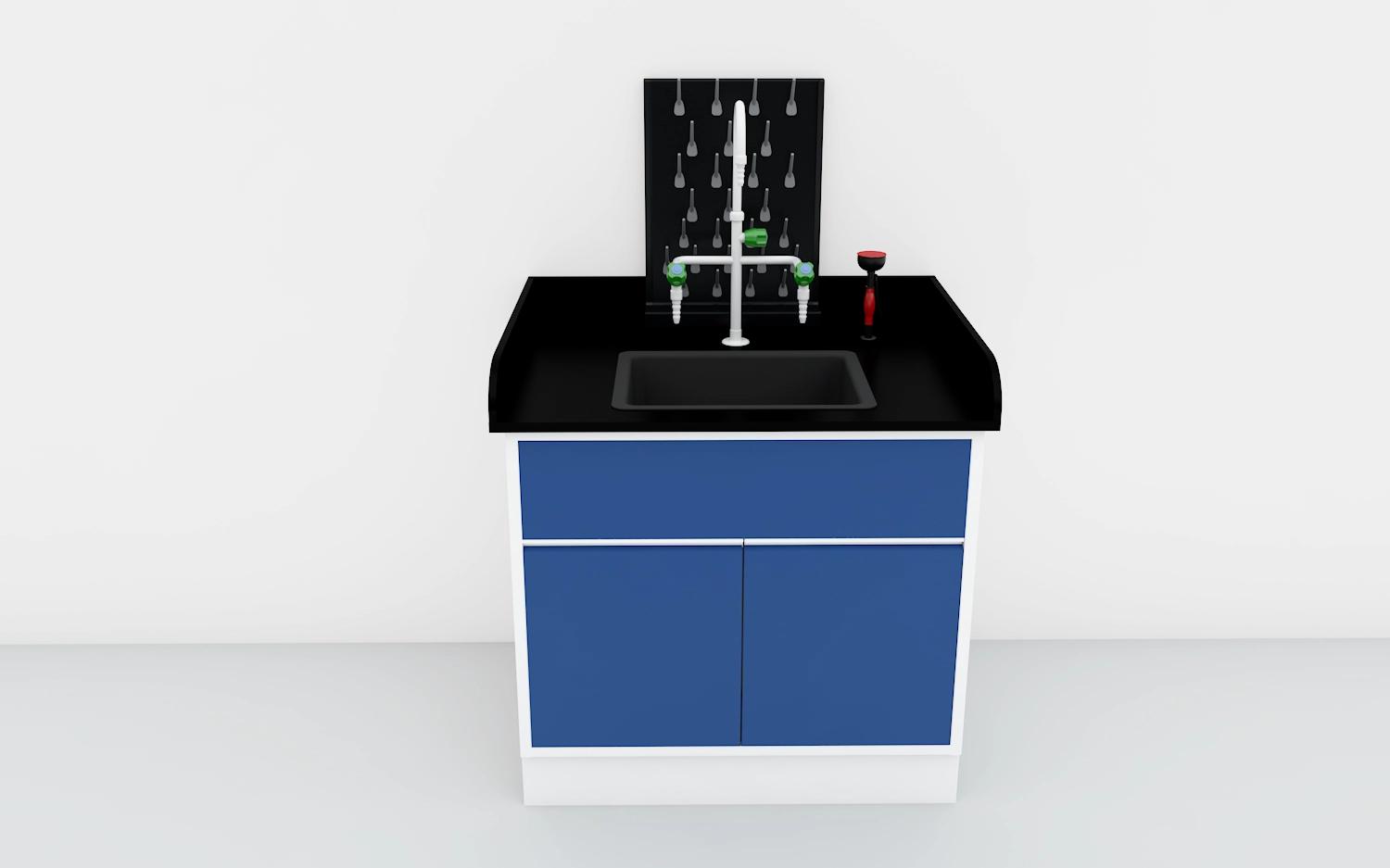
Chemical-Resistant Lab Sink Solutions for Safety and Durability
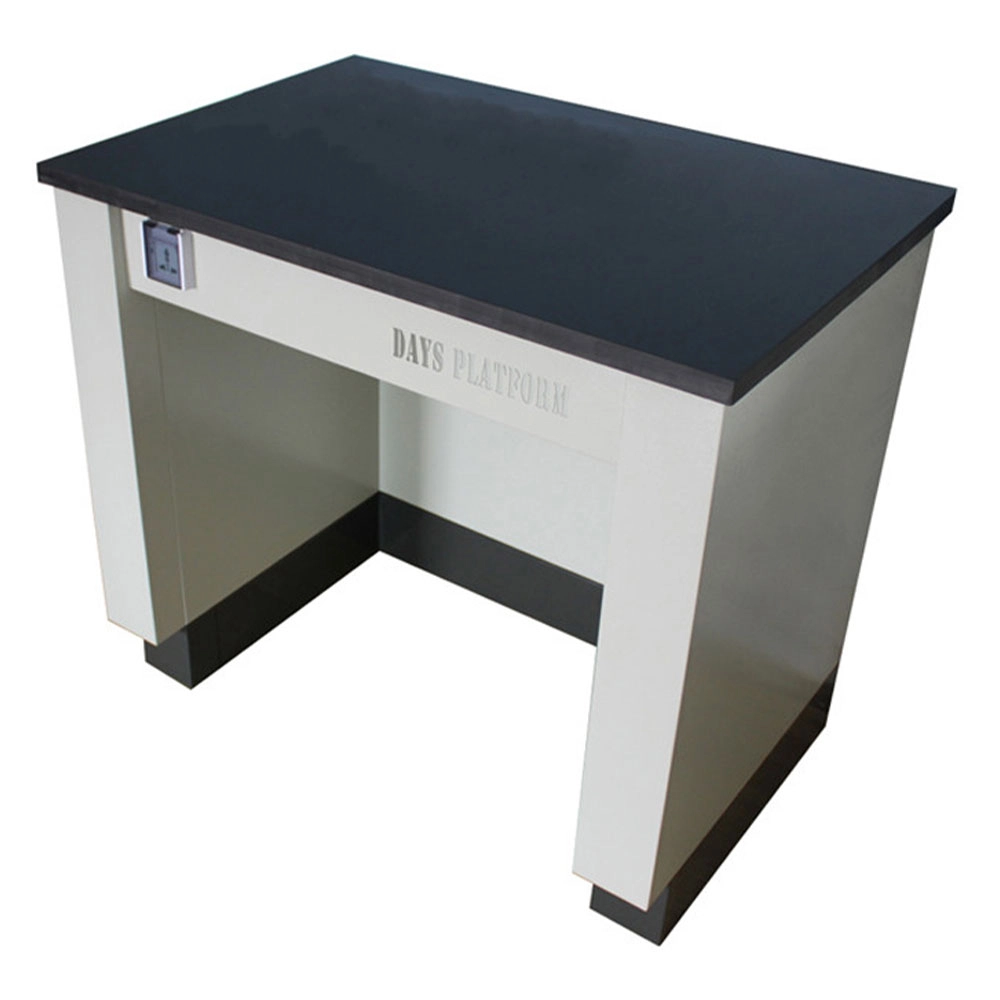
Anti-vibration Tables BT-03: Key specs for laboratory tables
Choosing Materials for Durable Lab Furniture
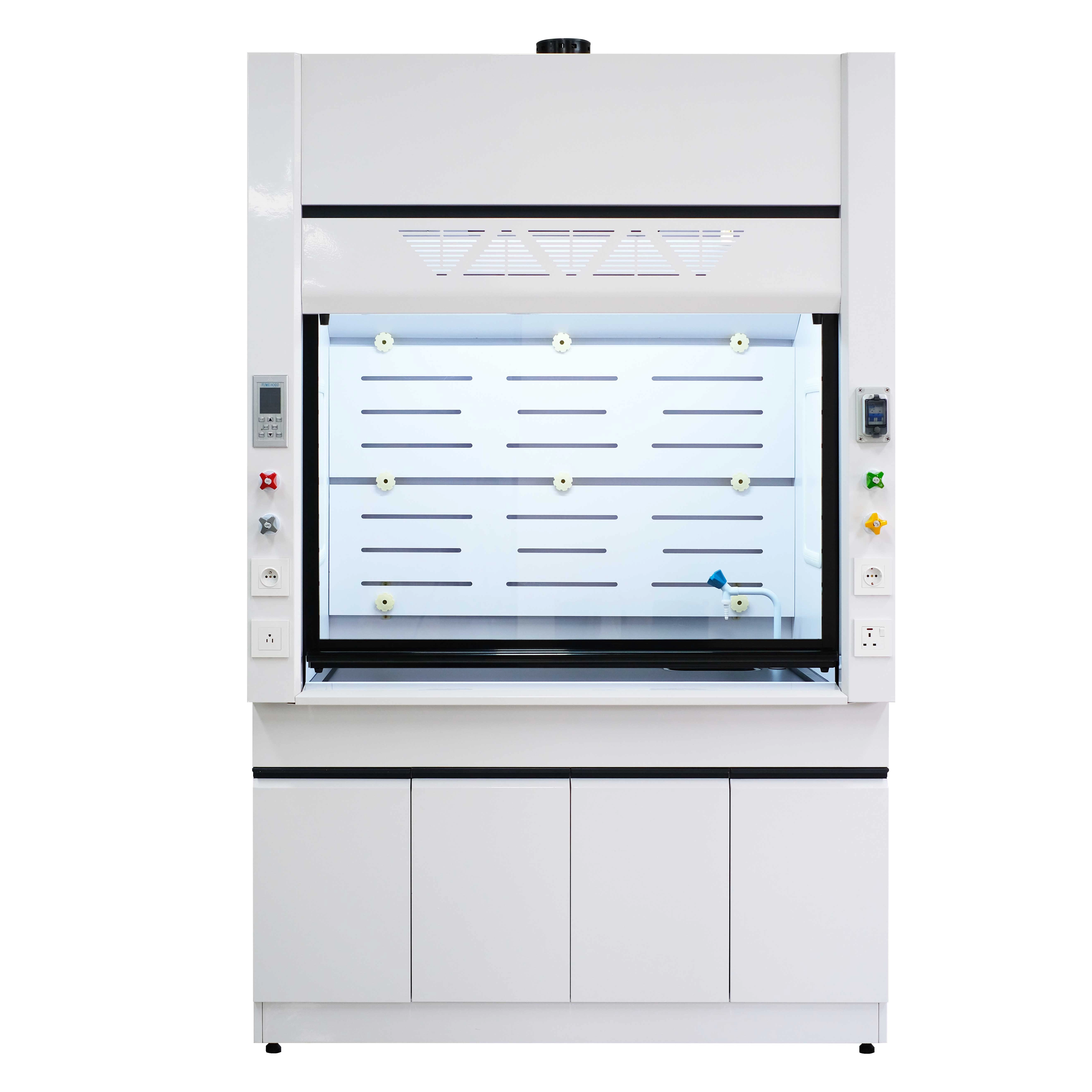
Fume Hood Lifecycle Costs: Total Cost of Ownership Guide
FAQS
Where are your products manufactured?
All products are manufactured in our advanced facility—the largest laboratory furniture factory in Guangzhou—ensuring strict quality control.
About Solution
Does your laboratory furniture support customization?
Yes, we provide fully customized services including size, material, color and functional design to meet customers' specific needs.
What is the warranty policy of the product?
We provide 1-3 years warranty service, depending on the product type. Meanwhile, comprehensive after-sales support is provided, including repair and replacement services.
For Company
Do you provide installation services?
Yes, we offer professional installation services to ensure your laboratory furniture and equipment are set up properly and safely.
For Products
Can I change the size and color?
Yes, of course. Custom-made items are welcome, if you have any need, please feel free to contact us at anytime.
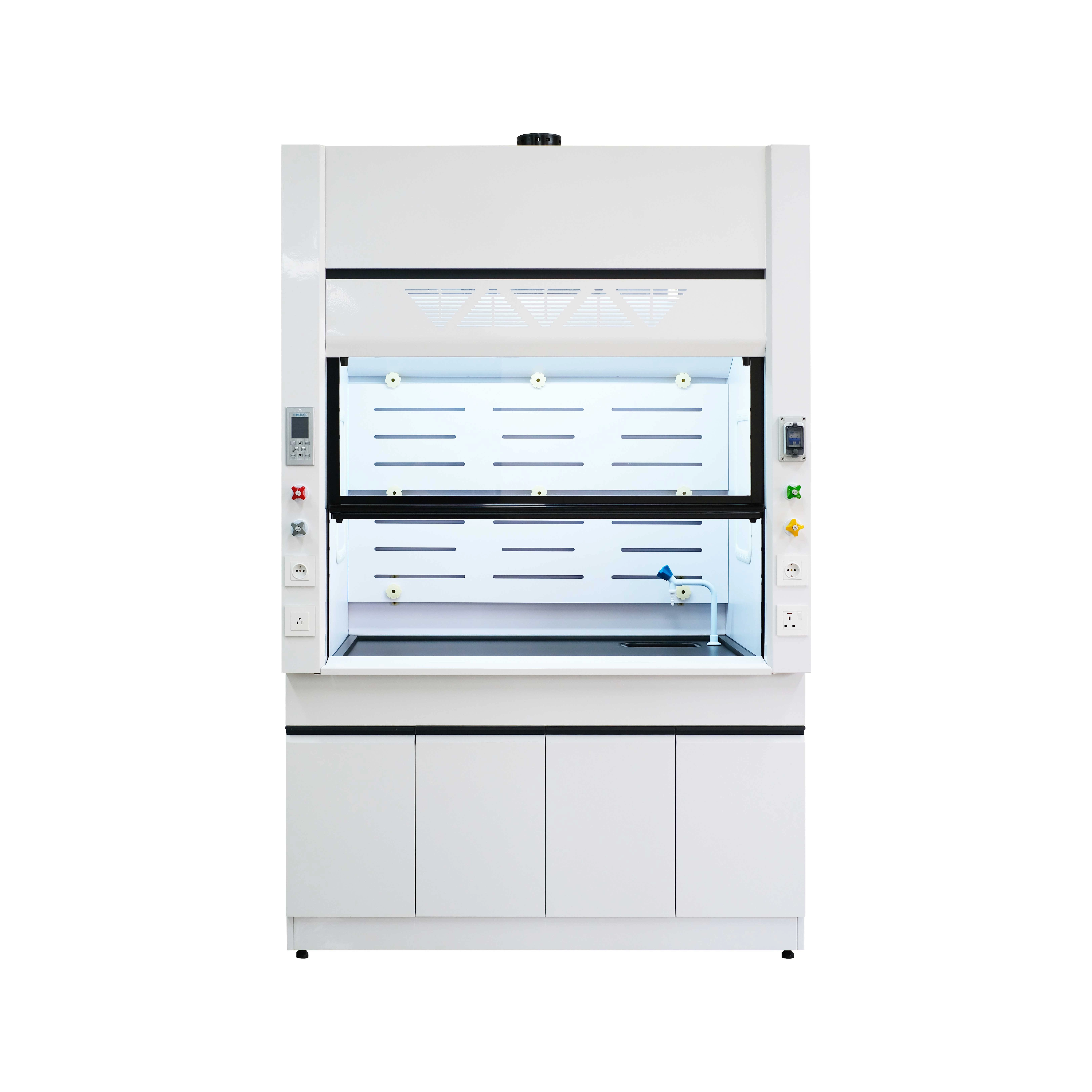
Fume Hood
The fume hood provides safe ventilation to protect against exposure to hazardous or toxic fumes, vapors, or airborne particulate. It is primarily used in laboratory and manufacturing applications to protect the user or environment outside the hood, but can also be used to protect the materials or experiment under the hood.
APPLICATION
Chemistry Lab, physics Lab, biological analysis, pharmaceutical medicine analysis, biological pharmaceutical, plant culture, environmental testing and electronic instrumentation scientific research and so on.

Floor Mounted Lab Bench
Our Floor Mounted Lab Bench is an essential, high-efficiency workspace for laboratories, made from high-quality steel-wood or corrosion-resistant stainless steel materials to ensure exceptional durability and stability. The unique floor-mounted design effectively reduces vibration, optimizes space usage, and provides a safe and tidy laboratory environment.
Customizable storage solutions help organize lab equipment efficiently, while the easy-to-clean surface maintains laboratory hygiene. It is widely suitable for research institutions, educational laboratories, and the chemical and pharmaceutical industries.
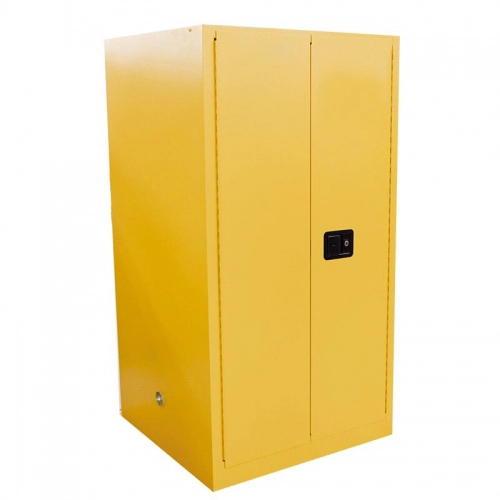
Flammable Storage Cabinet
Safety Cabinets store flammable liquids, corrosives, pesticides and other hazardous materials. All fire-resistant safety cabinets by meet fire codes and regulations for safety storage.
To help protect your people and facility from a potential fire, safety cabinets are engineered to safely contain flammable fuels, solvents, and chemicals. Safety cabinets can not only help everyone store chemicals reasonably, save chemical supplies, but also save human resources, and avoid fires caused by chemicals with the greatest strength.
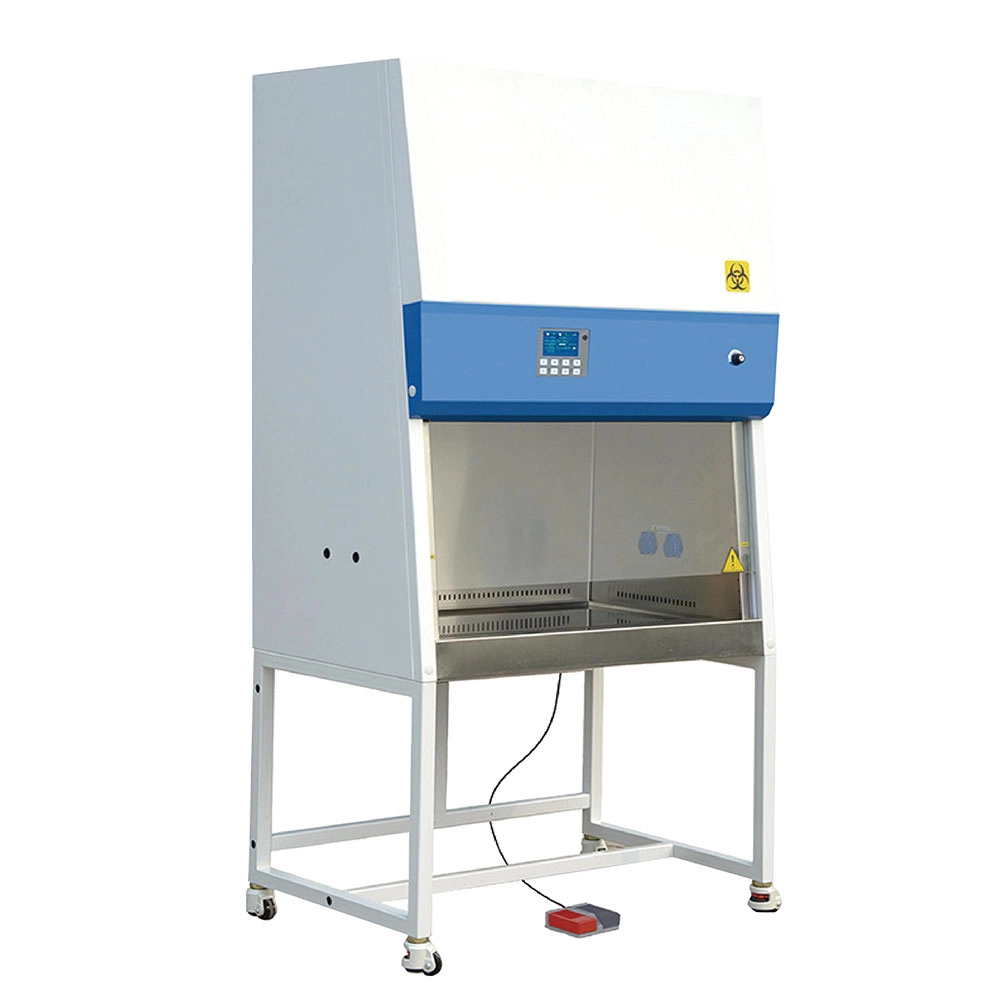
Class II Type A2 Biological Safety Cabinet for Laboratory
The Class II A2 Biological Safety Cabinet is designed to provide superior biosafety and contamination control for laboratories, research facilities, and clinical settings. With 70% air recirculation and 30% air exhaust, this cabinet ensures a safe and efficient work environment while protecting both the user and the samples.
Equipped with advanced features like a HEPA filtration system, motorized front window, and ergonomic design, this cabinet is a must-have for safe and reliable biological research.

 Scan QR Code
MaxLabFurniture
MaxLab Furniture
daihongada
Max Laboratory