
Fume Hood Installation Checklist for Procurement Teams
- Fume Hood Installation Checklist for Procurement Teams
- Why proper fume hood installation matters for procurement
- Pre-procurement considerations and risk assessment
- Site survey checklist for procurement and installation planning
- Commercial procurement tip
- Technical specifications to request from fume hood suppliers
- Installation and commissioning steps procurement should require
- Typical acceptance criteria
- Training, documentation and maintenance requirements
- Cost estimation and procurement tips
- Brand advantages summary for procurement decision
- FAQs
- What face velocity should we specify for a laboratory fume hood?
- Can we use ductless fume hoods for general chemistry?
- What commissioning tests should be required?
- How often should fume hoods be recertified?
- What documentation should be delivered at handover?
- Contact us or view product
- Authoritative references and further reading
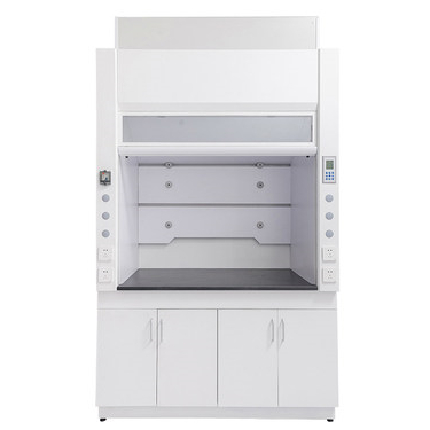
Fume Hood Installation Checklist for Procurement Teams
Why proper fume hood installation matters for procurement
The fume hood provides safe ventilation to protect against exposure to hazardous or toxic fumes, vapors, or airborne particulate. It is primarily used in laboratory and manufacturing applications to protect the user or environment outside the hood, but can also be used to protect the materials or experiment under the hood.
For procurement teams the decision to buy a fume hood is not just about price. A correctly specified and installed fume hood protects personnel, ensures compliance, reduces operating cost and prevents costly rework. This checklist is written to help procurement professionals translate user needs into clear technical requirements, evaluate supplier proposals, and verify installation and commissioning so the delivered product meets performance and safety expectations. With installation completed, performance must be verified before full operation. Conducting fume hood airflow testing with critical checks buyers should require confirms containment effectiveness and compliance.
Pre-procurement considerations and risk assessment
Before requesting quotes, procurement teams should lead a brief multidisciplinary risk assessment that includes lab managers, EHS or safety officers, facility engineers and end users. Important keywords to embed in specifications include fume hood, buy fume hood, laboratory fume hood, and fume hood supplier.
- Identify chemicals and processes to be used under the hood. Note corrosive, flammable, toxic, radioactive or high particulate hazards.
- Decide whether a ducted or ductless hood is appropriate. Ducted hoods exhaust to outdoors and are preferred for most hazardous chemistry. Ductless hoods use sorbent cartridges and are only suitable for limited, compatible chemicals and low hazard work.
- Determine the required protection objective. Protecting the user and room typically requires a laboratory fume hood; protecting biological materials may require a biosafety cabinet instead.
- Confirm building constraints and approvals. Some facilities require building permits, HVAC modifications and coordination with energy management systems.
- Define acceptance criteria up front such as face velocity, containment test method and permissible leakage.
Site survey checklist for procurement and installation planning
A documented site survey prevents surprises that drive cost and delay. Include the following items in the supplier site survey and in the procurement file.
- Room dimensions and floor load capacity where the fume hood will sit.
- Existing HVAC details: supply and exhaust locations, airflow rates, and any VAV or BMS controls.
- Location of utilities: electrical panels, dedicated circuits, gas, vacuum, compressed air and plumbing.
- Clearances to adjacent equipment, doors and emergency exits.
- Structural support and anchorage requirements including seismic considerations if relevant.
- Exhaust routing for ducted hoods, external stack location, mixing zones and plume dispersion requirements.
- Noise limits and vibration sensitivity for nearby instrumentation.
- Work flow and ergonomics such as bench height, sash type preference and service access behind the hood.
Commercial procurement tip
Require the chosen supplier to perform and sign off on a pre-installation site survey. Make the survey a deliverable in the contract so the supplier is financially and technically accountable for any changes discovered later.
Technical specifications to request from fume hood suppliers
Clear technical requirements speed vendor comparisons and reduce ambiguity. Ask suppliers to provide data sheets, drawings and test reports that explicitly address the items below.
- Hood type and model, dimensions and materials of construction for interior liner and exterior.
- Sash type and material, vertical or horizontal movement, counterbalance, and safety interlocks.
- Design face velocity and acceptable operating range, expressed in ft per minute and m per second.
- Exhaust connection size, ducting recommendations and required duct static pressure.
- Noise level at 1 meter in decibels.
- Required electrical supply, lighting, and additional service fittings.
- Alarms and monitors including airflow monitors, sash position sensors, and remote annunciation options.
- Performance certifications and test results such as ASHRAE 110 or comparable containment testing.
- Warranty, spare parts availability, recommended maintenance schedule and lead times for consumables like filters.
Below is a concise comparison table procurement teams can use to evaluate proposals.
| Item | Option A | Option B | Notes |
|---|---|---|---|
| Hood type | Ducted bench hood | Ductless benchtop | Ducted preferred for toxic/flammable chemicals |
| Face velocity | 90 ft/min (0.46 m/s) | 95 ft/min (0.48 m/s) | Specify acceptance range 80-120 ft/min |
| Material | Epoxy resin liner | Stainless steel 304 | Choose by chemical compatibility |
| Exhaust required | Yes | No | Duct routing cost applies for Option A |
| Certification | ASHRAE 110 test report included | No report | Prefer suppliers with third party test evidence |
Installation and commissioning steps procurement should require
A properly installed fume hood includes mechanical, electrical and performance commissioning. Include these discrete steps in purchase orders and acceptance criteria.
- Mechanical installation and anchoring, including utilities hookup, sash fit, and interior finish inspection.
- Initial HVAC balancing to achieve target face velocity with the hood sash at typical working height.
- Containment and certification testing. Commonly accepted methods are face velocity measurements, smoke visualization and standardized tests such as ASHRAE 110 performance test.
- Tracer gas testing for sensitive applications to quantify containment efficiency and detect leak paths.
- Functional testing of alarms, airflow monitors and interlocks with fault conditions simulated.
- Handover documentation including as-built drawings, commissioning report, test results, operator manual and maintenance schedule.
Typical acceptance criteria
While institutional criteria may vary, procurement teams can adopt the following widely used targets as a baseline. These should be confirmed with EHS and facility engineering.
- Face velocity at 4 to 6 inches sash opening: 80 to 120 ft/min (0.4 to 0.6 m/s)
- Smoke containment: no visible leakage beyond the sash plane in a standard smoke test
- Alarm action levels: visual and audible alert when face velocity drops below agreed threshold
- Operational noise: within local laboratory limits, typically below 60 dBA at 1 m
Training, documentation and maintenance requirements
Procurement should require supplier-led training and written documentation for safe use and routine care. Important items to include as contractual deliverables:
- Operator training for end users covering correct sash use, safe work practices and routine housekeeping.
- Maintenance training for facility staff covering filter changes, fan access, alarm calibration and simple repairs.
- Spare parts list and recommended stock for consumables such as filters, bulbs and seals.
- Detailed maintenance schedule with frequency, procedures and expected labor hours.
- Service level agreement options for periodic re-certification and emergency repairs.
Cost estimation and procurement tips
Consider lifecycle cost, not just purchase price. Typical cost drivers include ductwork modifications, HVAC balancing, commissioning tests and long term maintenance. Procurement should compare total cost of ownership across bids.
- Ask suppliers to provide a breakdown: equipment cost, installation labor, ductwork and HVAC modifications, commissioning and training.
- Verify warranty coverage and exclusions for corrosion or misuse.
- Include options for extended warranty and annual certification contracts so evaluation compares apples to apples.
- Negotiate lead times and delivery milestones and include penalties for late delivery if timing is critical.
Brand advantages summary for procurement decision
When evaluating fume hood suppliers, look for these brand strengths that reduce procurement risk and long term cost:
- Proven experience in laboratory installations and genomic, chemistry or pharmaceutical labs as applicable.
- Demonstrated compliance with industry standards and ability to supply performance test reports such as ASHRAE 110.
- Local service network and availability of spare parts to reduce downtime.
- Custom configuration capability to match site constraints and process needs.
- Clear documentation, training programs and responsive technical support.
Selecting a supplier that can both provide the equipment and ensure successful on site commissioning and long term support reduces total cost of ownership and improves safety outcomes.
FAQs
What face velocity should we specify for a laboratory fume hood?
Face velocity is commonly specified between 80 and 120 feet per minute. Many labs use a target of 100 ft/min as a balance between containment and energy use. Confirm the exact number with your EHS office and make sure the acceptance range is included in the contract.
Can we use ductless fume hoods for general chemistry?
Ductless hoods can be acceptable for low hazard work and for specific solvents when appropriate sorbent cartridges are used. They are generally not appropriate for unknown chemicals, highly toxic compounds or reactions that generate heat or particulate. Ducted hoods are preferred for most chemistry labs.
What commissioning tests should be required?
At minimum require airflow measurement and smoke visualization, plus an ASHRAE 110 test or equivalent for critical applications. Tracer gas testing provides quantitative containment data when needed.
How often should fume hoods be recertified?
Annual recertification is a common requirement for active laboratories. More frequent checks may be needed for high use or high risk environments.
What documentation should be delivered at handover?
As-built drawings, commissioning report with test data, operator manual, maintenance schedule, spare parts list and a record of any site modifications or deviations from standard designs.
Contact us or view product
If you are ready to buy a fume hood or need supplier support for specification, site survey and commissioning, contact our sales and technical team. We provide custom configurations, on site commissioning, annual recertification services and training for laboratory personnel. View our fume hood product page or contact sales to schedule a site survey and get a formal quotation.
Authoritative references and further reading
- Fume hood entry on Wikipedia, general overview and links to standards https://en.wikipedia.org/wiki/Fume_hood
- OSHA Laboratory Safety guidance and regulatory information https://www.osha.gov/laboratory-safety
- NIOSH research and recommendations on laboratory ventilation https://www.cdc.gov/niosh
- ASHRAE laboratory ventilation and testing https://www.ashrae.org
- ANSI AIHA Z9.5 Laboratory Ventilation standard summary https://www.aiha.org
Author note: This checklist is intended to guide procurement teams and does not replace site specific risk assessments or regulatory advice from your EHS office. Always consult with qualified engineers and safety professionals when making final decisions about fume hood selection and installation.
Ergonomic Principles in Lab Furniture Design
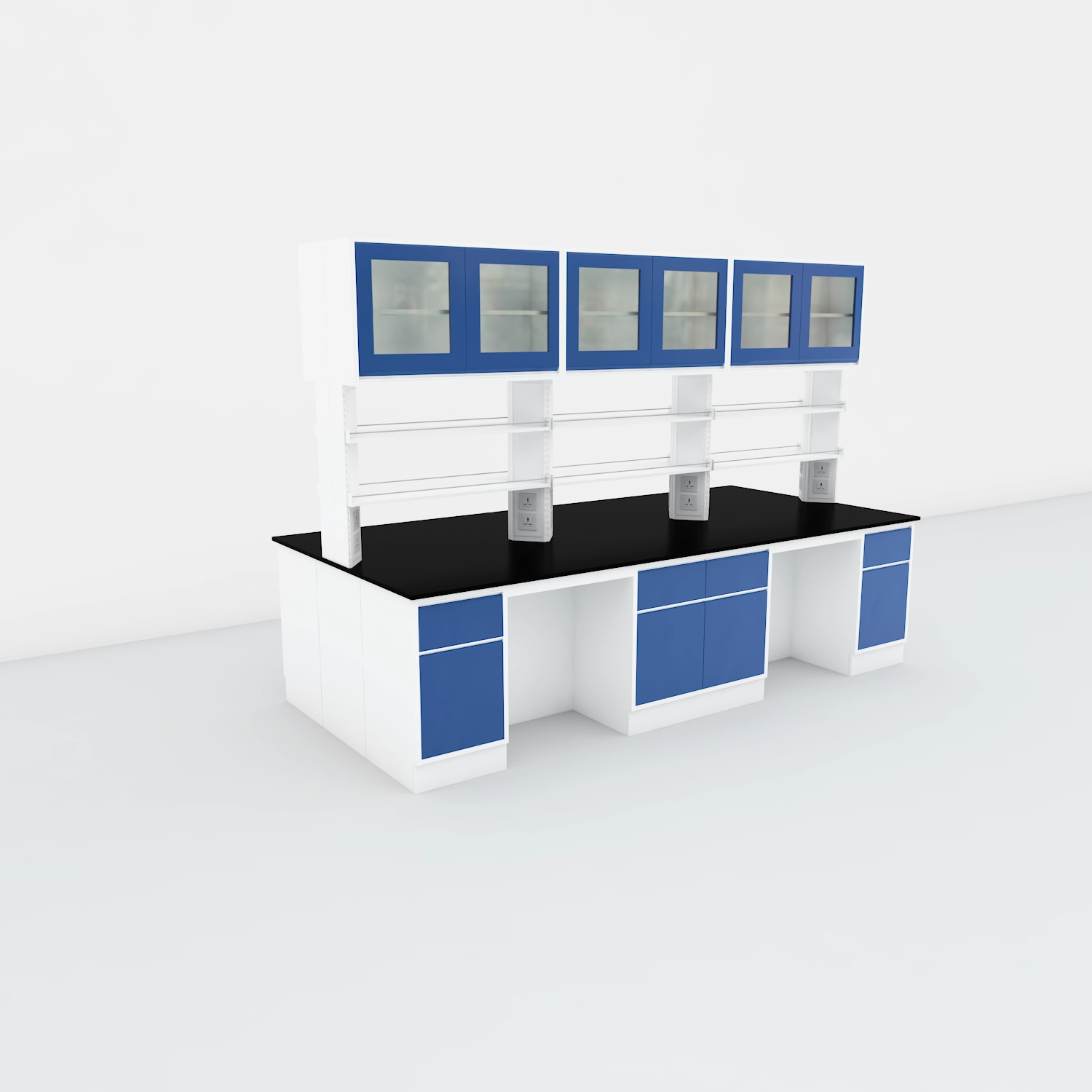
Ergonomic Considerations for Lab Benches to Reduce Fatigue
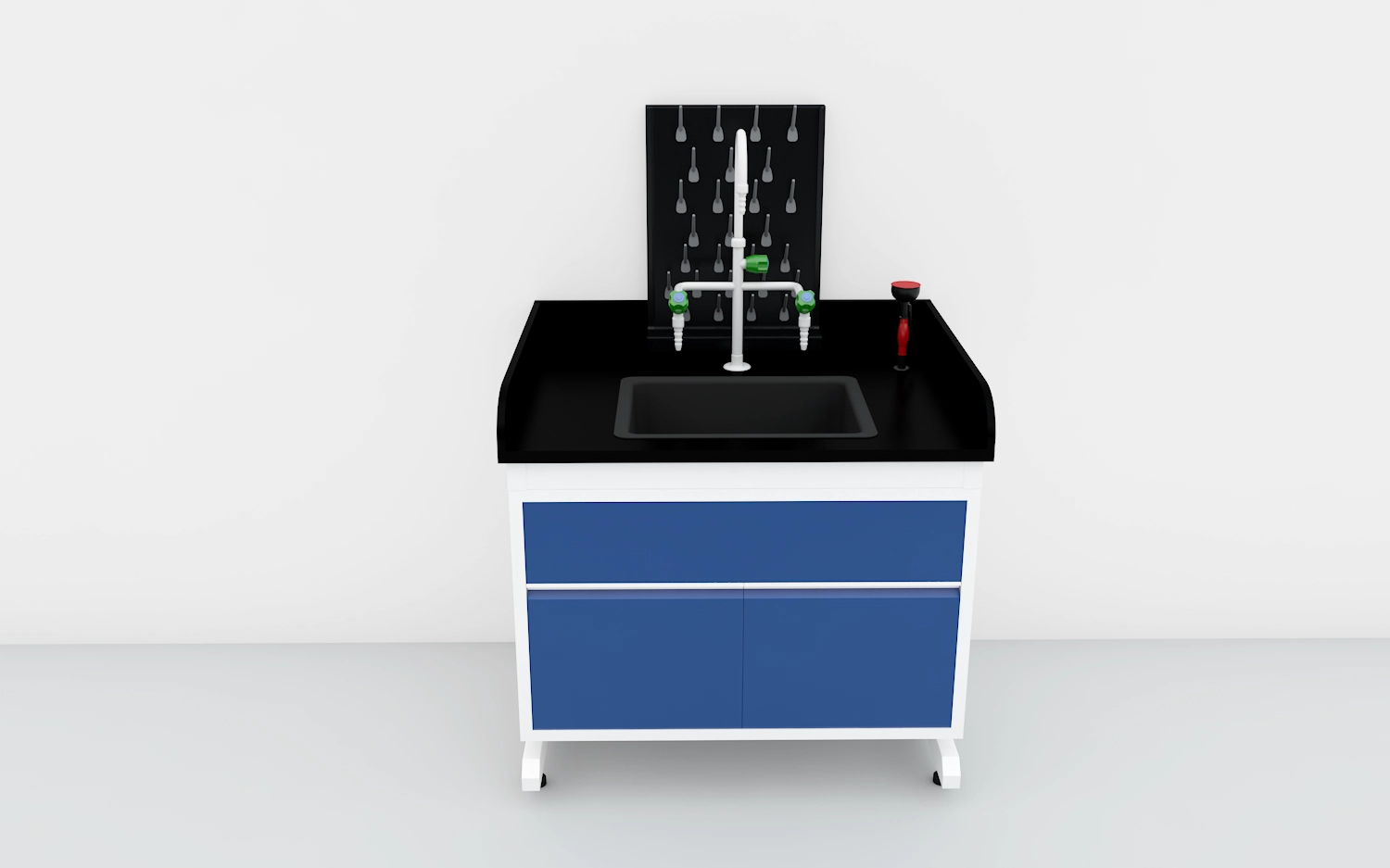
Best Materials for Lab Sink Cabinets: Chemical Resistance
Stainless Steel Lab Sink Options: Pros and Cons
For Products
Can your furniture withstand heavy-duty use?
Yes, all of our laboratory furniture focuses on durability, with a load-bearing capacity of up to 500KG/m², and is made of high-quality materials that can meet the requirements for large-scale precision instruments and equipment and exposure to chemicals in the laboratory.
Customization
How do I start a customized service?
Please contact our sales or technical support team for an initial enquiry. We will provide detailed customized recommendations and quotes according to your needs.
About Solution
Do you provide installation service?
Yes, we provide professional installation service and make sure all the equipment are working properly, meanwhile, we provide usage training to help customers get started quickly.
For After-Sales Support
What do I do if I am not satisfied with my purchase?
We strive to ensure customer satisfaction. If you are not happy with your purchase, please contact us, and we will do our best to resolve any concerns.
How can I get technical support for my equipment?
You can contact our technical support team via email or phone for assistance with installation, troubleshooting, or any issues you encounter with your laboratory equipment.
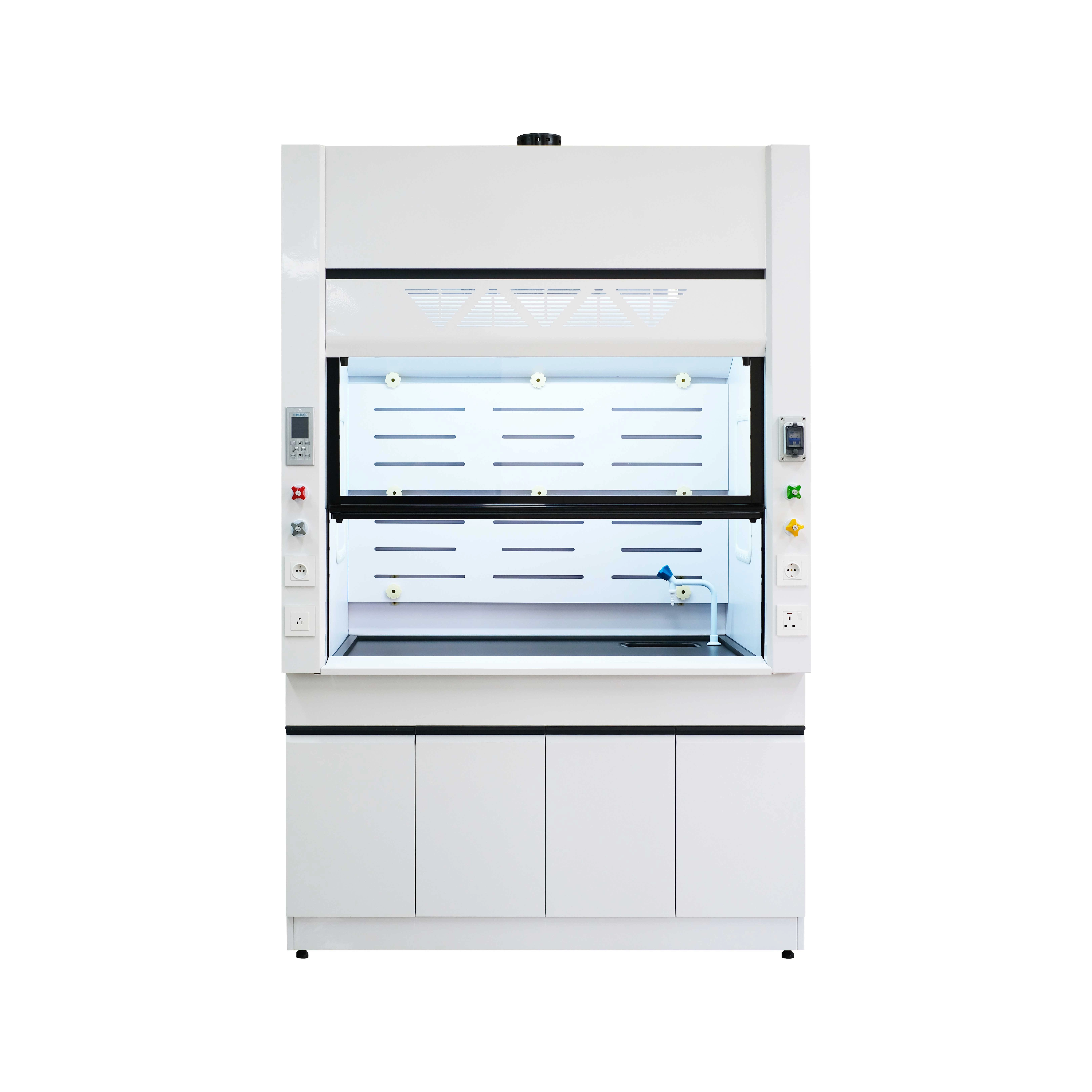
Fume Hood
The fume hood provides safe ventilation to protect against exposure to hazardous or toxic fumes, vapors, or airborne particulate. It is primarily used in laboratory and manufacturing applications to protect the user or environment outside the hood, but can also be used to protect the materials or experiment under the hood.
APPLICATION
Chemistry Lab, physics Lab, biological analysis, pharmaceutical medicine analysis, biological pharmaceutical, plant culture, environmental testing and electronic instrumentation scientific research and so on.

Floor Mounted Lab Bench
Our Floor Mounted Lab Bench is an essential, high-efficiency workspace for laboratories, made from high-quality steel-wood or corrosion-resistant stainless steel materials to ensure exceptional durability and stability. The unique floor-mounted design effectively reduces vibration, optimizes space usage, and provides a safe and tidy laboratory environment.
Customizable storage solutions help organize lab equipment efficiently, while the easy-to-clean surface maintains laboratory hygiene. It is widely suitable for research institutions, educational laboratories, and the chemical and pharmaceutical industries.
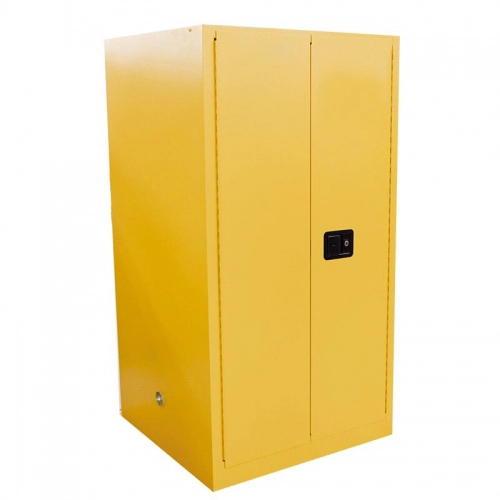
Flammable Storage Cabinet
Safety Cabinets store flammable liquids, corrosives, pesticides and other hazardous materials. All fire-resistant safety cabinets by meet fire codes and regulations for safety storage.
To help protect your people and facility from a potential fire, safety cabinets are engineered to safely contain flammable fuels, solvents, and chemicals. Safety cabinets can not only help everyone store chemicals reasonably, save chemical supplies, but also save human resources, and avoid fires caused by chemicals with the greatest strength.
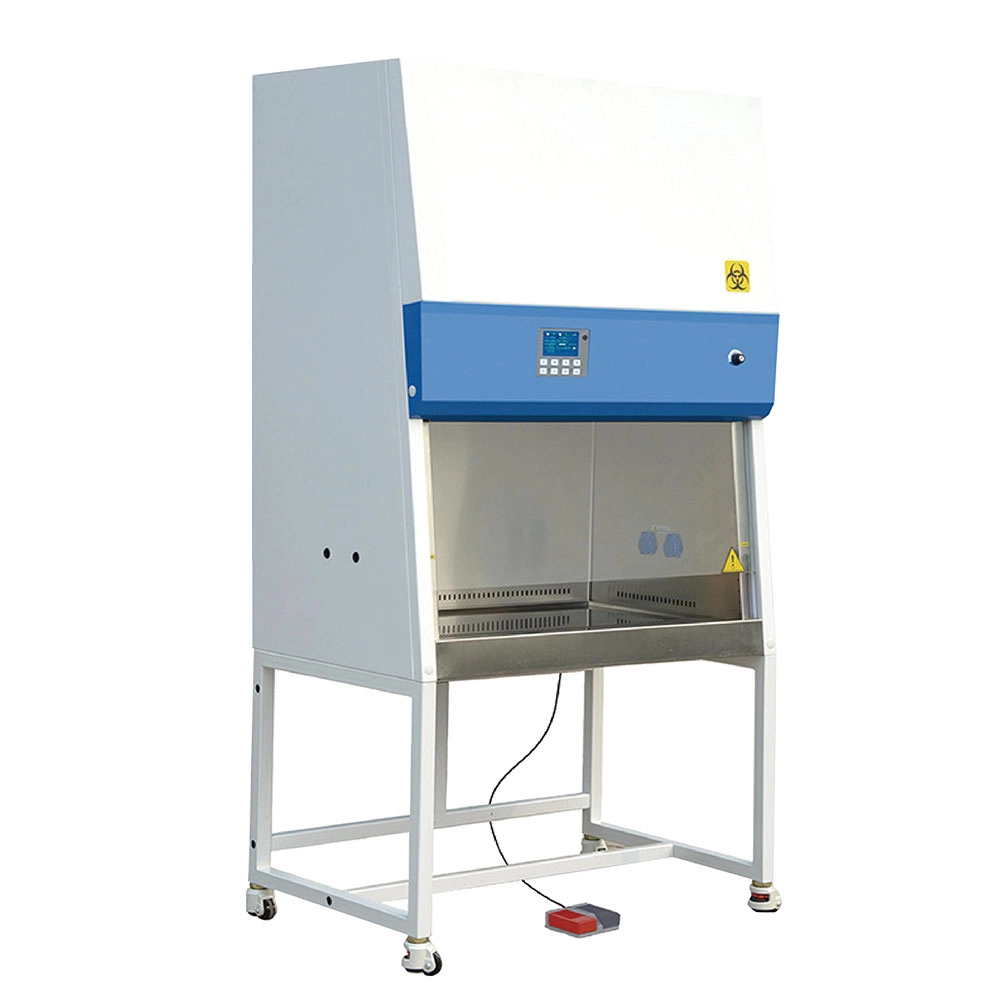
Class II Type A2 Biological Safety Cabinet for Laboratory
The Class II A2 Biological Safety Cabinet is designed to provide superior biosafety and contamination control for laboratories, research facilities, and clinical settings. With 70% air recirculation and 30% air exhaust, this cabinet ensures a safe and efficient work environment while protecting both the user and the samples.
Equipped with advanced features like a HEPA filtration system, motorized front window, and ergonomic design, this cabinet is a must-have for safe and reliable biological research.

 Scan QR Code
MaxLabFurniture
MaxLab Furniture
daihongada
Max Laboratory