
Fume Hood Integration with HVAC and Laboratory Design
- Fume Hood Integration with HVAC and Laboratory Design
- Understanding Fume Hood Types and Product Overview
- Why HVAC Integration Matters for Fume Hood Performance
- Core HVAC Principles for Fume Hood Integration
- VAV vs CAV Fume Hoods: Energy, Performance and Cost Comparison
- Location, Layout and Laboratory Design Coordination
- Controls, Monitoring and Safety Interlocks
- Commissioning and Performance Verification
- Maintenance, Filters and Lifecycle Cost Planning
- Practical Comparison: Ducted vs Recirculating Fume Hoods
- Regulatory and Testing Standards to Reference
- Brand Advantages: Why Choose Our Fume Hood Products and Services
- Commissioning Checklist for Purchasing and Installation
- FAQ — Frequently Asked Questions about Fume Hood Integration
- Contact Us / View Product CTA
- Authoritative References
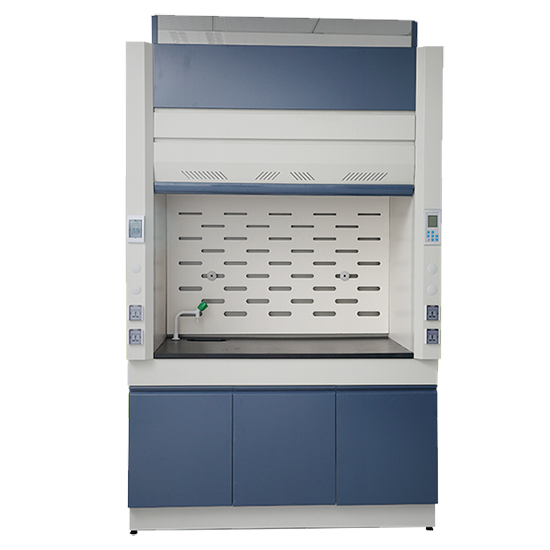
Fume Hood Integration with HVAC and Laboratory Design
Understanding Fume Hood Types and Product Overview
Product: Fume Hood
The fume hood provides safe ventilation to protect against exposure to hazardous or toxic fumes, vapors, or airborne particulate. It is primarily used in laboratory and manufacturing applications to protect the user or environment outside the hood, but can also be used to protect the materials or experiment under the hood.
APPLICATION
Chemistry Lab, physics Lab, biological analysis, pharmaceutical medicine analysis, biological pharmaceutical, plant culture, environmental testing and electronic instrumentation scientific research and so on.
When purchasing or specifying a fume hood product, understanding its type (ducted vs recirculating, traditional constant-air vs VAV-controlled) and certification/performance data is the first step. keywords embedded here include product, purchase, custom fume hood, installation services, and quotation.
Why HVAC Integration Matters for Fume Hood Performance
Proper HVAC integration ensures the Fume Hood safely captures contaminants without creating uncomfortable or unsafe conditions in the rest of the laboratory. HVAC coordination affects capture efficiency, room pressurization, energy use, and occupant safety. Key HVAC functions that intersect with fume hoods are exhaust ductwork, make-up air systems, room supply diffusers, and building automation system (BMS) controls.
Design teams must avoid cross drafts from supply diffusers or doors that could compromise containment. Integration reduces rework during construction, minimizes safety risk, and optimizes lifecycle costs — all factors that influence a buyer’s decision when procuring fume hood systems.
Core HVAC Principles for Fume Hood Integration
To achieve reliable containment, HVAC designers and laboratory planners should follow these core principles:
- Maintain appropriate face velocity (commonly 80–120 fpm / ~0.4–0.6 m/s) for general chemistry hoods; adjust per application risk.
- Provide balanced exhaust infrastructure with low-turbulence takeoffs and properly sized ductwork.
- Coordinate make-up air to avoid room pressurization swings; use dedicated lab make-up or unit ventilators where required.
- Locating supply diffusers and return grilles to minimize cross-drafts; avoid high-velocity jets near hood face.
- Integrate sash position sensors and airflow monitors into the BMS for alarms, trending, and energy optimization.
Following these principles when you specify or purchase a fume hood reduces the chance of failed containment tests and improves operational safety.
VAV vs CAV Fume Hoods: Energy, Performance and Cost Comparison
Two common airflow control strategies are Constant Air Volume (CAV) and Variable Air Volume (VAV). Integrating either strategy with building HVAC has direct implications for energy use, commissioning complexity, and user interaction.
| Feature | CAV (Constant Air Volume) | VAV (Variable Air Volume) |
|---|---|---|
| Energy Use | Higher overall; constant exhaust regardless of sash position | Lower when sash is closed; adjusts exhaust to sash position |
| Complexity | Lower; simpler HVAC control and commissioning | Higher; requires demand-control, sensors, BMS integration |
| Initial Cost | Lower | Higher (controls, sensors, VFDs) |
| Containment Stability | Good if HVAC is balanced; less responsive to sash changes | Can maintain containment with sash movement if properly controlled |
| Best Use | High-use labs where simplicity is desired | Energy-sensitive facilities and modern labs demanding efficiency |
Selection should be driven by lab usage patterns, energy goals, and available budget. When you request a quote for Fume Hood systems, ask vendors to provide lifecycle cost comparisons (energy, filter replacement, maintenance) between CAV and VAV options.
Location, Layout and Laboratory Design Coordination
Placement of a Fume Hood in the lab determines how HVAC needs to react. Common layout considerations include:
- Place hoods away from high-traffic walkways and doors that frequently open and close.
- Avoid putting hoods near windows or strong supply jets that can create cross-drafts.
- Group hoods to centralize exhaust stacks and make-up air supply, reducing duct runs and energy loss.
- Plan for service access: filters, sash mechanisms, and duct access panels.
Integrate ventilation risers, chase locations, and rooftop exhaust stacks into early design documents. This reduces change orders and ensures installation services from hood suppliers proceed smoothly.
Controls, Monitoring and Safety Interlocks
Modern fume hoods should offer integrated controls for safety and energy management. Typical features that buyers request include:
- Sash position detection and audible/visual alarms for low airflow.
- Airflow monitors (velocity sensors, airflow stations) tied into the BMS for trending and remote alerts.
- Automatic setback modes and occupancy-based control to save energy when labs are unoccupied.
- Interlocks that disable hazardous equipment if containment is lost.
When you specify or procure a fume hood, confirm the control protocol (BACnet, Modbus, proprietary) to ensure compatibility with your building automation. Suppliers often offer installation and commissioning services to integrate controls fully.
Commissioning and Performance Verification
Commissioning is not optional — it verifies the hood meets design containment requirements and is critical for regulatory compliance. Standard verification includes:
- Face velocity checks at multiple sash heights (typical target 80–120 fpm; project-specific criteria may vary).
- Containment smoke testing following ASHRAE 110 or equivalent test methods.
- Balance reports showing exhaust and make-up air rates to confirm room pressurization.
- Functional testing of alarms, sash interlocks and BMS integration.
Ask your vendor for commissioning reports and evidence of prior successful projects as part of the procurement process. This demonstrates experience and reduces project risk.
Maintenance, Filters and Lifecycle Cost Planning
Long-term performance depends on scheduled maintenance. Common maintenance tasks for a Fume Hood include:
- Pre-filter and carbon filter replacement for recirculating hoods; frequency depends on contaminant load (typically 6–24 months).
- HEPA filter change-out where required, with leak testing post-installation.
- Routine face velocity and airflow monitoring checks; cleaning sash tracks and interior surfaces.
- Annual certification (or per local regulation) verifying containment.
Budget for maintenance contracts when acquiring a fume hood product; vendor-provided service plans often reduce downtime and ensure regulatory compliance.
Practical Comparison: Ducted vs Recirculating Fume Hoods
Choosing between ducted and recirculating (also called filtered) hoods is an important procurement decision. The table below summarizes typical differences to help buyers make an informed choice.
| Aspect | Ducted Fume Hood | Recirculating/Filtered Hood |
|---|---|---|
| Containment Performance | High for volatile/combustible materials with proper exhaust | Good for low-to-moderate hazards after correct filter selection |
| HVAC Impact | Significant—requires building exhaust and make-up air | Lower impact on building HVAC; ideal where ducting is impractical |
| Installation Cost | Higher (ductwork, rooftop stack, commissioning) | Lower initial; ongoing filter replacement costs |
| Best Use | High-hazard chemistry; long-term labs | Field labs, temporary setups, or where building exhaust not feasible |
Regulatory and Testing Standards to Reference
Specifiers should align fume hood selection and HVAC integration with authoritative standards and guidelines such as:
- ASHRAE guidance and test methods (e.g., ASHRAE 110 test method for hood performance).
- OSHA laboratory safety guidance for hazard communication and engineering controls.
- NIOSH/CDC recommendations on ventilation and containment practices.
- Local building and mechanical codes; university or institutional EH&S policies.
Always include these requirements in tender documentation and request vendor evidence of compliance.
Brand Advantages: Why Choose Our Fume Hood Products and Services
When selecting a vendor for Fume Hood procurement and installation, consider these differentiators we provide:
- Custom design options to match your laboratory layout and exhaust riser configuration.
- Full HVAC coordination and BMS integration services, reducing the need for multiple contractors.
- Industry-compliant components and third-party testing documentation (e.g., ASHRAE 110 reports when applicable).
- Flexible service plans including scheduled maintenance, filter replacement, and annual recertification.
- Global supply chain with local installation teams to accelerate project timelines and reduce field issues.
We can provide a detailed quotation for both CAV and VAV hood systems, including lifecycle cost projections, so you can make a purchase decision that balances safety and long-term operating expenses.
Commissioning Checklist for Purchasing and Installation
To simplify procurement, use this commissioning checklist when you request quotes or order:
- Hood type (ducted vs recirculating), sash type, and materials of construction.
- Target face velocities and test acceptance criteria (e.g., ASHRAE 110 thresholds).
- HVAC interface points: exhaust connection size, make-up air requirements, and BMS protocol.
- Required commissioning and certification scope to be supplied by vendor.
- Maintenance and warranty terms, including response times for service calls.
FAQ — Frequently Asked Questions about Fume Hood Integration
Q: What face velocity is recommended for a general chemistry fume hood?
A: Typical recommended face velocity is 80–120 feet per minute (fpm) (approx. 0.4–0.6 m/s). Project-specific hazards may require higher or lower setpoints; always consult EH&S guidance.
Q: Should we choose a VAV or CAV fume hood?
A: Choose VAV when energy savings and dynamic control are priorities and you have the BMS capacity to integrate it. Choose CAV for simplicity and where predictable, high-use operations make constant exhaust preferable.
Q: Can we install a recirculating hood in a chemistry lab?
A: Recirculating hoods can be used for certain low-to-moderate hazard applications if appropriate filters (carbon, HEPA) are sized and changed per protocol. They are not suitable for all hazardous chemistries—consult safety guidelines.
Q: How often should hoods be certified?
A: Annual certification is common, though frequency may depend on institutional policy, use intensity, or regulatory requirements.
Q: Do you provide installation and commissioning services?
A: Yes. We provide end-to-end services from supply and HVAC coordination to BMS integration and final certification. Contact us for a project-specific quotation.
Contact Us / View Product CTA
If you are ready to buy, request a quotation, or schedule an on-site assessment, contact our sales and technical team today. We offer product demos, customization, HVAC coordination, and full installation services to ensure your fume hood system performs reliably throughout its lifecycle. Email us at sales@example.com or call +1-800-555-0123 to discuss specifications and receive a formal quotation.
Authoritative References
Below are authoritative sources referenced for best practices, standards and safety guidance:
- ASHRAE — American Society of Heating, Refrigerating and Air-Conditioning Engineers: https://www.ashrae.org/
- OSHA — Occupational Safety and Health Administration: Laboratory Safety: https://www.osha.gov/laboratory-safety
- NIOSH/CDC — National Institute for Occupational Safety and Health: https://www.cdc.gov/niosh
- HSE — UK Health and Safety Executive: https://www.hse.gov.uk/
- Wikipedia — Fume hood overview: https://en.wikipedia.org/wiki/Fume_hood
- AIHA — American Industrial Hygiene Association: https://www.aiha.org/ (see ANSI/AIHA Z9.5 guidance)
For project-specific design, consult your institutional EH&S office, local codes, and the fume hood product documentation supplied with your quotation.
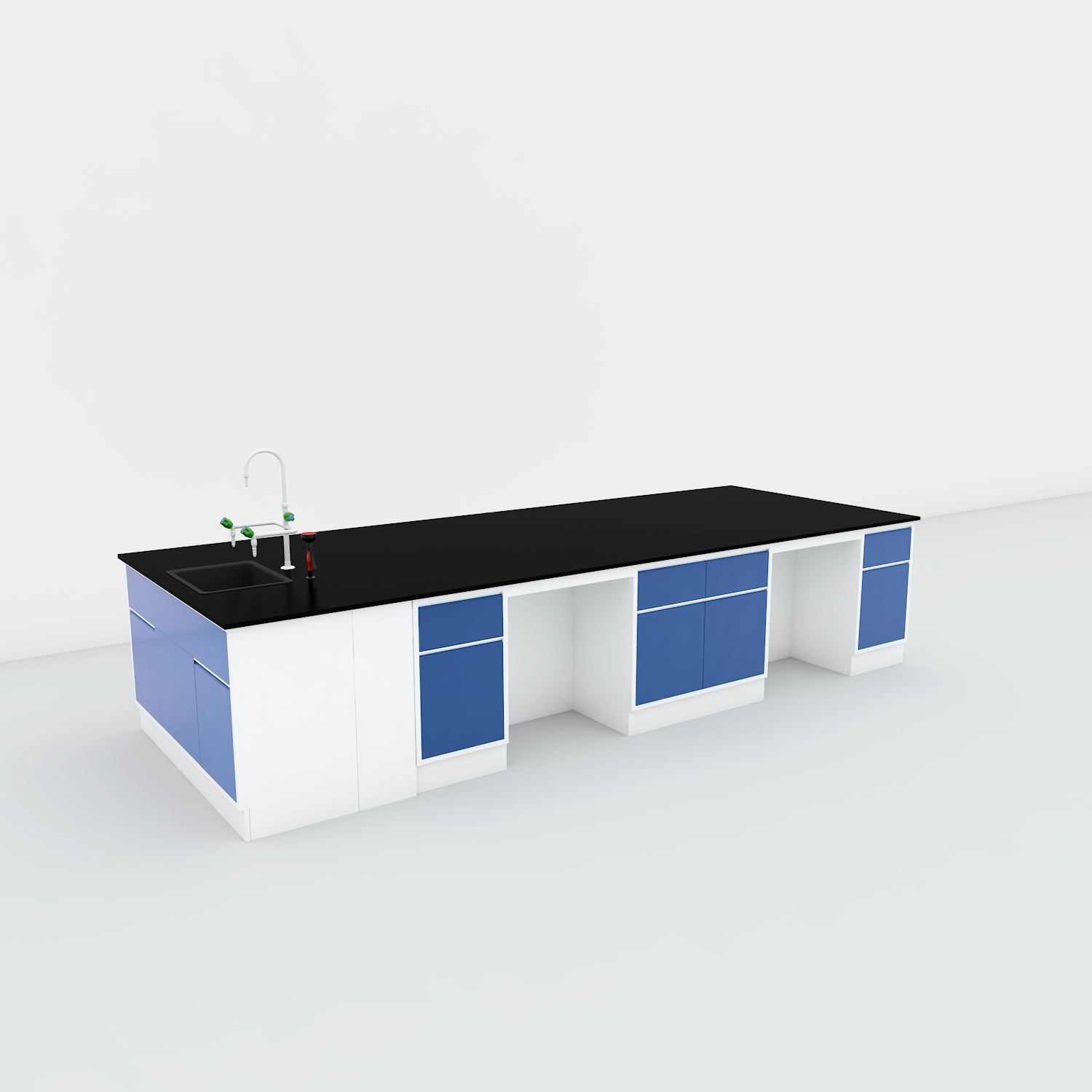
Maintenance Checklist for Floor Mounted Lab Benches
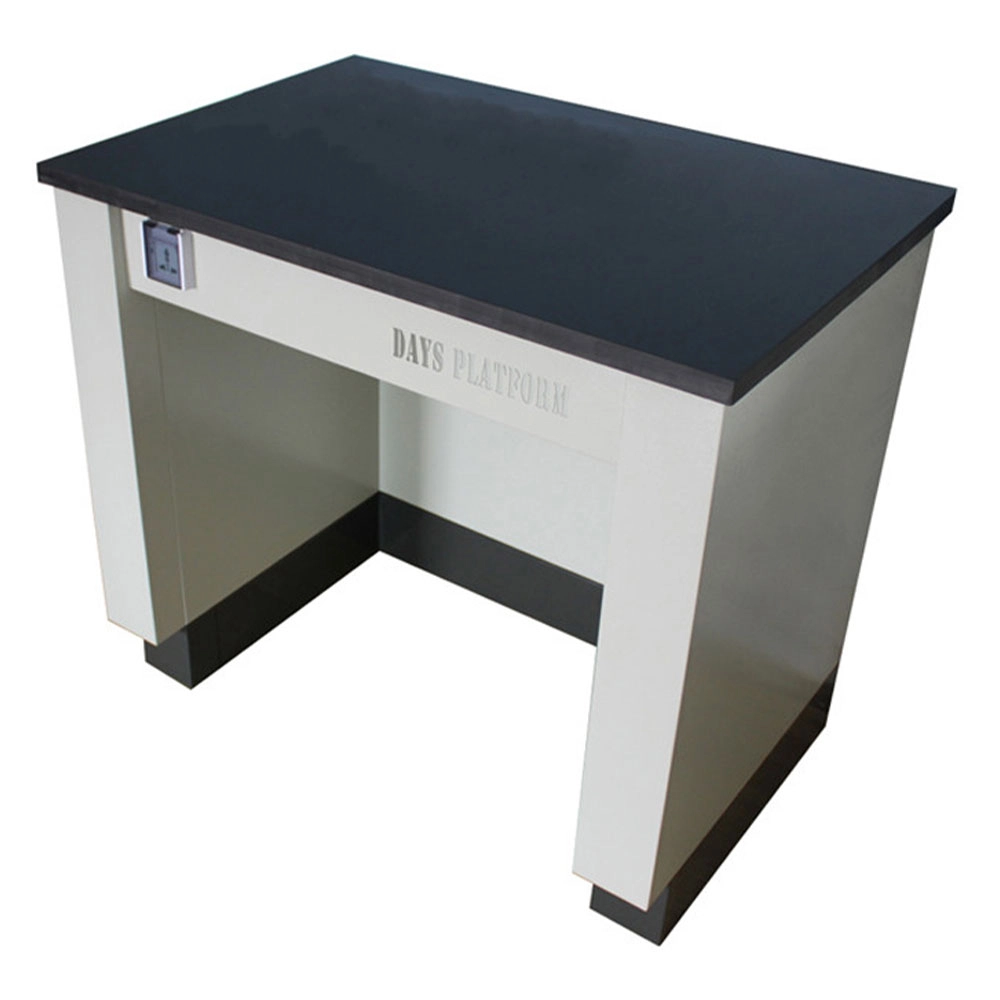
Laboratory table guide: Benefits of Anti-vibration Tables BT-03
Modular Lab Furniture Systems: Flexibility & Benefits
Choosing a laboratory table for precision balances: BT-03 insights
For Company
Can I visit your factory or showroom?
Yes, we welcome visits to our showroom and production facility. Please contact us in advance to schedule an appointment.
Customization
Can equipment be customized to specific experimental safety standards?
Yes. We offer customized equipment to specific safety standards, such as ANSI/ASHRAE standards, UL certification and ISO safety standards.
For Products
What kind of fume hoods do you offer?
We offer all steel fume hood, benchtop fume hood, multi-sided fume hood, walk-in fume hood, PP fume hood, ductless fume hood, stainless steel fume hood and perchloric acid fume hood to suit various laboratory needs and ensure safety.
For Customization
Do you offer custom branding for laboratory furniture?
Yes, we can incorporate custom logos, colors, and branding into your lab furniture to make it unique to your organization.
Can you create furniture for labs with special requirements?
Yes, we specialize in designing and manufacturing lab furniture for specialized environments, including clean rooms, bio labs, and industrial labs.
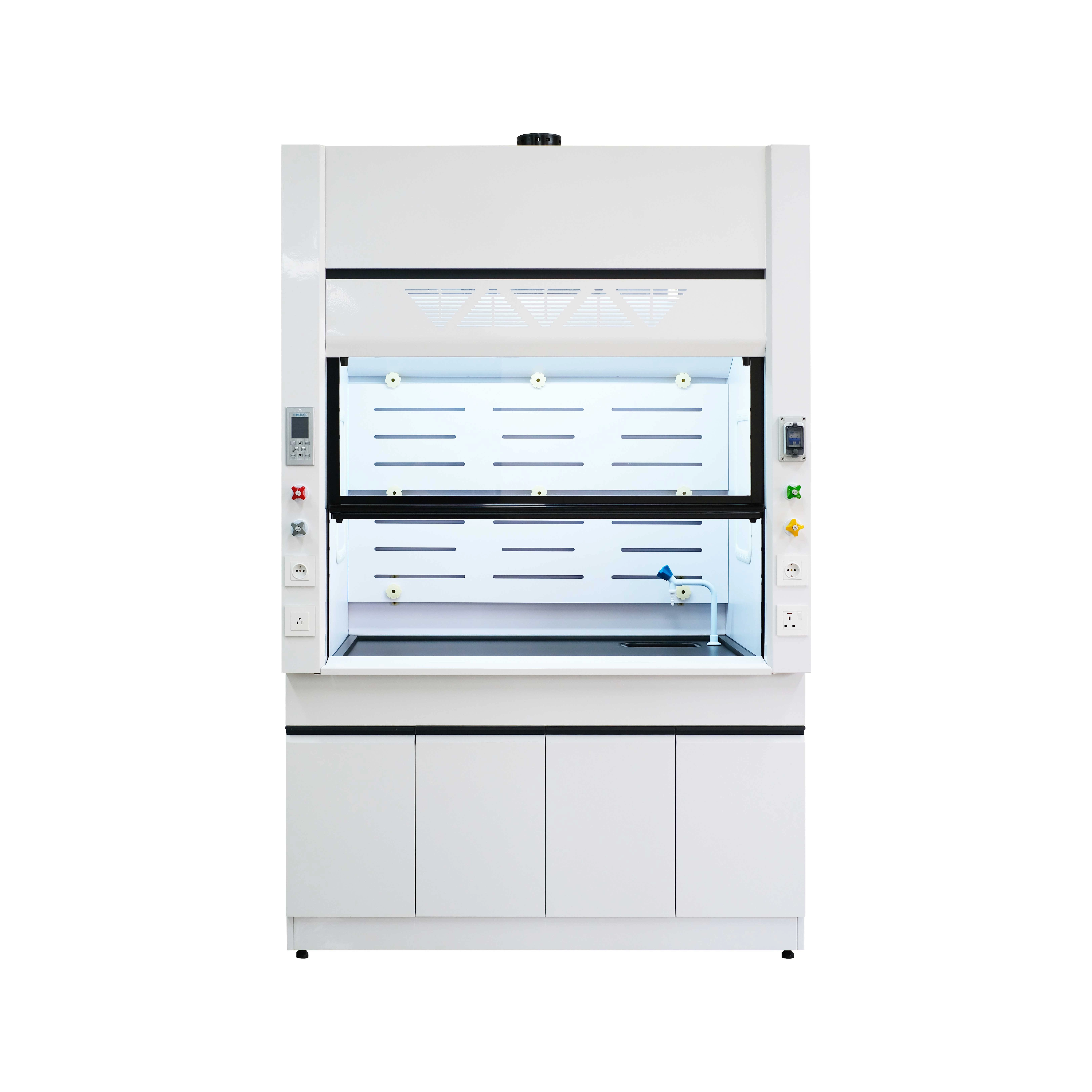
Fume Hood
The fume hood provides safe ventilation to protect against exposure to hazardous or toxic fumes, vapors, or airborne particulate. It is primarily used in laboratory and manufacturing applications to protect the user or environment outside the hood, but can also be used to protect the materials or experiment under the hood.
APPLICATION
Chemistry Lab, physics Lab, biological analysis, pharmaceutical medicine analysis, biological pharmaceutical, plant culture, environmental testing and electronic instrumentation scientific research and so on.

Floor Mounted Lab Bench
Our Floor Mounted Lab Bench is an essential, high-efficiency workspace for laboratories, made from high-quality steel-wood or corrosion-resistant stainless steel materials to ensure exceptional durability and stability. The unique floor-mounted design effectively reduces vibration, optimizes space usage, and provides a safe and tidy laboratory environment.
Customizable storage solutions help organize lab equipment efficiently, while the easy-to-clean surface maintains laboratory hygiene. It is widely suitable for research institutions, educational laboratories, and the chemical and pharmaceutical industries.
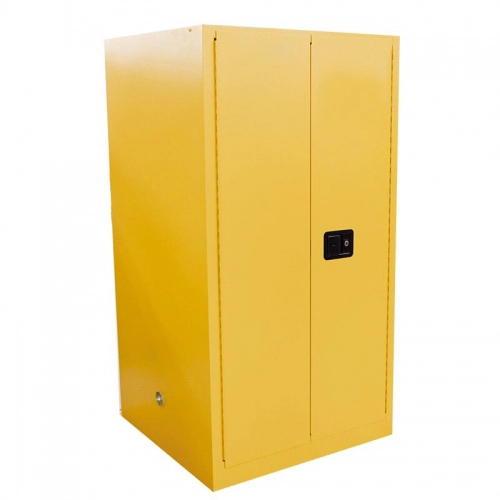
Flammable Storage Cabinet
Safety Cabinets store flammable liquids, corrosives, pesticides and other hazardous materials. All fire-resistant safety cabinets by meet fire codes and regulations for safety storage.
To help protect your people and facility from a potential fire, safety cabinets are engineered to safely contain flammable fuels, solvents, and chemicals. Safety cabinets can not only help everyone store chemicals reasonably, save chemical supplies, but also save human resources, and avoid fires caused by chemicals with the greatest strength.
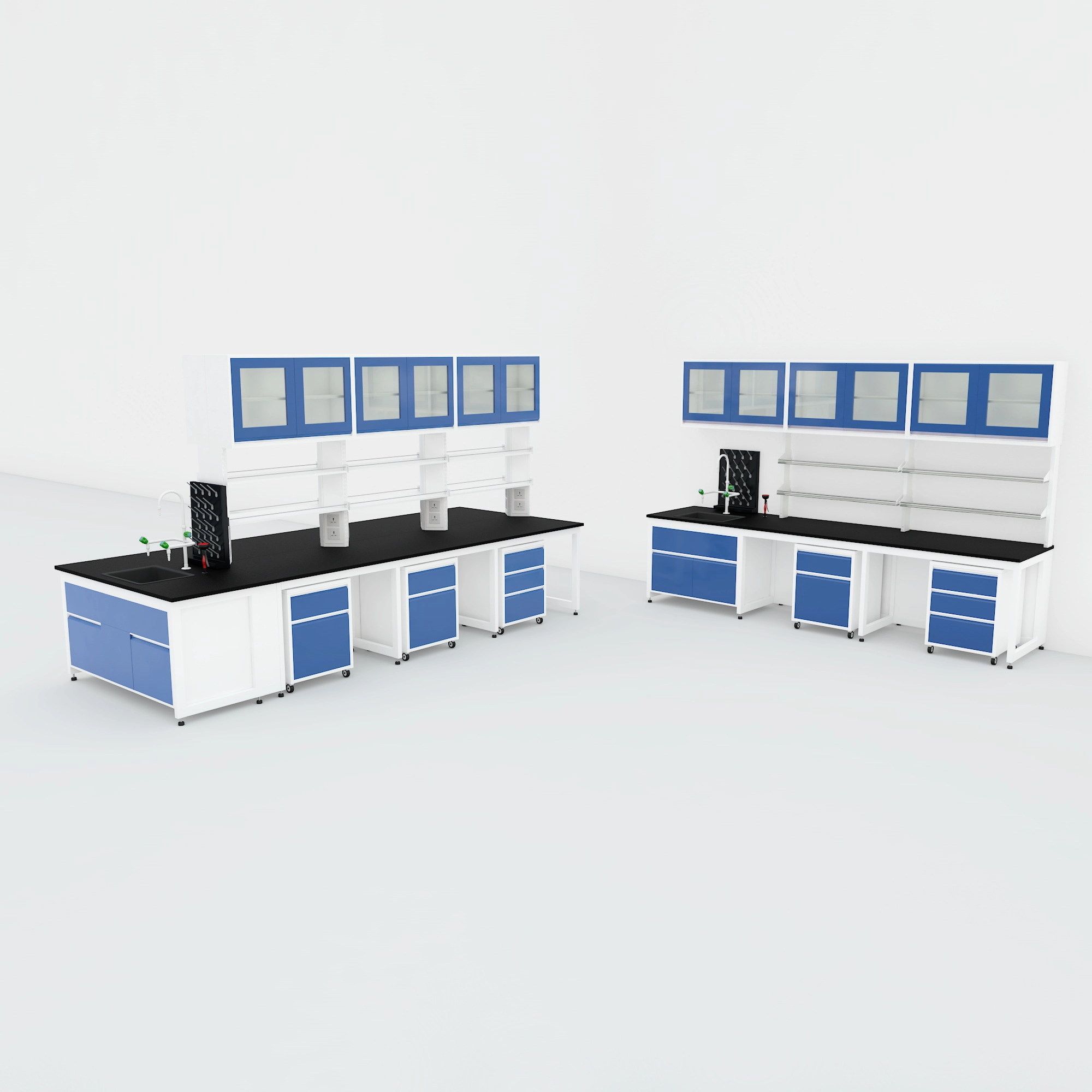
H-Frame Lab Bench
H-Frame Lab Bench combines exceptional durability, stability, and mobility, making it the perfect solution for dynamic laboratory environments. Featuring a robust H-frame design, this bench offers superior support for heavy equipment and tools, ensuring a reliable workspace. Made from high-quality steel or corrosion-resistant materials, it guarantees long-lasting performance. The movable design, equipped with lockable casters, allows for easy reconfiguration of your lab layout, providing flexibility in space planning. The spacious under-bench area maximizes storage and ensures easy access to utilities, while customizable options help you organize your workspace efficiently. Ideal for research institutions, educational labs, and industrial applications, the H-Frame Lab Bench offers a versatile, organized, and high-performing solution for all your laboratory needs.

 Scan QR Code
MaxLabFurniture
MaxLab Furniture
daihongada
Max Laboratory