
Fume Hood Airflow Testing: Critical Checks Buyers Should Require
- Fume Hood Airflow Testing: Critical Checks Buyers Should Require
- Why rigorous Fume Hood airflow testing matters
- Product overview: Fume Hood
- Key buyer questions before testing a Fume Hood
- 1. Confirm the correct face velocity and airflow pattern (H2)
- Why this matters
- 2. Containment (Smoke) Tests and Visual Airflow Checks (H2)
- 3. ASHRAE 110 / EN 14175 / ANSI Z9.5 Certification and Performance Tests (H2)
- 4. Tracer Gas and Quantitative Containment Testing (H2)
- 5. Airflow Monitoring, Alarms and Sash Interlocks (H2)
- 6. Baffle Adjustment, Air Balance and Supply/Exhaust Coordination (H2)
- 7. Sash Tests, Ergonomics and Operator Interactions (H2)
- 8. Noise, Vibration and Environmental Effects (H2)
- 9. Documentation, Maintenance Plan and Re-test Intervals (H2)
- 10. Table: Common Tests, Purpose and Acceptance Targets
- Brand advantages to look for when selecting a Fume Hood supplier (H2)
- Practical checklist buyers should require (H2)
- FAQ — Fume Hood Airflow Testing (H2)
- Q1: How often should a Fume Hood be re-tested?
- Q2: Is face velocity the only indicator of safety?
- Q3: Can building HVAC changes affect my hood performance?
- Q4: Do VAV hoods require different testing?
- Q5: Who should perform the tests?
- Contact us / View product (CTA)
- References and authoritative resources
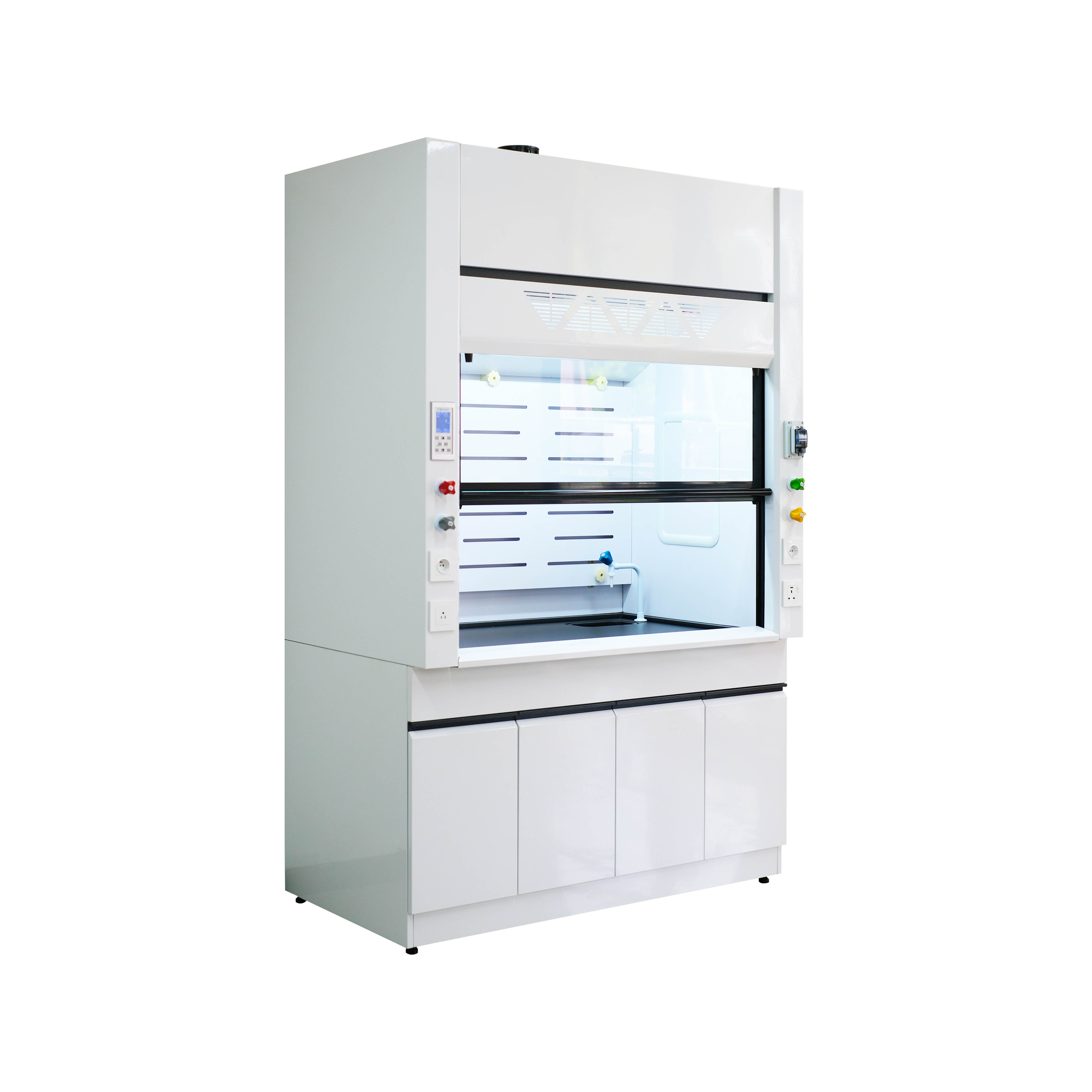
Fume Hood Airflow Testing: Critical Checks Buyers Should Require
Why rigorous Fume Hood airflow testing matters
A properly functioning Fume Hood provides safe ventilation to protect personnel, the laboratory environment, and experiments from hazardous or toxic fumes, vapors, and airborne particulates. Buyers often focus on appearance, size, and price—but airflow performance and containment are the primary safety drivers. Testing confirms the hood performs as designed in its installed environment and meets applicable standards and local regulations.
Product overview: Fume Hood
The fume hood provides safe ventilation to protect against exposure to hazardous or toxic fumes, vapors, or airborne particulate. It is primarily used in laboratory and manufacturing applications to protect the user or environment outside the hood, but can also be used to protect the materials or experiment under the hood.
APPLICATION
Chemistry Lab, physics Lab, biological analysis, pharmaceutical medicine analysis, biological pharmaceutical, plant culture, environmental testing and electronic instrumentation scientific research and so on.
Key buyer questions before testing a Fume Hood
Buyers should expect testing to answer these questions: Is the hood containing contaminants at expected sash positions? Does face velocity meet the target range without creating turbulence? Are alarms and airflow monitors working? Is the hood balanced with the building ventilation system and other nearby hoods or exhausts? Is certification available from recognized standards?
1. Confirm the correct face velocity and airflow pattern (H2)
Face velocity—the average airflow across the hood opening—is a primary metric for containment. Industry guidance commonly requires a target range (for many chemical hoods) of 80–120 feet per minute (fpm) (approximately 0.4–0.6 m/s), but the appropriate target depends on local codes, the type of work, and the hood design.
What buyers should require:
- Measured face velocity at multiple vertical and horizontal points (usually a 3x3 grid) at the working sash position.
- Documentation of measurement method and instruments (hot-wire anemometer or balometer) and calibration certificate for instruments.
- Assessment of airflow pattern using qualitative methods (smoke) and quantitative air velocity profiles.
Why this matters
Face velocity too low risks escape of contaminants; too high increases turbulence and can draw contaminants out of the work area. A tested, documented face velocity ensures safe, predictable containment.
2. Containment (Smoke) Tests and Visual Airflow Checks (H2)
Qualitative tests using smoke or fog provide immediate visualization of airflow into and out of the hood. These tests show whether air flows smoothly into the hood and whether eddies or reverse flows occur at typical work positions.
Buyer requirements:
- Smoke tests at multiple sash heights and typical operator positions.
- Documentation (photos or video) of smoke behavior and operator handling conditions.
- Repeat tests under nearby ventilation disturbances (open doors, other hoods running) to ensure robustness in real lab conditions.
Note: Smoke testing is qualitative; it should be combined with quantitative methods for certification.
3. ASHRAE 110 / EN 14175 / ANSI Z9.5 Certification and Performance Tests (H2)
Standards provide repeatable test methods for containment and measurement. Buyers should require testing to a recognized protocol:
- ASHRAE 110 (Laboratory Methods of Testing Performance of Laboratory Fume Hoods) — widely used in North America for containment testing.
- EN 14175 — European standard covering fume hood types and test methods.
- ANSI/AIHA Z9.5 — Laboratory Ventilation guidance for system design and safety practice.
Buyers should ask for a copy of the test report indicating pass/fail criteria, measured values, and test conditions (sash position, room conditions, nearby vents).
4. Tracer Gas and Quantitative Containment Testing (H2)
Tracer gas testing (sulfur hexafluoride SF6 or other inert tracers) gives a quantitative measurement of hood leakage and containment under dynamic conditions. This is especially important for high-hazard or volatile chemicals.
Buyer requirements:
- Tracer gas release at the work plane with detection at operator breathing zone and room sampling points.
- Reported concentration values, methodology, and limits compared to acceptance criteria.
- Results under realistic sash positions and typical work disturbances.
5. Airflow Monitoring, Alarms and Sash Interlocks (H2)
Real-time monitoring provides ongoing assurance that the hood continues to perform once installed. Buyers should require:
- Installed airflow monitors with set alarms and fail-safe actions.
- Visual/audible alarms at the hood and remote monitoring capability if required by the facility.
- Sash position sensors and interlocks that either warn operators or reduce face velocity if the sash position is unsafe for the selected work.
Testing should verify alarm thresholds, response time, and that alarms are not routinely triggered by benign fluctuations.
6. Baffle Adjustment, Air Balance and Supply/Exhaust Coordination (H2)
Baffles control internal airflow distribution. Properly adjusted baffles combined with balanced supply and exhaust air ensure stable containment. Buyers should require:
- Visual and measurement verification of baffle settings for the hood type and typical task.
- Room air balance report showing supply/exhaust rates and building influence during testing.
- Recommendations for rebalancing if lab HVAC or neighboring equipment affects performance.
7. Sash Tests, Ergonomics and Operator Interactions (H2)
Hoods are operated by people—operator posture, hand movements, and sash position change containment. Tests should include:
- Containment verification with typical operator movements and tool handling near the sash.
- Sash counterbalance and smooth operation tests to ensure the sash stays at the intended height.
- Recommendation for safe working sash heights and training materials for operators.
8. Noise, Vibration and Environmental Effects (H2)
High airflow and poor fan balance can create noise and vibration that affect both users and experiments. Require:
- Noise level measurements at the operator location (dBA) during normal operation.
- Vibration checks for sensitive instrumentation placed near the hood.
- Assessment of thermal drafts if hood heating or chilled experiments are affected.
9. Documentation, Maintenance Plan and Re-test Intervals (H2)
Testing is valuable only when combined with a plan for maintenance and periodic re-test. Buyers should require:
- Complete test reports with raw data, instrument calibration certificates, and pass/fail conclusions.
- A recommended maintenance schedule (filter replacement, sash lubrication, airflow sensor calibration) and expected service life of components.
- Specified re-certification intervals—commonly annual containment testing and more frequent checks for alarm function.
10. Table: Common Tests, Purpose and Acceptance Targets
| Test | Purpose | Typical Acceptance Target |
|---|---|---|
| Face velocity profile | Confirm average airflow across the sash | 80–120 fpm (0.4–0.6 m/s) or per local spec |
| Smoke/visual tests | Qualitative containment and airflow pattern | No reverse flow; smooth entrainment into hood |
| ASHRAE 110/EN 14175 | Standardized containment testing | Pass per protocol scores and tracer gas limits |
| Tracer gas (SF6) | Quantitative leakage/containment | Concentrations below facility-defined thresholds |
| Airflow monitor & alarms | Real-time protection | Alarms set to warn before unsafe face velocity reached |
Brand advantages to look for when selecting a Fume Hood supplier (H2)
When selecting a brand or supplier, prioritize vendors that offer:
- Third-party certified test reports and on-site commissioning by trained technicians.
- Integrated monitoring and remote reporting options for proactive maintenance.
- Customizable baffle and sash designs to match specific workflows and containment needs.
- Clear warranties and responsive after-sales service, including calibration and re-certification options.
- Designs that balance containment, ergonomics and energy efficiency—variable air volume (VAV) options can reduce operating costs while maintaining safety.
These advantages reduce long-term total cost of ownership while ensuring consistent safety and compliance.
Practical checklist buyers should require (H2)
Before purchase and installation, require the supplier to deliver the following:
- Pre-installation site assessment and HVAC compatibility report.
- Factory acceptance test (FAT) report if available.
- On-site commissioning with ASHRAE 110 / EN 14175 style testing and a final signed test report.
- Calibration certificates for measurement instruments used during testing.
- Training for operators and maintenance staff including alarm response procedures.
- Warranty, spare parts list, and recommended re-certification frequency.
FAQ — Fume Hood Airflow Testing (H2)
Q1: How often should a Fume Hood be re-tested?
A1: Re-testing frequency depends on local regulations and usage. Many facilities perform annual containment testing (ASHRAE 110) and monthly or quarterly visual checks plus continuous monitoring for alarms. High-hazard operations may require more frequent re-certification.
Q2: Is face velocity the only indicator of safety?
A2: No. Face velocity is an important metric but must be combined with containment (smoke/tracer gas), airflow pattern testing, sash ergonomics, and monitoring to confirm overall safety.
Q3: Can building HVAC changes affect my hood performance?
A3: Yes. Nearby exhaust systems, doors, and HVAC balancing changes can alter pressure relationships and affect containment. Require site-specific testing after major HVAC changes.
Q4: Do VAV hoods require different testing?
A4: VAV (variable air volume) hoods require dynamic testing across operating ranges to ensure containment at low and high volume setpoints. Confirm the supplier provides tests that reflect intended operating modes.
Q5: Who should perform the tests?
A5: Tests should be performed by qualified technicians with appropriate instrumentation and calibration records. Third-party testing labs or accredited commissioning providers offer independent verification and are recommended for critical applications.
Contact us / View product (CTA)
Airflow performance does not exist in isolation. Proper fume hood integration with HVAC and laboratory design ensures balanced ventilation and avoids negative impacts on the wider lab environment.To schedule on-site commissioning, request a sample test report, or discuss custom Fume Hood requirements, contact our sales team: sales@yourcompany.com or visit our product page at /products/fume-hood. Our technicians can provide site assessments, ASHRAE 110 testing, tracer gas measurements, and ongoing maintenance plans.
References and authoritative resources
- Occupational Safety and Health Administration (OSHA) - Laboratory Safety Guidance: https://www.osha.gov/laboratory-safety
- ASHRAE 110 — Laboratory Methods of Testing Performance of Laboratory Fume Hoods (overview): https://en.wikipedia.org/wiki/ASHRAE_110
- Fume hood — Wikipedia (overview of types and standards): https://en.wikipedia.org/wiki/Fume_hood
- ANSI/AIHA Z9.5 Laboratory Ventilation: https://www.aiha.org/get-involved/Standards/Pages/ANSI-AIHA-Z9.5-Laboratory-Ventilation.aspx
- Centers for Disease Control and Prevention (CDC) / NIOSH — Chemical Safety: https://www.cdc.gov/niosh/topics/chemicalsafety/default.
Cost Estimating for Lab Furniture Projects
6 Tips to Select the Right Laboratory Furniture
Top 10 Lab Furnitures Manufacturers and Supplier Brands in 2026
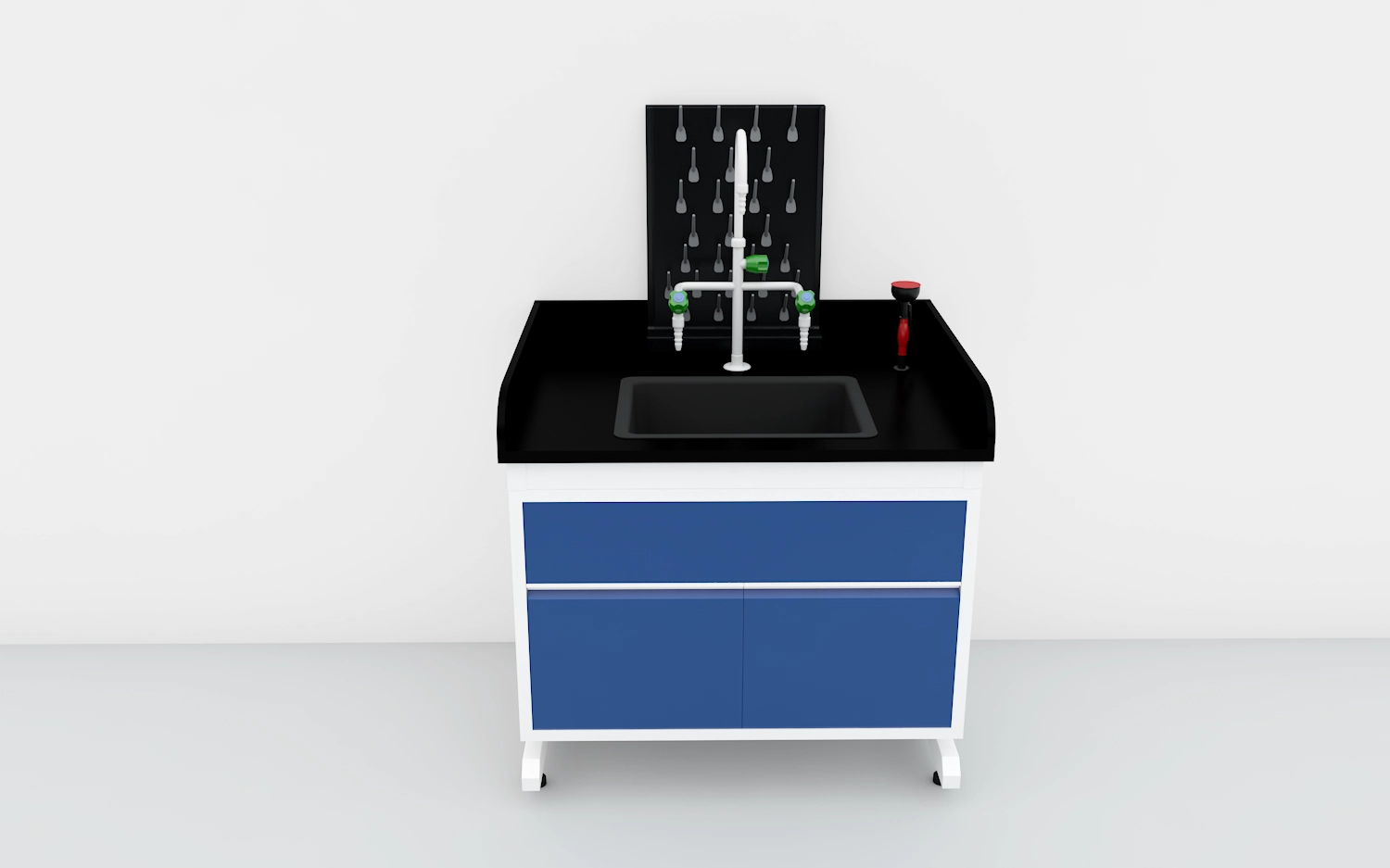
Stainless Steel Lab Sink Options: Pros and Cons
Customization
How do I start a customized service?
Please contact our sales or technical support team for an initial enquiry. We will provide detailed customized recommendations and quotes according to your needs.
What is the after-sales support for customized services?
We provide a full range of after-sales service, including equipment installation guidance, regular maintenance, troubleshooting, operation training, etc., to ensure the safe and efficient operation of equipment.
For Logistics
Do you handle customs clearance for international shipments?
Of course, if you need it, we will handle the customs clearance of international shipments for our customers to ensure that your laboratory furniture arrives on time.
For Company
Do you provide installation services?
Yes, we offer professional installation services to ensure your laboratory furniture and equipment are set up properly and safely.
About Solution
What is the corrosion resistance of the laboratory furniture?
Our products are made of high quality corrosion-resistant materials, such as epoxy resin, PP board and stainless steel, which can resist the erosion of various chemicals and prolong the service life of the products.
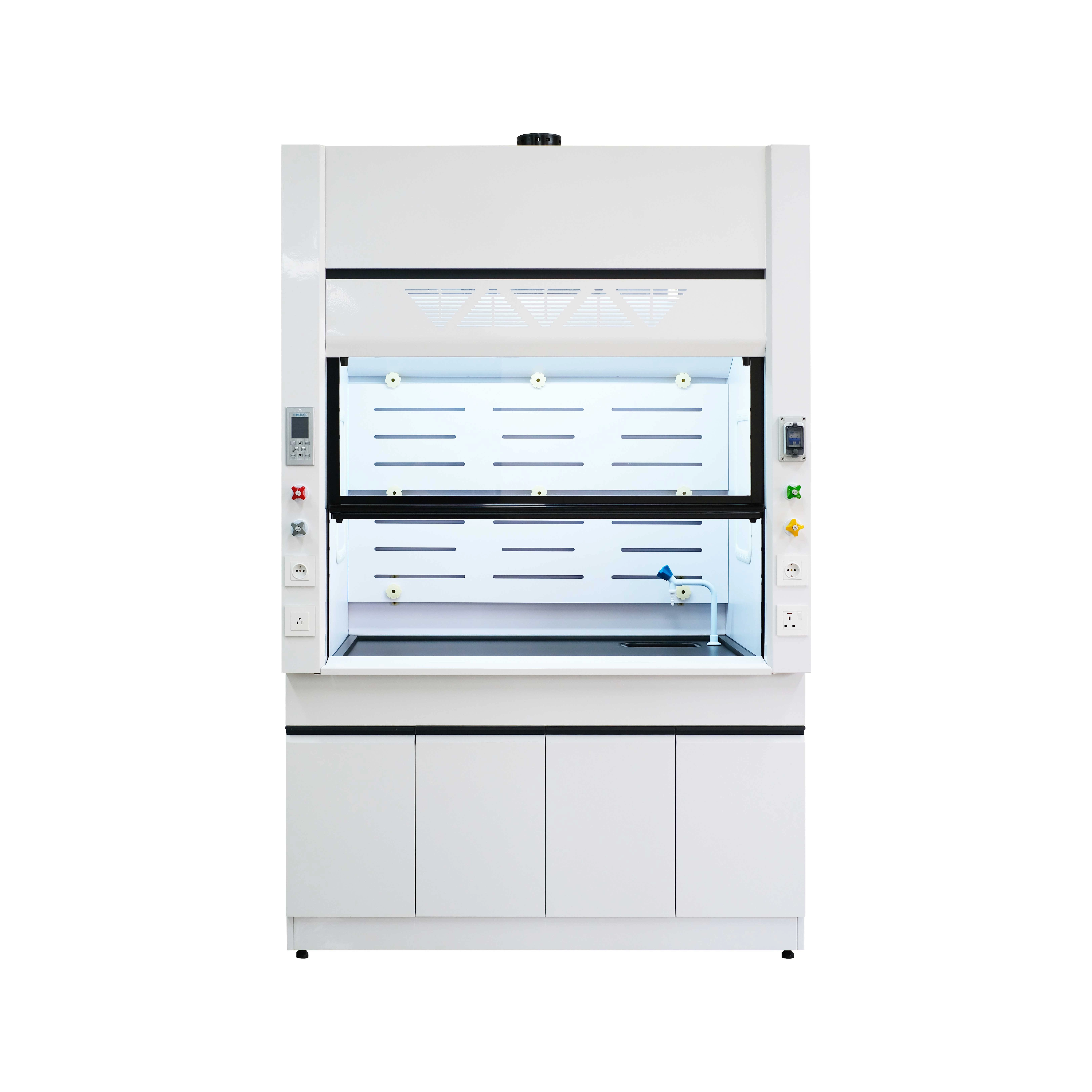
Fume Hood
The fume hood provides safe ventilation to protect against exposure to hazardous or toxic fumes, vapors, or airborne particulate. It is primarily used in laboratory and manufacturing applications to protect the user or environment outside the hood, but can also be used to protect the materials or experiment under the hood.
APPLICATION
Chemistry Lab, physics Lab, biological analysis, pharmaceutical medicine analysis, biological pharmaceutical, plant culture, environmental testing and electronic instrumentation scientific research and so on.

Floor Mounted Lab Bench
Our Floor Mounted Lab Bench is an essential, high-efficiency workspace for laboratories, made from high-quality steel-wood or corrosion-resistant stainless steel materials to ensure exceptional durability and stability. The unique floor-mounted design effectively reduces vibration, optimizes space usage, and provides a safe and tidy laboratory environment.
Customizable storage solutions help organize lab equipment efficiently, while the easy-to-clean surface maintains laboratory hygiene. It is widely suitable for research institutions, educational laboratories, and the chemical and pharmaceutical industries.
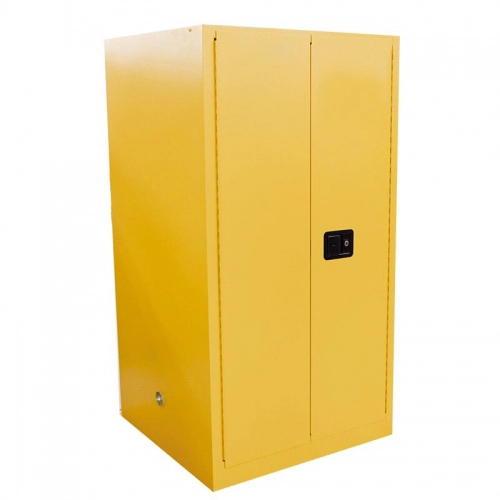
Flammable Storage Cabinet
Safety Cabinets store flammable liquids, corrosives, pesticides and other hazardous materials. All fire-resistant safety cabinets by meet fire codes and regulations for safety storage.
To help protect your people and facility from a potential fire, safety cabinets are engineered to safely contain flammable fuels, solvents, and chemicals. Safety cabinets can not only help everyone store chemicals reasonably, save chemical supplies, but also save human resources, and avoid fires caused by chemicals with the greatest strength.
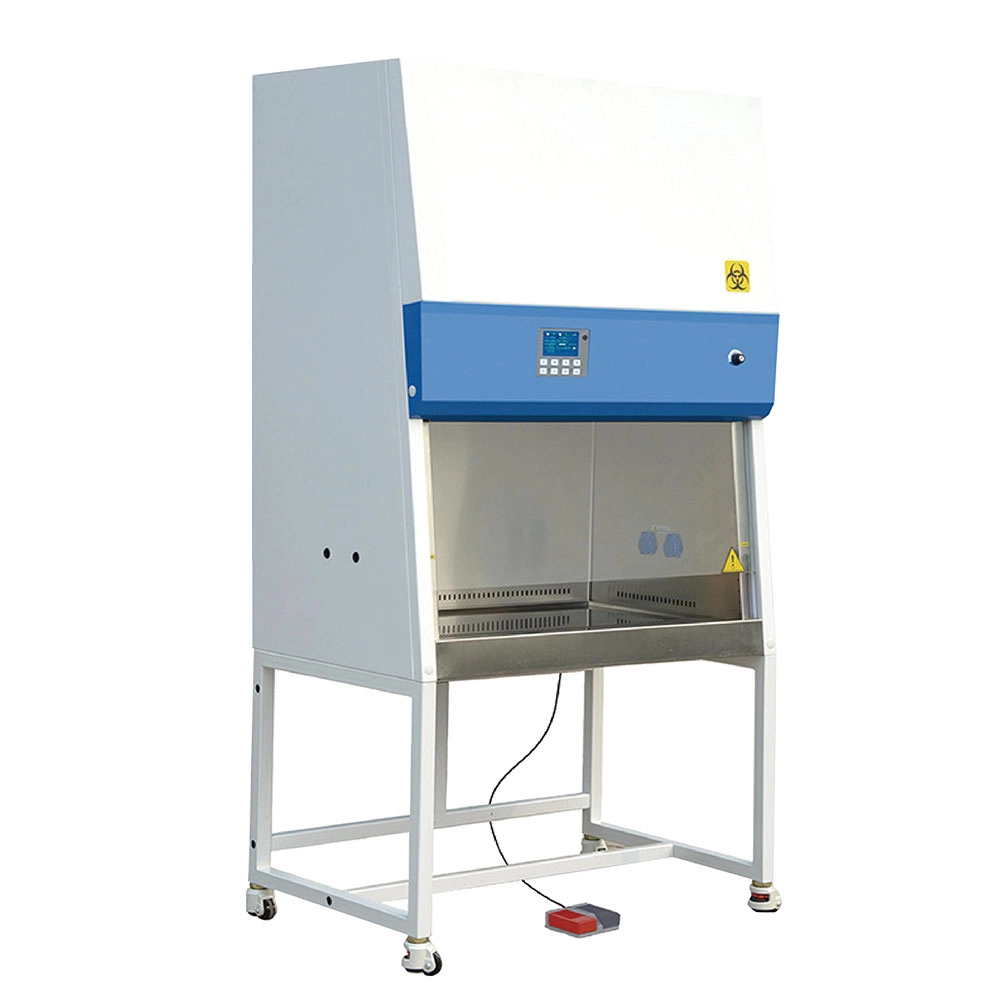
Class II Type A2 Biological Safety Cabinet for Laboratory
The Class II A2 Biological Safety Cabinet is designed to provide superior biosafety and contamination control for laboratories, research facilities, and clinical settings. With 70% air recirculation and 30% air exhaust, this cabinet ensures a safe and efficient work environment while protecting both the user and the samples.
Equipped with advanced features like a HEPA filtration system, motorized front window, and ergonomic design, this cabinet is a must-have for safe and reliable biological research.

 Scan QR Code
MaxLabFurniture
MaxLab Furniture
daihongada
Max Laboratory