
Floor Mounted Lab Bench vs. Freestanding Benches: Pros & Cons
- Floor Mounted Lab Bench vs. Freestanding Benches: Pros & Cons
- Why choose the right lab benches matters
- Product overview: Floor Mounted Lab Bench
- Core difference: Floor-mounted vs. freestanding lab benches
- Stability and vibration control — why floor-mounted leads
- Space optimization and layout efficiency — : buy lab benches
- Customization and storage options — product keyword: Floor Mounted Lab Bench
- Installation, flexibility, and lifecycle considerations
- Cleaning, contamination control and hygiene
- Cost comparison: upfront vs. total cost of ownership
- Safety and regulatory considerations — buy lab benches compliant with standards
- Comparison table: key attributes
- When to choose a Floor Mounted Lab Bench (recommended use cases)
- When freestanding benches are a better fit
- Procurement tips — : lab benches for sale and quotes
- Brand advantage: why choose our Floor Mounted Lab Bench
- FAQ — Common questions about Floor Mounted Lab Bench and freestanding benches
- Q: Are floor-mounted benches always better for heavy equipment?
- Q: Will a floor-mounted bench damage my existing flooring?
- Q: Can I retrofit utilities into a freestanding bench later?
- Q: How do I evaluate vibration performance for my lab benches?
- Q: What surface tops are best for chemical labs?
- Contact & call to action — request a quote or view product
- Sources
Floor Mounted Lab Bench vs. Freestanding Benches: Pros & Cons
Why choose the right lab benches matters
Selecting the right lab benches is a practical decision that affects safety, workflow efficiency, experiment reproducibility, and total cost of ownership. Laboratories across research institutions, schools, and industry rely on robust furniture to provide stable surfaces, organized storage, and compliance with safety and cleanliness standards. This article compares the Floor Mounted Lab Bench to freestanding benches, giving lab managers and procurement teams a clear, evidence-based guide to choose the best option for their needs.
Product overview: Floor Mounted Lab Bench
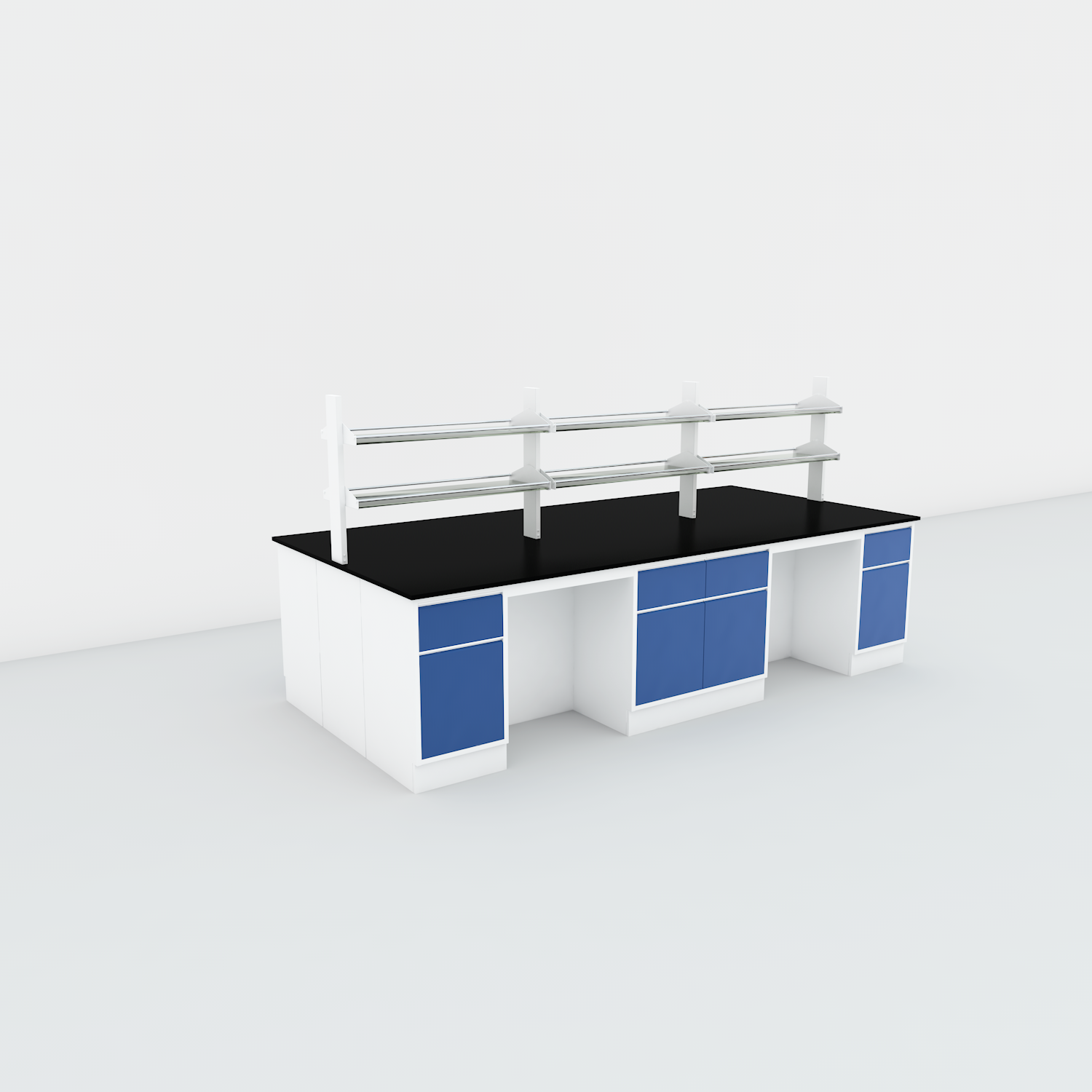
Our Floor Mounted Lab Bench is an essential, high-efficiency workspace for laboratories, made from high-quality steel-wood or corrosion-resistant stainless steel materials to ensure exceptional durability and stability. The unique floor-mounted design effectively reduces vibration, optimizes space usage, and provides a safe and tidy laboratory environment.
Customizable storage solutions help organize lab equipment efficiently, while the easy-to-clean surface maintains laboratory hygiene. It is widely suitable for research institutions, educational laboratories, and the chemical and pharmaceutical industries.
Core difference: Floor-mounted vs. freestanding lab benches
At the core, a Floor Mounted Lab Bench is anchored directly to the laboratory floor (or integrated with floor-to-benchtop supports), while freestanding benches sit on legs or frames and can be repositioned without fixed attachments. This structural difference drives divergent performance on stability, vibration damping, installation, and adaptability. Understanding these trade-offs helps align bench selection with experimental needs and facility constraints.
Stability and vibration control — why floor-mounted leads
When performing delicate measurements, microscopy, or precision weighing, stability and minimal vibration are essential. Floor Mounted Lab Bench installations typically provide superior rigidity because the bench is anchored to the floor or integrated into a continuous support system, reducing transmitted vibration and lateral movement compared to many freestanding benches. For labs running vibration-sensitive applications (e.g., analytical balances, high-resolution imaging), floor-mounted bench systems often yield better reproducibility and fewer re-calibrations.
Space optimization and layout efficiency — : buy lab benches
Floor-mounted benches can be planned as continuous runs with integrated storage, utilities, and service lines. This optimizes aisle space and workflow by creating predictable work zones. When ordering or buying lab benches, consider that floor-mounted systems are often modular yet intended for semi-permanent layouts—ideal for facilities wanting long-term optimized space utilization. Freestanding benches provide flexibility for periodic reconfiguration but may leave gaps or create inefficient traffic flows in fixed-lab layouts.
Customization and storage options — product keyword: Floor Mounted Lab Bench
One of the strengths of a Floor Mounted Lab Bench is the ease of integrating custom storage—drawers, cupboards, chemical-resistant cabinets, and utility channels are commonly built into the system. This supports streamlined SOPs by keeping reagents and frequently used equipment organized at the point of use. If your lab needs tailored storage solutions or built-in service penetrations, choosing a Floor Mounted Lab Bench allows you to specify configurations to match workflow and safety policies.
Installation, flexibility, and lifecycle considerations
Freestanding benches score highly on flexibility: they are simpler to install, can be moved by facilities staff, and are suitable for temporary lab setups or phased expansions. However, floor-mounted systems, while requiring initial anchoring and potentially professional installation, often offer lower total cost of ownership over the bench lifecycle due to reduced maintenance frequency and improved durability—particularly in high-use, heavy-equipment environments. Evaluate whether your facility will benefit more from modular mobility or long-term permanence.
Cleaning, contamination control and hygiene
Both bench types can be specified with easy-to-clean surfaces, chemical-resistant tops, and seamless transitions. Floor Mounted Lab Bench installations typically minimize gaps between benches and utilities, which reduces hidden dust and spill zones—improving hygiene for regulated environments. If your lab operates under strict contamination controls (e.g., pharmaceutical compounding or sterile processes), a floor-mounted system helps maintain continuous surfaces and integrated containment features that facilitate cleaning protocols.
Cost comparison: upfront vs. total cost of ownership
Upfront costs often favor freestanding benches because they require less site preparation and can come in standard sizes. Floor-mounted benches may have higher initial expenditures due to customization, anchoring, and potential facility modifications. However, when considering lifetime value—reduced vibration-related equipment downtime, fewer replacement cycles, and integrated storage—floor-mounted benches often offer better long-term value for high-utilization labs. The choice should be informed by projected bench lifespan and planned equipment load.
Safety and regulatory considerations — buy lab benches compliant with standards
For chemical, biological, and pharmaceutical labs, bench selection must support safe handling and compliance. A Floor Mounted Lab Bench can incorporate secure chemical storage, spill containment, and accessible emergency utility shutoffs. When procuring or buying lab benches, ensure the design aligns with institutional and regulatory guidance such as biosafety manuals and local building codes. Stability, electrical grounding, and chemical resistance are key attributes tied to safety compliance.
Comparison table: key attributes
The table below summarizes typical differences between Floor Mounted Lab Benches and freestanding benches. Specific values may vary by manufacturer and model.
| Attribute | Floor Mounted Lab Bench | Freestanding Bench |
|---|---|---|
| Stability / vibration | High — anchored to floor; better vibration damping | Moderate — depends on frame design and leveling feet |
| Space optimization | Excellent — continuous runs and integrated utilities | Good — flexible but may create gaps in layout |
| Customization / storage | High — configurable cabinets, drawers, service channels | Moderate — add-on storage can be used but less integrated |
| Installation complexity | Higher — requires anchoring and possible site prep | Lower — simpler, often ready-to-assemble |
| Mobility | Low — semi-permanent | High — easy to reconfigure and relocate |
| Cleaning / hygiene | Better — fewer crevices, integrated surfaces | Good — depends on top and frame design |
| Typical best use | Long-term labs with vibration-sensitive equipment | Temporary labs, classrooms, flexible use areas |
Sources for comparison: see sources section below for authoritative guidance on lab design and furniture considerations.
When to choose a Floor Mounted Lab Bench (recommended use cases)
Choose a Floor Mounted Lab Bench if your laboratory requires: precision measurements, frequent use of heavy or vibration-sensitive instruments, an integrated storage and utilities solution, or a long-term fixed layout. Examples include analytical chemistry labs, microscopy suites, pharmaceutical QC labs, and institution core facilities where continuity and reproducibility are priorities.
When freestanding benches are a better fit
Freestanding benches are preferable when your laboratory needs rapid reconfiguration, has tight budget constraints for immediate installation, or supports short-term projects and educational labs where different classes or experiments share the space. These benches are also beneficial for phased renovations or temporary expansions where relocating benches is expected.
Procurement tips — : lab benches for sale and quotes
When procuring lab benches, request detailed specifications: materials (stainless steel vs. steel-wood), top surface composition, load capacity, anchoring requirements, warranty terms, and lead times. Ask vendors for case studies or installations similar to your environment. For vibration-sensitive labs, request vibration-analysis data or references from facilities running comparable equipment. Compare total cost of ownership (warranty, maintenance, replacement cycle) rather than focusing solely on purchase price.
Brand advantage: why choose our Floor Mounted Lab Bench
Our Floor Mounted Lab Bench is engineered with durability and practical laboratory needs at its core. Key brand strengths include:
- Material options tailored for corrosive and high-use environments, including corrosion-resistant stainless steel and durable steel-wood combinations.
- Custom storage and utility integration to support organized workflows and compliance requirements.
- Designs that reduce vibration and stabilize sensitive instruments, improving reproducibility and reducing downtime.
- Easy-to-clean surfaces and finishes that support rigorous hygiene protocols.
- Comprehensive after-sales support, installation guidance, and available customization to match facility needs.
FAQ — Common questions about Floor Mounted Lab Bench and freestanding benches
Q: Are floor-mounted benches always better for heavy equipment?
A: Generally, yes—floor-mounted benches provide greater structural support and stability for heavy or vibration-sensitive equipment. However, specific bench frame design and material can make some freestanding benches suitable for moderate loads; always confirm load ratings with the manufacturer.
Q: Will a floor-mounted bench damage my existing flooring?
A: Proper installation minimizes risk. Anchoring methods and floor-protection techniques are used to prevent point loading or damage. Reputable suppliers provide installation plans and often recommend or supply floor protection solutions during installation.
Q: Can I retrofit utilities into a freestanding bench later?
A: In many cases, yes—utilities such as electrical outlets, gas, and plumbing can be retrofitted, but the process may be more complex and costly than planning them into a floor-mounted, integrated system from the start.
Q: How do I evaluate vibration performance for my lab benches?
A: Request vibration-dampening specifications from suppliers, ask for third-party vibration test data where available, and consult with equipment manufacturers on acceptable vibration thresholds. For critical applications, consider on-site vibration testing after installation.
Q: What surface tops are best for chemical labs?
A: Chemical-resistant surfaces such as phenolic resin, epoxy resin, and stainless steel tops are commonly used. Choice depends on chemical exposure, heat resistance, and cleanability requirements. Phenolic and epoxy are economical and chemical-resistant; stainless steel offers durability and excellent cleanability for corrosive environments.
Contact & call to action — request a quote or view product
After choosing the appropriate bench type, focusing on layout efficiency becomes crucial—these lab bench design ideas for maximizing work surface efficiency can significantly improve daily workflows.If you are evaluating lab benches for a new fit-out or renovation, our Floor Mounted Lab Bench offers durable, customizable solutions engineered for high-performance labs. Contact our sales team to request a datasheet, ask for local references, or get a tailored quote. Click here to view product details or request a consultation: Contact Us for Floor Mounted Lab Bench (sales inquiry) — we’ll help specify the right configuration for your lab.
Sources
- Centers for Disease Control and Prevention (CDC) & National Institutes of Health (NIH) — Biosafety in Microbiological and Biomedical Laboratories (BMBL), 5th Edition. https://www.cdc.gov/labs/pdf/CDC-BMBL-5th-Edition-2020-508.pdf
- National Institutes of Health (NIH) — Design Requirements Manual (DRM) and lab design guidance. https://www.nih.gov/
- Occupational Safety and Health Administration (OSHA) — Laboratory Safety Guidance. https://www.osha.gov/
- Industry manufacturer white papers and lab furniture installation guides (representative examples available upon request from manufacturers and vendors).
Fume Hood Integration with HVAC and Laboratory Design
Top 10 Lab Furnitures Manufacturers and Supplier Brands in 2026
Fume Hood Installation Checklist for Procurement Teams
Lifecycle Cost Analysis for Lab Countertops in Institutional Labs
For Logistics
How can I track my shipment?
Once your order has been shipped, we will provide tracking information so you can monitor the status of your delivery.
How do you ensure the safety of items during shipping?
We have 15 years of experience in loading, fragile goods are packed in plywood boxes to ensure that they will not be damaged during transportation.
For Products
What products does MAX LAB offer?
We specialize in laboratory furniture and equipment, including lab benches, fume hoods, storage cabinets, lab accessories, and custom lab solutions.
About Solution
Do you provide installation service?
Yes, we provide professional installation service and make sure all the equipment are working properly, meanwhile, we provide usage training to help customers get started quickly.
For Customization
Can you create furniture for labs with special requirements?
Yes, we specialize in designing and manufacturing lab furniture for specialized environments, including clean rooms, bio labs, and industrial labs.

Floor Mounted Lab Bench
Our Floor Mounted Lab Bench is an essential, high-efficiency workspace for laboratories, made from high-quality steel-wood or corrosion-resistant stainless steel materials to ensure exceptional durability and stability. The unique floor-mounted design effectively reduces vibration, optimizes space usage, and provides a safe and tidy laboratory environment.
Customizable storage solutions help organize lab equipment efficiently, while the easy-to-clean surface maintains laboratory hygiene. It is widely suitable for research institutions, educational laboratories, and the chemical and pharmaceutical industries.
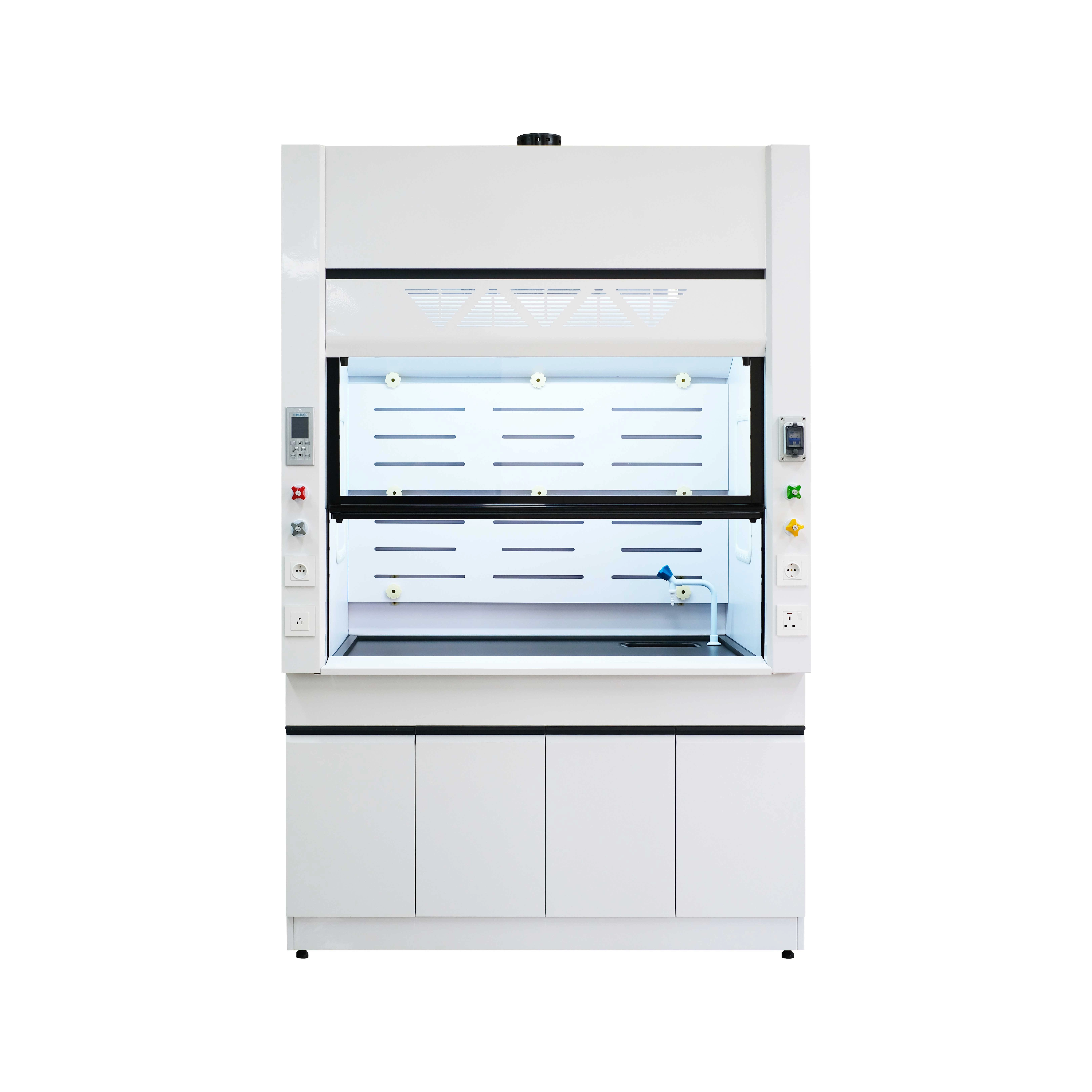
Fume Hood
The fume hood provides safe ventilation to protect against exposure to hazardous or toxic fumes, vapors, or airborne particulate. It is primarily used in laboratory and manufacturing applications to protect the user or environment outside the hood, but can also be used to protect the materials or experiment under the hood.
APPLICATION
Chemistry Lab, physics Lab, biological analysis, pharmaceutical medicine analysis, biological pharmaceutical, plant culture, environmental testing and electronic instrumentation scientific research and so on.
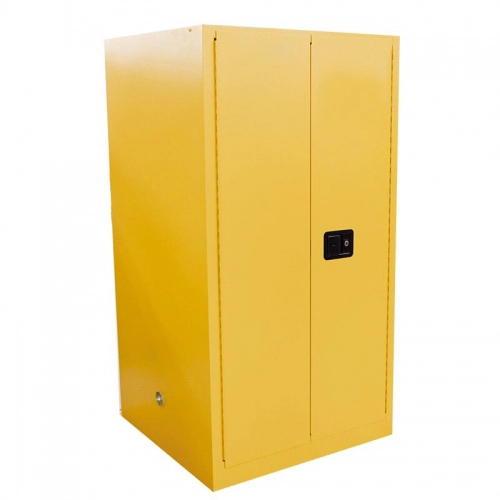
Flammable Storage Cabinet
Safety Cabinets store flammable liquids, corrosives, pesticides and other hazardous materials. All fire-resistant safety cabinets by meet fire codes and regulations for safety storage.
To help protect your people and facility from a potential fire, safety cabinets are engineered to safely contain flammable fuels, solvents, and chemicals. Safety cabinets can not only help everyone store chemicals reasonably, save chemical supplies, but also save human resources, and avoid fires caused by chemicals with the greatest strength.
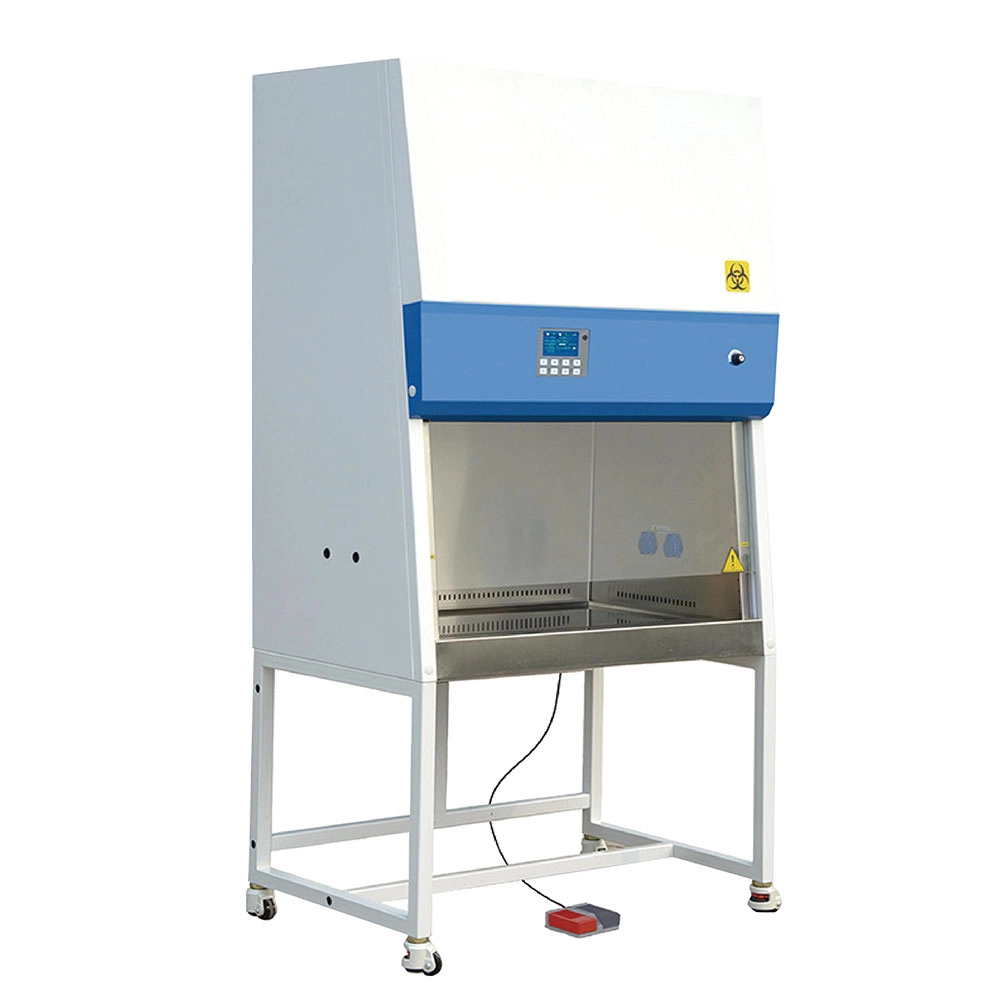
Class II Type A2 Biological Safety Cabinet for Laboratory
The Class II A2 Biological Safety Cabinet is designed to provide superior biosafety and contamination control for laboratories, research facilities, and clinical settings. With 70% air recirculation and 30% air exhaust, this cabinet ensures a safe and efficient work environment while protecting both the user and the samples.
Equipped with advanced features like a HEPA filtration system, motorized front window, and ergonomic design, this cabinet is a must-have for safe and reliable biological research.

 Scan QR Code
MaxLabFurniture
MaxLab Furniture
daihongada
Max Laboratory